Little Bull

Michelin Plate
Our verdict
A Michelin Plate recipient on Durham's North Mangum Street, Little Bull operates in the upper tier of the city's fusion dining scene, where technique and cross-cultural reference share equal weight. The kitchen works at a price point that positions it alongside Durham's most ambitious tables, making it a useful benchmark for understanding how the city's independent dining culture has matured.

Pearl is the En Primeur Club membership app — saves, bookings, and concierge access live there. Same editors, same standards.
- Address
- 810 N Mangum St, Durham, NC 27701
- Phone
- (919) 251-8989
- Hours
- Mon 5–10 PMTue ClosedWed–Thu 5–10 PMFri 5–11 PMSat 11 AM–3 PM, 5–11 PMSun 11 AM–3 PM, 5–10 PM
- Website
- littlebullnc.com
- Directions
- Get directions
- Booking
- Book on OpenTable
The menu
What to order
- Al_pastor_skewer
- Tom_kha_ceviche
- Half_chicken_with_pita
Durham's Fusion Counter and What It Says About the City's Dining Moment
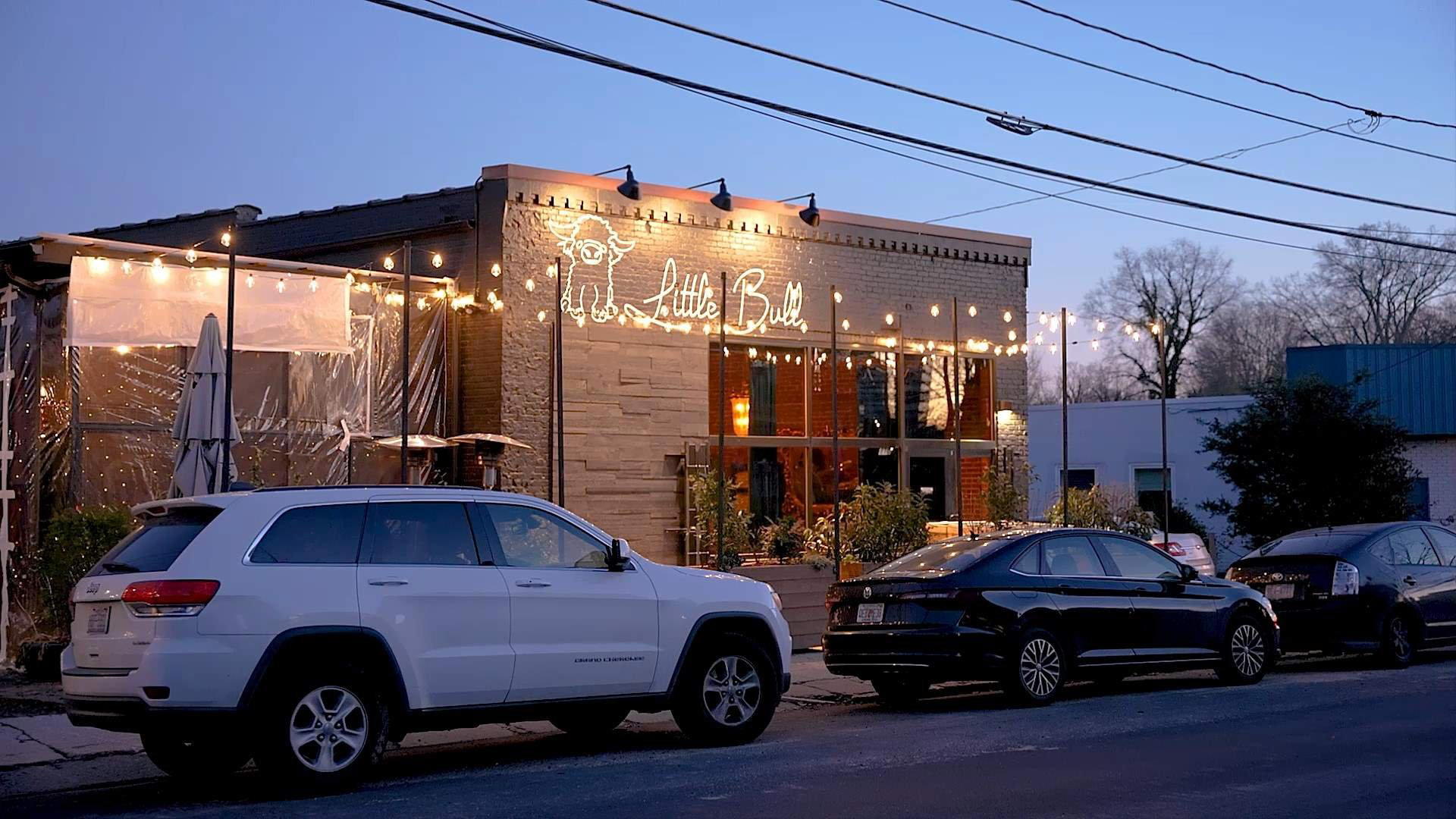
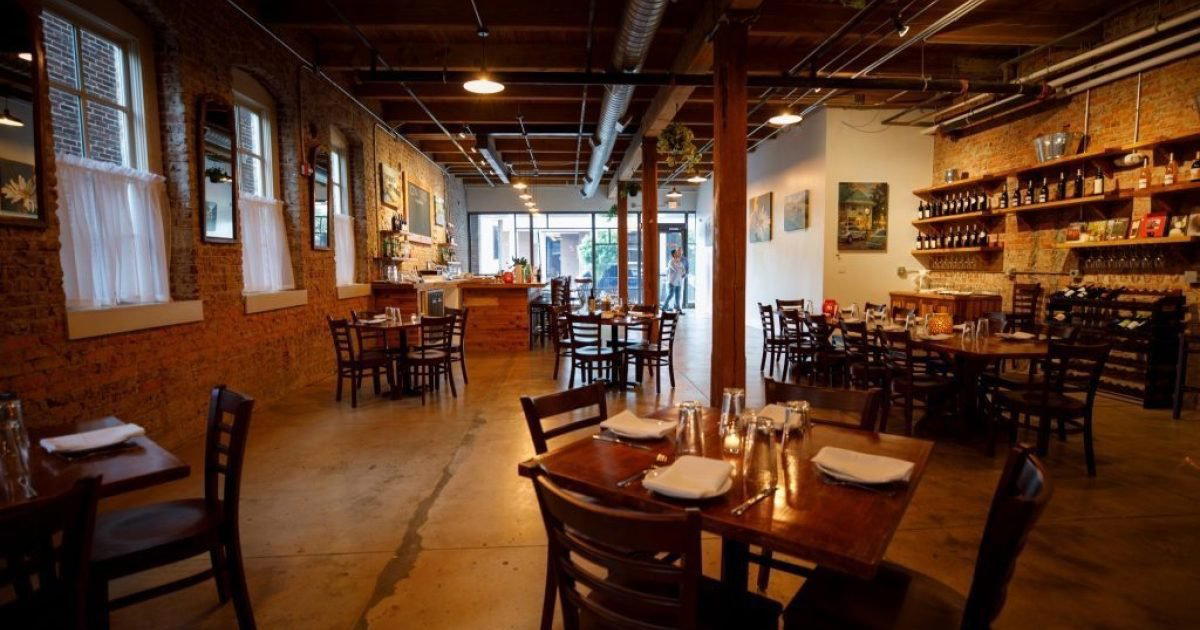
North Mangum Street has become one of Durham's more interesting addresses for serious eating, and Little Bull sits on it with the kind of low-key confidence that defines the city's better independent restaurants. There is nothing here that announces itself loudly. The signage is spare, the room reads as a place where the cooking is the event rather than the décor, and the energy on a busy evening comes from tables that are clearly engaged with what arrives in front of them rather than from any manufactured atmosphere. That composure is increasingly characteristic of Durham's dining scene, which has moved well past its earlier reputation as a secondary market for Research Triangle visitors and now generates its own reasons to travel.
Where Fusion Means Something Specific
The word fusion carries different weight depending on where it is used. In cities with established culinary hierarchies, it can signal eclecticism without discipline. In Durham, where the restaurant culture has developed quickly and without the burden of a fixed identity to protect, fusion at the upper price tier tends to mean something more considered: a kitchen drawing deliberately on more than one culinary tradition, making choices about which techniques and flavour logics to combine, and holding itself accountable to coherence rather than novelty. Little Bull's Michelin Plate recognition in 2025 positions it within that more rigorous interpretation. The Plate designation, which Michelin uses to identify restaurants with cooking that merits attention without yet reaching star level, is a meaningful credential in a guide that only recently began covering North Carolina. Its presence in the 2025 listing places Little Bull in a peer group that includes some of the Triangle's most technically serious kitchens.
For context on how Durham's fusion tier sits relative to broader American benchmarks, the distance from this price point to the format discipline of Atomix in New York City or the tasting-menu rigour of Alinea in Chicago is still real, but it is narrowing in cities like Durham faster than most food media acknowledges. The comparison is not equivalence; it is trajectory.
The Rhythm of the Meal
At a restaurant operating in this price bracket and with this kind of recognition, the meal has a structure that rewards patience. Fusion kitchens at the $$$ tier typically sequence courses to build rather than simply surprise, and the pacing tends to assume that the table is present for the full arc rather than looking to move on. That assumption shapes how the evening unfolds. Early courses often function as orientation, establishing the culinary references the kitchen is working with, and later courses tend to pay those references off with more technical ambition. Whether you arrive knowing the menu's structure or discover it as the meal progresses, the experience is designed to be read as a whole.
This approach to dining ritual separates Little Bull from the more casual end of Durham's restaurant scene, where the meal is an occasion without a clear internal logic, and aligns it with peers like Faru, which operates at a similar price point with modern cuisine credentials and its own Michelin attention. Both restaurants are making arguments about what Durham's upper tier can do. Coarse, with its Modern British framing, and Nanas, operating in the contemporary $$$ space, round out a small cohort of Durham tables where the meal is structured to be experienced deliberately rather than consumed efficiently. The contrast with the city's accessible end, represented by places like Nikos and Seraphine, is useful: Durham now sustains both registers without the higher tier feeling imported or out of place.
Fusion at This Latitude: Southern Ingredients and Cross-Cultural Technique
One of the more interesting dynamics in the American South's current restaurant generation is the question of what fusion means when the local ingredient culture is as specific as it is in North Carolina. The state's food geography, defined by coastal seafood, pork traditions, agricultural diversity from the piedmont through the mountains, and a grower network that has expanded significantly over the past decade, gives fusion kitchens real material to work with. The most interesting restaurants in this cohort are not simply applying global techniques to generic American produce; they are making decisions about how particular Southern ingredients behave when treated through different culinary frameworks. That conversation is audible at Little Bull, and it connects the restaurant to a wider American phenomenon: the regional fusion table that is more rigorous about its local sourcing than its bi-coastal counterparts often acknowledge. Parallels exist at The Lobbyist in Memphis, where the Southern ingredient base meets comparable technical ambition, and at the farm-integration model of Single Thread Farm in Healdsburg, though the contexts and scales differ significantly.
Planning the Visit
Little Bull is at 810 N Mangum St, Durham, NC 27701, in a part of the city that has become more consistently worth a full evening rather than a single stop. The $$$ price positioning means a meal here is in the range of Durham's most ambitious independent tables, comparable to what you would spend at Faru or Nanas. For a restaurant with Michelin Plate recognition, securing a table in advance is sensible; the guide's attention has a measurable effect on demand for North Carolina restaurants that were already running close to capacity on reputation alone. The same pattern has played out at recognised tables across smaller American cities from Lazy Bear in San Francisco to Emeril's in New Orleans, where critical recognition compresses available bookings quickly. If you are building a Durham itinerary that includes serious eating, our full Durham restaurants guide covers the complete picture. For the broader visit, our Durham hotels guide, bars guide, wineries guide, and experiences guide are all available.
Frequently asked questions
Is Little Bull award-winning?
Little Bull has received recognition including: Michelin Plate (2025).
What should I eat at Little Bull?
The menu specifics shift with the kitchen's direction, so the safest approach is to order broadly and let the tasting arc develop rather than anchoring to a single dish. At the $$$ price point and Michelin Plate level, the kitchen is working with intention, which means the full progression of the meal typically outperforms any single plate taken in isolation. Ask the front-of-house what the kitchen is focused on that evening — at a fusion counter operating at this level in Durham, that question usually gets a useful answer.
How do I find Little Bull?
Little Bull is located at 810 N Mangum St, Durham, NC 27701, Durham.
Should I book Little Bull in advance?
Yes. A 2025 Michelin Plate listing in a market the size of Durham concentrates demand quickly, particularly at a $$$ fusion address on North Mangum Street. Reservations are advisable, especially for weekend evenings or larger parties. Walk-in availability exists, but planning ahead removes the risk.
What has Little Bull built its reputation on?
The 2025 Michelin Plate is the clearest external marker: the guide's inspectors recognised the kitchen's cooking as worth a dedicated trip, which in a mid-size Southern city like Durham is a meaningful distinction. The $$$ positioning and fusion format suggest a kitchen that takes cross-cultural technique seriously rather than using the category as a catch-all. North Mangum Street has developed into one of Durham's more credible dining corridors, and Little Bull is part of the reason that address now carries weight.
Is Little Bull in Durham a good choice for a special occasion dinner?
At the $$$ tier with a 2025 Michelin Plate, Little Bull sits at the upper end of Durham's dining options and suits a meal where the food itself is the event. The fusion format on North Mangum Street signals a kitchen cooking with range and structure rather than a neighbourhood spot where the occasion is incidental. For visitors to Durham, NC specifically seeking recognised fine dining, this is one of a small number of addresses with independent critical validation.
What It’s Closest To
Comparable venues nearby, for context on price, style, and recognition.
| Venue | Cuisine | Price | Awards | Notes |
|---|---|---|---|---|
| Little BullThis venue — the venue you are viewing | Modern Pocho Fusion | Not listed | Michelin Plate | Not listed |
| Rue Cler | Classic French Bistro | $50–100 | Not listed | downtown |
| Juju Durham | Asian Fusion Tapas | $30–50 | Not listed | Old West Durham |
| Dashi Ramen and Izakaya Cocktail Bar | Japanese Ramen and Izakaya | $20–30 | Not listed | Downtown Durham |
| Nikos | Authentic Greek & Mediterranean Meze | $30–50 | Michelin Plate | Brightleaf Square |
| Pizzeria Toro | Wood-Fired Neapolitan Pizza | $20–30 | Not listed | Downtown Durham |
Recognition history
Dated appearances from independent guides and award organizations, with the underlying list record or original source where available.
Michelin Plate
Michelin
Details
- Cozy
- Intimate
- Trendy
- Modern
- Date
- Night
- Special
- Occasion
- Open Kitchen
- Craft Cocktails
- Small Plates
- A La Carte
- Gluten Free Options
Current opening hours
- Monday
- 5–10 PM
- Tuesday
- Closed
- Wednesday
- 5–10 PM
- Thursday
- 5–10 PM
- Friday
- 5–11 PM
- Saturday
- 11 AM–3 PM, 5–11 PM
- Sunday
- 11 AM–3 PM, 5–10 PM
Hours can change for holidays and private events. Last verified .
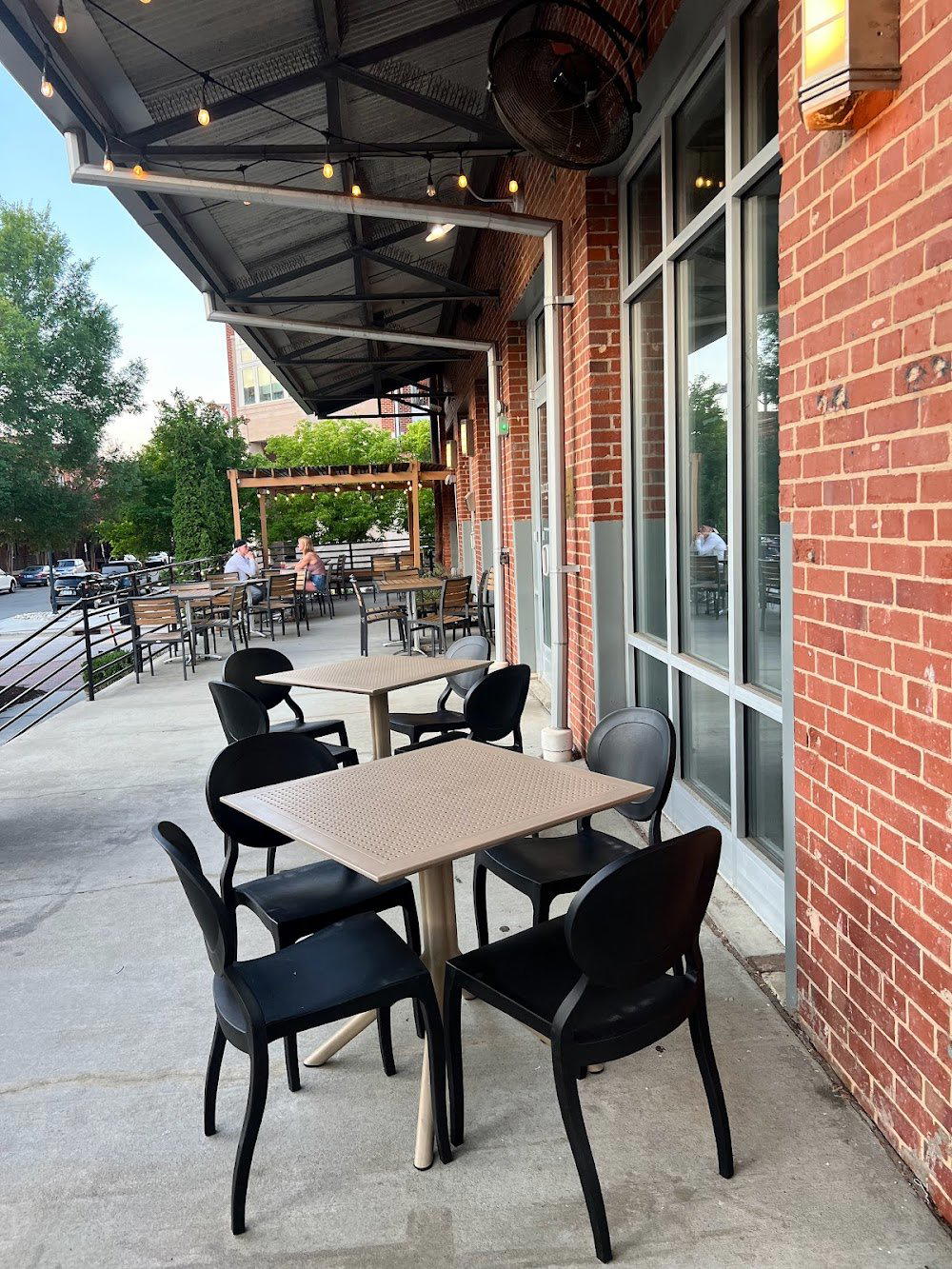
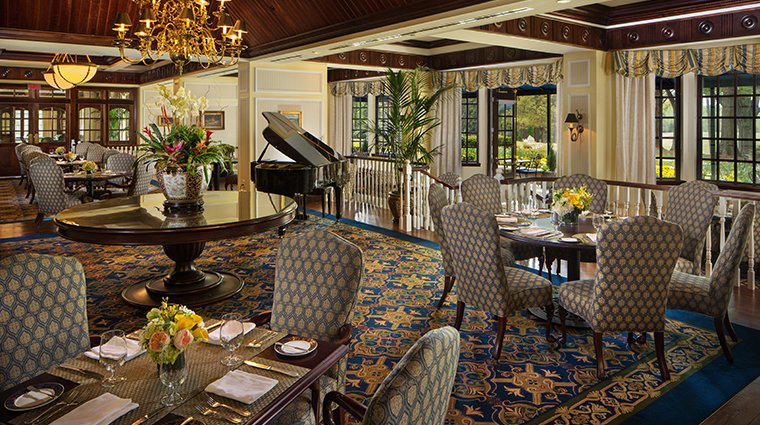
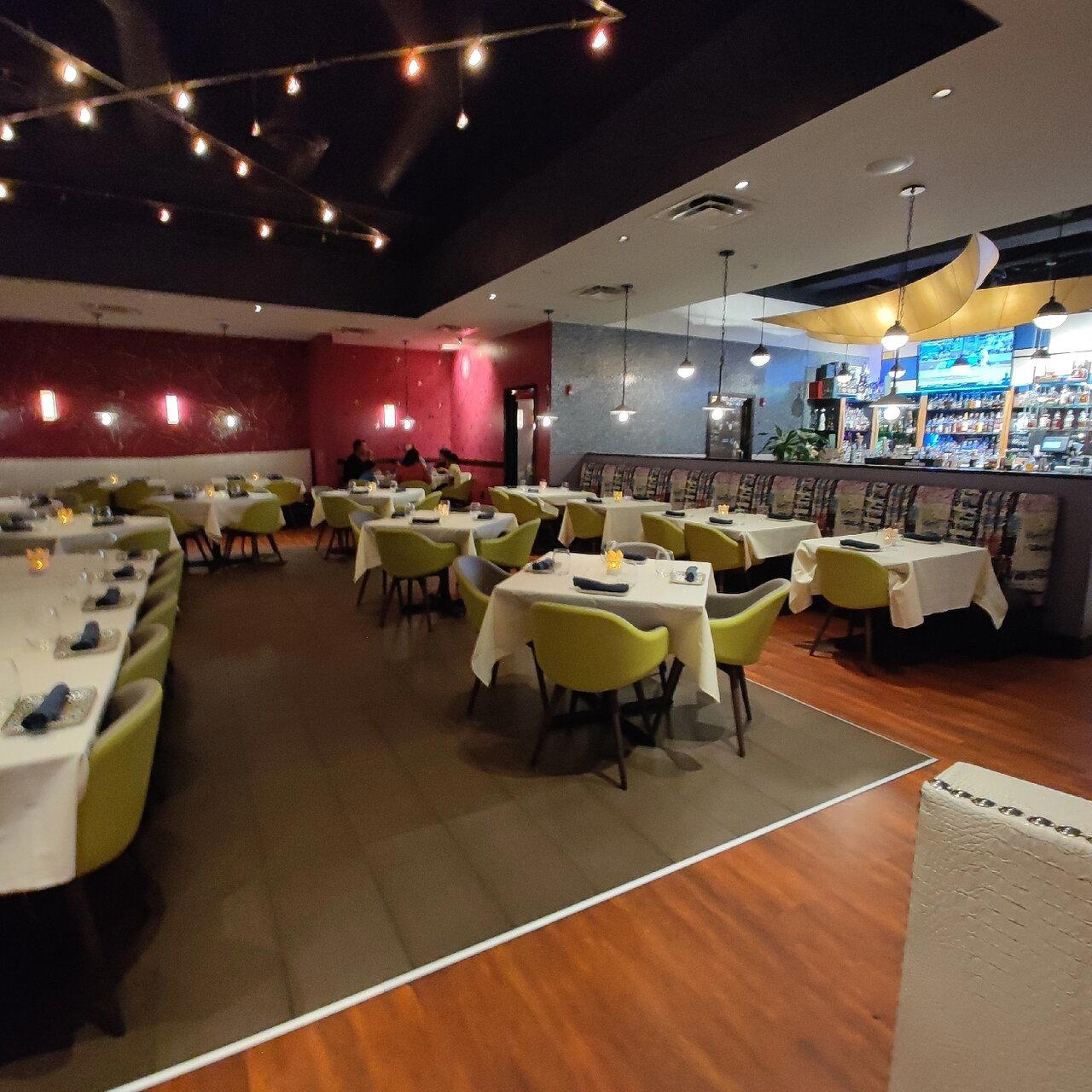
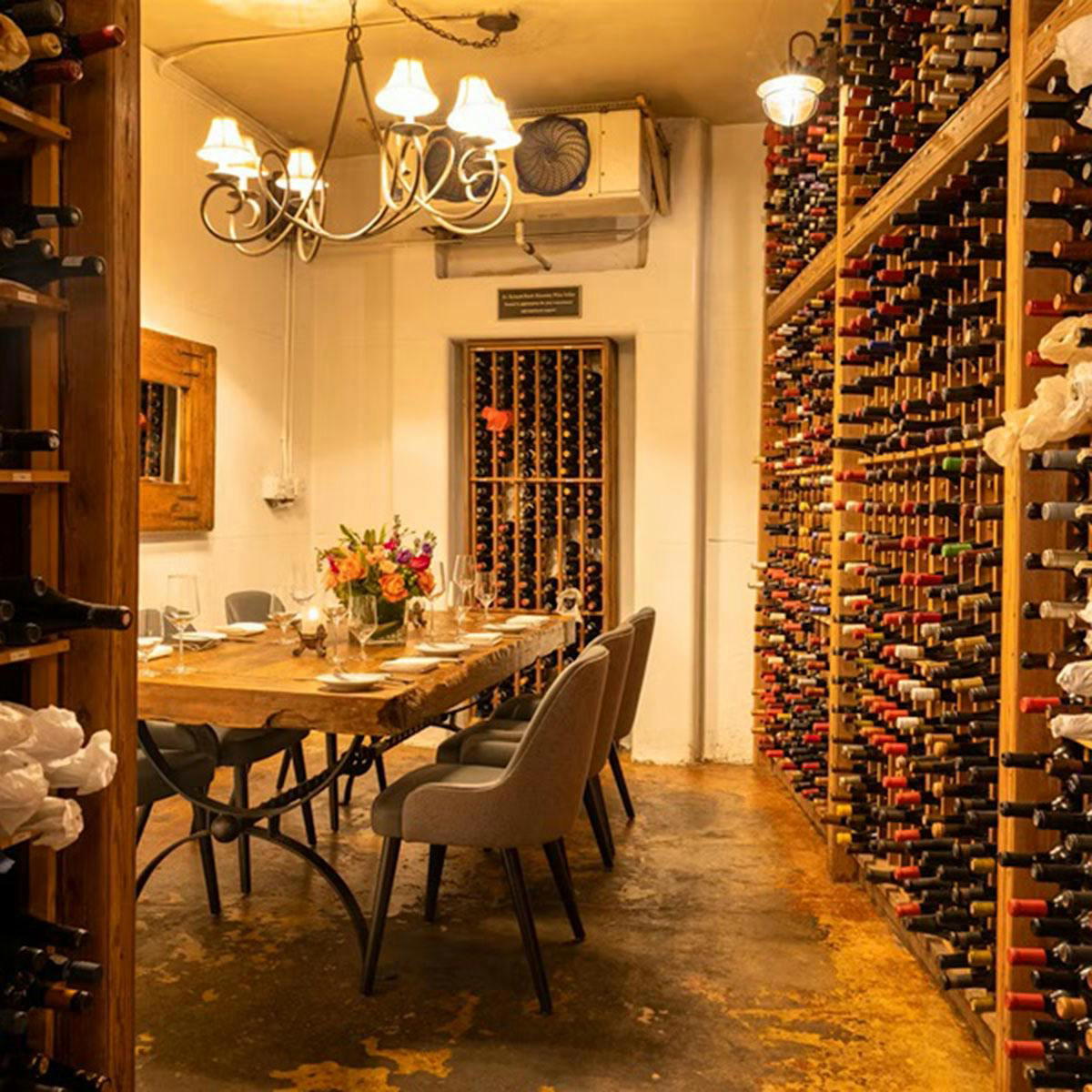
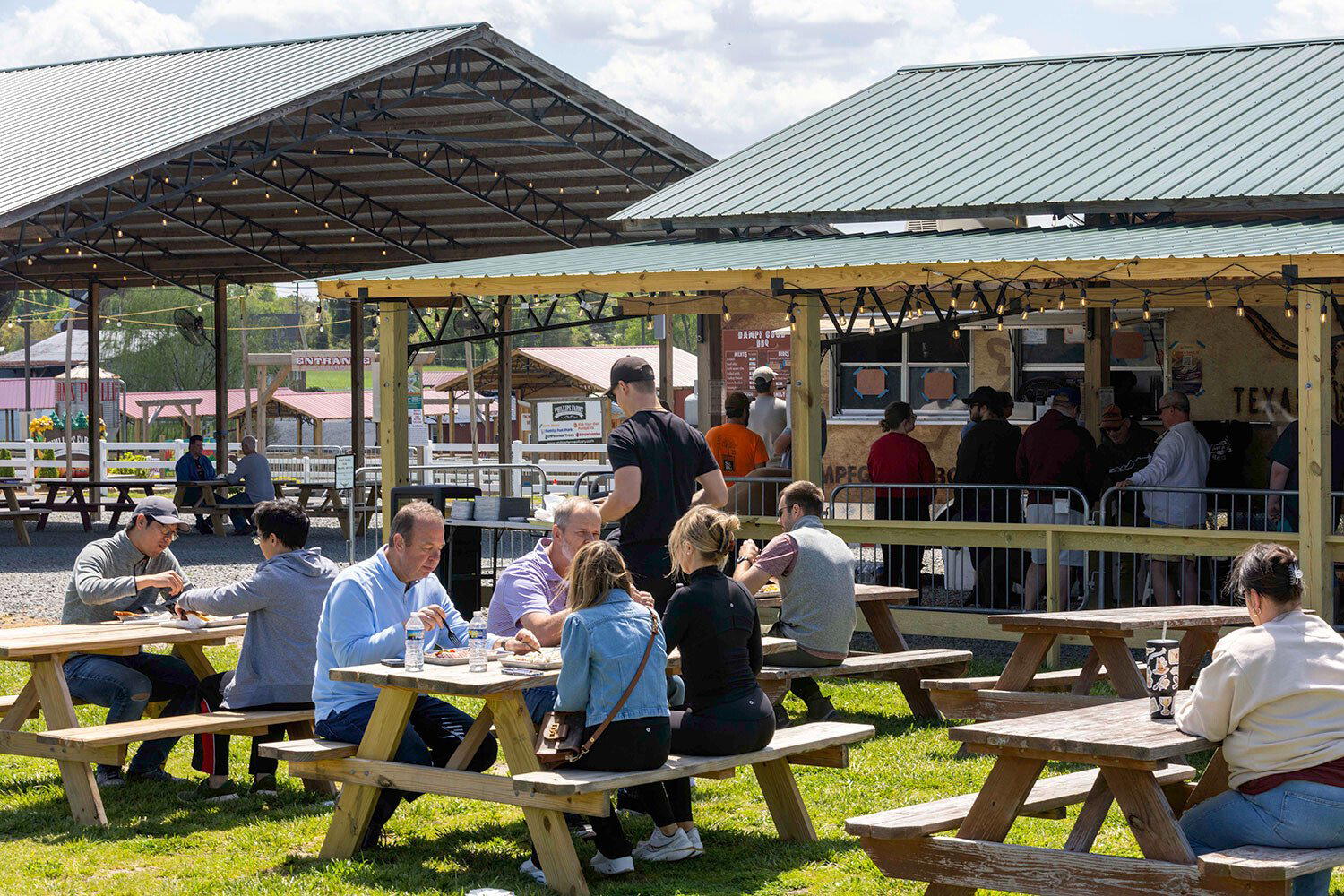
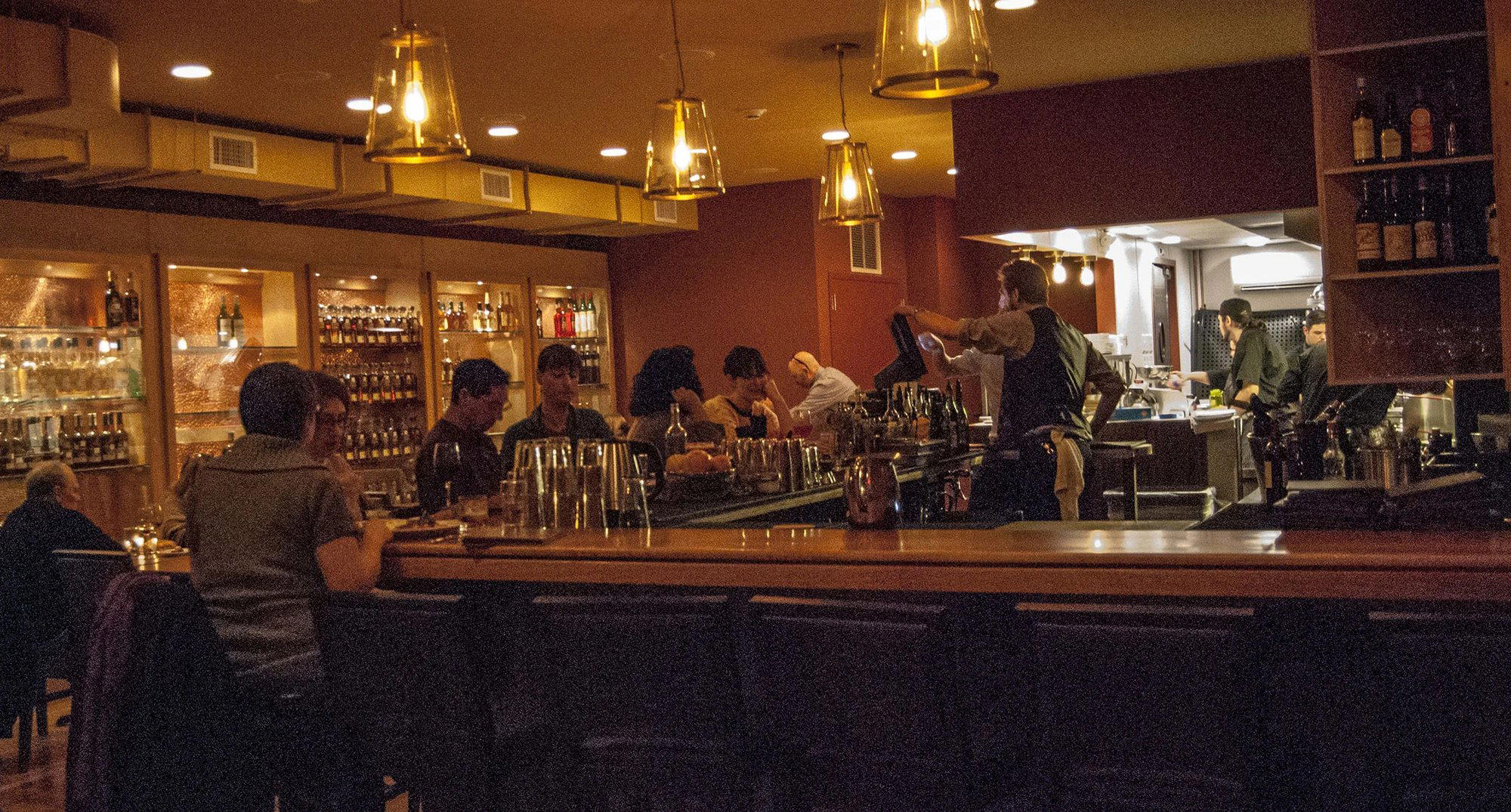
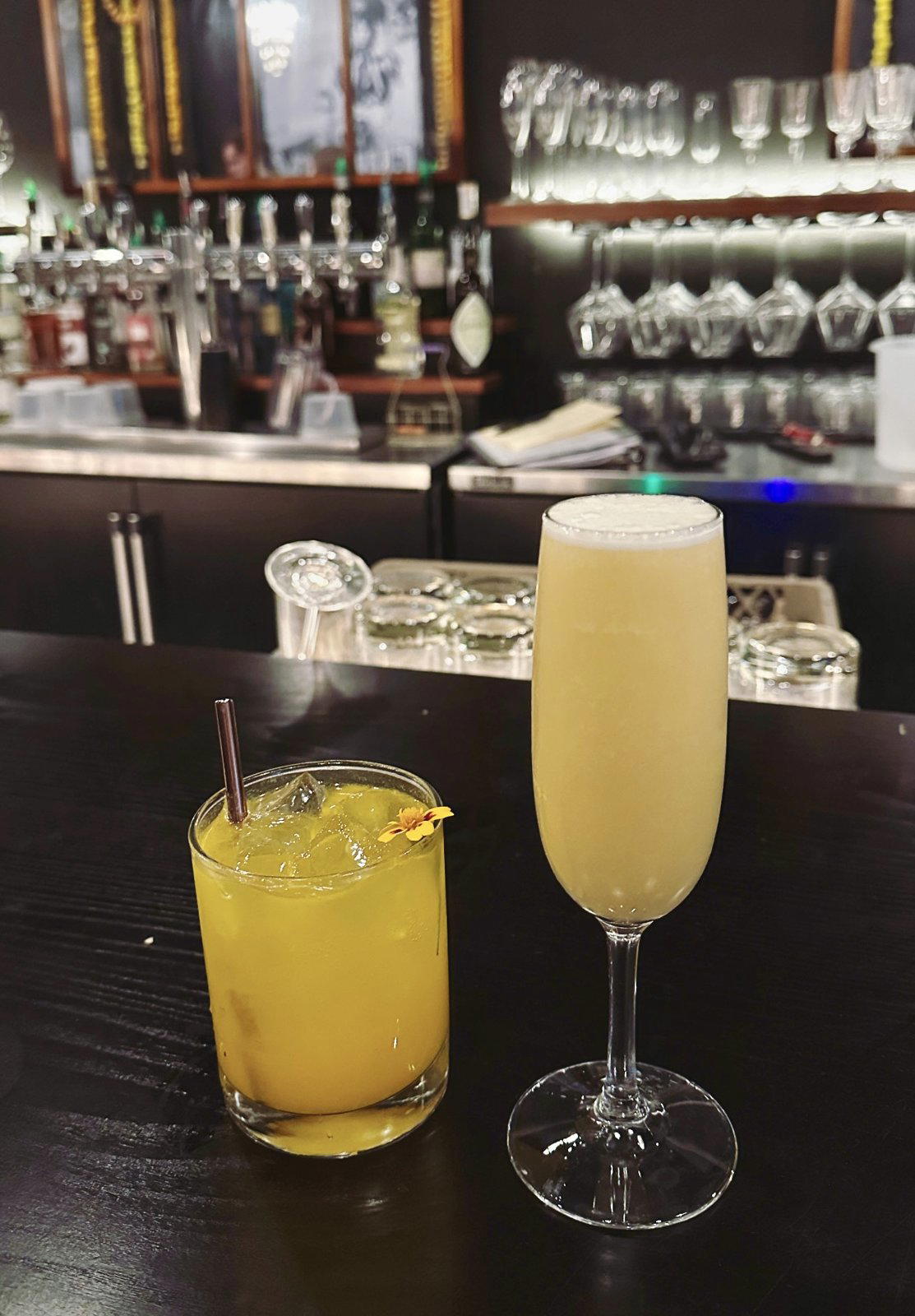
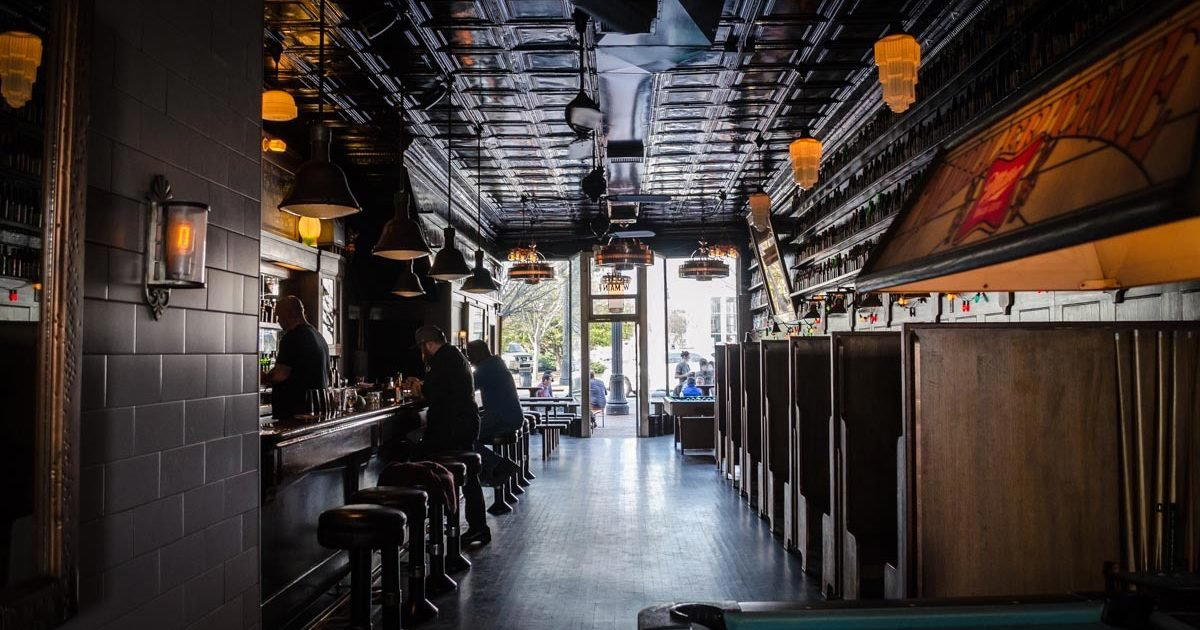
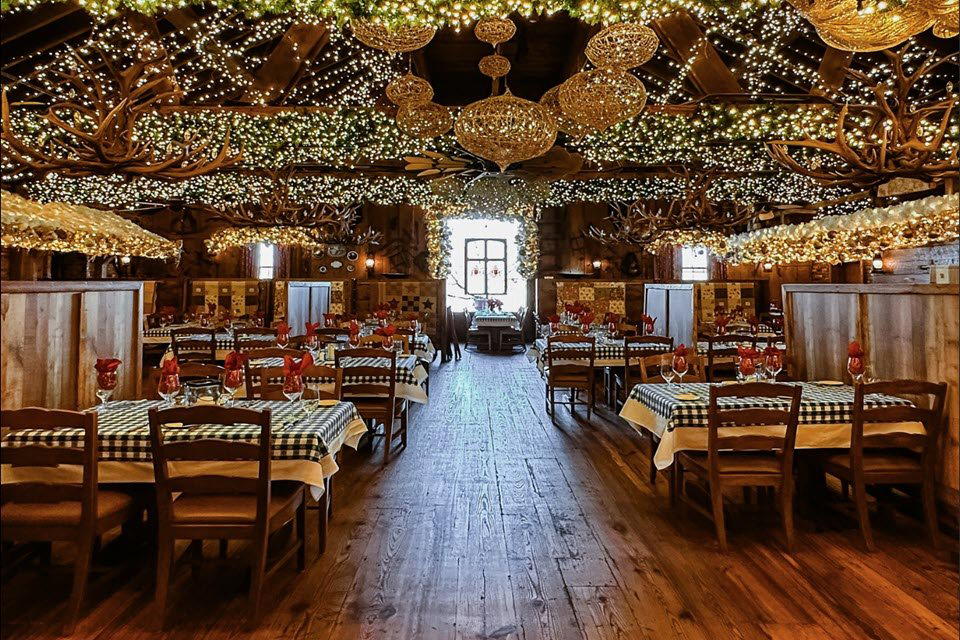
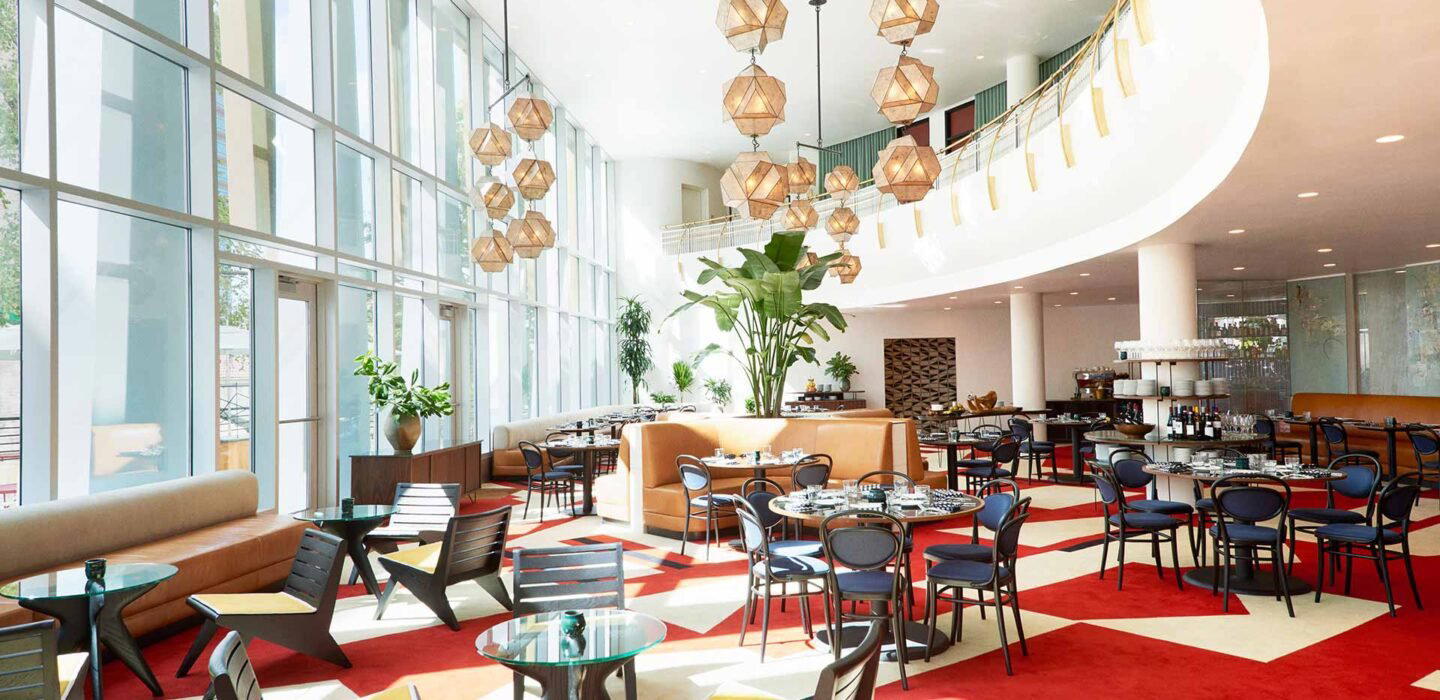
Cozy and intimate with warm lighting, fun ambiance that can get slightly noisy indoors, and a comfortable weatherproof outdoor patio.