Sal e Brasa
Our verdict
Sal e Brasa occupies a residential address in Cuauhtémoc, one of Mexico City's most competitive dining neighbourhoods. The restaurant sits in a tier of mid-range destinations that trade on repeat-visitor loyalty rather than tasting-menu spectacle. For travellers building an itinerary around the capital's broader dining scene, it functions as a counterpoint to the city's heavily awarded flagship tables.

Pearl is the En Primeur Club membership app — saves, bookings, and concierge access live there. Same editors, same standards.
- Address
- Río Atoyac 89a, Cuauhtémoc, 06500 Ciudad de México, CDMX, Mexico
- Phone
- +525550389173
- Hours
- Mon–Wed 12:30–10 PMThu–Sat 12:30–11 PMSun 12:30–10 PM
- Website
- opentable.com
- Directions
- Get directions
- Booking
- Book on OpenTable
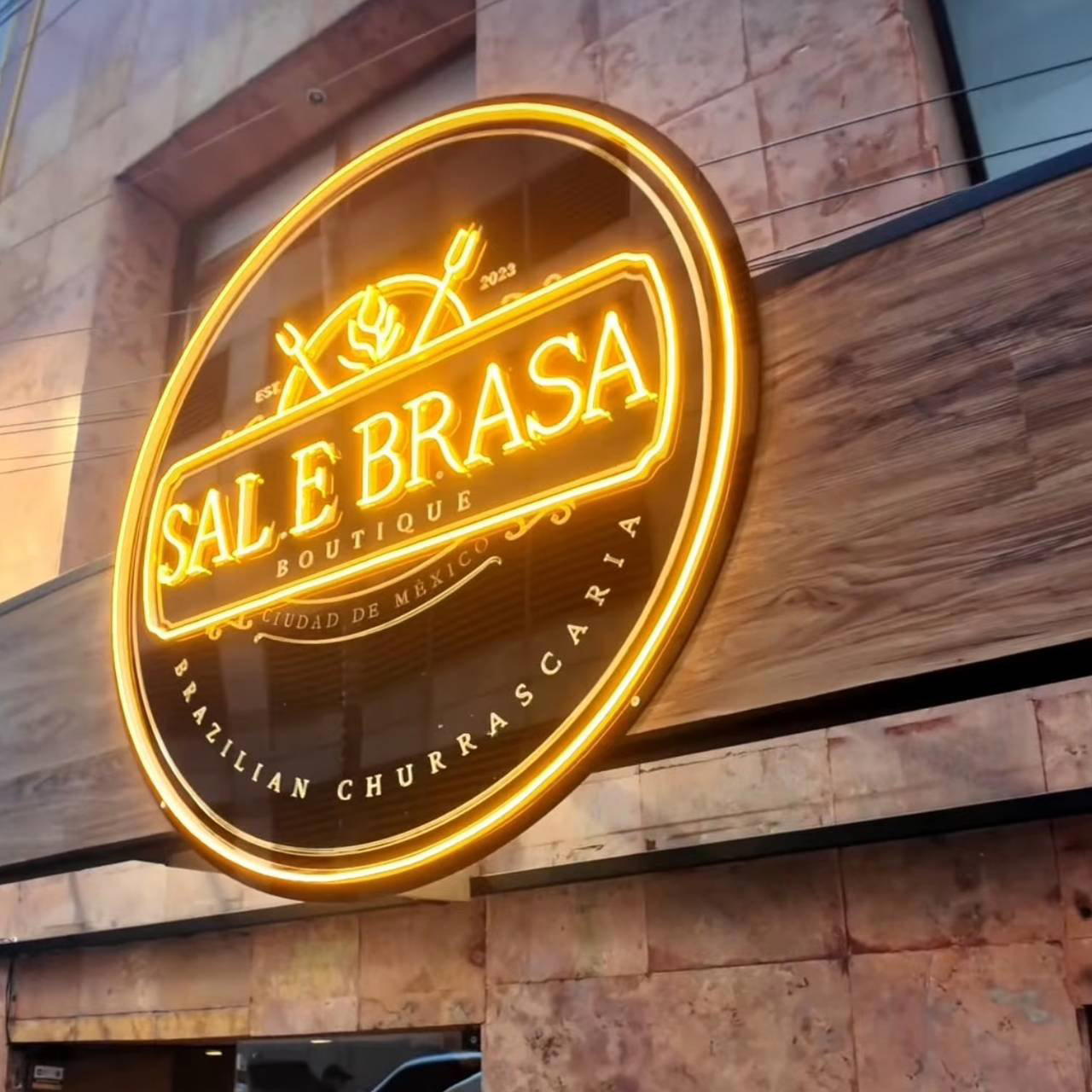
Fire, Salt, and the Neighbourhood That Shapes Both
Río Atoyac is a short street in Cuauhtémoc, the central borough that contains some of Mexico City's most closely watched restaurant addresses. The neighbourhood runs from the faded grandeur of Colonia Roma to the commercial density of Insurgentes, and the dining rooms that have survived longest here tend to share a quality: they read the room as a local institution rather than a destination for tourists in transit. Sal e Brasa, at number 89a, sits squarely in that tradition. The address tells you something before you step inside — this is not the polished corridor of Polanco, where Pujol and its peers operate at the upper reaches of the country's fine-dining ambitions. This is a working neighbourhood restaurant that has built its relevance through consistency rather than spectacle.
Where Cuauhtémoc Fits in Mexico City's Dining Map
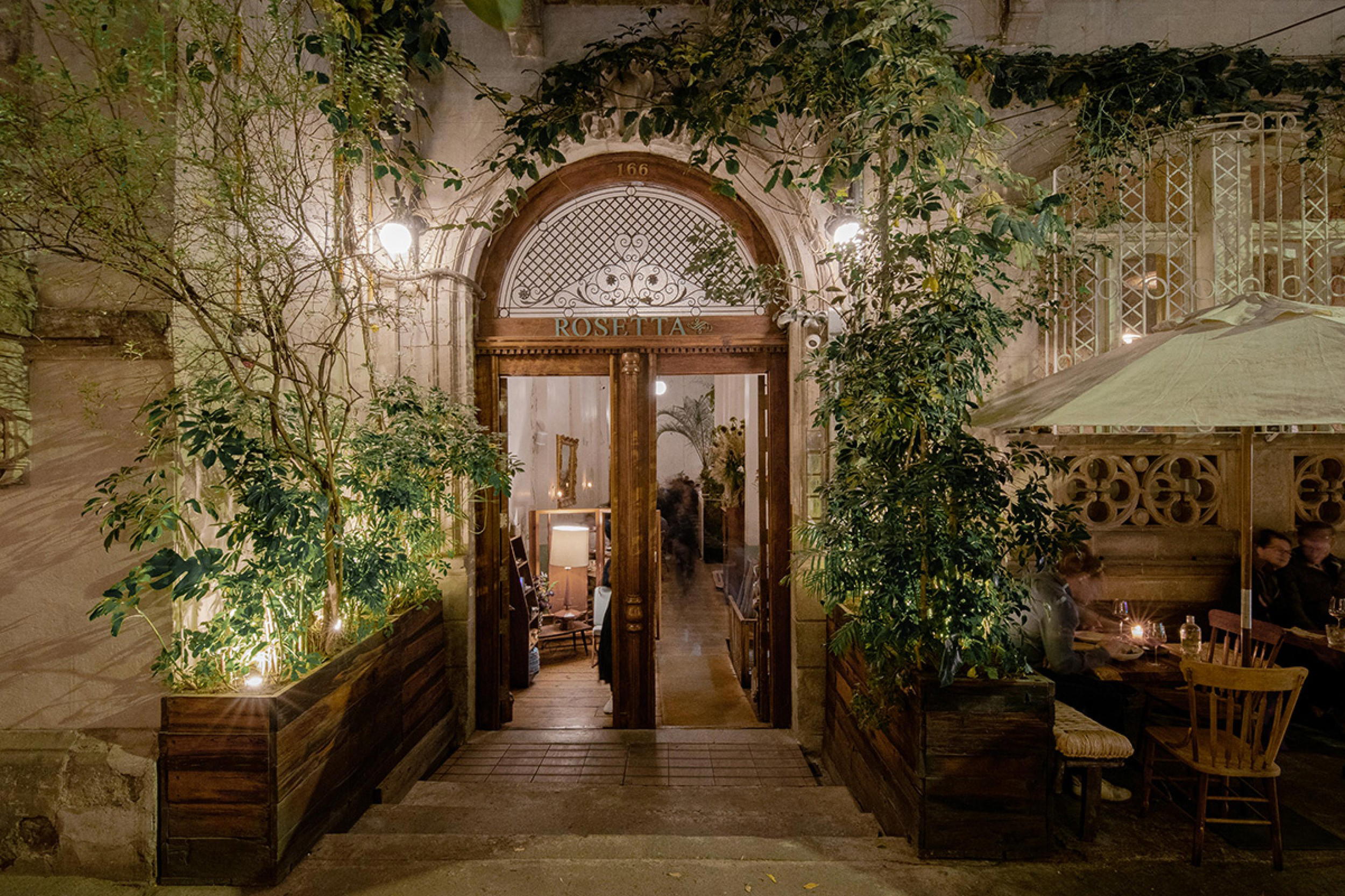
Mexico City's restaurant scene has reorganised itself substantially over the past decade. The flagship tier — Quintonil, Em, and comparable tasting-menu rooms, now operates at price points and booking windows that align more with Paris or Tokyo than with regional Mexican norms. Below that, a second cohort of neighbourhood-anchored restaurants has expanded to absorb diners who want serious cooking without the formality or the commitment of a multi-hour progression menu. Cuauhtémoc has become one of the more reliable districts for this middle tier. Rosetta, a few minutes away in Roma Norte, demonstrates how a well-positioned neighbourhood room can accumulate critical weight over time while keeping its address genuinely residential. Sal e Brasa operates in the same spatial logic: close to where people live, priced for return visits, and oriented around a regulars economy rather than one-time occasion dining.
That positioning matters more than it might appear. In a city where the conversation around food often centres on technique-heavy tasting menus or on the street-level antojería tradition, mid-range sit-down restaurants occupy a contested and often underwritten space. They compete not just with each other but with the gravitational pull of Mexico City's extraordinary casual food culture, where a well-made taco at a neighbourhood puesto can outperform a careless plated dish at twice the price. The restaurants that survive in this tier do so because they offer something the street cannot: a seated pace, a curated drink list, and a degree of kitchen consistency that rewards planning your evening around them.
The Evolution of a Neighbourhood Room
The name itself, salt and embers, in direct translation, anchors the restaurant's identity in the most elemental cooking methods. This is not a branding accident. Across Mexico, the past decade has seen a consolidation of interest in wood-fire and live-flame technique, partly as a response to the hyper-technical phase of modernist Mexican cooking that defined the early 2010s, and partly as a genuine reassertion of pre-industrial cooking traditions. Animalón in Valle de Guadalupe built an entire destination restaurant around this logic in wine country; Sud 777 made fire-forward cooking a central plank of its identity in Mexico City's Pedregal neighbourhood. Sal e Brasa's name suggests alignment with this broader movement, though its Cuauhtémoc address places it in a more urban, less resort-inflected register than Valle de Guadalupe counterparts.
Neighbourhood restaurants that outlast their first few years in Mexico City typically do so through a process of quiet recalibration: menus tighten, the room finds its regulars, and the kitchen develops a shorthand with its suppliers. This is the evolutionary arc that distinguishes a working restaurant from a project. The salt-and-fire framing gives Sal e Brasa a clear product identity to evolve within, it is easier to deepen a defined technique than to reinvent a loosely described concept. Across Mexico's regional restaurant scene, from Levadura de Olla in Oaxaca to Alcalde in Guadalajara, the restaurants that have sustained critical relevance are those that articulated a clear point of view early and then refined rather than abandoned it.
Context Among Mexico's Broader Scene
Understanding where Sal e Brasa sits requires mapping it against Mexico's wider restaurant geography. The country's premium dining has dispersed considerably in recent years. KOLI Cocina de Origen in Monterrey and Pangea in San Pedro Garza Garcia represent the northern Mexico argument that serious cooking does not require a capital address. Le Chique in Puerto Morelos and HA' in Playa del Carmen have established the Yucatán peninsula as a credible fine-dining corridor. Huniik in Merida and Olivea Farm to Table in Ensenada extend that dispersal further. Against this backdrop, Mexico City restaurants in the Cuauhtémoc tier compete for a specific kind of diner: someone already in the capital, probably staying nearby, and looking for a reliable dinner that does not require the ceremony of a flagship booking. That is a real and substantial market, and it is one that rewards restaurants with a clear identity and a consistent execution record.
For travellers whose reference points are at the more rarefied end, the committed technique of Atomix in New York City or the precision of Le Bernardin, Sal e Brasa operates on a different register entirely. The comparison is not meaningful at the level of ambition or price. What is meaningful is the neighbourhood function: a room that a city actually uses, rather than one it reserves for occasions. Lunario in El Porvenir fills a similar role in its own region, a serious restaurant that is also genuinely part of its local fabric.
Planning Your Visit
Sal e Brasa is located at Río Atoyac 89a, Cuauhtémoc, 06500 Ciudad de México. The Cuauhtémoc address is walkable from Roma Norte and reachable by metro from most central districts. Reservations: Contact details are not published in current directories; walking in or asking your hotel concierge to assist with a booking is a reasonable approach for this category of neighbourhood restaurant. Budget: The mid-range Cuauhtémoc tier typically runs in the $$ to $$$ range in local terms, making it a more accessible proposition than the city's tasting-menu flagship rooms. Timing: Weekday evenings tend to favour a calmer room; weekend service in this neighbourhood fills quickly once the local residential crowd arrives. Dress: No formal dress expectation is standard for this category of Mexico City restaurant, smart casual is the effective norm across Cuauhtémoc dining rooms.
Frequently asked questions
Where is Sal e Brasa in Mexico City?
Sal e Brasa is located at Río Atoyac 89a, Cuauhtémoc, 06500 Ciudad de México, CDMX, Mexico, Mexico City.
Is Sal e Brasa a good option for a dinner in Cuauhtémoc without committing to a long tasting menu?
Sal e Brasa's live-fire and salt-cure format positions it as a focused, technique-driven room rather than a multi-course commitment. Cuauhtémoc, the central Mexico City borough where the restaurant operates, contains a range of serious restaurant addresses, and Sal e Brasa occupies the neighbourhood-room tier that suits diners who want a defined culinary point of view without a four-hour sit. The address at Río Atoyac 89a is walkable from Roma Norte.
What do regulars order at Sal e Brasa?
The restaurant's name translates directly to salt and embers, which signals the kitchen's focus: fire-based preparations and salt-cured proteins. In Cuauhtémoc's current mid-range register, that typically means grilled cuts and fire-finished dishes rather than elaborate multi-course formats. No specific menu data is confirmed, so arrive prepared to follow what comes off the grill that day.
How far ahead should I plan for Sal e Brasa?
Sal e Brasa sits at Río Atoyac 89a in Cuauhtémoc, a borough that draws serious restaurant traffic without the months-long queues that apply to Mexico City's flagship tasting-menu rooms. For a neighbourhood room at this tier, booking a few days to a week ahead is a reasonable benchmark on weekends.
What has Sal e Brasa built its reputation on?
The restaurant's positioning centres on live-fire and salt-cure technique, placing it within a broader wave of Mexico City restaurants that have moved away from elaborate plating toward elemental cooking methods. That approach resonates in Cuauhtémoc, a borough where closely watched addresses tend to reward clarity of concept over complexity.
How does Sal e Brasa handle allergies?
No website, published contact number, or confirmed allergy policy is on record for Sal e Brasa at Río Atoyac 89a. Mexico City restaurants across all price tiers generally accommodate dietary requests when contacted directly in advance, and arriving early to speak with floor staff before service begins is a practical approach. For serious allergies, visiting in person before your booking date is the most reliable option.
Price and Recognition
Comparable venues nearby, for context on price, style, and recognition.
| Venue | Cuisine | Price | Notes |
|---|---|---|---|
| Sal e BrasaThis venue — the venue you are viewing | Brazilian Churrascaria | $30–50 | Not listed |
| Fónico | Contemporary Mexican Fine Dining | Not listed | Nva Anzures, Contemporary Mexican Fine Dining |
| Casamarena | Coastal Mexican Seafood | $50–100 | Chapultepec Morales, Coastal Mexican Seafood |
| Campomar Masaryk | Nayarit Seafood | $30–50 | Polanco Chapultepec, Nayarit Seafood |
| Blanco Castelar | Mexican-European Fusion | $50–100 | Polanco Chapultepec, Mexican-European Fusion |
Continue exploring
More in Mexico City
Restaurants in Mexico City
Browse all →
Bars in Mexico City
Browse all →
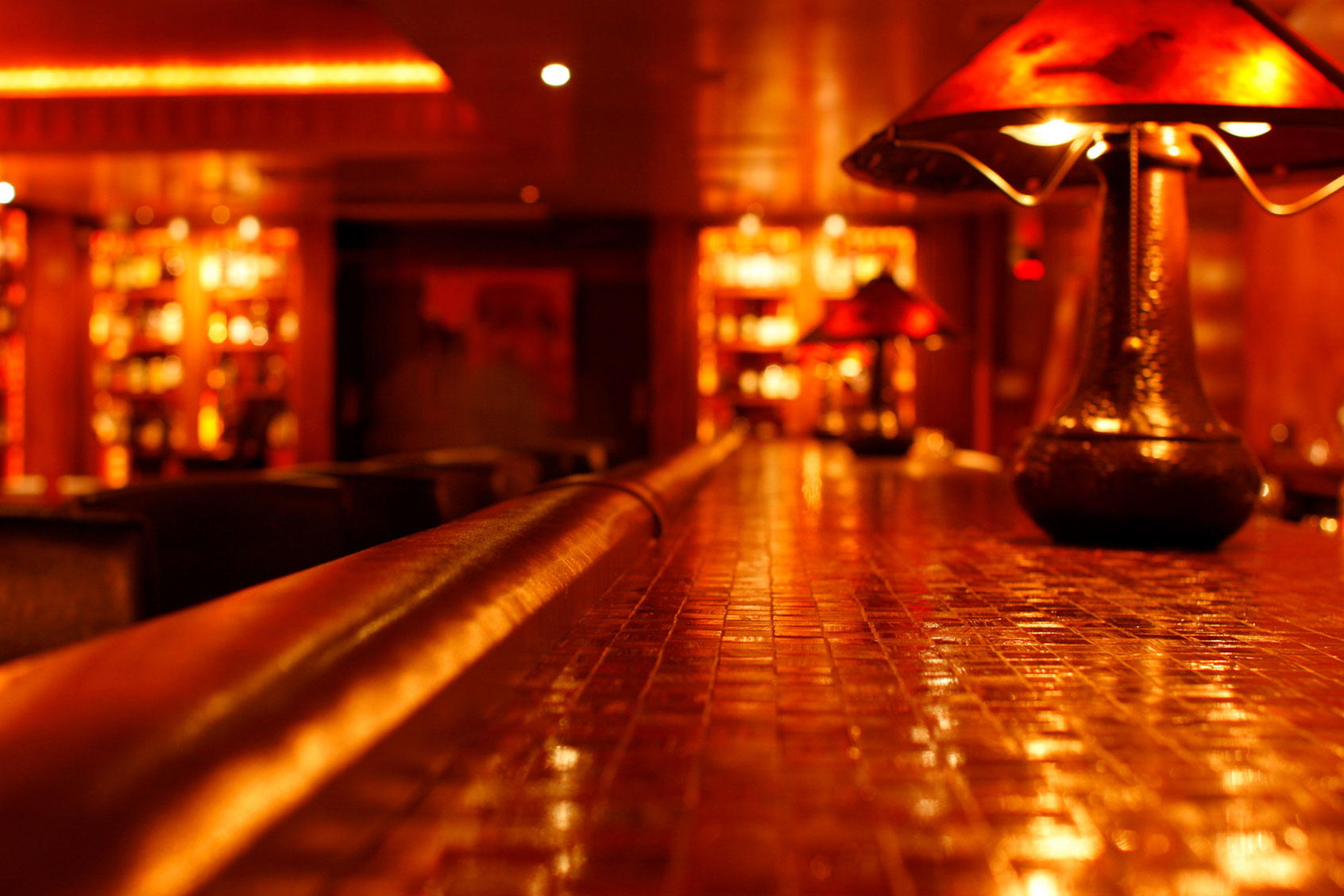
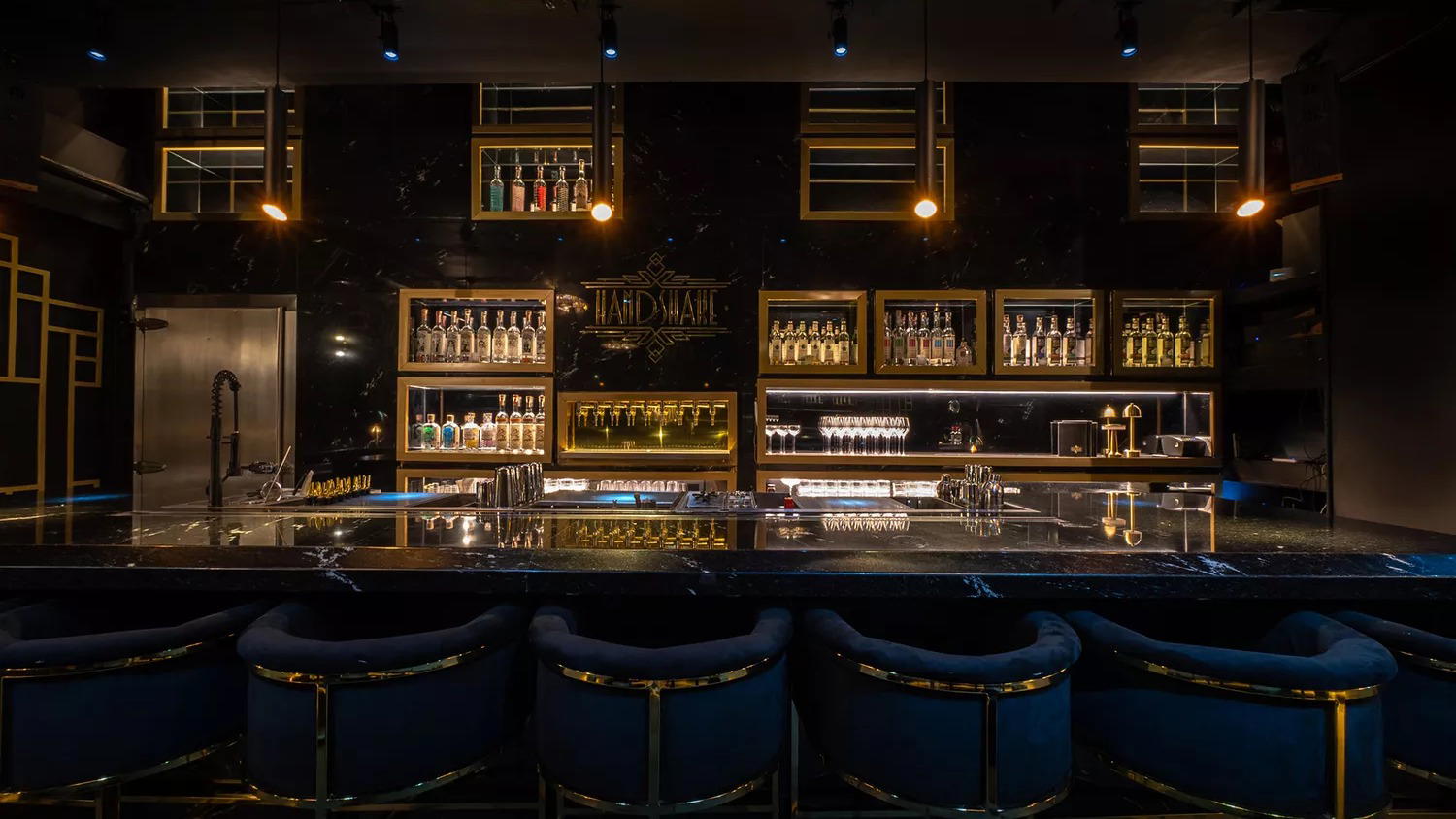
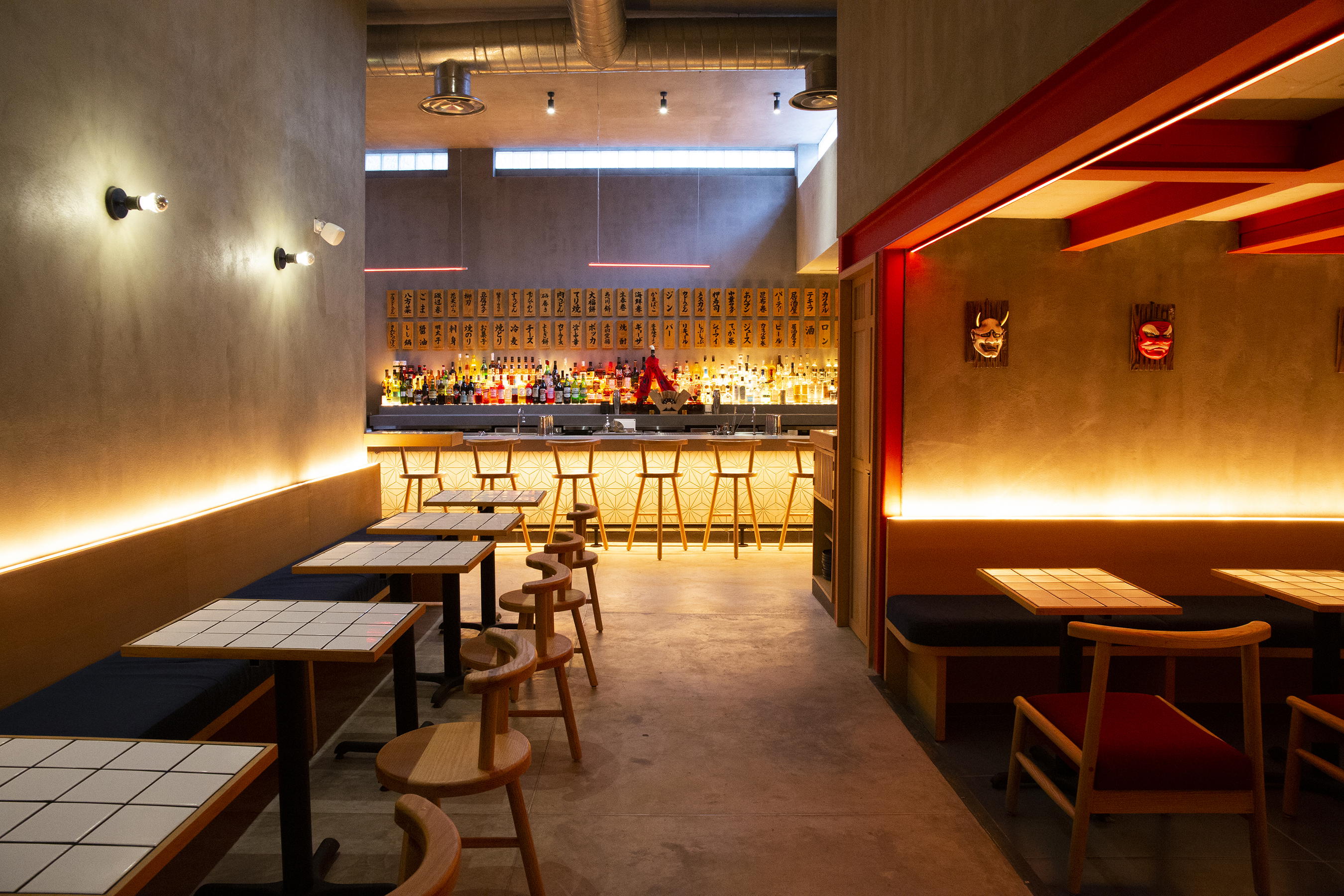
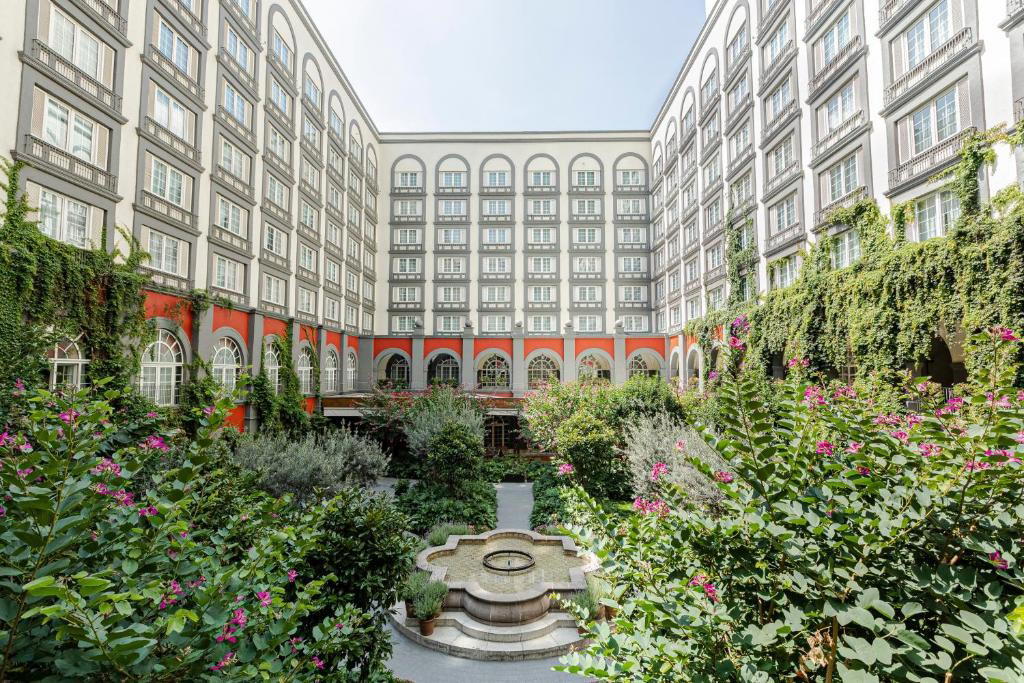
Sal e Brasa
The wine
- Wine program
- Curated wine list
- Extensive wine list
- Craft cocktails
Details
- Lively
- Energetic
- Group Dining
- Celebration
- Open Kitchen
- Extensive Wine List
- Craft Cocktails
- Small Plates
- A La Carte
- Vegetarian Friendly
Current opening hours
- Monday
- 12:30–10 PM
- Tuesday
- 12:30–10 PM
- Wednesday
- 12:30–10 PM
- Thursday
- 12:30–11 PM
- Friday
- 12:30–11 PM
- Saturday
- 12:30–11 PM
- Sunday
- 12:30–10 PM
Hours can change for holidays and private events. Last verified .
Warm and inviting atmosphere centered around the joy of shared grilled meals in a lively setting.