
Tabelog 100 #38
Our verdict
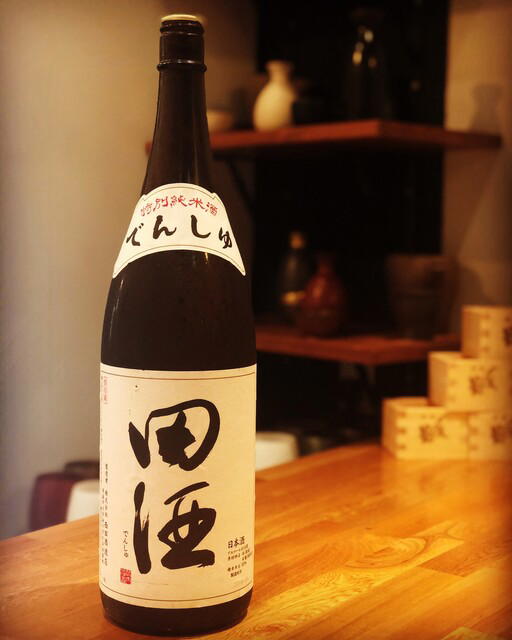
Osaka’s tachinomi culture rewards speed, appetite and a tolerance for tight rooms. sake stand Ponshu Mania brings that format to Minamisenba with a 15-seat standing sake bar, seafood focus, Tabelog 100 Tachinomi 2025 recognition and a dinner spend commonly listed at JPY 2,000 to JPY 2,999.

Pearl is the En Primeur Club membership app, where members save venues, book tables and use the concierge.
The menu
What to order
- Assorted local sake by the cup
- Light otsumami snacks
- Fried dishes to pair with sake
The room signals its category before the first glass: a standing-bar rhythm, Osaka energy and the compressed tempo of tachinomi drinking. This is short-form drinking, not a lingering dining-room production. Its appeal sits between economy and selectiveness: sake over cocktail theatre, seafood over broad izakaya sprawl, and a narrow-format experience that makes timing matter.
Osaka has long compressed pleasure into small spaces. Counter cooking, casual grills, food halls and bars share a practical grammar: eat well, pay attention, move with the room. Tachinomi follows that logic, stripping away the seated-restaurant contract and moving decisions closer to the bar: what to drink, what small dish keeps pace, and how long the room can hold its shape before it turns.
A sake-first tachinomi room in a city built for quick decisions
sake stand Ponshu Mania belongs to the standing-bar category, not the premium kappo or omakase bracket. A dinner budget of JPY 2,000 to JPY 2,999 places it in a lower-ticket Osaka lane than many more formal dining plans, including nights that might also involve Restaurant Genchan, Yoshoku Matsushita or lumiere. The point is lower-ticket, higher-frequency drinking where room, glass and snack must work quickly.
The recognition signal helps because tachinomi can be hard to read from outside. Tabelog Hyakumeiten recognition for 2025 puts the bar in a curated frame for stand-up drinking, a category that rarely enters English-language luxury itineraries with the force of sushi, tempura or kaiseki. The Tabelog score of 3.58 adds a measurable marker, but the category is more telling: stand-up bar, Japanese sake bar and seafood. That combination narrows expectations.
The seafood note separates the experience from generic after-work drinking. Osaka’s casual drinking culture can lean fried, grilled and carbohydrate-heavy; a sake bar that signals fish creates different pacing. Sake rewards temperature, texture and salinity, and seafood keeps the room focused rather than turning it into a catch-all snack counter. No named dish needs to carry the argument. The category says enough: this is built for nihonshu and food that supports the glass.
For travellers mapping Osaka, the city’s strength is density, not grandeur. A bar in this format works after retail hours or before a later reservation, especially for drinkers who want Osaka standing culture without committing the evening to a full izakaya session. It also counters the city’s wider dining spread, from quick Osaka staples and casual stops to more formal restaurants and specialist counters.
Standing format changes the way the night should be planned
Format is part of the editorial value. The bar sits in Osaka’s standing-drinking world, where the experience depends on flow rather than ceremony. This is not for a loose, large-group crawl dependent on chance. It suits solo drinkers and pairs better than parties needing a more expansive setup, because the format rewards minimal negotiation once inside.
Timing shapes the experience. In Japan’s casual dining culture, seasoned travellers should think in terms of inventory and tempo, not just posted closing time. A standing bar can feel entirely different by arrival pattern, especially in Osaka, where office workers, visitors and shoppers can feed the same evening streets.
Practical details share the same personality. The listed categories make the promise clear without overcomplicating the visit: stand-up bar, Japanese sake bar and seafood. Private-room expectations, lounge pacing and long tasting-menu habits are beside the point. The appeal is the opposite: a modern tachinomi stop where the drink, the room and the food move together.
The Osaka location gives it a useful access pattern for visitors who may not read the city’s drinking scene fluently. It is better understood as a planned short stop than as a destination that needs a whole night built around it. In a city where one wrong turn can separate a great quick drink from a frustrating detour, that clarity matters.
How it fits into an Osaka eating itinerary
The best use of sake stand Ponshu Mania is as a focused drinking stop inside a larger Osaka plan. It should not replace the city’s deeper dinner formats; it belongs beside them. A traveller could spend another night on a higher-budget reservation, a separate afternoon on coffee or casual food culture, and keep this for the part of the trip where sake, seafood and standing-room energy are the point.
That range makes Osaka unusually rewarding for repeat eating. One itinerary can hold casual counters, specialist rooms, hotel restaurants and small bars without incoherence. For broader planning, Our full Osaka restaurants guide gives the food context, while Our full Osaka bars guide is the more relevant companion for late-day routing. Visitors building a full city stay can pair those with Our full Osaka hotels guide, Our full Osaka experiences guide and, for category completeness, Our full Osaka wineries guide.
For readers comparing Japan beyond Osaka, the useful question is not which city wins, but which format serves the night. Tachinomi in Osaka carries its own pace against other unnamed dining rooms, regional counters and casual Japanese formats. Outside Japan, sake-focused rooms and informal Japanese concepts show how the category travels, but Osaka’s standing-bar culture gives sake stand Ponshu Mania a sharper urban edge.
A Credentials Check
Comparable venues by price and recognition.
| Venue | Cuisine | Price | Awards | Notes |
|---|---|---|---|---|
| sake stand Ponshu ManiaThis venue (the venue you are viewing) | Standing Japanese sake bar | $20–30 | Tabelog 100 #38 | Not listed |
| Toyo (とよ) | Traditional Japanese Izakaya | $20–30 | Tabelog 100 #66 | Miyakojima Ward |
| Menya JouRoku (麺屋 丈六) | Takaida-style ramen counter | $10–20 | Tabelog 100 #58 | Namba |
| Ampere Coffee & Kitchen | Japanese-International All-Day Cafe | $10–20 | Not listed | Chūō |
| wad omotenashi cafe | Japanese tea & wagashi cafe | $10–20 | Tabelog 100 #28 | Chūō |
| Yoshoku Teshima | Japanese-Style Western (Yoshoku) Hamburg & Mixed Fry | $10–20 | Tabelog 100 #87 | Nishi |
Recognition history
Dated appearances from independent guides and award organizations, with the underlying list record or original source where available.
Tabelog 100 #38 · No. 38
Tabelog · Tabelog 100 - Tachinomi - 2025
Continue exploring
More in Osaka
Restaurants in Osaka
All restaurants in Osaka →




Bars in Osaka
All bars in Osaka →

Hotels in Osaka
All hotels in Osaka →



Wineries in Osaka
Browse all →
Details
- Lively
- Cozy
- Trendy
- Energetic
- After Work
- Casual Hangout
- Group Dining
- Solo
- Late Night
- Standalone
- Sake Program
- Counter Dining
- Small Plates
- Sake Program
A compact standing bar on the ground floor of a business hotel, with a casual, buzzy atmosphere where guests stand shoulder to shoulder at counters, chatting over sake and small plates in a relaxed, lively setting suited to after-work drinks rather than long, formal meals.