Our verdict
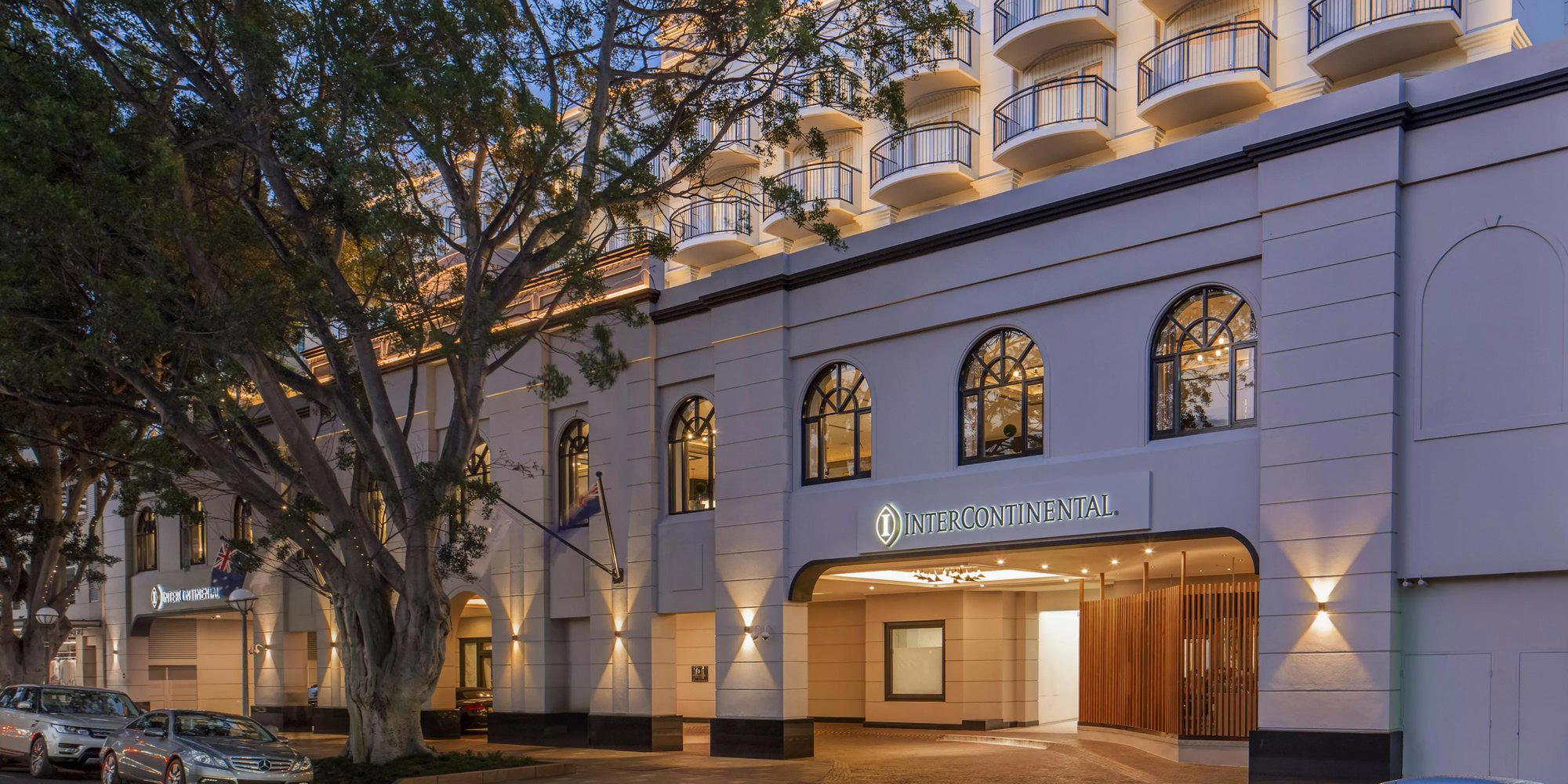
Saké Restaurant & Bar brings Japanese-Australian cooking to the heart of Double Bay, operating from within the Intercontinental Hotel on Cross Street. The format sits squarely in the premium casual tier that defines Double Bay's dining scene, considered enough for a serious dinner, social enough to anchor a long evening with cocktails. For context on the wider neighbourhood, see our full Double Bay restaurants guide.

Pearl is the En Primeur Club membership app, where members save venues, book tables and use the concierge.
The menu
What to order
- Dragon Egg
- Nori crisps tuna and kingfish
- Popcorn shrimp
- Glacier 51 Toothfish
Japanese Precision in Sydney's Most Moneyed Village
Double Bay has long occupied a particular position in Sydney's social geography: east of the CBD, close to the harbour, and furnished with the kind of resident wealth that sustains restaurants operating at the upper end of the casual-premium spectrum. The suburb's dining scene rewards a specific format, somewhere between white-tablecloth formality and neighbourhood bistro ease, and Japanese-Australian restaurants have found a reliable home in that register. Saké Restaurant & Bar, operating from within the Intercontinental Hotel at 33 Cross Street, sits precisely in that space.
The hotel address matters more here than in most cases. Hotel-anchored restaurants in Australian cities occupy a distinct tier: they absorb a walking-in trade that standalone venues rarely see, they operate with the service infrastructure that larger properties provide, and they carry an implicit price signal that filters the clientele before a guest even sits down. Saké's Double Bay outpost inherits all of that, and layers on leading a brand identity that the Saké group has cultivated across multiple Australian cities over more than a decade.
What Japanese-Australian Cooking Actually Means in This Context
The broader category of Japanese-Australian dining has matured considerably since the early 2000s, when the format meant little more than a sashimi platter alongside tempura. The contemporary version, which Saké helped define at the premium end, draws on Japanese technique, knife discipline, textural contrast, the management of temperature and fat, while folding in Australian produce and a social format closer to a European brasserie than a traditional Japanese dining room. The result is a style that can anchor a three-hour Saturday dinner as comfortably as a business lunch, which is part of why it has proven durable in affluent urban markets.
That durability matters in a suburb like Double Bay, where restaurant turnover is lower than in more experimental precincts like Surry Hills or Newtown, and where the clientele tends to return to reliable venues rather than chase novelty. In that context, the Saké format, social, Japanese-inflected, hotel-backed, is well-matched to what Cross Street's foot traffic and resident base actually want.
Compare this to how Japanese cuisine has been interpreted at the more austere end of the Australian fine dining spectrum: Attica in Melbourne and Brae in Birregurra draw on Japanese sensibilities around ingredient restraint and seasonality without positioning themselves as Japanese restaurants at all. The Saké approach is more explicit and more accessible, flagging its reference point in the name and delivering it in a format designed for groups and celebrations rather than solitary concentration.
The Double Bay Setting
Cross Street in Double Bay is a short walk from the water and surrounded by the kind of boutique retail and café density that characterises the suburb's commercial centre. The Intercontinental building gives the restaurant a physical footprint that most standalone Double Bay venues cannot match, with the hotel lobby providing a natural gathering point before dinner. Nearby, the neighbourhood's café culture is anchored by operators like Twenty-One Espresso, which illustrates the broader character of the area: high expectations around quality, low tolerance for carelessness, and a clientele that treats eating and drinking as daily social rituals rather than occasional events.
That context shapes how a venue like Saké functions within the neighbourhood. It is not positioned as a destination restaurant in the sense that Rockpool in Sydney commands a deliberate pilgrimage, nor as a quiet local in the way that Ormeggio at The Spit in Mosman serves its harbour-side residential catchment. It occupies the middle register: known enough to attract visitors from across Sydney's eastern suburbs, embedded enough to function as a local anchor for Double Bay residents.
How It Sits in the Wider Sydney Japanese Dining Picture
Sydney's Japanese dining scene in 2024 has fragmented into several distinct tiers. At the leading sits a small cluster of omakase counters in the CBD and Surry Hills, where per-head spends exceed $300 and bookings extend months ahead. Below that, a mid-premium tier covers Japanese-Australian hybrids and contemporary izakaya formats. Saké operates in that second tier, where the competitive set includes venues prioritising atmosphere and social format alongside kitchen craft.
This is a different proposition from the kind of ingredient-led discipline you find at Australia's most serious food destinations. For those, the comparison points would be places like Botanic in Adelaide, Hentley Farm in Seppeltsfield, or Laura at Pt Leo Estate in Merricks, venues where the tasting menu format and singular location define the experience. Saké's Double Bay entry is not competing on those terms and is not trying to. Its competitive set is the cluster of premium group-dining venues that serve Sydney's eastern suburbs professional class, and within that set it carries strong brand recognition.
The bar component deserves separate mention. In Japanese-Australian restaurants operating at this tier, the bar program often carries as much weight as the food side, particularly in venues with hotel footprints where guests arrive early or stay late. Cocktail menus at venues in this category typically draw on Japanese spirits, whisky, shochu, yuzu-inflected formats, alongside a wine list weighted toward Australian producers. This is consistent with broader trends across Australia's premium casual sector, where the bar has become a primary revenue driver and a distinct identity signal rather than an afterthought. For comparison across the country's coastal dining scene, venues like Pipit in Pottsville and Salt Water Restaurant in Cairns illustrate how seriously regional Australian restaurants now treat their drink programs. Further afield, the bar-forward model has international parallels at venues like Le Bernardin in New York City and Lazy Bear in San Francisco, where the beverage program functions as an independent editorial statement.
Planning Your Visit
Saké Double Bay is located within the Intercontinental Hotel at 33 Cross Street, Double Bay NSW 2028, accessible by bus from the CBD or a short taxi from Edgecliff or Kings Cross stations. As a hotel-based restaurant, it operates with the reliability of schedule that standalone venues sometimes lack; the property's infrastructure means late sittings and walk-in bar access are generally supported. Bookings are advisable for weekend dinners, when the Double Bay dining circuit runs at full capacity and the hotel's in-house guests compete for tables with external visitors. The venue functions across multiple occasions, business dinners, group celebrations, solo bar visits, and the pricing reflects its position in Double Bay's upper-casual tier. For travellers comparing options across the wider region, venues like Aloft in Hobart, Wills Domain in Yallingup, Provenance in Beechworth, Lizard Island Resort in Lizard Island, and Blackwood Pantry in Cronulla represent the breadth of Australia's premium dining geography at different price points and formats.
Frequently asked questions
Is Saké Restaurant & Bar Double Bay suitable for children?
Saké Double Bay sits inside the Intercontinental Hotel on Cross Street, a setting that skews toward adult diners, business meals, date nights, and social gatherings among Double Bay's resident crowd. Japanese-Australian restaurants in this bracket typically have no formal age restriction, but the room's tone and price point make it a better fit for older teenagers and adults than young children.
Is Saké Restaurant & Bar Double Bay better for a quiet night or a lively one?
The Cross Street address in Double Bay places it in one of Sydney's more social eastern-suburbs dining corridors, and the bar component of Saké's format tends to generate energy as the evening progresses. Earlier sittings on weeknights will be quieter; weekend evenings closer to the bar tend to run louder. If a relaxed dinner is the priority, a mid-week booking at the start of service is the safer call.
How does Saké Double Bay compare to other Japanese restaurants in Sydney's eastern suburbs?
The Double Bay location places Saké inside the Intercontinental Hotel on Cross Street, giving it a hotel-dining infrastructure that most independently run Japanese venues in the eastern suburbs lack, private event capacity, a full bar programme, and a consistent service framework. Among the eastern suburbs specifically, Japanese dining options of this scale are limited, which positions Saké as one of the few full-format Japanese-Australian restaurants between the CBD and the eastern harbour villages.
What should I eat at Saké Restaurant & Bar Double Bay?
The Saké brand across its Australian locations has built its reputation on contemporary Japanese cooking that moves beyond straight-line sashimi plates, robata grilling, maki formats, and cooked share dishes are central to how the menu functions.
Cost and Credentials
Comparable venues nearby, for context on price, style, and recognition.
| Venue | Cuisine | Price | Awards | Notes |
|---|---|---|---|---|
| Saké Restaurant & Bar Double BayThis venue (the venue you are viewing) | Modern Japanese Fine Dining | $100–150 | Not listed | Not listed |
| Cafe Margaret | All-day American & Modern Australian café-bistro | $30–50 | World Best Burgers World's 101 Best Burgers #3 | Double Bay, All-day American & Modern Australian café-bistro |
| Twenty-One Espresso | Authentic Hungarian & European | $20–30 | Not listed | Double Bay, Authentic Hungarian & European |
| Yoshii's Omakase | Modern Japanese Omakase | $200–300 | Not listed | Barangaroo, Modern Japanese Omakase |
| Wagyuto | Modern Japanese | Not listed | Not listed | Clovelly, Modern Japanese |
Continue exploring
More in Sydney
Restaurants in Sydney
All restaurants in Sydney →
Bars in Sydney
All bars in Sydney →

Details
- Elegant
- Sophisticated
- Modern
- Trendy
- Date Night
- Special Occasion
- Business Dinner
- Open Kitchen
- Private Dining
- Sake Program
- Craft Cocktails
- A La Carte
- Omakase
- Small Plates
- Sake Program
- Cocktails
- Vegetarian Friendly
- Vegan Options
- Gluten Free Options
Current opening hours
- Monday
- 3:30–9 PM
- Tuesday
- 3:30–9 PM
- Wednesday
- 3:30–9 PM
- Thursday
- 12–3 PM, 3:30–9 PM
- Friday
- 12–3 PM, 3:30–10 PM
- Saturday
- 12–3 PM, 3:30–10 PM
- Sunday
- 12–3 PM, 3:30–9 PM
Hours can change for holidays and private events. Hours as of .
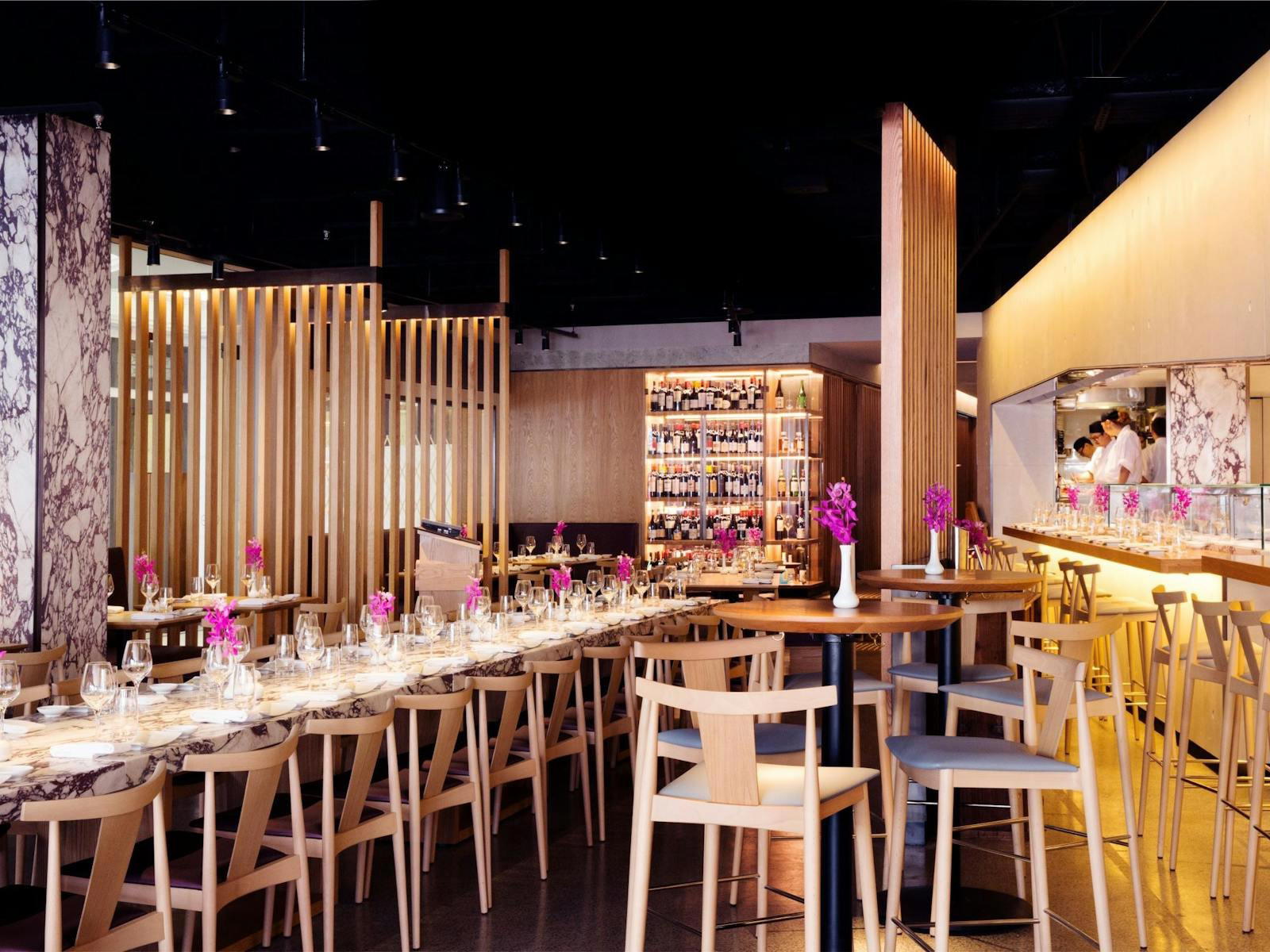
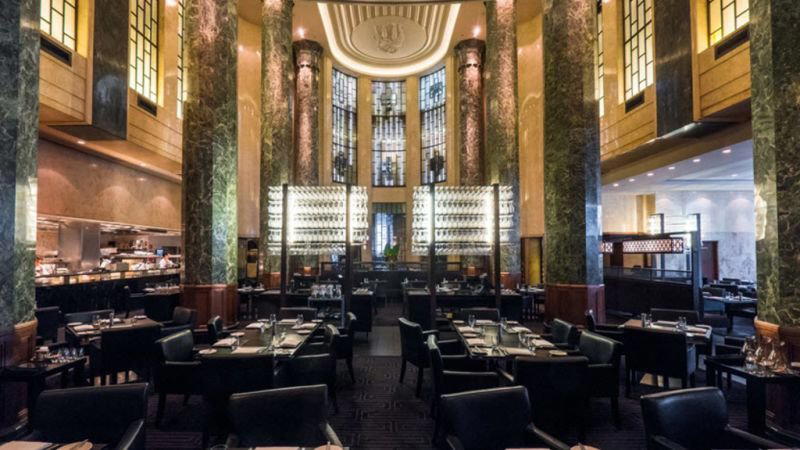
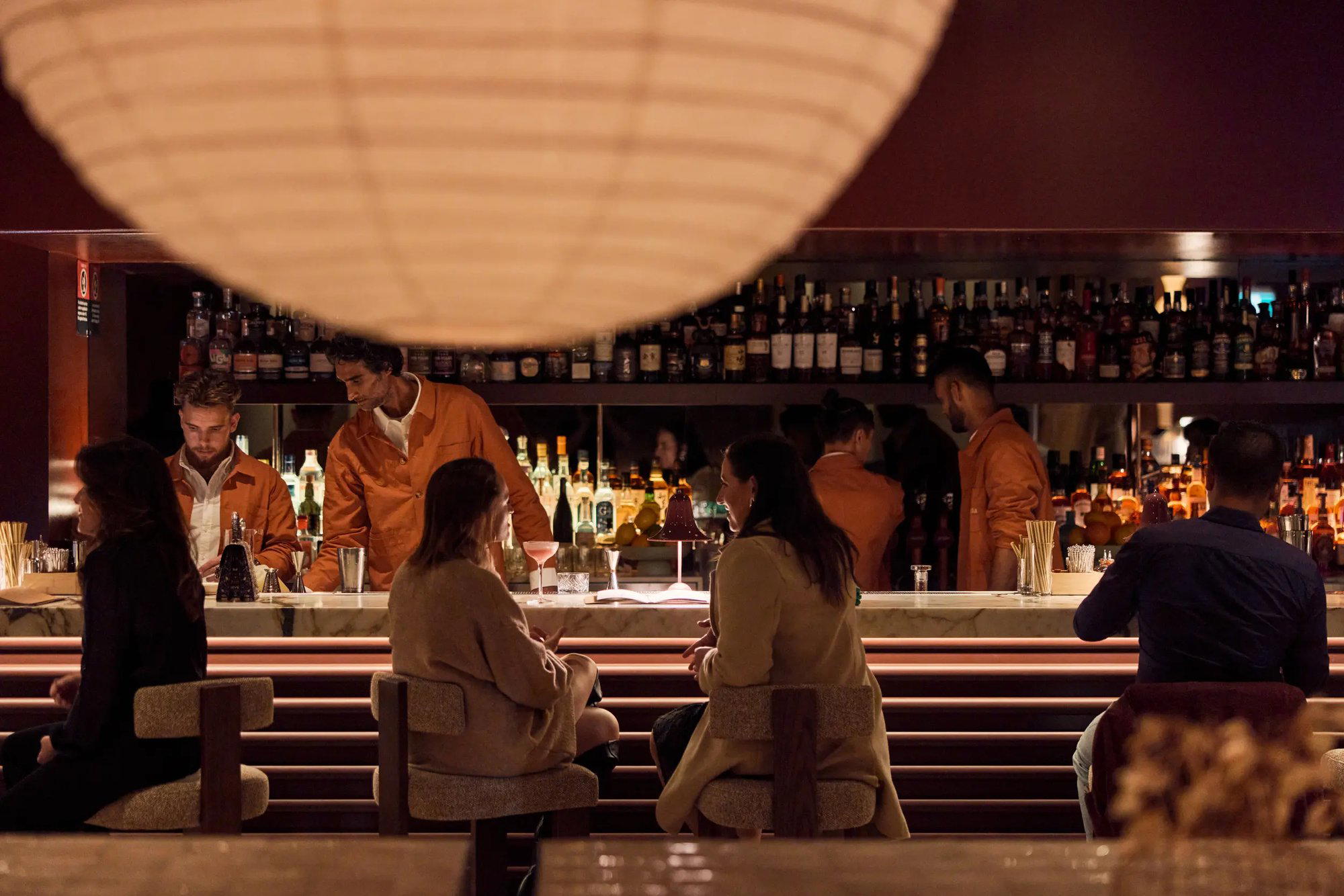
Subdued lighting with subtle Japanese decor featuring dramatic marble elements and an elegant, chic atmosphere.