Our verdict
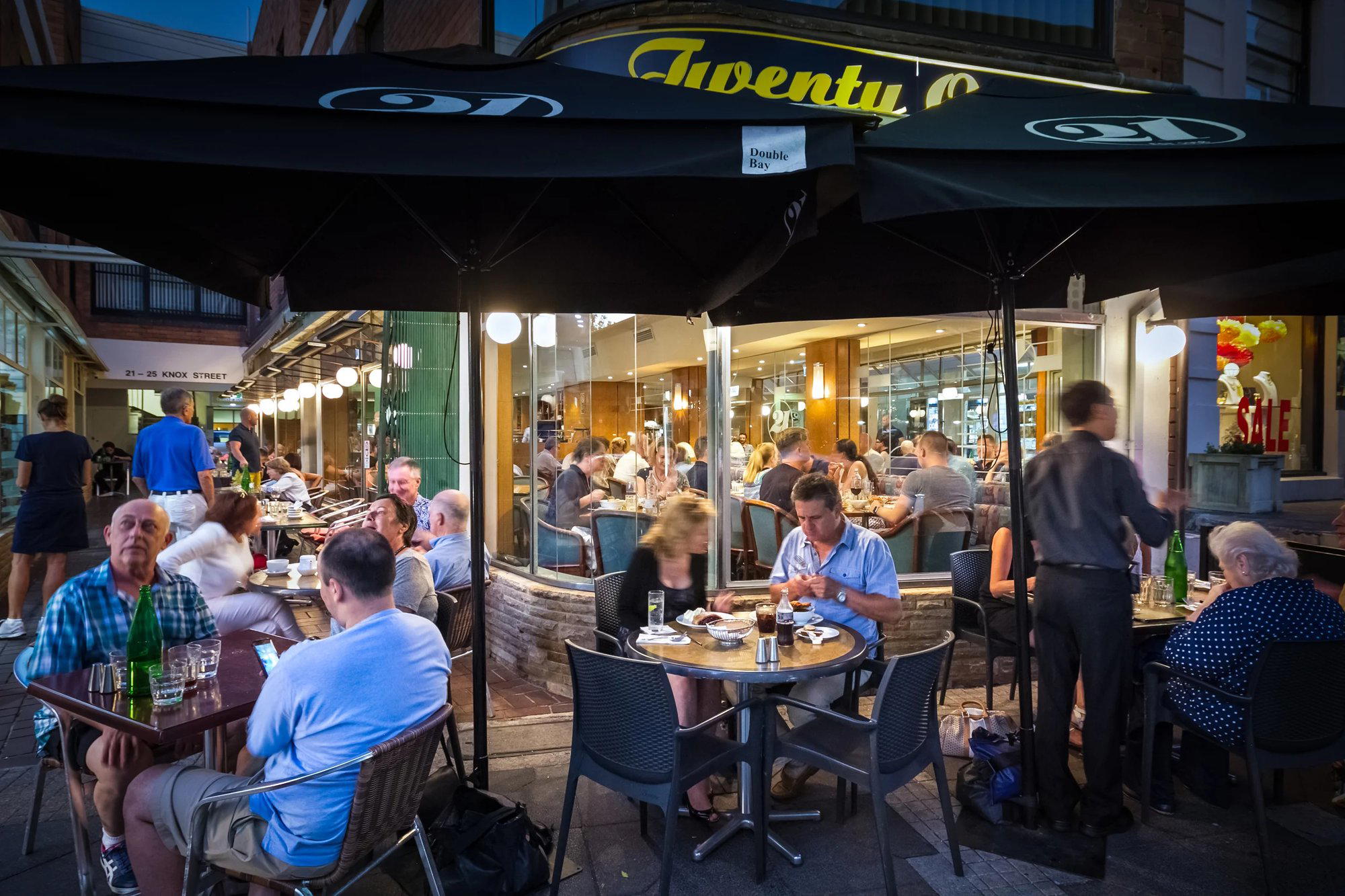
"Twenty One, Double Bay by CoMa. This one is for the comfort food lovers. If you are after a meal that just makes you feel good and with a warm heart don’t look any further, Twenty One is just your place! Feeding their loyal customers for breakfast, lunch and dinner since September 1958 and still run by the same family, the restaurant was the first to offer alfresco dining experience to Sydney and the first espresso coffee machine to the eastern suburbs. Our favourite dishes? Veal schnitzel with creamed spinach and the chicken noodle matzo ball soup."

Pearl is the En Primeur Club membership app, where members save venues, book tables and use the concierge.
The menu
What to order
- Wiener Schnitzel
- Matzo dumpling soup
- Veal Goulash
Knox Street and the Double Bay Coffee Tradition
Double Bay's main commercial strip has long carried a particular kind of confidence: independent retailers, water-adjacent leisure, and a residential demographic with high expectations and low tolerance for mediocrity. The espresso culture that has taken hold here reflects that character. Cafes on Knox Street and its surrounding blocks operate in a market where regulars are knowledgeable, foot traffic is loyal, and the difference between a competent flat white and a considered one is noticed. Twenty-One Espresso, at 21 Knox St, sits within that context, occupying a spot that positions it as part of the suburb's daily rhythm rather than an occasional destination.
Australia's specialty coffee scene has matured considerably over the past two decades. What began as a Melbourne-centric phenomenon, defined by espresso technique, single-origin sourcing, and barista craft as a serious discipline, has spread through Sydney's inner and eastern suburbs to the point where Double Bay now sustains multiple operations that take the supply chain seriously. The question for any cafe in this environment is not whether the coffee is good, but where it sits in the sourcing and roasting hierarchy and how that sourcing philosophy shows up in the cup.
Where Sourcing Becomes the Story
The broader shift in Australian specialty coffee has moved from roaster-as-identity to origin-as-argument. The operations that have held sustained credibility in Sydney's eastern suburbs tend to be those with clear answers to the question of provenance: which farms or cooperatives supply the green beans, what processing method was used, and how the roast profile was calibrated to serve the brew method. For a suburb like Double Bay, where dining and drinking expectations are shaped by proximity to venues such as Saké Restaurant & Bar Double Bay, the ingredient-sourcing standard that applies to food has increasingly carried over to coffee.
This matters because Twenty-One Espresso's Knox Street address places it in direct competition with that refined expectation. The cafes that have built durable followings in Double Bay and comparable Sydney suburbs are not differentiated by aesthetics alone. They earn loyalty through consistency in sourcing and execution, season over season, which requires relationships with roasters who themselves maintain traceable supply chains. The consumer who drinks coffee here on a Tuesday morning is frequently the same person who, by Friday evening, is at a table at Ormeggio at The Spit in Mosman or working through a wine list with genuine producer knowledge. The standards travel with the person.
The Double Bay Setting and What It Demands
Knox Street functions as Double Bay's commercial spine, and 21 Knox St is a natural gathering point. The suburb's geography, compressed between the harbour foreshore and New South Head Road, concentrates foot traffic in a way that rewards well-located venues with consistent passing trade. That concentration also means the competitive set is visible and proximate. For a cafe, this is an environment that punishes complacency. The regulars have tried everything within a short radius and will make lateral moves quickly.
Within Australia's broader dining and food culture, the farm-to-table and produce-first arguments made famous by regional destination restaurants have an urban corollary in how specialty coffee operations frame their sourcing. Places like Brae in Birregurra and Attica in Melbourne have shaped a national conversation about provenance that extends beyond the restaurant format. The cafe sector absorbed that conversation and, in suburbs like Double Bay, the expectation of traceable sourcing has become a baseline rather than a differentiator. Similarly, operations such as Pipit in Pottsville and Provenance in Beechworth have demonstrated how regional produce relationships can anchor a food operation's identity, a logic that translates directly into how serious urban cafes construct their offering.
Positioning Within the Sydney Cafe Tier
Sydney's specialty coffee market stratifies clearly. At the leading sit roaster-owned cafes with direct-trade relationships and in-house roasting operations that function as both retail and wholesale anchors. Below that, a substantial middle tier operates on relationships with two or three quality-focused roasters, rotating single-origins, and trained barista teams. Below that again is the volume-first operation. A Knox Street address in Double Bay implies the middle tier at minimum; the suburb's economics and customer expectations make the bottom tier commercially unsustainable here.
The Australian cafe format, particularly in Sydney's eastern suburbs, has also evolved its food offering alongside coffee. The all-day brunch model that defines much of the country's cafe culture has been refined in suburbs like Double Bay to emphasise quality of ingredient over quantity of menu. The cafes that have held positions here have generally reduced their menus rather than expanded them, sourcing better produce for fewer dishes. This pattern aligns with what has happened in the broader Australian fine-dining conversation: Rockpool in Sydney and Botanic in Adelaide represent the restaurant end of that commitment to produce integrity, but the logic cascades down to the cafe format in high-expectation suburbs.
For readers looking at Sydney's wider food geography, Blackwood Pantry in Cronulla represents a comparable cafe positioning in a different Sydney suburb: a neighbourhood-embedded operation where ingredient quality and local loyalty define the operation more than spectacle or scale. The dynamic is recognisable across multiple Sydney markets. Internationally, the sourcing-first argument has found its most articulate expression in venues like Le Bernardin in New York City, where the ingredient is the concept, and the preparation serves the produce rather than the other way around. That is a useful frame for thinking about how the leading Australian cafes position themselves.
Planning a Visit to Twenty-One Espresso
Twenty-One Espresso is located at 21 Knox St, Double Bay NSW 2028, within walking distance of the Double Bay ferry wharf and a short distance from the intersection of Bay Street, making it accessible on foot from most of the suburb's residential streets. Knox Street has metered parking on surrounding blocks, and the 327 and 323 bus routes serve the area from the city. For first-time visitors, a weekday morning visit will give a clearer read of the operation than a weekend, when Double Bay's cafe strip operates at higher volume and the service dynamic changes accordingly. The suburb also rewards combining a coffee stop with a walk toward the foreshore, which remains one of the more underused sequences in Sydney's eastern suburbs. For a broader picture of where Twenty-One Espresso sits among Double Bay's dining options, see our full Double Bay restaurants guide.
Frequently asked questions
How do I find Twenty-One Espresso?
Twenty-One Espresso is located at 21 Knox St, Double Bay NSW 2028, Australia, Double Bay.
Is Twenty-One Espresso a good option near the Double Bay ferry wharf?
At 21 Knox St, Double Bay, Twenty-One Espresso sits within walking distance of the Double Bay ferry wharf, making it a practical stop before or after harbour crossings to the CBD or Rose Bay. Knox Street's concentration of independent operators means the cafe competes on coffee quality rather than convenience alone. For travellers arriving by ferry into Double Bay, it represents a direct entry point into the suburb's specialty coffee offer.
What do people recommend at Twenty-One Espresso?
The espresso program is the draw at 21 Knox St, Double Bay, with the coffee bar's origin-focused sourcing doing most of the heavy lifting. Regulars tend to order through the espresso menu rather than milk-heavy drinks, though the Knox Street crowd skews toward both. Without a current published menu, the safest approach is to ask the bar team what's currently on filter or on single-origin rotation.
What's the best way to book Twenty-One Espresso?
Twenty-One Espresso operates as a cafe on Knox St, Double Bay, and walk-in is the standard format for venues in this category. No booking platform or phone number is publicly listed for this address. Arriving early on weekends, when the Double Bay ferry wharf draws foot traffic from across the harbour, is the practical move.
What has Twenty-One Espresso built its reputation on?
Its position at 21 Knox St puts it at the commercial centre of Double Bay, a suburb that rewards independent operators with staying power rather than novelty. Within Sydney's specialty coffee tier, cafes at this level typically build credibility through consistent sourcing relationships and barista-led service rather than rotating headline events. Twenty-One Espresso occupies that space on one of Sydney's most commercially confident suburban strips.
What if I have allergies at Twenty-One Espresso?
Allergy information for Twenty-One Espresso is not published online, which is common for independent cafes in Double Bay operating without a digital menu footprint. The address at 21 Knox St is accessible in person, and speaking directly with the bar team before ordering is the approach that actually works here. Dairy alternatives are standard across Sydney's specialty cafe market, so oat or almond milk is a reasonable expectation.
Is Twenty-One Espresso overpriced or worth every penny?
Double Bay as a suburb carries a price premium across all food and beverage categories, and Knox Street cafes are no exception. Specialty coffee pricing in Sydney's inner east typically runs AUD $5–$7 for espresso-based drinks, though no current pricing is confirmed for this address. The question of value at a cafe in this location comes down to sourcing transparency and execution, both areas where the origin-focused operators on Knox St have historically held their ground.
Side-by-Side Snapshot
| Venue | Cuisine | Price | Awards | Notes |
|---|---|---|---|---|
| Twenty-One EspressoThis venue (the venue you are viewing) | Authentic Hungarian & European | $20–30 | Not listed | Not listed |
| Brae | Modern Australian Seasonal Tasting Menu | $200–300 | World's 50 Best #44 · La Liste Top Restaurants | Modern Australian |
| Attica | Modern Australian Indigenous Fine Dining | $300–500 | World's 50 Best #20 · La Liste Top Restaurants | Australian Modern |
| Flower Drum | Fine Dining Cantonese | $50–100 | World's 50 Best #33 · Star Wine List | Cantonese |
| Rockpool | Modern Australian Steakhouse | $150–200 | World's 50 Best #49 · La Liste Top Restaurants | Australian Cuisine |
| Saint Peter | Modern Australian Seafood | $150–200 | World's 50 Best #66 · La Liste Top Restaurants | Australian Seafood |
Continue exploring
More in Sydney
Restaurants in Sydney
All restaurants in Sydney →
Bars in Sydney
All bars in Sydney →

Details
- Cozy
- Classic
- Well Known
- Family
- Casual Hangout
- Brunch
- Open Kitchen
- Historic Building
- Local Sourcing
- Street Scene
- A La Carte
- Vegetarian Friendly
- Gluten Free Options
Current opening hours
- Monday
- 8 AM–8:30 PM
- Tuesday
- 8 AM–8:30 PM
- Wednesday
- 8 AM–8:30 PM
- Thursday
- 8 AM–8:30 PM
- Friday
- 8 AM–8:30 PM
- Saturday
- 8 AM–8:30 PM
- Sunday
- 9 AM–8:30 PM
Hours can change for holidays and private events. Hours as of .
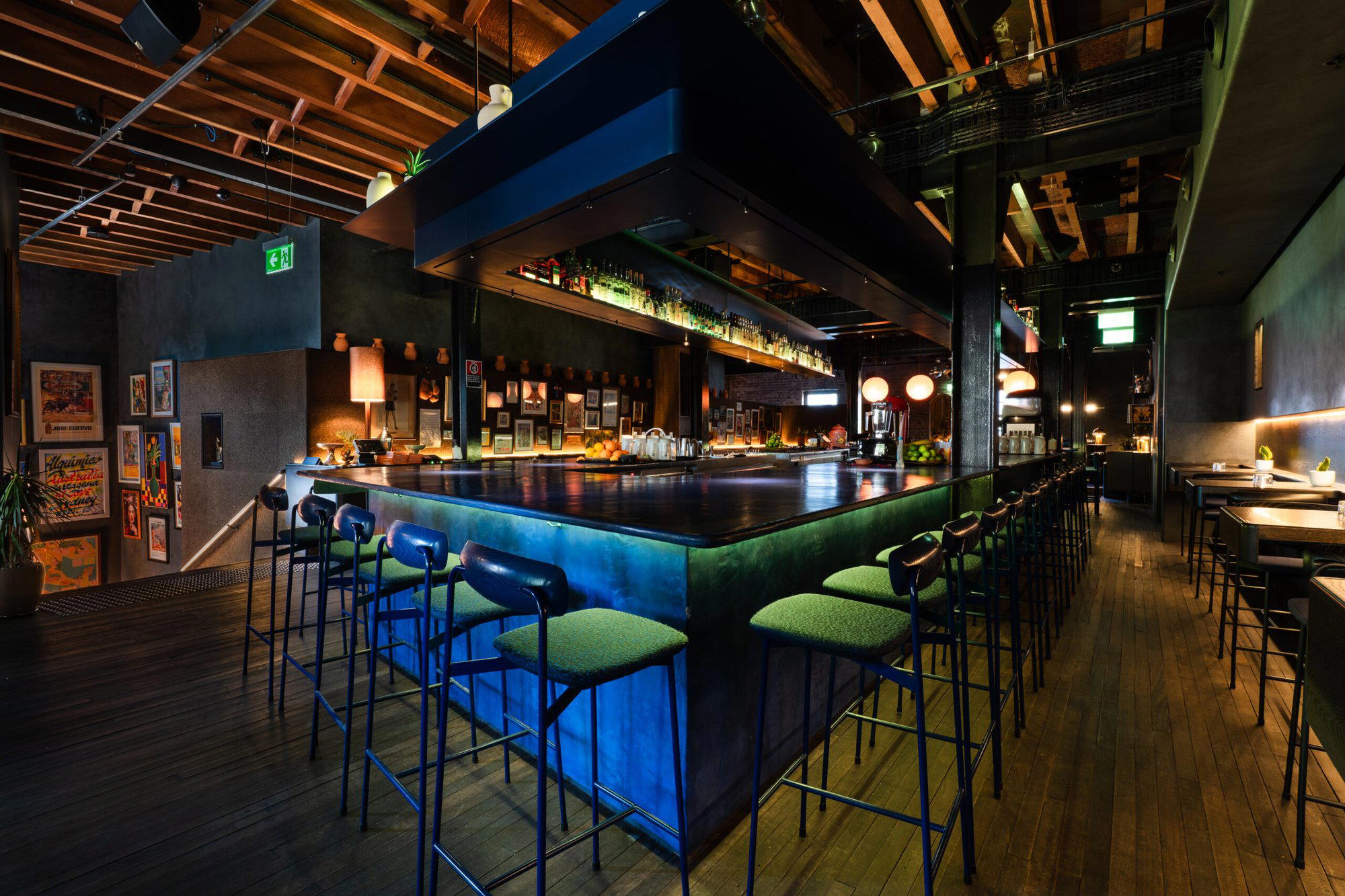
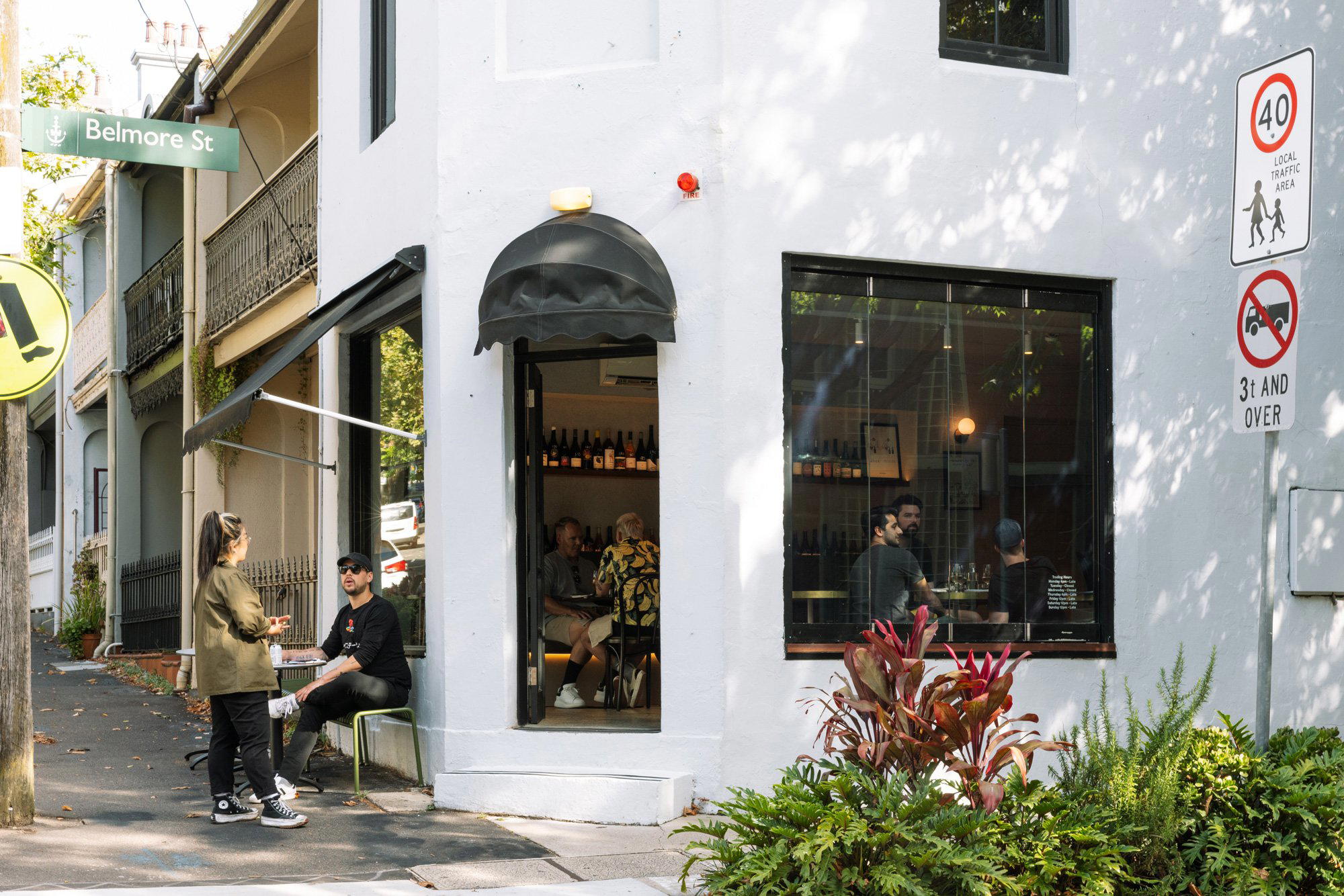
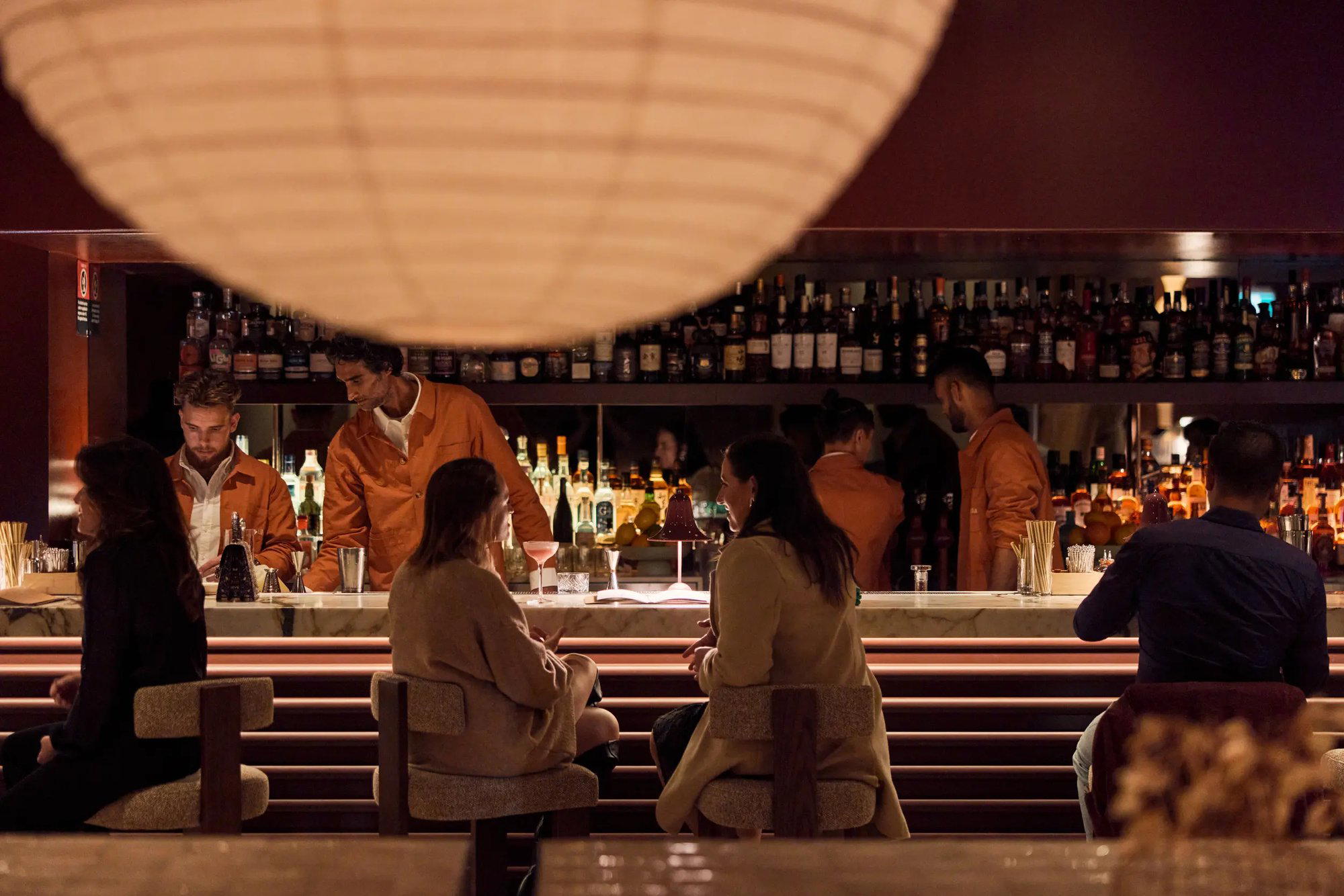
Old-world charm with comfortable and cosy setting, warm attentive service, and calm laid-back atmosphere.