
Sakana ya Ajisen belongs to Tokyo’s fish-led izakaya tradition rather than the city’s formal tasting-menu circuit. Its Tabelog 100 Izakaya EAST selections in 2024 and 2025 place it among a tighter group of taverns where seafood, sake, shochu, counter seating, and repeat local use carry more weight than spectacle.
Pearl is the En Primeur Club membership app — saves, bookings, and concierge access live there. Same editors, same standards.
- Address
- 東京都中央区月島1-18-10
- Phone
- +81335348483
- Website
- tabelog.com
 Saves & bookings on Pearl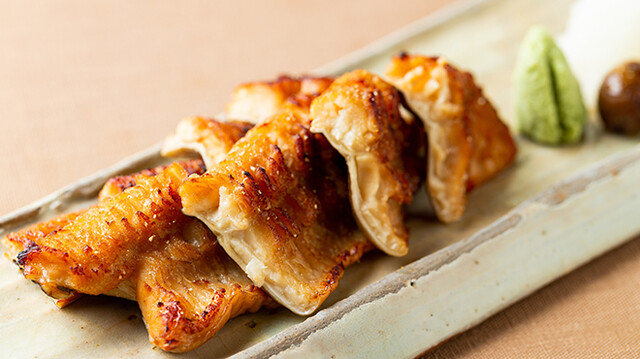
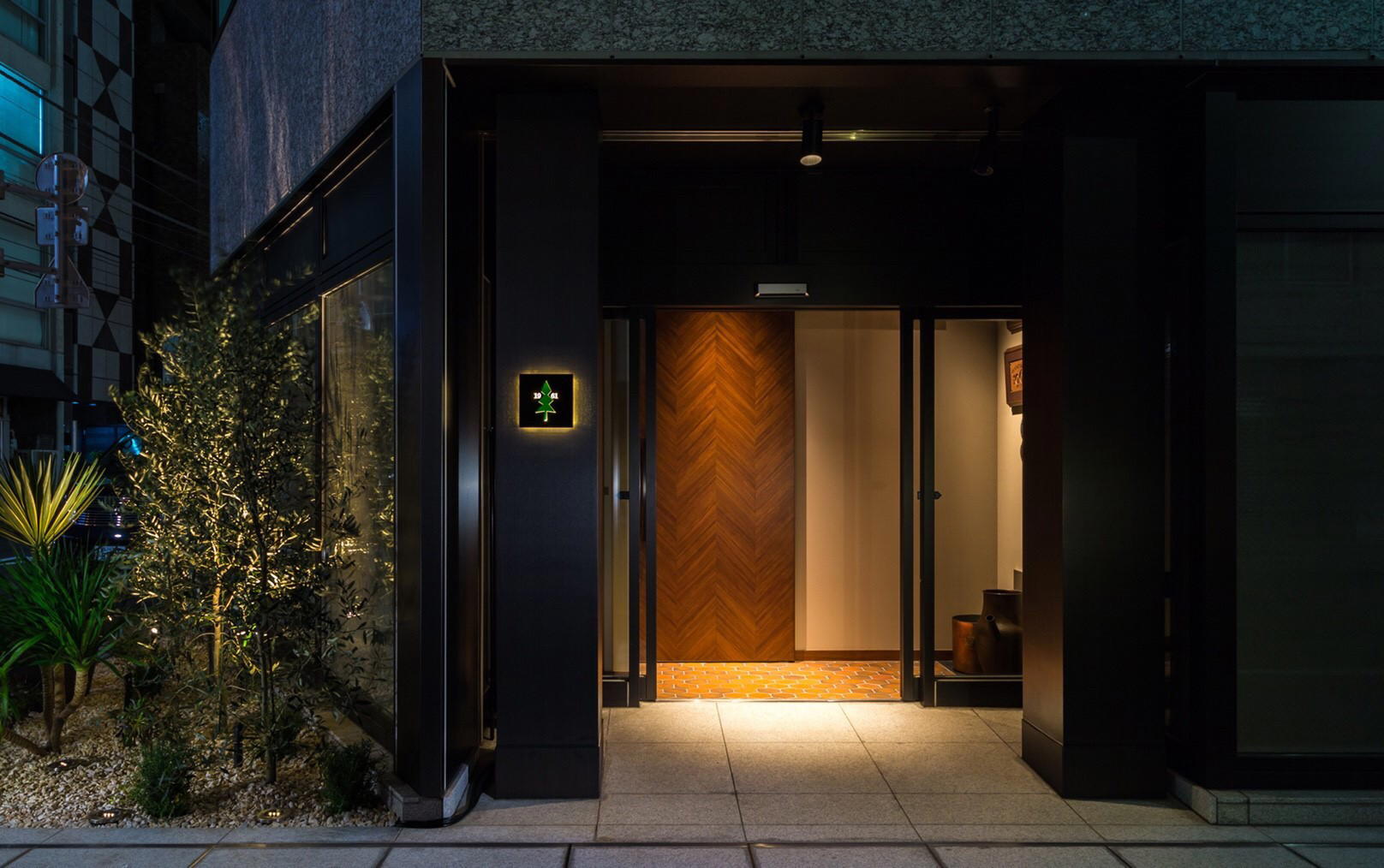
Tsukishima changes register quickly after the station exits: apartment blocks, narrow shopfronts, and the practical rhythm of an old waterside district rather than the polished dining corridors of Ginza or Roppongi. That setting matters for understanding Sakana ya Ajisen. The appeal is not luxury theatre; it is the older Tokyo izakaya grammar of fish, drink, close seating, and a room built for conversation rather than performance.
Tokyo’s izakaya scene has been pulled in two directions over the past decade. One side has moved toward design-led drinking rooms with cocktail-bar lighting and global small plates. The other has doubled down on specialist taverns, where a single strength, grilled meat, sake, offal, fish, or seasonal vegetables, defines the night. Sakana ya Ajisen sits firmly in the latter camp, with a fish emphasis and a drinks list framed around nihonshu, shochu, and wine. Its selection for Tabelog 100 Izakaya EAST in both 2024 and 2025 is the relevant signal: this is recognition within the izakaya category, not a fine-dining award misapplied to a tavern.
Fish-led izakaya cooking in a district that resists polish
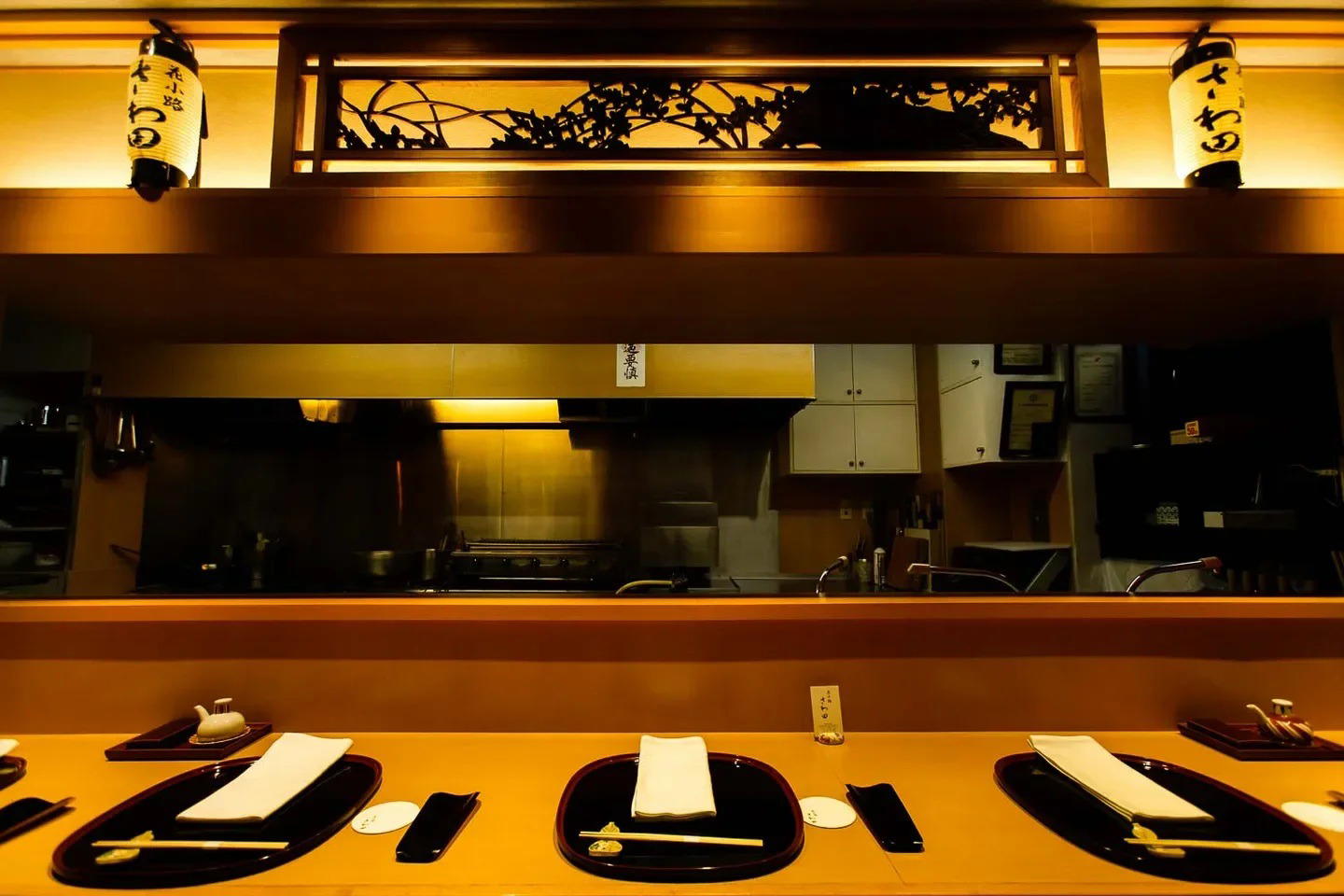
Tsukishima is often reduced to monjayaki in visitor shorthand, but that misses the way the neighbourhood supports small, useful restaurants with local cadence. A fish-focused izakaya here reads differently from one in a nightlife district. The category is less about grazing casually and more about matching seafood preparations with sake or shochu over a longer evening. The counter seating matters because this format rewards proximity: the room is compact, the pace is social, and the food has to carry enough precision without becoming ceremonial.
Within Tokyo pricing, Sakana ya Ajisen occupies a middle tier for serious izakaya dining. It is not in the bargain register of Kishida Ya, listed at JPY 3,000 to JPY 3,999, nor in the higher meat-led bracket of Yakiniku Rin at JPY 10,000 to JPY 14,999. It shares a dinner range with Korean Dun at JPY 6,000 to JPY 7,999, while Sakazuki sits lower at JPY 4,000 to JPY 4,999. Those comparisons are useful because izakaya value in Tokyo is not measured only by portion size. It depends on ingredient focus, drink depth, seat scarcity, and whether the room feels built for regulars or for passing traffic.
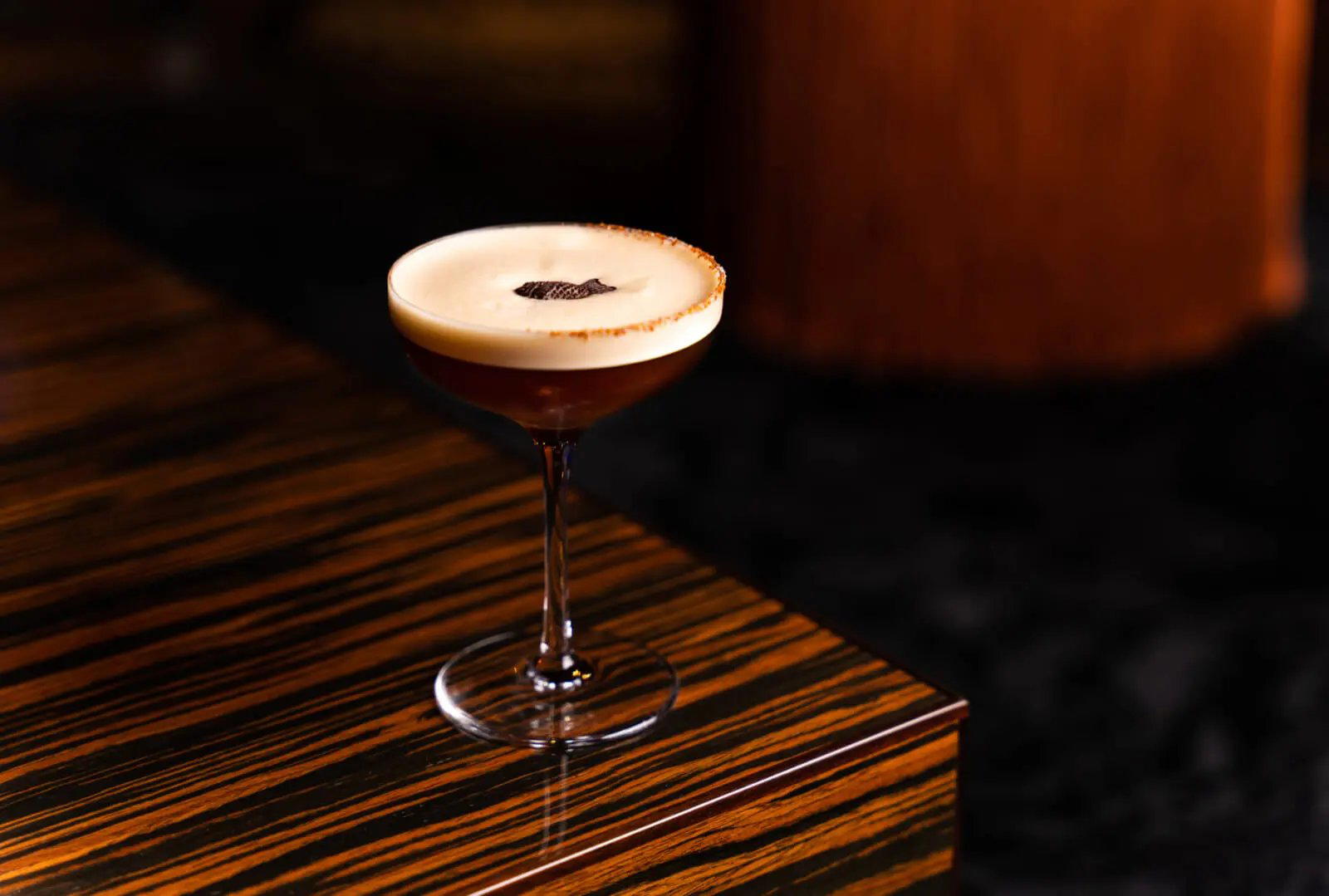
The current direction of Tokyo izakaya culture favors specialization over encyclopedic menus. A long laminated list can still be fun, but award attention increasingly goes to places with a clear lane. Here the lane is fish, supported by sake and shochu rather than an all-purpose beverage program. That does not make the restaurant austere. It places it inside a more adult category of tavern, where the evening is structured by ordering in rounds, reading the room, and drinking with the food rather than treating drinks as an afterthought.
The evolution from neighbourhood tavern to category-recognised address
The useful story is not reinvention for its own sake. It is how a small izakaya format has gained sharper visibility as Tokyo diners and ranking platforms have become more granular. A decade ago, international attention in Tokyo tilted heavily toward sushi counters, kaiseki rooms, ramen queues, and hotel dining. Izakaya recognition was often filtered through nostalgia or nightlife. Lists such as Tabelog’s category awards changed that framing by judging taverns against taverns, not against French dining rooms or omakase counters.
The restaurant’s repeat inclusion in the Tabelog 100 Izakaya EAST list indicates durability within that more specific field. It also signals the modern divide between tourist-famous restaurants and locally legible ones. A 23-seat tavern with counter seating and fish as its anchor operates on a different scale from restaurants designed for broad destination dining. The point is not obscurity; it is format discipline. Small rooms have less margin for weak ordering, vague beverage direction, or unfocused cooking.
That compactness also changes expectations. Tokyo’s premium dining culture often sells certainty: a set menu, a fixed sequence, a named chef, a highly controlled booking ritual. The izakaya model is more elastic. It asks diners to accept a meal built through choices rather than through a prewritten arc. For travellers used to tasting menus, that can feel less legible at first. For experienced Tokyo diners, it is often the better test of a kitchen’s confidence.
Readers mapping the broader city can place this address alongside other Tokyo categories rather than treating it as a standalone trophy. For seafood and charcoal in another register, see . 鮪と炭火焼き うお炭 秋葉原店; for Shinjuku dining, 12/10 Shinjuku ten; for skewers, 124. KAGURAZAKA (Yakitori); for café culture, 2D Cafe; and for curry, 3 Chome no Curry Ya San. Broader planning sits in Our full Tokyo restaurants guide, with adjacent city context in Our full Tokyo hotels guide, Our full Tokyo bars guide, Our full Tokyo wineries guide, and Our full Tokyo experiences guide.
Who this night suits
This is a stronger choice for diners who want Tokyo’s drinking-food culture without reducing it to a pub crawl. The format suits pairs or small groups better than large parties, and it rewards an appetite for seafood and Japanese spirits. The absence of private rooms reinforces the point: this is not a sealed-off business-dinner environment. It belongs to the shared-room tradition of the izakaya, where the social texture is part of the meal.
The verdict is category-specific. Diners chasing a chef biography, a formal progression, or luxury dining cues will find more suitable rooms elsewhere. Diners interested in how Tokyo’s izakaya tradition has become more sharply judged, and how fish-led taverns now compete on clarity rather than noise, should pay attention. The restaurant represents the part of the city’s dining evolution that did not need to become grander to become more serious.
For a wider Japan and overseas comparison set, EP Club also tracks -Grilled beef Sukiyaki- KAMAKURA TANUKIAN 鎌倉 たぬき庵 in Kamakura.cafe in Osaka.know in Kumamoto, (Shoku) Vietnam in Kawasaki, [Curry Senmon Ten] Maruyama Kyoju. in Sapporo, [ki:] in Kyoto, Jōdo Saké Bar in Los Angeles, and Onigiri Time in Pasadena.
Category Peers
Comparable venues to anchor price and recognition.
| Venue | Cuisine | Price | Notes |
|---|---|---|---|
| Sakana ya AjisenThis venue — the venue you are viewing | Seafood-focused Japanese Izakaya | $$$ | Not listed |
| Ginza Birdland | Michelin‑starred Yakitori (Grilled Chicken Skewers) | $$$ | Chūō |
| Tenmo | Traditional Edomae Tempura Omakase | $$$ | Chūō |
| Niou | Yoshoku (Japanese-style Western Cuisine) | $$$ | Chiyoda |
| 龍圓 | japanese | $$$ | Taitō |
| 香下 | Modern Japanese Kaiseki | $$$ | Chiyoda |
Recognition history
Dated appearances from independent guides and award organizations, with the underlying list record or original source where available.
Tabelog 100 #52 · No. 52
Tabelog · Tabelog 100 - Izakaya - EAST - 2025








At a Glance
- Cozy
- Classic
- Intimate
- After Work
- Casual Hangout
- Date Night
- Group Dining
- Solo
- Standalone
- Sake Program
- Beer Program
- Local Sourcing
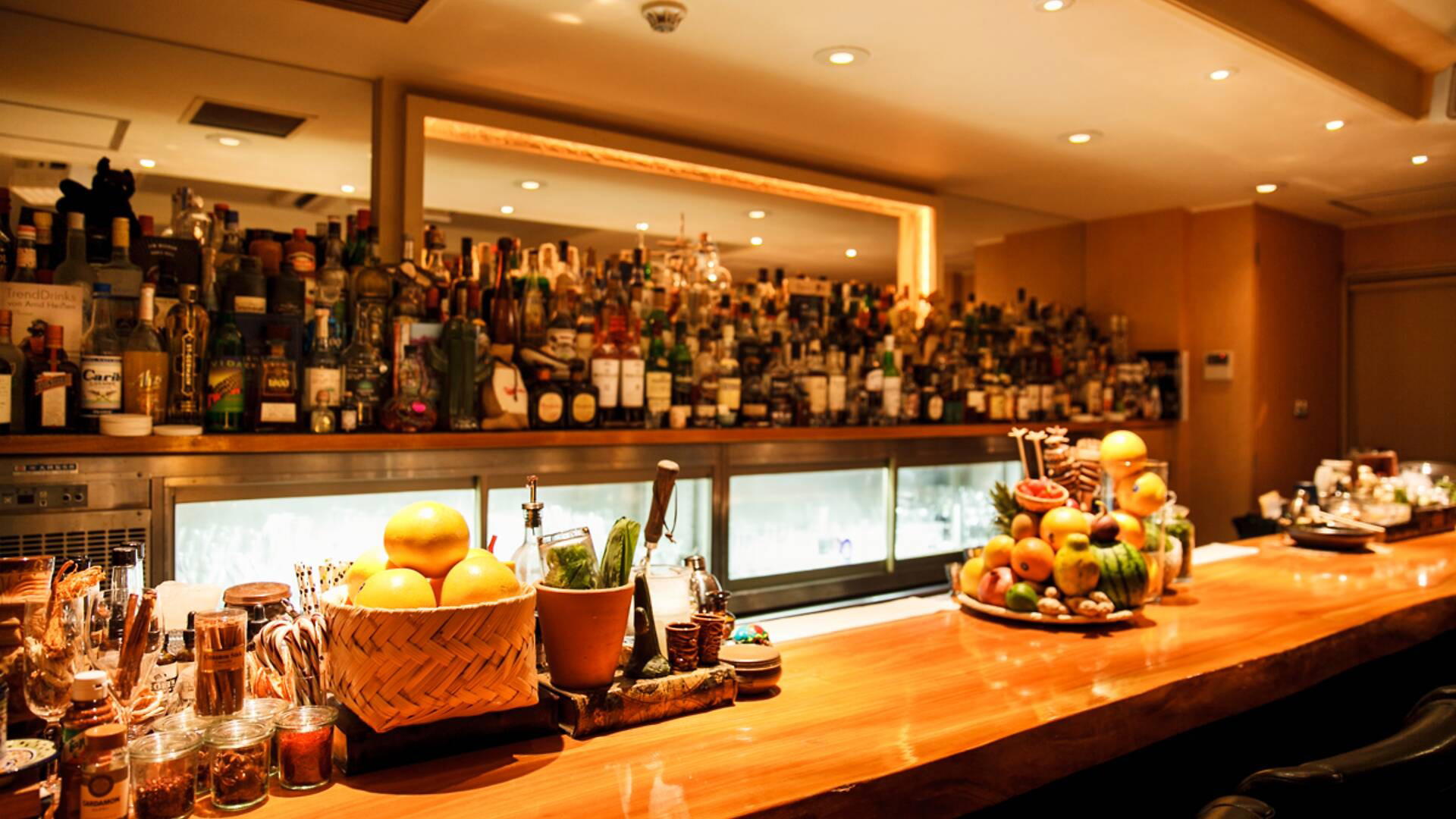
A cozy, wood-accented izakaya tucked on a quiet back street, with an intimate counter and small dining area that feels relaxed and warmly lit—ideal for lingering over sake and carefully prepared seafood with friends or a partner.