
Tabelog 100 #91
Our verdict
Sakai Udon Chihaya belongs to Osaka’s low-price noodle culture rather than its reservation-led fine-dining circuit. The draw is a compact Sakaihigashi udon room with counter seating, curry udon and fried foods in the mix, Tabelog 100 Udon WEST 2024 recognition, and a meal rhythm built for solo diners as much as small groups.

Pearl is the En Primeur Club membership app, where members save venues, book tables and use the concierge.
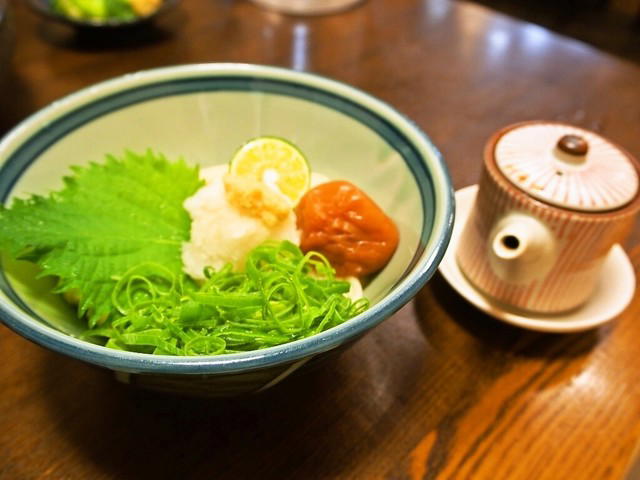
The menu
What to order
- Curry udon
- Kasu udon
- Chicken tempura udon
- Tempura moriawase with udon
Approaching Sakai Udon Chihaya in Osaka, the dining grammar shifts from Osaka spectacle to local routine: everyday foot traffic, short meals, modest-budget energy, and noodle shops sustained by regulars rather than theatrical service. Sakai Udon Chihaya fits a familiar Kansai pattern: focused, practical, and built for the quick concentration of an udon meal, not the long arc of a tasting menu.
Osaka’s noodle culture rewards speed and specificity. Udon here is not secondary to sushi or kaiseki; it is a daily form with its own hierarchy, from simple shops to specialist rooms earning destination status through texture, broth discipline, and repeat traffic. Sakai Udon Chihaya sits in that specialist lane, with categories listed as udon, curry udon, and deep-fried foods. Its Tabelog 100 Udon WEST 2024 selection gives it regional credibility in a field where recognition is usually earned through consistency rather than spectacle.
An Osaka udon shop built around the ritual of a quick meal
The ritual here is pacing, not ceremony. Udon shops in this price tier are read through small decisions: hot or cold noodles, curry broth or another udon style, whether fried items turn the bowl into a fuller meal, and how quickly the meal fits back into the day. Sakai Udon Chihaya is best understood through that everyday rhythm. Solo meals make sense. Friends fit, but the format is not for lingering.
That practicality matters in Osaka, where meals often sit between errands, work, or a train connection rather than becoming an evening centrepiece. The appeal places it inside practical local food culture, not only sit-down destination dining. In a city internationally known for okonomiyaki, takoyaki, kushikatsu, and late-night drinking districts, a focused udon shop offers a quieter Osaka reading: low-cost, repetitive, and judged by regular use.
The listed price band, - JPY 999 - JPY 999, sets the correct expectations. This is not polished Osaka dining at special-occasion rates. It sits closer to everyday specialists such as Yaogen Raikodo Honten in spirit than to higher-priced Osaka rooms. Menza Gin, Ginshari en, Men Kui Yamachan, and Kuku Hanare belong to different dining contexts, which helps prevent the wrong comparison.
Why Tabelog's Udon WEST selection matters in this category
For udon, regional recognition means something different than it does in luxury dining. Michelin stars and international lists often reward visitor-friendly formats: tasting menus, chef counters, high-touch service. Tabelog’s Hyakumeiten lists are especially relevant for everyday Japanese categories where local repetition and category literacy matter. Sakai Udon Chihaya’s inclusion in Tabelog 100 Udon WEST 2024 places it in a competitive western Japan field, not just a local directory.
The listed Tabelog score of 3.62 should be read in Japanese context. Tabelog ratings compress tightly, and a mid-3 score can signal a serious following in casual categories. That makes the award more meaningful than the number alone. The selection shows the shop has crossed from local utility into a recognised udon address, while the price keeps it grounded in a practical daily-meal format.
There is no need to make this a chef story. The stronger point is that Osaka’s dining range includes low-cost specialists with credentials that rival better-known premium rooms for category relevance. A traveller can pair this stop with broader Osaka coverage: Our full Osaka restaurants guide for dining, Our full Osaka bars guide for drinking, Our full Osaka hotels guide for where to stay, Our full Osaka experiences guide for planning the day, and Our full Osaka wineries guide for regional wine-minded detours.
How to read the meal: etiquette, price logic, and local context
The practical code is simple. Treat the meal as part of the day rather than a fixed evening anchor, and approach it with the expectations of a focused Osaka udon specialist. The low listed budget keeps the experience in everyday territory, while the Tabelog recognition means it should not be dismissed as merely convenient. As with many Japanese restaurants, current operating details are best checked close to the visit.
The best fit is a small party prepared for a compact meal, especially at busy lunch or dinner periods. The listed categories give the clearest guidance: udon, curry udon, and deep-fried foods. Read the shop through those fundamentals rather than through luxury-service assumptions. The point is not breadth; it is the focused repetition of a category Japan takes seriously.
Within EP Club’s Osaka map, Sakai Udon Chihaya occupies the opposite end of the spectrum from destination-format dining. Osaka itineraries can swing from casual staples to contemporary rooms and other unnamed Osaka dining. For readers comparing Japanese casual formats beyond Osaka, the wider index includes many regional specialists, but the useful comparison here remains local and categorical: where does a low-cost udon shop sit inside a serious food city?
The editorial read is clear: this address gives an Osaka itinerary texture. It will not replace a high-end dinner, and should not be forced into that role. Its value is showing how seriously Japan treats everyday noodles, and how an Osaka udon shop can carry enough category weight to sit on a regional udon list while remaining priced for routine use.
A Credentials Check
Comparable venues at similar price and category levels.
| Venue | Cuisine | Price | Awards | Notes |
|---|---|---|---|---|
| Sakai Udon ChihayaThis venue (the venue you are viewing) | Traditional Udon & Tempura | $1–10 | Tabelog 100 #91 | Not listed |
| Kamaage Udon Ikki | Udon noodle shop | $10–20 | Tabelog 100 #28 | Nishinari |
| Curry Senmonten Hakugintei Itwu biru ten | Japanese Curry House | $10–20 | Tabelog 100 #1 | Chūō |
| Fuse Hosomi Shoten | Ramen & Tsukemen Shop | $1–10 | Tabelog 100 #27 | Fuse |
| Hana | Okonomiyaki & teppan comfort food | Not listed | Tabelog 100 #61 | Miyakojima |
| Washington Shokudo | Standing Japanese bar (tachinomi izakaya) | $10–20 | Tabelog 100 #6 | Miyakojima |
Recognition history
Dated appearances from independent guides and award organizations, with the underlying list record or original source where available.
Tabelog 100 #91 · No. 91
Tabelog · Tabelog 100 - Udon - WEST - 2024
Continue exploring
More in Osaka
Restaurants in Osaka
All restaurants in Osaka →


Bars in Osaka
All bars in Osaka →
Hotels in Osaka
All hotels in Osaka →



Wineries in Osaka
Browse all →
Details
- Cozy
- Lively
- Classic
- Solo
- Casual Hangout
- After Work
- Family
- Late Night
- Chefs Counter
- Standalone
- A La Carte
- Counter Dining
A compact, old-school udon shop with counter seating and bright, functional lighting, where the atmosphere is casual, bustling at peak times, and focused on quick, comforting meals rather than design.