
Tabelog 100 #28
Our verdict
Kamaage Udon Ikki belongs to Osaka’s serious everyday-noodle culture: low-cost, tightly focused, and judged on repetition rather than ceremony. Its Tabelog Udon WEST 100 selections, including 2024, put it in a competitive Kansai udon bracket, while the Nishinari setting keeps the experience closer to a regulars’ lunch counter than a destination dining room.

Pearl is the En Primeur Club membership app, where members save venues, book tables and use the concierge.
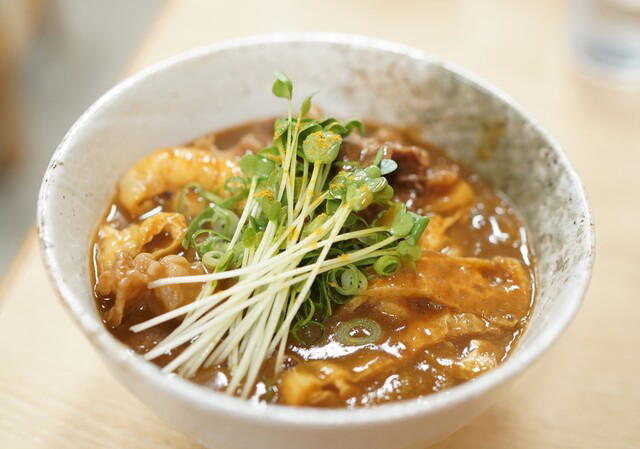
The menu
What to order
- Kamaage udon
- Serious curry udon
- Tempura udon
- Kitsune udon
- Curry udon
- Niku udon
Approaching Kamaage Udon Ikki in Osaka, the city’s restaurant rhythm changes. Visitors often read Osaka through takoyaki queues and neon shopping streets, but udon culture works quieter: steam, turnover, regulars, and a room where a bowl’s value is measured by return visits. Kamaage Udon Ikki sits inside that Osaka, not the postcard one.
Here, a noodle shop can matter without staging itself as an event. The benchmark is consistency under pressure: wheat noodles served directly and repeatably. In Kansai, udon carries a softer, more domestic emotional register than many louder casual formats, strongest when kitchen discipline disappears into lunch.
Osaka udon judged by regulars, not theatre
The regulars’ perspective matters because udon rewards familiarity. A first-timer may seek a signature dish; a repeat customer reads turnover, solo diners, families, and how the room absorbs the rush. The category leaves little room for distraction. Noodle texture, broth balance, portion logic, and service cadence carry the meal.
Kamaage Udon Ikki has been selected for Tabelog’s Hyakumeiten recognition in 2024. That matters less as decoration than as durability in a field where everyday specialists compete on narrow margins. A 3.75 Tabelog score places it where local repeat approval counts heavily, especially for cuisine that rarely uses luxury cues.
The format explains the loyalty. Udon and nabe are the core categories, putting the shop in Osaka’s practical dining heart rather than the tasting-menu economy. The appeal suggests a room suited to everyday traffic: solo diners, small groups, and people who need lunch to work without ceremony. In Osaka, serious casual restaurants prove themselves by serving different diners without diluting purpose.
Compared with Tezukuri Udon Tenkomori, Kamaage Udon Ikki occupies the same everyday conversation while keeping its own focus. Mutekko Oosaka ten and Sukiyaki Nabemono Nabeya also underline that Osaka’s casual tier contains real specialization, not merely cheap food. The choice is less about saving yen than choosing what kind of repeatable meal the city does well.
Why Osaka sharpens the reading of the bowl
Osaka is often simplified by outsiders into a few familiar images, but its food culture is more specific. The city has long rewarded plain-speaking restaurants that do not ask diners to perform sophistication. Value matters, but so does know-how. A noodle shop here must satisfy workers, families, and solo regulars with equal efficiency, a harder test than it sounds.
For travellers, location changes the meal’s meaning. Eating udon here is not the same as folding a noodle stop into a polished itinerary. Osaka gives the bowl a working-city frame, explaining why the room can feel practical rather than theatrical and why the appeal rests on repetition, not novelty. Osaka’s serious food culture has always included places where craft is embedded in routine.
There is also a category-specific distinction in the recognition. Tabelog’s Hyakumeiten signal is not a generic fine-dining prize; it is useful because it places a specialist in the right arena. For visitors sorting Osaka meals, that is a cleaner signal than broad popularity. It says the shop is being read as a focused udon and nabe address, not just another restaurant in town.
The absence of luxury framing is part of the point. Osaka’s dining strength is not confined to omakase counters, wagyu rooms, or cocktail bars with international lists. It sits just as convincingly in narrow specialties regulars use repeatedly. Kamaage Udon Ikki belongs to that map, clearest as a local food habit rather than a trophy stop.
How to place it in an Osaka eating itinerary
Use this meal as an anchor for a day built around the city’s casual range. The contrast with bakery, cafe, and street-food-adjacent stops makes Osaka legible. For nearby editorial mapping, look to other Osaka dining rooms and casual specialists across the city. Together, they show Osaka moving from wheat noodles to snacks, bread, and other accessible formats without losing its appetite for direct, everyday eating.
The planning question is not whether to chase every recognised shop, but how to balance categories. A serious Osaka day can include udon at lunch, a sharper bar later, and a hotel chosen for transit rather than spectacle. For that frame, use Our full Osaka restaurants guide, Our full Osaka hotels guide, Our full Osaka bars guide, Our full Osaka wineries guide, and Our full Osaka experiences guide. The udon stop works well when not forced to carry the whole day; it is a precise, local counterweight to larger meals.
For Japan-wide casual-dining comparison, useful links run beyond Osaka into other unnamed dining rooms and small-format specialists. Read across them and the pattern is clear: modest formats can carry serious regional identity when the kitchen has a tight brief. Kamaage Udon Ikki fits that broader lesson while remaining distinctly grounded in Osaka.
The verdict is simple. Kamaage Udon Ikki is for travellers who want Osaka’s daily food culture at close range: a recognised udon specialist in Osaka, with enough 2024 Tabelog Hyakumeiten credibility to justify the detour and enough regular-life energy to keep the meal grounded.
Frequently asked questions
Is Kamaage Udon Ikki open every day?
Check current opening days and hours directly before visiting, as the provided venue details do not confirm a full weekly schedule.
Where is Kamaage Udon Ikki in Osaka?
Osaka.
Is Kamaage Udon Ikki more mid-range or high-end?
Pricing at Kamaage Udon Ikki is listed as Dinner: JPY 1,000 - JPY 1,999; Lunch: JPY 1,000 - JPY 1,999.
What is Kamaage Udon Ikki known for?
Kamaage Udon Ikki is known for udon and nabe in Osaka, with Tabelog Hyakumeiten recognition in 2024 and a listed Tabelog score of 3.75.
Recognition, Side-by-Side
Comparable venues at a glance for context.
| Venue | Cuisine | Price | Awards | Notes |
|---|---|---|---|---|
| Kamaage Udon IkkiThis venue (the venue you are viewing) | Udon noodle shop | $10–20 | Tabelog 100 #28 | Not listed |
| Curry Ya Dekkao | Sri Lankan-style Curry Shop | $10–20 | Tabelog 100 #45 | Chūō |
| Spice curry 43 | Osaka-style spice curry | $10–20 | Tabelog 100 #15 | Nishi |
| Men to Niku Daitsuru Tsuruhashi ten | Spicy Osaka Horumon Mazesoba & Ramen | $10–20 | Tabelog 100 #56 | Tennōji |
| Curry & Nice Katool | Japanese spice curry stand | $1–10 | Tabelog 100 #34 | Chūō |
| Umeda Kamatake Udon | Osaka Sanuki Udon Shop | $10–20 | Tabelog 100 #89 | Kita |
Recognition history
Dated appearances from independent guides and award organizations, with the underlying list record or original source where available.
Tabelog 100 #28 · No. 28
Tabelog · Tabelog 100 - Udon - WEST - 2024
Continue exploring
More in Osaka
Restaurants in Osaka
All restaurants in Osaka →




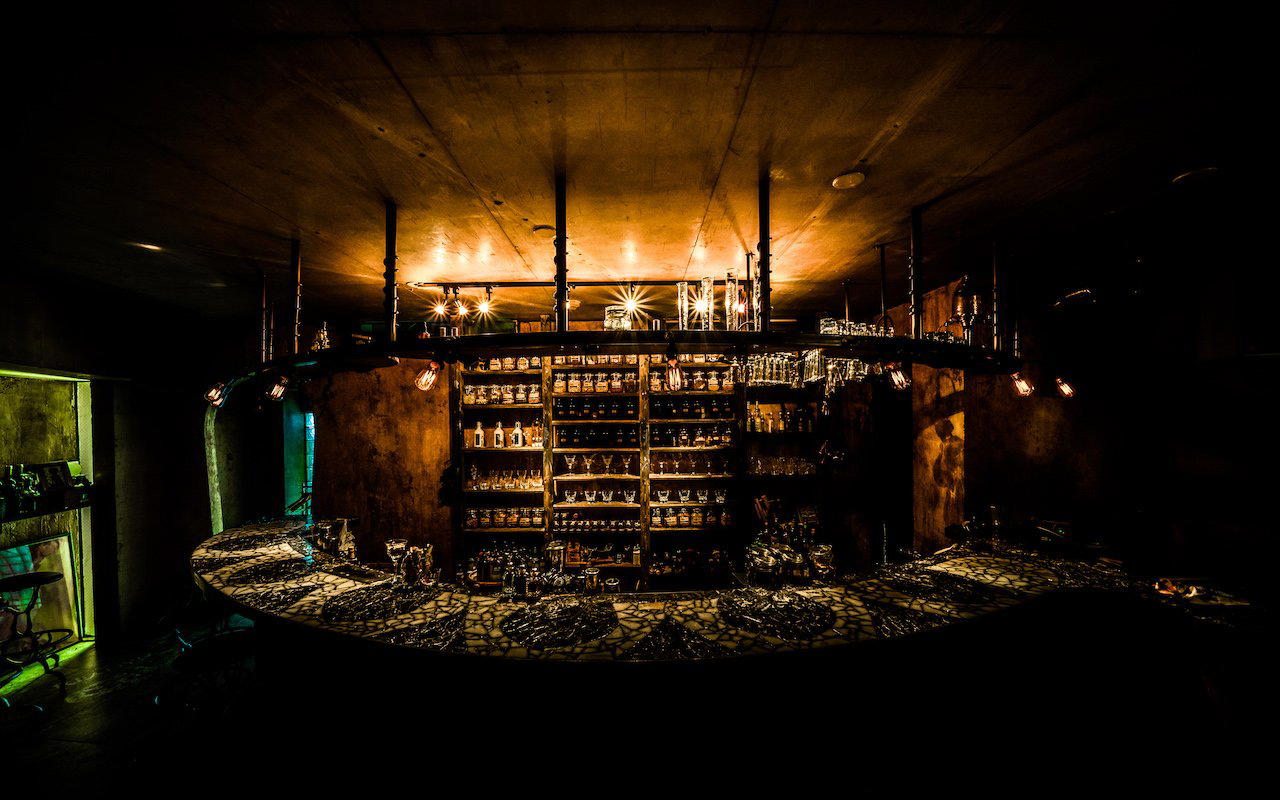
Bars in Osaka
All bars in Osaka →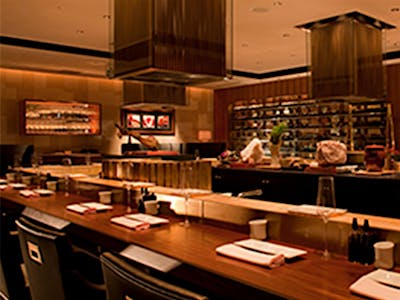


Hotels in Osaka
All hotels in Osaka →



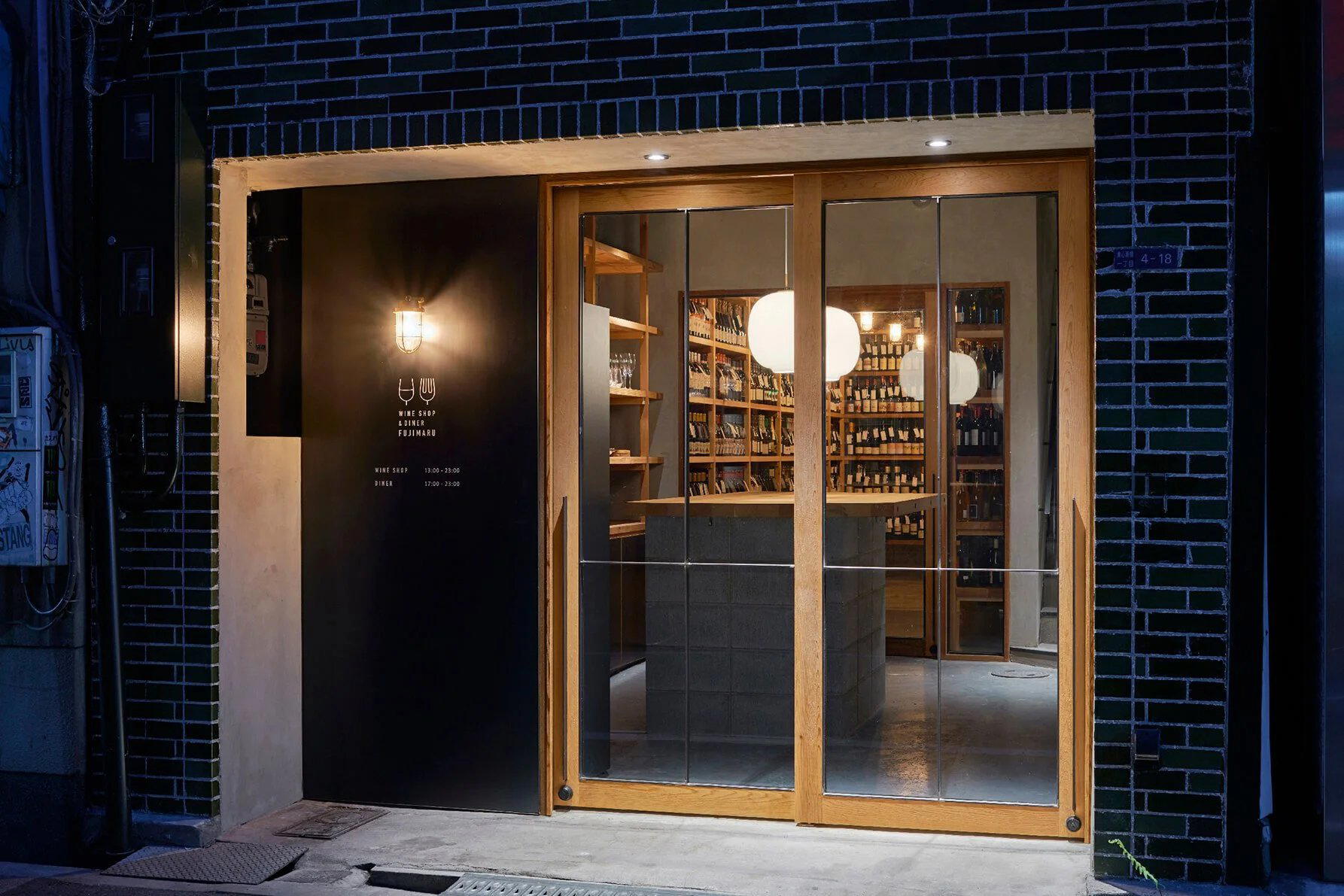
Wineries in Osaka
Browse all →
Details
- Casual
- Solo
- Family
- Casual Hangout
- After Work
- Group Dining
- Standalone
- A La Carte
- Counter Dining
- Beer
Current opening hours
- Monday
- 11 AM–2 PM
- Tuesday
- 11 AM–2 PM
- Wednesday
- 11 AM–2 PM
- Thursday
- 11 AM–2 PM
- Friday
- 11 AM–2 PM
- Saturday
- 7:30–9 AM, 11 AM–2 PM
- Sunday
- Closed
Hours can change for holidays and private events. Hours as of .
Typical small Osaka udon-ya with a busy, lively atmosphere, simple counter and table seating, and a focus on quick, satisfying bowls rather than décor.