
Kanmidokoro Irie places Tokyo’s wagashi-cafe tradition in a low-key Monzennakacho setting, with kakigori and Japanese sweets rather than chef-led theatre. Its Tabelog 100 selection for Tokyo Japanese traditional sweets cafes in 2023 gives it a clear quality signal, while the modest price band keeps the experience grounded in everyday neighborhood dining.
Pearl is the En Primeur Club membership app — saves, bookings, and concierge access live there. Same editors, same standards.
- Address
- 2 Chome-6-6 Monzennakacho, Koto City, Tokyo 135-0048, Japan
- Phone
- +81 3-3643-1760
- Website
- kanmidokoro-irie.com
 Saves & bookings on Pearl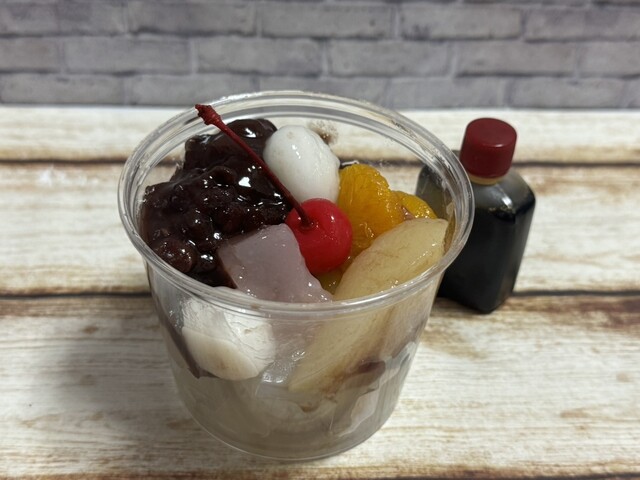
Monzennakacho moves to a different rhythm from Ginza counters and hotel-lobby patisseries. Around Fukagawa Fudoson and Koto’s old merchant streets, sweets shops feel less like dessert destinations than civic infrastructure: places for shaved ice, anmitsu, tea, and a pause between temple visits, errands, and train connections. Kanmidokoro Irie belongs to that older Tokyo category, where room, pace, and menu format matter as much as polish.
Tokyo’s sweets scene splits sharply. One end favors patisserie rooms calibrated for gift boxes, seasonal fruit, and design-conscious packaging; the other preserves the quieter kanmidokoro vocabulary of beans, ice, agar, syrup, and tea. This category rewards patience over spectacle. A Tabelog 100 selection for Japanese traditional sweets and sweets cafes in Tokyo in 2023 places this address in a judged local field, not a tourist checklist. The benchmark is not French technique or plated-dessert drama, but consistency within a distinctly Japanese afternoon format.
Shaved ice and wagashi in the old Tokyo afternoon register
Kakigori has become a Tokyo seasonal obsession, but the range is broad. Some counters treat it as composed dessert, with long queues, elaborate toppings, and social-media-first visuals. A traditional sweets cafe uses a more restrained grammar: temperature shift, soft service, and sugar set beside bitterness rather than burying it. Kanmidokoro Irie is categorized as a cafe featuring Japanese sweets and kakigori, closer to the neighborhood sweets-house lineage than to the new-wave dessert salon.
The price bracket reinforces that reading. At JPY 1,000 to JPY 1,999 for lunch or dinner spending, it sits in an accessible Tokyo tier, well below reservation-led tasting formats and apart from luxury-hotel dessert lounges. That does not mean careless casualness. In Tokyo, modest price and narrow specialization often signal a venue judged by repetition: regular return, handling familiar forms well, and holding place in a category with deep local memory.
Against the broader Tokyo dining field, the sweets-cafe format needs a different itinerary. It is not a substitute for yakitori at 124. KAGURAZAKA (Yakitori), curry at 3 Chome no Curry Ya San, or a grill-focused stop such as . 鮪と炭火焼き うお炭 秋葉原店. It belongs earlier, when Tokyo’s snack culture works quietly between meals. Treat it as a sweets interlude, then use Our full Tokyo restaurants guide for dinner planning.
Why Monzennakacho changes the read of the room
Location is not background. Monzennakacho has the density of an old eastern Tokyo neighborhood: temple traffic, local shopping streets, and a slower afternoon cadence than the west-side dining districts. The nearest station is Monzen-Nakacho, and the shop is listed close to Exit 5 on the Tokyo Metro Tozai Line and Toei Oedo Line, making it easy to fold into a Koto-side day rather than a special detour.
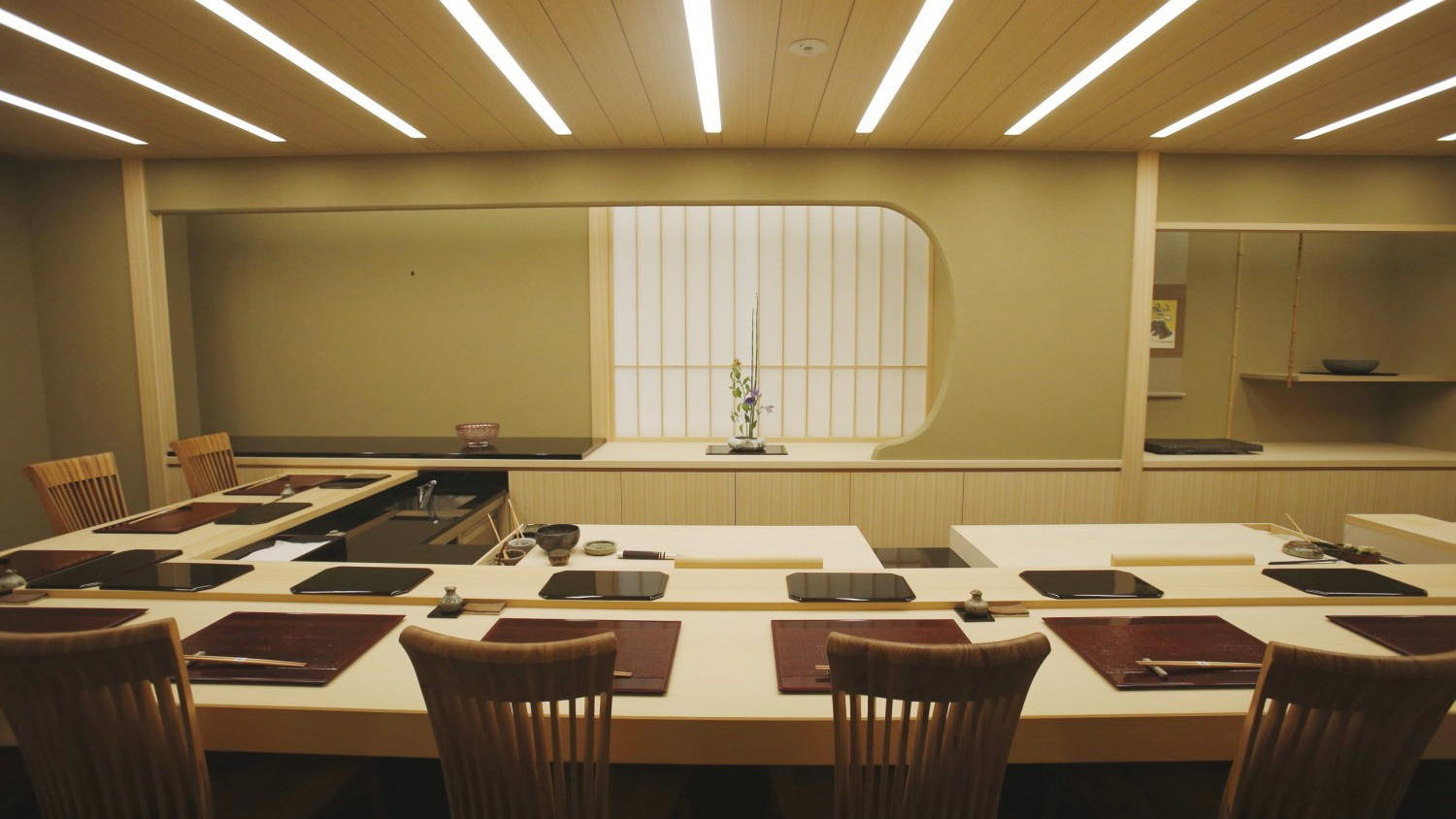
The room is compact, with 28 seats, no private rooms, and a non-smoking policy. These signals point to a simple sweets-cafe experience, not a lingering lounge or formal dessert course. Reservations are unavailable, so timing matters more than planning software. In a city where many sought-after meals are controlled by booking windows, a walk-in sweets shop offers another access model: less ceremony, more dependence on the day’s flow.
Payment is practical. Credit cards, electronic money, and QR code payments are not accepted, so assume cash. Take-out is listed, children are welcome, and the hours run through late afternoon on most days, with Wednesday as the regular closure and a last order before closing. In Tokyo terms, this is daylight, not late-night dining.
Comparisons with other casual formats clarify the point. 2D Cafe works through visual novelty; 12/10 Shinjuku ten sits in a different Shinjuku rhythm; (Shoku) Vietnam in Kawasaki, [Curry Senmon Ten] Maruyama Kyoju. in Sapporo, and [ki:] in Kyoto show how Japan’s casual dining culture shifts by city and format. Kanmidokoro Irie is narrower: sweets, ice, tea-time pacing, and a neighborhood that rewards wandering before or after.
How to place it in a Tokyo day
The strongest use case is an eastern Tokyo afternoon, not a cross-city dash. Start with Monzennakacho’s temple-side streets, stop for sweets, then continue toward Kiyosumi-Shirakawa, Nihonbashi, or the river districts. It also suits travelers who want a Tokyo food day beyond sushi, ramen, and counter dining. Japanese sweets cafes are under-discussed pleasures because they rarely announce themselves as loudly as restaurants chasing international attention.
Within the comparison set, the restaurant does not compete directly with French-leaning Watanabe Ryouri-mise, Italian TRATTORIA BUCA'MASSIMO, or higher-spend casual dining such as Masurao. Its value is category clarity. The Tabelog 100 recognition, sweets-and-kakigori classification, 28-seat scale, and cash-only setup all point to a simple decision: come for a Tokyo kanmidokoro, not a meal replacement.
For broader planning, pair this stop with a sharper dinner booking and separate drinks plan. Our full Tokyo bars guide and Our full Tokyo hotels guide help structure the rest of the day, while Our full Tokyo experiences guide suits culture-led scheduling. The Tokyo wine category is thinner for obvious geographic reasons, but Our full Tokyo wineries guide covers what is relevant. For Japanese and Japanese-adjacent casual formats beyond the capital, useful contrasts include -Grilled beef Sukiyaki- KAMAKURA TANUKIAN 鎌倉 たぬき庵 in Kamakura.cafe in Osaka.know in Kumamoto, Jōdo Saké Bar in Los Angeles, and Onigiri Time in Pasadena.
The editorial case is clear: this is for travelers who know Tokyo’s food intelligence often sits between headline meals. A recognized sweets cafe in Monzennakacho offers a quieter measure of the city, based on afternoon appetite, local cadence, and the endurance of wagashi culture.
How It Stacks Up
Comparable venues at similar price and category levels.
| Venue | Cuisine | Price | Notes |
|---|---|---|---|
| Kanmidokoro IrieThis venue — the venue you are viewing | Traditional Japanese sweets café (kanmidokoro) | $ | Not listed |
| Gyoza no Fukuho (餃子の福包) | Traditional Japanese Gyoza | $ | Shinjuku |
| Soup Curry Kamui | Sapporo-style Japanese soup curry | $ | Chiyoda |
| Ichou no Ki | Japanese shaved ice & sweets cafe (kakigori) | $ | Shinagawa |
| Hot Spoon Gotanda ten | Japanese beef tendon curry house | $ | Shinagawa |
| Yoshoku GOTOO | Yoshoku (Japanese‑style Western) restaurant | $ | Toshima |
Recognition history
Dated appearances from independent guides and award organizations, with the underlying list record or original source where available.
Tabelog 100 #89 · No. 89
Tabelog · Tabelog 100 - Japanese traditional sweets / Japanese sweets cafe - TOKYO - 2023


At a Glance
- Classic
- Cozy
- Lively
- Solo
- Casual Hangout
- After Work
- Family
- Standalone
- Local Sourcing
- Street Scene
Current opening hours
- Monday
- 11 AM–6:30 PM
- Tuesday
- 11 AM–6:30 PM
- Wednesday
- Closed
- Thursday
- 11 AM–6:30 PM
- Friday
- 11 AM–6:30 PM
- Saturday
- 11 AM–6:30 PM
- Sunday
- 11 AM–6:30 PM
Hours can change for holidays and private events. Last verified .
A nostalgic, downtown Tokyo sweets café with a warm and lively yet relaxed feel, simple non-smoking interior, and a casual sit-down atmosphere typical of a traditional shitamachi dessert shop.