Our verdict
Saïdoune serves authentic Lebanese cooking at 35 Rue Legendre in Paris, with mezze assortiments, hummus with meat, raw kibbeh, and falafel for lunch or dinner.

Pearl is the En Primeur Club membership app, where members save venues, book tables and use the concierge.

The menu
What to order
- Mezze assortiments
- Hummus with meat
- Raw Kibbeh
- Falafel
17th Arrondissement, and What a Neighbourhood Reveals About Its Restaurants
The 17th arrondissement sits north of the Arc de Triomphe, past the grand hotel dining of the 8th and west of the Montmartre tourist corridor. It is a residential district in the proper Parisian sense: butchers with provenance boards in the window, wine shops where the owner opens bottles on Friday afternoons, and a dining culture that answers to locals rather than to travel aggregators. Rue Legendre, where Saïdoune occupies number 35, runs through the Batignolles quarter, a pocket of the 17th that has accumulated a clutch of address-driven restaurants over the past decade without announcing itself as a dining destination. That absence of fanfare is, for certain diners, the recommendation.
Reading the Menu as a Document
The editorial angle that matters most here is menu architecture: what a menu's structure says about the kitchen's ambitions and its position in a city's dining ecosystem. Paris's top-end French houses, from L'Ambroisie in the Marais to Le Cinq at the Four Seasons George V, operate with grand carte formats that signal permanence and classical authority. At the other pole, the city's natural-wine bistros run a few chalkboard lines that change with whatever arrived at the back door that morning. Most interesting restaurants sit somewhere between these poles, and the position they choose is a statement of identity.
Saïdoune's address in Batignolles places it in a neighbourhood where that middle register is well populated. The restaurants that have built reputations here tend to write menus that are short enough to execute with focus but long enough to signal intention: three or four starters, a comparable number of mains, and a dessert section that doesn't sprawl. Whether Saïdoune follows that template or carves a distinct format from it is the question a first visit answers. The venue data available for this address is sparse, which itself is informative: restaurants that generate extensive online documentation tend to operate in volume, with active PR and booking-platform visibility. Smaller, kitchen-focused operations in residential arrondissements often exist in a quieter register, known through word of mouth and neighbourhood loyalty rather than media coverage.
In culinary terms, the name Saïdoune points toward a Levantine or North African reference, a lineage common in Paris's mid-market and neighbourhood restaurant tier, where Lebanese, Syrian, and Moroccan cooking traditions have taken root across multiple arrondissements. If that reference holds, the menu architecture is likely to differ meaningfully from the tasting-menu orthodoxy of the city's three-star houses. Levantine menus at their most structured operate through shared plates and sequential mezze rather than through the Western progression of starter-main-dessert, which creates a different dining tempo and a different relationship between the kitchen and the table.
Where Saïdoune Sits in the Paris Dining Hierarchy
The 17th's residential dining scene occupies a tier below the €€€€ benchmark of Paris's formal French institutions. Restaurants like Alléno Paris au Pavillon Ledoyen, Kei, and Arpège operate in a different competitive set entirely, drawing destination diners prepared to plan months ahead and spend accordingly. Batignolles addresses, by contrast, tend to price for regulars: people who return weekly or fortnightly, not annually.
That pricing logic, if it applies here, puts Saïdoune closer to the neighbourhood bistro tier than to the grand dining tier, which has its own implications for the menu. A kitchen priced for regulars needs a menu that rewards return visits, either through rotation, through seasonal adjustment, or through a format deep enough that a second or third visit surfaces dishes not ordered on the first. The leading neighbourhood restaurants in Paris, from the 11th's natural-wine tables to the 9th's bistronomie addresses, have understood this for years. The question is whether Saïdoune has built its menu with that logic in mind or whether it operates on a more static format.
For further context on how French regional kitchens structure their menus differently from Parisian addresses, the contrast is visible across the country's long dining tradition: Troisgros in Ouches, Bras in Laguiole, and Auberge de l'Ill in Illhaeusern each built menus that expressed a specific terroir and kitchen philosophy. Paris absorbs and reflects those traditions but rarely replicates them directly.
The Batignolles Quarter: What Arriving There Tells You
Rue Legendre is a market street in character even where it isn't one by designation. The shops along it sell bread, wine, cheese, and produce in the proportions that suggest a neighbourhood feeding itself rather than performing for visitors. Arriving at number 35 on foot from Place de Clichy (roughly ten minutes northwest) or from Villiers on the 2 and 3 Metro lines brings you through streets that confirm the residential register. There are no tour buses. The demographic on the pavement is parents with children, people carrying groceries, and workers returning from offices in the 8th and 9th. A restaurant that survives here does so because local tables fill on weekday evenings, not because a travel supplement recommended it.
That context shapes reasonable expectations: the space is likely small, the room probably quiet enough for conversation, and the kitchen's identity is probably formed around a specific cooking tradition rather than around the broad crowd-pleasing that large-format restaurants require.
Planning a Visit
Visiting the address directly or checking current listing platforms before travelling is the practical route. For broader Paris dining context and other arrondissement-level guidance, our full Paris restaurants guide covers the city's dining tiers across neighbourhoods.
| Venue | Tier | Format | Location | Booking Lead |
|---|---|---|---|---|
| Saïdoune | Neighbourhood | Not confirmed | Batignolles, 17th | Not confirmed |
| Kei | €€€€ formal | Tasting menu | 1st arrondissement | Several weeks |
| L'Ambroisie | €€€€ grand dining | À la carte | 4th arrondissement (Place des Vosges) | Months ahead |
| Le Cinq | €€€€ hotel dining | Tasting and à la carte | 8th arrondissement | Several weeks |
Frequently Asked Questions
Frequently asked questions
What's the address for Saïdoune?
Saïdoune is located at 35 Rue Legendre, 75017 Paris, France, Paris.
What cooking tradition does Saïdoune represent and how does that differ from other Paris 17th arrondissement restaurants?
Saïdoune's name points to a Levantine cooking tradition, placing it outside the French bistro and brasserie formats that make up the majority of the 17th arrondissement's restaurant offer. In a neighbourhood defined by its residential, market-street character along Rue Legendre in Paris 75017, a kitchen drawing from the eastern Mediterranean occupies a distinct position in the local dining mix. That distinction is structural, not incidental: the Levantine tradition brings a different pantry, different technique, and a different relationship to herbs, grains, and acidity than the surrounding neighbourhood norm.
What dish is Saïdoune famous for?
The name carries a clear Levantine reference, which points toward a kitchen rooted in that tradition rather than the classic French bistro format dominant in the 17th arrondissement. Visiting directly at 35 Rue Legendre will give the most accurate read of the current menu.
What's the defining dish or idea at Saïdoune?
A Levantine-inflected kitchen on a market-character street like Rue Legendre in Paris's residential 17th arrondissement positions itself against the neighbourhood's French bistro and brasserie defaults, offering a cooking tradition that draws from the eastern Mediterranean rather than the Parisian canon. That positioning alone sets the kitchen's frame of reference.
How does Saïdoune handle allergies?
check the venue's official channels before visiting; Saïdoune is located at 35 Rue Legendre, 75017 Paris, and reaching out in advance is standard practice for any dietary requirement at a Paris neighbourhood restaurant.
Is Saïdoune worth the price?
Price range data is not confirmed for Saïdoune. Neighbourhood restaurants in the Batignolles quarter of the 17th arrondissement typically price well below the formal dining tier of the 8th, making them a practical choice for residents eating regularly rather than occasionally. The Levantine format, if consistent with similar Paris kitchens in that category, would generally sit in the accessible mid-range.
Recognition Snapshot
Comparable venues nearby, for context on price, style, and recognition.
| Venue | Cuisine | Price | Notes |
|---|---|---|---|
| SaïdouneThis venue (the venue you are viewing) | Authentic Lebanese | $30–50 | Not listed |
| dalia | Modern Levantine Mezze | $30–50 | Sentier |
| Maison Noura | Lebanese Levantine | $50–100 | Paris 16 |
| Assanabel | Authentic Lebanese | $20–30 | 14th Arr. - Observatoire |
| Café Sud | Modern French Bistro | $50–100 | 8th arrondissement (Madeleine) |
| Chez Pitou | Classic French Bistro | $30–50 | Montmartre |
Continue exploring
More in Paris
Restaurants in Paris
All restaurants in Paris →

Bars in Paris
All bars in Paris →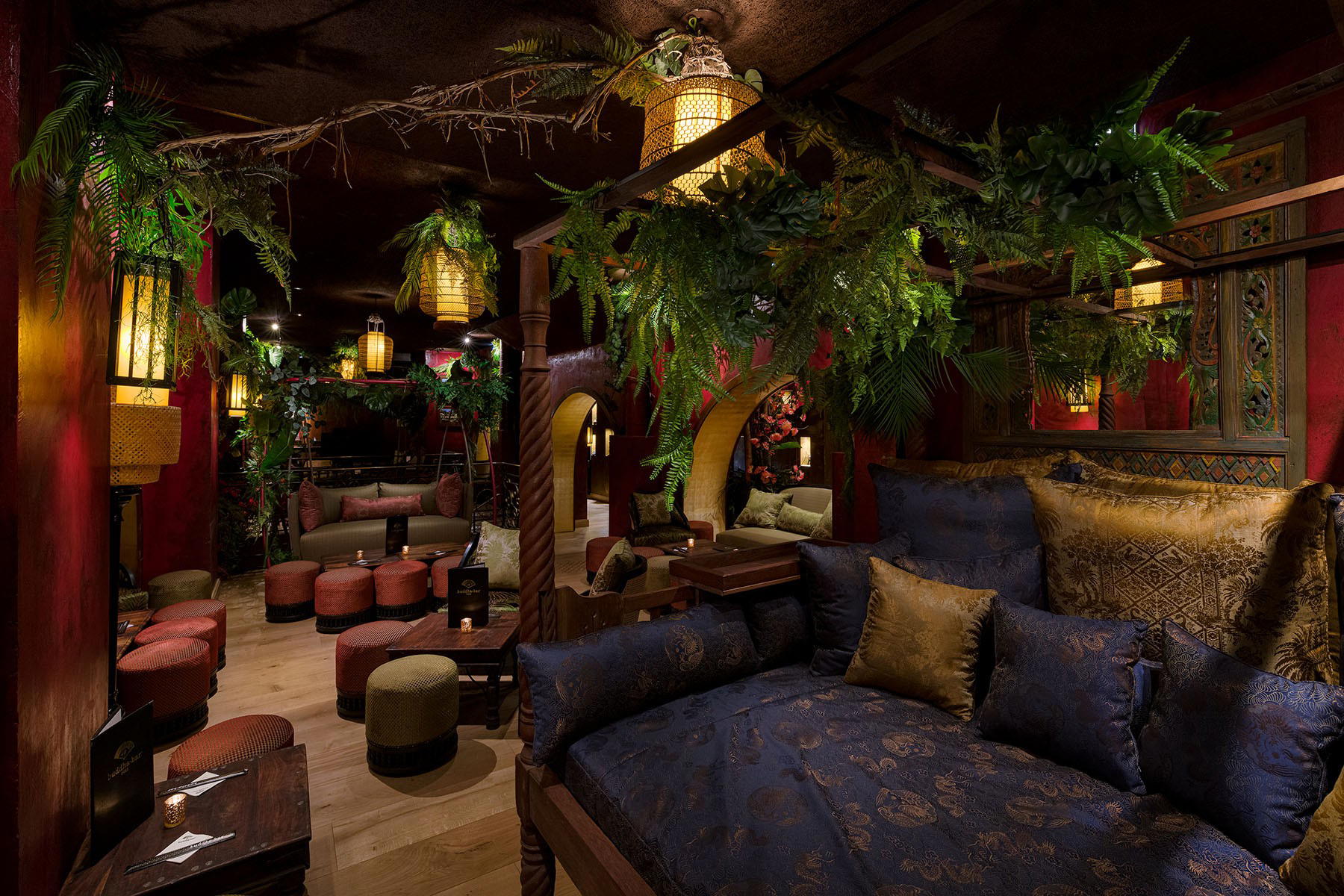

Details
- Cozy
- Elegant
- Intimate
- Group Dining
- Business Dinner
- Casual Hangout
- Private Dining
- Small Plates
- A La Carte
- Vegetarian Friendly
- Vegan Options
Current opening hours
- Monday
- 12–2:30 PM, 7–11 PM
- Tuesday
- 12–2:30 PM, 7–11 PM
- Wednesday
- 12–2:30 PM, 7–11 PM
- Thursday
- 12–2:30 PM, 7–11 PM
- Friday
- 12–2:30 PM, 7–11 PM
- Saturday
- 12–2:30 PM, 7–11 PM
- Sunday
- Closed
Hours can change for holidays and private events. Hours as of .
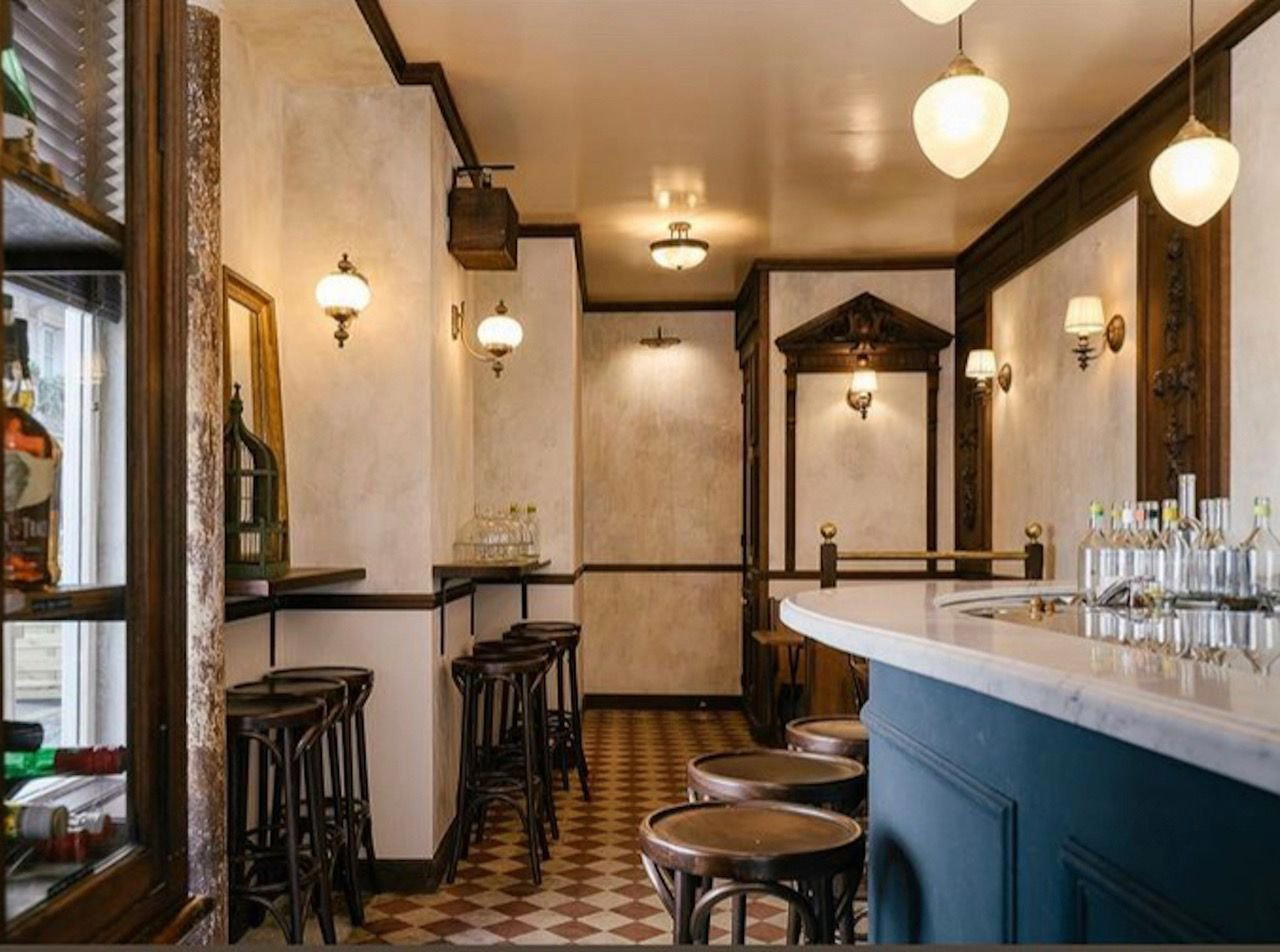
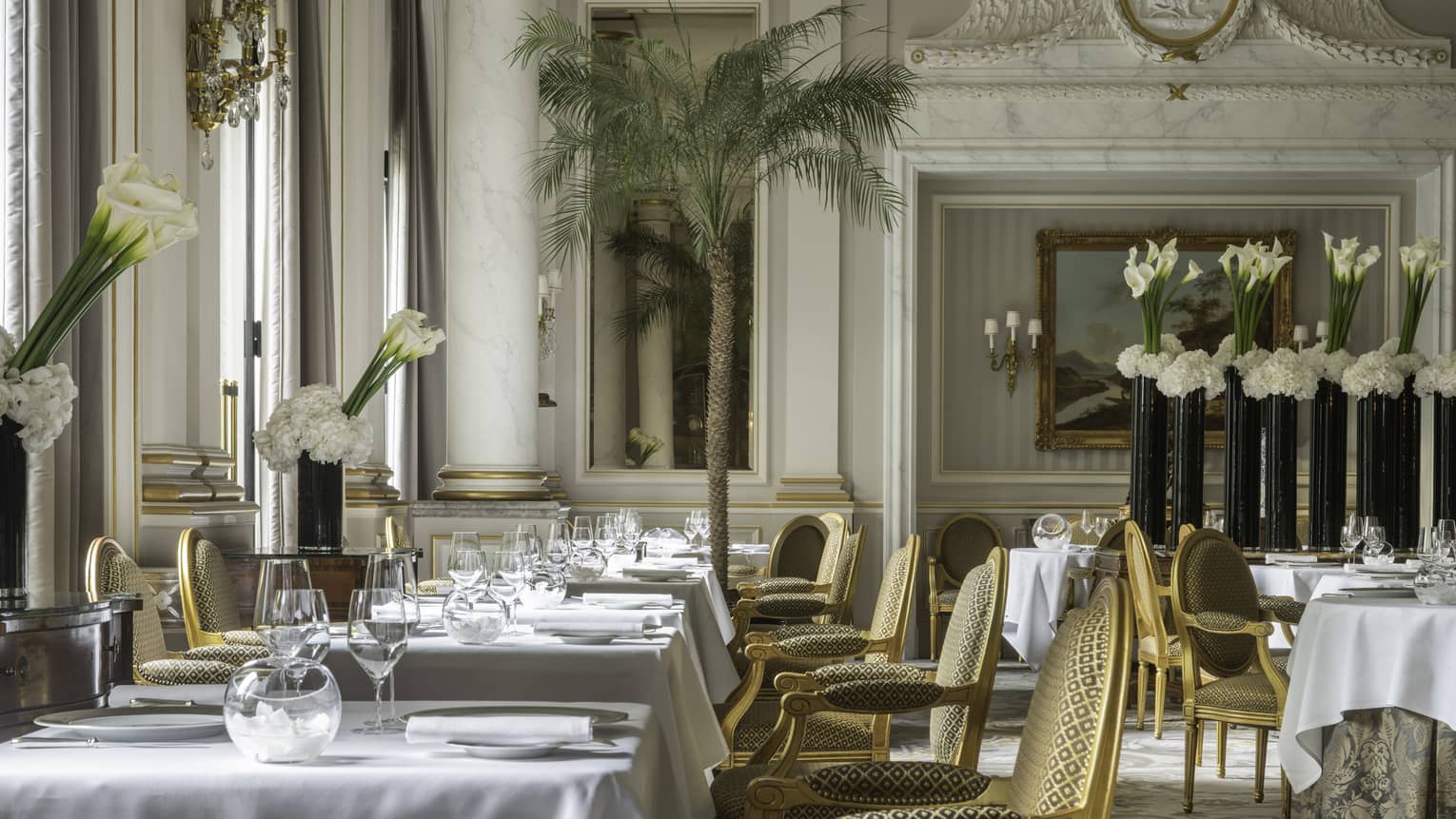
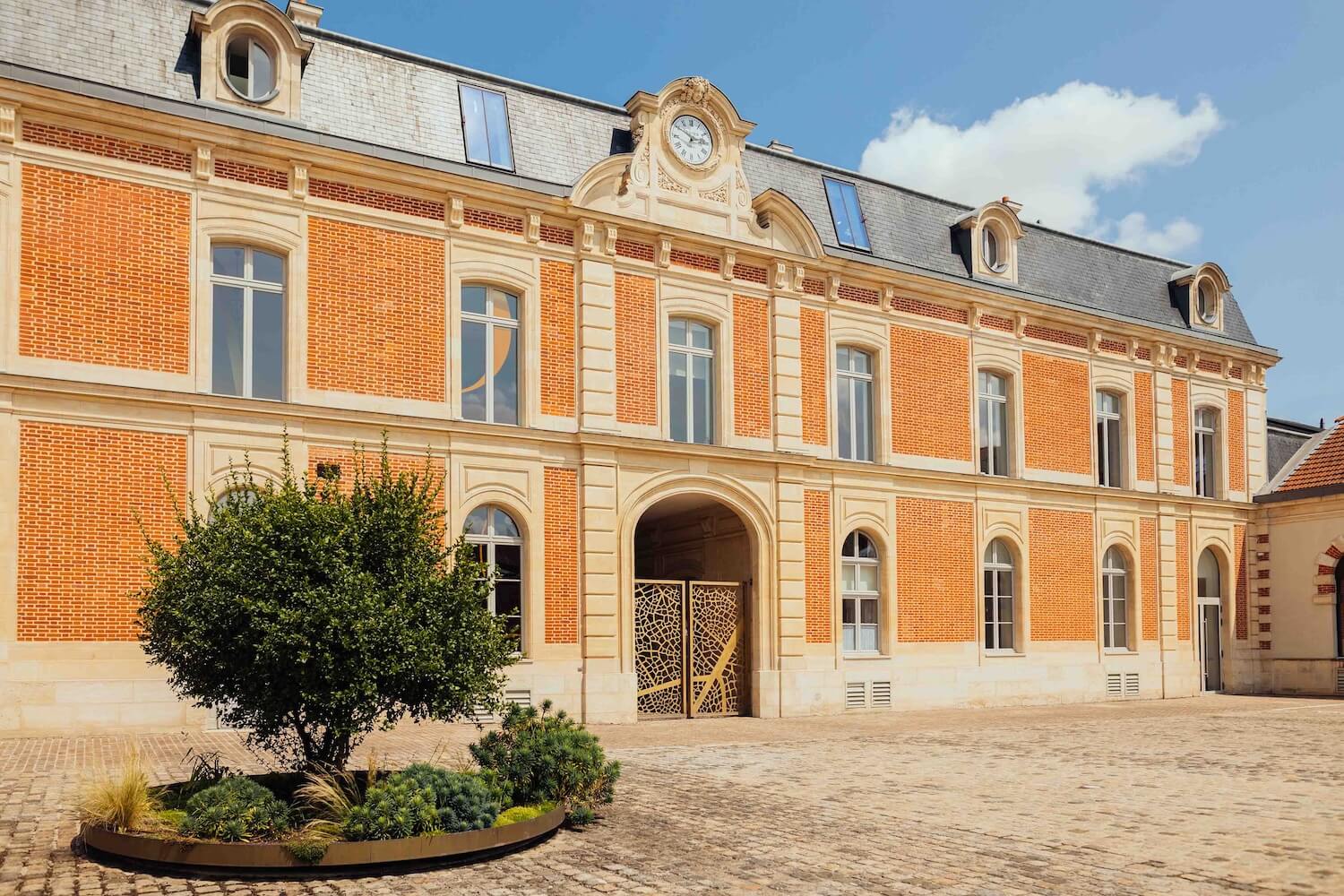
Warm and inviting with elegant table settings and cozy atmosphere reflecting Lebanese cultural roots.