Our verdict
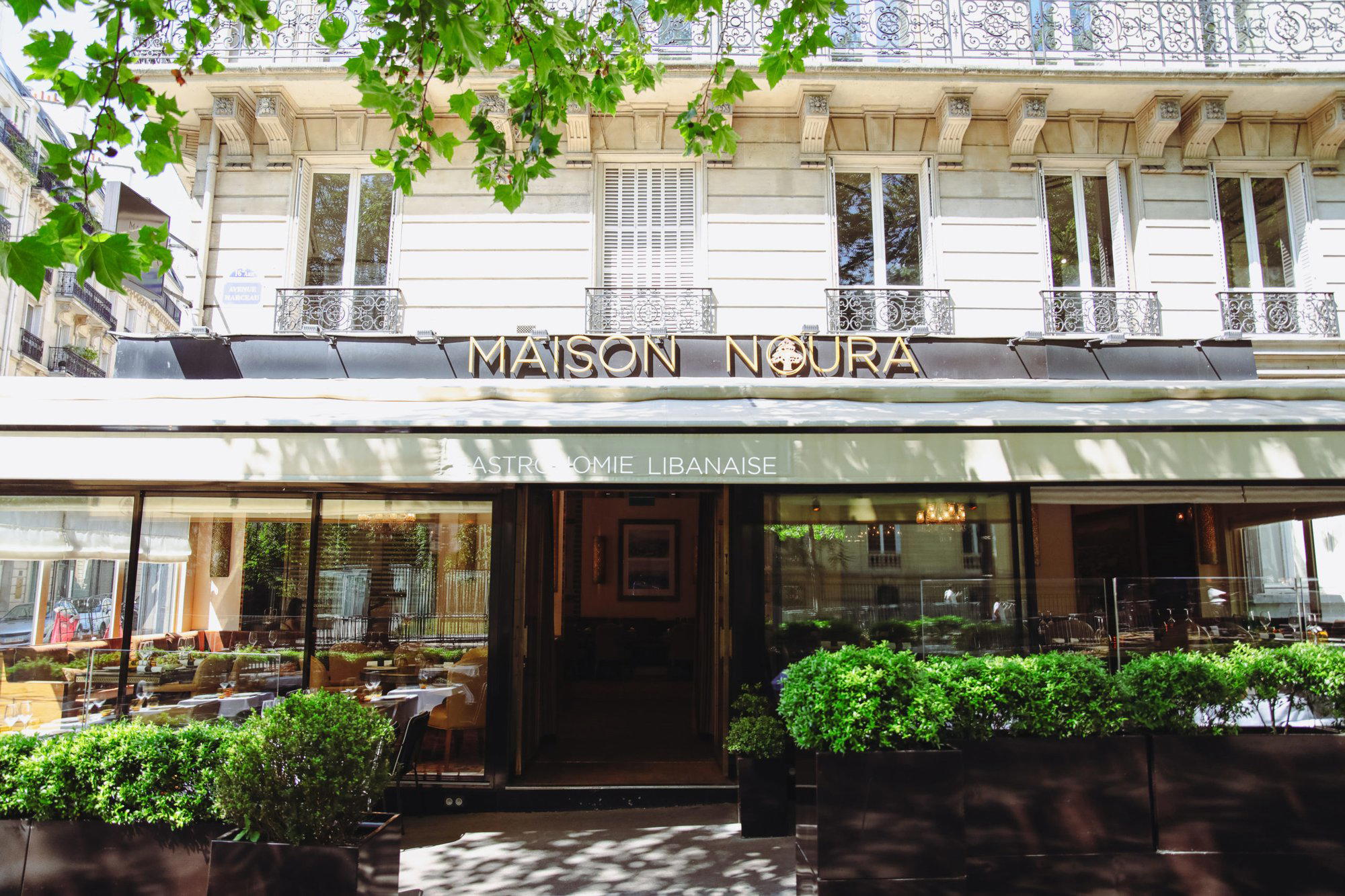
Maison Noura serves Lebanese Levantine cooking at 21 Av. Marceau with a terrace, craft cocktails, an extensive wine list, and dishes such as Hummus and Royal Glazed Lamb, set for leisurely lunch or dinner.

Pearl is the En Primeur Club membership app — saves, bookings, and concierge access live there. Same editors, same standards.
The menu
What to order
- Hummus
- Tabbouleh
- Grilled Lamb Chops
- Mix Grill
- Royal Glazed Lamb
Avenue Marceau and the Architecture of Lebanese Dining in Paris
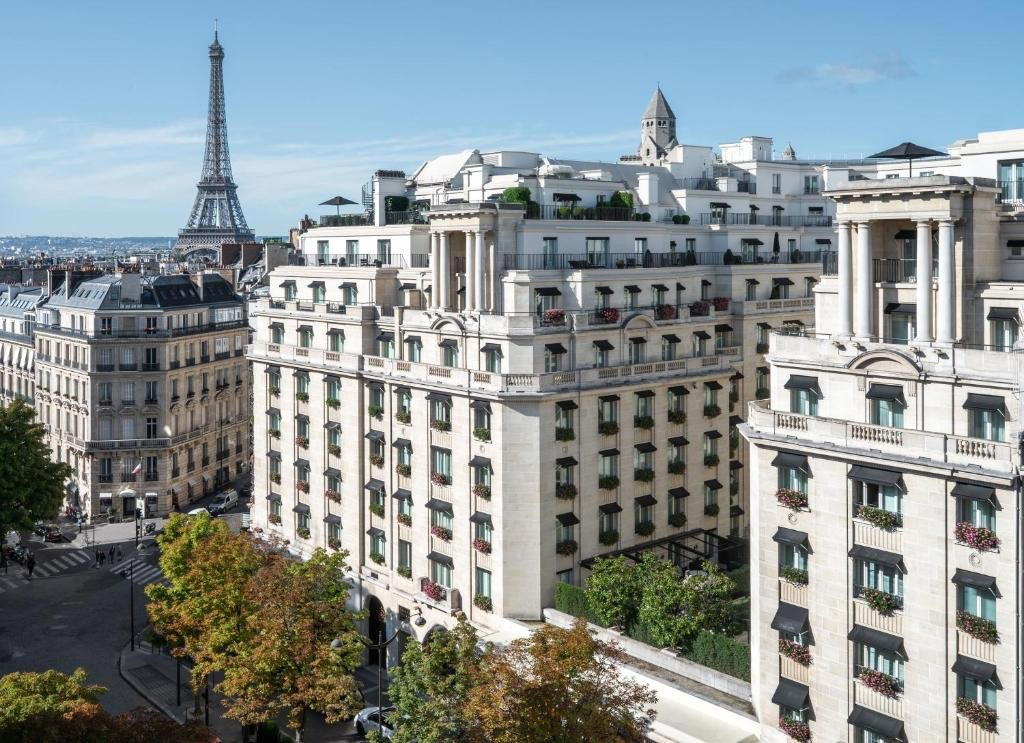
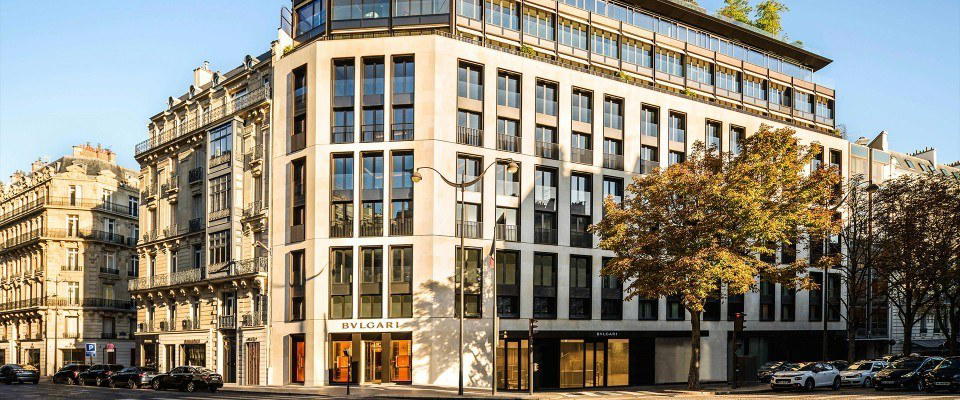
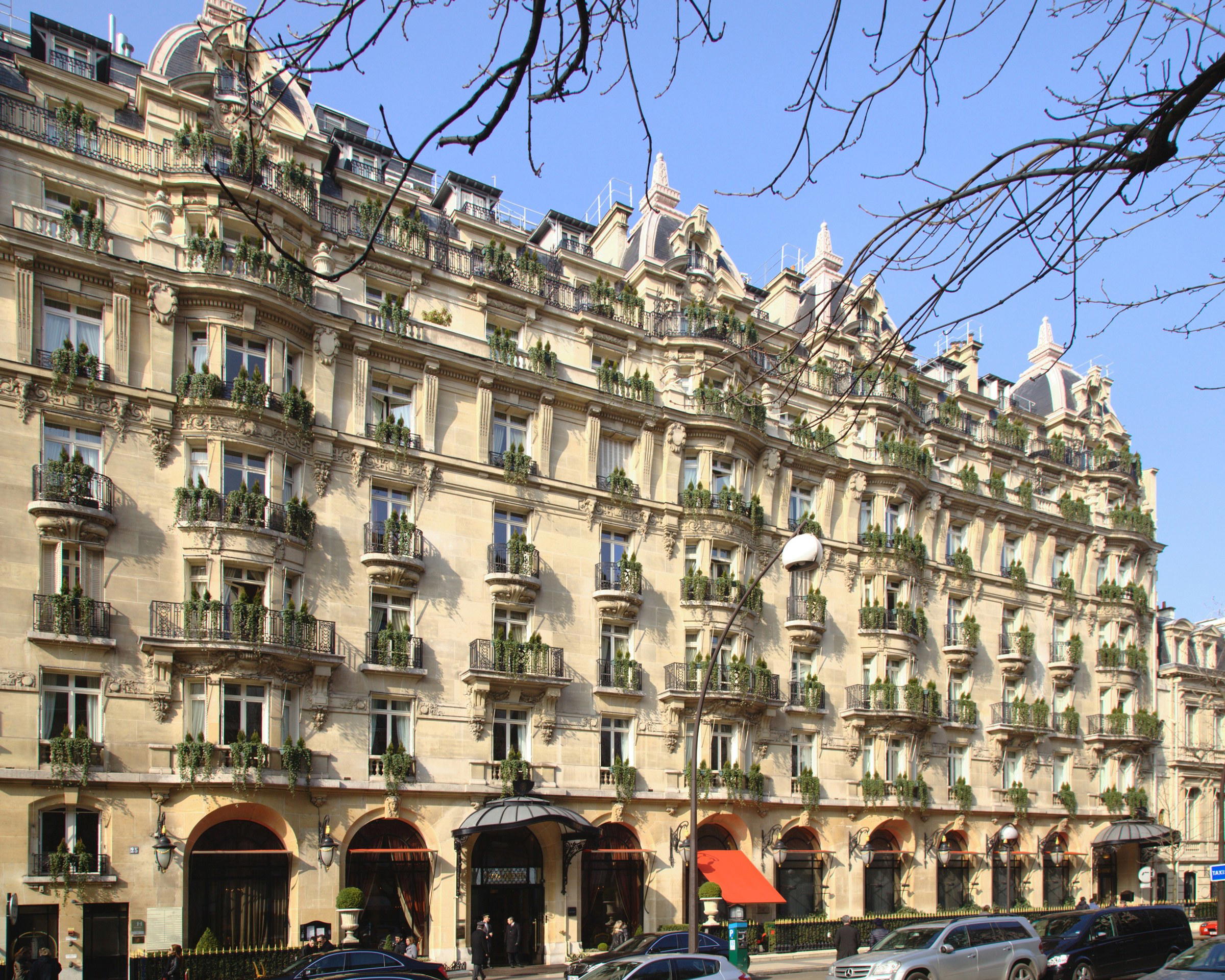
The 16th arrondissement has long functioned as a staging ground for a particular kind of Parisian restaurant: well-dressed, unhurried, and oriented toward a clientele that treats dining as a social institution rather than a transaction. Avenue Marceau, running from the Arc de Triomphe toward the Seine, carries that character in its bones. The buildings are Haussmannian in scale, the foot traffic is deliberate, and the restaurants that survive here do so by maintaining a consistent standard over years rather than chasing seasonal trend cycles. Maison Noura, at number 21, sits inside that tradition.
Lebanese cuisine in Paris occupies a specific and underappreciated position in the city's dining hierarchy. It predates the broader Middle Eastern restaurant wave that swept European capitals in the 2010s, having been carried to France by successive waves of Lebanese migration that accelerated during the civil war years. The leading Paris addresses in this category operate not as casual mezze counters but as full dining rooms with the formal expectations of French brasserie culture grafted onto Levantine hospitality. That combination — the rigour of French service culture meeting the abundance of the Lebanese table — defines the upper register of the category, and it is where Maison Noura positions itself.
The Physical Container
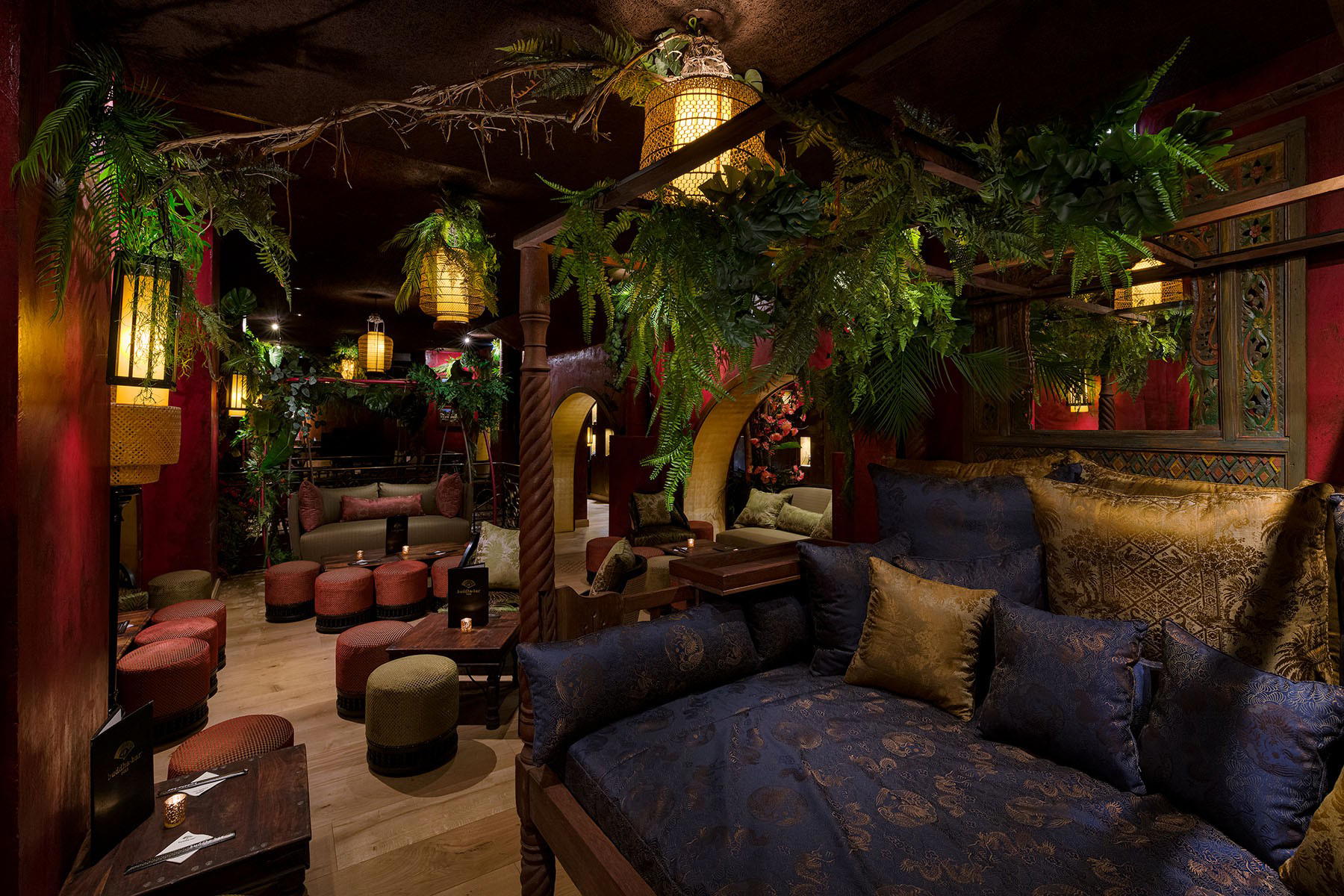
The design language of a restaurant on Avenue Marceau must carry certain weight. This is not a street where exposed concrete and pendant Edison bulbs communicate the right signals. The spaces that work here tend toward warm materials, structured seating, and a certain deliberateness in how light is managed across the room. Maison Noura operates in a ground-floor space that aligns with those neighbourhood expectations: the interior reads as composed rather than casual, with a seating arrangement that creates distinct zones without fragmenting the room's overall coherence.
In Lebanese dining rooms of this tier, space planning often serves a social function beyond simple capacity management. The mezze format demands a table with room to receive multiple small plates simultaneously, and the better establishments design accordingly, with tables proportioned to accommodate the spread without crowding. The layout also tends to separate the animated front-of-house rhythm from quieter seating areas toward the rear, giving regulars the option to choose their own register of the meal. These are design decisions that accumulate into a distinct atmosphere, one where the physical container reinforces rather than competes with the food.
Compared to peers such as Le Cinq at the Four Seasons George V or L'Ambroisie on the Place des Vosges, the formal register here is calibrated differently. Those rooms carry the full ceremonial weight of haute cuisine; Maison Noura operates in the adjacent register, formal in materials and service expectations, but structured around the communal logic of mezze rather than the sequential choreography of a tasting menu. That distinction matters when choosing between them for a specific occasion.
Where Maison Noura Sits in Paris's Broader Restaurant Map
Paris's restaurant scene at the higher end has become increasingly polarised. On one axis, you have the Michelin-validated French temples: Alléno Paris au Pavillon Ledoyen, Arpège, and their peers, where the format is fixed, the progression is course-led, and the price per head reflects decade-long institutional investment. On the other axis, you have a growing cohort of destination restaurants that draw on non-French traditions with a seriousness of execution that places them alongside those institutions on quality, if not on ceremony. Kei, with its Japanese-French synthesis, occupies one corner of that cohort. The upper tier of Lebanese dining in Paris occupies another.
What separates the stronger Lebanese addresses from the mass of Middle Eastern options across the city is largely a question of sourcing consistency and service depth. The core mezze repertoire, hummus, kibbeh, tabbouleh, fattoush, grilled meats, varies less in its components than in the quality of its execution and the sourcing of its ingredients. At the level Maison Noura operates, those distinctions are where the real editorial interest lies. Olive oil, pomegranate molasses, the freshness of the herbs in the parsley-heavy tabbouleh: these are the markers that separate a serious kitchen from a competent one.
France's broader fine dining geography offers a useful frame. The rigour applied to sourcing and technique at addresses like Bras in Laguiole or Auberge de l'Ill in Illhaeusern reflects a discipline that the leading Parisian ethnic restaurants now apply to their own traditions. That convergence is one of the more interesting developments in French dining over the past decade.
Planning Your Visit
Avenue Marceau is a short walk from the Charles de Gaulle-Étoile metro station (lines 1, 2, 6 and RER A), making it accessible from most central Paris arrondissements without requiring a taxi. The 16th is not a late-night dining neighbourhood in the way that Saint-Germain or the Marais can be; dinner here tends to follow a more traditional Parisian rhythm, with the room filling between 8pm and 9:30pm on weekdays.
| Venue | Cuisine | Price Tier | Format | Neighbourhood |
|---|---|---|---|---|
| Maison Noura | Lebanese | Mid-to-upper | Mezze and à la carte | 16th arr. / Marceau |
| Le Cinq | French Modern | €€€€ | Tasting menu / à la carte | 8th arr. / George V |
| Kei | Contemporary French-Japanese | €€€€ | Tasting menu | 1st arr. / Louvre |
| L'Ambroisie | Classic French | €€€€ | À la carte | 4th arr. / Marais |
For a broader orientation to Paris dining across price points and neighbourhoods, our full Paris restaurants guide maps the city's current restaurant scene in detail. For those building a multi-city French itinerary, comparable quality markers apply at AM par Alexandre Mazzia in Marseille, Assiette Champenoise in Reims, and Flocons de Sel in Megève. International comparisons for technically serious restaurants in the same cultural register include Le Bernardin in New York City and Atomix, also in New York, where the same question of how a non-French culinary tradition earns its seat at the top of a Western fine dining market plays out in a different city context.
Frequently asked questions
Would Maison Noura be comfortable with kids?
At this address and price point in Paris's 16th, the room is oriented toward adult dining; families with young children will find the atmosphere less accommodating than a casual brasserie.
Is Maison Noura formal or casual?
If you are accustomed to the dress standards expected at a serious Paris restaurant, apply those here. The 16th arrondissement sets a baseline expectation: no awards mean the room is not operating at the ceremonial register of a three-star, but the neighbourhood and price point both signal that smart casual is the floor, not the ceiling.
What do regulars order at Maison Noura?
At Lebanese restaurants of this calibre, the mezze selection is where the kitchen's discipline shows most clearly. Build the table around cold mezze first, assess the sourcing and seasoning, then extend to grilled meats and hot dishes. The cuisine tradition rewards breadth over depth in a single visit.
How does Maison Noura compare to other Lebanese restaurants in Paris?
Lebanese dining in Paris spans a wide range, from quick-service counters in the 9th and 10th arrondissements to full-service restaurants aimed at the city's Lebanese diaspora and diplomatic community. For context on how similar positioning plays out across French fine dining regions, see our coverage of Auberge du Vieux Puits in Fontjoncouse and Au Crocodile in Strasbourg.
Cost Snapshot
Comparable venues nearby, for context on price, style, and recognition.
| Venue | Cuisine | Price | Notes |
|---|---|---|---|
| Maison NouraThis venue — the venue you are viewing | Lebanese Levantine | $50–100 | Not listed |
| dalia | Modern Levantine Mezze | $30–50 | Sentier, Modern Levantine Mezze |
| Assanabel | Authentic Lebanese | $20–30 | 14th Arr. - Observatoire, Authentic Lebanese |
| Comptoir De Vie | Modern French Tasting Counter-Bar | $100–150 | 2nd Arrondissement, Modern French Tasting Counter-Bar |
| Oh Vin Dieu | Traditional French Bistro | $50–100 | 8th Arr., Traditional French Bistro |
| Huîtres et Saumons de Passy | French Seafood | $30–50 | Passy, French Seafood |
Continue exploring
More in Paris
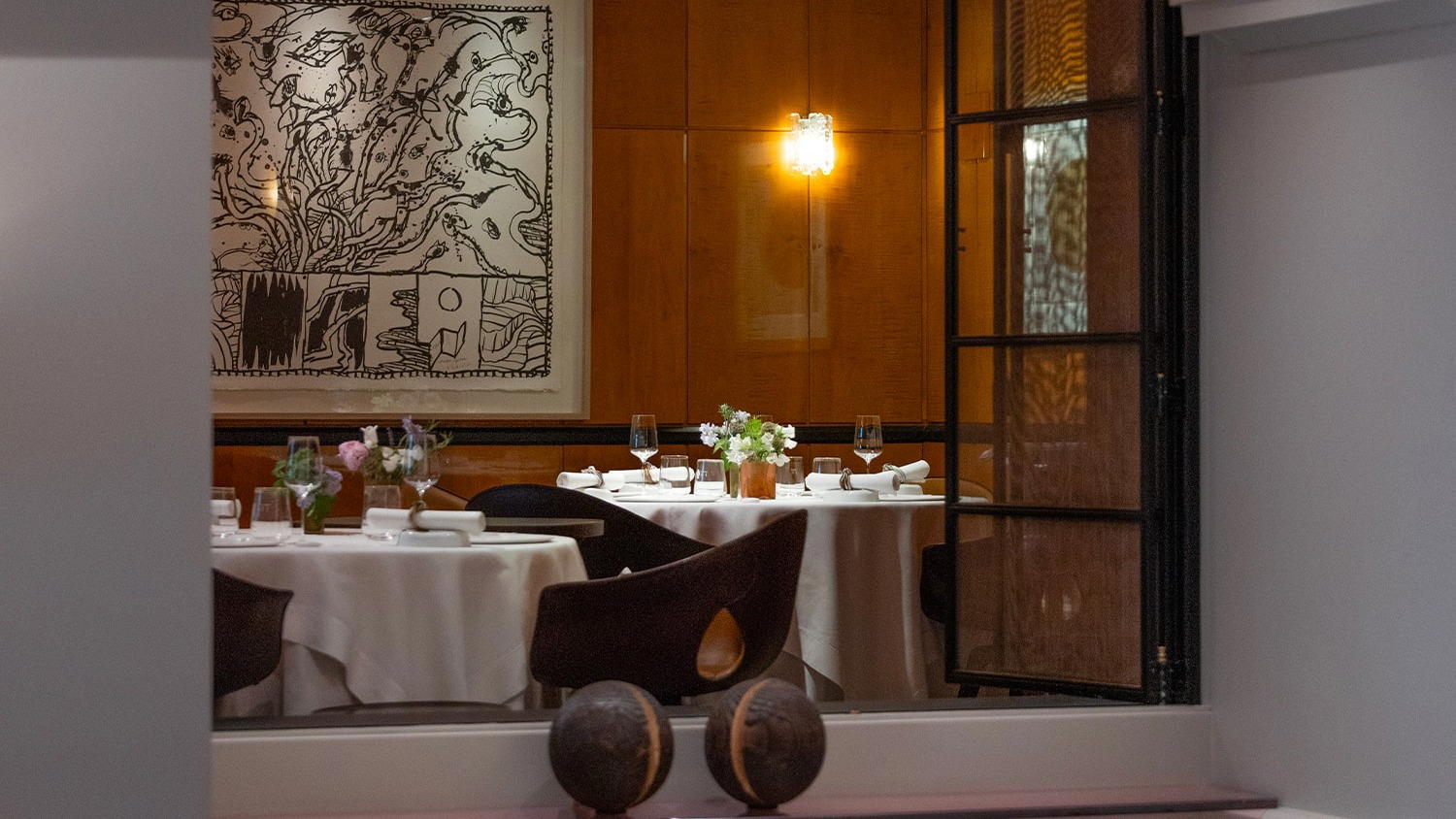
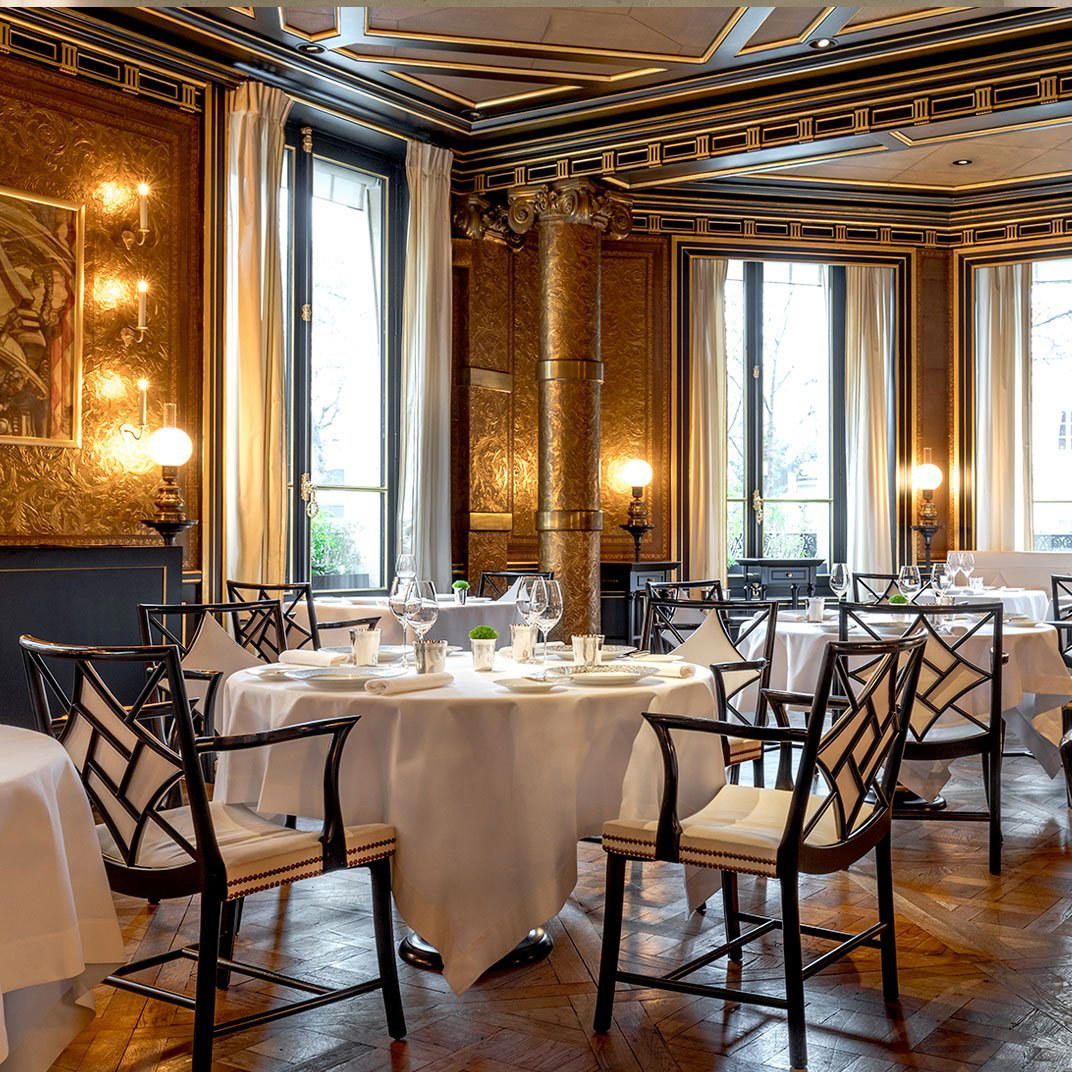
Restaurants in Paris
All restaurants in Paris →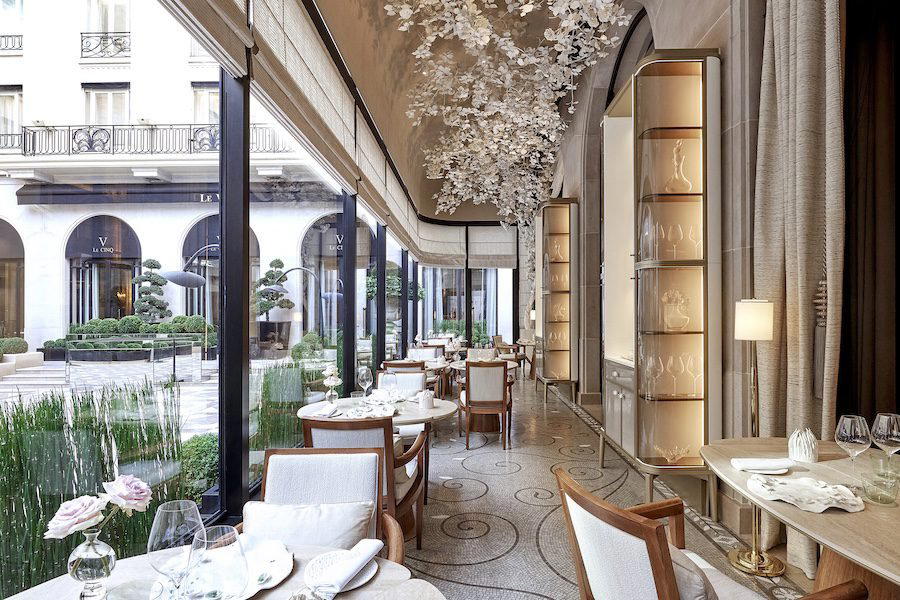
Bars in Paris
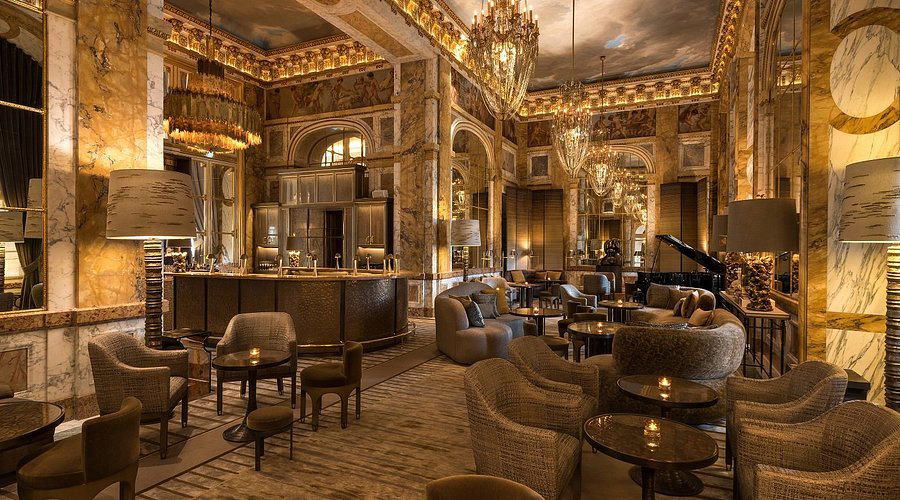
All bars in Paris →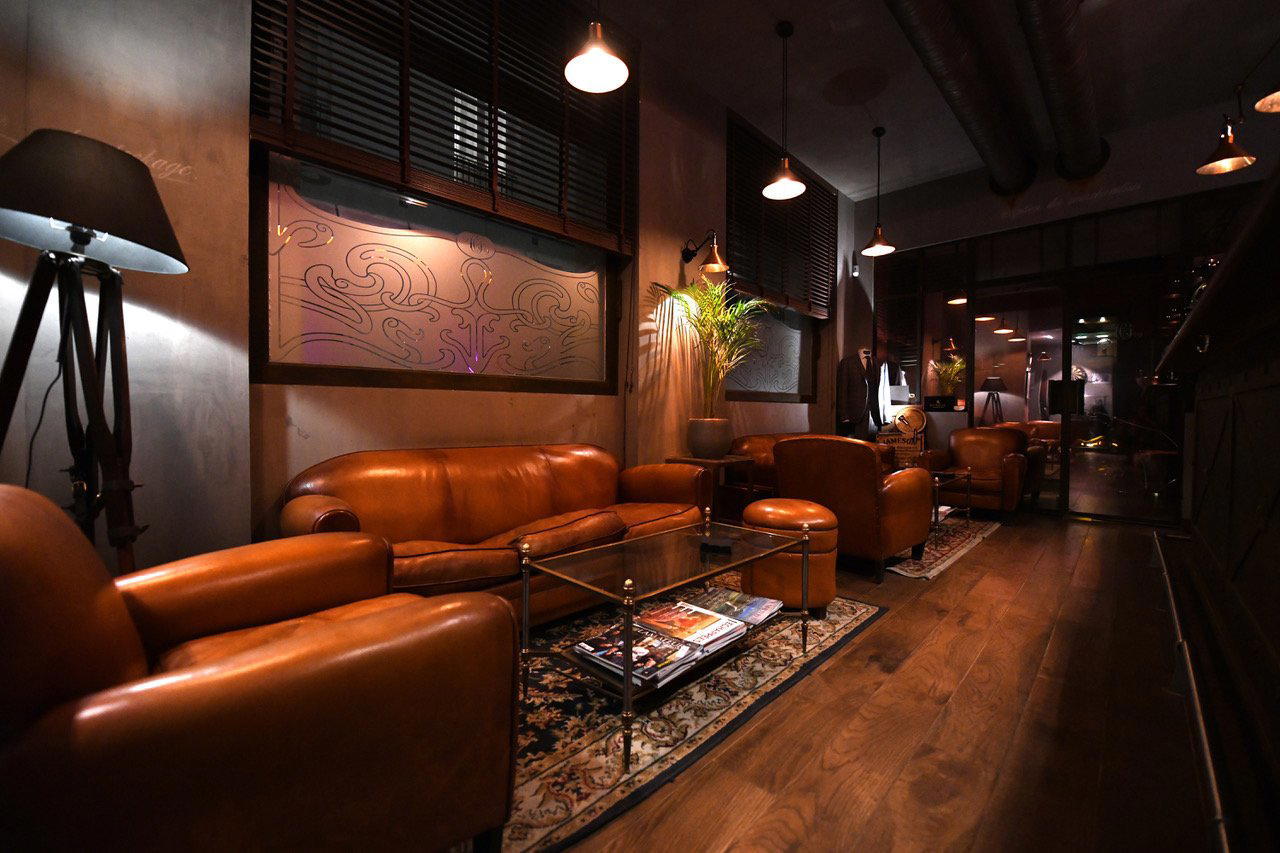



Maison Noura
The wine
- Wine program
- Curated wine list
- Extensive wine list
- Craft cocktails
Details
- Elegant
- Sophisticated
- Classic
- Date Night
- Business Dinner
- Celebration
- Special Occasion
- Terrace
- Extensive Wine List
- Craft Cocktails
- A La Carte
- Small Plates
- Vegetarian Friendly
Current opening hours
- Monday
- Closed
- Tuesday
- Closed
- Wednesday
- Closed
- Thursday
- Closed
- Friday
- Closed
- Saturday
- Closed
- Sunday
- Closed
Hours can change for holidays and private events. Last verified .
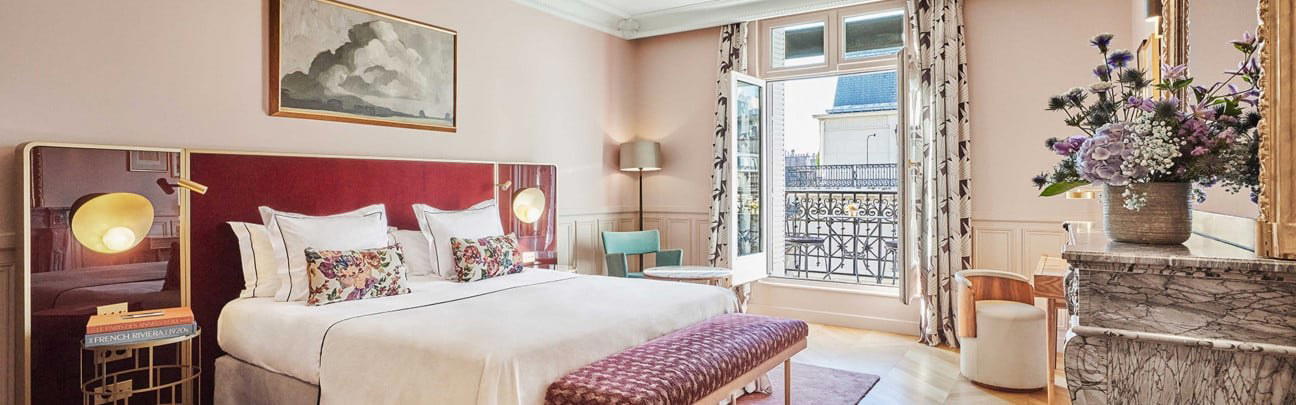
Warm, elegant atmosphere with sophisticated Lebanese decorative traditions reinterpreted in a contemporary style, featuring moucharabiehs and chic 16th arrondissement vibe.