Sà Pesta is a long-standing trattoria on Via dei Giustiniani in Genoa's historic centre, where the city's deep Ligurian kitchen tradition plays out in a setting stripped of any pretence. It sits in the middle tier of Genoa's dining scene, drawing locals and well-informed visitors who want the real weight of Genoese cooking rather than a contemporary reworking of it.
Pearl is the En Primeur Club membership app — saves, bookings, and concierge access live there. Same editors, same standards.
- Address
- Via dei Giustiniani, 16r, 16123 Genova GE, Italy
- Phone
- +39 010 246 8336
- Website
- anticasapesta.com
- Directions
- Get directions
 Saves & bookings on Pearl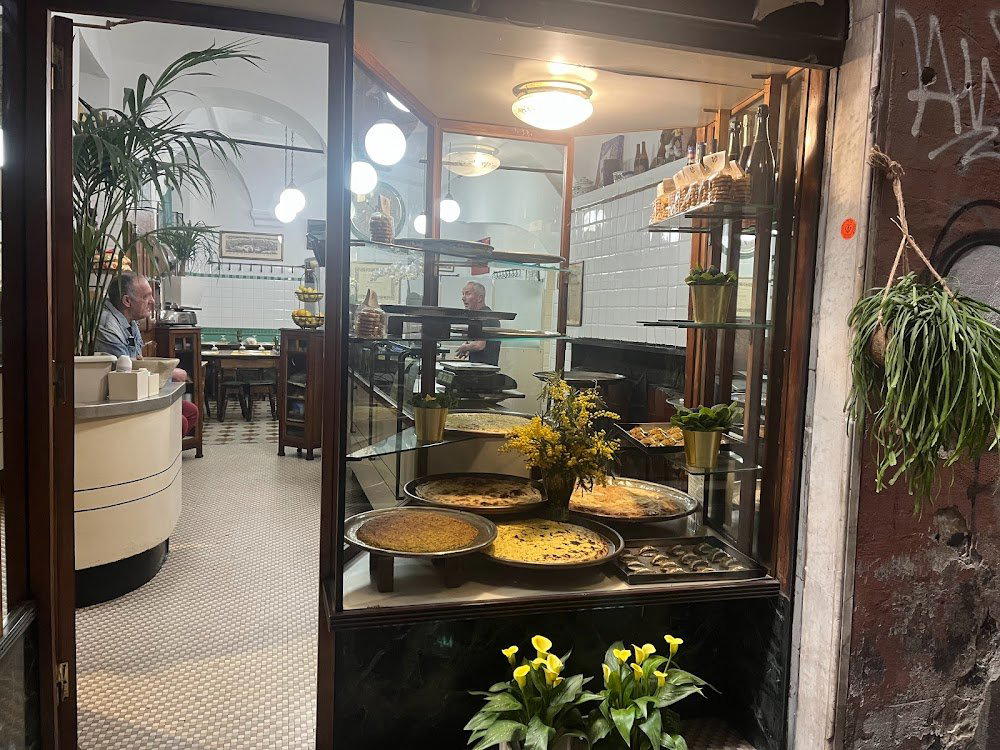
Where Genoa's Oldest Food Habits Come to the Table
There is a particular class of restaurant in Ligurian port cities that has never needed to reinvent itself. The room is small, and the clientele is a mixture of neighbourhood regulars and visitors who have found the address on a narrow medieval street rather than a seafront boulevard. Sà Pesta, a Traditional Ligurian Trattoria in Genoa on Via dei Giustiniani, belongs to that category. The street itself tells you something before you open the door: the caruggi, Genoa's dense web of medieval lanes, were where working-class food culture took root centuries ago, and the restaurants that survived here did so by serving food that the neighbourhood actually wanted, not food calibrated for a tourist circuit.
The Occasion Case for Ligurian Tradition
Celebration meals in Italy do not always mean white tablecloths and a sommelier at your elbow. In Liguria, milestone dinners have historically been marked at exactly the kind of trattoria Sà Pesta represents: a place with a fixed identity, a long memory, and cooking that has not drifted with fashion. This is a different proposition from the fine-dining tier that includes Genoa venues like Il Marin, which applies a modern seafood vocabulary to the same Ligurian ingredient base, or San Giorgio and The Cook, both operating at the higher contemporary-cuisine price point. Sà Pesta positions itself lower in cost and higher in locality, which for a certain kind of occasion, a birthday dinner with friends who want an authentic read of the city, a quiet anniversary that should feel embedded in place rather than above it, is exactly the right calibration.
The contrast matters when you consider how Genoa's restaurant scene has stratified over the past decade. Farm-to-table formats like 20Tre occupy a progressive middle ground, while garden-setting spots like Al Giardino Degli Indoratori offer occasion dining through atmosphere. The restaurant's version of the occasion meal is rooted in the opposite logic: the occasion is validated by the cooking's pedigree and the room's lack of performance, not by its staging. You go because the food represents something real about the city.
What Ligurian Cooking Looks Like Here
Genoa's kitchen is one of the more misunderstood regional traditions in northern Italy. The popular shorthand, pesto, focaccia, trofie, undersells the depth of a cuisine that developed through centuries of maritime trade, poverty-driven ingenuity, and a notable herb garden in the hills above the port. The farinata, a chickpea flatbread cooked in a wood-fired copper pan, is among the more historically anchored street foods in the entire Italian tradition, and the restaurant is among the Genoese addresses where it has been prepared for generations. The pandolce, the city's dense sweet bread, carries the same historical weight. Dishes like these are not curiosities for visiting food writers; they are what Genoese families have eaten at the same tables, in the same lanes, for longer than most of Italy's celebrated culinary institutions have existed.
The cooking at a place like Sà Pesta should be understood alongside Italy's wider trattoria tradition, which at its strongest is not a lesser version of fine dining but a parallel system with its own standards. Italy's highest-profile restaurants, from Osteria Francescana in Modena to Enoteca Pinchiorri in Florence to Enrico Bartolini in Milan, derive much of their authority from the same regional kitchens that places like Sà Pesta maintain at the source. The difference is that a trattoria in the caruggi is where the tradition is preserved in its unmediated form, without the layer of contemporary interpretation that fine dining requires.
Placing Sà Pesta in the Wider Italian Conversation
For visitors who travel to eat across Italy's full range, the restaurant represents one end of a spectrum that runs through some of the country's most celebrated addresses. The coastal tradition that feeds Ligurian cooking also informs restaurants further south, including Quattro Passi in Marina del Cantone and Uliassi in Senigallia, both of which work with Italian seafood at a considerably higher technical level. The northern Italian terroir that Ligurian cuisine shares with Piedmont connects, at the fine-dining tier, to Piazza Duomo in Alba and Le Calandre in Rubano. Internationally, the kind of cooking-from-place conviction that defines a good trattoria has its equivalents in format-driven restaurants like Lazy Bear in San Francisco or the seafood rigour of Le Bernardin in New York City, though the register is entirely different. Italy's mountain traditions are explored at another level entirely by Atelier Moessmer Norbert Niederkofler in Brunico, while the patient, product-led approach of Dal Pescatore in Runate and the landscape-anchored cooking at Reale in Castel di Sangro reflect a similar commitment to regional specificity at a different price point.
Planning a Visit
Via dei Giustiniani sits in the dense medieval grid west of Piazza De Ferrari, accessible on foot from the historic centre in a few minutes. The caruggi lanes are not navigable by car, so arriving by foot or by taxi dropped at the perimeter of the old town is the practical approach. The restaurant's position in the mid-price tier of Genoese dining means it draws a local lunch crowd as much as dinner visitors; the midweek lunch window has historically been less pressured than weekend evenings, when the neighbourhood fills with visitors moving through the old port area. As with most established Genoese trattorias, reservations are recommended, and the midday service is the easier time to plan around.
Cost and Credentials
Comparable venues nearby, for context on price, style, and recognition.
| Venue | Cuisine | Price | Notes |
|---|---|---|---|
| Sà PestaThis venue — the venue you are viewing | Not listed | $$ | Not listed |
| Panegirico | Not listed | $$ | near Mercato Orientale, Italian Sandwiches & Focaccia |
| Vico di Campetto | Not listed | $$ | centro storico, Traditional Ligurian Trattoria |
| Vico Tana, 4 | Not listed | $$ | historic center, Ligurian Italian Osteria |
| Via Fieschi, 29 | Foce, Italian Apericena Cafe | $ | Not listed |
| Caffè degli Specchi | Centro Storico, Italian Ligurian Café | $$ | Not listed |
Continue exploring
More in Genoa
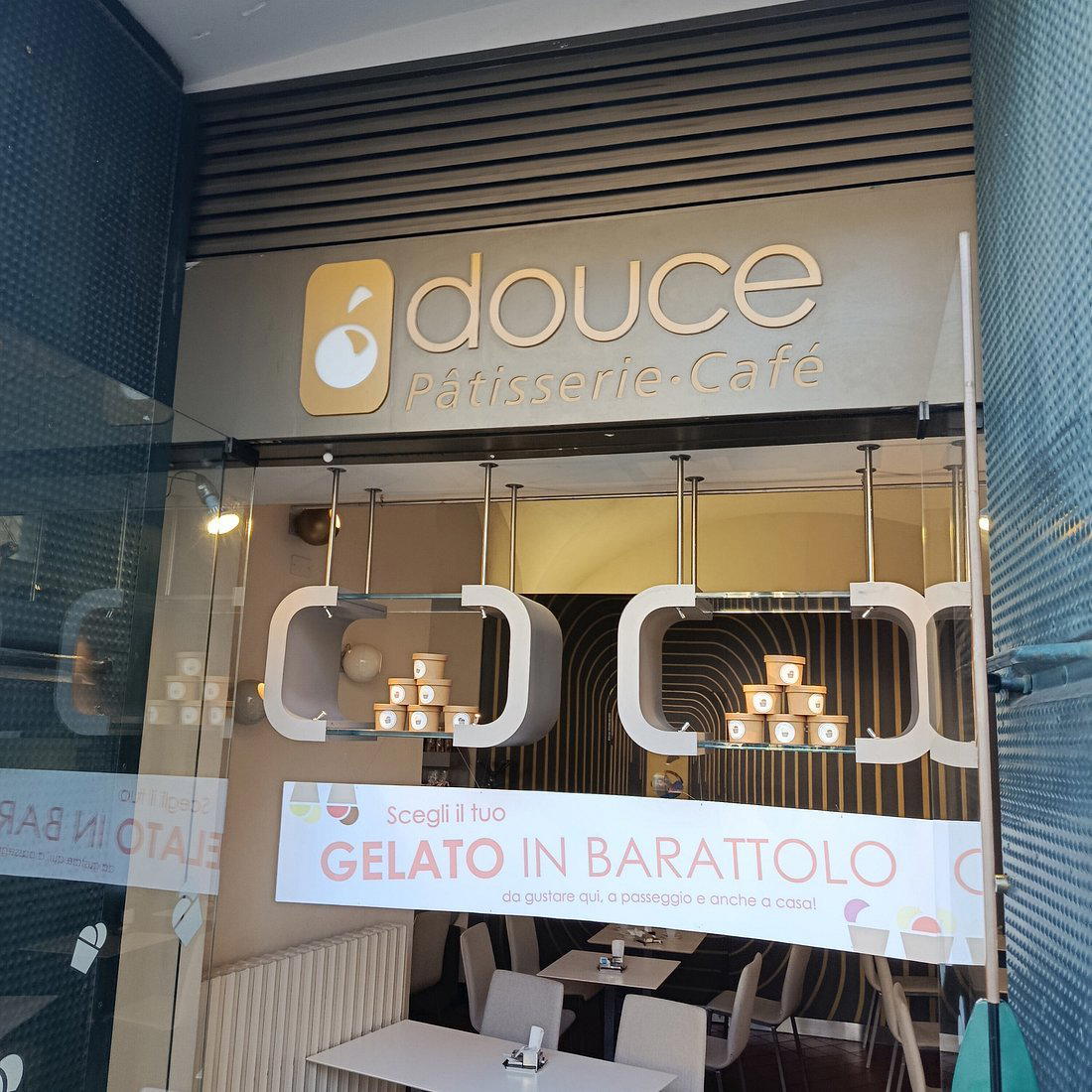
Restaurants in Genoa
Browse all →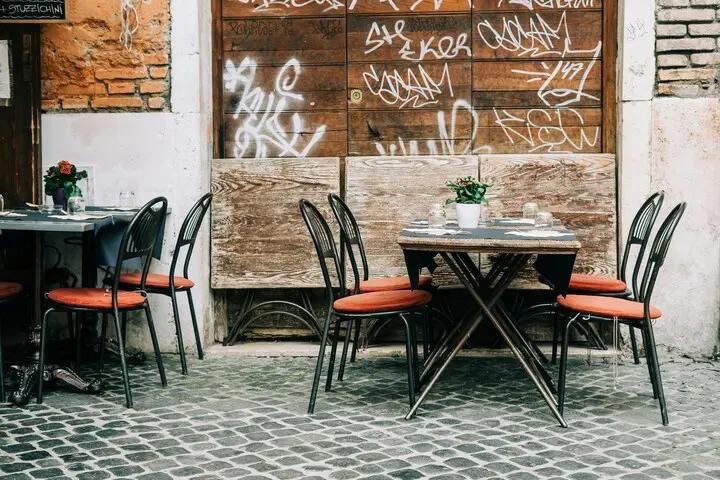
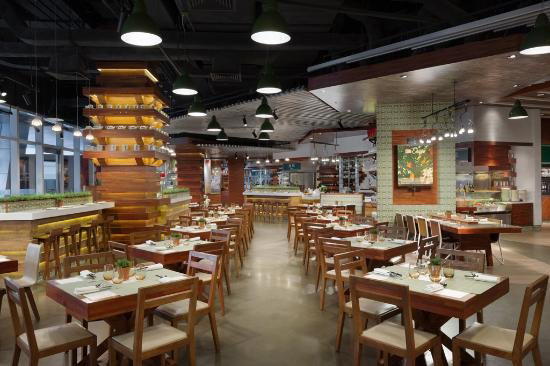
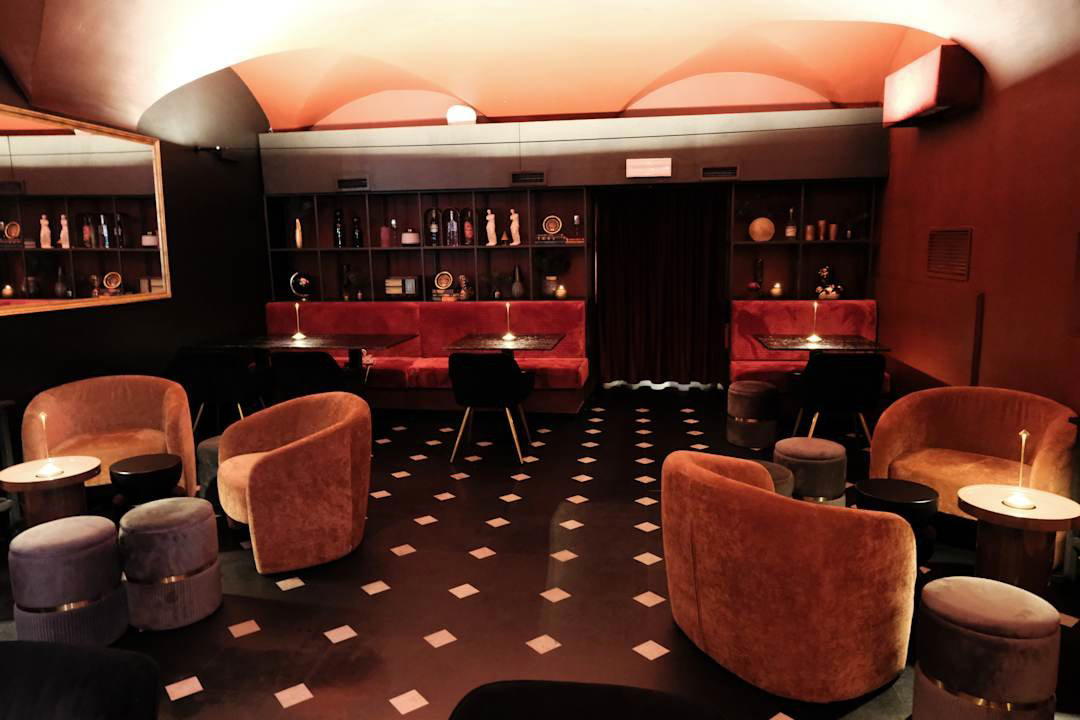
Bars in Genoa
Browse all →
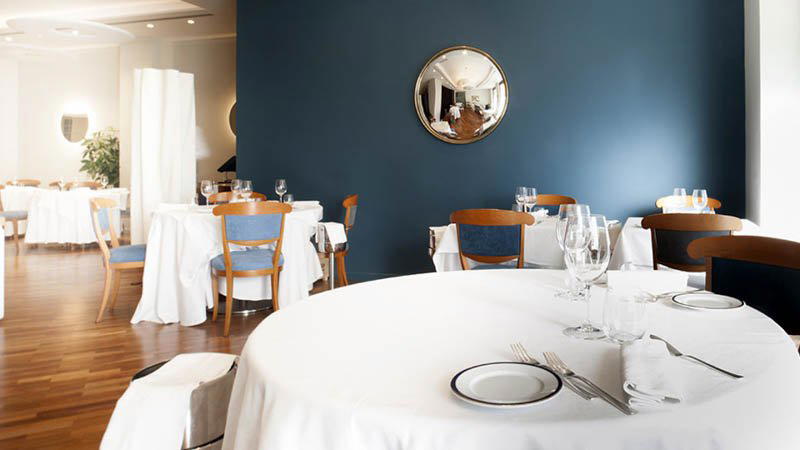
Hotels in Genoa
Browse all →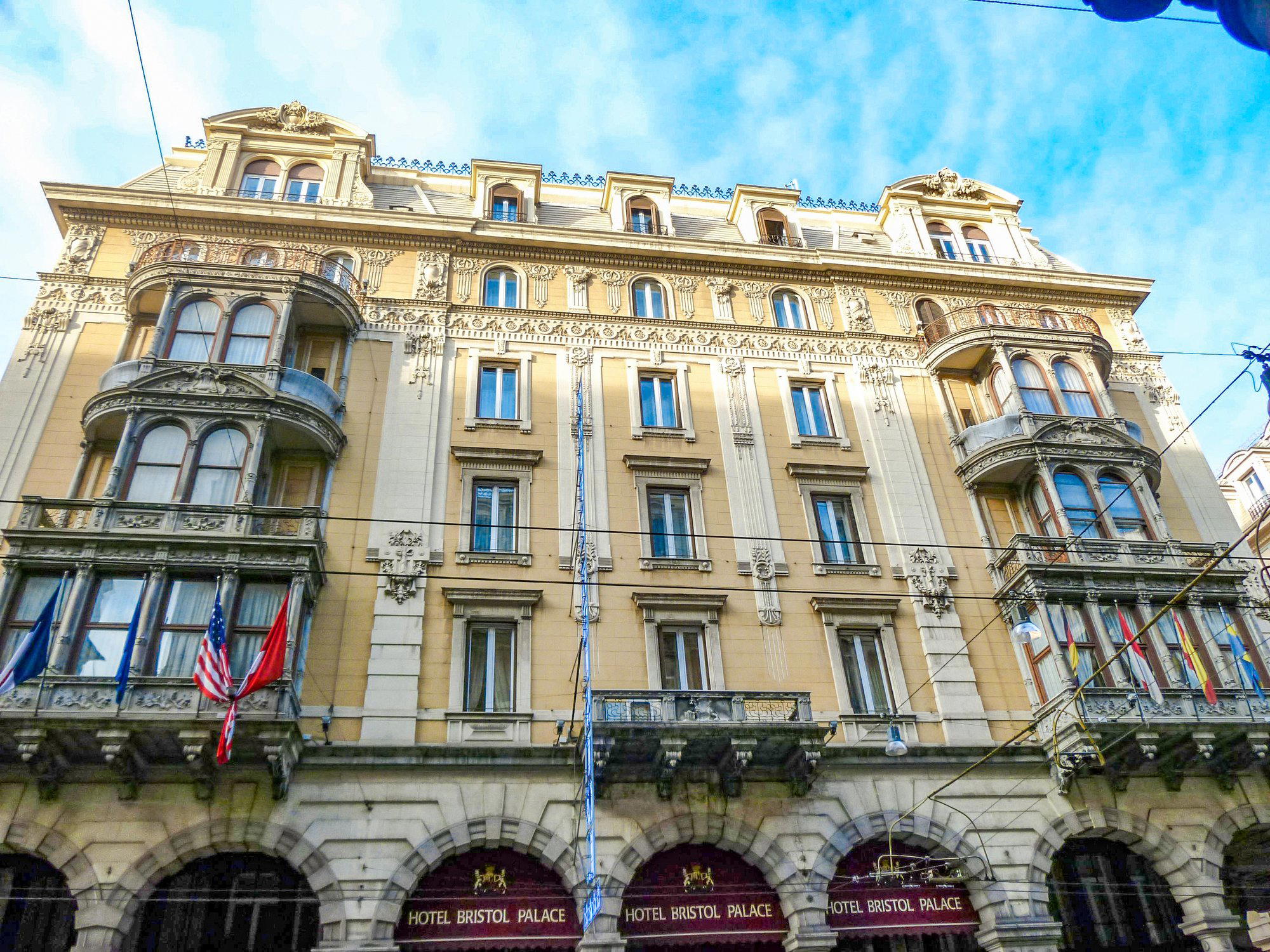

At a Glance
- Classic
- Rustic
- Historic
- Intimate
- Casual Hangout
- Historic Building
Current opening hours
- Monday
- 11:30 AM–2:30 PM
- Tuesday
- 11:30 AM–2:30 PM
- Wednesday
- 11:30 AM–2:30 PM
- Thursday
- 11:30 AM–2:30 PM, 7–10 PM
- Friday
- 11:30 AM–2:30 PM, 7–10 PM
- Saturday
- 11:30 AM–2:30 PM, 7–10 PM
- Sunday
- Closed
Hours can change for holidays and private events. Last verified .
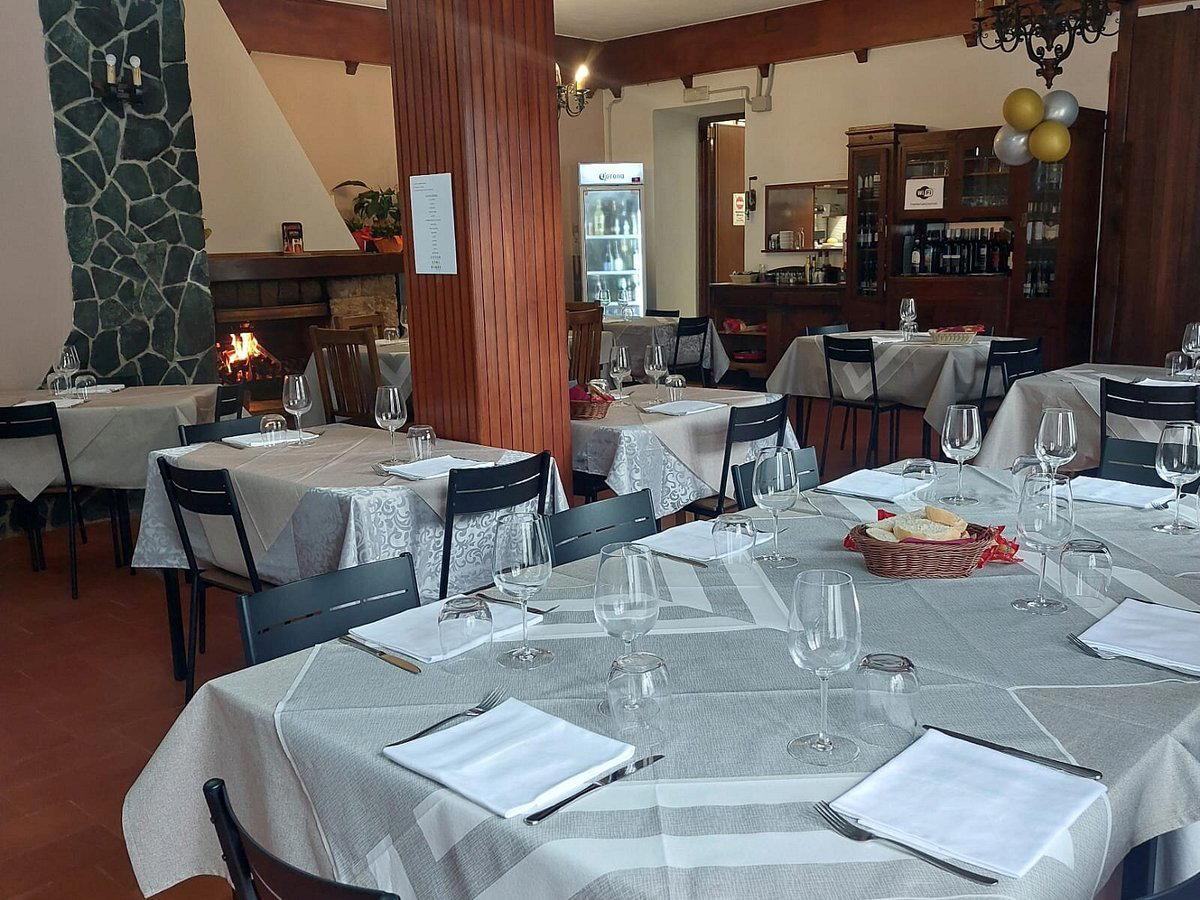
Cozy and authentic historic atmosphere with warm lighting from traditional wood-fired oven and simple rustic decor evoking old Genoa.