Sa Clastra


1 Michelin Star · Guía Repsol 1 Sol
Our verdict
Sa Clastra occupies a stone-walled dining room inside Castell Son Claret, a one-Michelin-key estate in the Mallorcan interior. Head chef Jordi Cantó works through a single tasting menu structured around the island's winds — Tramuntana, Gregal, Mitjorn and others — drawing on local culinary memory while admitting spices and influences carried from further afield. It holds a Michelin star (2024) and runs Tuesday through Saturday evenings only.

Pearl is the En Primeur Club membership app — saves, bookings, and concierge access live there. Same editors, same standards.
- Address
- Carretera Es Capdellà, Km 1.7, Es Capdellà, 07196, Spain
- Phone
- +34 971 13 86 27
- Hours
- Mon–Wed ClosedThu–Sat 7–9 PMSun Closed
- Website
- castellsonclaret.com
- Directions
- Get directions
- Booking
- Book on the venue's website
Where Mallorcan Produce Meets the Island's Winds
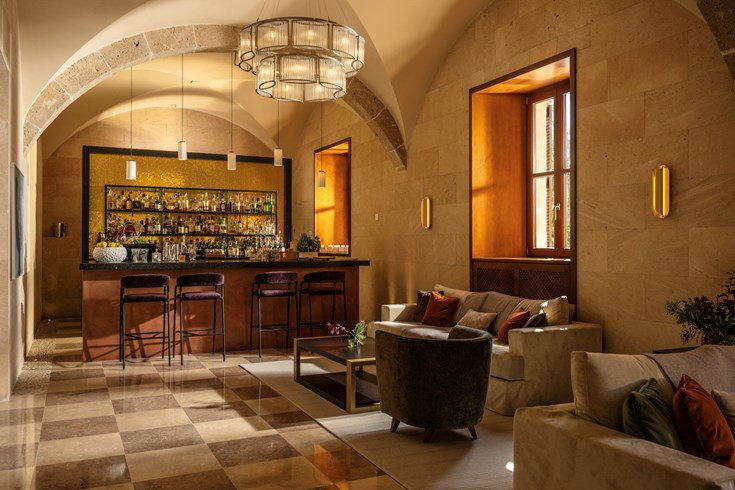
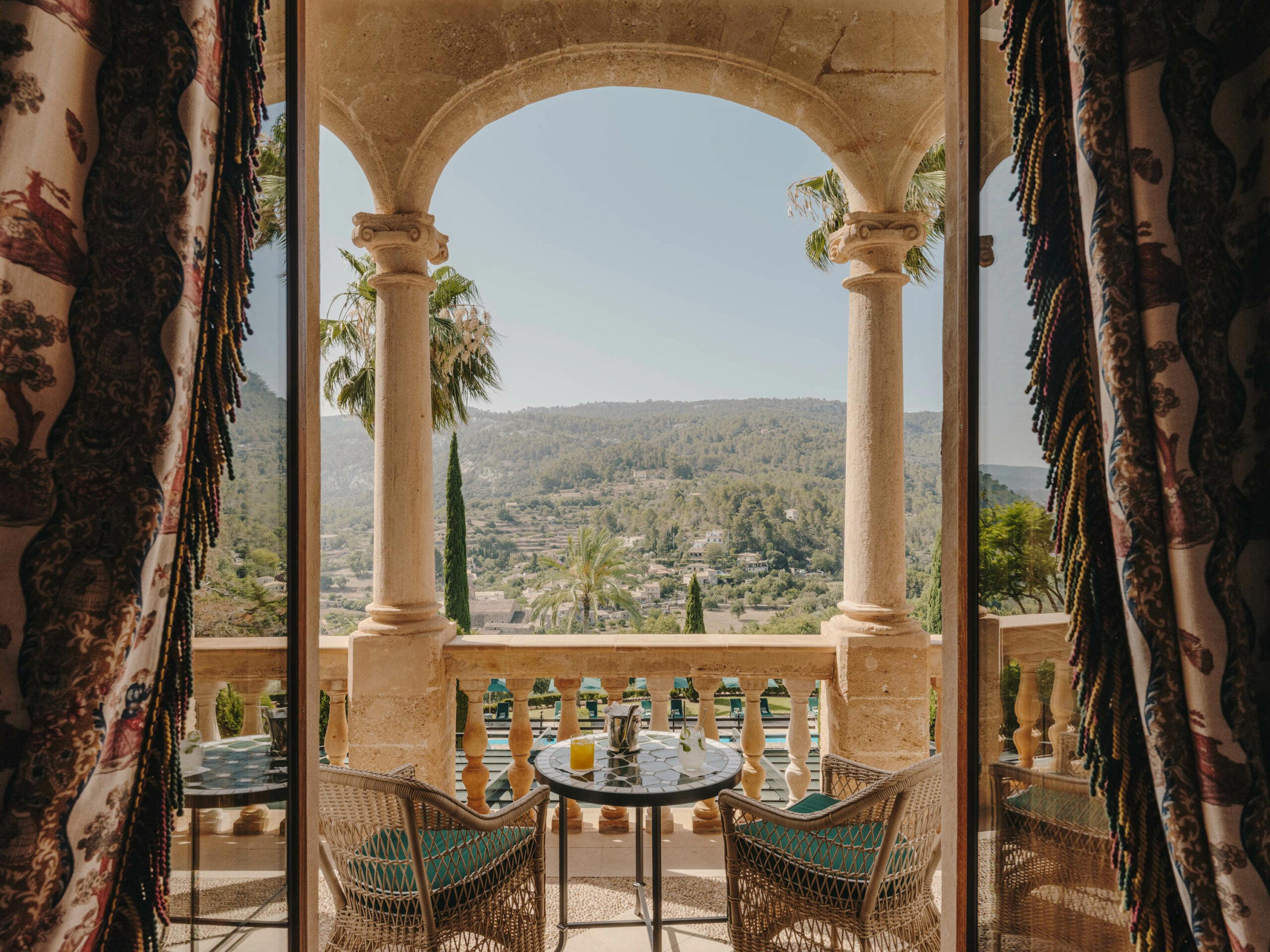
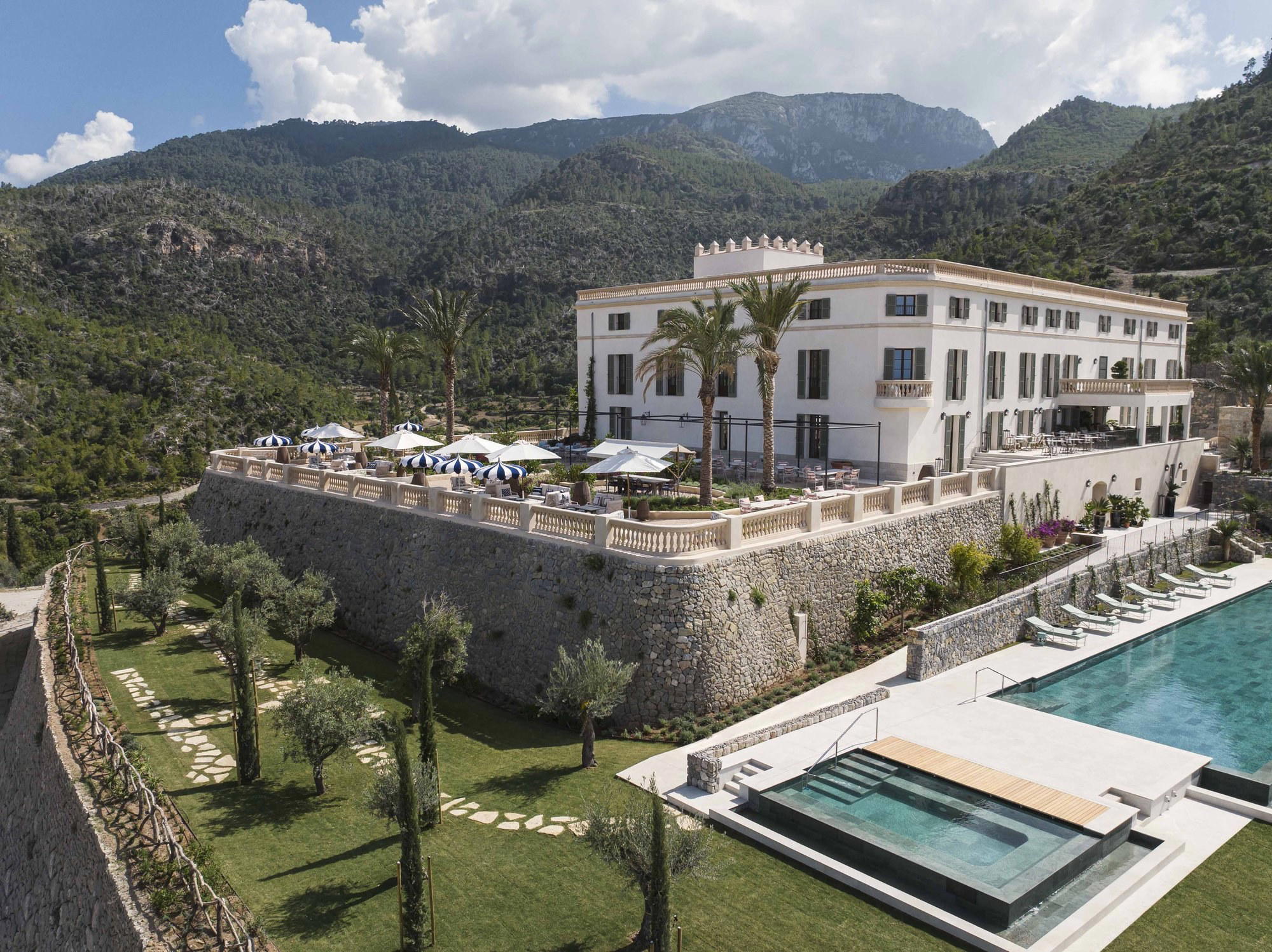
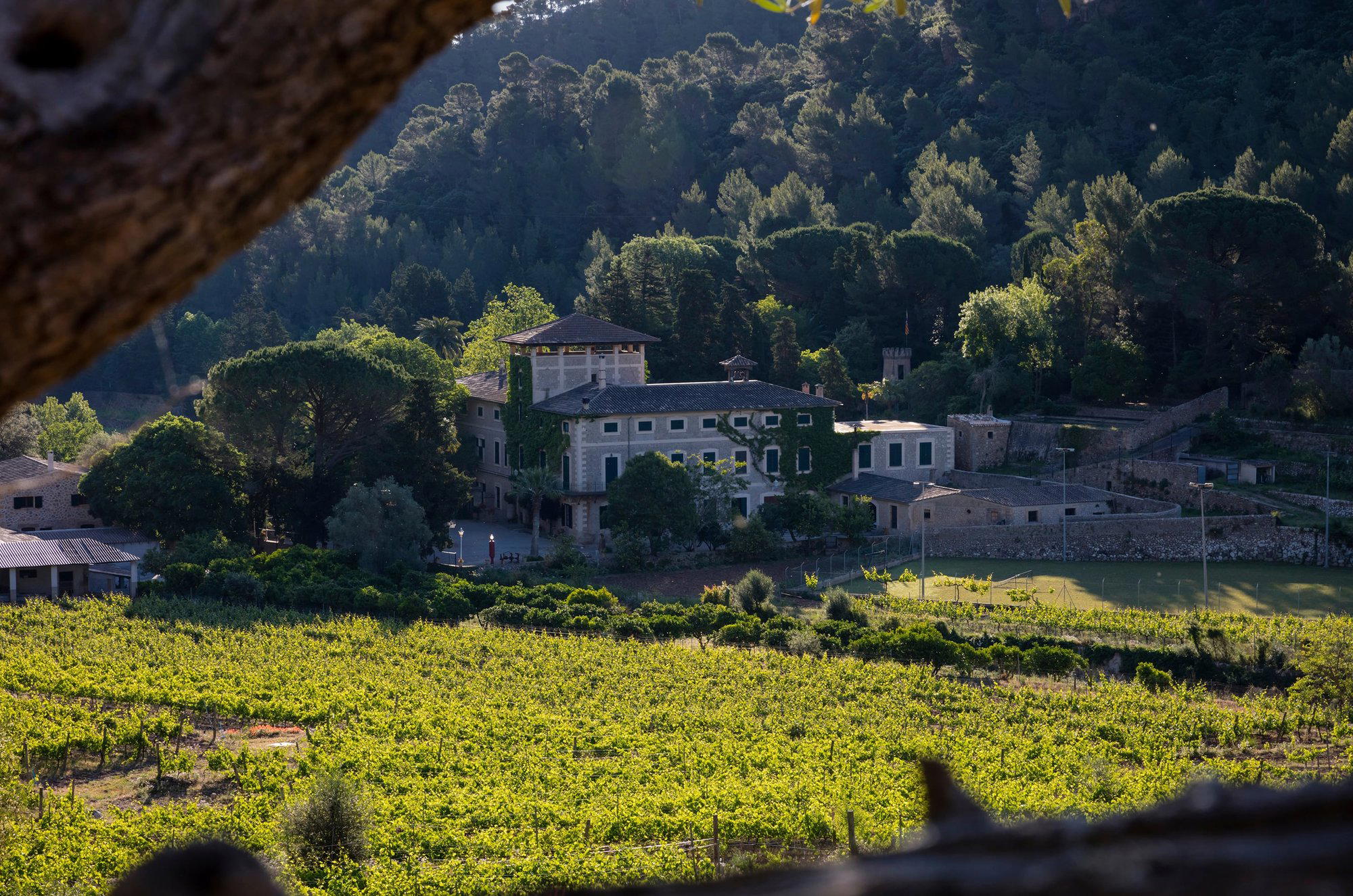
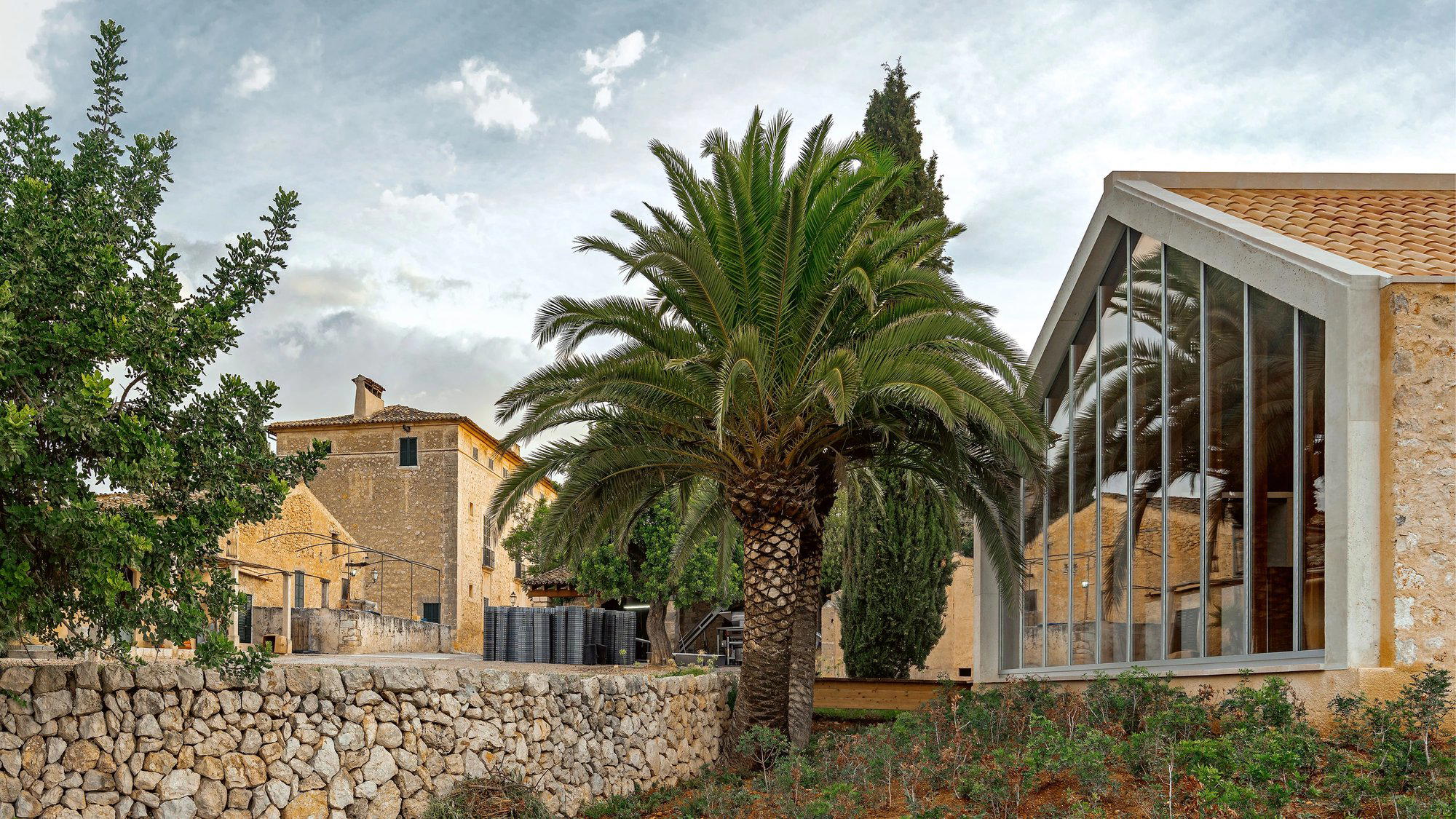
The road into Es Capdellà cuts through the Serra de Tramuntana foothills, past almond groves and dry-stone terraces that have defined this part of the island for centuries. The setting already signals what kind of cooking you are about to encounter. Sa Clastra sits within the walled grounds of Castell Son Claret, a historic estate whose gardens lead to a patio for alfresco dining in fine weather and an interior defined by old stone, high ceilings, and the particular quiet of the Mallorcan countryside after sundown. The approach matters: guests who park at the estate entrance and walk through the gardens arrive at the dining room having already absorbed something of the terrain that informs the menu.
This is not an accident of geography. The cooking at Sa Clastra is built explicitly around provenance — not as a marketing gesture, but as structural logic. The single tasting menu, titled Wind and Memory, organises its courses around the winds that cross Mallorca: the Tramuntana from the north, the Gregal from the northeast, the Mitjorn from the south, the Ponent from the west, the Mistral from the northwest. Each wind carries a different register of temperature, humidity, and, by extension, a different character of ingredient and flavour. Within that framework, head chef Jordi Cantó works through the traditional cooking of the island, reinterpreting preserved or fermented staples, slow-cooked legumes, dry-cured proteins, and garden vegetables that have been central to Mallorcan tables long before tourism reshaped the island's food economy.
The Sourcing Logic Behind the Wind and Memory Menu
Spain's most ambitious creative restaurants — from El Celler de Can Roca in Girona to Quique Dacosta in Dénia, have consistently framed locality as a foundation rather than a garnish. Sa Clastra operates in that current, but the island context gives it a specific and narrow brief. Mallorca has a compact agricultural zone, a coastline that shifts in character from the rocky northwest to the flat southeast, and a pantry shaped by centuries of relative isolation and the particular influence of Moorish, Catalan, and North African culinary exchange. What arrives at the table is not simply local, it is traceable to a tradition of cooking that the island developed before it became a mass tourism destination.
The menu's wind structure also opens a deliberate channel outward. The Mistral and Ponent winds historically brought trade and cultural exchange to the island, and the menu acknowledges this by admitting spices and ingredients from countries further afield, a formal, conceptually justified way of expanding the ingredient set without abandoning the island anchor. This is a more rigorous form of fusion than the term usually implies: the external elements must pass through the wind logic, earning their place by historical or geographical plausibility rather than mere novelty.
The choice to present this exclusively as a tasting menu, available in short or long format, concentrates the sourcing commitment. A la carte formats scatter focus; a single menu allows the kitchen to build supply relationships with specific small producers and to time the harvest of each ingredient precisely. The two-hour window of Tuesday-to-Saturday evening service, with the restaurant closed on Sundays and Mondays, reinforces that discipline.
The Michelin Recognition and Its Implications for This Category
Sa Clastra earned a Michelin star in 2024, placing it within the one-Michelin-key framework of Castell Son Claret and giving it a verifiable position in Spain's creative dining tier. For context, Spain runs one of the most competitive Michelin maps in Europe. Restaurants such as Arzak in San Sebastián, Disfrutar in Barcelona, Azurmendi in Larrabetzu, Martin Berasategui in Lasarte-Oria, Mugaritz in Errenteria, DiverXO in Madrid, and Aponiente in El Puerto de Santa María represent a broader generation of Spanish chefs who developed creative tasting menus around deep regional identity. Sa Clastra belongs to that lineage, translated to a Balearic context.
The €€€€ price positioning places it at the top of the island's restaurant market and in line with comparable starred creative tasting menus on the mainland. Its audience arrives with an itinerary.
The Estate Setting as Part of the Meal
Hotel-integrated restaurants occupy a particular position in European fine dining. Properties like Atrio in Cáceres and, beyond Spain, Alléno Paris au Pavillon Ledoyen and Enrico Bartolini in Milan demonstrate that an architecturally significant setting can function as an extension of the dining experience rather than a mere backdrop. At Sa Clastra, the estate grounds serve a practical editorial function: guests who walk the garden before sitting down carry an embodied sense of the terrain into the meal. The alfresco patio, available in fine weather, extends that connection further, placing the diner in the same microclimate that shapes the produce on the plate.
The interior is described as having rare beauty, a high threshold for a region accustomed to well-restored fincas. Stone walls, garden views, and the spatial proportions of a historic estate produce a setting that amplifies the island-memory concept of the menu without requiring theatrical intervention from the kitchen. The experience is grounded, quiet, and of a piece with its surroundings in a way that urban fine dining cannot replicate.
For those planning a broader stay in the area, our full Es Capdellà hotels guide covers accommodation options near the estate. The same village is a useful base for exploring the western Mallorcan interior, and our full Es Capdellà restaurants guide, bars guide, wineries guide, and experiences guide map the surrounding options for a multi-day itinerary.
Planning a Visit
Sa Clastra operates Tuesday through Saturday from 7 PM to 9 PM, closed Sunday and Monday. The address is Carretera Es Capdellà, Km 1.7, a short drive from the village, accessible by car via the mountain road from Palma's western suburbs. The estate car park sits at the entrance; the walk through the garden to the restaurant is the recommended approach and adds material context to the meal. The €€€€ price tier and Michelin-starred format make advance booking advisable, particularly for weekend evenings in the warmer months when the alfresco patio is in use. The Ricard Camarena in València comparison is instructive for price expectations: both operate single tasting menus at the top of their regional market, with no à la carte alternative.
Frequently asked questions
Does Sa Clastra work for a family meal?
No. At €€€€ pricing in a countryside estate with a single formal tasting menu and evening-only hours in Es Capdellà, it is a destination for adults with a specific interest in creative regional cooking.
What should I expect atmosphere-wise at Sa Clastra?
The setting is a historic stone estate in the Mallorcan interior, with a garden, a patio for fine-weather dining, and a formally beautiful interior. The pace is unhurried, the surroundings quiet, and the tone consistent with a Michelin-starred property at the top of the Es Capdellà and broader Mallorca dining market. At €€€€, it prices and presents itself accordingly.
What do people recommend at Sa Clastra?
The restaurant operates a single menu, Wind and Memory, available in short or long format, so there is no ordering decision to make. Head chef Jordi Cantó's approach structures the meal around Mallorca's winds and the island's culinary traditions, with spices from further afield admitted through the same conceptual framework.
Fast Comparison
| Venue | Cuisine | Price | Awards |
|---|---|---|---|
| Sa ClastraThis venue — the venue you are viewing | Modern Mallorcan Fine Dining | $150–200 | 1 Michelin Star · Guía Repsol 1 Sol |
| Aponiente | Progressive - Seafood, Creative | Not listed | Michelin 3 Star |
| Arzak | Modern Basque, Creative | Not listed | Michelin 3 Star |
| DiverXO | Progressive - Asian, Creative | Not listed | Michelin 3 Star |
| El Celler de Can Roca | Progressive Spanish, Creative | Not listed | Michelin 3 Star |
| Quique Dacosta | Creative | Not listed | Michelin 3 Star |
Recognition history
Dated appearances from independent guides and award organizations, with the underlying list record or original source where available.
Michelin 1 Star
Michelin
Guía Repsol 1 Sol
Guía Repsol
Full recognition history (4 entries)
Michelin 1 Star
Michelin
Michelin 1 Star
Michelin
Continue exploring
More in Es Capdellà
Restaurants in Es Capdellà
Browse all →
Bars in Es Capdellà
Browse all →
Hotels in Es Capdellà
Browse all →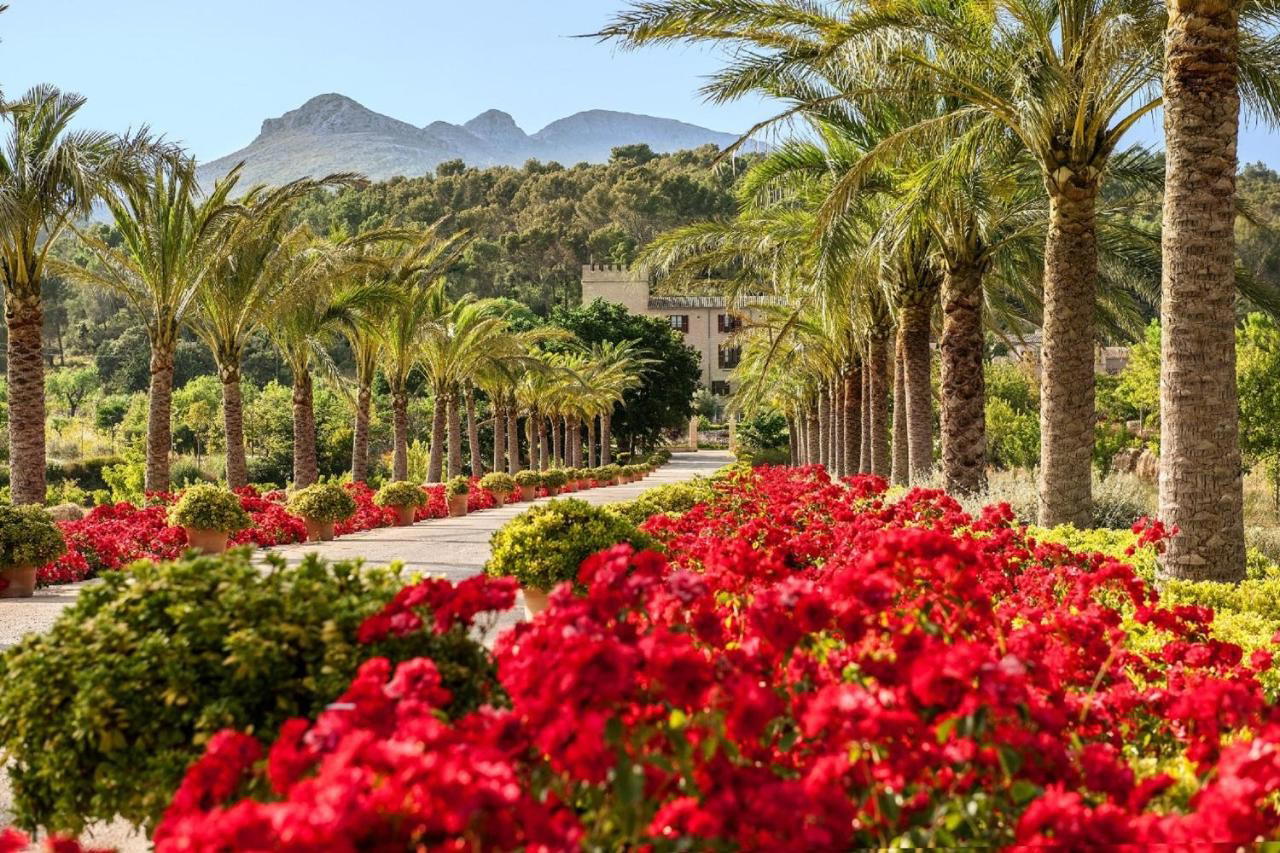
Details
- Romantic
- Elegant
- Intimate
- Rustic
- Scenic
- Date Night
- Special Occasion
- Celebration
- Private Dining
- Terrace
- Garden
- Historic Building
- Hotel Restaurant
- Extensive Wine List
- Sommelier Led
- Local Sourcing
- Garden
- Mountain
- Tasting Menu
- Vegetarian Friendly
Current opening hours
- Monday
- Closed
- Tuesday
- Closed
- Wednesday
- Closed
- Thursday
- 7–9 PM
- Friday
- 7–9 PM
- Saturday
- 7–9 PM
- Sunday
- Closed
Hours can change for holidays and private events. Last verified .
Elegant and romantic atmosphere in a historic stone courtyard with warm hospitality, alfresco terrace options, and serene countryside surroundings.