Lupe's East L.A. Kitchen
A downtown Manhattan address that carries the spirit of East Los Angeles through a menu rooted in Mexican-American cooking traditions. Lupe's East L.A. Kitchen at 110 6th Avenue in TriBeCa has served the neighbourhood for decades, occupying a position in New York's Mexican dining scene that sits well outside the fine-dining tier but carries its own kind of authority through consistency and community.
Pearl is the En Primeur Club membership app — saves, bookings, and concierge access live there. Same editors, same standards.
- Address
- 110 6th Ave, New York, NY 10013
- Phone
- +12129661326
- Website
- lupeskitchen.com
- Directions
- Get directions
 Saves & bookings on Pearl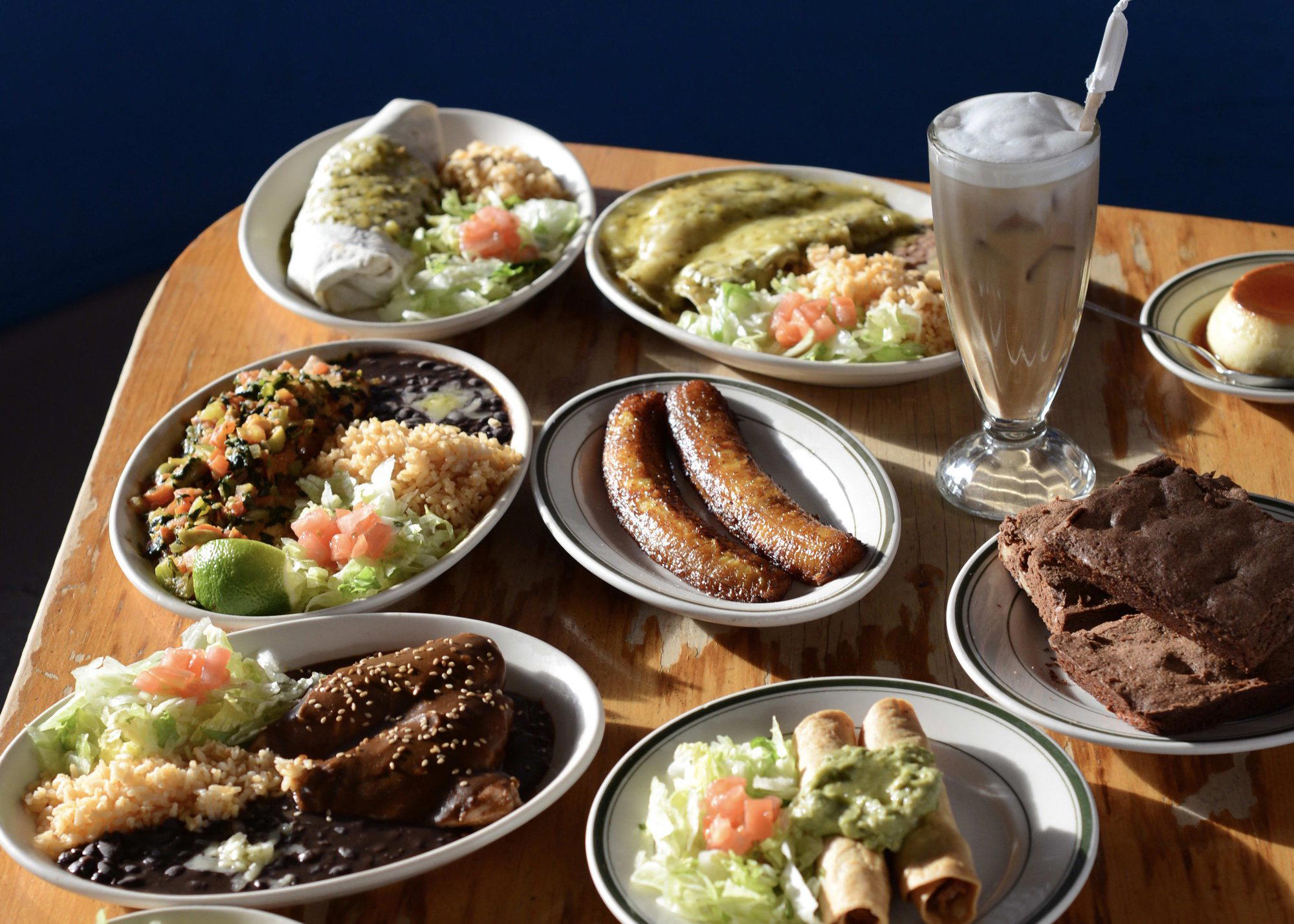
Where TriBeCa Meets East Los Angeles
Downtown Manhattan's dining character has long been defined by contrast, with tasting menus at places like Per Se or Le Bernardin existing within a few subway stops of neighbourhood spots that have been feeding the same blocks for years. Lupe's East L.A. Kitchen at 110 6th Avenue sits firmly in the second category. The address is TriBeCa-adjacent, the aesthetic unpretentious, and the proposition clear: Mexican-American cooking made for the neighbourhood, not for the occasion.
Approaching the space, the signal is in the name itself. East Los Angeles carries specific culinary weight in American food culture, it is the reference point for a style of Mexican-American cooking shaped by Chicano communities, defined by flour tortillas, hearty sauces, and a kitchen logic built around feeding people rather than impressing them. Transplanting that reference to lower Manhattan in name and spirit creates an immediate tension that the venue has long traded on.
Mexican-American Cooking in a City That Does Italian and Korean
New York's relationship with Mexican cuisine has historically been complicated. The city's dining ecosystem has produced internationally recognised Korean programs, from Atomix to Jungsik New York, and sustained French seafood institutions at the level of Le Bernardin, yet meaningful Mexican cooking has historically arrived more slowly and with less critical infrastructure than in cities like Los Angeles, San Antonio, or Chicago.
In that context, a venue that explicitly orients itself toward the East L.A. tradition occupies a specific gap in New York's culinary geography. It is not competing with the $400 omakase tier occupied by Masa, nor is it trying to. It occupies the space where neighbourhood loyalty and food memory do more work than any awards cycle. That positioning carries its own durability.
The Sourcing Conversation in Casual Mexican Cooking
Sustainability in restaurant culture tends to generate coverage at the upper end of the price spectrum, the farm-to-table fine dining of Blue Hill at Stone Barns in Tarrytown, or the ingredient-transparency frameworks built into venues like Single Thread Farm in Healdsburg. But the sustainability conversation in everyday Mexican and Mexican-American cooking is older and less branded than those models suggest.
Traditional Mexican cooking is structurally low-waste. Corn masa uses the whole kernel. Bean-based dishes derive protein from among the more land-efficient crops in agricultural history. Animal proteins are historically stretched across multiple preparations, braised, shredded, reconfigured, rather than presented as a single centrepiece cut. These are not choices made for menu copy; they reflect the economic and cultural logic of cooking built to feed communities on constrained resources. When a venue like Lupe's operates in this tradition, it is participating in food practices that predate the sustainability branding cycle by centuries.
Compare this to the supply-chain design that venues at the level of The French Laundry in Napa or Alinea in Chicago apply to sourcing documentation. Those kitchens have the operational capacity and price point to build formal sustainability programs with named farm relationships and seasonal rotation. The Mexican-American casual kitchen operates from a different logic, but the environmental output, fewer luxury proteins, higher vegetable and legume density, whole-ingredient usage, often tracks comparably or better on direct metrics like carbon-per-plate.
What the East L.A. Framework Means on a Plate
East Los Angeles as a culinary reference implies specific things about what lands on the table. Burritos built to proportion rather than to photography. Enchiladas sauced with red or green chile that have been cooked down rather than assembled from premade components. Tamales that reflect the labour economy of communal preparation. These are dishes whose quality markers are tactile and temperature-dependent, the give of properly hydrated masa, the acidity of tomatillo cooked long enough to lose its rawness, rather than visual.
This is a different vocabulary from the one operating at venues like Providence in Los Angeles, where sourcing transparency and technique precision generate the critical conversation. At Lupe's, the critical question is simpler and harder to fake: does this taste like the tradition it references, or does it taste like a Manhattan approximation of it?
Planning Your Visit to 110 6th Avenue
Lupe's East L.A. Kitchen sits at 110 6th Avenue in lower Manhattan, in a corridor that connects TriBeCa to the western edge of SoHo. The A, C, and E trains at Canal Street place the address within a short walk, and the area is walkable from much of lower Manhattan. This is not a neighbourhood built around dining destinations in the way that the blocks around Atomix or the Columbus Circle area concentrate luxury dining; it is a working neighbourhood with a mix of lunch and dinner options across price tiers.
Lupe's fits into that map as a neighbourhood anchor rather than a destination restaurant, which is exactly what the area around 6th Avenue and Canal has historically supported.
Lupe's East L.A. Kitchen is walk-in friendly, and its regular hours are Mon: 12-10 PM; Tue: 12-11 PM; Wed: 12 PM-12 AM; Thu: 12-11 AM, 12 PM-12 AM; Fri: 12 PM-12 AM; Sat: 11 AM-12 AM; Sun: 11 AM-11 PM.
For travellers interested in how sustainability and sourcing ethics play out at the fine-dining end of the American spectrum, venues like Addison in San Diego, Bacchanalia in Atlanta, or Emeril's in New Orleans each address ingredient sourcing in different regional registers. Lupe's operates at a different register entirely, one where the case is made through culinary tradition rather than sourcing documentation.
- Roast Pork Burrito
- Fish Tacos
- Potato Tacos
- Enchiladas
- Tamales
- Chicken Burrito
- Super Vegetarian Burrito
Cuisine and Awards Snapshot
Comparable venues nearby, for context on price, style, and recognition.
| Venue | Cuisine | Price | Notes |
|---|---|---|---|
| Lupe's East L.A. KitchenThis venue — the venue you are viewing | California-Mexican | $$ | Not listed |
| El Barrio Burritos | Mexican Burritos and Tacos | $$ | Crown Heights (North) |
| El Paso Taqueria | Authentic Mexican Taqueria | $$ | East Harlem (South) |
| Ursula Brooklyn | New Mexican | $$ | Bedford-Stuyvesant (West) |
| Tiki Tequila | Mexican Tiki Fusion | $$ | Midtown-Times Square |
| La Loncheria | Modern Mexican Loncheria | $$ | Bushwick (West) |
Continue exploring
More in New York City
Restaurants in New York City
Browse all →
Bars in New York City
Browse all →
Hotels in New York City
Browse all →




At a Glance
- Cozy
- Classic
- Well Known
- Casual
- Casual Hangout
- Group Dining
- After Work
- Late Night
- Standalone
- Craft Cocktails
Current opening hours
- Monday
- 12–10 PM
- Tuesday
- 12–11 PM
- Wednesday
- 12 PM–12 AM
- Thursday
- 12–11 AM, 12 PM–12 AM
- Friday
- 12 PM–12 AM
- Saturday
- 11 AM–12 AM
- Sunday
- 11 AM–11 PM
Hours can change for holidays and private events. Last verified .
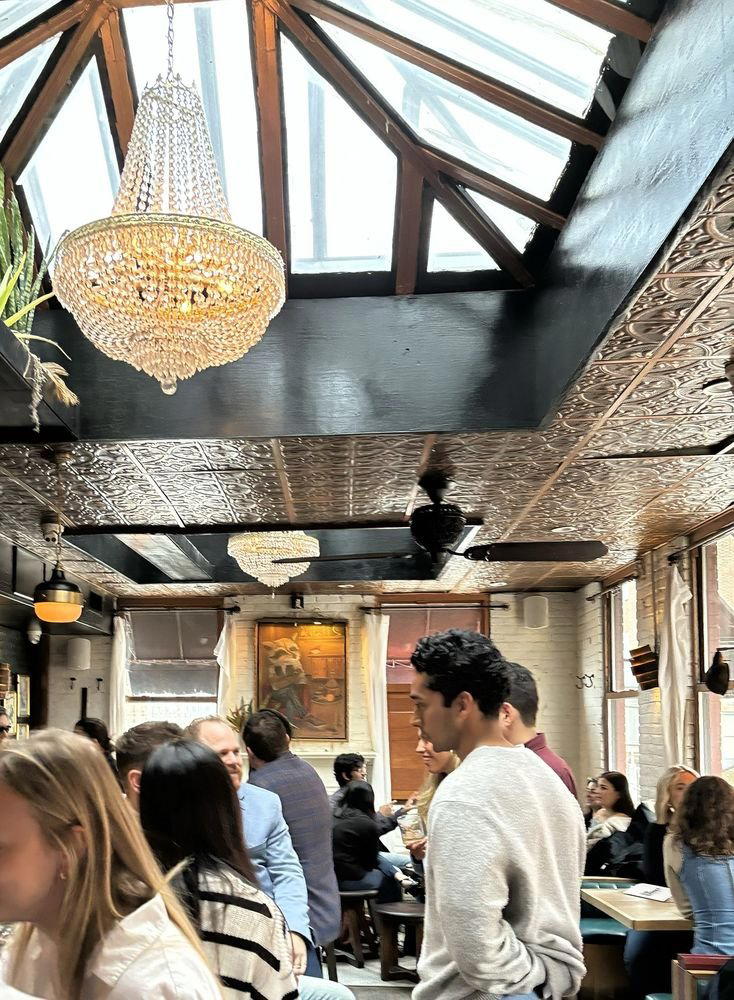
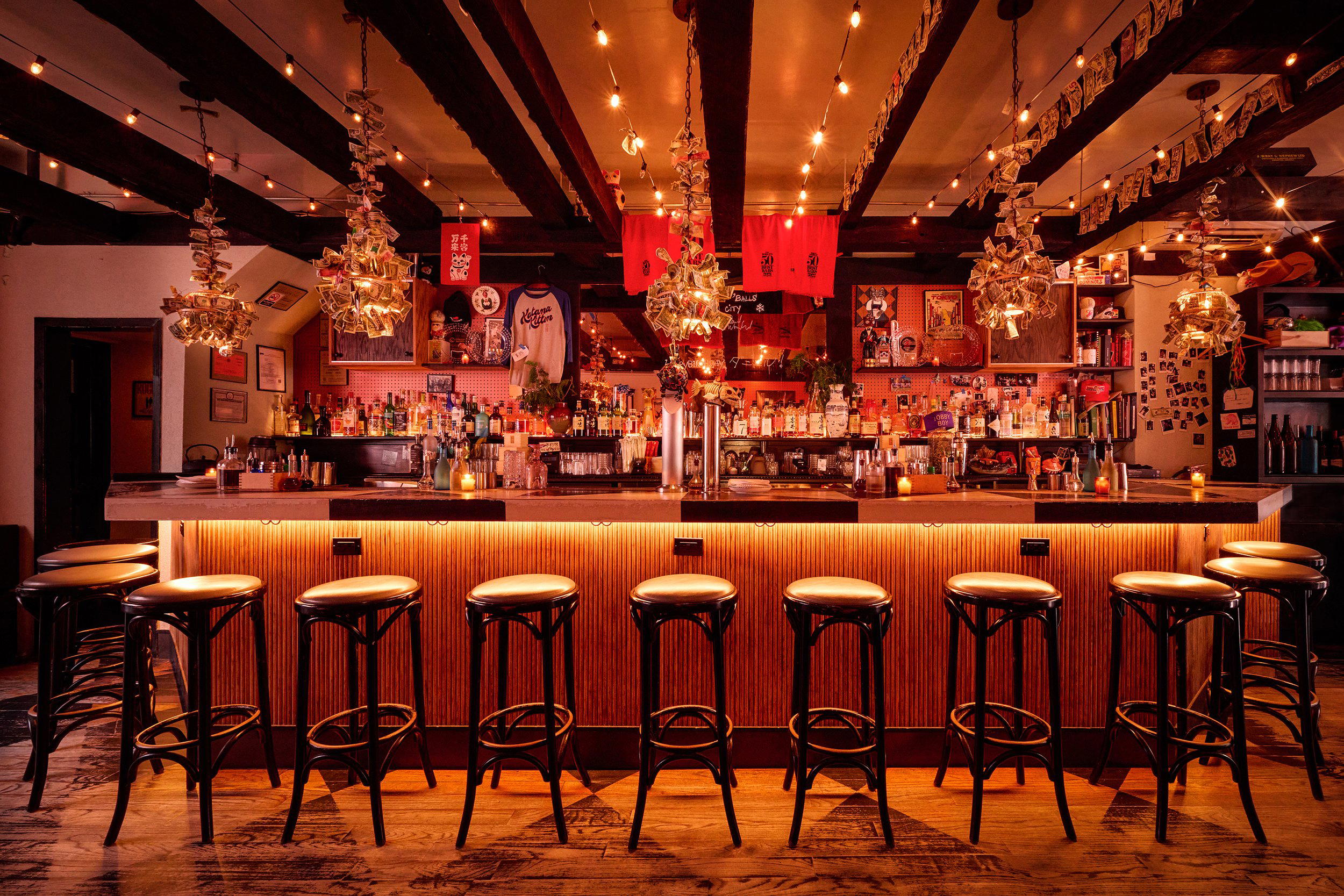
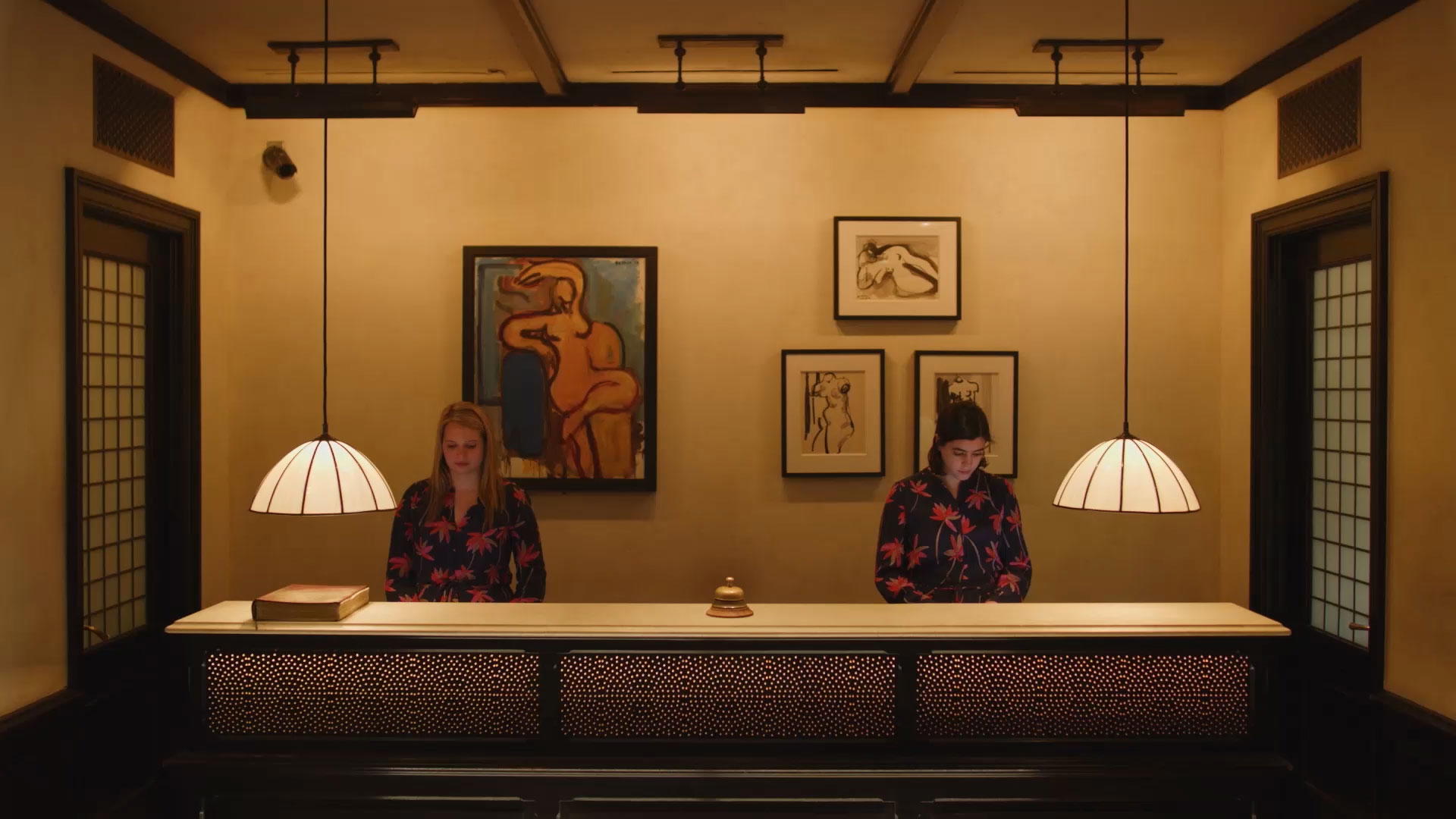
Cozy, unpretentious diner-like setting with a fun, neighborhood energy that feels timeless and welcoming.