Nami Sushi Restaurant sits on Opatija's main promenade at Ul. Maršala Tita 86, bringing a Japanese dining format to a Kvarner coast town better known for its Habsburg-era seafood traditions. In a city where the dominant restaurant register runs from Adriatic konoba to modern Croatian fine dining, a sushi-focused address represents a deliberate counterpoint, worth understanding in context before you book.
Pearl is the En Primeur Club membership app — saves, bookings, and concierge access live there. Same editors, same standards.
- Address
- Ul. Maršala Tita 86, 51410, Opatija, Croatia
- Phone
- +38551559000
- Directions
- Get directions
 Saves & bookings on Pearl
Sushi on the Kvarner Coast: A Format in an Unlikely Setting
Opatija's restaurant identity was built on Adriatic fish, Istrian olive oil, and the kind of long-lunch culture that the Austro-Hungarian leisure class imported and the town has never abandoned. The promenade along Ul. Maršala Tita is the physical spine of that tradition: a sequence of terraces, hotel dining rooms, and neighbourhood trattorias where the menu logic defaults to whatever came off the boats that morning. Into this context, Nami Sushi Restaurant introduces a different format entirely. The address at number 86 places it squarely in the high-traffic stretch of the lungomare, where foot traffic from the waterfront path and the old resort hotels converges. The choice to operate a Japanese dining format here is not incidental, it reflects a broader pattern visible across smaller European resort towns, where one or two restaurants in each destination now offer an alternative to the dominant regional register, servicing both international visitors and a local appetite that has grown more cosmopolitan over the past decade.
Why Japanese Dining Has Found a Foothold in Croatian Coastal Towns
Croatia's fine dining circuit has matured considerably since the early 2010s. Michelin arrived in 2017 and quickly began recognising restaurants in Dubrovnik, Rovinj, Zagreb, and along the Kvarner Gulf. Navis and Bevanda represent the direction that premium Opatija dining has taken: modern Croatian cuisine anchored in local produce and presented with international technique. Elsewhere on the Croatian coast, Agli Amici Rovinj in Rovinj and Pelegrini in Sibenik demonstrate how the country's most serious kitchens are building reputations on the intersection of local terroir and European fine-dining discipline. That momentum has lifted the general dining standard across the coast, and it has also created space for formats that sit outside the Adriatic tradition entirely.
Japanese cuisine, and sushi specifically, has spread through European resort markets partly because the underlying ingredient logic is not entirely foreign: premium raw fish, minimal intervention, and the idea that the quality of the primary product determines the quality of the meal. These values map onto the Adriatic fishing tradition closely enough that the format does not feel arbitrary. Coastal towns from the Algarve to the Amalfi coast have seen comparable moves, and the Kvarner Gulf is no exception. Nebo by Deni Srdoč in Rijeka, a short drive north, shows how the wider Kvarner region is capable of sustaining serious, forward-looking restaurants, context that matters when assessing what a sushi-focused address in Opatija is working against and working with.
The Promenade Address and What It Signals
Location on the main promenade is a double-edged credential in Opatija. The foot traffic is high and the setting, sea to one side, grand 19th-century villas on the other, is among the more pleasant of any Croatian resort town. But it also means competition from well-established neighbours. Antiqua Osteria da Ugo and Konoba Istranka anchor the Italian-Adriatic and traditional Croatian ends of the market respectively, while Cubo covers a more contemporary middle ground. Against that range, Nami's Japanese format is its clearest point of differentiation. For visitors who have spent several days working through the local seafood repertoire, scampi buzara, grilled brancin, Istrian pasta, a pivot to a different fish-forward tradition can make strong practical sense without abandoning the ingredient logic that defines this coast.
Restaurants like Atomix in New York City show how East Asian culinary traditions have entered the global fine dining tier, while seafood-focused precision cooking at venues like Le Bernardin in New York City illustrates the discipline that the leading fish-focused kitchens apply globally. The Croatian coast also now has its own reference points for ambitious cooking: Boskinac in Novalja, LD Restaurant in Korčula, Krug in Split, Dubravkin Put in Zagreb, Restaurant 360 in Dubrovnik, and Korak in Jastrebarsko collectively demonstrate that the country has moved well past a tourist-only dining market. Nami operates in a region where the broader dining standard has been raised, which sets a higher bar for any format claiming a seat at the table.
Planning Your Visit
Opatija runs on a pronounced seasonal rhythm. The core tourist months from June through August see every promenade table in use by early evening, and restaurants along Ul. Maršala Tita operate at full capacity during that window. Visiting in May, early June, or September gives you the Kvarner climate at its most agreeable without the summer compression. For a full account of how Nami fits within the wider Opatija dining picture, including current booking availability and how the menu is positioned relative to the rest of the town's options, the practical route is to check ahead before travel. Checking current listings before travel is the practical route for reservation queries.
Pricing, Compared
Comparable venues nearby, for context on price, style, and recognition.
| Venue | Cuisine | Price | Notes |
|---|---|---|---|
| Nami Sushi RestaurantThis venue — the venue you are viewing | Opatija, Modern Japanese Sushi & Robata | $$$ | Not listed |
| Cubo | Not listed | $$$ | Opatija, Contemporary Mediterranean Fine Dining |
| Plavi podrum | Volosko, Modern Mediterranean Seafood | $$$ | Not listed |
| Roko | Not listed | $$ | Opatija Center, Traditional Croatian Mediterranean Seafood |
| Bevanda | Opatija, Modern Mediterranean Seafood | $$$ | Not listed |
| Navis | Opatija, Modern Mediterranean Seafood | $$$ | Not listed |
Continue exploring
More in Opatija
Restaurants in Opatija
Browse all →
Bars in Opatija
Browse all →

Hotels in Opatija
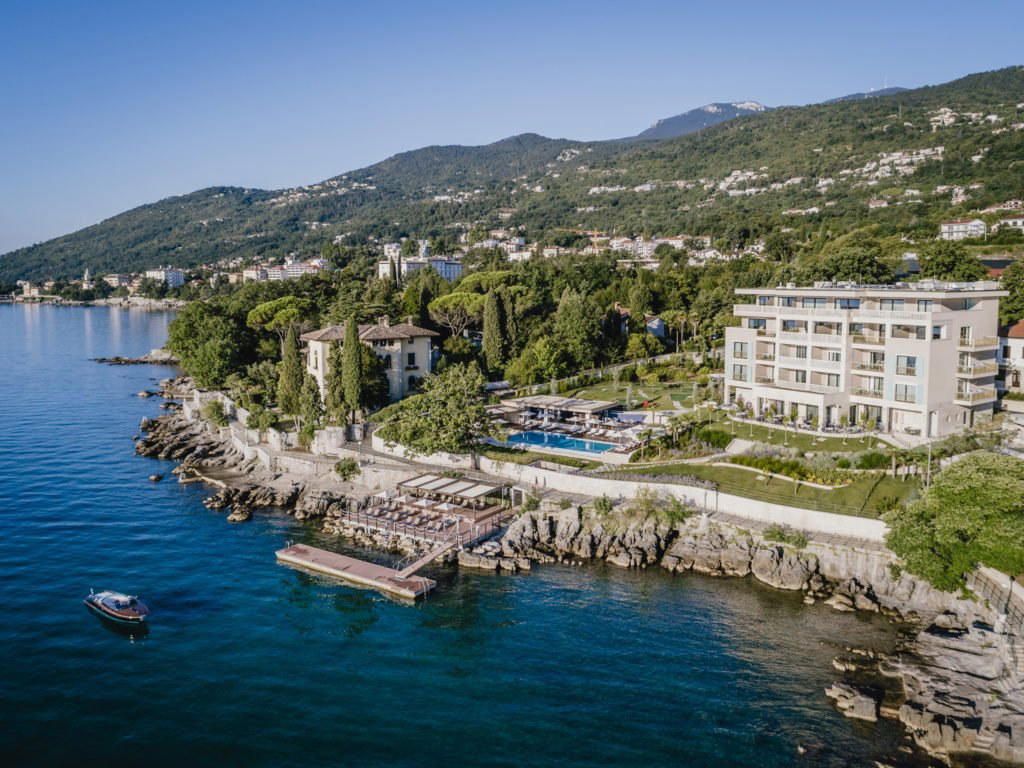
Browse all →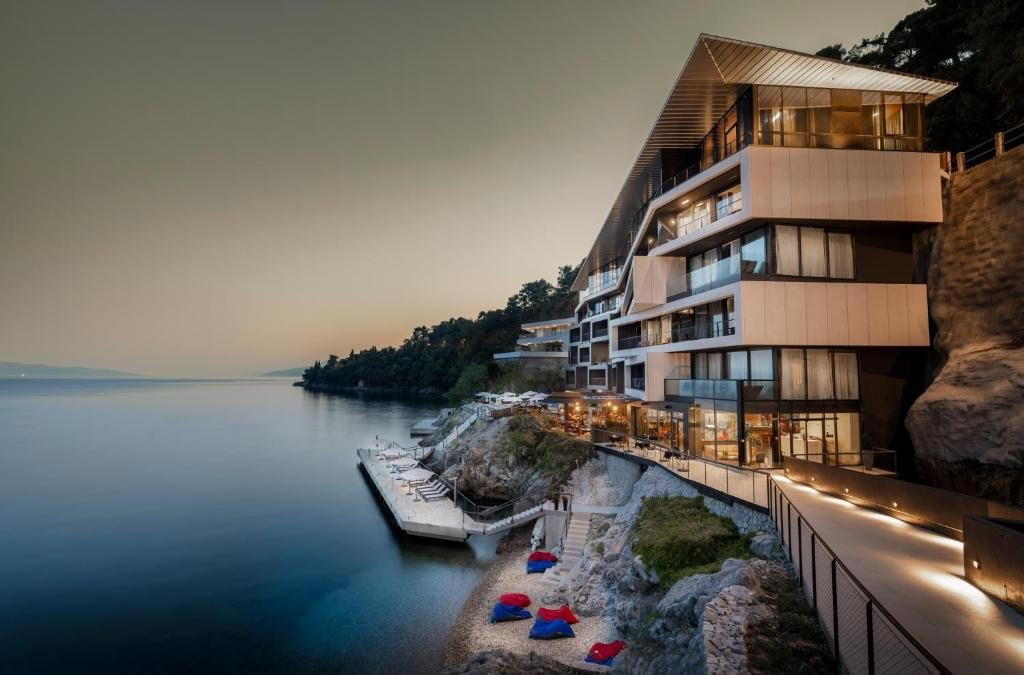
At a Glance
- Modern
- Minimalist
- Cozy
- Elegant
- Date Night
- Casual Hangout
- Open Kitchen
- Sake Program
- Street Scene
Current opening hours
- Monday
- 12 PM–12 AM
- Tuesday
- 12 PM–12 AM
- Wednesday
- 12 PM–12 AM
- Thursday
- 12 PM–12 AM
- Friday
- 12 PM–12 AM
- Saturday
- 12 PM–12 AM
- Sunday
- 12 PM–12 AM
Hours can change for holidays and private events. Last verified .
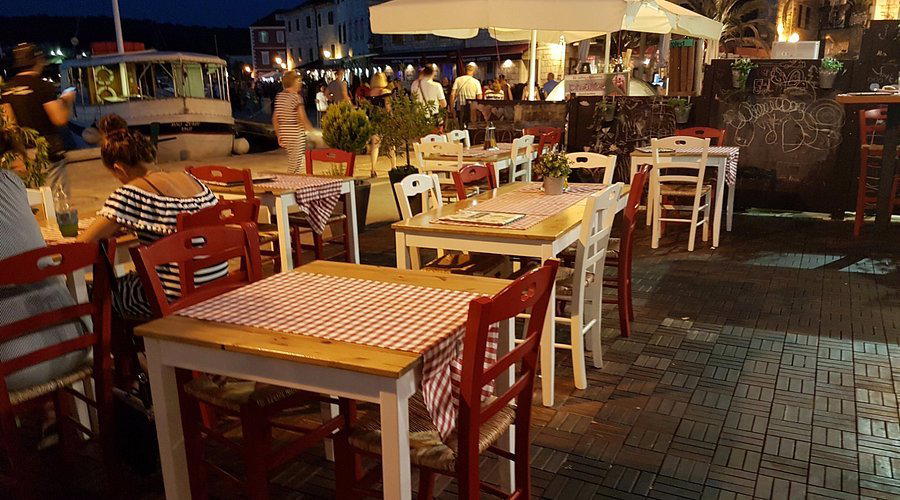
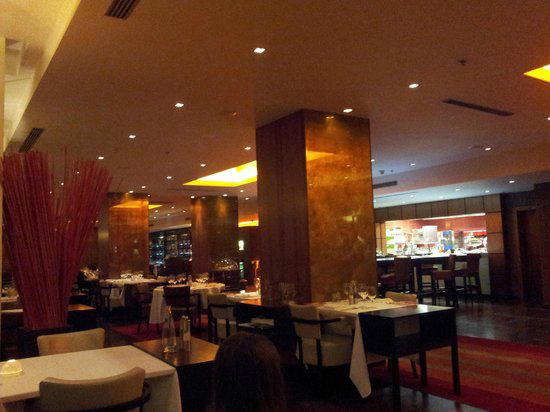
Warm lights, cosy atmosphere, open kitchen with cleanliness and discipline, bright venue overlooking the town.