On Opatija's main promenade, Antiqua Osteria da Ugo operates within the town's long tradition of Austro-Hungarian-era dining rooms where Kvarner Bay produce drives the menu. The osteria format signals a commitment to local sourcing and regional cooking over international hotel-style cuisine, placing it among the more serious addresses for Croatian coastal food in a town that takes its table seriously.
Pearl is the En Primeur Club membership app — saves, bookings, and concierge access live there. Same editors, same standards.
- Address
- Ul. Maršala Tita 81, 51410, Opatija, Croatia
- Phone
- +38551278078
- Website
- amadriapark.com
- Directions
- Get directions
 Saves & bookings on Pearl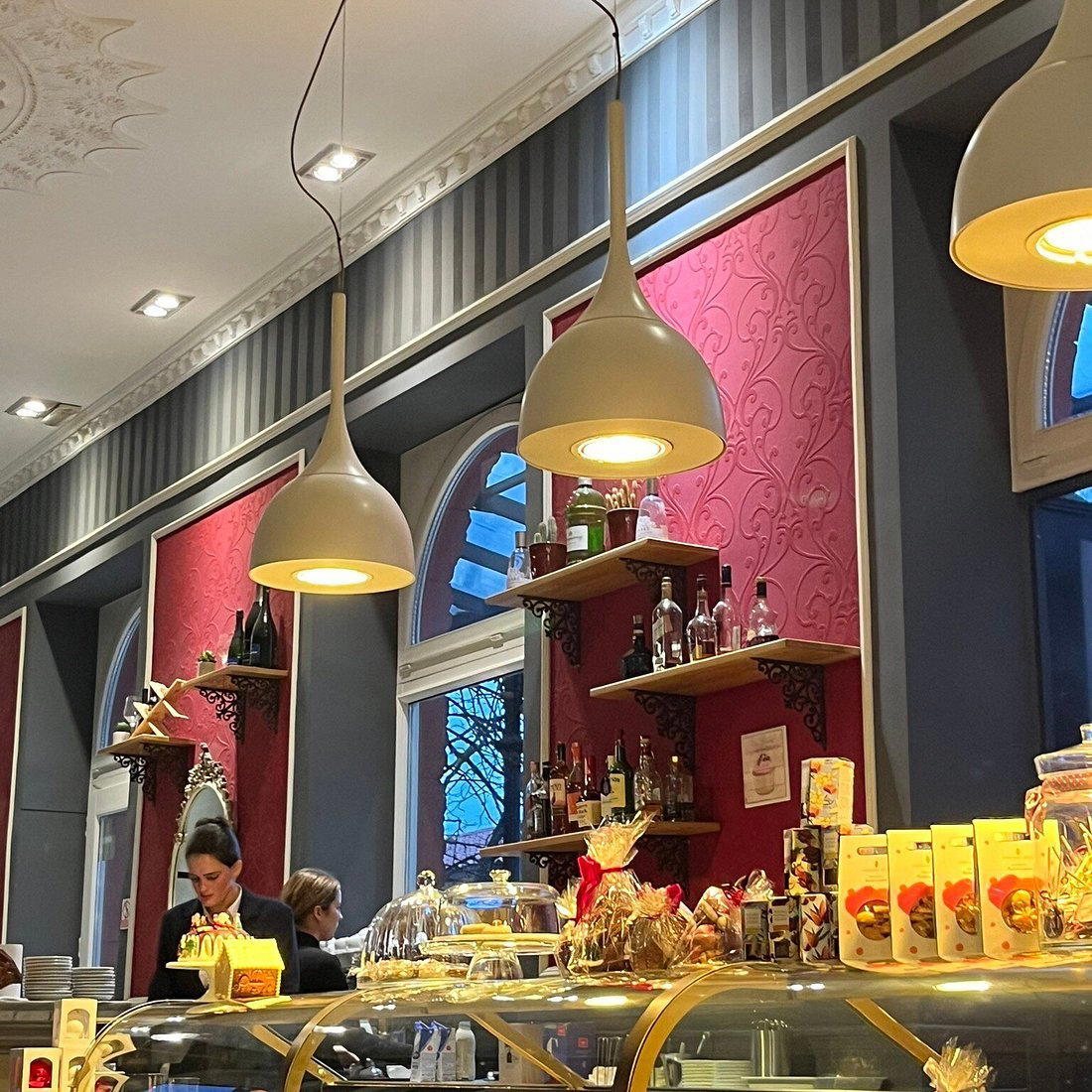
The Promenade Setting and What It Signals
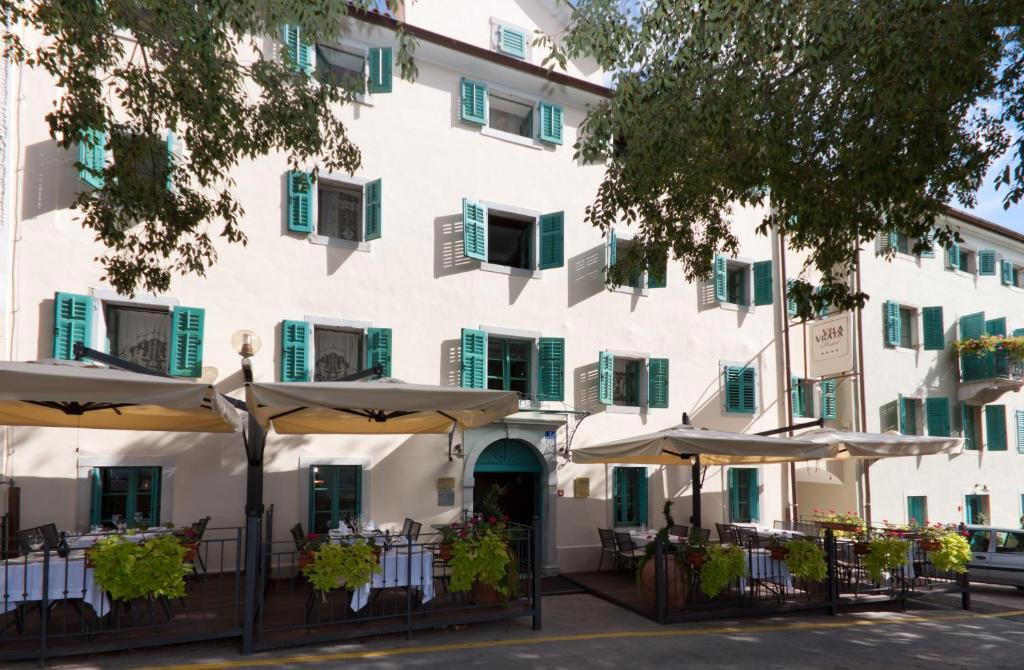
Opatija's Lungomare runs the length of the waterfront, and Ulica Maršala Tita cuts parallel just inland, lined with the kind of late-nineteenth-century facades that survive from the resort's Habsburg-era peak. The address at number 81 places Antiqua Osteria da Ugo squarely in this architectural register: a building type that in Opatija tends to mean high ceilings, tiled floors, and dining rooms that were designed before air conditioning made deep rooms uncomfortable. These spaces have a particular evening quality, cool relative to the Adriatic heat outside, with ambient noise that stays at conversation level in a way that newer, more open-plan restaurants rarely manage. The osteria name itself is doing editorial work. In the Italian-inflected culinary vocabulary that runs all along this coastline, a legacy of Venetian and later Habsburg administration, an osteria historically meant a place where the food was secondary to the wine, and where the kitchen ran a short, market-led card rather than a lengthy showpiece menu. That tradition survived in Istria and the Kvarner Gulf longer than almost anywhere else on the northeastern Adriatic.
Kvarner Sourcing and Why This Coast Rewards It
The ingredient story along this stretch of the Croatian coast is specific enough to justify its own argument. The Kvarner Gulf produces scampi, langoustines, that are routinely cited by Croatian food writers as among the leading on the Adriatic, owing to the particular depth and temperature of the gulf's waters. The region also sits adjacent to Istrian truffle country, where Motovun Forest yields both black and white specimens harvested through autumn and winter, and to the Učka mountain range, where lamb and game move through a compressed altitudinal range that affects the character of the meat. Add the local dry-cured hams, the aged sheep's milk cheeses of the Kvarner islands, and the olive oils pressed on the Istrian peninsula, and you have a larder that osteria-format kitchens are structurally well-suited to use: shorter menus, seasonal rotation, and daily buying rather than locked-in supplier contracts. Among Opatija's dining options, this sourcing emphasis separates addresses like Antiqua Osteria da Ugo from the broader hotel restaurant tier. Bevanda and Navis each represent the more formal, destination-dining end of what Opatija supports, while Konoba Istranka operates in the konoba tradition, the Dalmatian equivalent of a tavern. The osteria sits at a midpoint: more composed than a konoba, less performance-driven than a tasting-menu destination.
The Culinary Tradition Behind the Format
Croatia's coastal kitchens have been shaped by centuries of competing influences, and the Kvarner region holds a particular density of them. Venetian trading routes introduced risotto and the use of wine in savory cooking. Austrian administration from the mid-nineteenth century layered in schnitzel culture, strudel pastry logic, and a seriousness about cellar wine lists. Italian annexation of Istria between the wars left linguistic and culinary traces that persist in family recipes and in the names of dishes served today. An osteria in this context is not a direct Italian import; it is a format that absorbed all of those layers and came out the other side as something distinctly regional. The slow-cooked fish broths, the hand-rolled pasta with shellfish, the combination of truffle and egg that appears on menus across the peninsula regardless of season, these are signals of a kitchen working within that composite tradition rather than trying to escape it. Comparable properties exist at Agli Amici Rovinj in Rovinj, where Istrian ingredients meet a more technically polished kitchen, and at Pelegrini in Sibenik, where Dalmatian sourcing informs a more contemporary format. Antiqua Osteria da Ugo's positioning within the older osteria model means it is likely operating closer to the tradition's root than either of those comparators.
Opatija's Dining Scene in Brief
Opatija punches above its size for serious eating, in part because it has been a resort town for long enough that its kitchen infrastructure predates the mass-tourism wave that simplified coastal cooking elsewhere. The town's dining addresses range from the Michelin-attended ambition of Cubo to the sushi counter format at Nami Sushi Restaurant, which reflects how internationally composed the town's visitor base has become. Within that spread, the older osteria and konoba addresses hold a particular loyalty from guests who return to the same tables across multiple seasons. That repeat-guest dynamic matters for sourcing: a kitchen that knows its clientele well enough to rotate dishes through a short card without confusion is a kitchen that can buy speculatively from local fishermen or truffle hunters without worrying about the risk of an unsold evening. Croatia's wider fine-dining circuit, which includes Nebo by Deni Srdoč in Rijeka, LD Restaurant in Korčula, Boskinac in Novalja, Dubravkin Put in Zagreb, Krug in Split, Restaurant 360 in Dubrovnik, Alfred Keller in Mali Lošinj, and Korak in Jastrebarsko, has developed a regional identity serious enough to draw visitors who might otherwise default to Italian or Slovenian coastal destinations. Opatija sits at the northern entry point to that circuit. Internationally, the osteria format that grounds Antiqua Osteria da Ugo's approach finds parallels in how places like Lazy Bear in San Francisco or Le Bernardin in New York City anchor themselves in a defined culinary philosophy, the specific expression differs enormously, but the commitment to format as a statement of intent connects them.
Planning a Visit
Antiqua Osteria da Ugo is on Ulica Maršala Tita 81 in Opatija, walkable from the central waterfront and from most of the town's main accommodation. The tourist season on the Kvarner Gulf runs from late April through early October, with peak pressure in July and August, when tables at well-regarded addresses fill several days in advance. For visitors traveling outside the summer peak, Opatija in May, June, or September offers the same kitchen quality with considerably more availability. Seasonal sourcing on this coast means spring menus lean toward early shellfish and wild herbs from the Učka slopes, while autumn brings truffle season into full force. Reservations are recommended, particularly for weekend evenings in high season.
In Context: Similar Options
Comparable venues nearby, for context on price, style, and recognition.
| Venue | Cuisine | Price | Notes |
|---|---|---|---|
| Antiqua Osteria da UgoThis venue — the venue you are viewing | Italian Osteria with Croatian Influences | $$ | Not listed |
| Trattoria Mandrać | Traditional Italian Trattoria with Seafood | $$ | Volosko |
| Konoba Istranka | Traditional Croatian Istrian | $$ | Opatija |
| Ružmarin | Mediterranean Pizza & Grill | $$ | Slatina |
| Navis | Modern Mediterranean Seafood | $$$ | Opatija |
| Valle Losca | Traditional Croatian Tavern | $$ | Volosko |
Continue exploring
More in Opatija
Restaurants in Opatija
Browse all →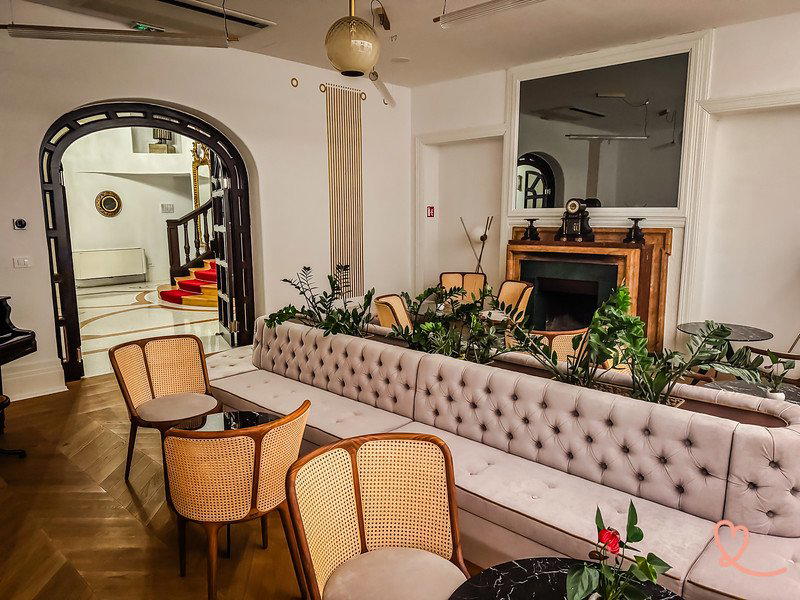
At a Glance
- Rustic
- Cozy
- Classic
- Date Night
- Family
- Casual Hangout
- Live Music
- Open Kitchen
- Terrace
- Extensive Wine List
- Local Sourcing
- Street Scene
Current opening hours
- Monday
- 12–8 PM
- Tuesday
- Closed
- Wednesday
- 12–9 PM
- Thursday
- 12–9 PM
- Friday
- 12–9 PM
- Saturday
- 12–9 PM
- Sunday
- 12–9 PM
Hours can change for holidays and private events. Last verified .
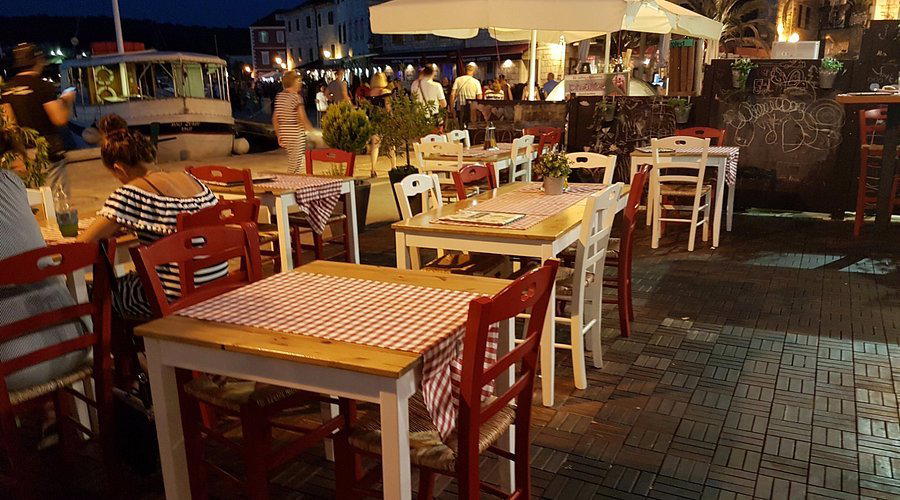
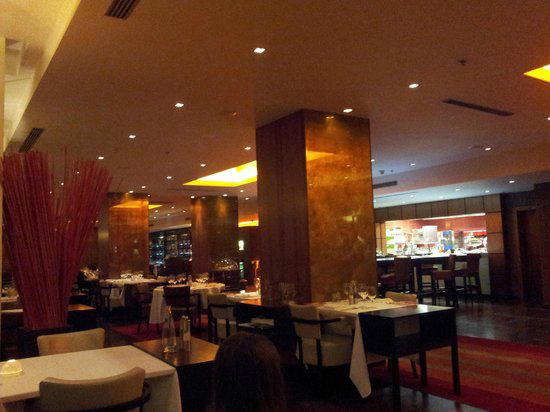
Rustic charm with vintage elegance, eclectic indoor furnishings, lantern-lit outdoor courtyard, and lively atmosphere enhanced by live music.