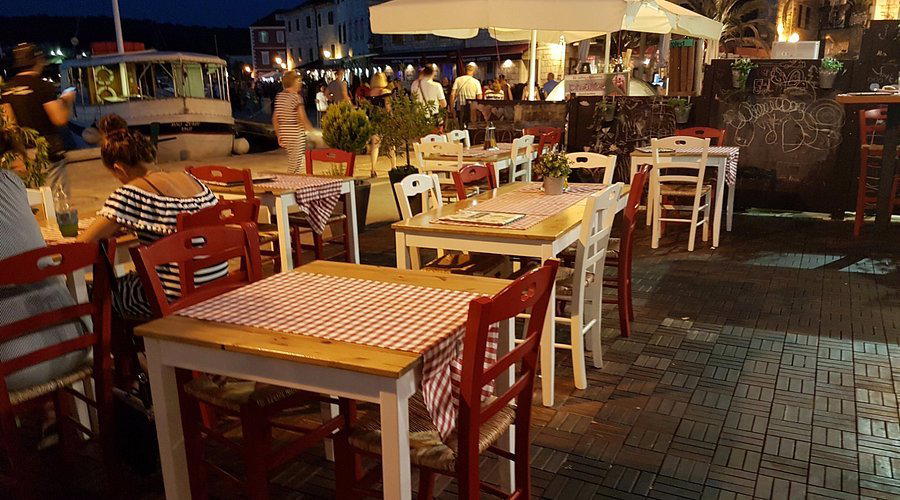
A konoba in the traditional Istrian sense, Konoba Istranka on Ul. Bože Milanovića in Opatija holds to the kind of regional ingredient logic that defines Kvarner cooking at its most grounded. The menu draws from the peninsula's larder, pršut, truffles, fresh pasta, and Adriatic catch, served in a setting that reads more local dining room than tourist destination. For visitors seeking a counterpoint to Opatija's grander hotel restaurants, this is the address to know.
Pearl is the En Primeur Club membership app — saves, bookings, and concierge access live there. Same editors, same standards.
- Address
- Ul. Bože Milanovića 2, 51410, Opatija, Croatia
- Phone
- +38551271835
- Directions
- Get directions
 Saves & bookings on Pearl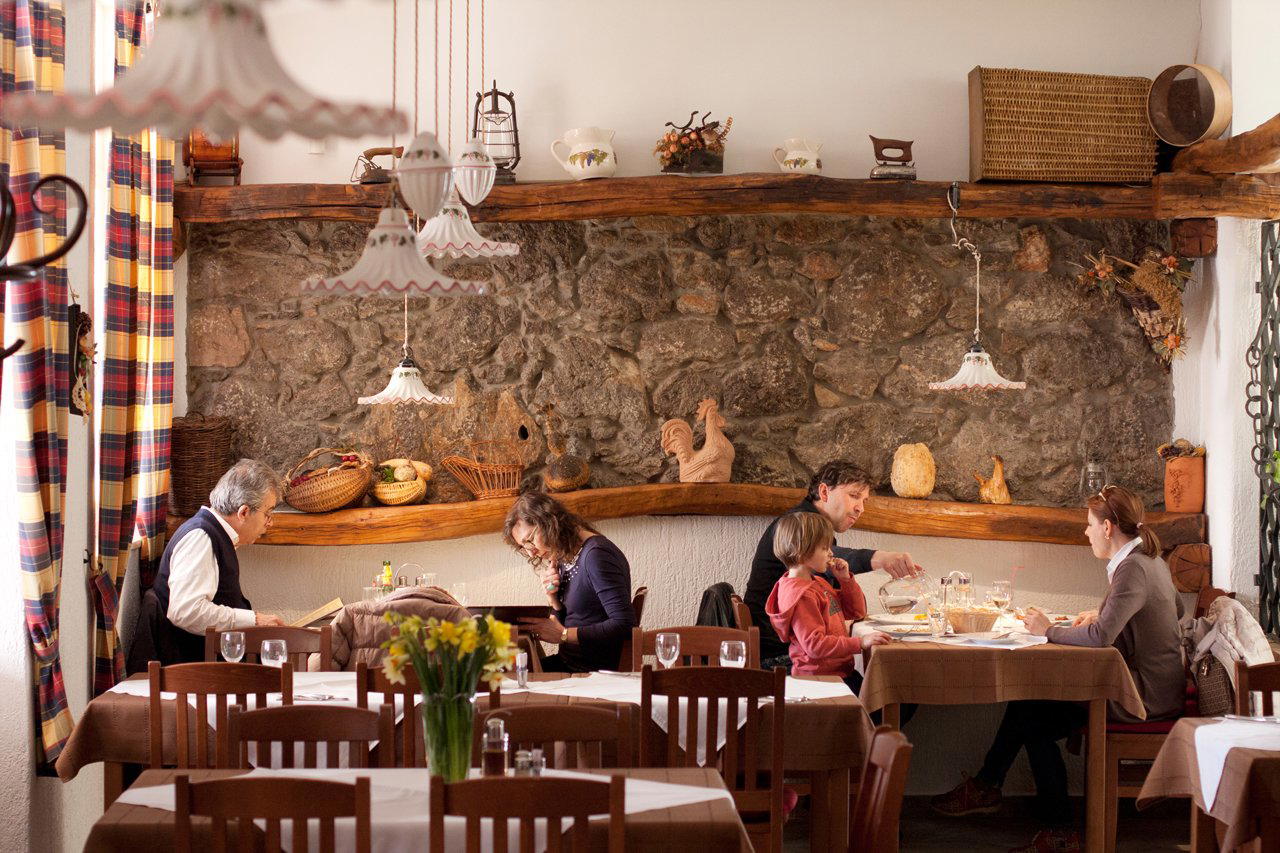
Where Opatija Eats When It Isn't Performing
The Kvarner Gulf has two dining registers. One belongs to the grand hotels and waterfront terraces that have defined Opatija since its Habsburg-era peak, when Viennese aristocrats treated the town as their preferred winter retreat. The other is the konoba tradition: lower-ceilinged, family-run, built around seasonal produce and regional recipes rather than architectural spectacle. Konoba Istranka, on Ul. Bože Milanovića, sits firmly in that second register. Walking toward it, the address feels residential rather than commercial.
That filtering is part of what makes the konoba format worth understanding. In Croatian dining culture, the word konoba originally described a cellar or storeroom where food and wine were kept. Over generations, those spaces became informal eating rooms, then neighbourhood restaurants, and eventually a category that signals a specific set of values: locally sourced ingredients, preparations that defer to the produce rather than obscuring it, and a room that prioritises regulars over walk-ins. Konoba Istranka operates within that tradition at a moment when the format is being pulled in two directions, preserved authentically by some operators, and deployed as branding by others.
The Istrian Larder and Why It Matters Here
The sourcing logic that drives Istrian and Kvarner cooking is one of the more coherent regional food systems on the eastern Adriatic. The peninsula produces white and black truffles, cured meats (pršut foremost among them), olive oil from the western coastal groves, and wine from Malvazija Istarska and Teran vines that have grown here for centuries. The sea contributes scampi from the Kvarner channel, a specific crustacean known for the sweetness that the cold, deep water of the gulf produces, along with sea bass, bream, and whatever the day's catch delivers.
A konoba operating at the right end of this tradition doesn't need an elaborate sourcing narrative. The geography does the work. Opatija sits at the northern edge of the Kvarner Gulf, close enough to the Istrian interior that truffles, aged cheese, and cured meats arrive without logistical drama, and close enough to the fishing ports of Rijeka and Lovran that fresh catch is a daily rather than occasional fact. The kitchen at a well-run konoba is less a creative laboratory than a translation service: what comes in from the peninsula and the sea becomes what goes on the plate, with pasta, bread, and preparation method as the variables. For a broader look at how this sourcing tradition plays out across Croatia's serious kitchens, restaurants like Boskinac in Novalja and Agli Amici Rovinj in Rovinj represent different points on the same regional-ingredient spectrum.
Konoba Istranka in Opatija's Competitive Set
Opatija's restaurant scene occupies a narrower range than its hotel pedigree might suggest. The town's grand-hotel dining tradition produced venues like Bevanda, which operates at the waterfront end of the market, and Navis, which pushes toward a more considered tasting format. Cubo and Nami Sushi Restaurant occupy different ends of the contemporary market. What that mix lacks, structurally, is a middle tier that connects serious local cooking to an audience that isn't specifically seeking either a tasting menu or a casual pizza stop. The konoba format fills that gap, and it does so with a different price logic, a different booking rhythm, and a different relationship to the season than its waterfront peers.
Comparison with Antiqua Osteria da Ugo is worth making: both venues operate in the Italian-inflected Istrian tradition that characterises this part of Croatia, a legacy of Venetian and Habsburg-era cultural overlap, but they represent slightly different positioning within that tradition. The restaurant's address and format signal something closer to the neighbourhood end of the spectrum. For context on how the Croatian dining scene handles fine-dining ambition when it does pursue that register, Nebo by Deni Srdoč in Rijeka and Pelegrini in Sibenik are the relevant reference points, The gap between those addresses and the restaurant is the gap between contemporary Croatian fine dining and the konoba tradition, not a quality gap, but a format and philosophy gap.
Planning a Visit
Opatija runs on a pronounced seasonal rhythm. Summer fills the town with visitors from Austria, Germany, and Slovenia, the same Central European corridor that established the resort's reputation in the nineteenth century, and good konobas book out faster than their informal presentation suggests. The shoulder months of May, early June, and September offer particularly manageable conditions. The restaurant's location on Ul. Bože Milanovića puts it within walking distance of the main Lungomare promenade, making it a practical choice before or after the waterfront walk that most visitors to Opatija make regardless of dining plans.
Readers building a longer Croatian itinerary around serious eating can anchor it in Zagreb with Dubravkin Put and Korak in Jastrebarsko, move through the coast via Krug in Split and LD Restaurant in Korčula, and use Restaurant 360 in Dubrovnik as a southern endpoint. The Kvarner section of that itinerary belongs to venues like Konoba Istranka: they're the part of the route where the sourcing story is closest to the table. Also worth noting for visitors extending into Cres or Lošinj: Alfred Keller in Mali Lošinj applies a similarly grounded approach to island ingredients in a setting that pairs well with Kvarner's coastal character.
A Quick Peer Check
Comparable venues nearby, for context on price, style, and recognition.
| Venue | Cuisine | Price | Notes |
|---|---|---|---|
| Konoba IstrankaThis venue — the venue you are viewing | Traditional Croatian Istrian | $$ | Not listed |
| Plavi podrum | Modern Mediterranean Seafood | $$$ | Volosko |
| Ostaria Veranda | Mediterranean Seafood | $$$ | Volosko |
| Roko | Traditional Croatian Mediterranean Seafood | $$ | Opatija Center |
| Navis | Modern Mediterranean Seafood | $$$ | Opatija |
| Ružmarin | Mediterranean Pizza & Grill | $$ | Slatina |
Continue exploring
More in Opatija
Restaurants in Opatija
Browse all →
Bars in Opatija
Browse all →

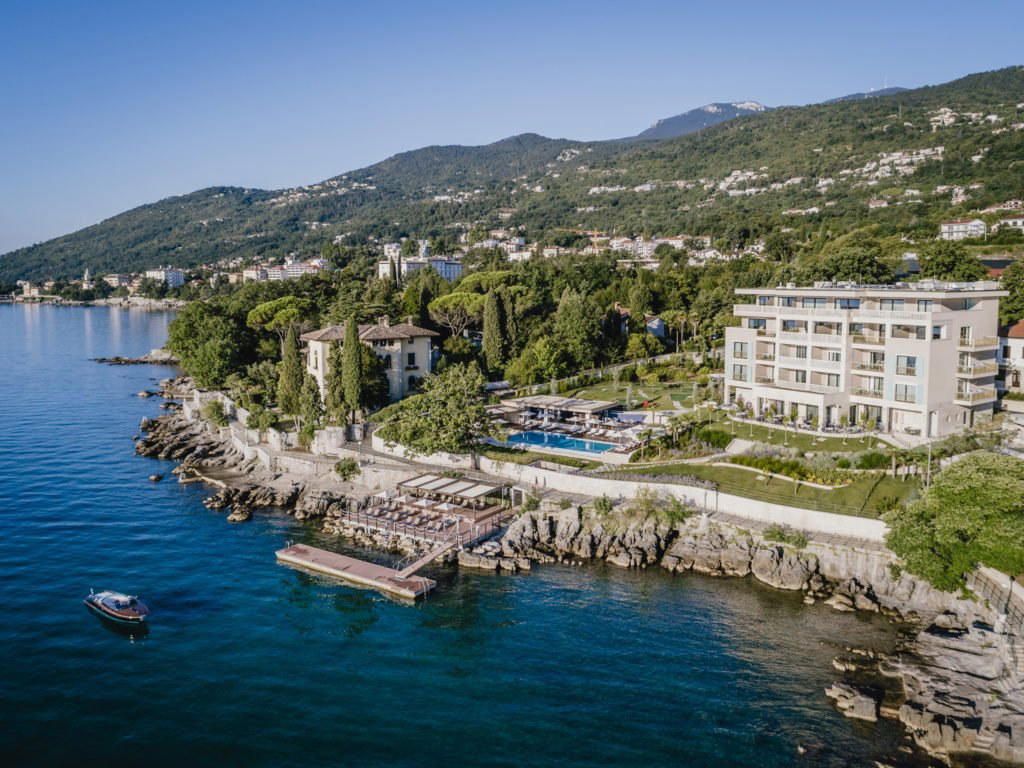
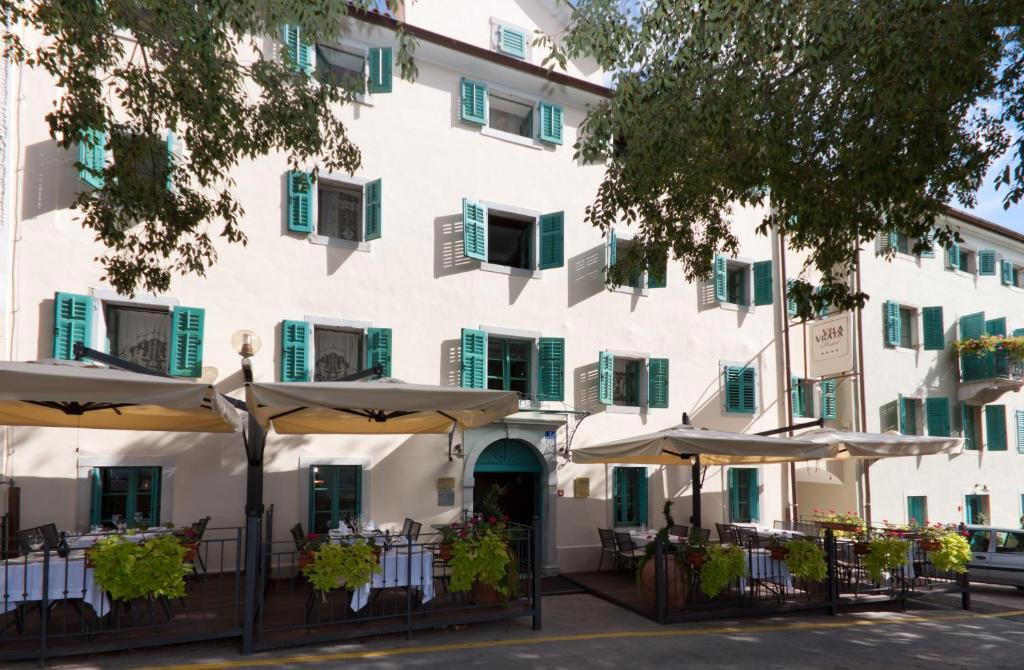
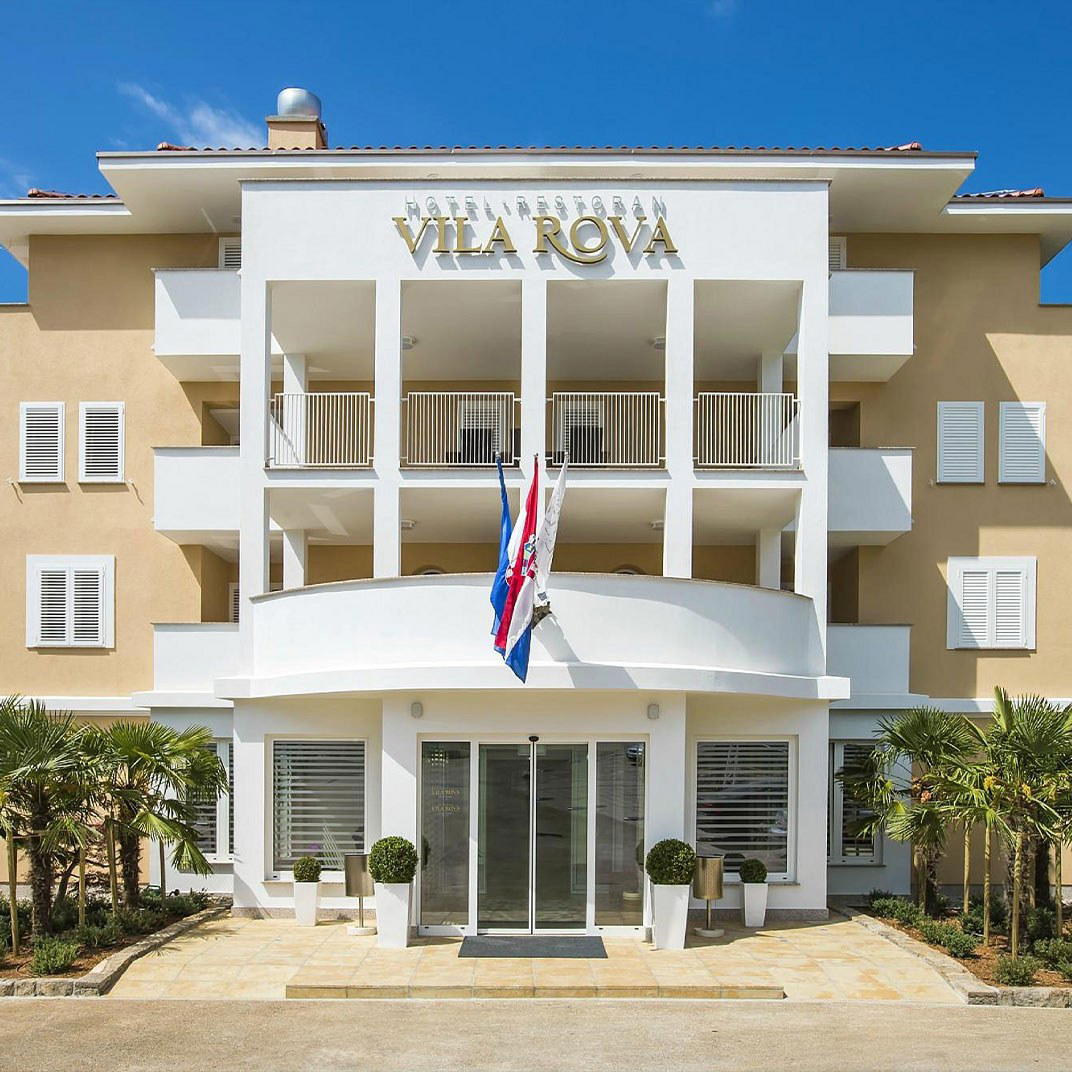
Hotels in Opatija
Browse all →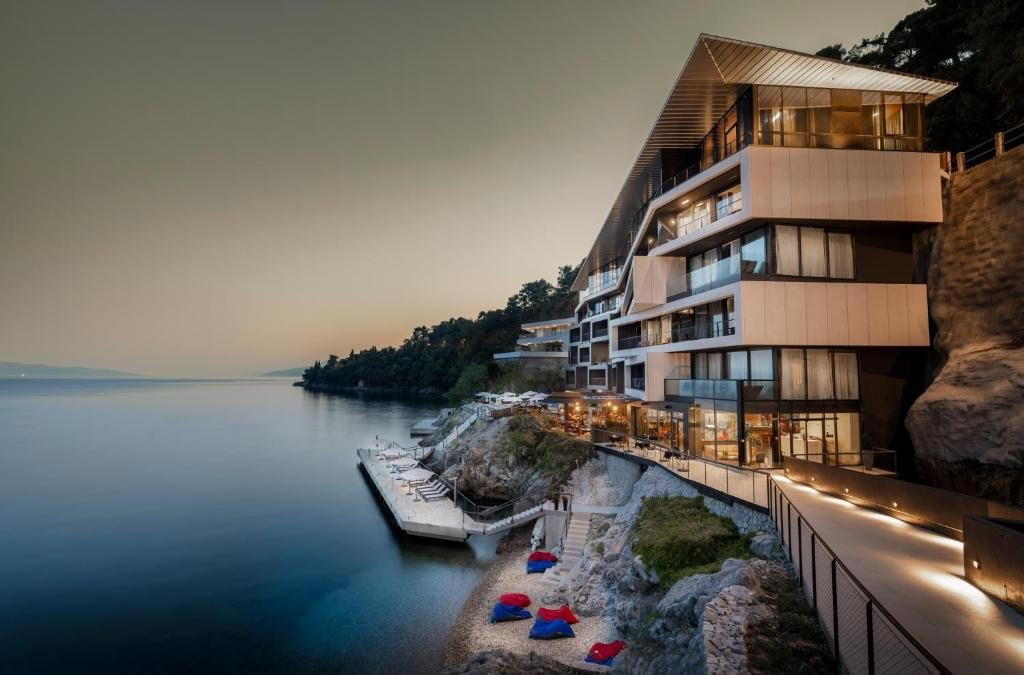
At a Glance
- Rustic
- Cozy
- Intimate
- Casual Hangout
- Family
- Terrace
- Local Sourcing
Current opening hours
- Monday
- Closed
- Tuesday
- 1–10 PM
- Wednesday
- 1–10 PM
- Thursday
- 1–10 PM
- Friday
- 1–10 PM
- Saturday
- 1–10 PM
- Sunday
- 1–10 PM
Hours can change for holidays and private events. Last verified .