Our verdict
The address on Ulica Maršala Tita places it squarely in the corridor that defines the town's restaurant culture, making it a practical reference point for anyone working through Opatija's food offer.

Pearl is the En Primeur Club membership app, where members save venues, book tables and use the concierge.

The menu
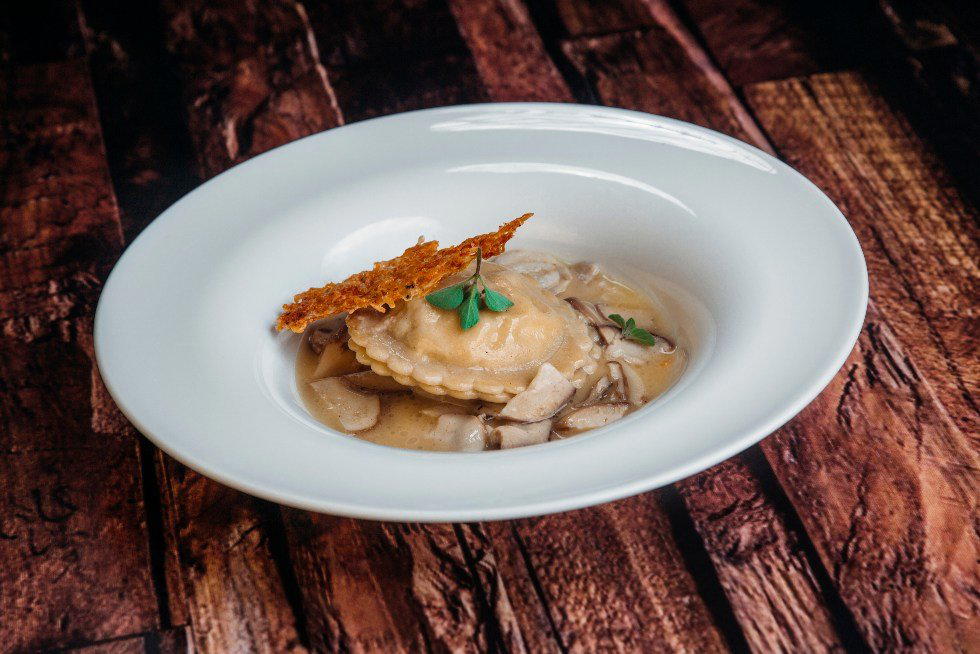
What to order
- Adriatic shrimp tagliatelle with black truffles
- Tuna steak
- Homemade lasagna
The Promenade Setting and What It Signals
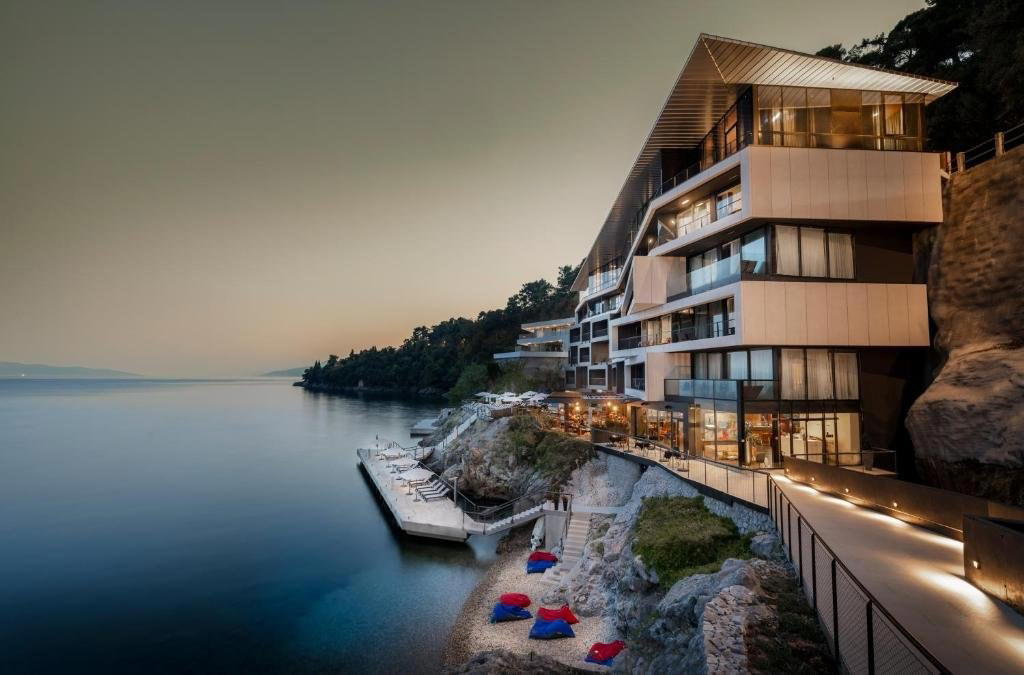
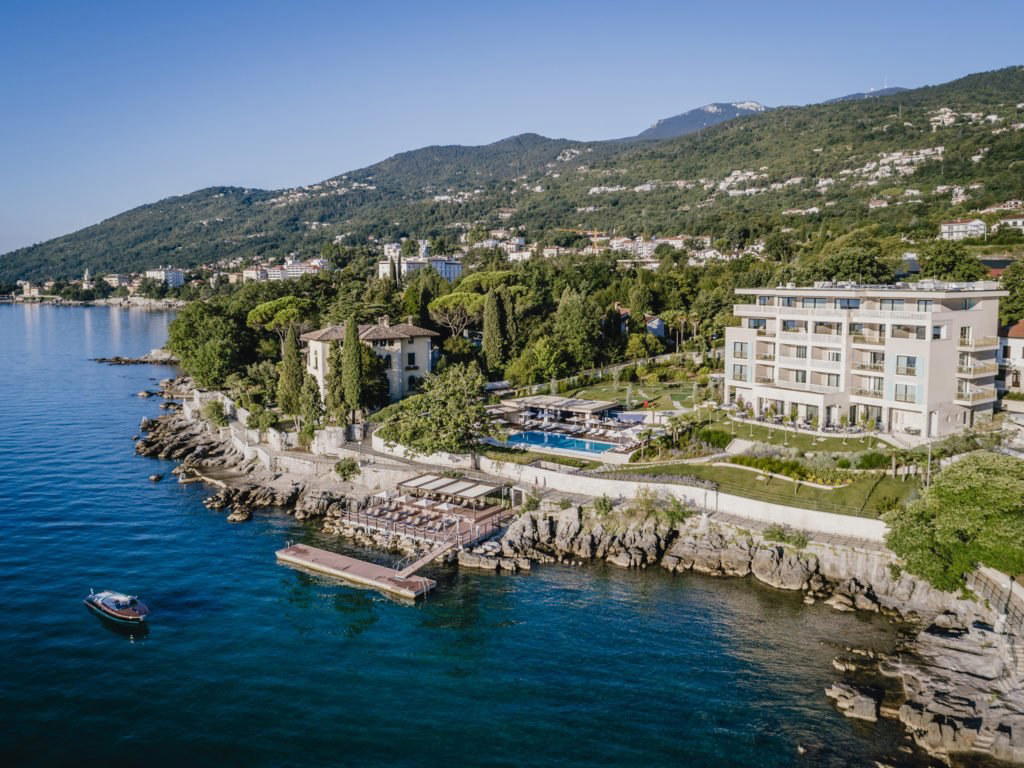
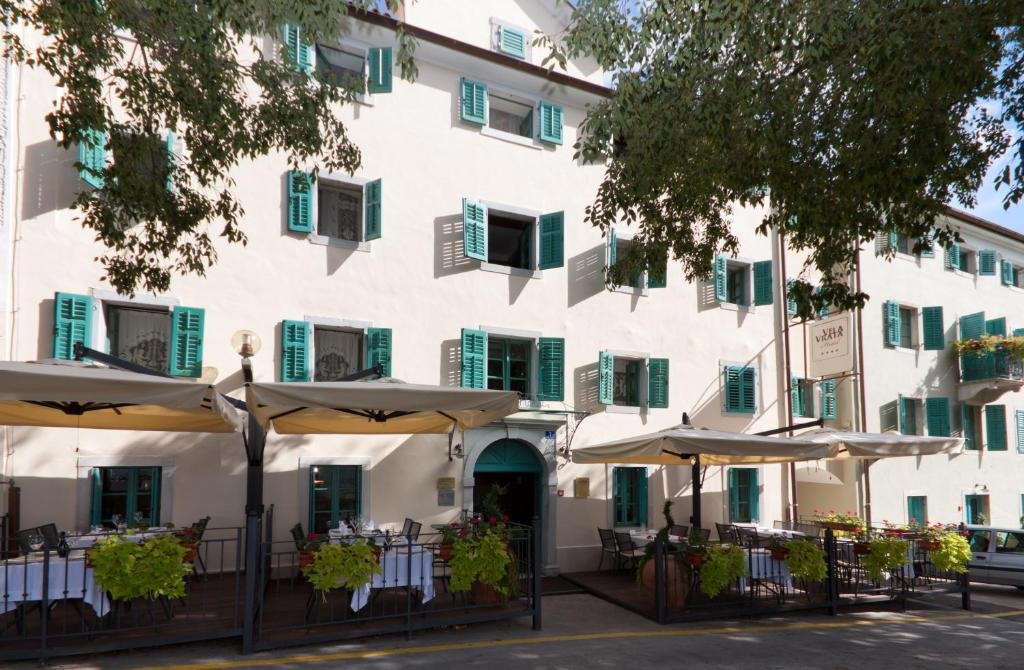
Ulica Maršala Tita, Opatija's central artery, runs parallel to the Adriatic and carries the full weight of the town's Habsburg-era ambitions. The buildings along this stretch were designed for leisure tourism in an era when Opatija competed with the Riviera for the Central European aristocracy, and the physical scale of that inheritance is still present in the facades, the garden walls, and the rhythm of the street. Dining here is always, in some sense, an act of sitting inside a particular history. Roko, at number 114, occupies that context along with every other address on the promenade: the location does a significant amount of work before any food arrives.
Kvarner's coastal dining broadly divides between konoba-format houses leaning on tradition, and more contemporary addresses that take the same Adriatic larder and apply sharper technique. The promenade corridor at this stretch tilts toward the latter. For a counterpoint in the classic-konoba register, Konoba Istranka represents Opatija's more traditional side, while Bevanda operates at the sharper end of the town's fine-dining offer. Roko sits somewhere in this conversation, though without published awards or a documented tasting menu format, its exact position in that spectrum requires a visit to calibrate.
Planning Around Opatija's Season
The single most important logistical fact about dining in Opatija is the seasonal compression. The September shoulder period is, by most accounts, the more considered time to visit: the crowds thin, the water remains warm, and the restaurants tend to operate with slightly more attention per table.
For Roko, the address on Maršala Tita means it is within easy walking distance of the main hotel concentration and the Lungo Mare coastal path, which connects Opatija to Lovran and Volosko. The Volosko end of the bay, in particular, has developed a reputation for serious cooking over the past decade. Anyone building a Kvarner itinerary around food would do well to treat Opatija as a base and use the coastal path as the connective tissue between dining stops.
Maršala Tita 114 or through the front desk of your hotel, which in Opatija will typically have current operating intelligence on the town's restaurants. This approach works reliably for most addresses on the promenade, where staff relationships between hotels and nearby restaurants tend to be well-maintained. The bay produces shellfish; the Učka mountain range immediately behind the town provides a microclimate that supports truffles, wild herbs, and game; and the Istrian peninsula to the northwest exports olive oil and wine into the regional larder with increasing quality year on year. A kitchen working with those materials has structural advantages that a comparable address in a less geographically varied location would not.
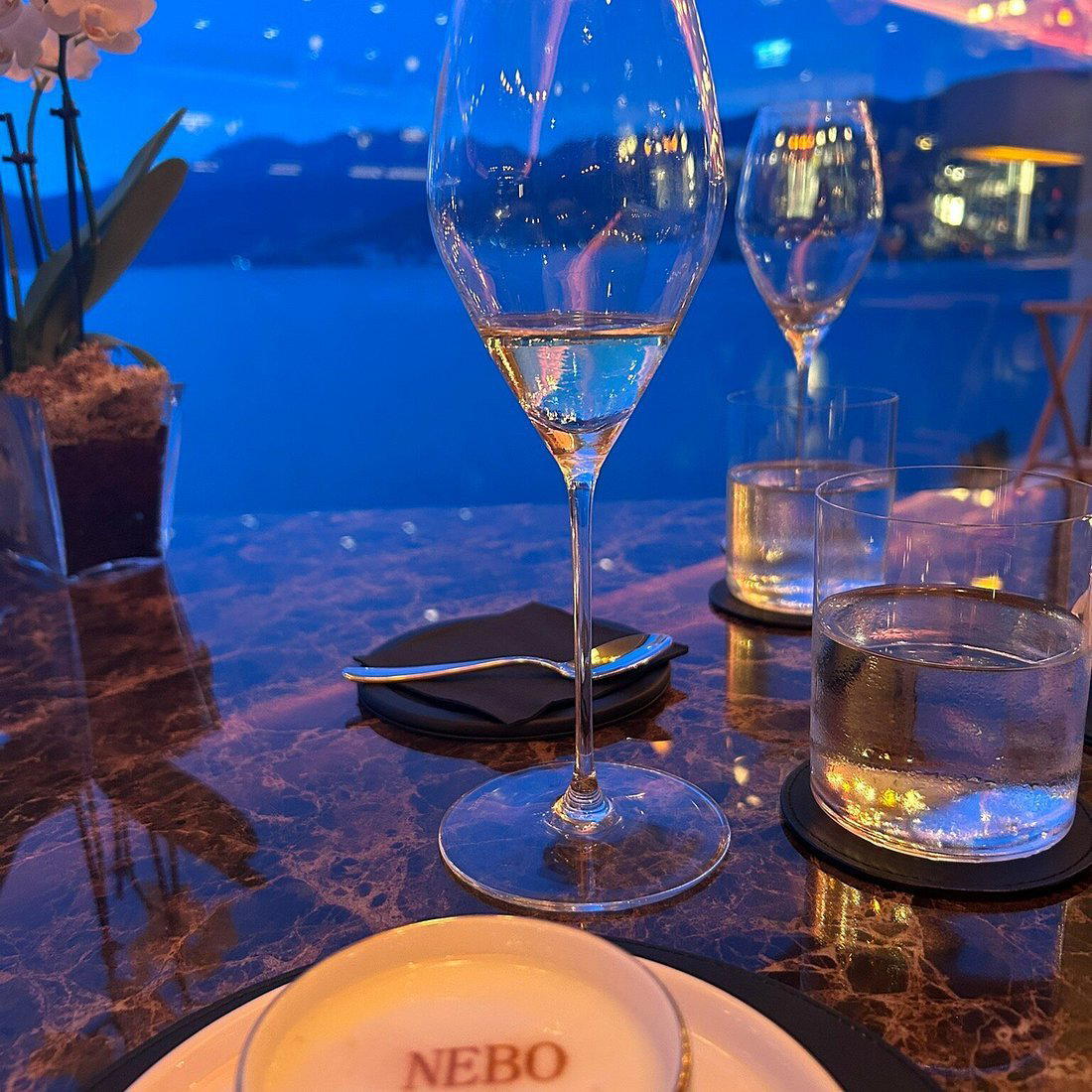
This is the culinary logic that underpins serious cooking across the Kvarner region. Nebo by Deni Srdoč in Rijeka, roughly 15 kilometres south, represents what happens when Kvarner's larder is taken to a technically ambitious conclusion. Agli Amici Rovinj in Rovinj shows the Istrian version of the same logic applied at Michelin level. Understanding those reference points helps locate any Opatija restaurant in the broader regional conversation. Pelegrini in Sibenik, LD Restaurant in Korčula, and Restaurant 360 in Dubrovnik each work from their own regional larder with a similar orientation toward technique and local sourcing. Boskinac in Novalja takes that principle inland toward the island interior.
Opatija's Restaurant Field in Brief
Opatija's dining scene is narrower than its tourism profile might suggest. The town is small, the season is short, and the concentration of genuinely interesting addresses is clustered along a relatively compact stretch of coastline. Antiqua Osteria da Ugo and Cubo are among the addresses that give the town its current culinary texture, alongside Nami Sushi Restaurant, which represents the more international end of the local offer. For anyone wanting the complete picture, our full Opatija restaurants guide maps the field with more granularity. Dubravkin Put in Zagreb and Korak in Jastrebarsko anchor the continental end of the national restaurant conversation, while Krug in Split and Alfred Keller in Mali Lošinj add further points of reference along the coast and islands. For readers coming from internationally recognised fine dining, Le Bernardin in New York City and
Frequently asked questions
Is Roko suitable for children?
Opatija's promenade restaurants generally attract a mixed crowd across the summer season, and Roko's position on Ul. Maršala Tita places it in a pedestrian-friendly stretch of town.
How would you describe the vibe at Roko?
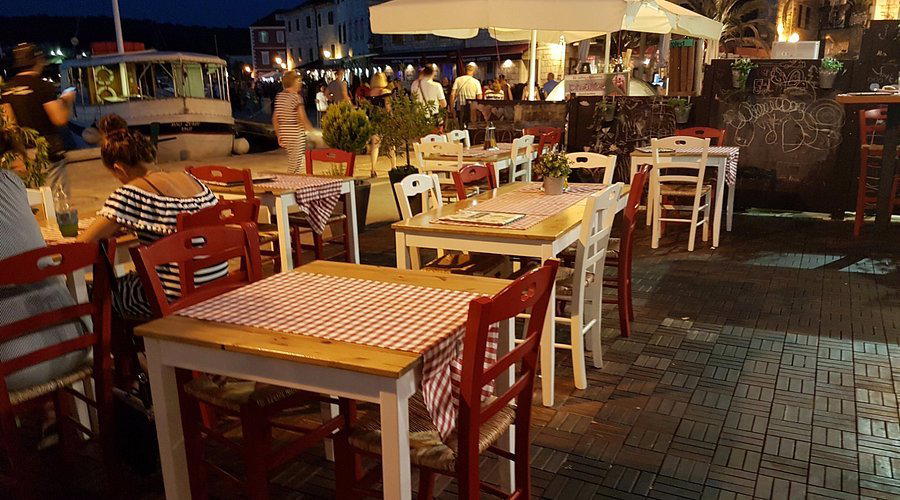
Roko sits on Ulica Maršala Tita, Opatija's main coastal artery, which sets a particular register: Habsburg-era facades, a promenade crowd, and the Adriatic visible or audible depending on where you're seated. That address carries an inherently unhurried, resort-town pace rather than anything urban or high-tempo. Expect the atmosphere to sharpen considerably between late June and late August when the town operates at full seasonal capacity.
Is Roko a good option for dinner during peak Opatija season?
Opatija runs at genuine capacity from late June through late August, and restaurants on the central promenade at Ul. Maršala Tita see consistent footfall throughout that window. Booking ahead is advisable rather than optional during peak weeks. Visiting in shoulder season, particularly May or early October, tends to mean shorter waits and a town operating at a more manageable tempo.
What should I eat at Roko?
That said, restaurants at this address in Kvarner have access to one of Croatia's more interesting coastal larders: Kvarner scallops, Lošinj fish landings, and Istrian truffles are all within reasonable supply reach. Ask what's arrived that week rather than defaulting to the menu's permanent fixtures.
What's Roko's location?
Roko is located at Ul. Maršala Tita 114, 51410, Opatija, Croatia, Opatija.
Side-by-Side Snapshot
Comparable venues nearby, for context on price, style, and recognition.
| Venue | Cuisine | Price | Notes |
|---|---|---|---|
| RokoThis venue (the venue you are viewing) | Traditional Croatian Mediterranean Seafood | $20–30 | Not listed |
| Konoba Istranka | Traditional Croatian Istrian | $20–30 | Opatija |
| Ružmarin | Mediterranean Pizza & Grill | $20–30 | Slatina |
| Antiqua Osteria da Ugo | Italian Osteria with Croatian Influences | $20–30 | Opatija |
| Navis | Modern Mediterranean Seafood | Not listed | Opatija |
| Cubo | Contemporary Mediterranean Fine Dining | $50–100 | Opatija |
Continue exploring
More in Opatija
Restaurants in Opatija
All restaurants in Opatija →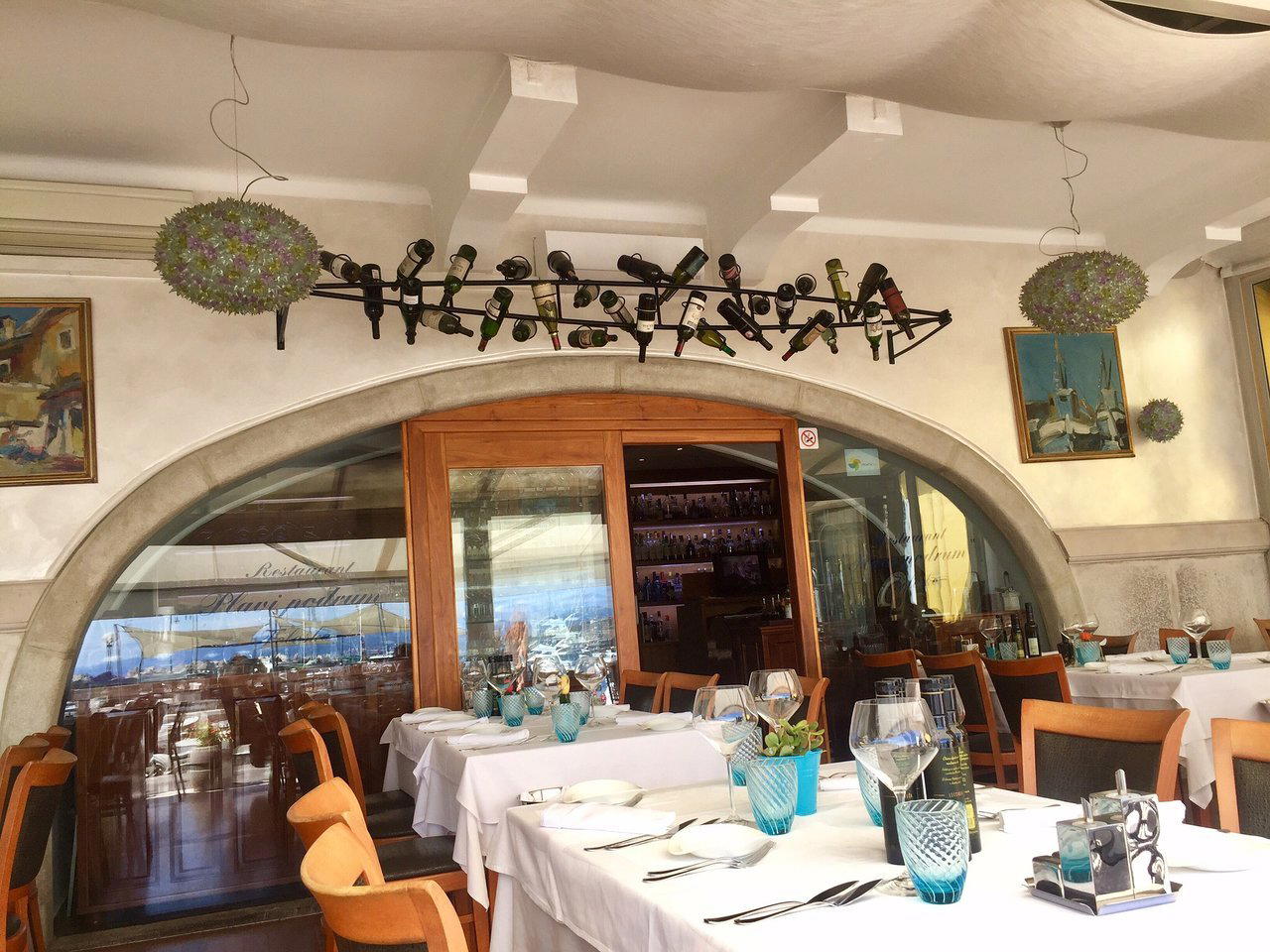

Details
- Lively
- Classic
- Date Night
- Family
- Casual Hangout
- Open Kitchen
- Local Sourcing
- Street Scene
- A La Carte
- Vegetarian Friendly
- Gluten Free Options
Current opening hours
- Monday
- 12–11 PM
- Tuesday
- 12–11 PM
- Wednesday
- 12–11 PM
- Thursday
- 12–11 PM
- Friday
- 12–11 PM
- Saturday
- 12–11 PM
- Sunday
- 12–11 PM
Hours can change for holidays and private events. Hours as of .
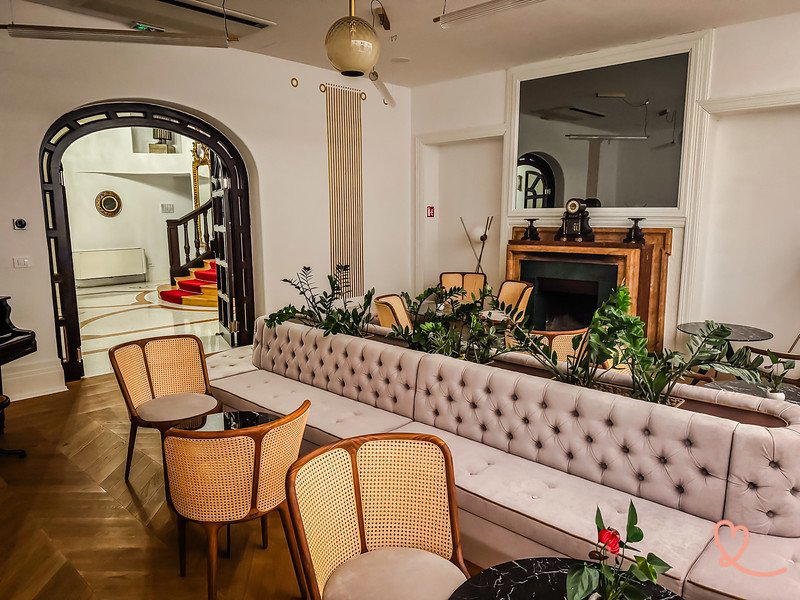
Inviting atmosphere with appealing decor, lively yet relaxed vibe enhanced by warm lighting and central open kitchen.