

Michelin Plate · Macarfi 7.3 Food Rating
Our verdict
Rubaiyat Madrid brings a Brazilian steakhouse tradition into the heart of Chamartín, anchoring its menu around an extensive selection of grilled meats and the classic feijoada, served for a minimum of two guests. The terrace, shaded by mature trees, functions as one of the more considered outdoor dining spaces in the northern Madrid restaurant corridor. Two consecutive Michelin Plate recognitions (2024 and 2025) confirm its consistency within the €€€ tier.

Pearl is the En Primeur Club membership app — saves, bookings, and concierge access live there. Same editors, same standards.
- Address
- C. de Juan Ramón Jiménez, 37, Chamartín, 28036 Madrid, Spain
- Phone
- +34 913 59 10 00
- Hours
- Mon–Fri 1:30–4 p.m., 8–11:30 p.m.Sat 1–4 p.m., 8–11:30 p.m.Sun 1–4 p.m.
- Website
- gruporubaiyat.com
- Directions
- Get directions
- Booking
- Book on OpenTable
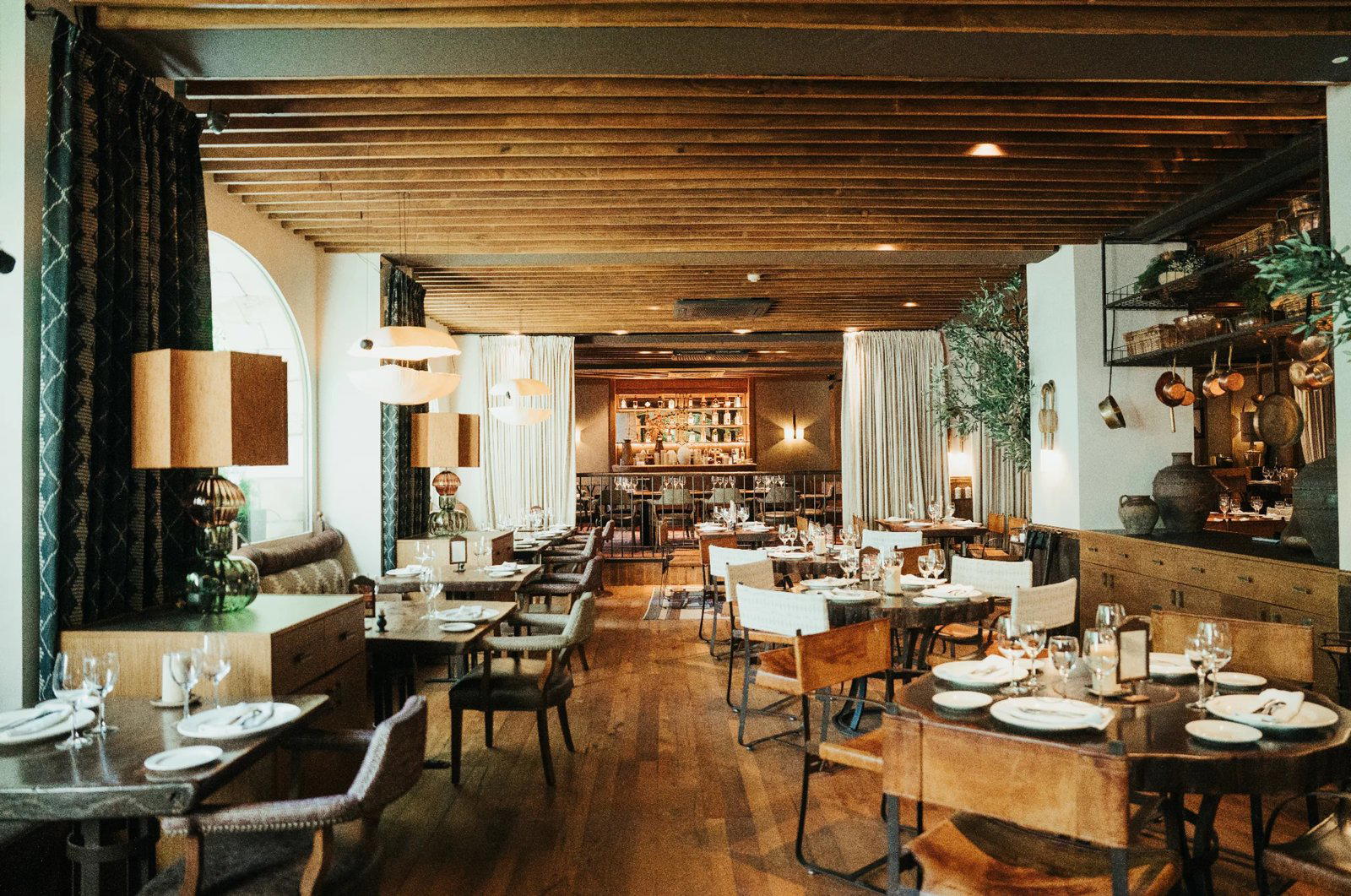
The menu
What to order
- Kobe beef
- Baby beef rib eye
- Picanha
- Tomahawk
- Feijoada
A Terrace That Sets the Tone
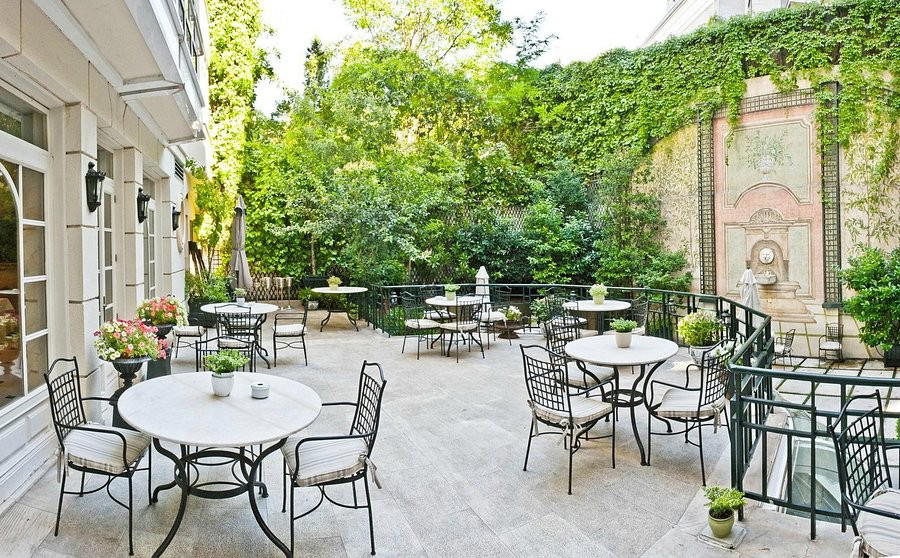
In the northern stretch of Madrid where Chamartín's broad avenues give way to quieter residential streets, the exterior of a restaurant often telegraphs everything about the experience inside. At Rubaiyat Madrid, on Calle de Juan Ramón Jiménez, the terrace does exactly that. Mature trees provide genuine canopy cover rather than the parasol approximations common across much of the city's outdoor dining circuit. The greenery is structural, framing the space in a way that makes afternoon or early evening seating feel removed from the surrounding urban grid. It is, by Madrid standards, an unusually composed outdoor room.
That composure extends inward. The interior carries the visual grammar of a high-quality steakhouse operating in a market where the category has bifurcated sharply: on one side, the theatrical Argentine-inflected parrillas; on the other, more formally dressed rooms that treat grilled meat as a serious culinary category rather than a casual proposition. Rubaiyat Madrid belongs to the second group. The physical container signals this from the moment of arrival, and the signal holds through service.
Where the Rubaiyat Format Comes From
Brazil's premium steakhouse tradition differs from its Argentine counterpart in ways that matter to the table. The São Paulo model, which Rubaiyat represents internationally, tends toward broader menu architecture: the grilled meat selection is central but not exclusive, and set-piece dishes like feijoada — the slow-cooked black bean and pork stew that functions as a national dish — anchor the experience alongside the grill. This is not the rodízio format where servers circulate with skewers; it is à la carte eating with clear Brazilian reference points, designed for a clientele that already understands the tradition.
In Madrid, where the Brazilian restaurant category is thin at the premium end, Rubaiyat occupies a distinctive position. Comparable grill-forward rooms in the city tend to reference Spain's own asador tradition or the Argentine influence. The São Paulo framing places Rubaiyat in a different conversation, one that has enough cultural distance from local reference points to read as genuinely specialist rather than derivative. For context on the broader range of Madrid's premium meat-focused dining, Leña Madrid and Los 33 occupy related territory but with distinct local and Spanish inflections.
The Menu and Its Logic
The feijoada requirement, a minimum of two guests, is not an arbitrary policy. The dish is built for communal eating: a heavy, layered stew that arrives with rice, farofa, and the various accompaniments that constitute a proper serving. Ordering it for one would reduce it to something it is not meant to be. The two-person minimum preserves the dish's social logic and its volume, and it functions as one of the clearer examples in Madrid dining of a kitchen insisting on the correct context for its signature preparation.
The meat selection, which forms the other axis of the menu, operates at the €€€ price tier, a bracket that in Madrid's current market sits clearly below the €€€€ tasting-menu rooms clustered around the city's creative dining circuit, and above the mid-market grill houses. That positioning is deliberate. Rubaiyat is not competing with DiverXO or the city's progressive Spanish tables; it is making a case for premium grilled meat as a category that merits serious treatment without the architectural complexity of a multi-course creative menu.
Those interested in how the grill-forward format plays out at other European addresses can reference Carcasse in Sint-Idesbald and Damini Macelleria & Affini in Arzignano, both of which approach the meat restaurant as a specialist proposition with its own critical vocabulary.
Michelin Plate Recognition and What It Signals
Rubaiyat Madrid has held the Michelin Plate in both 2024 and 2025. The Plate designation, introduced by the Guide to recognise restaurants offering good food without the complexity or price architecture that typically underpins star candidacy, is a useful trust signal in a category where quality variance is wide. Two consecutive years of recognition suggests the kitchen is operating consistently rather than performing for inspection cycles.
At the €€€ tier with sustained Michelin acknowledgment, Rubaiyat sits in a well-defined competitive position: accessible enough to function as a regular-use restaurant for the Chamartín business and residential community, credentialled enough to anchor a considered dinner.
For readers calibrating against the broader Spanish dining scene, the reference points shift considerably at the starred end: Arzak in San Sebastián, El Celler de Can Roca in Girona, Disfrutar in Barcelona, Azurmendi in Larrabetzu, Quique Dacosta in Dénia, and Aponiente in El Puerto de Santa María all operate in a different category. Rubaiyat is not making that argument. It is making a different, more grounded one about consistency in a specific tradition.
Chamartín as a Dining Address
Chamartín is not where Madrid's most-discussed restaurant openings tend to cluster, that energy concentrates further south, around Salamanca, Justicia, and the centro. But the district's relative quiet is part of its function for residents and the business community that fills its offices. Restaurants here tend to operate with less theatre and more predictability, which for certain dining occasions is precisely what is wanted. Rubaiyat's address on Calle de Juan Ramón Jiménez places it in the quieter, more residential part of the district, where the terrace becomes a genuine amenity rather than a noisy streetside table.
For a broader read on what Madrid's dining scene offers across its neighbourhoods, the [full Madrid restaurants guide]() maps the city's range at all price points and cuisines. Further Madrid planning resources include the [hotels guide](), [bars guide](), [wineries guide](), and experiences guide. Nearby options worth considering for comparison include Rural and Sua, both operating in the northern Madrid dining corridor.
Planning Your Visit
| Factor | Rubaiyat Madrid | Leña Madrid | DiverXO |
|---|---|---|---|
| Price tier | €€€ | €€€ | €€€€ |
| Cuisine format | Brazilian meats and grills, à la carte | Spanish grill, à la carte | Progressive tasting menu |
| Michelin recognition | Plate 2024, 2025 | See venue page | 3 Stars |
| Terrace | Yes, tree-shaded | See venue page | No |
| District | Chamartín | Salamanca | Tetuán |
Frequently asked questions
How do I find Rubaiyat Madrid?
Rubaiyat Madrid is located at C. de Juan Ramón Jiménez, 37, Chamartín, 28036 Madrid, Spain, Madrid.
Is Rubaiyat Madrid award-winning?
Rubaiyat Madrid has received recognition including: Discover the authentic flavours of São Paulo in this restaurant where you can order the typical “feijoada” (minimum of two guests) or its extensive selection of meats. Fantastic terrace featuring trees and plenty of greenery!; Michelin Plat….
What should I order at Rubaiyat Madrid?
The feijoada is the dish most directly rooted in Rubaiyat's São Paulo origins, though it requires a minimum of two guests — a format that reflects how the dish is traditionally served. Beyond that, the menu's core is built around an extensive selection of meats, which is where the kitchen's Michelin Plate-recognised cooking most consistently shows its range.
What's the pricing like at Rubaiyat Madrid?
Pricing at Rubaiyat Madrid is listed as €€€.
What's the best way to book Rubaiyat Madrid?
The restaurant is located at C. de Juan Ramón Jiménez, 37 in Chamartín, and arriving without a reservation on busier evenings carries real risk.
The Short List
| Venue | Cuisine | Price | Awards | Notes |
|---|---|---|---|---|
| Rubaiyat MadridThis venue — the venue you are viewing | Brazilian Steakhouse | Not listed | Michelin Plate · Macarfi 7.3 Food Rating | Not listed |
| DiverXO | Avant-Garde Spanish Tasting Menu | $300–500 | 3 Michelin Stars · World's 50 Best #4 | Progressive - Asian, Creative |
| Deessa | Modern Valencian Fine Dining | $150–200 | 2 Michelin Stars · La Liste Top Restaurants | Modern Spanish, Creative |
| Smoked Room | Modern Japanese Fire Omakase | $200–300 | 2 Michelin Stars · La Liste Top Restaurants | Progressive Asador, Contemporary |
| Coque | Modern Spanish Fine Dining | $300–500 | 2 Michelin Stars · La Liste Top Restaurants | Spanish, Creative |
| Paco Roncero | Avant-Garde Spanish Fine Dining | $150–200 | 2 Michelin Stars · La Liste Top Restaurants | Creative |
Recognition history
Dated appearances from independent guides and award organizations, with the underlying list record or original source where available.
Michelin Plate
Michelin
Macarfi 7.3 Food Rating
Macarfi
Full recognition history (4 entries)
Michelin Plate
Michelin
Michelin Plate
Michelin
Continue exploring
More in Madrid
Restaurants in Madrid
Browse all →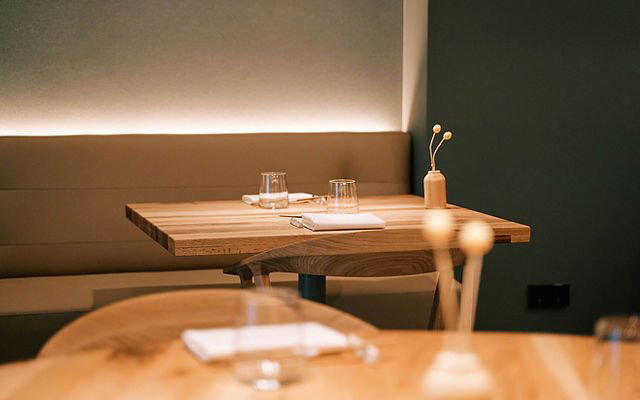
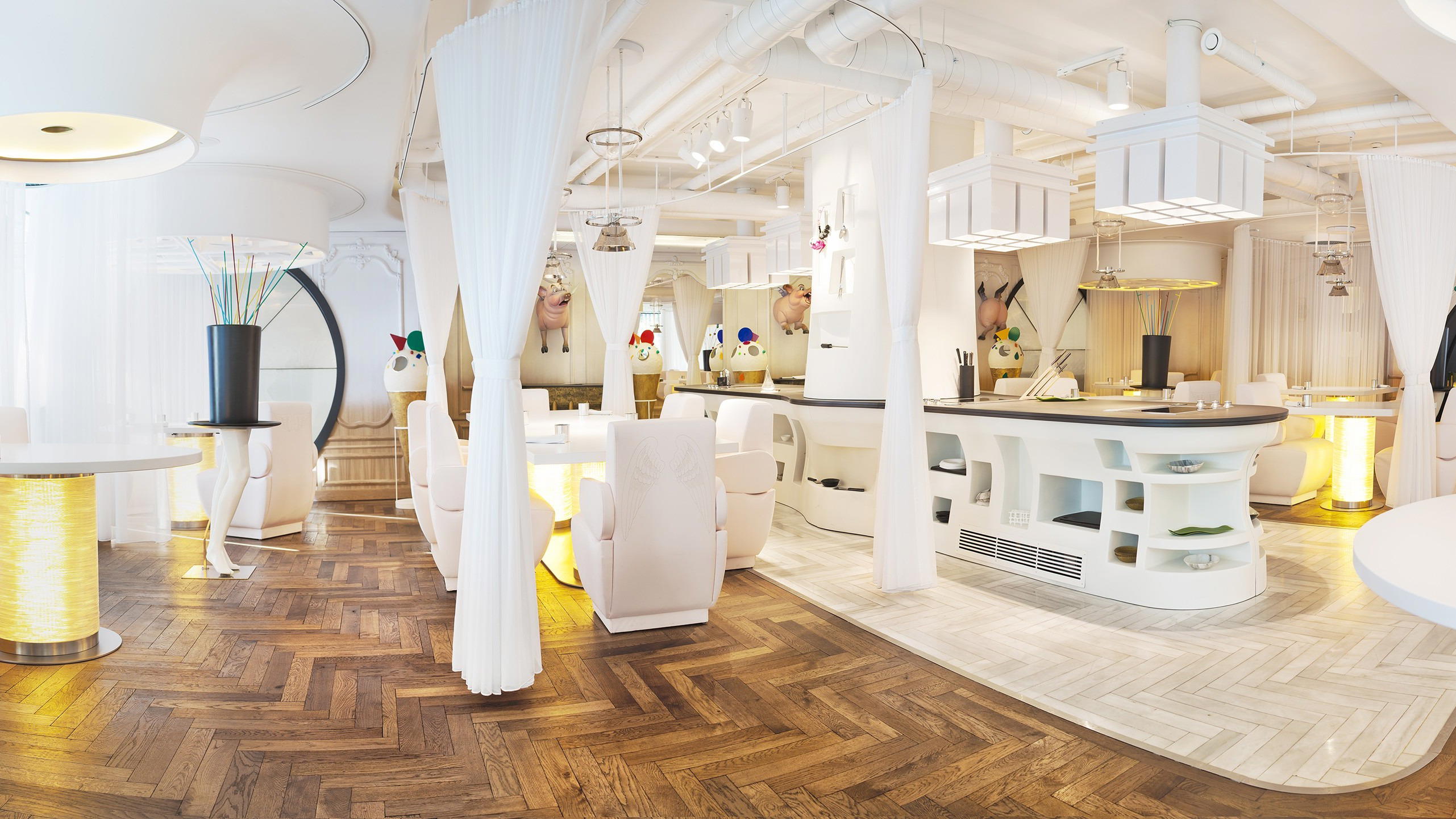
Bars in Madrid
Browse all →
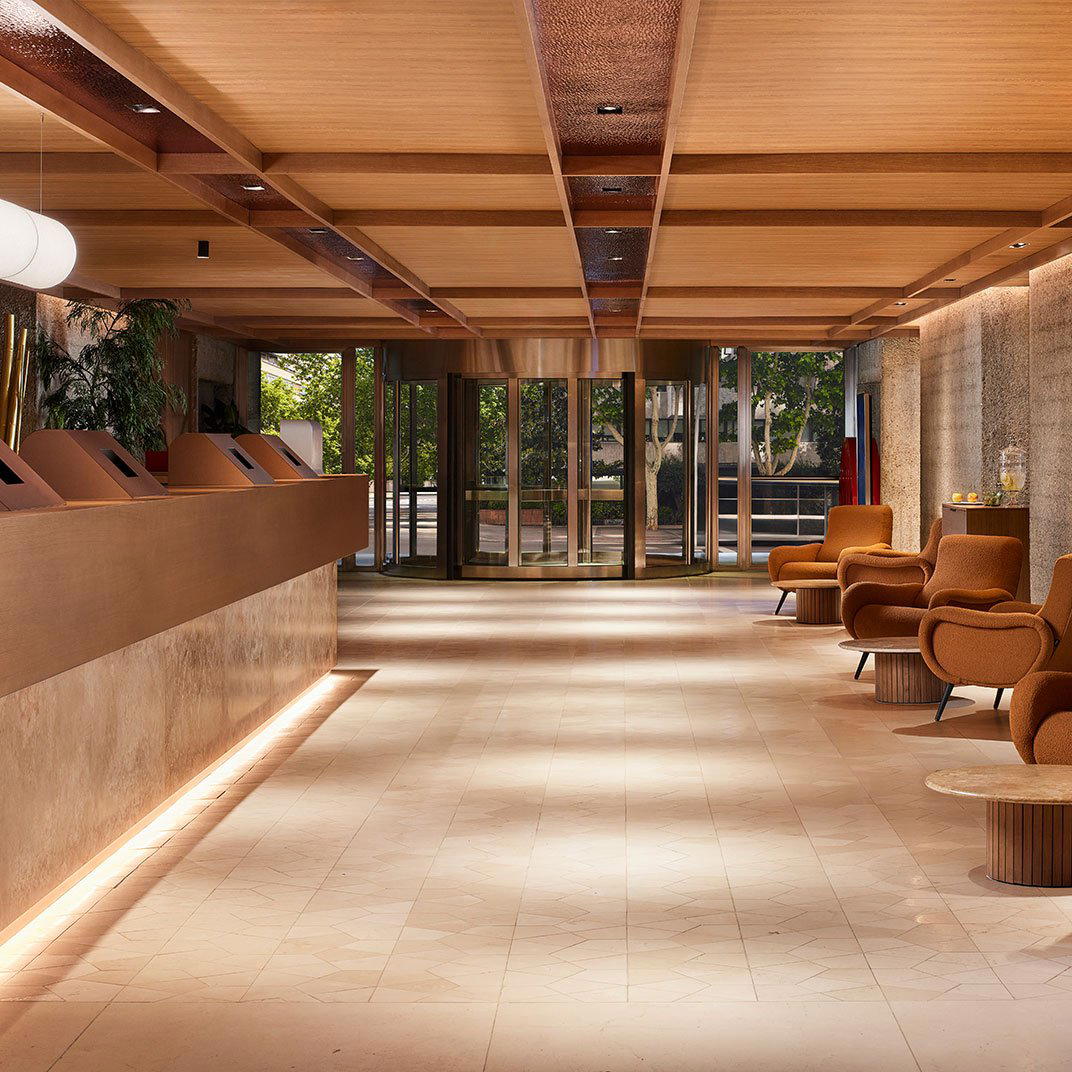
Hotels in Madrid
Browse all →


Details
- Elegant
- Cozy
- Sophisticated
- Business Dinner
- Group Dining
- Special Occasion
- Terrace
- Extensive Wine List
- Garden
- A La Carte
Current opening hours
- Monday
- 1:30–4 p.m., 8–11:30 p.m.
- Tuesday
- 1:30–4 p.m., 8–11:30 p.m.
- Wednesday
- 1:30–4 p.m., 8–11:30 p.m.
- Thursday
- 1:30–4 p.m., 8–11:30 p.m.
- Friday
- 1:30–4 p.m., 8–11:30 p.m.
- Saturday
- 1–4 p.m., 8–11:30 p.m.
- Sunday
- 1–4 p.m.
Hours can change for holidays and private events. Last verified .
Large, cozy setting with noble wood furnishings, glass-enclosed kitchen, and a gorgeous shaded terrace oasis with trees and greenery, providing a tranquil yet sophisticated atmosphere.