Michelin Plate · Macarfi 7 Food Rating
Our verdict
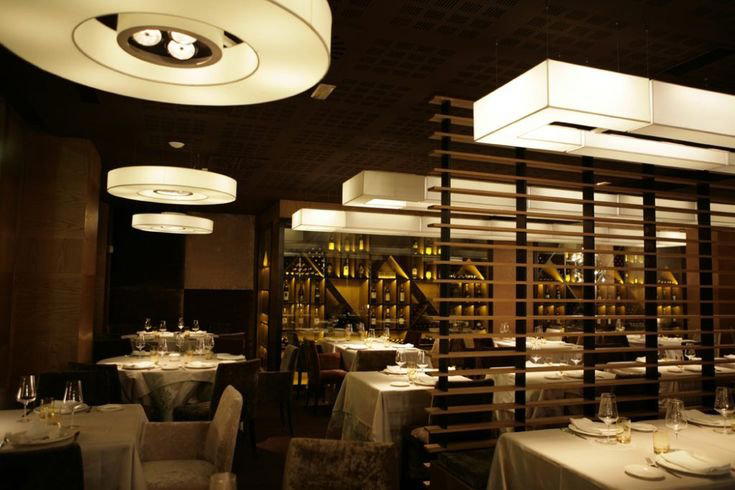
Sua sits inside a glass-roofed winter garden in Madrid's Las Letras district, operating as a modern asador under the Triciclo group banner. The open grill drives the menu, with fish bought direct from the auction, Galician T-bone, and Iberian pork cuts sharing billing alongside Tudela vegetables and a considered list of starters. Michelin Plate recognition in both 2024 and 2025 confirms its place in the mid-premium tier of Madrid's fire-cooking scene.

Pearl is the En Primeur Club membership app — saves, bookings, and concierge access live there. Same editors, same standards.
- Address
- C. de Moratín, 22, Centro, 28014 Madrid, Spain
- Phone
- +34 915 27 71 65
- Hours
- Mon 1:30–4 p.m., 8–11 p.m.Tue ClosedWed–Sun 1:30–4 p.m., 8–11 p.m.
- Website
- suabytriciclo.com
- Directions
- Get directions
- Booking
- Book on TheFork
The menu
What to order
- Aged txuleta
- Prime rib
- Grilled octopus
- Joselito sirloin
- Leeks with red shrimp
- Ham croquettes
Fire Cooking in Las Letras: Where the Grill Is the Architecture
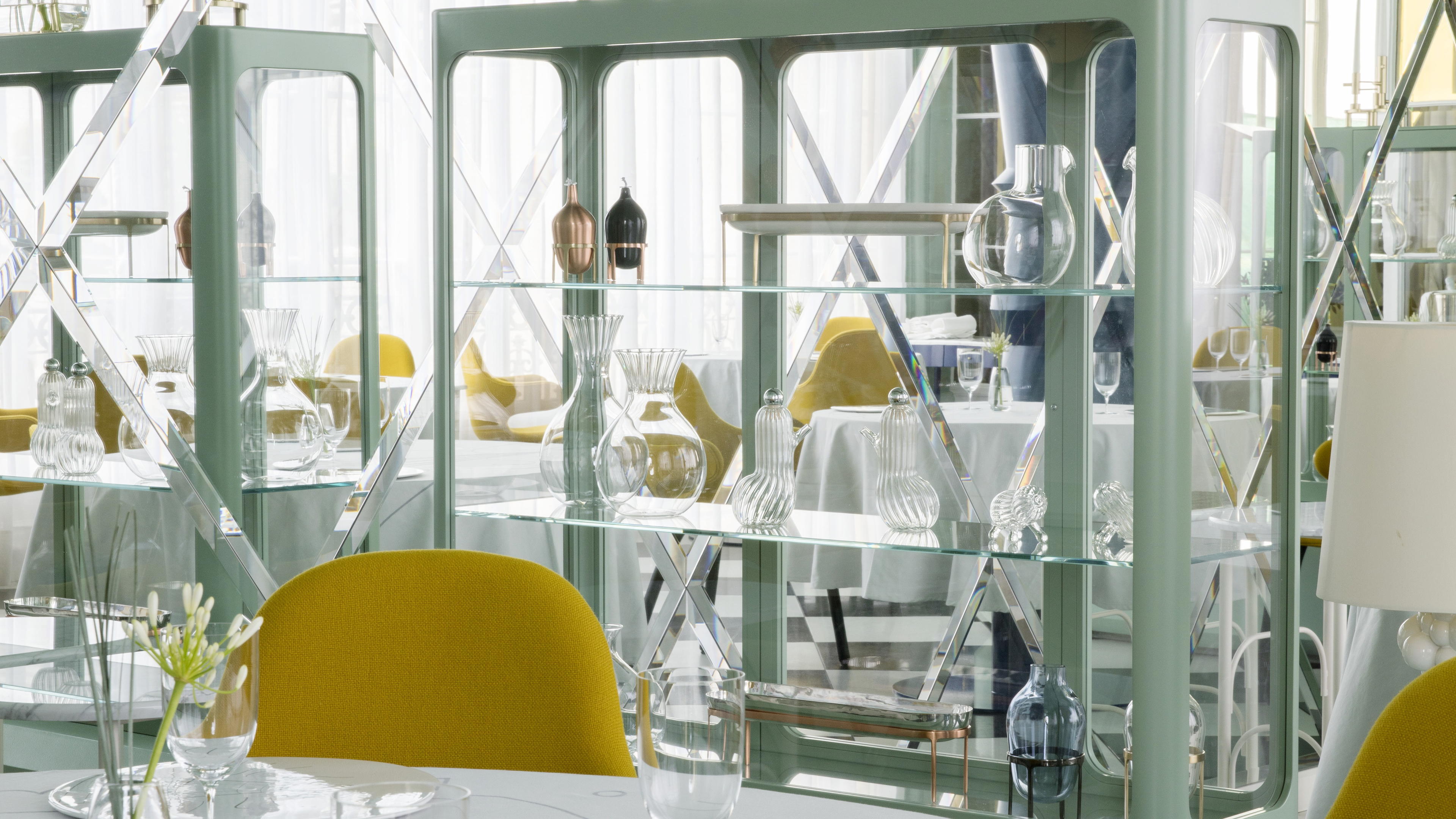
Madrid's Las Letras district occupies the blocks between the Prado axis and the Huertas neighbourhood, a stretch of late-nineteenth-century buildings that has accumulated a density of serious restaurants over the past decade. The dining register here leans toward confidence rather than spectacle: this is not the avenue of tasting-menu theatre that defines parts of Salamanca, nor the tapas-bar economy of La Latina. In Las Letras, the better rooms tend to have a point of view about a particular cooking tradition, and Sua's is stated plainly. The name references Basque mythology; the format is a modern asador; the centrepiece is an open wood-fired grill visible from the dining room. What anchors the experience before the first dish arrives is the setting itself: a fully glazed winter garden at street level on Calle de Moratín, where afternoon light moves through the glass ceiling in a way that shifts the mood of the room hour by hour. By evening the space reads warmer, more enclosed, but the structure of it — the iron and glass, the greenery around the perimeter — remains the defining physical fact of the visit.
The Logic of the Asador Format in a Capital City
The asador tradition is a Basque and Navarrese institution that Madrid has imported, adapted, and occasionally diluted over the decades. At its core it asks a deceptively simple question: given access to good raw material and controlled fire, what does technique actually add? The answer, in the hands of a serious operation, is mostly restraint. The grill becomes a precision instrument rather than a shortcut, and the sourcing decisions, which animal, which age, which market, become as visible on the plate as any sauce or garnish. Sua sits within this tradition but frames it through the lens of a Madrid restaurant group with broader ambitions. The Triciclo group has built a portfolio that moves between different registers, and Sua functions as its fire-cooking address, holding a Michelin Plate in both 2024 and 2025, a recognition that signals consistent kitchen discipline without the formal ceremony of a starred room. For context across Madrid's grill-focused scene, Leña Madrid operates a contemporary wood-fire format at a comparable price point, while Rubaiyat Madrid takes a more international steakhouse approach. Sua's explicit asador framing and its Basque-mythological self-definition place it in a more specifically Iberian lane than either peer.
The Supporting Cast: Starters, Vegetables, and the Architecture of the Meal
In fire-cooking restaurants, the stretch of the meal before the main protein arrives is often treated as an obligation rather than an opportunity. The better asadors understand that the grill's logic extends to the whole table, and the supporting dishes are where a kitchen signals whether it understands that. At Sua, the starters and the grilled vegetables from Tudela in Navarra carry editorial weight on the menu rather than acting as a waiting room for the meat. Tudela is one of the most specific vegetable-growing zones in Spain, producing white asparagus, artichokes, and cardoons that have defined northern Spanish cooking for centuries. Grilling those vegetables over open fire rather than boiling or steaming them is a deliberate choice that compresses their sweetness and adds a layer of char complexity. This is the equivalent of a good steakhouse taking its creamed spinach or its roasted bone marrow as seriously as the ribeye: the side dishes are not decoration, they are arguments about the kitchen's overall point of view. The starter selection extends the choice before the grill section of the menu begins, giving the meal a structure that rewards ordering across multiple courses rather than going straight to the centrepiece protein.
The Grill: Fish, Meat, and the Sourcing Hierarchy
Fish bought direct from the daily auction is a relatively uncommon signal in Madrid, a landlocked city where the freshest market fish typically arrives by overnight road transport from the Cantabrian or Atlantic coasts. Committing to auction-sourced fish means committing to an unpredictable daily menu, whatever arrived that morning is what gets grilled that evening. This is a meaningful operational constraint that disciplines the kitchen and guarantees a level of seasonality that a fixed menu cannot replicate. On the meat side, the menu references Galician T-bone, veal skirt, and Iberian pork cuts. Galician beef, specifically from older dairy or working cattle, has become the reference point for premium grilling meat in Spain over the past fifteen years, prized for its fat marbling and the depth of flavour that comes from longer-lived animals. The T-bone format maximises the contrast between the fillet and the sirloin sides of the cut, which respond differently to the same fire. Veal skirt is a longer-cooking cut that benefits from the indirect heat phases of a wood grill; Iberian pork, at its finest from free-range acorn-fed animals, carries enough intramuscular fat to survive high direct heat. The combination of these cuts across one menu describes a kitchen that understands the different thermal requirements of different animals rather than applying a single approach to everything. For comparison in the European fire-cooking category, Carcasse in Sint-Idesbald and Damini Macelleria & Affini in Arzignano each represent how the grilling-focused format operates in different national traditions.
Where Sua Sits in Madrid's Wider Dining Map
Madrid's premium dining tier has bifurcated sharply. At one end sit the multi-starred creative rooms: DiverXO at the furthest edge of conceptual cooking, and others operating in the €€€€ bracket with tasting menus as the primary format. Sua at €€€ operates in the tier below, where a la carte remains the dominant structure and the cooking proposition is about product and technique rather than concept and narrative. This is not a lesser proposition; for many diners it is the more useful one, offering flexibility on both the menu and the duration of the meal. Within the Madrid grill and roast category, Los 33 and Rural represent alternative approaches to fire-focused cooking in the city. Spain's broader fine-dining scene, for those building a longer itinerary, includes reference-level addresses such as Arzak in San Sebastián, El Celler de Can Roca in Girona, Azurmendi in Larrabetzu, Disfrutar in Barcelona, Quique Dacosta in Dénia, and Aponiente in El Puerto de Santa María.
Planning Your Visit
| Detail | Sua | Leña Madrid | Rubaiyat Madrid |
|---|---|---|---|
| Price range | €€€ | €€€ | €€€ |
| Format | Modern asador, à la carte | Contemporary wood-fire grill | International steakhouse |
| Recognition | Michelin Plate 2024, 2025 | Michelin recognition | Established group venue |
| Setting | Winter garden, Las Letras | Design-led interior | Formal dining room |
| Address | C. de Moratín, 22, 28014 | Madrid centre | Madrid centre |
Sua is located at Calle de Moratín, 22, in the Centro district. Booking in advance is advisable given the room's size and the Michelin Plate profile that brings a consistent midweek trade. For a full picture of what the city offers, see our full Madrid restaurants guide, as well as guides to Madrid hotels, Madrid bars, Madrid wineries, and Madrid experiences.
Frequently asked questions
Is Sua focused on a specific cuisine style?
What should I budget for a meal at Sua?
Pricing at Sua is listed as €€€.
What kind of recognition has Sua received?
Sua has received recognition including: Part of the Triciclo group, this modern “asador”-style restaurant, the name of which is a nod to Basque mythology, views itself as a “temple of fire” in the Spanish capital. Its most striking feature is its setting in a delightful winter ga….
What do regulars order at Sua?
The grill section drives most orders. On the meat side, the Galician T-bone and Iberian pork cuts are the consistent reference points; on the fish side, whatever arrived from the daily auction sets the agenda. Tudela-sourced grilled vegetables round out the meal and are worth ordering rather than skipping.
Where is Sua located?
Sua is located at C. de Moratín, 22, Centro, 28014 Madrid, Spain, Madrid.
Is Sua reservation-only?
Sua holds a Michelin Plate rating and sits in the well-trafficked Las Letras district, which makes walk-in availability unreliable, particularly at peak dinner hours. Booking ahead is the practical approach, though the restaurant's website and phone details are not publicly listed in current directories — contacting them directly through the Triciclo group is the most reliable route.
What's the standout thing about Sua?
The winter garden room in a nineteenth-century Las Letras building gives Sua a physical distinction most Madrid grill restaurants lack. Structurally, though, the sourcing logic matters as much: auction-direct fish in a landlocked capital, paired with Basque-influenced asador technique and select Galician and Iberian meats, is a format the Michelin Plate designation has recognised across two consecutive years.
A Lean Comparison
| Venue | Cuisine | Price | Awards | Notes |
|---|---|---|---|---|
| SuaThis venue — the venue you are viewing | Modern Spanish Asador | $100–150 | Michelin Plate · Macarfi 7 Food Rating | Not listed |
| DiverXO | Avant-Garde Spanish Tasting Menu | $300–500 | 3 Michelin Stars · World's 50 Best #4 | Progressive - Asian, Creative |
| Deessa | Modern Valencian Fine Dining | $150–200 | 2 Michelin Stars · La Liste Top Restaurants | Modern Spanish, Creative |
| Smoked Room | Modern Japanese Fire Omakase | $200–300 | 2 Michelin Stars · La Liste Top Restaurants | Progressive Asador, Contemporary |
| Coque | Modern Spanish Fine Dining | $300–500 | 2 Michelin Stars · La Liste Top Restaurants | Spanish, Creative |
| Paco Roncero | Avant-Garde Spanish Fine Dining | $150–200 | 2 Michelin Stars · La Liste Top Restaurants | Creative |
Recognition history
Dated appearances from independent guides and award organizations, with the underlying list record or original source where available.
Michelin Plate
Michelin
Macarfi 7 Food Rating
Macarfi
Full recognition history (4 entries)
Michelin Plate
Michelin
Michelin Plate
Michelin