Round Corner Cantina
Our verdict
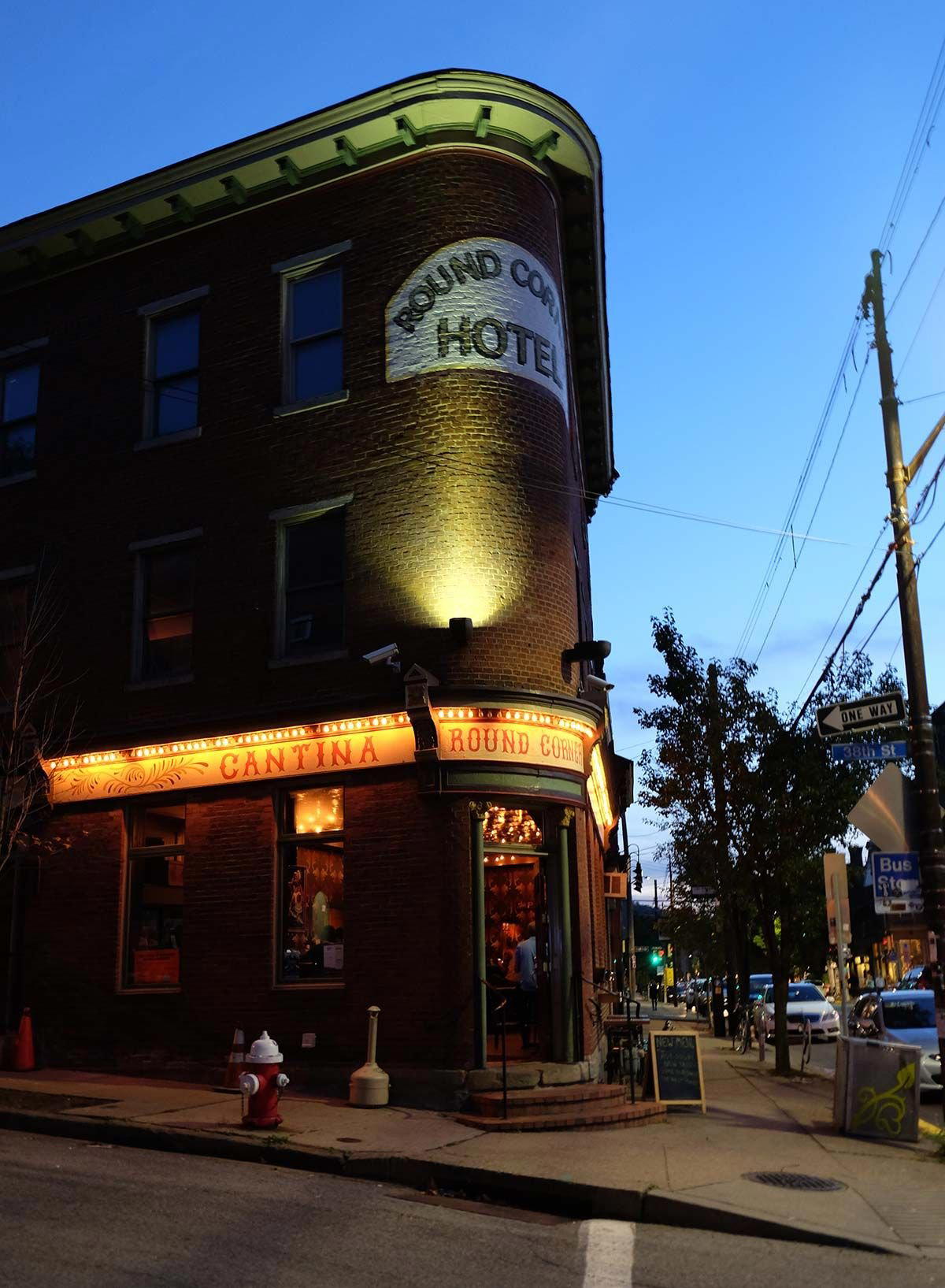
"Round Corner Cantina, Lawrenceville by Ashley Fennell. A festive watering hole, Cantina is a great place to grab some tacos and enjoy some karaoke. Their back patio is decked out and among the stronger outdoor spaces to grab a drink in Pittsburgh."

Pearl is the En Primeur Club membership app — saves, bookings, and concierge access live there. Same editors, same standards.
- Address
- 3720 Butler St, Pittsburgh, PA 15201
- Phone
- (412) 904-2279
- Hours
- Mon–Thu 5–9 PMFri 5–11 PMSat 3–11 PMSun 5–9 PM
- Website
- iluvcantina.com
- Directions
- Get directions
- Booking
- Book on OpenTable
The menu
What to order
- Birria tacos
- Quesadilla de la Parrilla
- Gobernador tacos
Butler Street and the Casual Mexican Counter in Pittsburgh
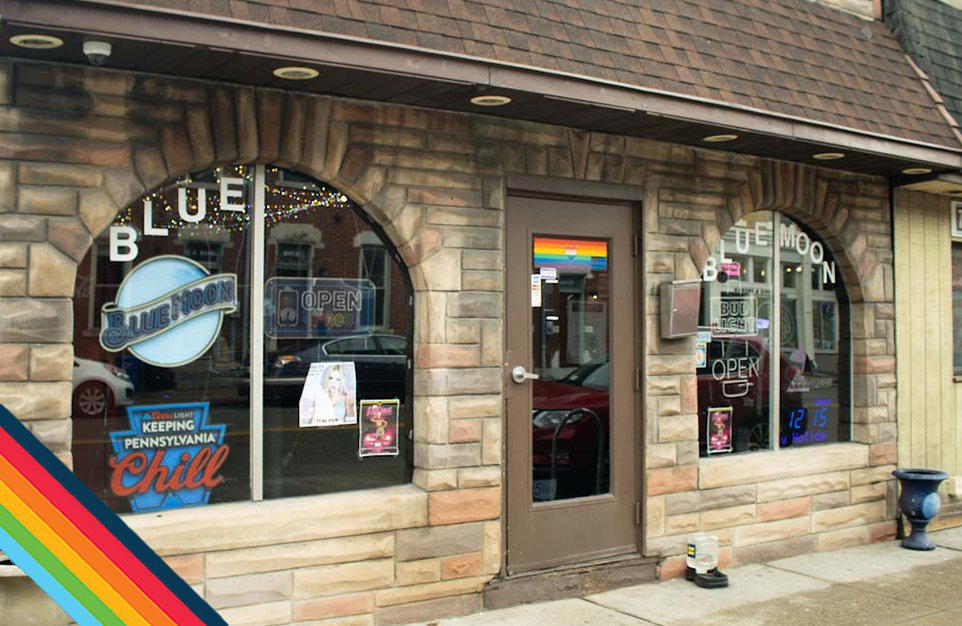
Lawrenceville's Butler Street corridor has spent the better part of a decade consolidating its identity as Pittsburgh's most restless dining strip. The neighborhood draws a mix of residents who stayed through the lean years and newer arrivals who came for the density of independent food and drink options. Within that corridor, Mexican and Tex-Mex-adjacent formats occupy a particular niche: they tend to anchor the casual, neighborhood-facing end of the market, where repeat traffic and low barriers to entry matter more than destination dining. Round Corner Cantina, at 3720 Butler Street, sits squarely inside that category. Its corner position on Butler is the kind of real estate that rewards walk-in regulars over reservation planners, and the cantina format it occupies is one that Pittsburgh's casual dining scene has increasingly embraced as an alternative to the more formal restaurant programming further up the price ladder.
The Cantina Format in Context
The cantina format as it has evolved in American cities is worth understanding before assessing any individual example. At its most coherent, a cantina functions as a hybrid of bar and kitchen, where the drink program and the food menu carry roughly equal weight and neither is treated as secondary. The leading versions of this format, from Bakersfield's taqueria-and-cocktail model to the agave-bar wave that swept urban neighborhoods in the 2010s, build their identity around a fluent team dynamic: bartenders who understand the food, kitchen staff who understand the bar, and floor staff who can move a guest through both without making the experience feel bifurcated. That internal coherence is what separates a working cantina from a bar that happens to serve tacos. For a venue operating on Butler Street, where the competitive set includes everything from Eastern European-inflected vegetarian cooking at Apteka to broader neighborhood spots and taqueria formats, the team dynamic becomes a meaningful point of differentiation.
Lawrenceville as a Dining Neighborhood
Pittsburgh's restaurant scene is leading understood through its neighborhoods rather than as a single unified market. Lawrenceville functions as the city's most consistent incubator for independent food and drink concepts, with Butler Street carrying the bulk of that energy. The neighborhood's dining character is shaped by a few structural factors: relatively affordable commercial rents compared to East Liberty and Downtown, a walkable streetscape that encourages browsing rather than destination planning, and a customer base that skews toward locals who eat out frequently rather than visitors making a single trip. That context rewards venues that build genuine repeat patronage rather than chasing seasonal tourist cycles. A cantina format on Butler Street is positioned, whether intentionally or not, to benefit from exactly this dynamic: familiar format, accessible price signals, and a corner location that puts foot traffic directly in the sightline of anyone moving along the strip. For broader context on how this neighborhood fits into Pittsburgh's wider dining geography, our full Pittsburgh restaurants guide maps the city's key corridors and the venues anchoring them.
Where Round Corner Cantina Sits in Pittsburgh's Mexican Format Tier
Pittsburgh does not have a deep bench of high-end Mexican or Tex-Mex-adjacent concepts. The city's Mexican dining largely operates in the accessible, neighborhood-facing range rather than the chef-driven fine dining tier that has emerged in cities like Chicago (see Smyth for a sense of what that city's tasting-menu ambition looks like) or New York (where Atomix represents the research-driven end of the Korean fine dining spectrum, a useful comparison for understanding how immigrant cuisines can occupy multiple price tiers simultaneously). In Pittsburgh, the cantina and taqueria tier is where most Mexican-format dining lives, and Round Corner Cantina competes within that tier rather than trying to push into a different one. The neighboring Lawrenceville strip also includes venues like Bakersfield Penn Ave, which operates a taqueria-and-bourbon-bar format that offers a useful point of comparison for understanding what a fully articulated cantina model can look like in a Pittsburgh context. The two venues share a format category while likely drawing from overlapping but distinct customer segments.
The Team Dynamic That Makes or Breaks a Cantina
In a format where the kitchen and bar are supposed to function as a single program, the collaboration between whoever runs the food and whoever runs the drink side is the operational story. At the tier where Round Corner Cantina operates, this rarely means a sommelier with formal credentials or a chef with fine dining pedigree. It more often means a group of people who have worked the same kind of service long enough to develop shorthand with each other: the bartender who knows which tables are running behind, the kitchen that understands when to hold a plate, the floor staff who can read a two-leading that came in for drinks and redirect them toward food without pressure. That kind of institutional fluency is harder to build than it looks, and it is what tends to separate the cantinas that develop genuine neighborhoods followings from the ones that cycle through the same tourist wave without ever building a core. For venues with more formal team structures and named culinary programs, the broader EP Club network covers everything from Le Bernardin in New York City to Blue Hill at Stone Barns in Tarrytown, The French Laundry in Napa, Lazy Bear in San Francisco, and Providence in Los Angeles, which collectively illustrate how kitchen-floor-cellar collaboration operates at much higher price points. Closer to Pittsburgh's own scene, Altius, Alfabeto, and 1930 by Atria's each represent different registers of how Pittsburgh restaurants build their team identities.
Planning a Visit
Round Corner Cantina's address at 3720 Butler Street places it in the heart of Lawrenceville's most active dining stretch, accessible by bus from Downtown Pittsburgh and walkable from the surrounding residential blocks. The cantina format at this price level and in this neighborhood is, by convention, oriented toward casual drop-ins rather than advance booking, though weekend evenings on Butler Street can compress availability at the most popular spots. Arriving before peak dinner service or during the mid-afternoon lull typically offers more flexibility. For context on how other Pittsburgh venues in adjacent categories handle booking and timing, see entries for Apteka and Alfabeto in our Pittsburgh coverage.
Frequently asked questions
What part of town is Round Corner Cantina in?
Round Corner Cantina is located at 3720 Butler St, Pittsburgh, PA 15201, Pittsburgh.
Is Round Corner Cantina a good option for a first-time visitor to Pittsburgh's Lawrenceville neighborhood?
Its address at 3720 Butler Street places it at one of the more navigable entry points on Lawrenceville's primary dining corridor, where most of Pittsburgh's most active independent restaurant activity is concentrated. The corner positioning means it registers naturally as an anchor rather than a destination you have to seek out, which makes it a practical starting point for anyone orienting to the neighborhood's broader dining options. Pittsburgh's restaurant scene reads best neighborhood by neighborhood, and Lawrenceville is the clearest place to begin that survey.
What do regulars order at Round Corner Cantina?
For reliable ordering intel, the Butler Street foot-traffic crowd tends to reward venues that anchor around a tight taco and cocktail program, which is consistent with the cantina format at 3720 Butler St. Checking in directly before visiting is the cleanest way to get current menu specifics.
Do they take walk-ins at Round Corner Cantina?
Cantina-format venues along Lawrenceville's Butler Street corridor predominantly operate on a walk-in basis, and Round Corner Cantina's corner position at 3720 Butler St makes it one of the more accessible spots on the strip for spontaneous visits. That said, peak weekend evenings on Butler Street draw consistent foot traffic across the block, so arriving early in the evening improves your odds of a quick seat. Confirming current policy directly with the venue before visiting is advisable.
A Pricing-First Comparison
Comparable venues nearby, for context on price, style, and recognition.
| Venue | Cuisine | Price | Awards | Notes |
|---|---|---|---|---|
| Round Corner CantinaThis venue — the venue you are viewing | Modern Mexican Cantina | $20–30 | Not listed | Not listed |
| Pamela's Diner | Classic American Diner | $10–20 | Not listed | Strip District, Classic American Diner |
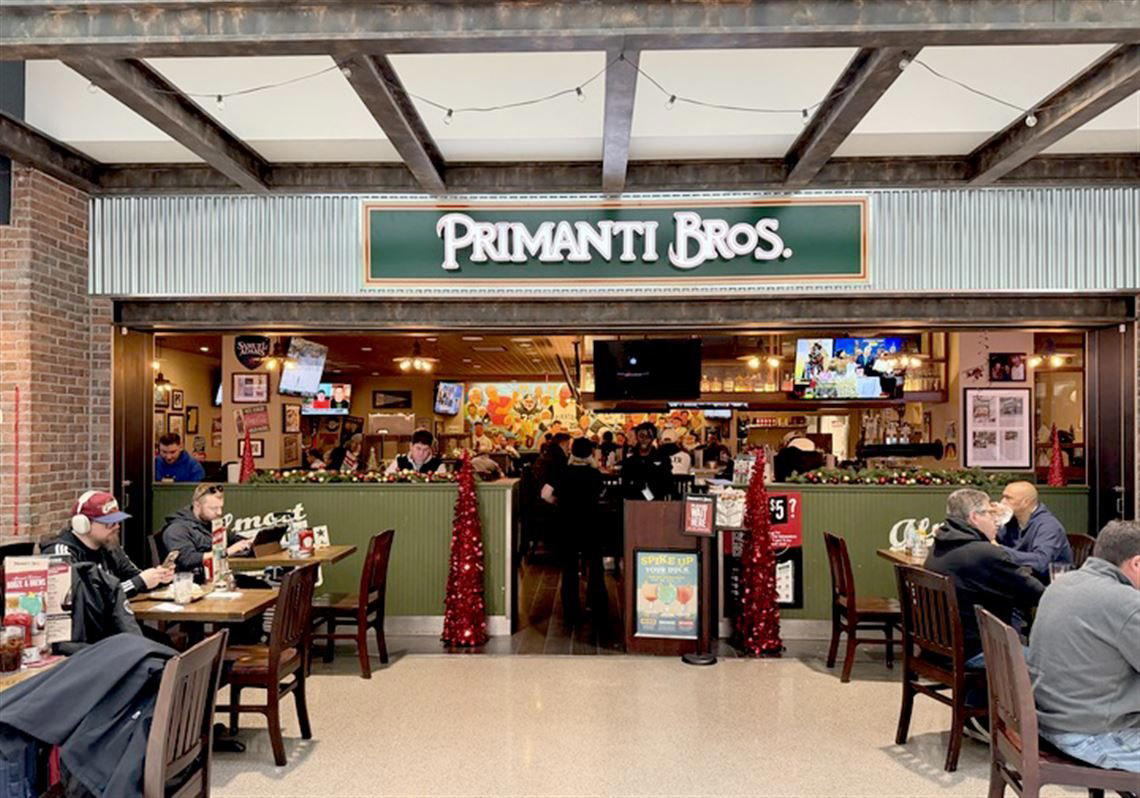
| Primanti Brothers | Pittsburgh Sandwich Deli | $10–20 | James Beard Award America's Classics | Strip District, Pittsburgh Sandwich Deli |
| Pasha Mediterranean Restaurant | Turkish Mediterranean | $20–30 | Not listed | Shadyside, Turkish Mediterranean |
| The Cafe Carnegie | Modern American Museum Cafe | $20–30 | Not listed | Bellefield, Modern American Museum Cafe |
| Max's Allegheny Tavern | Traditional German Tavern | $20–30 | Not listed | East Allegheny, Traditional German Tavern |
Continue exploring
More in Pittsburgh
Restaurants in Pittsburgh
Browse all →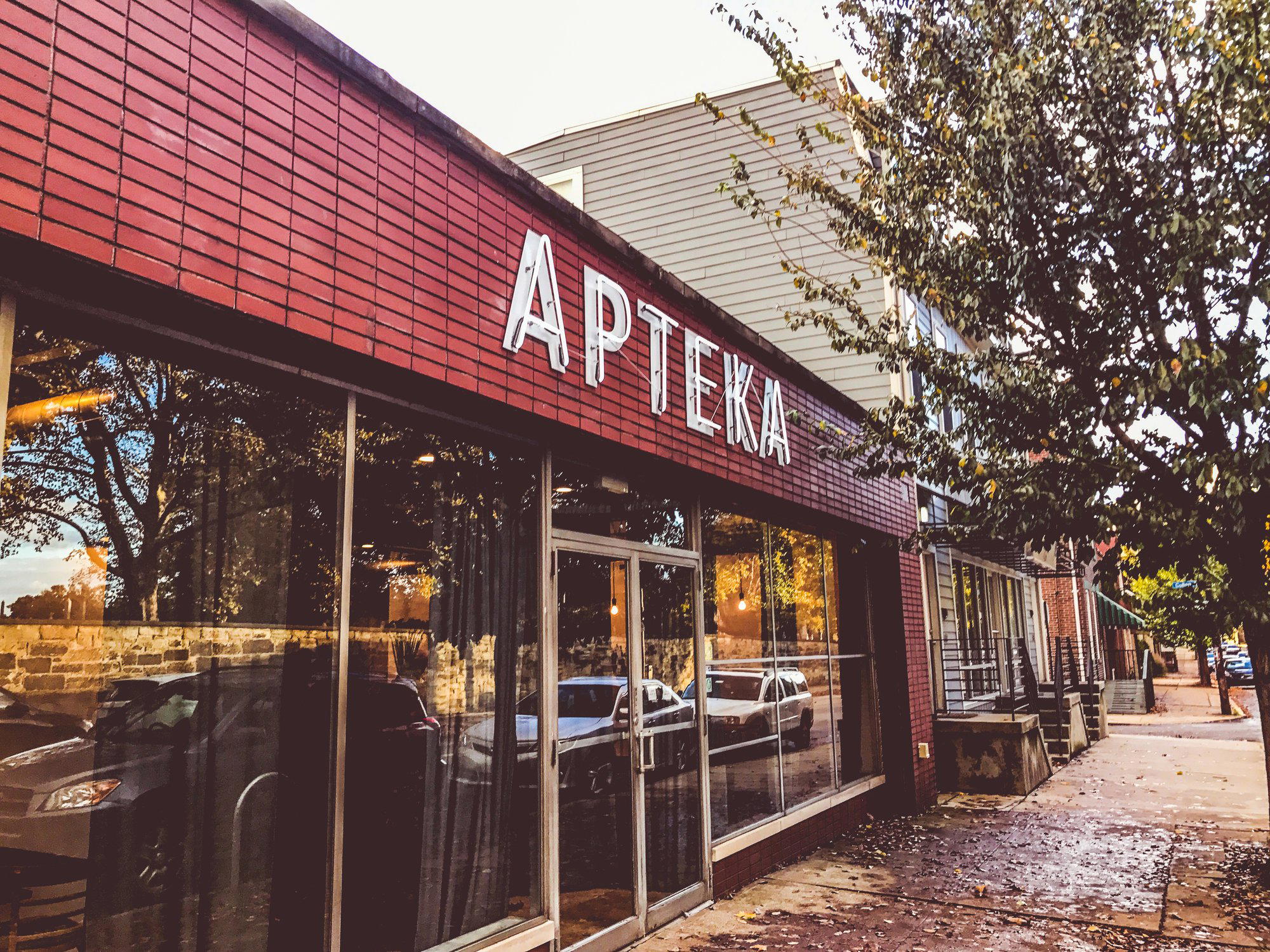
Bars in Pittsburgh
Browse all →
Details
- Lively
- Rustic
- Trendy
- Cozy
- Casual Hangout
- Late Night
- After Work
- Brunch
- Historic Building
- Craft Cocktails
- Small Plates
- A La Carte
- Craft Cocktails
- Vegetarian Friendly
Current opening hours
- Monday
- 5–9 PM
- Tuesday
- 5–9 PM
- Wednesday
- 5–9 PM
- Thursday
- 5–9 PM
- Friday
- 5–11 PM
- Saturday
- 3–11 PM
- Sunday
- 5–9 PM
Hours can change for holidays and private events. Last verified .
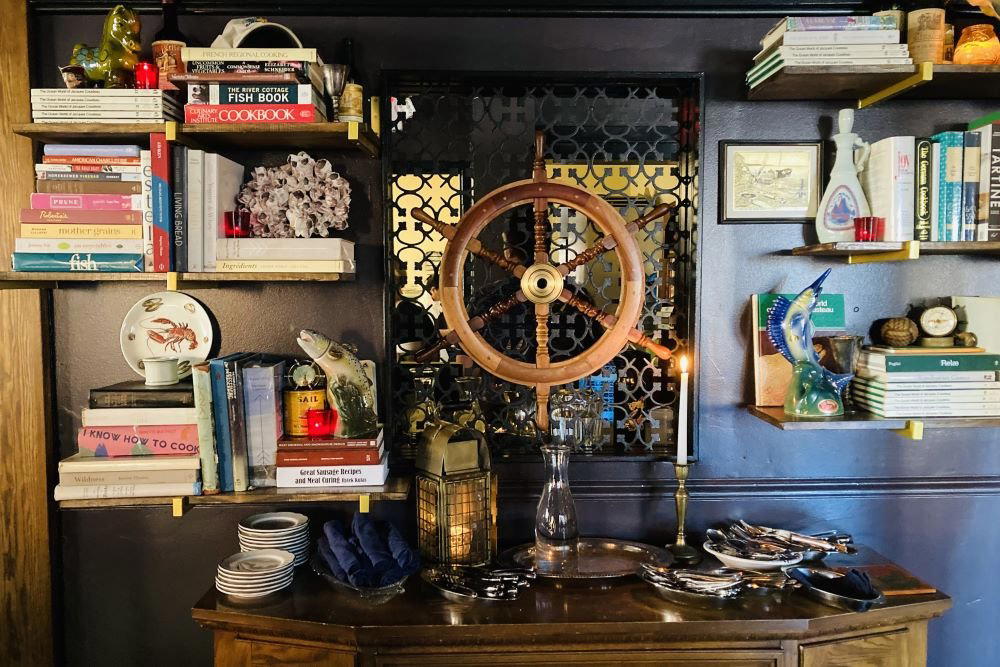
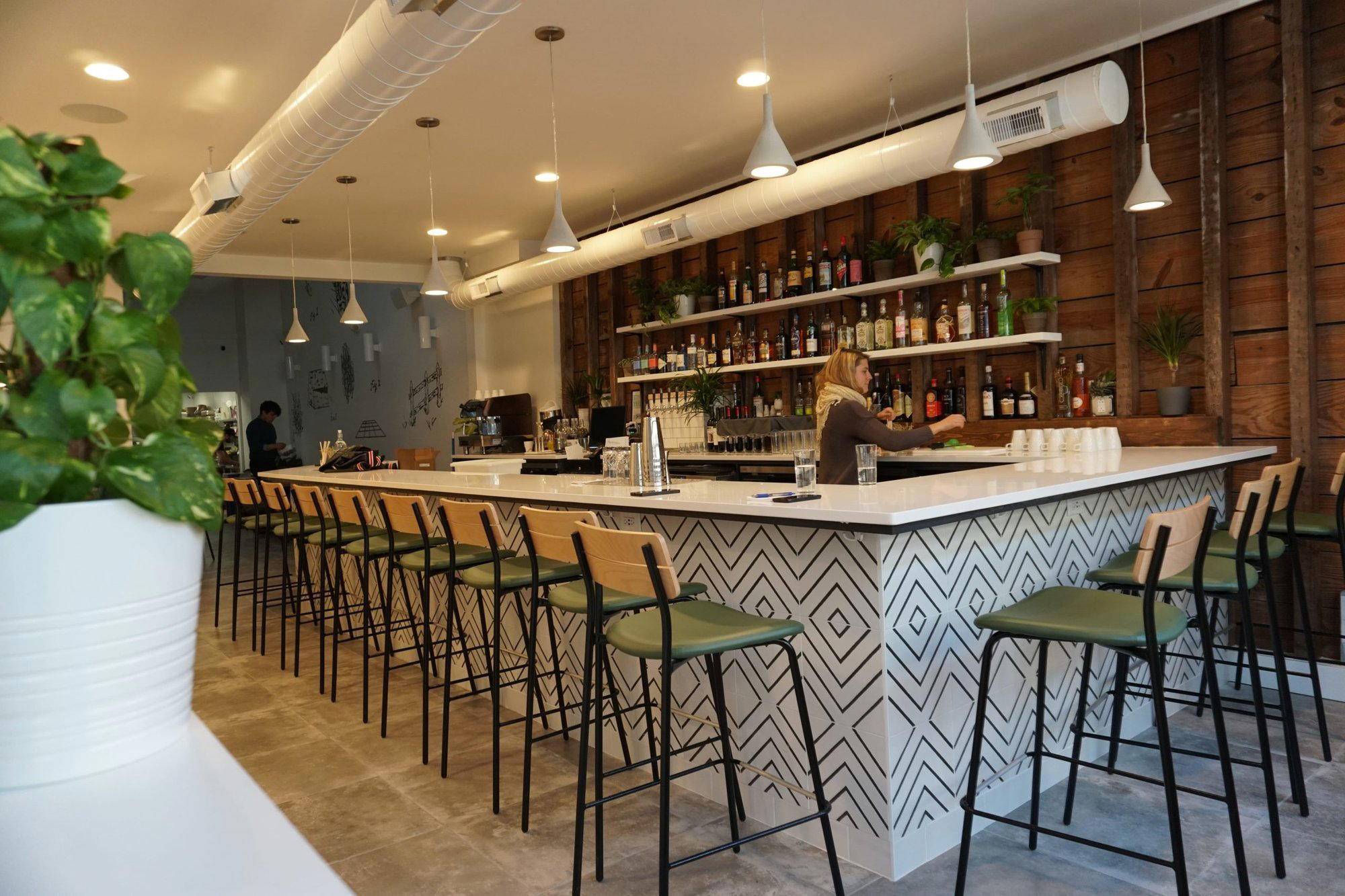
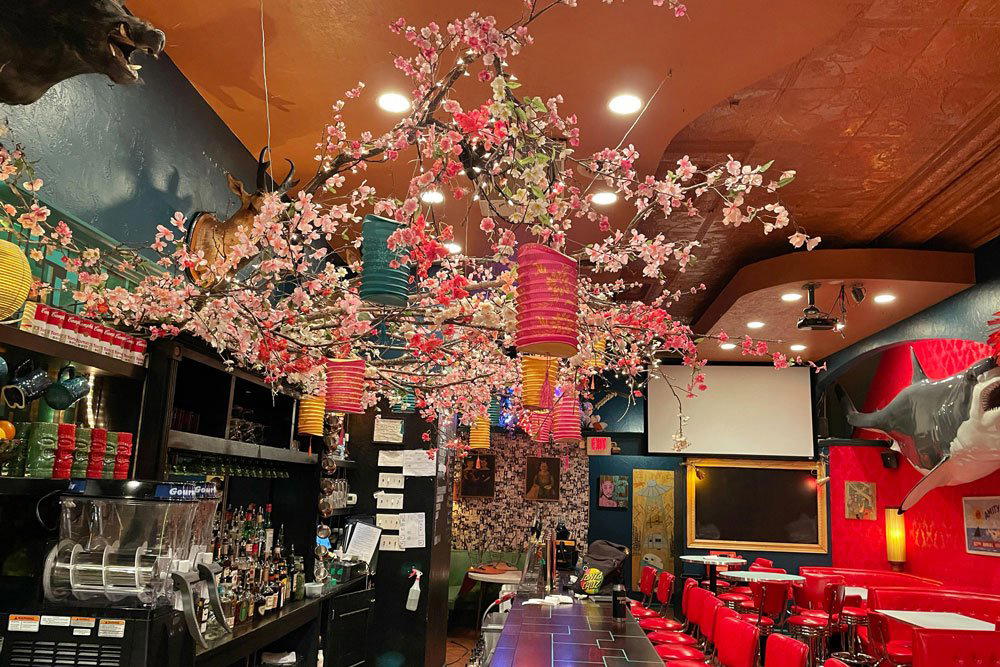
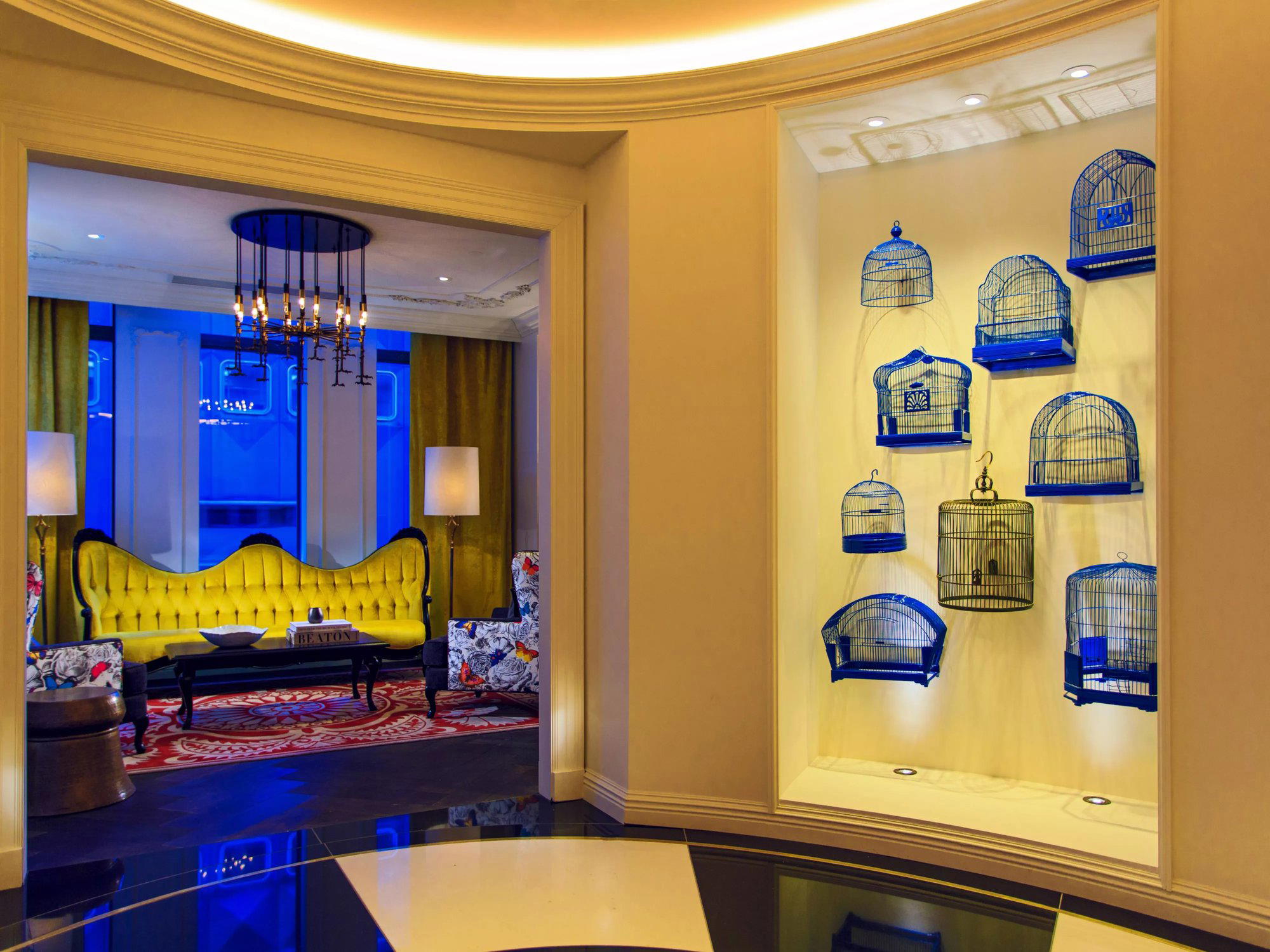
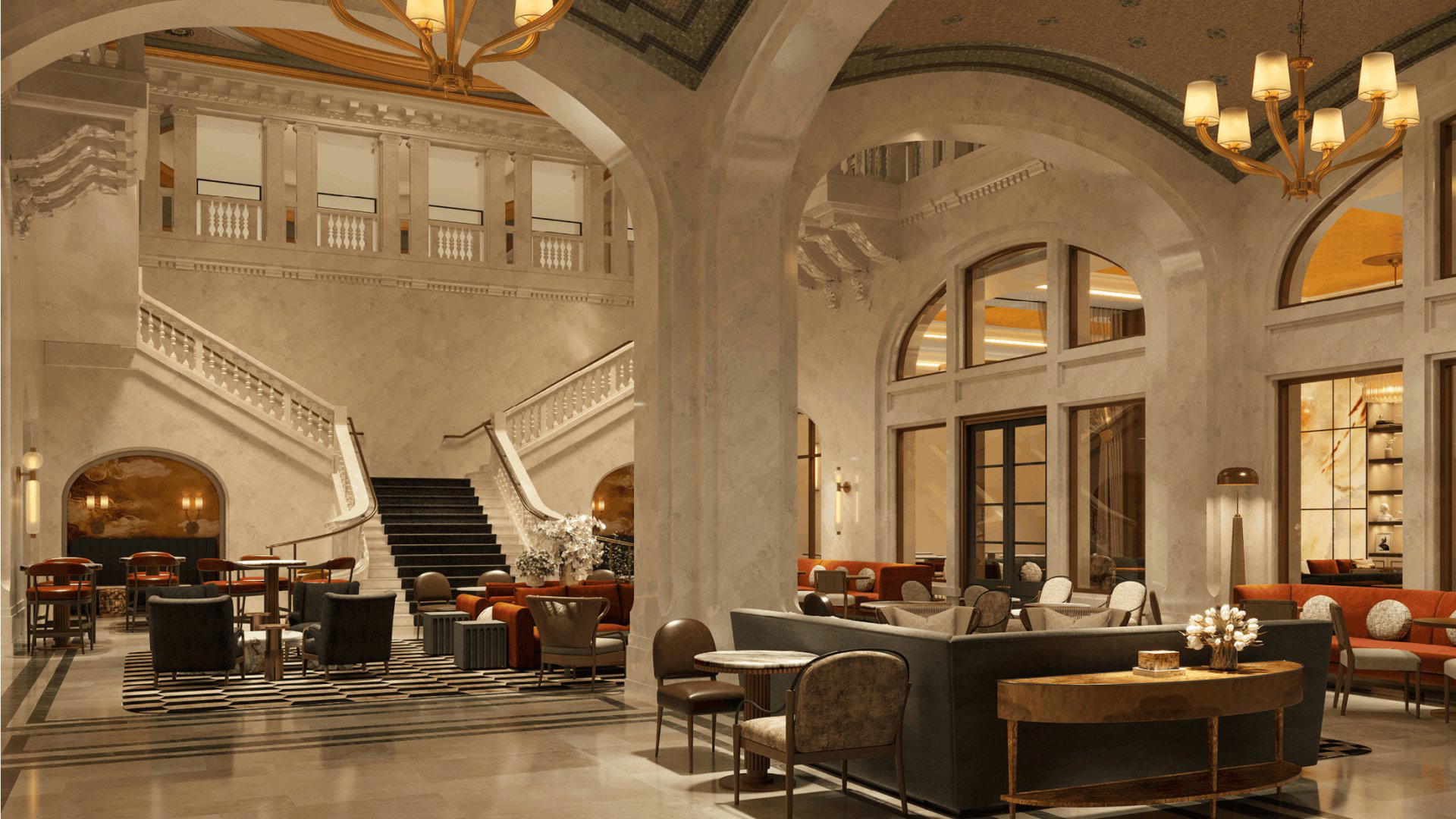
Warm, dark, and enveloping with candlelight, rich wood paneling, and cantina-kitsch decor creating a cozy refuge.