Max's Allegheny Tavern
Our verdict
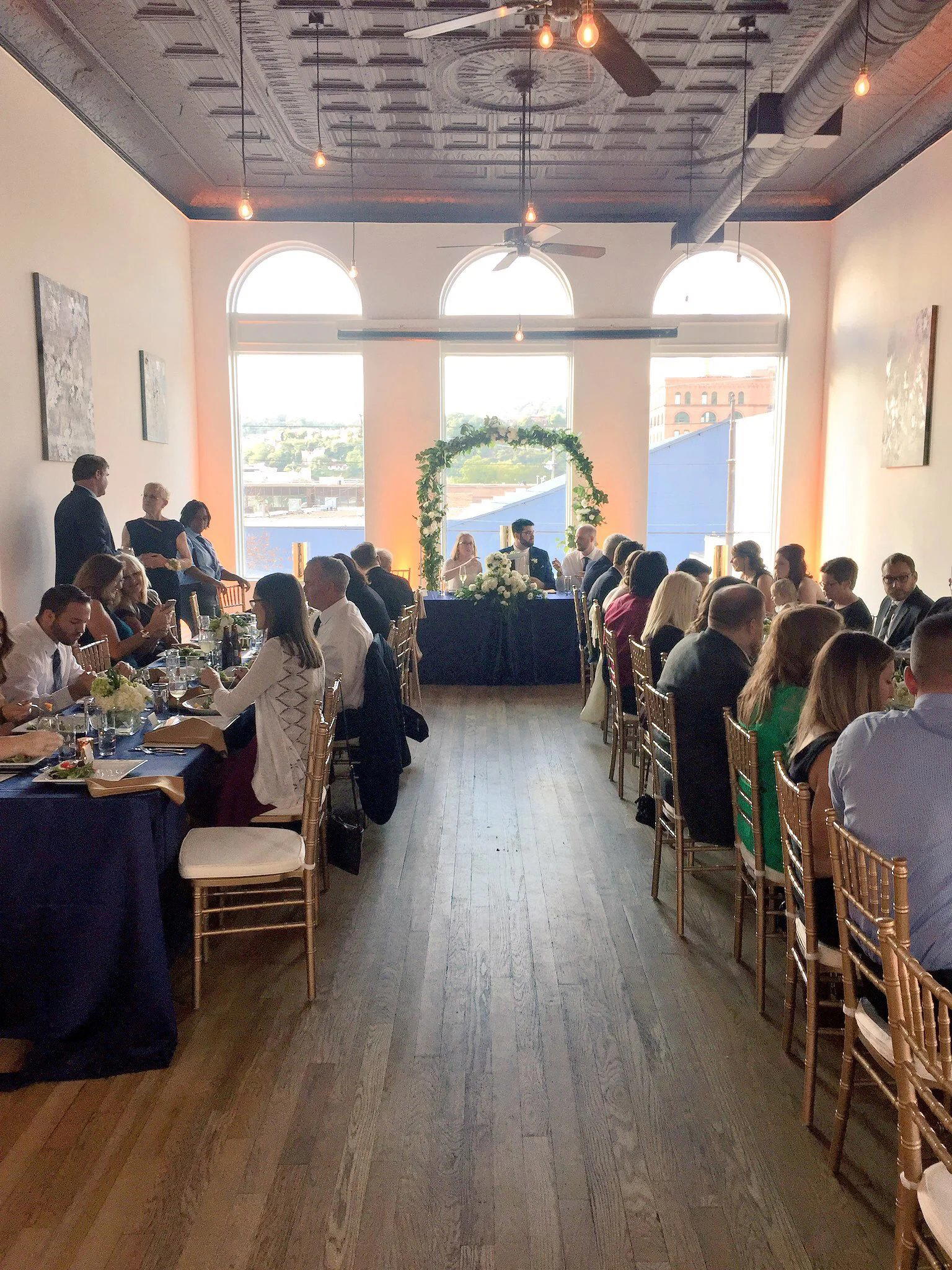
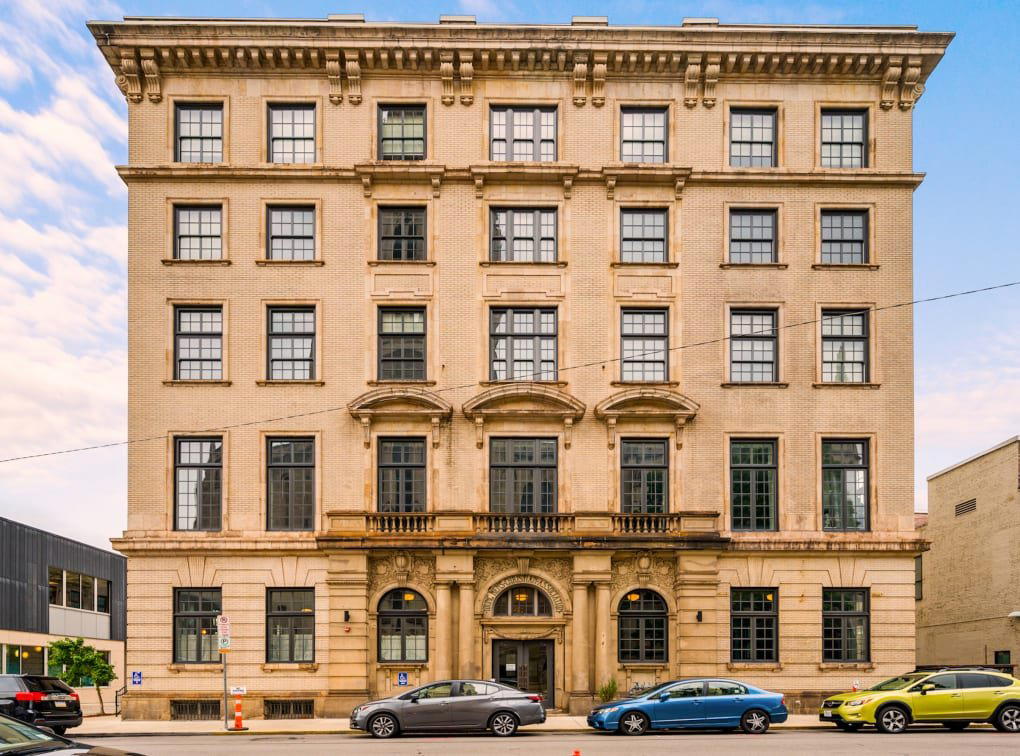
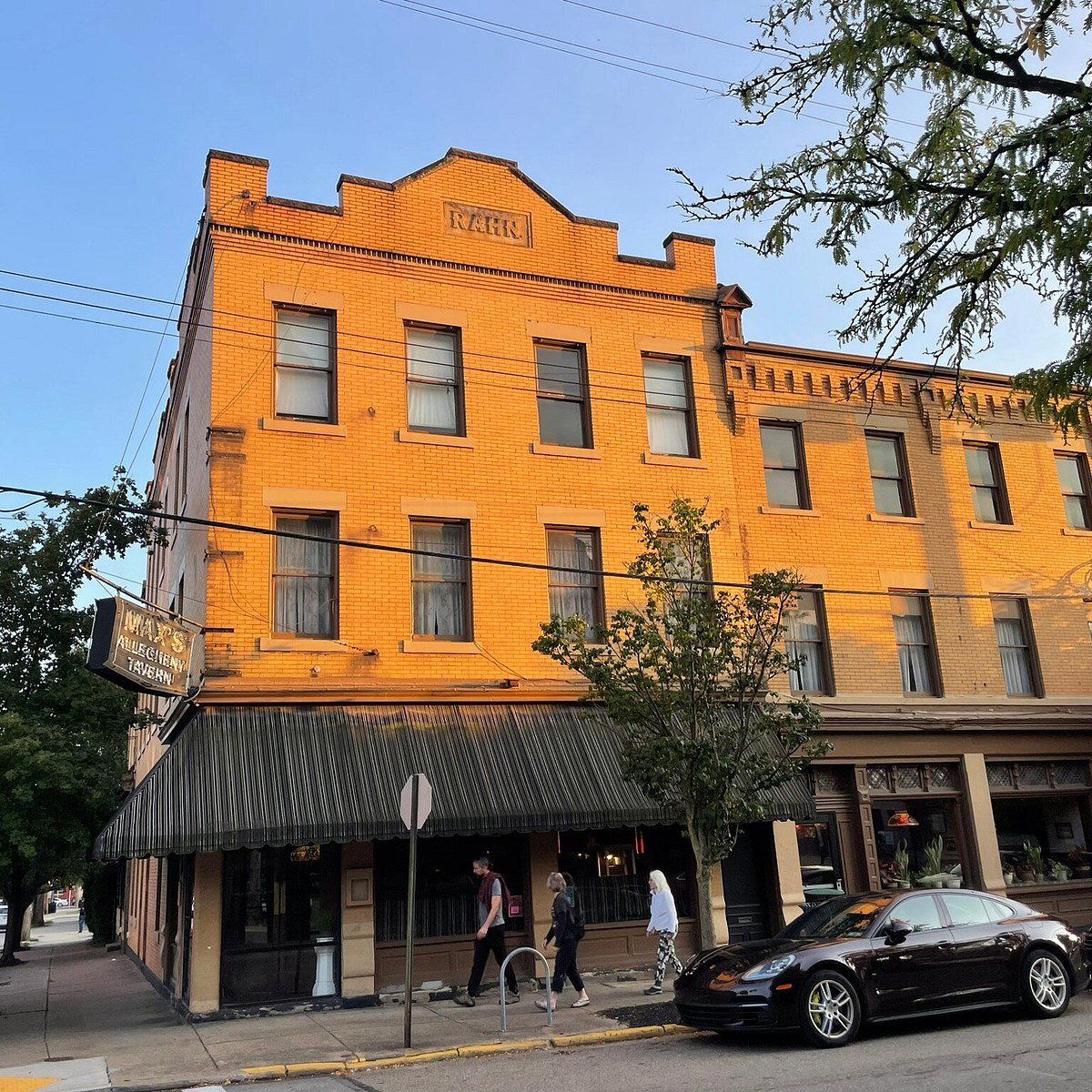
Max's Allegheny Tavern sits on Suismon Street in Pittsburgh's North Shore, holding its ground as one of the neighbourhood's most enduring German-American dining institutions. The tavern format spans both casual daytime service and a fuller evening program, with a menu anchored in Central European tradition. For visitors and locals tracing Pittsburgh's immigrant food heritage, it represents a direct line to the city's pre-Prohibition German community roots.

Pearl is the En Primeur Club membership app — saves, bookings, and concierge access live there. Same editors, same standards.
- Address
- 537 Suismon St, Pittsburgh, PA 15212
- Phone
- (412) 231-1899
- Hours
- Mon ClosedTue–Thu 11 AM–9 PMFri–Sat 11 AM–10 PMSun Closed
- Website
- maxsalleghenytavern.com
- Directions
- Get directions
The menu
What to order
- Bavarian Peasant Platter
- Wurst platter
- Max's Famous Reuben
North Shore's German-American Anchor
Pittsburgh's North Shore carries a particular kind of institutional weight. Sandwiched between the stadiums and the Allegheny River, the neighbourhood has absorbed decades of urban change while holding onto a handful of addresses that predate the modern sports district entirely. Max's Allegheny Tavern on Suismon Street belongs to that category: a German-American tavern operating in a city where German immigrant communities shaped entire residential corridors, brewery cultures, and social hall traditions from the mid-nineteenth century onward. Understanding what Max's represents requires understanding that context first. This is not a restaurant wearing German aesthetics as a design choice. It is an institution that exists because Pittsburgh once had enough German-speaking residents to sustain a distinct culinary subculture, and that subculture left marks the city has never fully erased.
German-American tavern dining in the United States occupies a specific register, distinct from the beer hall theatrics of tourist-oriented Biergartens or the refined Neue Küche that defines contemporary German fine dining in cities like New York or Chicago. The format at places like Max's is closer to the original Stammlokal model: a regular table, familiar food, a seasonal lager or dark beer on draft, and a room that rewards return visits over first impressions. Pittsburgh's version of this tradition has always been more workingman than aristocratic, shaped by the demographics of the steel and industrial era rather than the merchant class that built the grander German institutions of cities like Cincinnati or Milwaukee.
Daytime vs. Evening: How the Rhythm Changes
The lunch-versus-dinner divide at a tavern like Max's is worth reading carefully, because it tells you something about how the venue functions within the neighbourhood rather than just what it serves. Daytime service at German-American taverns in this mould tends toward the utilitarian: lighter plates, a quieter room, the kind of meal that suits a working lunch near the stadiums or a pre-game visit for afternoon events at PNC Park or Acrisure Stadium, both within easy walking distance of Suismon Street. The North Shore's proximity to those venues means foot traffic patterns here shift dramatically depending on the sports calendar, and a midday visit on a non-game weekday is a materially different experience from the same address at six o'clock on a Saturday in football season.
Evening service is where the German-American tavern format comes into its own. The heavier, slower-cooked preparations that define Central European cooking, the kind that require braises, rendered fats, and time, are better suited to dinner. Schnitzel, sauerbraten, spaetzle, red cabbage: these are not dishes designed for speed. They belong to an evening pace, accompanied by a stein rather than a quick lunch beer. Visitors planning around the editorial angle should treat Max's as a dinner destination first, with a daytime visit working leading for those who want a quieter, less crowded read of the space and menu. That said, lunch can offer better access on high-traffic days, which is a logistical trade-off worth factoring in if your Pittsburgh itinerary overlaps with a home game.
Pittsburgh's dining scene has expanded considerably in recent years across the river and through the East End. Properties like Apteka have pushed Central European-adjacent cooking in a more contemporary, plant-forward direction, while Altius operates in a different register entirely, with river views and a more polished format. Alfabeto and Bakersfield Penn Ave represent the city's appetite for international and regional American formats. Max's sits outside these newer currents by design: it is not competing with them and does not need to. The German-American tavern tradition operates in its own competitive set, one defined less by trend and more by continuity.
Placing Max's in Pittsburgh's Food Heritage
Pittsburgh's food identity has always been more layered than the city's industrial reputation suggests. The convergence of German, Polish, Slovak, Italian, and African-American culinary traditions in working-class neighbourhoods produced a dining culture that prizes directness over refinement, portion scale over minimalism, and history over novelty. Max's sits squarely in that tradition. For readers who spend time at the refined end of the American dining spectrum, at places like Le Bernardin in New York City, Alinea in Chicago, or The French Laundry in Napa, a place like Max's functions as a necessary counterweight. The tradition it represents is not lesser for being unfussy. It is a different discipline, one where consistency over decades, rather than seasonal reinvention, is the measure of quality.
The comparison extends further along the American fine dining corridor. Lazy Bear in San Francisco, Blue Hill at Stone Barns in Tarrytown, and Single Thread Farm in Healdsburg all position themselves around provenance and place as a premium signal. Max's Allegheny Tavern does something adjacent but structurally different: it embeds place through longevity rather than sourcing narrative. The neighbourhood itself is the provenance. Suismon Street is the single-origin story. That is a form of terroir, even if it arrives in a pretzel basket rather than a tasting menu.
Other Pittsburgh addresses worth cross-referencing for a fuller picture of the city's range: 1930 by Atria's offers a more formal historical frame from a different culinary tradition, and Apteka gives a sense of how the city's younger operators are reinterpreting Eastern European food cultures without nostalgia. For the full picture across Pittsburgh's dining tiers, the EP Club Pittsburgh restaurants guide maps the broader field.
Planning a Visit
Max's Allegheny Tavern sits at 537 Suismon Street in the North Shore, close enough to Pittsburgh's stadium district that parking and access patterns follow the sports calendar closely. Visiting on a non-event day gives you the neighbourhood at a slower pace and easier access to the venue itself. Current booking details, hours, and any seasonal menu updates are best confirmed directly through the venue, as this information is subject to change with operational cycles. For evening visits, arriving with time to settle into the tavern format rather than eating on a schedule is the right approach: this is not a room that rewards rushing. For those building a broader Pittsburgh itinerary that includes both heritage dining and the city's newer wave, anchoring one evening here and another at a venue like Altius or Alfabeto gives a useful cross-section of what the city's dining range actually looks like in practice.
Frequently asked questions
Where do I go for Max's Allegheny Tavern?
Max's Allegheny Tavern is located at 537 Suismon St, Pittsburgh, PA 15212, Pittsburgh.
How does Max's Allegheny Tavern fit into Pittsburgh's North Shore neighbourhood, and is it practical to visit on a game day?
Sitting at 537 Suismon Street, Max's is within walking distance of both PNC Park and Acrisure Stadium, which makes it a logical pre- or post-game stop but also means foot traffic spikes sharply on event days. Pittsburgh's North Shore has shifted considerably around it as stadium infrastructure expanded, yet Max's has maintained its identity as a German-American tavern rather than pivoting to sports-bar format. On non-event evenings, the neighbourhood dynamic is noticeably quieter, and the tavern functions more as a local institution than a transit point.
What's the signature dish at Max's Allegheny Tavern?
Max's built its reputation on German-American tavern staples — think schnitzel, bratwurst, and sauerkraut-inflected plates that reflect Pittsburgh's Central European immigrant heritage.
Is Max's Allegheny Tavern reservation-only?
Given its proximity to Pittsburgh's stadium district on Suismon Street, walk-in availability on game days is likely tighter than on weekday evenings — contacting the venue directly before a stadium-adjacent visit is the practical move.
What makes Max's Allegheny Tavern worth seeking out?
Max's occupies a specific and increasingly rare position in Pittsburgh's food scene: a German-American tavern on the North Shore that predates the stadium-district redevelopment and still functions as a neighbourhood anchor rather than a sports-bar satellite. That kind of continuity carries its own credibility in a city whose food identity runs deeper than its industrial reputation suggests.
Can Max's Allegheny Tavern handle vegetarian requests?
German-American tavern menus are traditionally meat-heavy, and Max's at 537 Suismon St follows that tradition.
Budget Reality Check
Comparable venues nearby, for context on price, style, and recognition.
| Venue | Cuisine | Price | Notes |
|---|---|---|---|
| Max's Allegheny TavernThis venue — the venue you are viewing | Traditional German Tavern | $20–30 | Not listed |
| Franktuary (Lawrenceville) | Gourmet Hot Dogs with Regional Toppings | Not listed | Lower Lawrenceville, Gourmet Hot Dogs with Regional Toppings |
| Square Cafe | Modern American Brunch Cafe | $10–20 | East Liberty, Modern American Brunch Cafe |
| Pamela's Diner | Classic American Diner | $10–20 | Strip District, Classic American Diner |
| Grandview Saloon | Steakhouse with Seafood | $30–50 | Duquesne Heights, Steakhouse with Seafood |
| Istanbloom Mediterranean Restaurant | Authentic Mediterranean & Turkish | $20–30 | Central Lawrenceville, Authentic Mediterranean & Turkish |