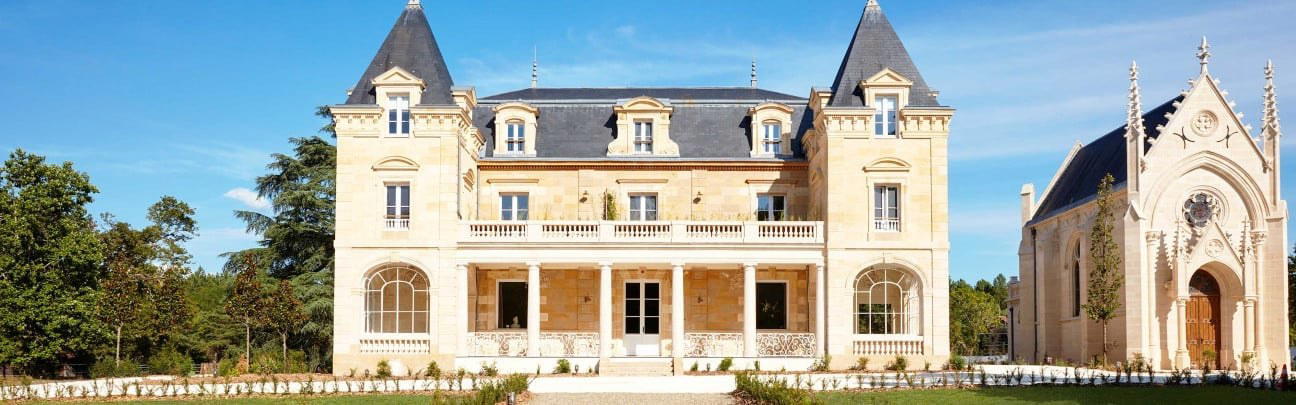
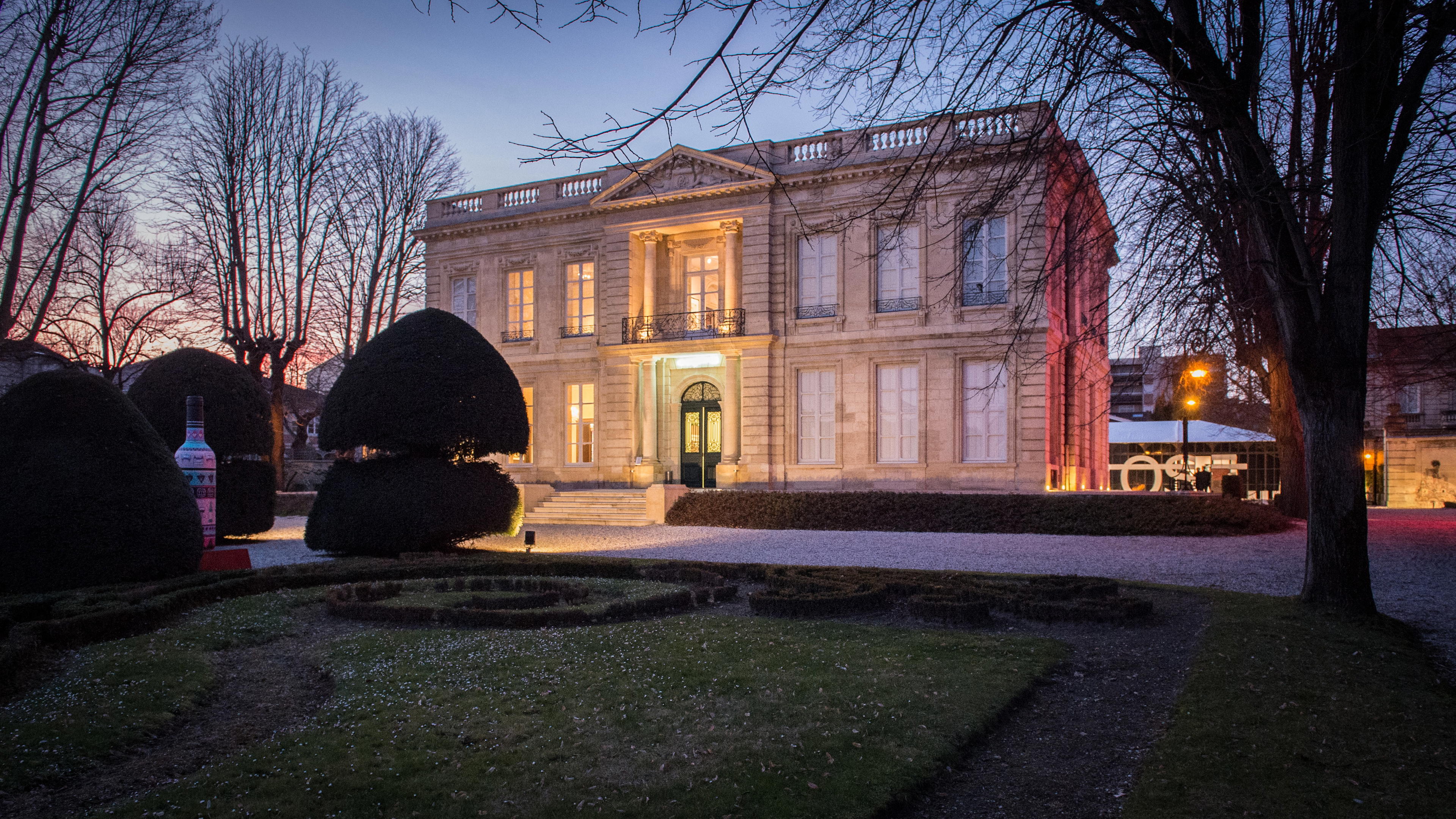
Rouge sits within Les Sources de Caudalie at Château Smith Haut-Lafitte, where the vine-to-table premise is architectural rather than decorative. The restaurant draws directly from the estate's working vineyard and surrounding Graves terroir, placing sourcing at the center of a menu that reads as an argument for place. For the Bordeaux wine country traveler, it is the property's most accessible dining register.
Pearl is the En Primeur Club membership app — saves, bookings, and concierge access live there. Same editors, same standards.
- Address
- Smith Haut-Lafitte, 33650 Martillac, France
- Phone
- +33557838383
- Website
- sources-hotels.com
- Directions
- Get directions
 Saves & bookings on Pearl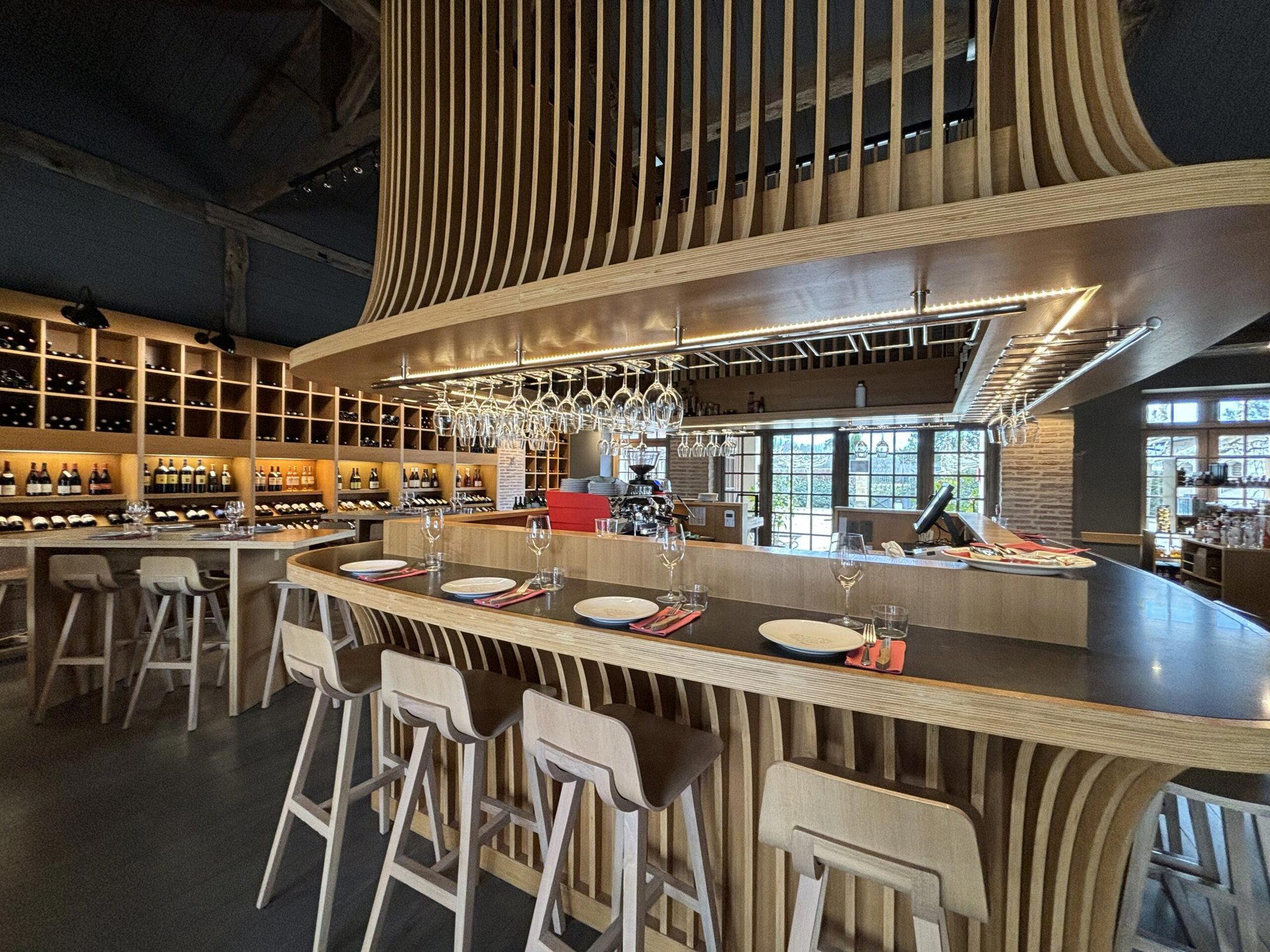
Where the Vineyard Begins the Menu
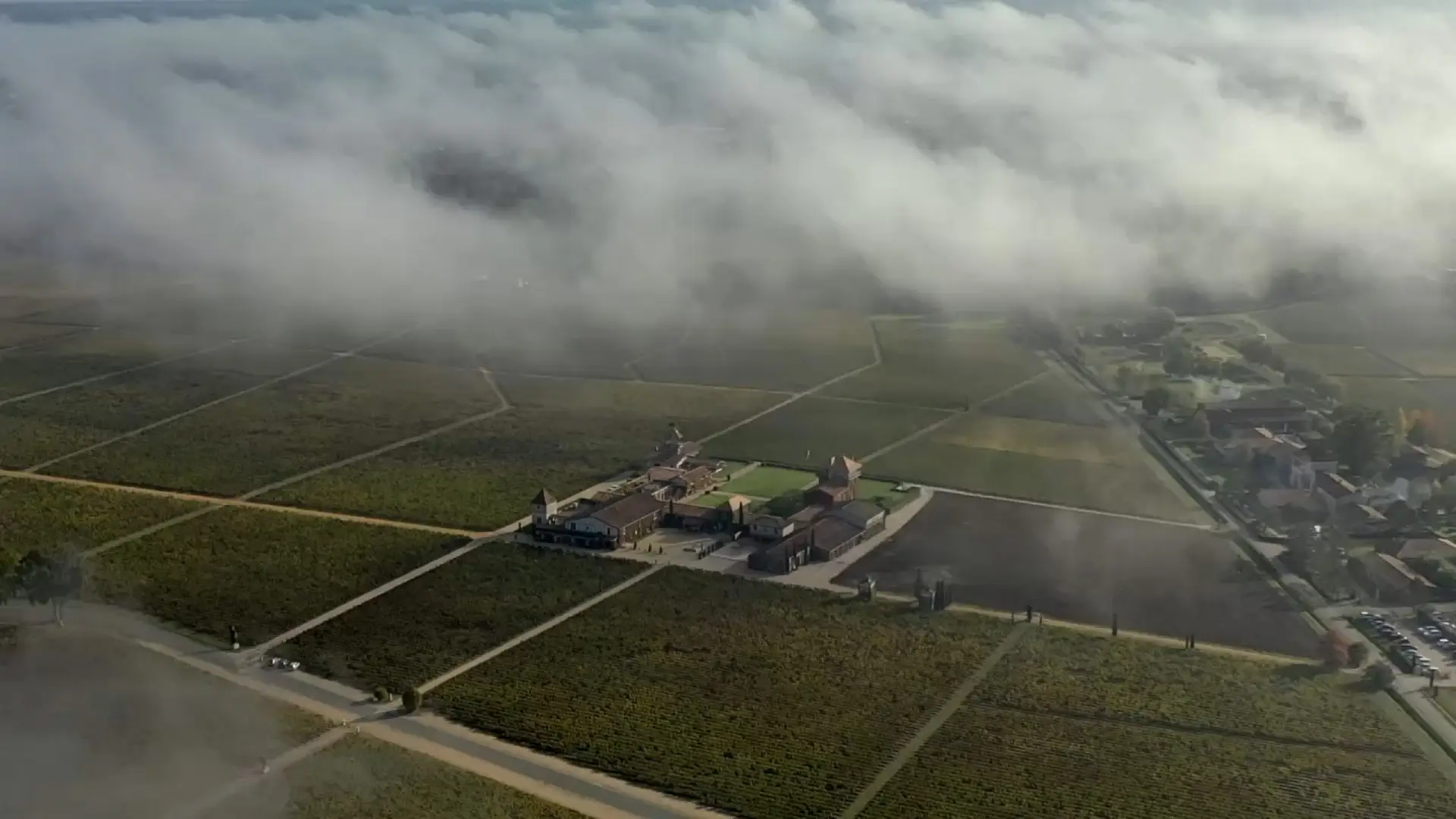
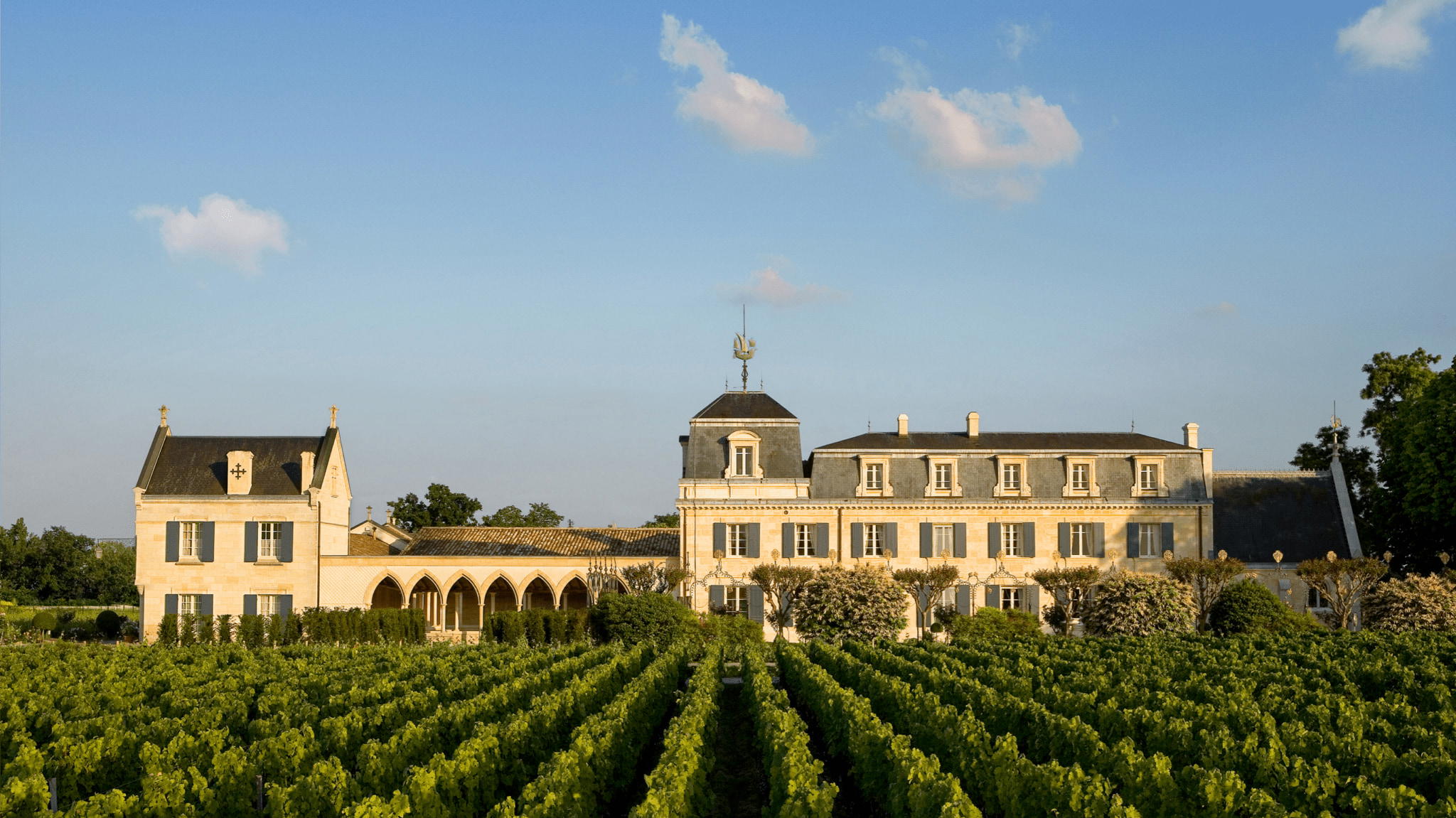
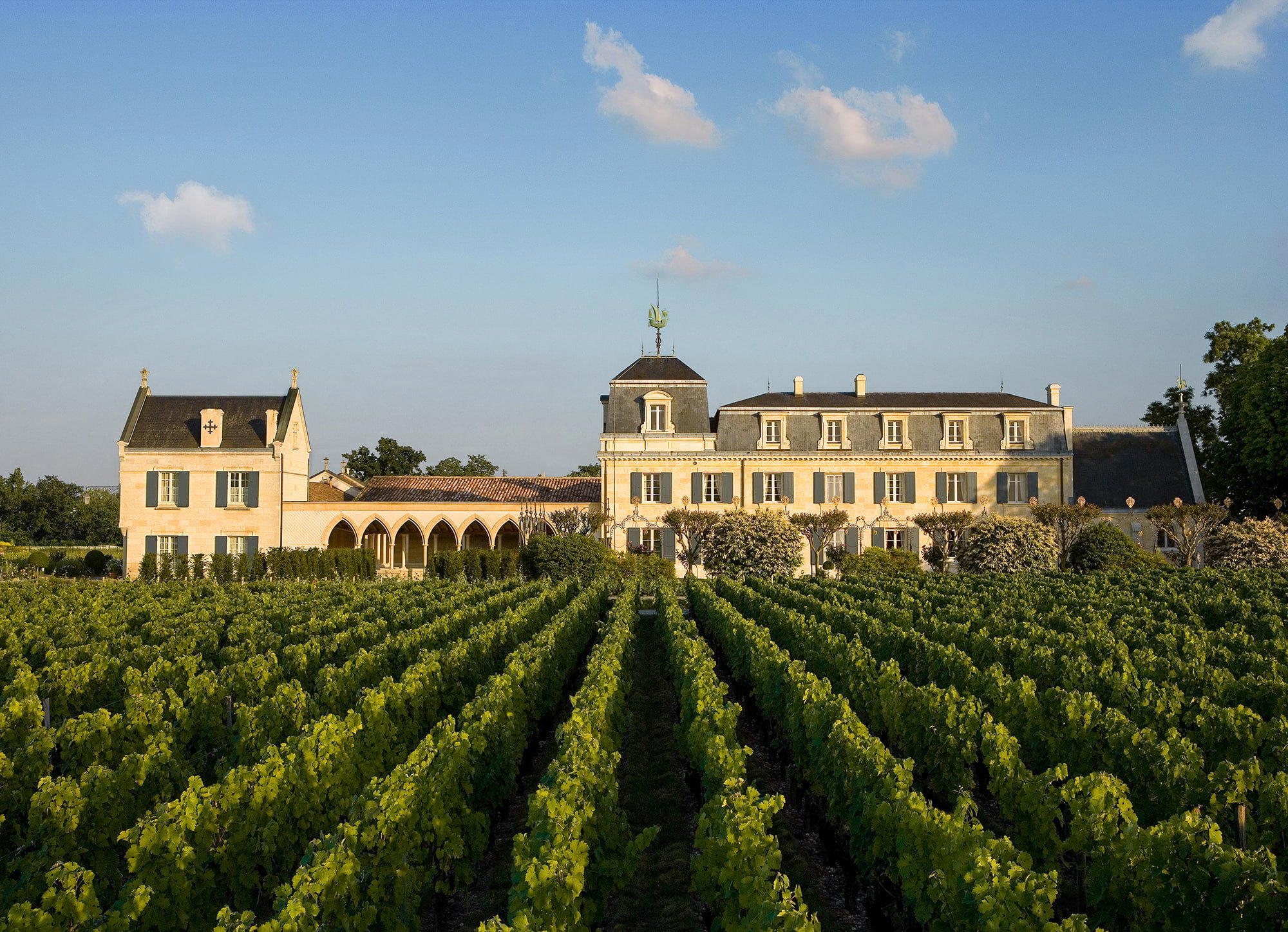
Arrive at Les Sources de Caudalie by the long estate road through Smith Haut-Lafitte and the agriculture is impossible to ignore. The vines run close to the buildings. The chai, the winery, and the hotel occupy the same continuous ground, and the logic of the property carries through to Rouge: this is a restaurant whose sourcing argument is physical, not rhetorical. The Graves appellation has given Bordeaux some of its most mineral-driven reds and whites for centuries, and the land surrounding the estate is the starting point for what reaches the plate.
Rouge sits within the broader dining architecture of Les Sources de Caudalie, a property that has built a clear hierarchy across its table formats. At the formal end, La Grand'Vigne handles the tasting-menu register with the kind of precision that attracts Michelin attention. At the convivial end, La Table du Lavoir operates in a looser, traditional-cuisine mode beside the thermal springs. Rouge occupies the middle: more composed than Lavoir, less ceremonial than Grand'Vigne, and calibrated for guests who want the estate's ingredient story without the full tasting-menu commitment.
Sourcing as Architecture
The vine-to-table proposition in Bordeaux wine country is not a marketing convenience, it reflects a genuine geography of production. The Graves terroir, with its gravel-dominant soils and proximity to the Garonne, shapes flavor across everything grown in proximity: the wine, the herbs, the vegetables. Restaurants anchored to estate properties like this one have a sourcing radius that a standalone urban restaurant cannot replicate. The raw material is literally underfoot.
Consider how differently this functions from, say, Mirazur in Menton, which built its identity around a clifftop kitchen garden delivering produce to a three-Michelin-star tasting counter, or Bras in Laguiole, where the Aubrac plateau's flora has defined the menu's ingredient logic for decades. In each case, the sourcing geography is the editorial premise of the menu. Rouge follows the same logic within the particular conditions of a working Bordeaux estate where wine production shapes the setting.
The broader French fine-dining tradition has wrestled with this relationship for a long time. Properties like Georges Blanc in Vonnas and Auberge de l'Ill in Illhaeusern built multi-generational reputations on the premise that great dining is inseparable from its agricultural and regional surround. The Bordeaux version of this is shaped by wine first, food second, which gives Rouge an interesting constraint: the menu has to earn its position alongside one of the world's most recognized appellations without being overshadowed by it.
Reading the Property's Dining Register
Understanding Rouge requires understanding how Les Sources de Caudalie positions its restaurants against each other. Multi-restaurant hotel properties in France have developed a recognizable playbook: one formal anchor with the highest culinary ambition, one casual format for daily use, and sometimes a middle tier for guests who want quality without the theater of a full tasting progression. Flocons de Sel in Megève manages a similar pyramid, where the main restaurant anchors the fine-dining aspiration while the property's other formats serve different occasions. At Troisgros in Ouches, the approach is different, a single format with maximum concentration, but the underlying question is the same: how does a kitchen serve different kinds of guests without diluting the core identity?
Rouge answers that question through focus on the estate's own ingredient logic. Where Grand'Vigne may apply more technique and formality to similar raw material, Rouge is the format where the sourcing story is most legible on its own terms, less mediated by elaborate preparation. That makes it a natural entry point for a first visit to the property, and the format that explains what Les Sources de Caudalie is about at ground level.
Bordeaux as Dining Destination
Martillac sits roughly ten kilometres south of Bordeaux, within easy reach of the city but far enough that the estate setting is genuinely rural. Visitors to this part of the Gironde are almost always oriented around wine first, and the concentration of classified growths in Pessac-Léognan means the dining options within that radius tend to be estate-anchored. This is a different dining circuit from urban Bordeaux, where standalone restaurants set the terms. Here, the chateaux set them.
That context matters when benchmarking against the broader French restaurant scene. The formal comparison set in France runs through properties like Alléno Paris au Pavillon Ledoyen, Assiette Champenoise in Reims, Christopher Coutanceau in La Rochelle, and Auberge du Vieux Puits in Fontjoncouse. Each of those operates with a singular kitchen identity and a standalone dining destination logic. Rouge's context is different: it is part of a hospitality ecosystem, and it functions best when understood that way. Guests staying on the property have the clearest access to what Rouge does well. Day visitors from Bordeaux are also making a viable choice, particularly if the visit is structured around a wine tasting at Smith Haut-Lafitte before or after the meal.
For those extending their French dining circuit further, AM par Alexandre Mazzia in Marseille, Au Crocodile in Strasbourg, and Paul Bocuse in Collonges-au-Mont-d'Or each represent different regional expressions of the same underlying tradition. Outside France, Le Bernardin in New York and Atomix in New York show how European fine-dining frameworks translate across the Atlantic.
Planning a Visit
Guests staying at Les Sources de Caudalie have natural access to Rouge as part of their stay, and booking is recommended. Day visitors can also reserve directly. The restaurant is open daily from 10 AM to 10 PM. Getting to Martillac from central Bordeaux takes around twenty minutes by car; public transport options to the estate are limited, making a car or taxi arrangement the practical choice for most visitors.
At-a-Glance Comparison
Comparable venues nearby, for context on price, style, and recognition.
| Venue | Cuisine | Price | Awards | Notes |
|---|---|---|---|---|
| Rouge - Les Sources de CaudalieThis venue — the venue you are viewing | French Wine Bar Tapas | $$$ | Not listed | Not listed |
| La Table du Lavoir - Les Sources de Caudalie | Traditional French Bistro | $$ | Michelin Plate | Martillac |
| La Grand'Vigne - Les Sources de Caudalie | Modern French Gastronomique | $$$$ | Michelin 2 Star | Martillac |
| Maison Blanche | Modern French Fine Dining | $$$ | Not listed | 8th arrondissement |
| Le Manège | French Seasonal Fine Dining | $$$ | Not listed | Leognan |
| Restaurant Son' | Modern French Fusion | $$$ | Not listed | Centre ville |
Continue exploring
More in Martillac
Restaurants in Martillac
Browse all →
Bars in Martillac
Browse all →
Hotels in Martillac
Browse all →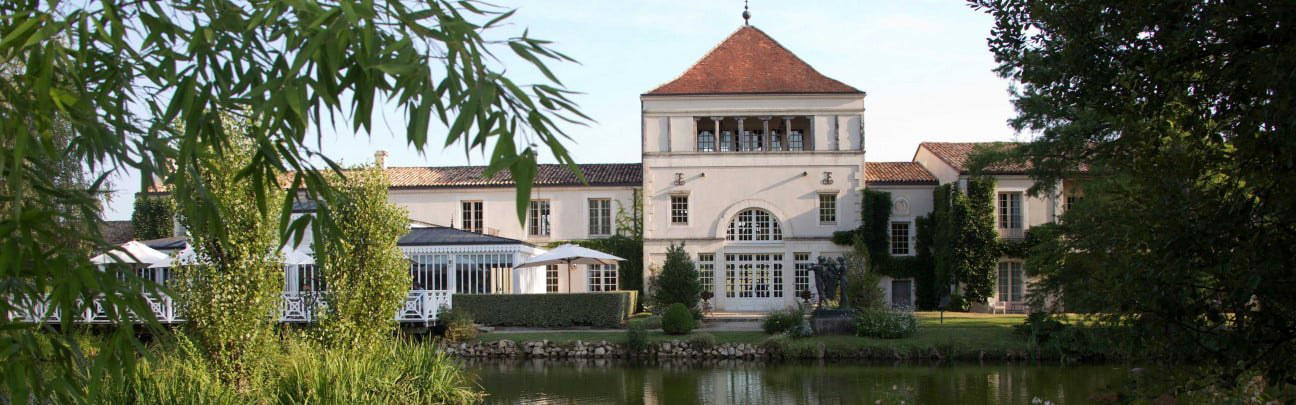
At a Glance
- Cozy
- Elegant
- Sophisticated
- Casual Hangout
- Date Night
- Wine Cellar
- Terrace
- Hotel Restaurant
- Extensive Wine List
- Sommelier Led
- Local Sourcing
- Vineyard
- Garden
Current opening hours
- Monday
- 10 AM–10 PM
- Tuesday
- 10 AM–10 PM
- Wednesday
- 10 AM–10 PM
- Thursday
- 10 AM–10 PM
- Friday
- 10 AM–10 PM
- Saturday
- 10 AM–10 PM
- Sunday
- 10 AM–10 PM
Hours can change for holidays and private events. Last verified .
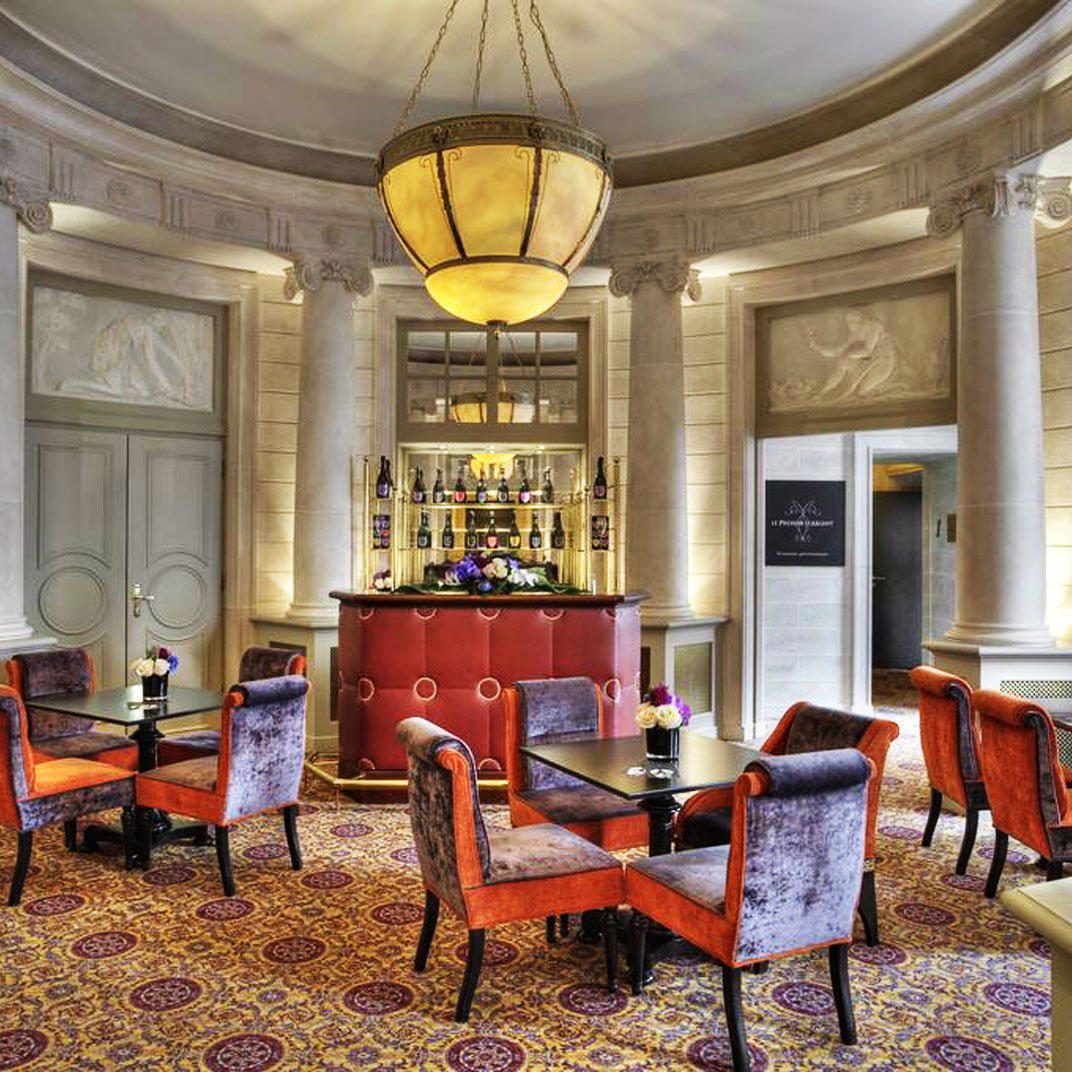
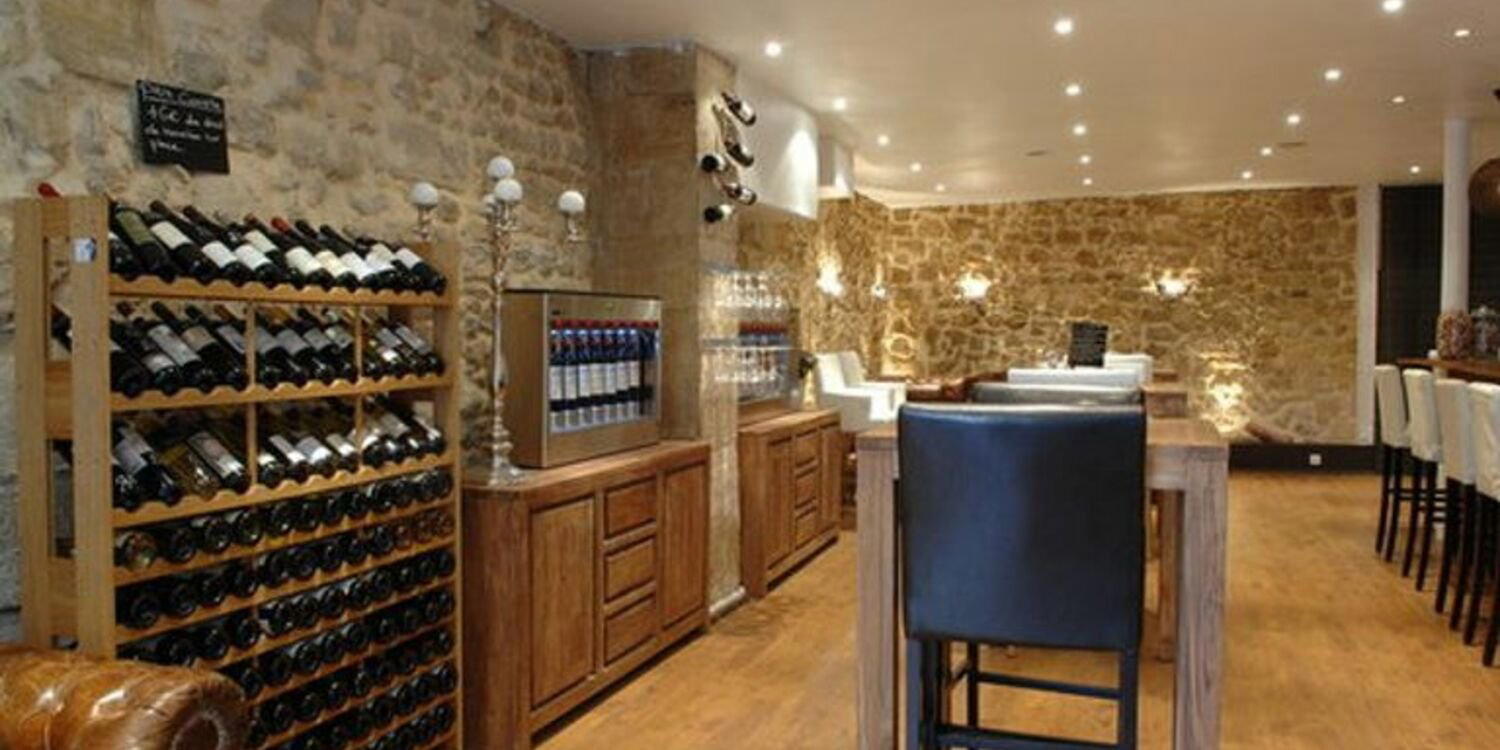
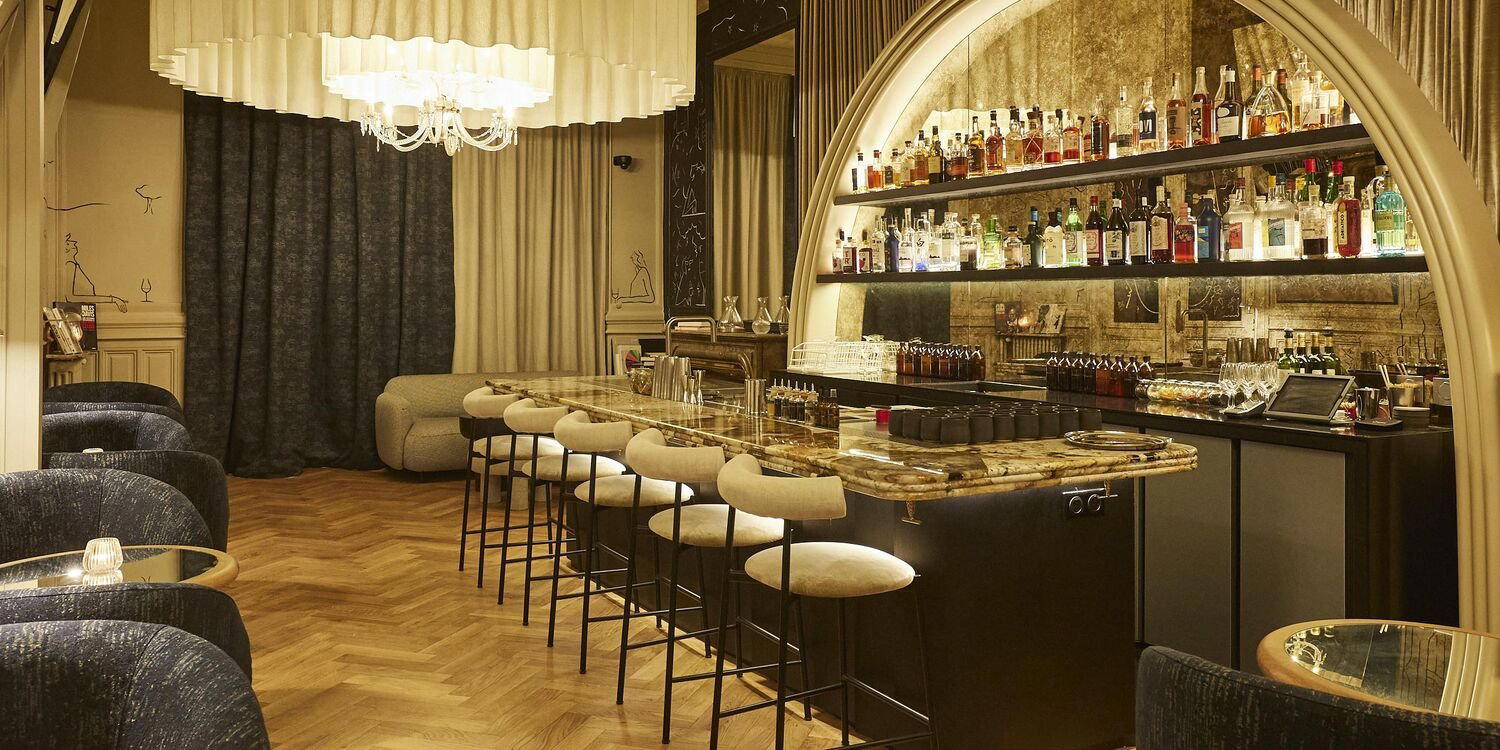
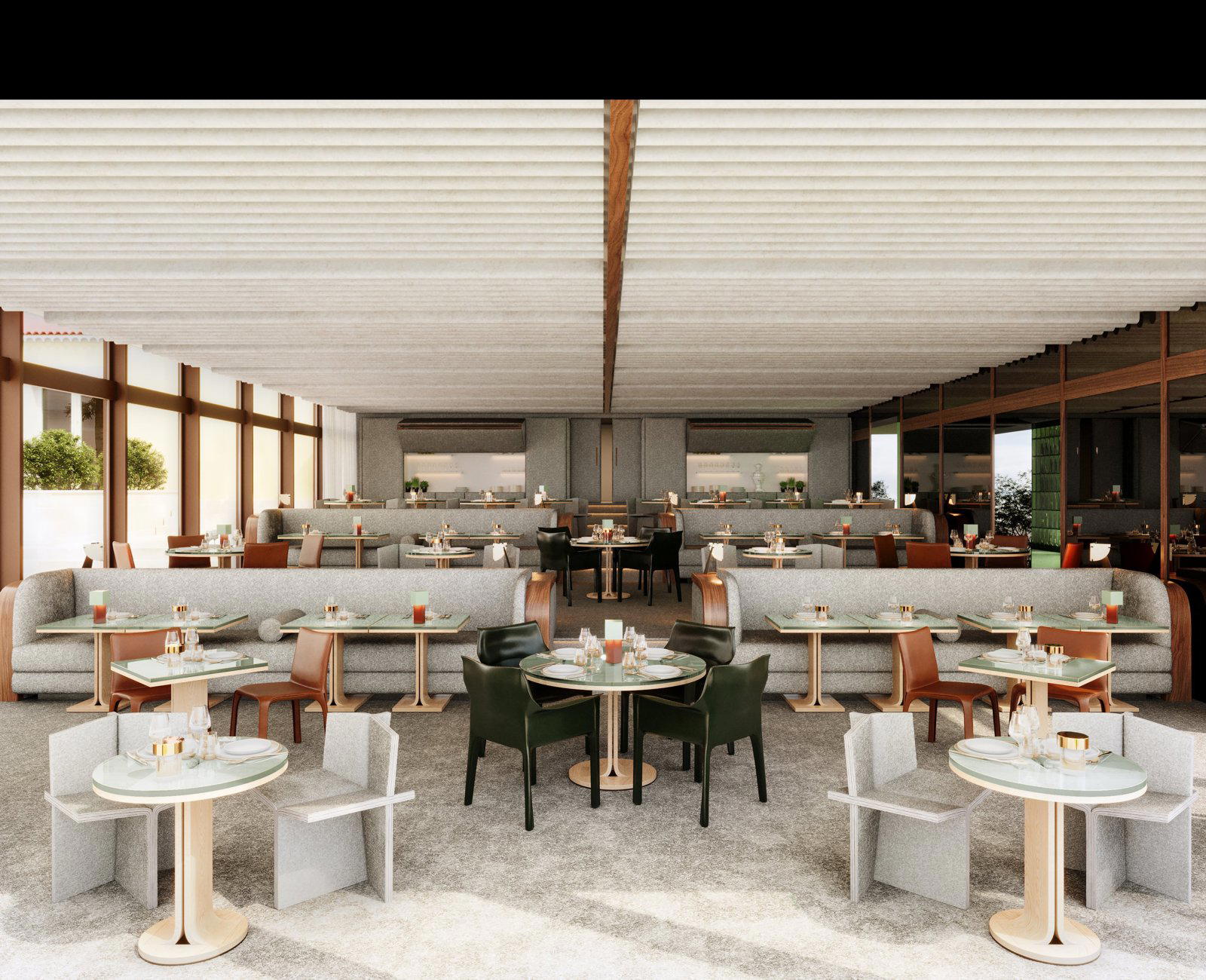
Cozy fauteuils and bar counter with contemporary sophistication, period charm, and a terrace by the fountain in summer.