Our verdict
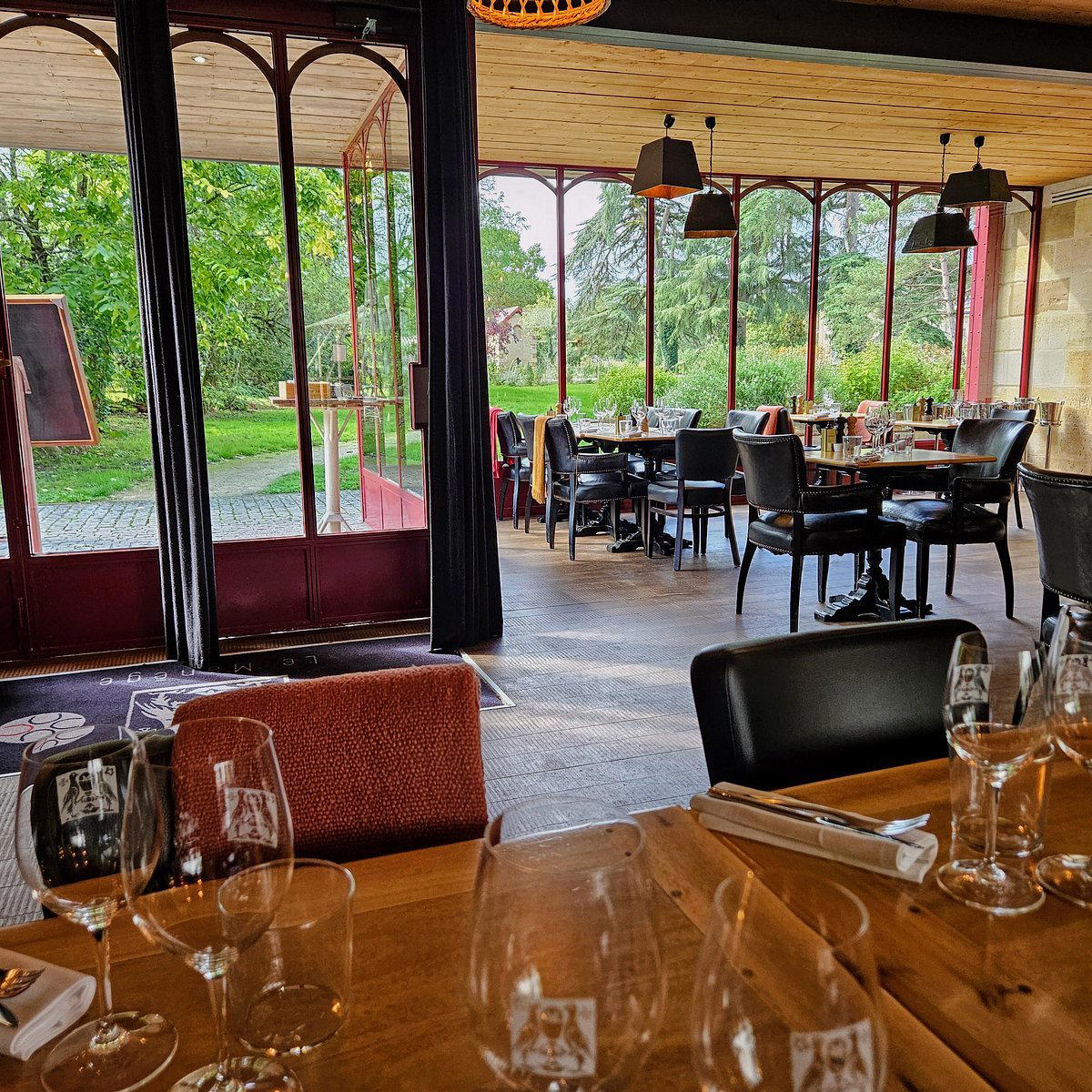
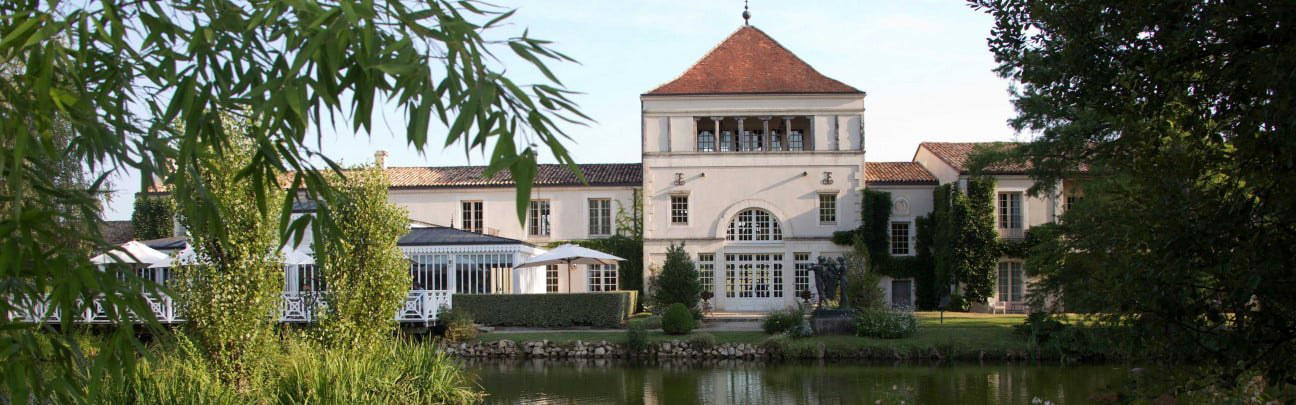
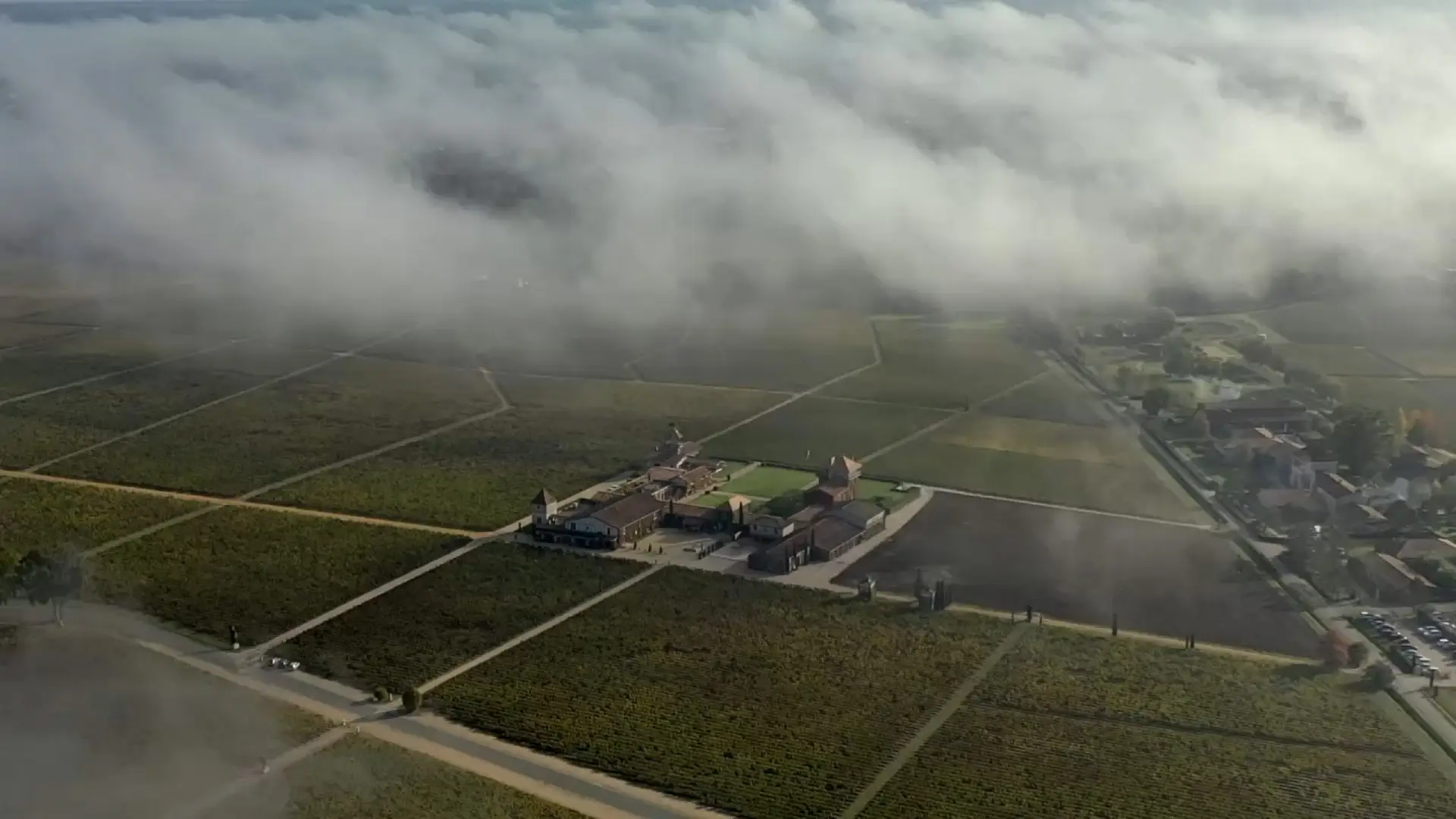
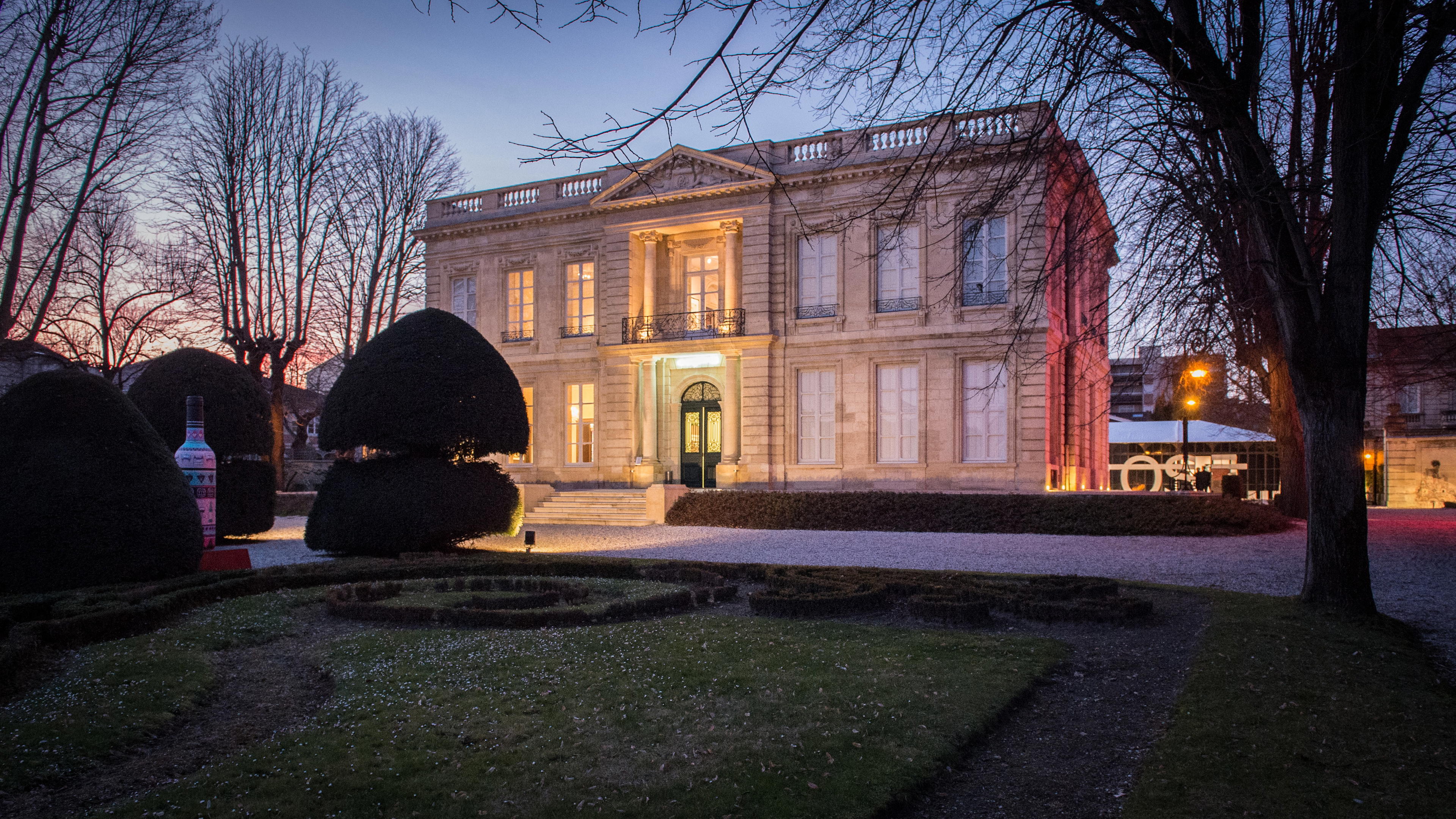
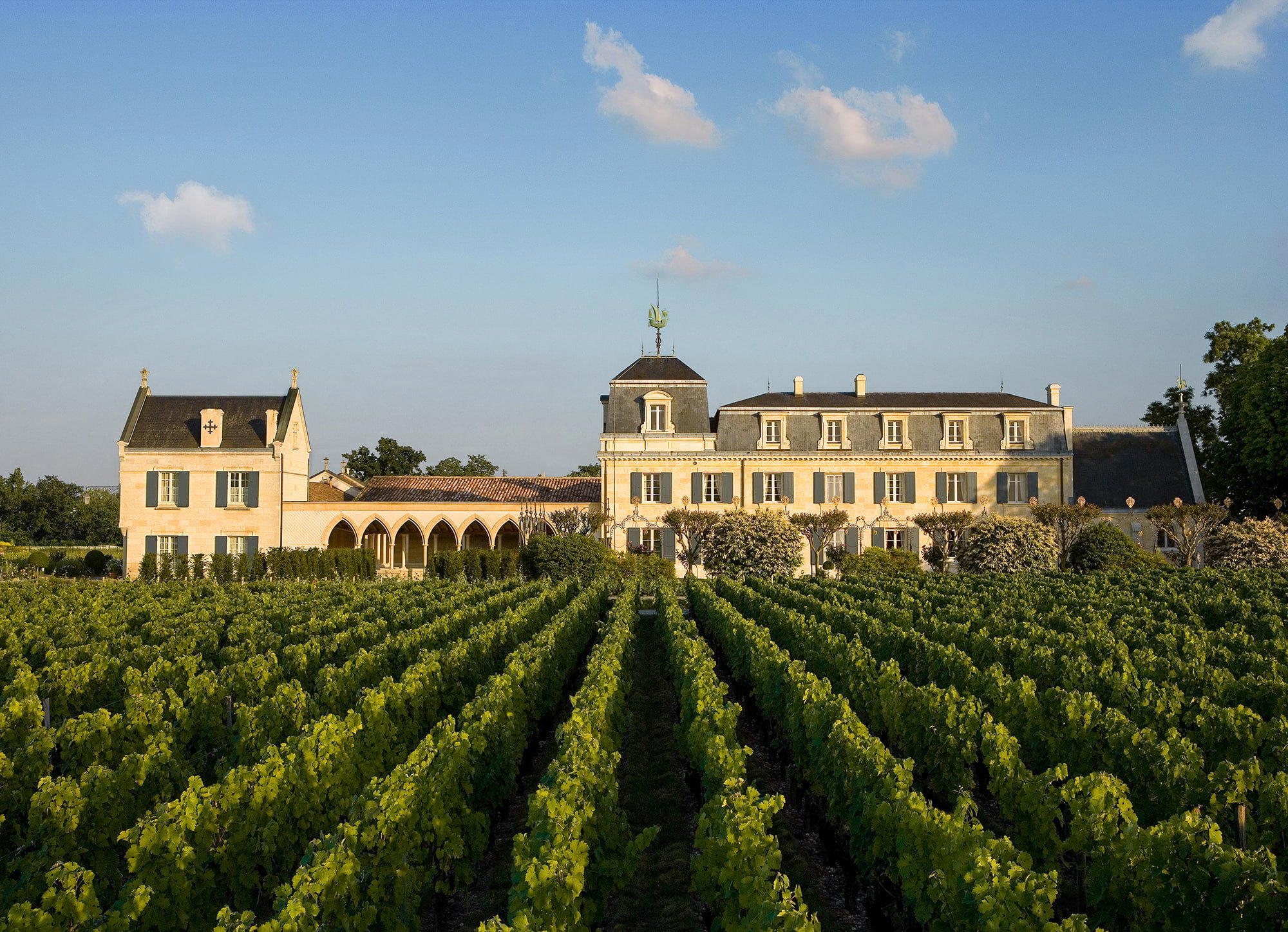
Le Manège at Château Léognan pairs French seasonal fine dining with a sommelier-led wine list, formal service, and garden-and-vineyard views for a leisurely lunch or dinner.

Pearl is the En Primeur Club membership app — saves, bookings, and concierge access live there. Same editors, same standards.
- Address
- 88 Chem. du Barp, 33850 Léognan, France
- Phone
- +33557671384
- Hours
- Daily 12–1:30 PM, 6–9:30 PM
- Website
- chateau-leognan.com
- Directions
- Get directions
- Booking
- Book on Zenchef
The menu
What to order
- Gravlax
- Foie gras
- Tuna carpaccio
- Veal with gnocchi
- Fresh fish with chorizo and peppers
Where the Graves Vineyards Meet the Table
The southern reaches of Léognan sit in a part of Bordeaux that most visitors pass through rather than pause in. The town anchors the northern end of the Pessac-Léognan appellation, where the gravel soils that give the Graves its name stretch beneath pine forest and chateau gates. Dining here does not follow the logic of a city restaurant district. The addresses are spread, the settings agricultural, and the connection between what grows nearby and what arrives on the plate tends to be more direct than anything you would find in Bordeaux's urban centre, twenty kilometres north. Le Manège, at 88 Chemin du Barp, occupies that rural register, a place where the physical surroundings set an expectation of produce-driven cooking before you have read a single line of the menu.
The Sourcing Logic of the Gironde
Southwest France has one of the most coherent ingredient geographies in the country. The Gironde estuary delivers sturgeon and lamprey that have defined Bordelaise cooking for centuries. The forests around Léognan and the Landes département to the south produce cèpes that appear on restaurant menus across the region from late summer through autumn. Duck and foie gras from the Périgord and the Landes sit within easy supply distance. Oysters from the Arcachon Basin, roughly forty kilometres southwest, are among the most referenced in France, their mineral-forward profile shaped by the specific tidal conditions of that shallow bay. A kitchen in Léognan drawing on these sources is not performing a localism narrative; it is simply using what is close, plentiful, and tied to a defined culinary tradition.
That tradition matters when assessing any table in this part of the Gironde. The reference points for high-end French regional cooking extend well beyond Bordeaux: Mirazur in Menton built its identity around the produce corridor between the sea and the Ligurian hills, while Bras in Laguiole made the Aubrac plateau's own herbs and grasses the explicit subject of its cooking. Sourcing geography, in other words, is one of the organising principles of serious French regional cuisine, and Léognan's position inside a dense triangle of premium Aquitaine produce gives any attentive kitchen here a strong working argument.
Approaching the Address
Chemin du Barp is the kind of road that suburban GPS systems tend to understate. The approach to Le Manège runs through what is recognisably wine country on its western side and pine plantation on its eastern, the landscape thinning as you move south from the town centre. The name itself, manège in French referring to a riding arena or training ground, suggests the equestrian heritage that sits alongside viticulture as a defining feature of this part of the Gironde. Properties in this band of Léognan tend to be set back from the road, with gates and gravel drives that signal a different pace to urban dining. Arriving here in the early evening, as the light drops through pine canopy, establishes a particular mood before the meal begins — quieter, more deliberate, more attentive to what the surrounding land produces.
For visitors planning the drive from Bordeaux, the journey runs south via the A630 and then through the commune roads that connect Pessac and Léognan. The surrounding area includes several of the appellation's classified estates, meaning that a dinner at a table like Le Manège can anchor a day that begins with a cellar visit at one of the area's wine properties and ends at the table. That kind of programme — wine estate in the afternoon, dinner in the commune in the evening, is how this part of Bordeaux rewards unhurried visitors rather than day-trippers moving between major landmarks.
The Broader Léognan Table
French provincial fine dining exists in an interesting competitive position relative to the capital and the major gastronomic cities. Houses like Auberge de l'Ill in Illhaeusern, Georges Blanc in Vonnas, and Paul Bocuse - L'Auberge du Pont de Collonges in Collonges-au-Mont-d'Or have demonstrated over decades that provincial addresses can carry sustained international recognition without relocating to a metropolitan setting. The southwest adds its own layer of complexity, because the region's wine identity is so strong that food has sometimes played a secondary role in how visitors construct their itineraries. Tables that take their sourcing seriously in and around Léognan are working within a context where the wine will always be part of the conversation, which creates both an expectation and an opportunity for the kitchen.
Other parts of France have navigated this dynamic effectively. Christopher Coutanceau in La Rochelle built a high-recognition programme around Atlantic seafood without competing with Paris on metropolitan terms. Auberge du Vieux Puits in Fontjoncouse achieved three Michelin stars in a village with fewer than two hundred inhabitants, with produce-first cooking as its entire rationale. The argument those addresses make, that proximity to specific ingredients and a defined regional tradition can substitute entirely for urban prestige, is the argument that a serious Léognan table would need to make as well. Paris addresses like Alléno Paris au Pavillon Ledoyen and Assiette Champenoise in Reims operate in a different register entirely, competing on technique, prestige address, and international visibility. Provincial tables, including those in Léognan, compete on something harder to replicate: rootedness.
The Atlantic seaboard connection also links Léognan to a wider set of reference points. La Marine in Noirmoutier-en-l'île made the tidal produce of a single island its entire editorial argument. Kitchens this far south on the Atlantic coast have their own tidal produce argument to make, via Arcachon, via the Gironde estuary, via the rivers that feed into both. For a full picture of dining in the region, our Léognan restaurants guide covers the broader scene across the commune and appellation.
Planning a Visit
Given the rural address and the commune's limited hospitality infrastructure, booking ahead is advisable regardless of format. The surrounding appellation provides a natural planning frame: visits to Pessac-Léognan estates, which generally require appointments, work well as afternoon anchors before an evening dinner booking in the commune. For those arriving from outside Bordeaux, the city's Saint-Jean station is the main rail terminus, with onward road travel the standard approach to reach Léognan itself.
Frequently asked questions
Is Le Manège good for families?
Léognan is a quiet rural commune in the Graves zone south of Bordeaux, and the address on Chemin du Barp sits well away from any town centre. That pace suits adults on an unhurried visit more than families seeking programming or activity. check the venue's official channels to confirm whether the format accommodates younger guests.
What is the atmosphere like at Le Manège?
Chemin du Barp places Le Manège on Léognan's rural fringe, in landscape defined by Pessac-Léognan's classified vineyards and the pine corridors of the Landes. The setting is removed from urban noise and carries the character of wine-country Bordeaux rather than a city dining room. The name itself — Le Manège, meaning a riding school or carousel — suggests a defined sense of place rather than a generic dining house.
Is Le Manège worth visiting if I'm touring the Pessac-Léognan wine estates?
Le Manège sits at 88 Chemin du Barp in Léognan, placing it inside the Pessac-Léognan appellation and within reach of classified estates including Haut-Brion and La Mission Haut-Brion. For visitors already moving through the Graves zone on a wine itinerary, the address requires no significant detour. Confirm current opening hours with the venue before building it into a tasting-day schedule.
What should I eat at Le Manège?
The Gironde estuary geography, a short distance north, has historically supplied restaurants in this part of Bordeaux with sturgeon and lamprey, while the Graves soils support strong produce from the surrounding agricultural zone. Verify the current menu directly with the venue.
Comparable Spots, Quickly
Comparable venues nearby, for context on price, style, and recognition.
| Venue | Cuisine | Price | Awards | Notes |
|---|---|---|---|---|
| Le ManègeThis venue — the venue you are viewing | French Seasonal Fine Dining | $50–100 | Not listed | Not listed |
| Restaurant Son' | Modern French Fusion | $50–100 | Not listed | Centre ville |
| Bienheureux | Modern French Creative | Not listed | Michelin Plate | Wasquehal |
| Saturne | Modern French with Nordic Influences | Not listed | Not listed | 2nd Arrondissement |
| La Table d'Escource | French Bistro | $30–50 | Not listed | Zone Artisanale Cap de Pin |
| L'Originel | Contemporary French Bistro | $50–100 | Not listed | Centre ville |
Continue exploring
More in Léognan
Restaurants in Léognan
Browse all →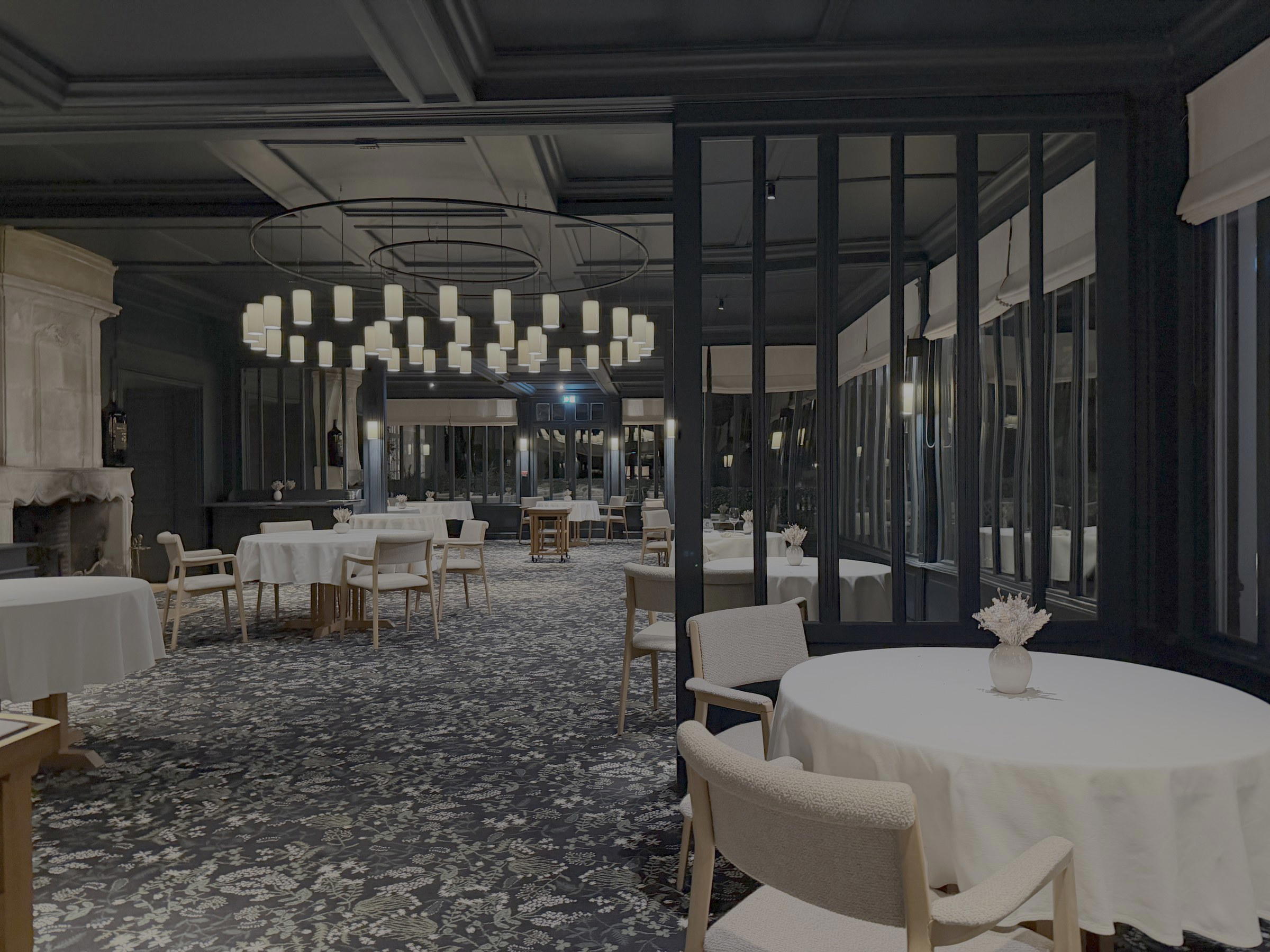
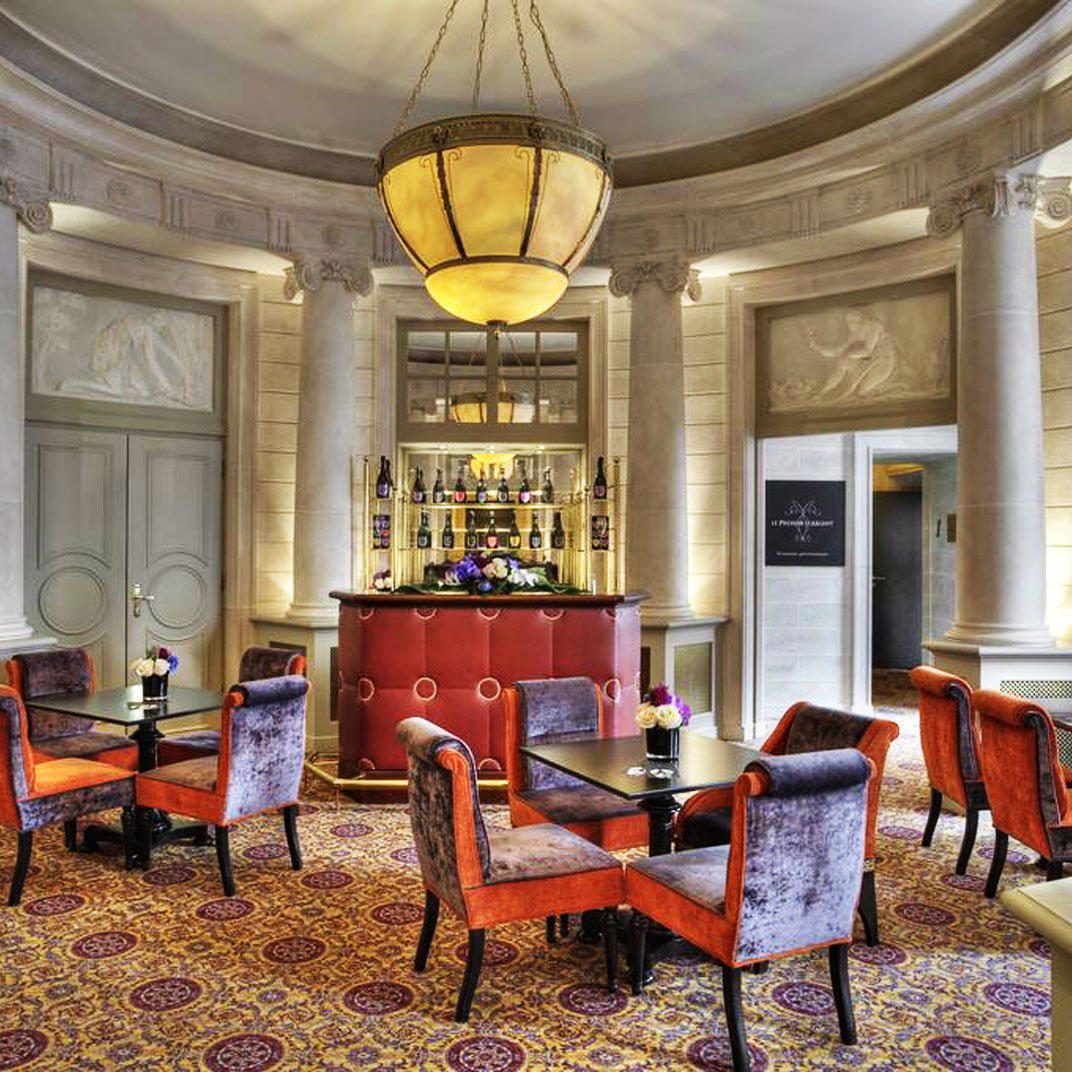
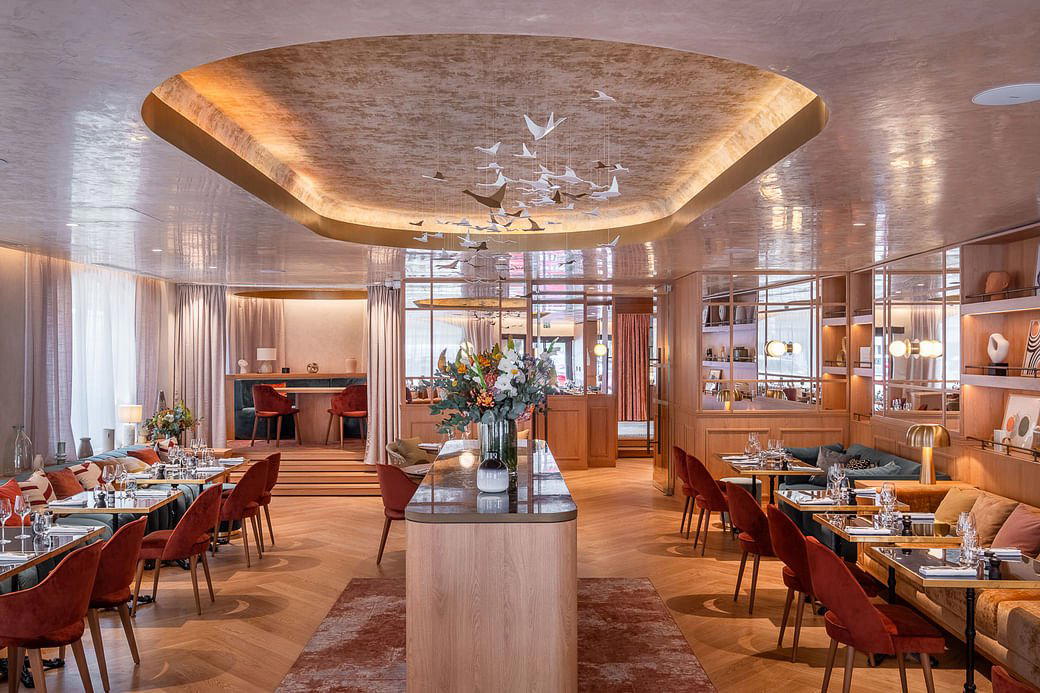
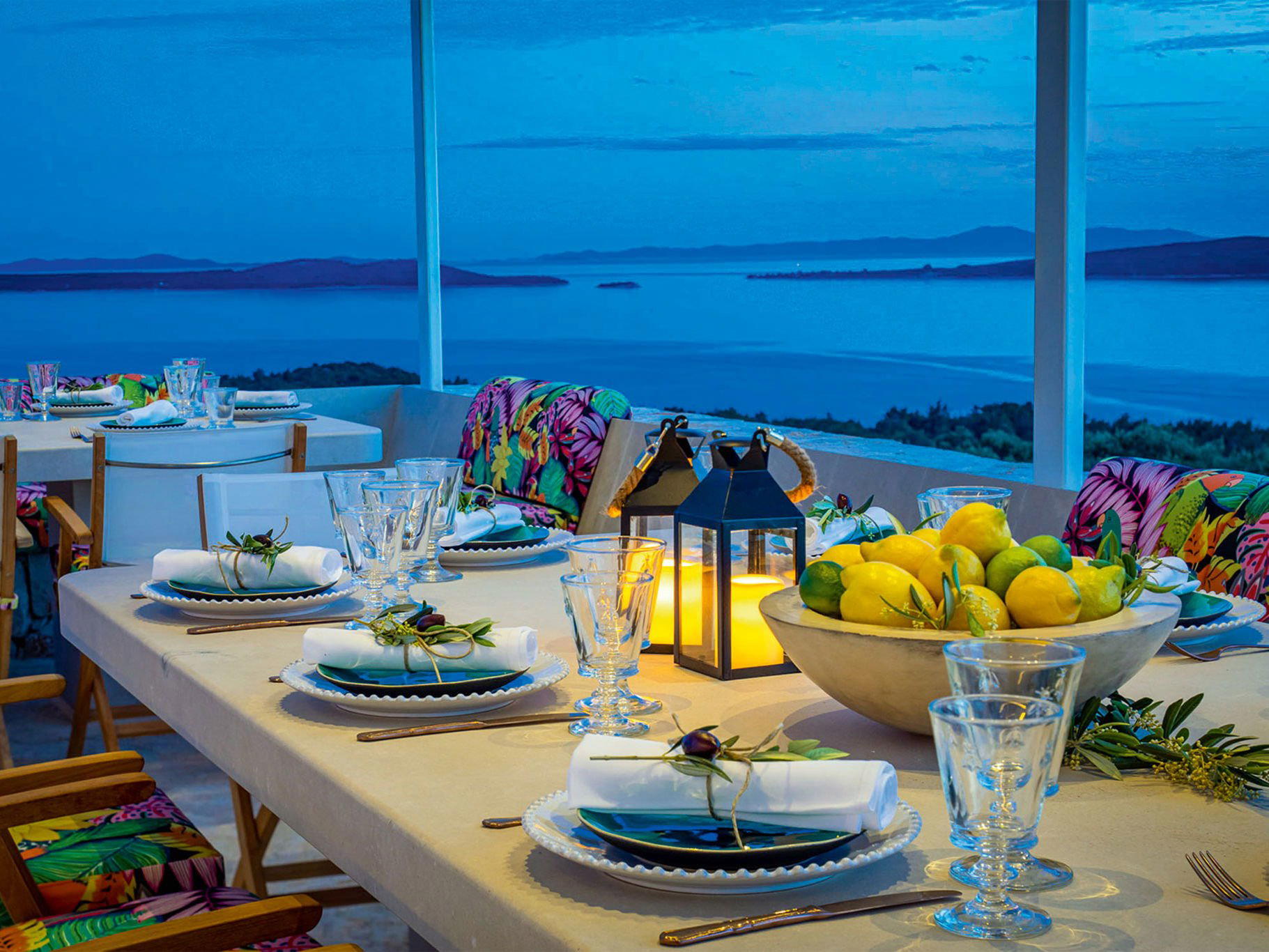
Bars in Léognan
Browse all →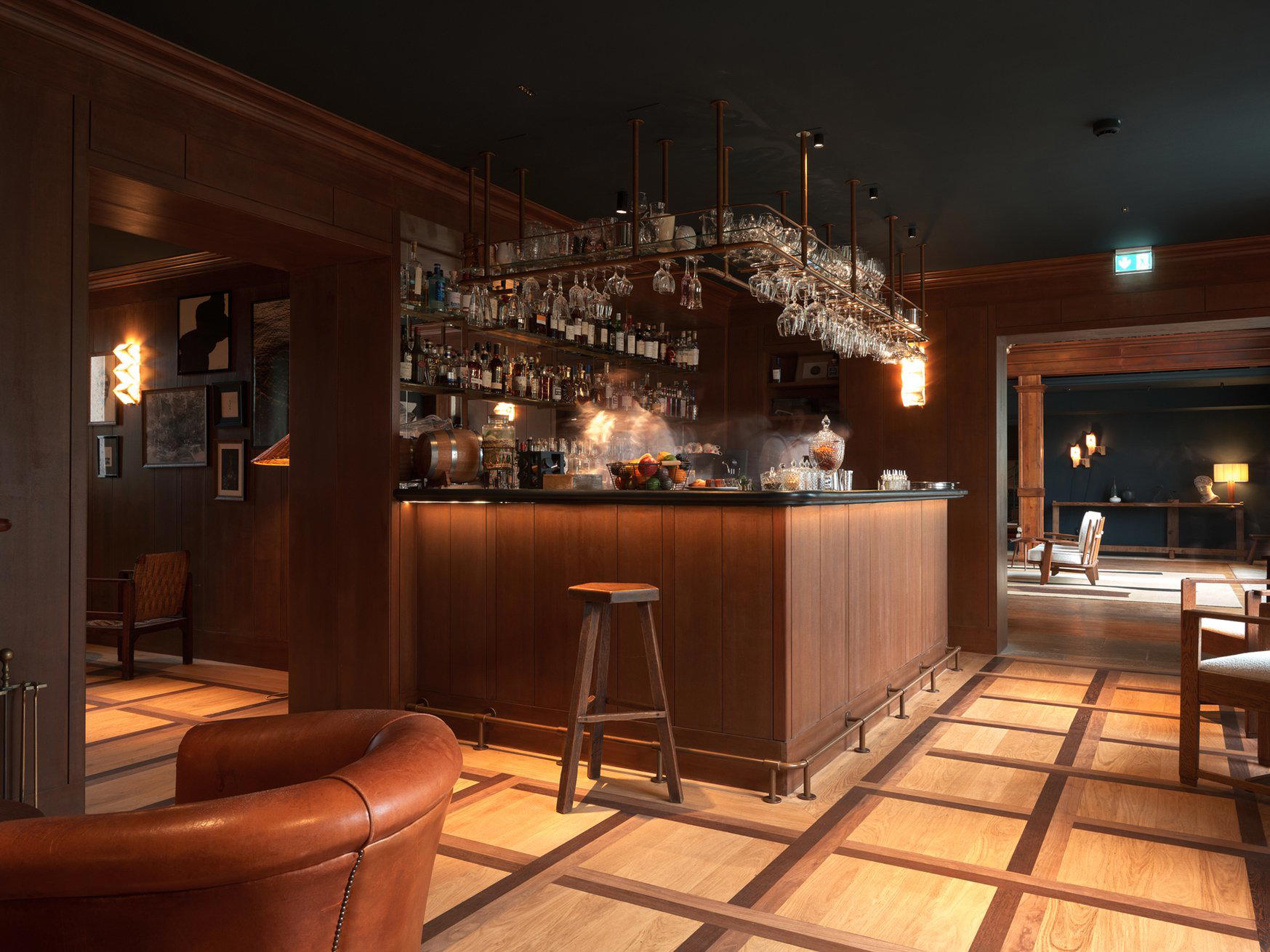
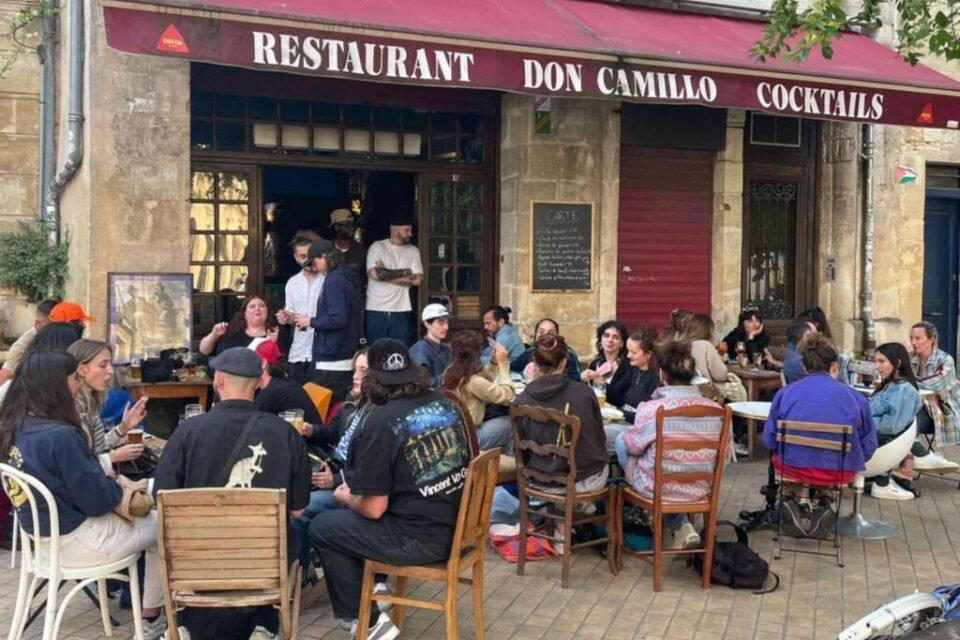
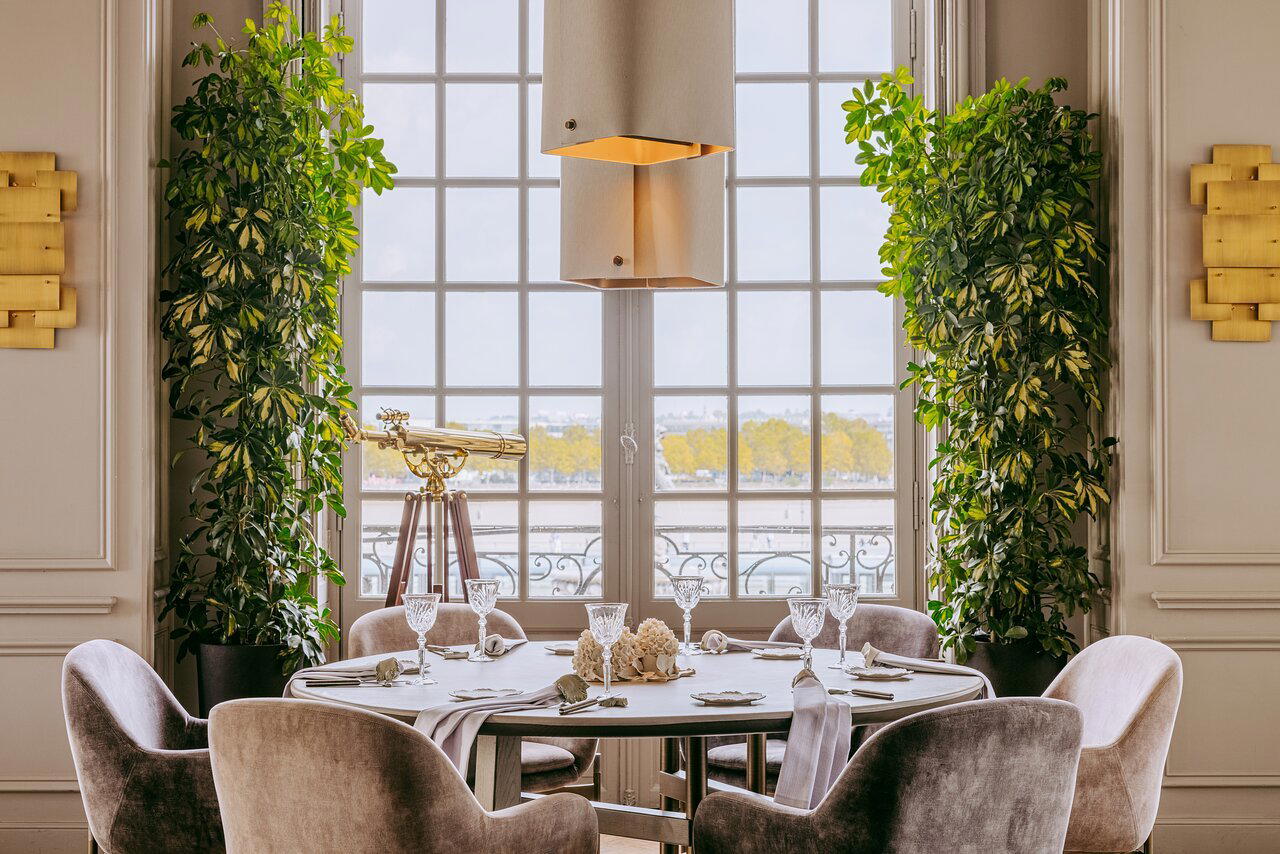
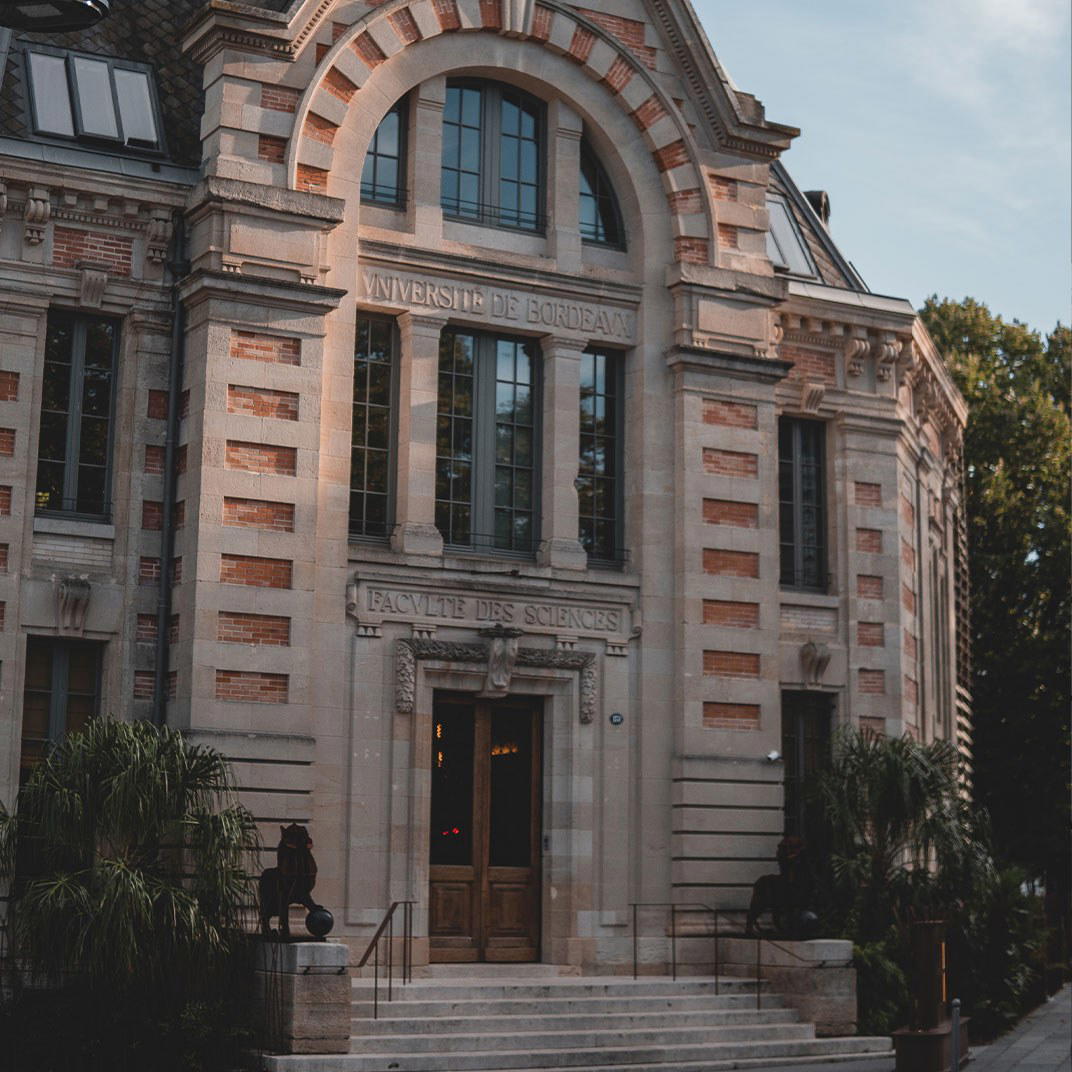
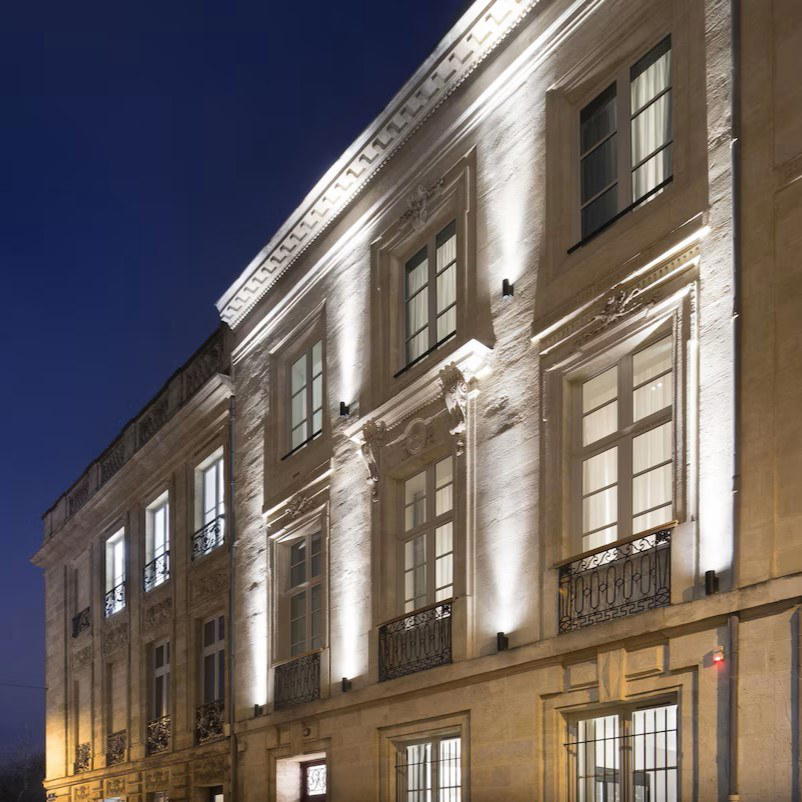
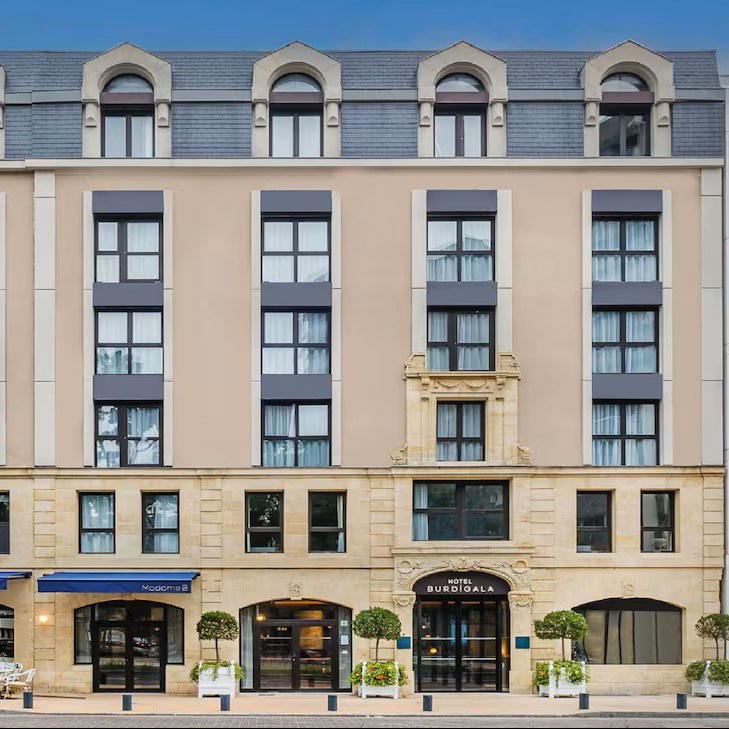
Hotels in Léognan
Browse all →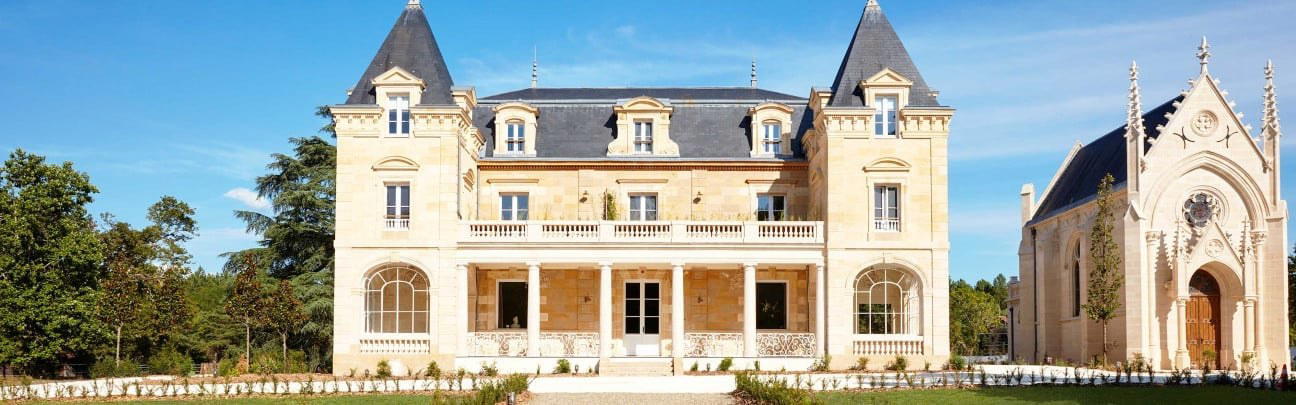
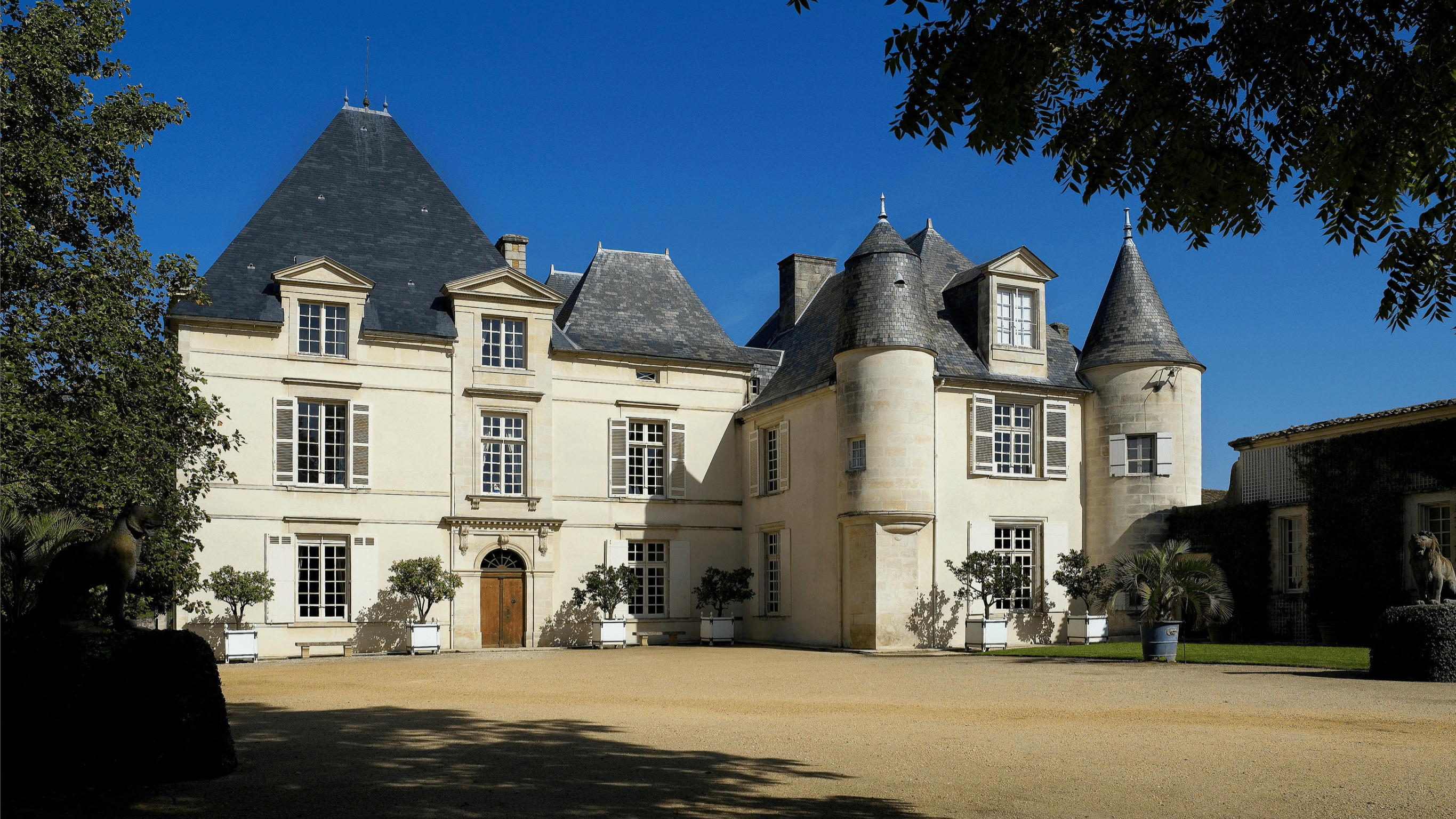
Le Manège
The wine
- Wine program
- Curated wine list
- Extensive wine list
- Sommelier-led
Details
- Romantic
- Scenic
- Elegant
- Quiet
- Date Night
- Business Dinner
- Special Occasion
- Celebration
- Terrace
- Garden
- Wine Cellar
- Standalone
- Extensive Wine List
- Sommelier Led
- Local Sourcing
- Farm To Table
- Garden
- Vineyard
- A La Carte
- Set Menu
- Bordeaux Wines
- House Wine
- Vegetarian Friendly
Current opening hours
- Monday
- 12–1:30 PM, 6–9:30 PM
- Tuesday
- 12–1:30 PM, 6–9:30 PM
- Wednesday
- 12–1:30 PM, 6–9:30 PM
- Thursday
- 12–1:30 PM, 6–9:30 PM
- Friday
- 12–1:30 PM, 6–9:30 PM
- Saturday
- 12–1:30 PM, 6–9:30 PM
- Sunday
- 12–1:30 PM, 6–9:30 PM
Hours can change for holidays and private events. Last verified .
Peaceful and refined setting with natural lighting from the terrace, creating a serene atmosphere conducive to leisurely dining in a verdant countryside environment.