Koi Sushi
Our verdict
Sushi in Balneário Camboriú sits at an interesting intersection: a beach city more associated with Brazilian churrasco and Italian-descended comfort food has quietly developed an appetite for Japanese cuisine. Koi Sushi, located in the Barra Sul neighbourhood on Rua 4500, operates within that emerging local current, bringing raw-fish technique to a coastal dining scene that is growing in range and ambition.

Pearl is the En Primeur Club membership app — saves, bookings, and concierge access live there. Same editors, same standards.
- Address
- R. 4500, 83 - Barra Sul, Balneário Camboriú - SC, 88330-150, Brazil
- Phone
- +554720330081
- Hours
- Mon–Thu 6:30–11:30 PMFri–Sat 6:30 PM–12 AMSun 6:30–11:30 PM
- Website
- koibc.com.br
- Directions
- Get directions
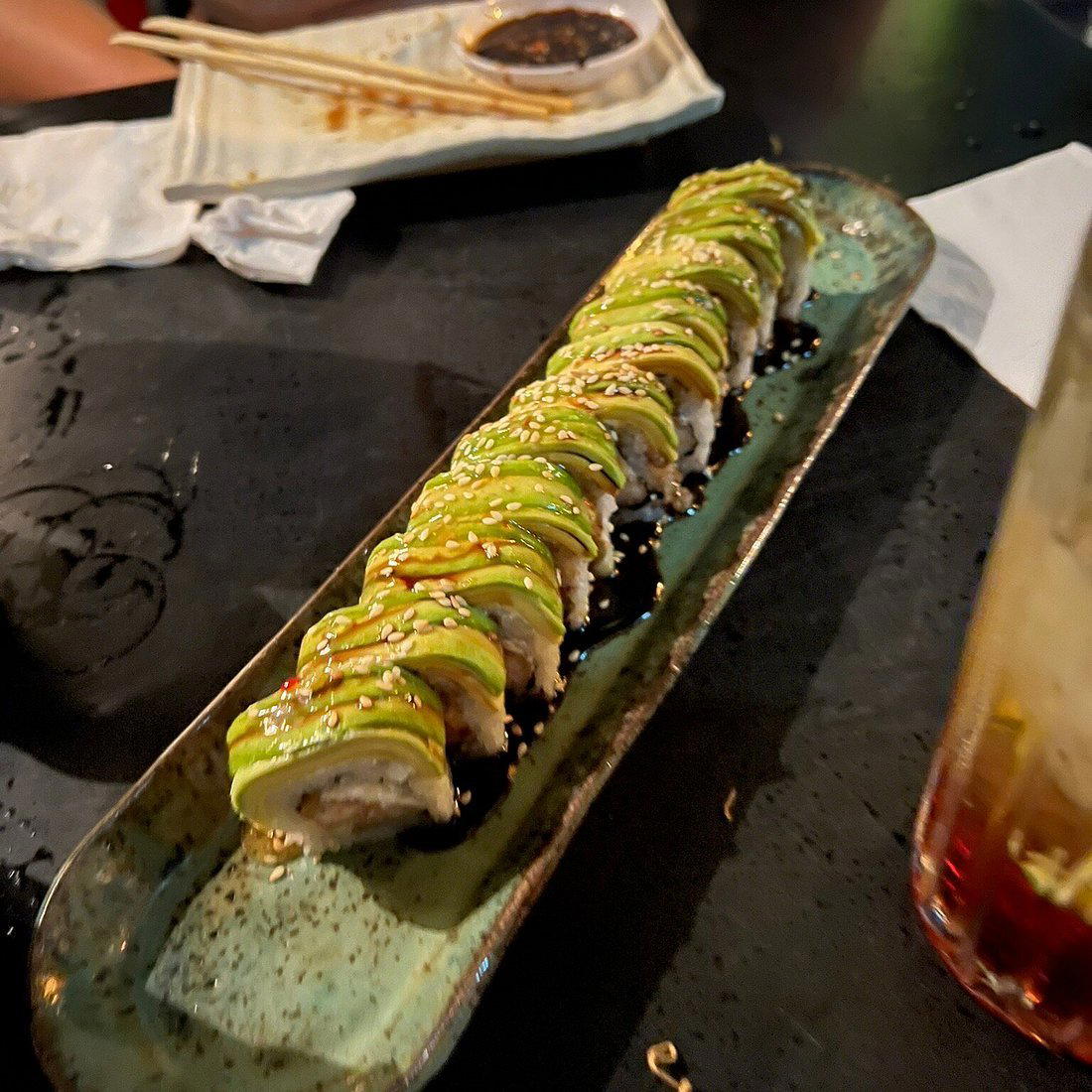
Japanese Cuisine in a Brazilian Beach City
Balneário Camboriú has long been read through a single culinary lens: the steakhouse, the Italian cantina, the seafood shack facing the Atlantic. The city's dining identity has been shaped as much by the descendants of Italian and German immigrants who settled Santa Catarina as by its status as a high-summer resort destination. Against that backdrop, Japanese cuisine occupies a distinct and still-developing position. Sushi, in particular, has found an audience here not as a novelty import but as a reflection of how Brazil's relationship with Japanese food culture has deepened over decades, particularly in the South and Southeast.
Brazil is home to the largest Japanese diaspora outside Japan, a community whose culinary influence now extends far beyond São Paulo's Liberdade neighbourhood. That influence has filtered south into Santa Catarina, and cities like Balneário Camboriú now support Japanese restaurants that speak to a genuinely local appetite rather than tourist curiosity. Koi Sushi, located at Rua 4500, 83 in Barra Sul, sits inside that regional current.
The Barra Sul Address and What It Signals
Barra Sul is the quieter southern end of Balneário Camboriú's developed shoreline, away from the concentrated hotel density of Avenida Atlântica and the commercial intensity of the city centre. Restaurants here tend to serve a neighbourhood clientele as much as a seasonal visitor base, which shapes their format and their staying power. A sushi counter in Barra Sul is positioning itself for repeat custom, not just peak-season footfall.
That kind of positioning matters in a city where the dining calendar compresses dramatically around the December-to-February summer season. Restaurants that operate year-round in Balneário Camboriú are building something more durable than a holiday trade. For the visitor planning a trip outside peak summer, that durability translates to a more considered dining experience, with kitchens not stretched by volume and service that has time to breathe.
What Japanese Technique Means on a Brazilian Coast
The broader context for sushi in Brazil is worth holding in mind. Japanese-Brazilian cuisine, sometimes called nikkei in its hybrid form, has produced some of the most discussed cooking in South America. At the higher end of the market, restaurants like D.O.M. in São Paulo and Lasai in Rio de Janeiro have shown how Brazilian ingredients and technique can intersect with global fine-dining frameworks. Sushi in a city like Balneário Camboriú operates at a different register, but it draws on the same deep current of Japanese culinary tradition that has taken root in Brazilian food culture.
The cold-water Atlantic off Santa Catarina is a different proposition from the Pacific waters that supply Tokyo's Tsukiji-successor markets, but Brazilian coastal cuisine has always worked with what its own waters provide. Local fish species, different textures, different fat profiles — these shape how sushi develops a regional character rather than remaining a facsimile of its Japanese source. A sushi restaurant on the southern Brazilian coast is, in a meaningful sense, an expression of where Japanese technique has landed after decades of adaptation.
Where Koi Sushi Sits in the Local Dining Picture
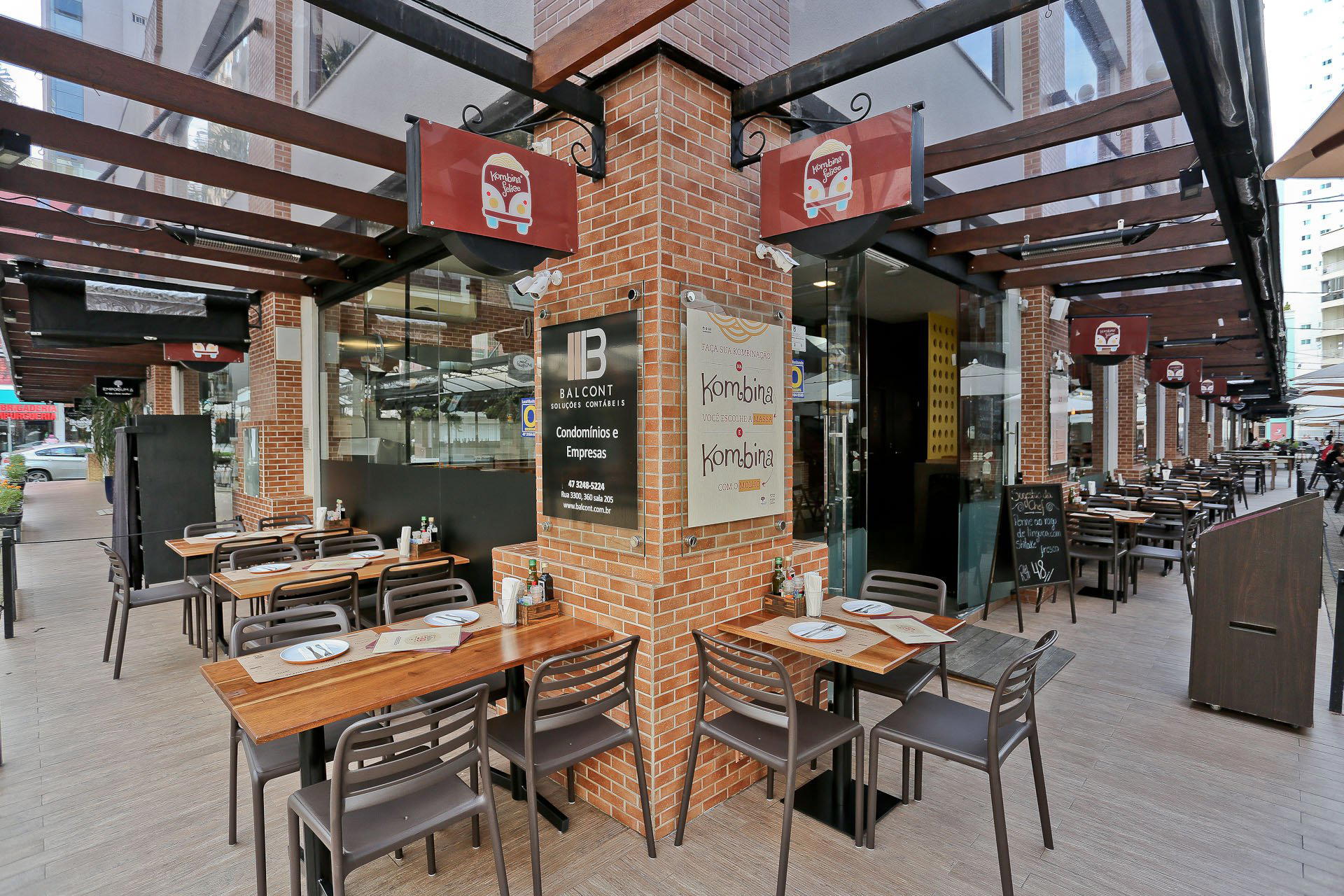
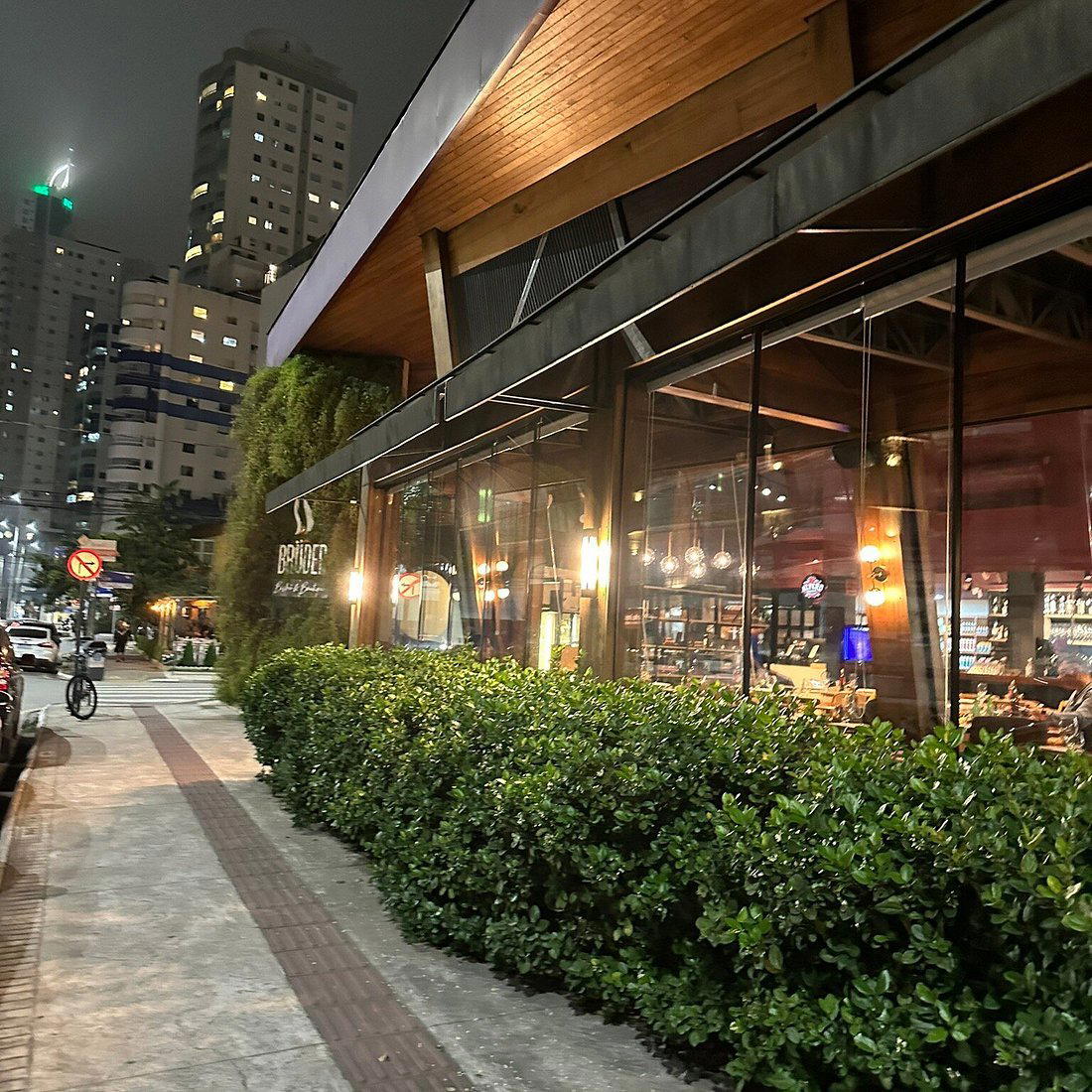
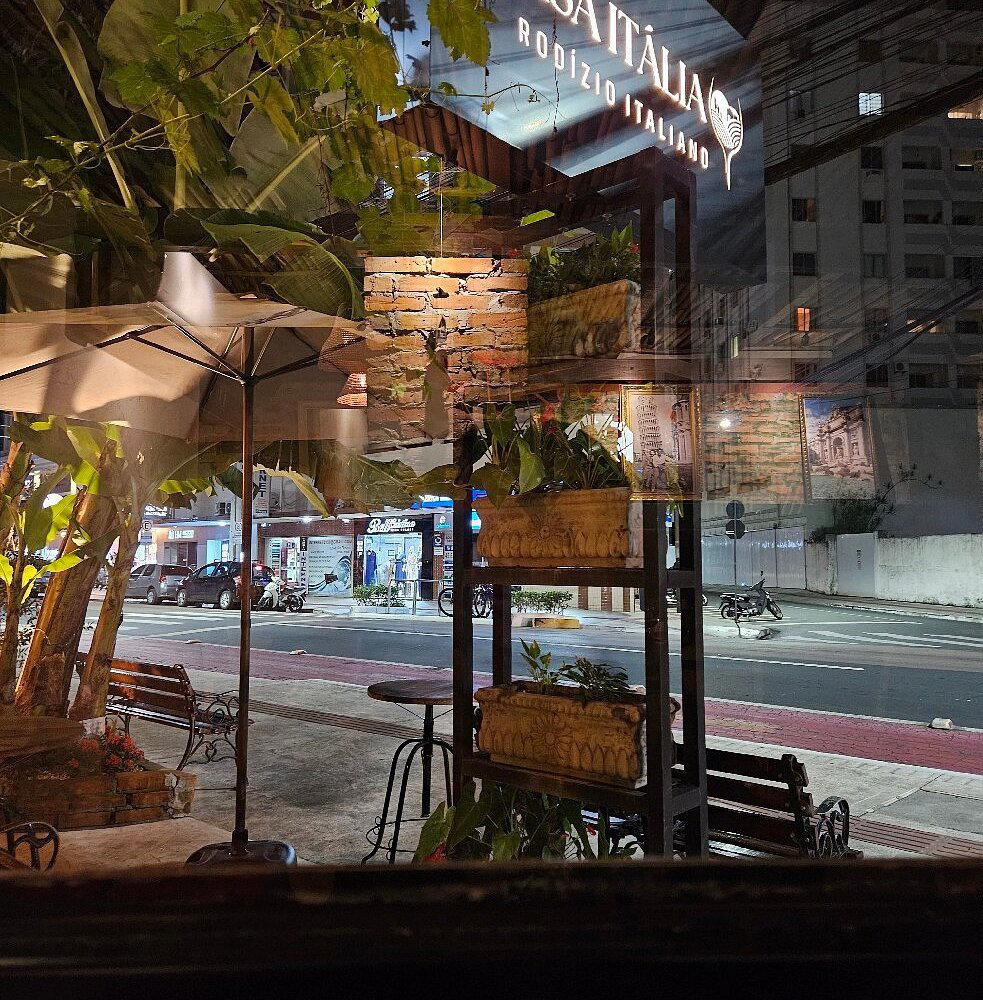
Balneário Camboriú's restaurant scene is broader than its beach-resort reputation suggests. Italian-inflected dining has deep roots here: Cantina Famiglia Mantovani, Kombina Felice Restaurante Italiano, and Casa Itália Rodízio Italiano all represent the Italian immigrant tradition that defines much of Santa Catarina's food culture. Meat-focused dining has a strong presence too, with Campano Campo Carne & Fogo occupying the premium churrasco space. European-influenced bistro formats, like Brüder Bistrô e Boutique, add another layer to the city's dining range.
Within that spread, a dedicated sushi restaurant is not competing directly with any of those formats. It serves a different appetite, a different occasion, and a different diner. The question for any sushi restaurant in this city is whether it is serving the local Japanese-Brazilian community's culinary expectations, the coastal tourist looking for a break from churrasco, or both. The Barra Sul address suggests a more locally rooted operation than a tourist-facing one.
For context on where Balneário Camboriú sits within the broader Brazilian dining conversation, the full Balneário Camboriú restaurants guide covers the city's dining range across formats and neighbourhoods. Across Brazil more broadly, the range of what regional cities offer is visible in places as different as Bistro Fitz Carraldo in Manaus, Cantina Pozzobon in Santa Maria, and Casa da Flor Restaurante in Dourados, each reflecting how distinct regional food cultures develop outside Brazil's major urban centres.
Planning Your Visit
Koi Sushi is located at Rua 4500, 83, Barra Sul, Balneário Camboriú, SC 88330-150. Barra Sul is accessible by car from central Balneário Camboriú in under ten minutes, and the neighbourhood has street parking available along most side streets. For international visitors arriving from cities with established high-end Japanese dining, comparable reference points like Atomix in New York City or Le Bernardin sit in a different tier entirely, but they illustrate how seriously Japanese technique is now taken across global dining markets at every price level.
Frequently asked questions
What part of town is Koi Sushi in?
Koi Sushi is located at R. 4500, 83 - Barra Sul, Balneário Camboriú - SC, 88330-150, Brazil, Balneario Camboriu.
How does Koi Sushi compare to other Japanese restaurants in Balneário Camboriú?
Balneário Camboriú's dining scene is more varied than its beach-resort reputation suggests, with Italian and seafood venues dominating the established conversation. Japanese restaurants occupy a smaller but growing share of that scene, and Koi Sushi's position in Barra Sul, the quieter southern end of the developed shoreline, separates it geographically from the denser restaurant clusters further north.
What dish is Koi Sushi famous for?
Koi Sushi operates within Balneário Camboriú's Japanese dining scene, a coastal city where Japanese-Brazilian technique has produced distinct nikkei-inflected preparations. The Barra Sul address places it away from the tourist-dense centre, which typically signals a more locally driven menu focus.
Do I need a reservation for Koi Sushi?
For a venue in a quieter residential stretch of the city rather than the high-traffic Avenida Atlântica corridor, walk-ins may be more feasible than at beachfront restaurants during peak summer season. Contacting the venue directly before visiting is advisable.
What's the defining dish or idea at Koi Sushi?
Contextually, Japanese restaurants along the Santa Catarina coast often draw on Brazil's substantial Japanese-Brazilian community, producing menus that sit somewhere between traditional sushi technique and local ingredient adaptation. Whether Koi Sushi follows a classical Japanese format or a hybrid nikkei approach is best confirmed by visiting or calling ahead.
Is Koi Sushi good for vegetarians?
Traditional sushi menus typically include vegetable-based rolls and preparations such as cucumber and avocado maki alongside fish-forward options, so some vegetarian choice is plausible. Confirming directly with the restaurant at its Barra Sul address before visiting is the most reliable approach.
Cost and Credentials
Comparable venues nearby, for context on price, style, and recognition.
| Venue | Cuisine | Price | Notes |
|---|---|---|---|
| Koi SushiThis venue — the venue you are viewing | Japanese Sushi and Seafood | Not listed | Not listed |
| Cantina Famiglia Mantovani | Authentic Italian Trattoria | Not listed | Centro, Authentic Italian Trattoria |
| Pizza Crush Bc | Modern Italian Pizza | Not listed | Centro, Modern Italian Pizza |
| Campano Campo Carne & Fogo | Brazilian Churrascaria | $30–50 | City Center, Brazilian Churrascaria |
| Kombina Felice Restaurante Italiano | Classic Italian Trattoria | Not listed | Centro, Classic Italian Trattoria |
| Brüder Bistrô e Boutique | Brazilian Steakhouse Bistro | Not listed | Centro, Brazilian Steakhouse Bistro |
Continue exploring
More in Balneario Camboriu
Restaurants in Balneario Camboriu
Browse all →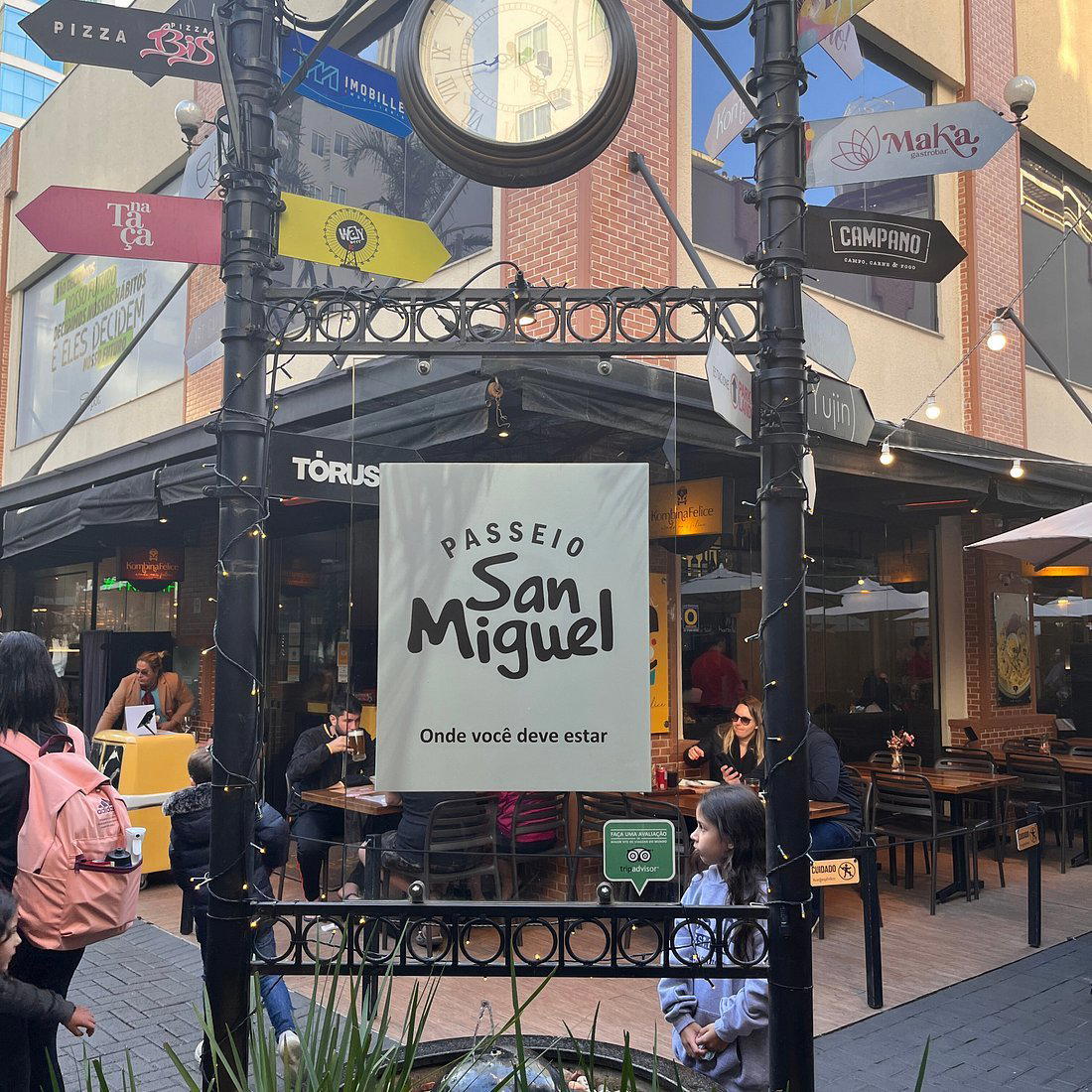
Bars in Balneario Camboriu
Browse all →
Hotels in Balneario Camboriu
Browse all →
Details
- Intimate
- Elegant
- Date Night
- Group Dining
- Sake Program
- A La Carte
- Vegetarian Friendly
- Gluten Free Options
Current opening hours
- Monday
- 6:30–11:30 PM
- Tuesday
- 6:30–11:30 PM
- Wednesday
- 6:30–11:30 PM
- Thursday
- 6:30–11:30 PM
- Friday
- 6:30 PM–12 AM
- Saturday
- 6:30 PM–12 AM
- Sunday
- 6:30–11:30 PM
Hours can change for holidays and private events. Last verified .
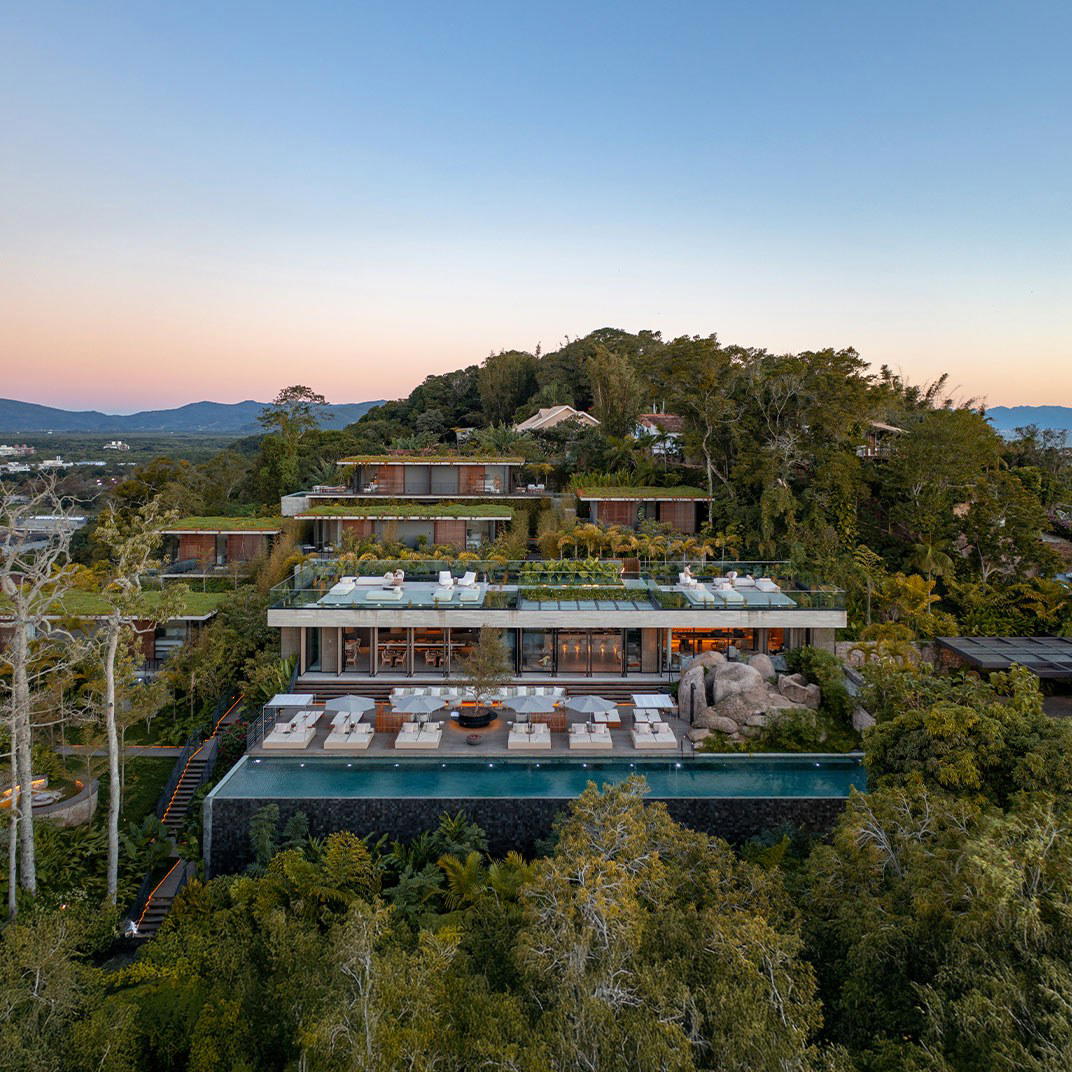
Jovial and well-decorated with eastern garden elements, creating a private and pleasant atmosphere.