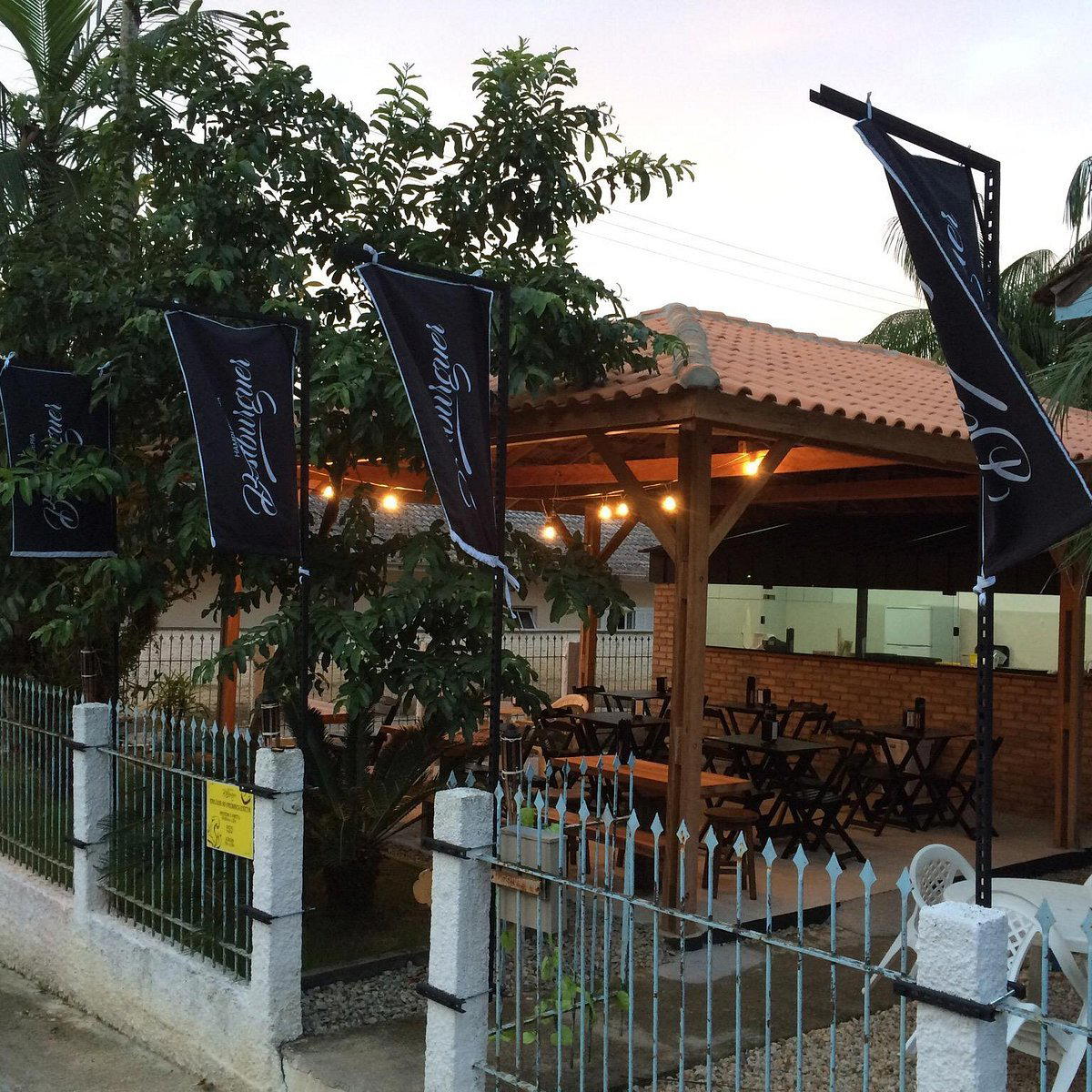
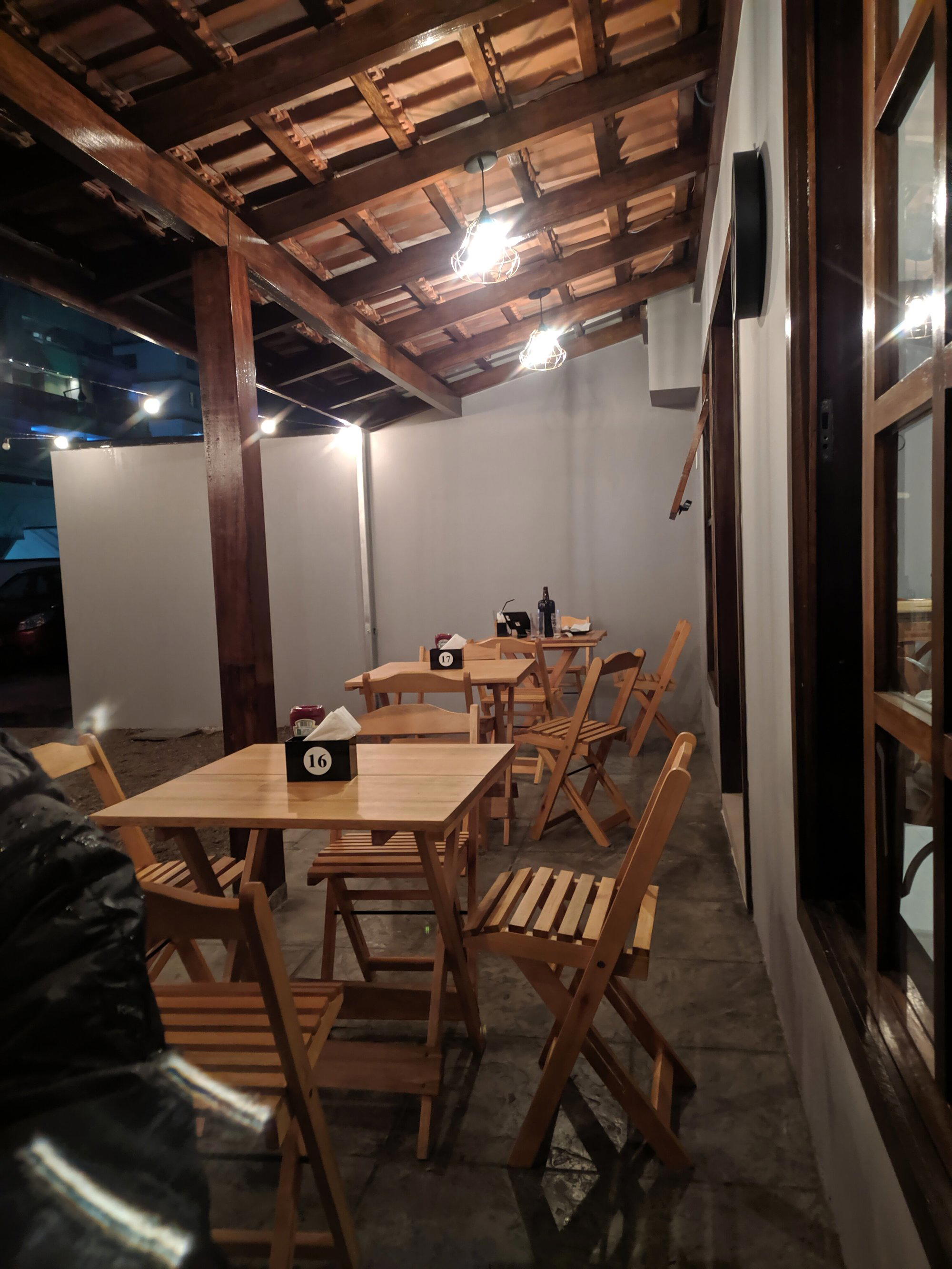
Lodz Cervejaria serves Brazilian Brewery fare on Rod. Antônio Heil in Brusque, with a beer program, casual service, and a lively dinner setting.
Pearl is the En Primeur Club membership app — saves, bookings, and concierge access live there. Same editors, same standards.
- Address
- Rod. Antônio Heil, 3683 - Santa Terezinha, Brusque - SC, 88352-501, Brazil
- Phone
- +5547997009939
- Website
- linktr.ee
- Directions
- Get directions
 Saves & bookings on Pearl
Where Santa Catarina's Craft Beer Culture Meets the Road
Lodz Cervejaria is a Brazilian Brewery in Brusque, Santa Catarina. Rod. Antônio Heil cuts through the industrial outskirts of Brusque, a mid-sized Santa Catarina city better known for its textile heritage than its dining scene. Along that highway corridor, Lodz Cervejaria occupies a position that says something about how craft beer culture has spread through Brazil's south: not confined to capital-city tap rooms, but reaching smaller manufacturing cities where local identity and European immigrant roots create genuine demand for fermentation traditions. Arriving at the address on the Brusque-Santa Terezinha stretch, the context is working Brazil rather than resort Brazil, which tends to produce a more direct, less performative hospitality register.
Brazil's southern states, particularly Paraná, Rio Grande do Sul, and Santa Catarina, carry the densest concentration of German and Eastern European immigrant communities on the continent. Brusque itself has strong German settlement history, and that genealogy matters when reading how a cervejaria operates here. The tradition of community beer halls, of drinking as a social infrastructure rather than a leisure luxury, runs deeper in this region than in São Paulo or Rio. Lodz, whose name references the Polish industrial city, signals an awareness of that Central European lineage in Brazilian food culture, a lineage that has produced particularly earnest craft fermentation programs in the country.
Southern Brazil's Ingredient Supply Chain and Why It Matters
The ingredient sourcing question is worth pressing in this context. Santa Catarina sits at the centre of Brazil's most productive agricultural south, with grain cultivation, river fish, pork, and cold-climate vegetables all produced within viable supply distances of Brusque. For a cervejaria operating along a highway route, the practical access to regional ingredients differs significantly from what urban venues in São Paulo or Rio must negotiate. D.O.M. in São Paulo has built a nationally documented case for Amazonian ingredient sourcing; Lasai in Rio de Janeiro works within a farm-direct framework. The logic in southern cities like Brusque is more structural than philosophical: proximity to production simply exists, and venues that use it well benefit from shorter cold chains and fresher inputs rather than making an ideological argument about it.
Santa Catarina pork is among the more reputable in Brazil, with the state producing a substantial share of national output under relatively regulated conditions. River fish from the Itajaí basin, grains from the highland plateau, and the cold-weather vegetables that don't thrive in tropical growing regions, these form a credible pantry for any kitchen operating in this geography. A cervejaria format that leans into its regional supply chain rather than importing generic ingredients from São Paulo distributors is working with, rather than against, what the region actually produces.
The Cervejaria Format in Brazil's Mid-Sized Cities
Brazil's craft beer movement accelerated considerably after 2010, and by the mid-2010s had migrated from specialist bars in Florianópolis, Curitiba, and Porto Alegre into secondary cities. Brusque, with its industrial base and German-influenced food culture, was a logical receiving city for that expansion. The cervejaria format, combining brewing or curated beer service with a kitchen that goes beyond snack-level food, now represents a distinct dining category in southern Brazil, different from the boteco, different from the steakhouse, and increasingly different from the German-themed restaurant that dominated immigrant community dining for decades.
Within Brusque specifically, the dining options cluster around familiar Brazilian formats. Bestburguer Brusque and Canas Hamburgueria represent the burger-focused casual tier that now exists in virtually every Brazilian city of this size. Restaurante Kioski das Delícias and The Leading Açaí - Brusque sit in the lighter, everyday-meal register. A cervejaria with a full kitchen positions itself in a different tier, one where beer quality and food compatibility are both operational priorities, and where the highway location on Rod. Antônio Heil suggests a draw that extends beyond the immediate neighbourhood.
For comparison within Brazil's broader restaurant conversation, the gap between a venue like Lodz Cervejaria and the reference points that appear in national food media, such as Bistro Fitz Carraldo in Manaus or Cantina Pozzobon in Santa Maria, is less about quality aspiration than about operating context. Regional dining in Brazil's south has its own internal standards, shaped by immigrant food traditions, local ingredient access, and a clientele with strong opinions about what a proper meal looks like.
Planning a Visit: What to Know Before You Go
The restaurant sits at Rod. Antônio Heil, 3683, in the Santa Terezinha district of Brusque, Santa Catarina (CEP 88352-501). The highway address means a car or ride-share is the practical approach; this is not a walk-in location from central Brusque. Open Monday to Friday from 7:30 AM to 12 PM and 1 to 6 PM, Saturday from 7:30 AM to 12 PM, and closed on Sunday. The venue is walk-in friendly. For broader orientation to eating and drinking in the city, the full Brusque restaurants guide covers the current options across categories.
That pattern, common in cervejarias serving industrial and commuter districts, should be verified directly but is a reasonable working assumption for planning purposes. Visitors coming specifically from outside Brusque might consider combining a stop here with the broader Santa Catarina valley circuit, which connects Blumenau, Gaspar, and Brusque within a short driving radius and covers particularly historically layered food territory in southern Brazil.
For those tracking cervejaria formats across the region, the comparison set extends to venues in Aero Burguer e Grill in Santa Cruz Do Sul and Fornazzo Pizzaria in Passo Fundo, both operating in smaller southern cities where European heritage shapes the dining register more than national food media tends to acknowledge. The southern Brazilian dining circuit, from Casa da Picanha Penedo in Itatiaia to Famosa Pizza in Ribeirao Preto and further into Rio Grande do Sul venues like Cantina Pozzobon, reflects how regional identity produces distinct dining cultures that sit outside the São Paulo-Rio axis that dominates most coverage.
A Quick Peer Check
Comparable venues nearby, for context on price, style, and recognition.
| Venue | Cuisine | Price | Notes |
|---|---|---|---|
| Lodz CervejariaThis venue — the venue you are viewing | Brazilian Brewery | Not listed | Not listed |
| The Best Açaí - Brusque | Brazilian Açaí Self-Service | $$ | Santa Terezinha |
| Restaurante Kioski das Delícias | Brazilian & Italian Home-style | $$ | City Center |
| Bestburguer Brusque | American Burgers | $ | Centro |
| Canas Hamburgueria | American Hamburgers & Snacks | $ | Brusque |
| Açougue Central | Modern Brazilian Churrascaria | $$$ | Vila Madalena |

At a Glance
- Casual Hangout
- Group Dining
- Beer Program
Current opening hours
- Monday
- 7:30 AM–12 PM, 1–6 PM
- Tuesday
- 7:30 AM–12 PM, 1–6 PM
- Wednesday
- 7:30 AM–12 PM, 1–6 PM
- Thursday
- 7:30 AM–12 PM, 1–6 PM
- Friday
- 7:30 AM–12 PM, 1–6 PM
- Saturday
- 7:30 AM–12 PM
- Sunday
- Closed
Hours can change for holidays and private events. Last verified .
Casual brewery atmosphere with beer focus.