← Guides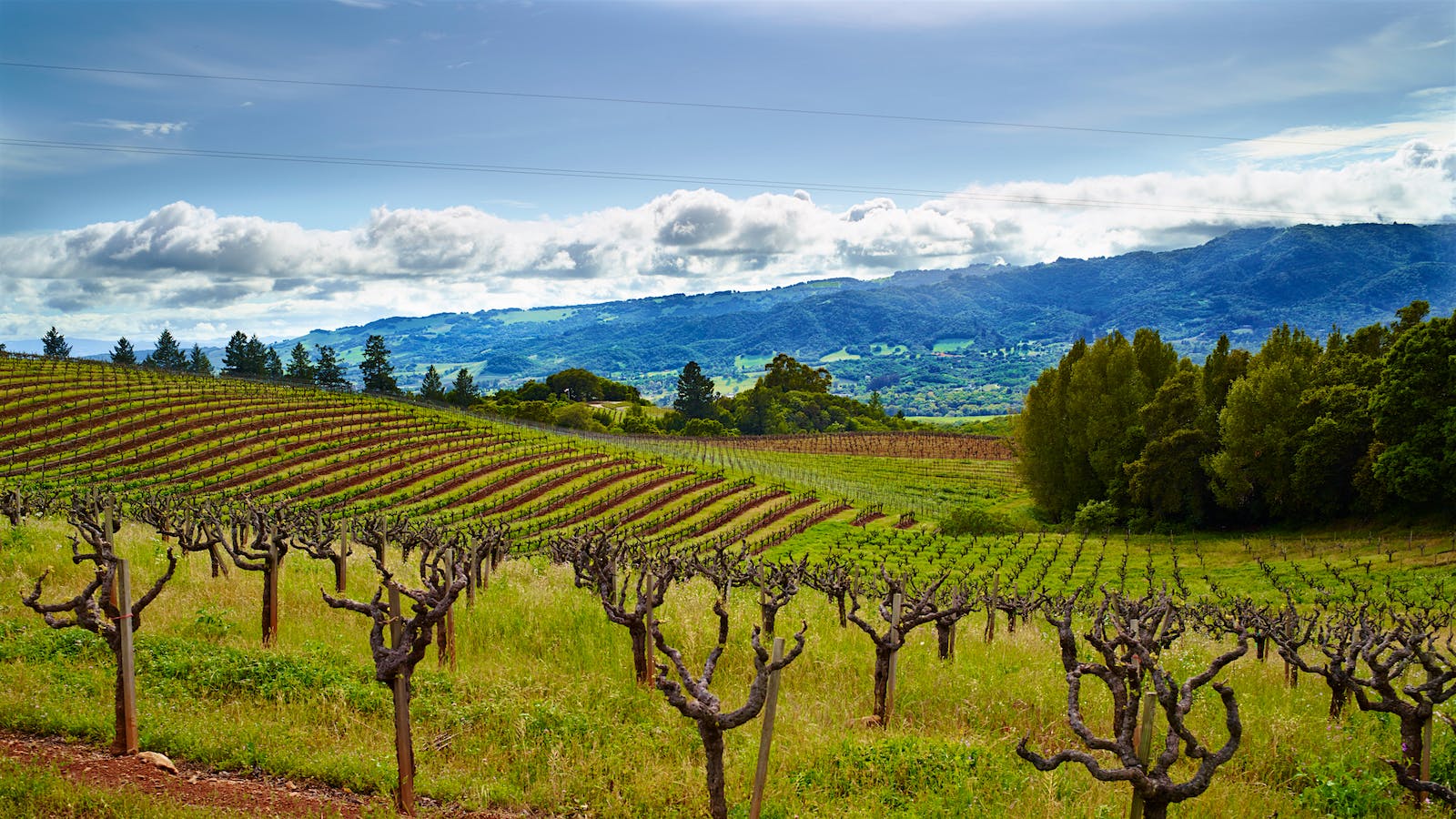
After decades supplying Sonoma's top producers, Monte Rosso Estate releases its first wines, anchored by a 1940-planted Cabernet Sauvignon block.
After decades supplying Sonoma's top producers, Monte Rosso Estate releases its first wines, anchored by a 1940-planted Cabernet Sauvignon block.
For more than a century, Monte Rosso Estate quietly handed its fruit to Sonoma's most celebrated producers, Louis M. Martini, Bedrock Wine Company, Carlisle, Robert Biale Vineyards, and let them take the credit. That arrangement is over. The Moon Mountain District estate has released its first wines under its own label: four 2023 vintage bottlings that collectively make the case that one of California's most storied vineyard sites no longer needs an intermediary to tell its story.
The Monte Rosso Estate wine lineup arrives with a provenance argument that most debut labels spend decades trying to build. The vineyard's Sémillon vines date to 1886. Its Zinfandel blocks, roughly 40 acres of ancient vines, some interplanted with Carignan, Alicante Bouschet, and Grand Noir, are what estate director Diego Del Pino credits with putting Monte Rosso on the map in the first place. And at the apex of the debut release sits a 3.7-acre block of Cabernet Sauvignon planted in 1940 by Louis M. Martini, believed to be the oldest producing Cabernet Sauvignon block in California.
Winemaker Bernardino Sani, a Tuscany native who also makes wine at Argiano in Montalcino, draws a direct line between his two estates. Both sit on volcanic soils. Both carry deep agricultural histories. Both demand that the winemaker step back and let the vineyard speak. Sani has described the parallel explicitly: both Monte Rosso and Argiano are estates with distinctive vineyards set in spectacular landscapes that immediately communicate a strong sense of place, with deep roots, long traditions, and a strong respect for preserving the identity and heritage of the vineyards. At Monte Rosso, that philosophy now has a label on the bottle.
Collectors have already noticed. John Phillips, a wine collector from Bentonville, Arkansas, whose cellar runs to Heitz Cellars, Dominus, Pahlmeyer, and Vine Hill Ranch, bought 24 bottles of the inaugural releases after hearing about them through a contact at the Gallo Luxury Group. He had been buying Louis M.
Martini's Monte Rosso Vineyard Zinfandel for years, drawn to the old-vine character the site consistently delivers. The chance to own proprietary estate bottlings directly from the source was, as he put it, an easy decision. His wife Marsha was particularly taken with the Sémillon, a detail that points to the breadth of the lineup rather than its narrowness.
The debut also signals something about the Moon Mountain District AVA more broadly. The appellation sits above the Sonoma Valley fog line on volcanic hillsides, with diurnal temperature swings driven by afternoon breezes off San Pablo Bay. Those conditions, longer hang time, slower sugar accumulation, and the kind of phenolic development that valley-floor sites rarely achieve, have made Monte Rosso fruit a premium ingredient for other producers for generations. The estate's decision to bottle under its own name is, in effect, a claim that the terroir deserves its own authorship.
The 2023 Los Niños Cabernet Sauvignon is the wine collectors will track first. The block, 3.7 acres, planted by Louis M. Martini in 1940, sits at an elevation that gives it direct sightlines over San Pablo Bay. Sani calls it the "grand cru" of Monte Rosso, and the specifics bear that out. "The block combines beautiful volcanic soils, old vines, and a notable exposure overlooking the San Pablo Bay, all of which contribute to producing a distinctive expression of Cabernet Sauvignon," said Bernardino Sani.1
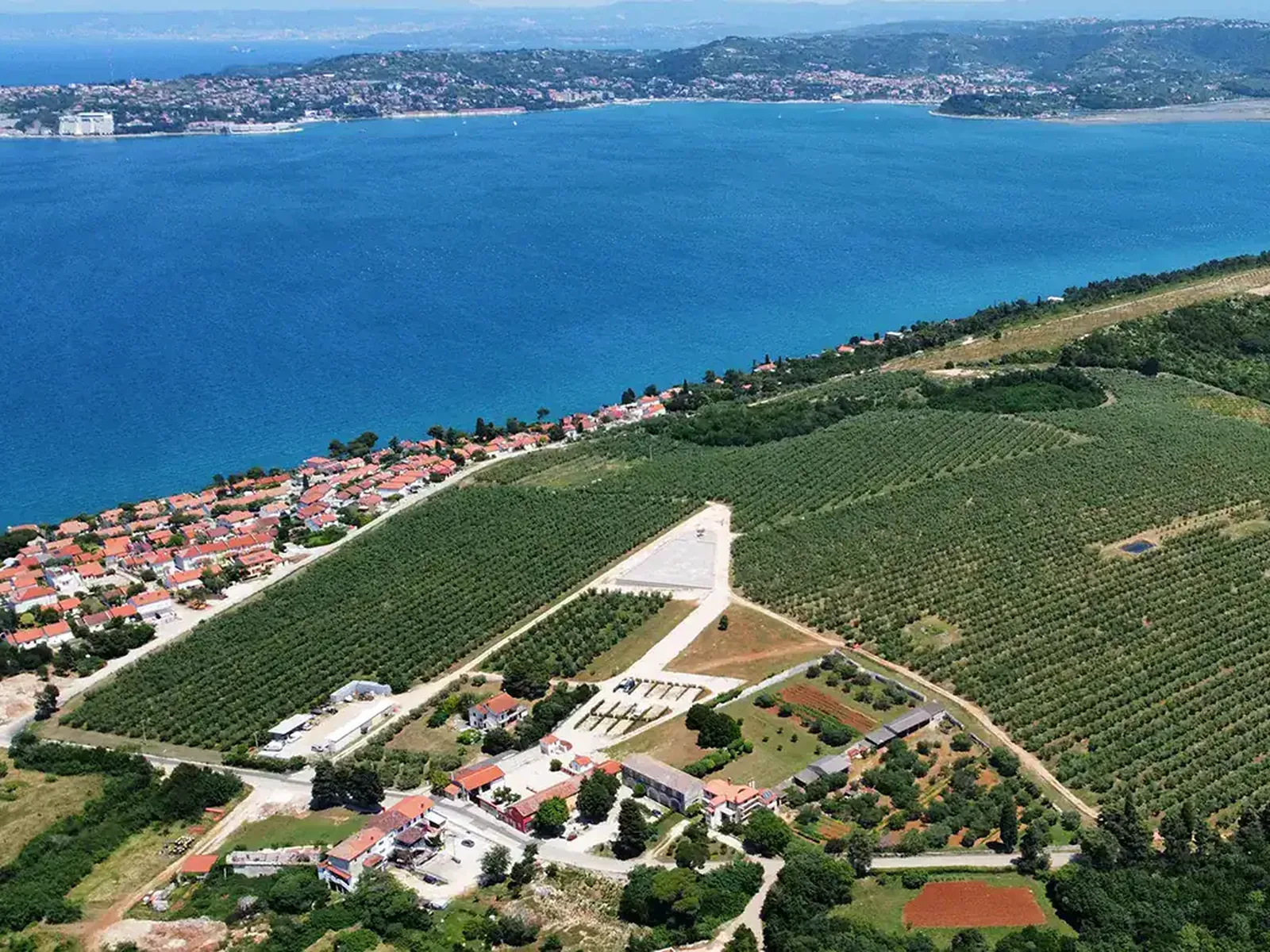
There is one more detail that separates Los Niños from any new-planting Cabernet in the state: the old vines carry naturally occurring viruses that slow the ripening process. In most viticultural contexts that would be a liability. Here, Sani argues, it produces a more elegant, fresher style, complexity and balance in place of sheer concentration.
The viruses slightly delay sugar accumulation, which in a warm year would simply mean a later pick. In 2023's long, gentle ripening season, that delay compounded into something more useful: a relatively late harvest that yielded high concentration alongside lively acidity. The result is a Cabernet Sauvignon with a cellar argument built into its biology.
Debut vintages from newly launched estate labels with this level of historical credibility are finite by definition. Los Niños draws from 3.7 acres. The vines are 85 years old. There is no expansion path, you cannot replant old vines and call them old vines. Whatever was bottled from the 2023 vintage is what exists, and the allocation window for a first release rarely stays open long once collectors start talking. Phillips bought primarily Cabernet Sauvignon, which suggests he understood exactly where the scarcity argument was strongest.
The four-wine lineup reads as a deliberate terroir map of the Moon Mountain District AVA. Each bottle addresses a different facet of what volcanic soils, elevation, and the cooling influence of San Pablo Bay produce on this particular hillside.
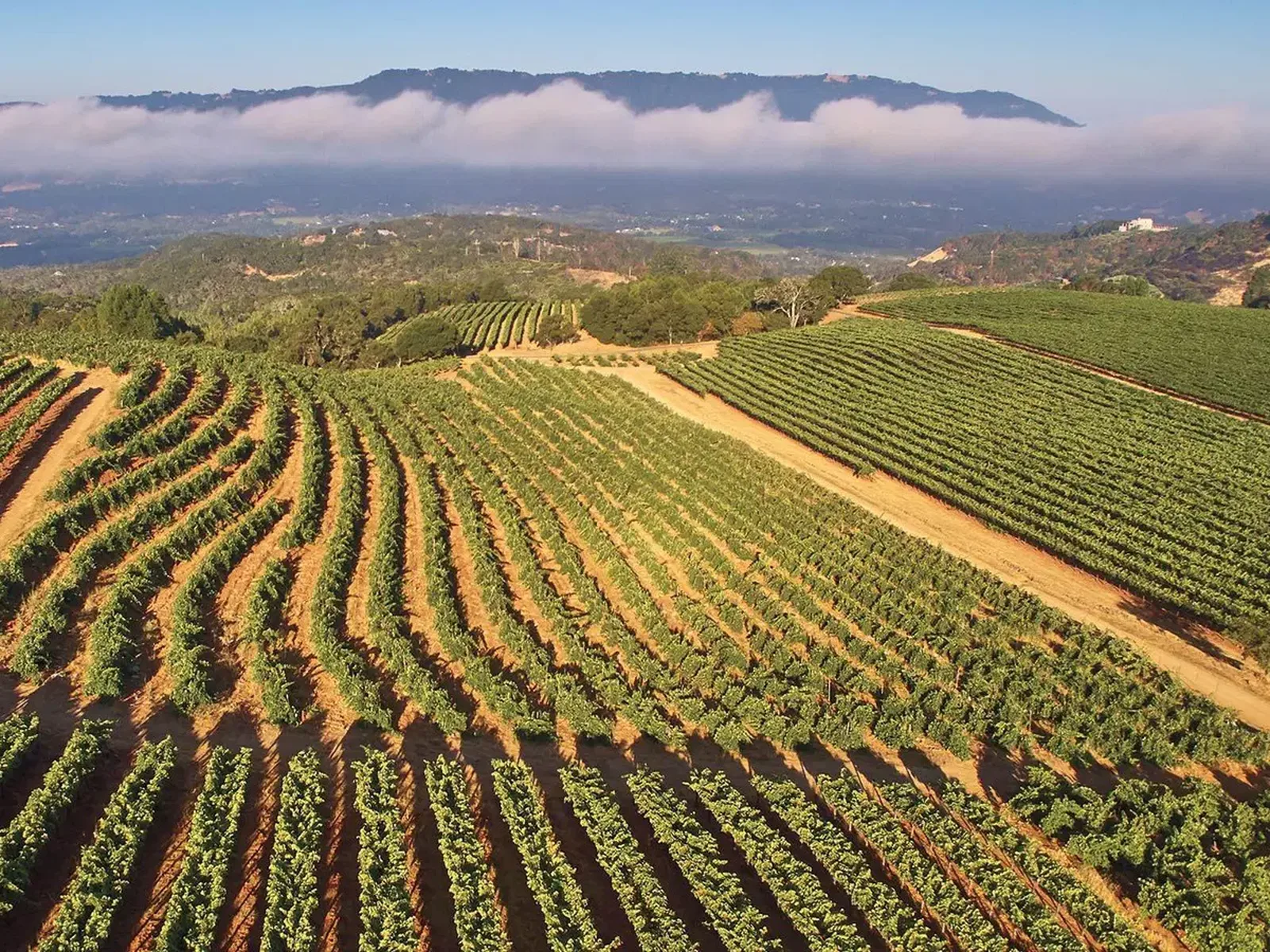
The Sémillon, from vines planted in 1886, is the outlier that makes the set complete. Estate-grown Sémillon of this age is essentially nonexistent in Sonoma County, and Sani treats it accordingly. He works the variety in a reductive style, limiting oxygen exposure to lock in its natural high acidity.
The goal is aging potential, and Sani is direct about the timeline: he puts the ideal drinking window at five to fifteen years after release, a claim that places the 2023 in the same aging conversation as serious white Burgundy or aged Hunter Valley Sémillon.
Hamid Khalili, director of operations at Michelin-starred Rania in Washington, D.C., already has it on the list, pairing it with Hokkaido scallops with Mangalorean curry and grilled fennel. Khalili cites the texture, minerality, and the scarcity of production as what captures his guests' attention, the 1886 planting date alone is a conversation at the table.
The Essence Zinfandel field blend comes from the two blocks with the highest concentration of interplanted varieties, Zinfandel alongside Carignan, Alicante Bouschet, and Grand Noir, all harvested and fermented together. Del Pino named it Essence because, in his words, that is the soul of Monte Rosso. Co-fermentation of the interplanted varieties produces a natural integration that a blending-table approach cannot replicate, the varieties ripen together, are picked together, and become something unified rather than assembled.
Then there is The Impression, the wine that surprised its own creators. Del Pino's original brief to Sani was a traditional Bordeaux blend, Cabernet Sauvignon-led, with full latitude to choose the blocks. The plan shifted during a barrel tasting at Louis M. Martini. "We tasted several Cabernet Sauvignons and then we sampled from one of the Cabernet Franc barrels. He smelled it, looked at me and said, 'This is the star,'" said Diego Del Pino.2 The finished blend is Cabernet Franc-dominant, with Cabernet Sauvignon and Malbec completing the cuvée. In 2023, the Cabernet Franc achieved what Sani describes as superb phenolic ripeness with beautiful aromatic complexity, and none of the excessive herbal character that can blunt the variety at lower elevations or in cooler years.
Moon Mountain District's volcanic red soils, elevation, and the diurnal temperature swings driven by afternoon breezes off San Pablo Bay are the through-line connecting all four wines.
The AVA sits above the Sonoma Valley fog line, which means longer hang time and slower sugar accumulation than valley-floor sites, exactly the conditions that reward the kind of patience Sani describes in the 2023 vintage.
Sani says the long and gentle ripening season allowed the grapes to achieve excellent phenolic maturity while preserving freshness, balance, and aromatic complexity. Each parcel and variety responded differently, but the outcome was consistent across all four wines.
The collector case for Monte Rosso Estate wine rests on a specific kind of credibility that cannot be manufactured: decades of third-party validation. Every serious producer who has sourced from this vineyard, Bedrock Wine Company, Carlisle, Robert Biale Vineyards, Louis M. Martini, has built part of their reputation on Monte Rosso fruit. The terroir has already been scored, reviewed, and cellared under other labels. Collectors who have followed what those producers have done with this fruit over the years already know the site. The estate is simply now attaching its own name to what the vineyard has always produced.
The 2023 vintage adds a second layer of confidence. Sani describes it as one of those vintages where patience in the vineyard was rewarded, a long, gentle ripening season that delivered phenolic maturity without sacrificing freshness, balance, or aromatic complexity.
Each of the four wines benefited differently: Los Niños from the slow, even ripening that enabled a late harvest with concentrated fruit and lively acidity; The Impression from Cabernet Franc that developed aromatic depth without the herbal edge that cooler years can produce; the Essence from field-blend co-fermentation that integrated the interplanted varieties into a single seamless expression; the Sémillon from the high natural acidity that Sani's reductive winemaking preserved for the long haul.
There is a useful precedent in how collectors have approached debut releases from vineyards with established third-party track records. When a site that has supplied premium fruit for years finally bottles under its own name, the first vintage carries a scarcity premium that subsequent releases rarely replicate. The provenance is known. The terroir is documented. The winemaker, in this case, someone who also oversees production at Argiano in Montalcino, brings a frame of reference that extends well beyond California. The only question is allocation, and for a 3.7-acre Cabernet Sauvignon block planted in 1940, the answer is always: not much.
Del Pino describes the Monte Rosso Vineyard's combination of volcanic soils, ample sunshine, and cool breezes from San Pablo Bay as giving the estate an incredible personality. The 2023 releases are the first time that personality has had a direct line to the collector's cellar, no intermediary, no shared credit. For anyone who has followed what Bedrock or Carlisle have done with this fruit over the years, the question now is direct: what does the vineyard taste like when it speaks entirely for itself. The answer, it turns out, has been worth the wait.
Get the App
Take the shortlist into the En Primeur Club app for concierge access, saved places, and the next step after discovery.
Get Exclusive AccessMore from the editors