Bassgeiger-Alm
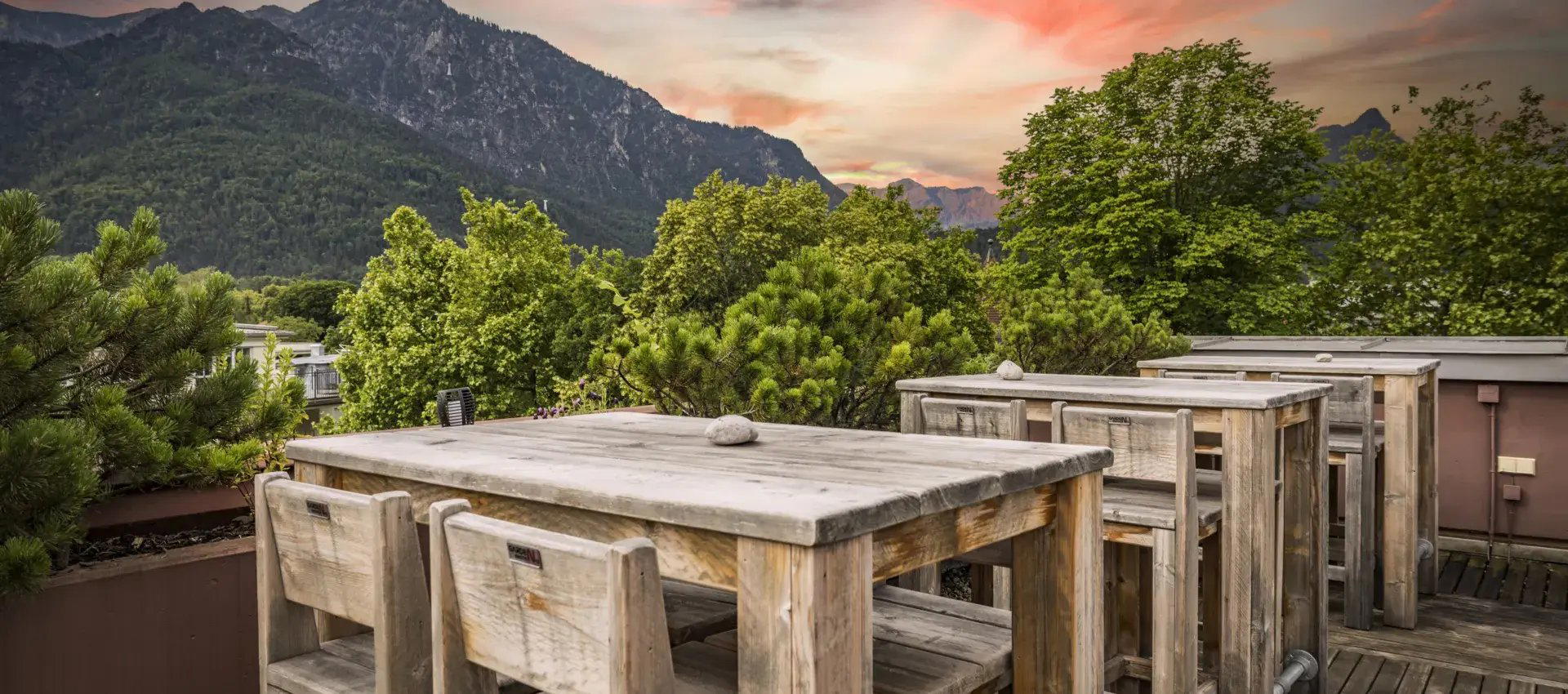
Perched on the slopes of the Kitzbüheler Horn above St. Johann in Tirol, Bassgeiger-Alm is an alpine hut operating in the tradition of high-altitude Tyrolean hospitality, where the surrounding terrain shapes what appears on the table. The setting alone earns the trip, but the logic of mountain sourcing and the directness of Alm cooking give it substance beyond the view.
Pearl is the En Primeur Club membership app — saves, bookings, and concierge access live there. Same editors, same standards.
- Address
- Almen am Kitzbüheler Horn 1, 6380 St. Johann in Tirol, Austria
- Phone
- +43 650 3253502
- Website
- bassgeiger-alm.at
- Directions
- Get directions
 Saves & bookings on Pearl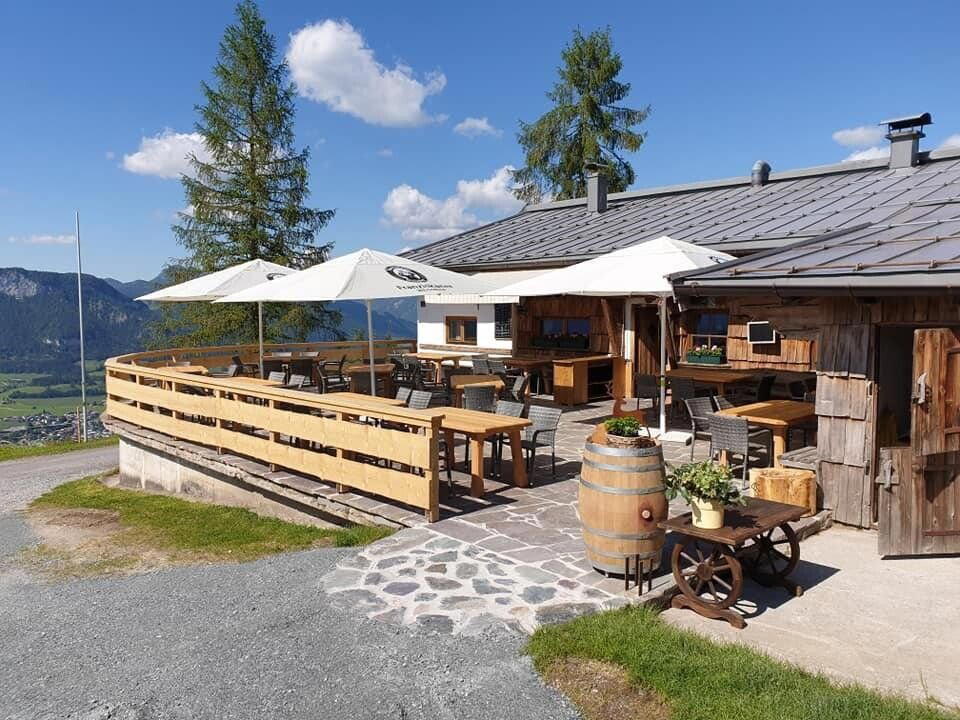
Where the Altitude Does the Work
Bassgeiger-Alm is a traditional Austrian Alpine restaurant in St. Johann in Tirol, Austria. The Alm, or alpine hut, sits above the treeline or just below it, accessible by foot, lift, or farm track, and it operates on a logic that is fundamentally different from any valley restaurant. The kitchen works with what the mountain provides: dairy from grazing herds, cured meats made to last a season, bread baked in quantities calculated for the week rather than the service. Bassgeiger-Alm, positioned on the slopes of the Kitzbüheler Horn above St. Johann in Tirol, belongs to this tradition. The address itself, Almen am Kitzbüheler Horn 1, tells you what you need to know: this is a place defined by elevation before anything else.
Approaching on foot or by the Kitzbüheler Horn gondola system, the shift in perspective is gradual and then total. The Inn Valley floor drops away, the village grid dissolves into pasture, and by the time the hut comes into view, the air and the quiet have already done half the work of arrival.
The Sourcing Logic of Mountain Cooking
Tyrolean alpine cooking did not develop around flavour trends. It developed around storage, altitude, and animal husbandry. The cheeses that appear on Alm menus across this region are almost always sourced from the surrounding summer pastures, where cattle graze on herbs and grasses that produce milk with a flavour profile no lowland dairy can replicate. The fat content, the floral notes, the slight sharpness that distinguishes a proper Tyrolean Graukäse from anything you might find in a supermarket cold case: these are products of place, not of process. At huts operating in the Kitzbüheler Horn area, this sourcing chain is typically short by necessity and by tradition. The mountain is the larder.
Cured pork, speck in particular, operates on the same principle. Tyrolean speck is air-dried at altitude, a process that produces a different texture and salinity than Italian prosciutto or German Schwarzwälder. The cold, dry mountain air draws moisture slowly, concentrating flavour over months. When it arrives on a wooden board at an alpine hut, it is the end product of a production cycle tied directly to the landscape around you. That specificity is what separates authentic Alm cooking from the tourist-facing approximations found closer to resort centres. The Kitzbüheler Horn corridor, which connects St. Johann in Tirol to the broader Kitzbühel ski area, has enough genuine agricultural activity in its upper elevations to support this kind of direct sourcing.
For comparison, the ambition of ingredient traceability in Austrian fine dining, seen at places like Steirereck im Stadtpark in Vienna or Döllerer in Golling an der Salzach, filters down through the culinary culture and reaches even particularly direct Alm settings. The difference is that at a hut like Bassgeiger-Alm, sourcing proximity is structural rather than philosophical: there is no supply chain to speak of because the producers are visible from the terrace.
The Alm Format and What It Asks of You
The alpine hut format sits between a restaurant and a farm stop. You are not arriving for a tasting menu or a curated wine list. You are arriving for a cheese plate assembled from what was made this week, a warming soup or stew calibrated for people who have been outside in thin air, and a glass of Schnaps to close. The Tyrolean Almjause, a cold platter of regional cheese, speck, bread, and pickles, is the standard format across the region and functions as both a meal and a cultural object. It is the distillation of what mountain farming produces over a season.
This is a different competitive set from the formal Tyrolean dining rooms found at properties like Gourmetrestaurant Tannenhof in Sankt Anton am Arlberg or Stüva in Ischgl, where the Alm aesthetic is referenced but the kitchen operates at a different technical register. The Bassgeiger-Alm is not in that bracket, nor is it trying to be. Its comparable set is other working mountain huts on the Horn: places where the food earns its reputation through provenance and context rather than technique.
Across the broader Austrian alpine dining picture, huts at this elevation typically operate on a seasonal calendar tied to snow conditions and grazing schedules. Summer access is usually direct; winter access depends on the lift system and weather.
St. Johann in Tirol as a Dining Base
St. Johann sits between Kitzbühel and the Kaiser mountain range, which makes it a quieter, less commercially saturated base than its more famous neighbour. The dining culture here runs toward the genuine rather than the performative: Gasthäuser serving regional staples, butchers with local provenance, and a handful of alpine huts on the surrounding slopes that operate more for the mountain community than for resort tourism. That character makes it a reasonable reference point for visitors interested in Tyrolean food as a regional system rather than as a backdrop.
Austrian alpine cooking, considered across the country, ranges from the highly refined, Obauer in Werfen, Landhaus Bacher in Mautern an der Donau, Taubenkobel in Schützen am Gebirge, to the entirely elemental, which is the category the restaurant occupies. Neither end of the spectrum makes sense without the other: the refined versions are in dialogue with a tradition that the working Alm keeps alive. Other Tyrolean options worth knowing include Schwarzer Adler in Hall in Tirol, Restaurant 141 by Joachim Jaud in Mieming, and further afield, Griggeler Stuba in Lech. For herb-led alpine cooking with a more contemporary approach, Kräuterreich by Vitus Winkler in Sankt Veit im Pongau offers a useful counterpoint. Beyond Austria, the community-format dining model that defines places like Bassgeiger-Alm has loose parallels in venues like Lazy Bear in San Francisco, where communal eating and a defined sense of place shape the experience as much as the food itself.
Planning a Visit
Access to the restaurant follows the rhythm of the Kitzbüheler Horn lift system, which means seasonal availability and weather-dependent conditions shape the visit more than any booking policy. The hut sits on the slopes above St. Johann in Tirol, reachable on foot during the summer months or via lift infrastructure during operating season. Arriving with flexibility is advisable. A morning hike with a late-morning Jause stop is the format most consistent with how these huts are typically used by locals. Carrying cash is standard practice at high-altitude huts across Tirol, where card infrastructure is not guaranteed.
How It Stacks Up
Comparable venues nearby, for context on price, style, and recognition.
| Venue | Cuisine | Price | Notes |
|---|---|---|---|
| Bassgeiger-AlmThis venue — the venue you are viewing | Traditional Austrian Alpine | $$ | Not listed |
| Post | Tyrolean Alpine Cuisine | $$ | central St. Johann |
| Kandler Alm | Traditional Austrian Alpine | $$ | Brixen im Thale |
| Fliegerstube | Traditional Austrian | $$ | Langkampfen |
| KrallerAlm | Alpine Austrian Grill & Pizzeria | $$ | Rain |
| Hilberger's Beisl | Modern Austrian Beisl | $$ | Kaprun |
Continue exploring
More in St. Johann in Tirol
Restaurants in St. Johann in Tirol
Browse all →
Bars in St. Johann in Tirol
Browse all →
At a Glance
- Rustic
- Cozy
- Scenic
- Family
- Casual Hangout
- Terrace
- Historic Building
- Local Sourcing
- Mountain
Current opening hours
- Monday
- 9 AM–5 PM
- Tuesday
- Closed
- Wednesday
- Closed
- Thursday
- 9 AM–5 PM
- Friday
- 9 AM–5 PM
- Saturday
- 9 AM–5 PM
- Sunday
- 9 AM–5 PM
Hours can change for holidays and private events. Last verified .
Classic alpine atmosphere with lots of wood, cozy by the fireplace, rustic charm in a picturesque setting.