Skip to Main Content
Jewish Deli Diner
← Collection
Toronto, Canada

Rose and Sons

Price≈$25
Dress CodeCasual
ServiceCasual
NoiseConversational
CapacitySmall

Rose and Sons on Dupont Street sits in the Annex-adjacent stretch where Toronto's neighbourhood dining culture runs deepest. The room operates without the formal signalling of the city's tasting-menu tier, offering instead the kind of ease that takes real effort to produce. It draws a regular crowd that returns for the cooking rather than the occasion.

Pearl is the En Primeur Club membership app — saves, bookings, and concierge access live there. Same editors, same standards.

Plan your visit on PearlPlan Your Visit
Address
176 Dupont St, Toronto, ON M5R 2E6, Canada
Phone
+1 647 748 3287
Rose and Sons restaurant in Toronto, Canada
About

Dupont Street and the Neighbourhood Dining Current

Toronto's most interesting dining neighbourhoods don't always appear on the tourist circuit first. The Dupont corridor, running west from Yonge through the Annex and into Seaton Village, has quietly accumulated a layer of serious cooking that operates below the formal tasting-menu tier occupied by places like Alo (Contemporary) or Sushi Masaki Saito (Sushi, Japanese). Rose and Sons at 176 Dupont St is a Jewish Deli Diner in Toronto with a casual dress code and a walk-in-friendly policy.

The distinction matters. Toronto has developed a strong fine-dining axis, from the kaiseki precision of Aburi Hana (Kaiseki, Japanese) to the Italian formalism of Don Alfonso 1890 (Contemporary Italian, Italian) and the contemporary ambition of DaNico (Italian). Rose and Sons operates in a different register: the kind of place where the food is taken seriously but the room doesn't ask you to dress for it.

The Room Before the Food

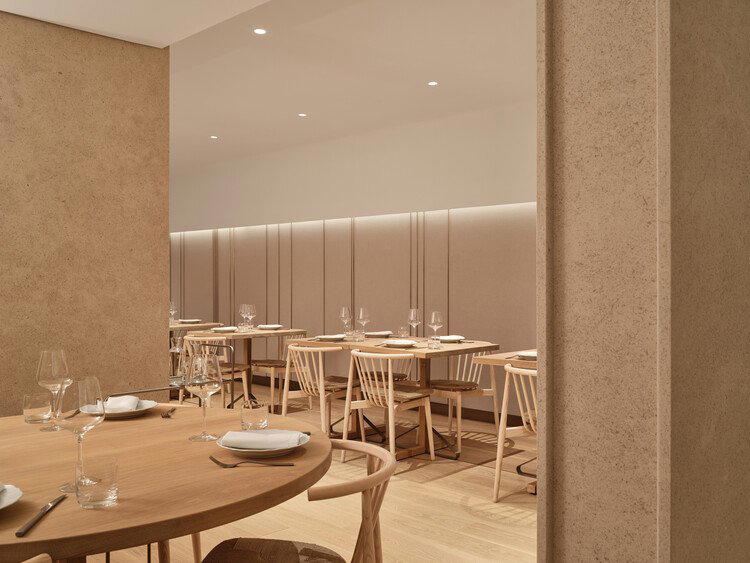
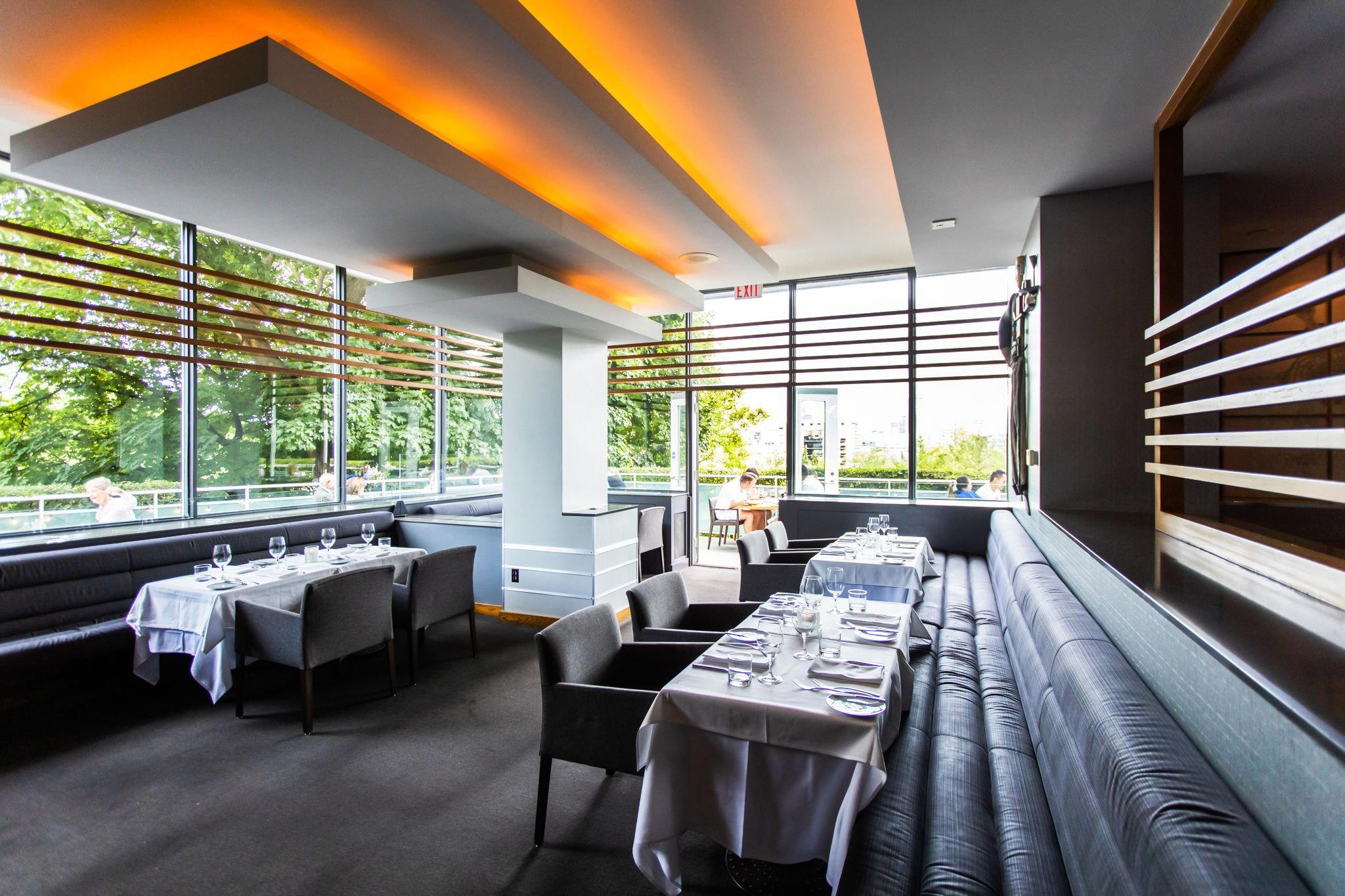
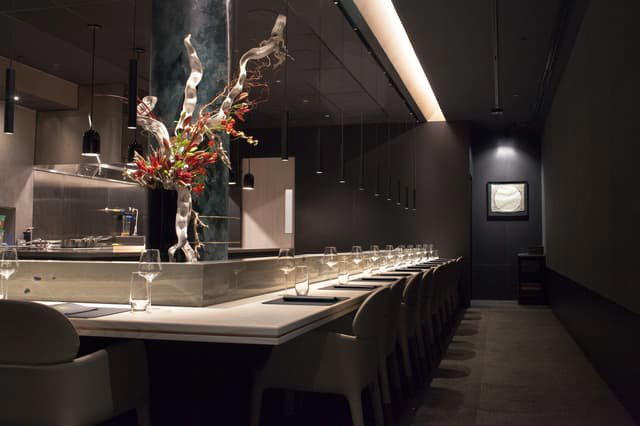
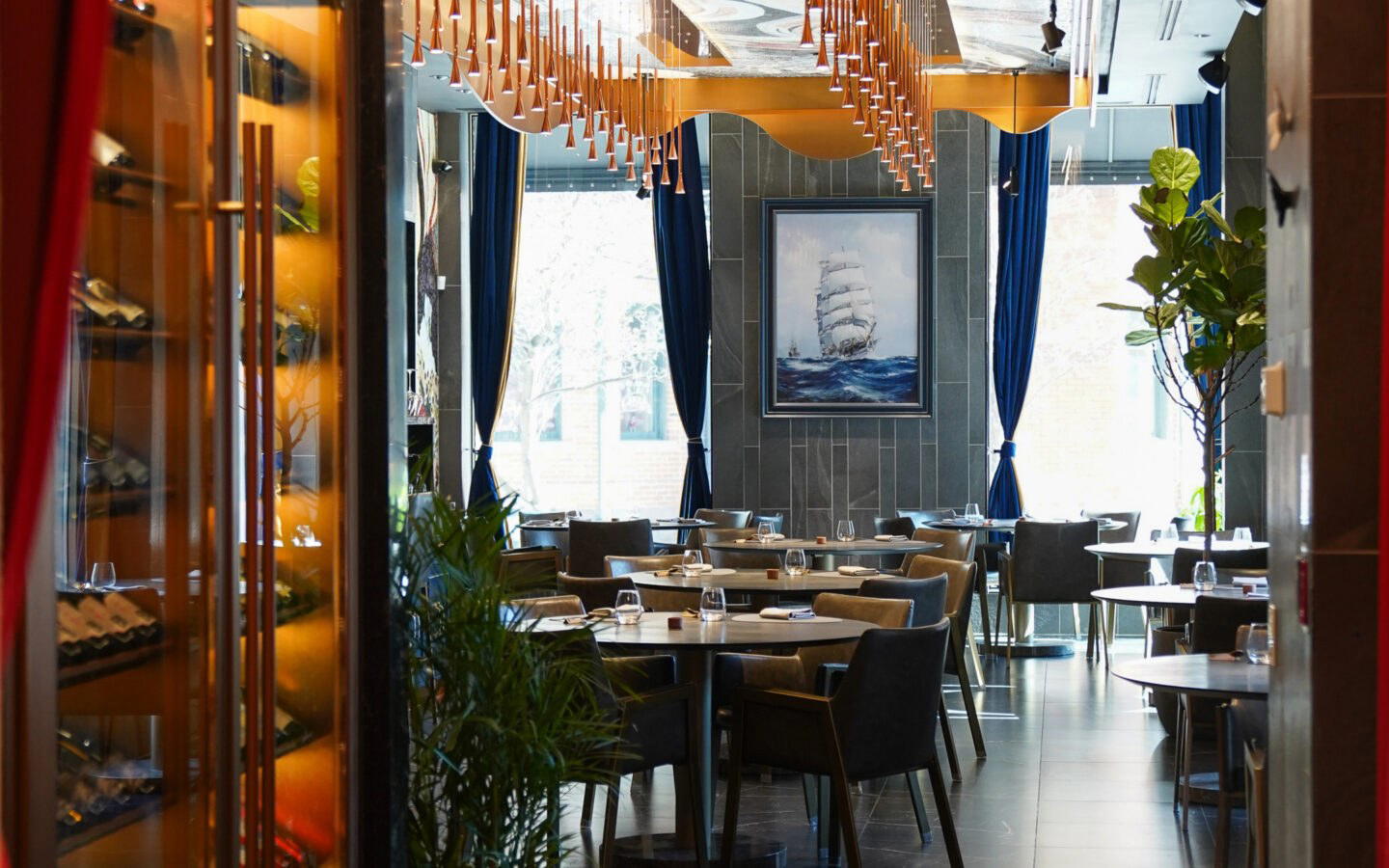
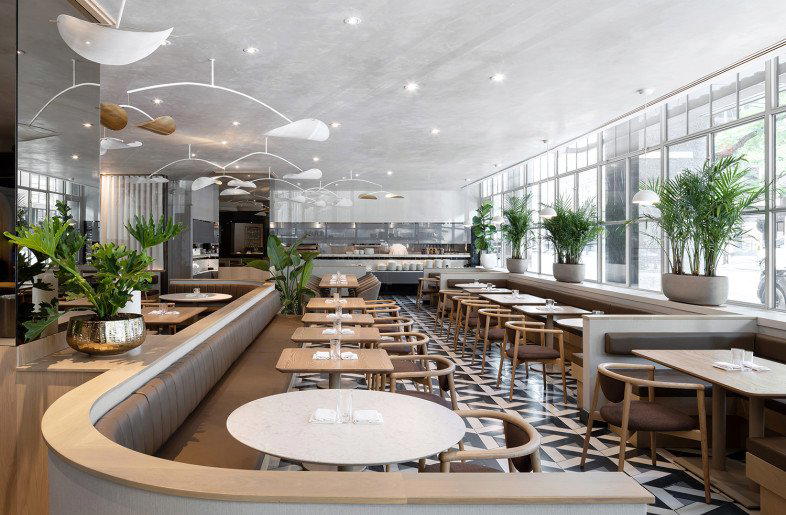
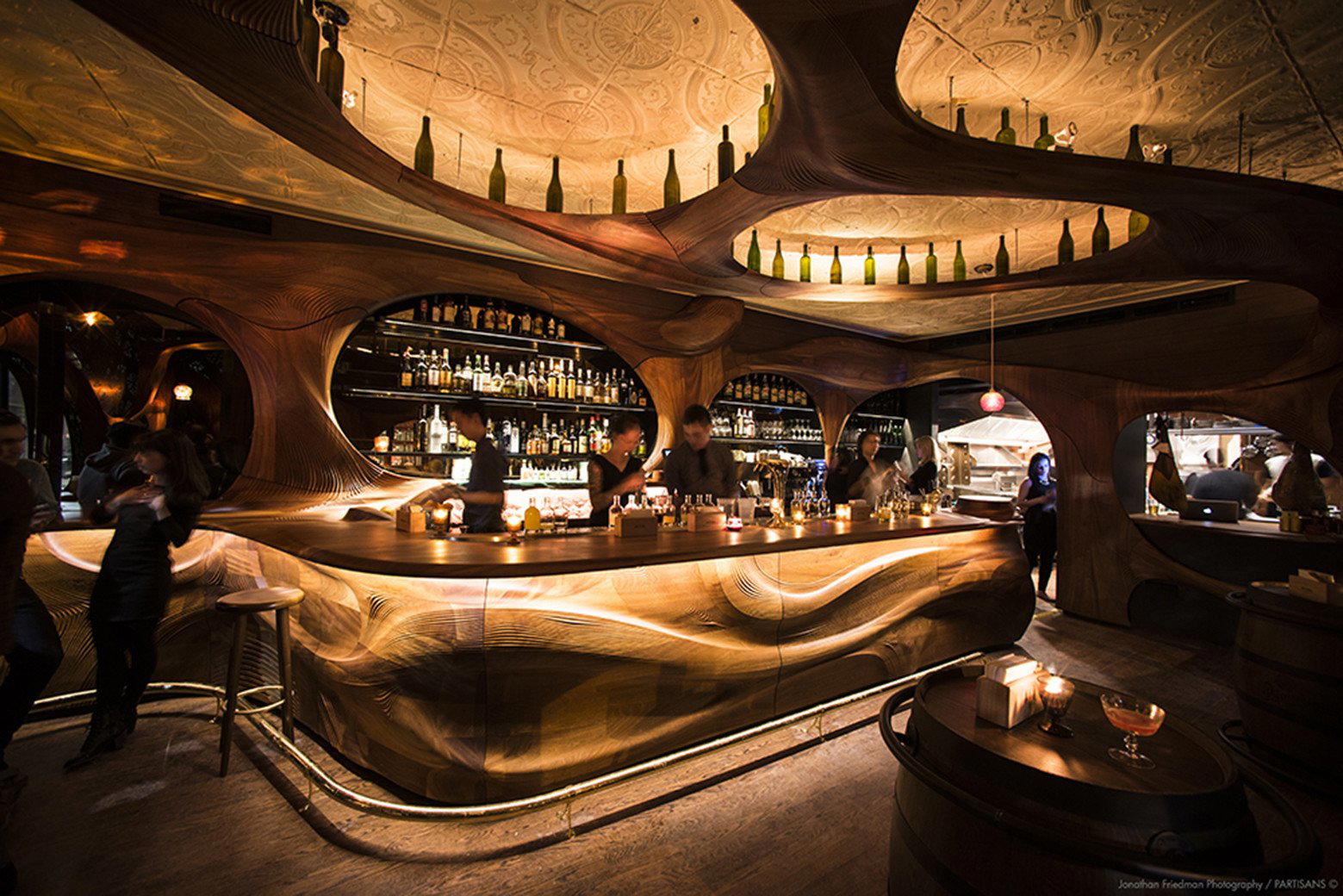
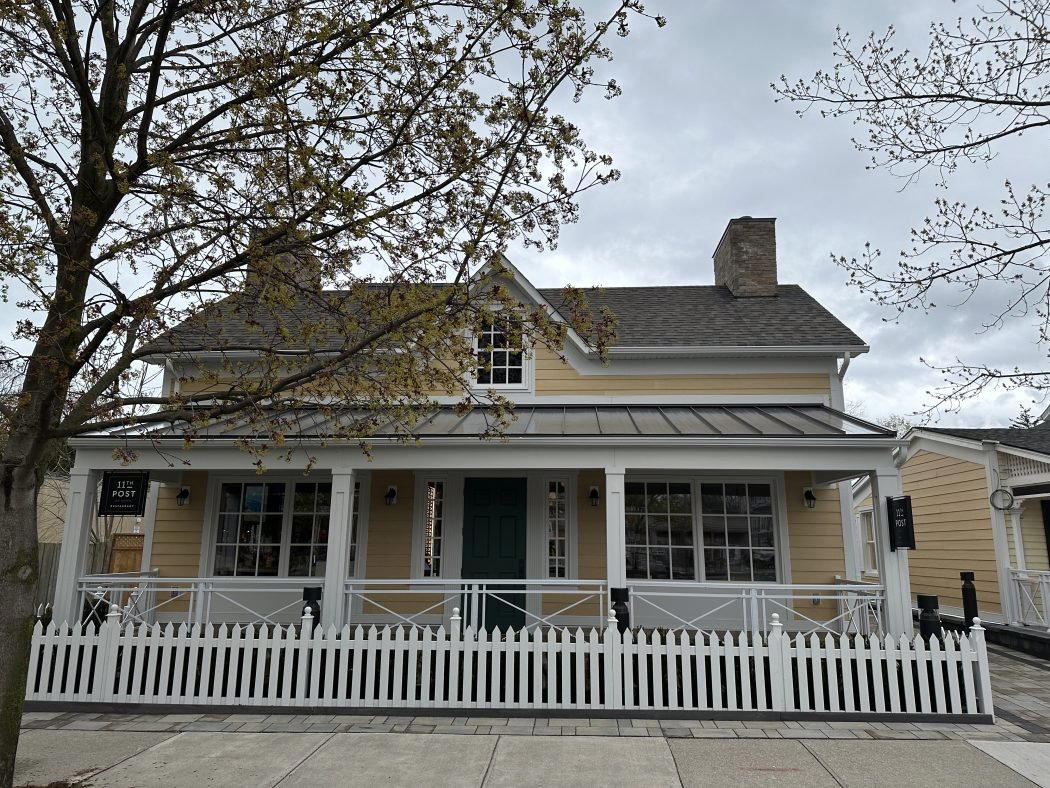
Approaching Rose and Sons on Dupont, the visual register is residential scale rather than commercial statement. The façade sits flush with the neighbourhood streetline, without the design-led exterior language that signals a certain tier of restaurant ambition. Inside, the room leans into the familiar rather than the considered: the kind of light and material palette that feels like it arrived organically rather than through an interior brief. Seating is configured for proximity rather than privacy, which means the room carries sound well and fills quickly during peak service. This isn't a venue that asks its guests to perform for it. The atmosphere is generated by occupancy, not architecture.

That dynamic, a room that depends on its crowd rather than its bones, places particular pressure on the front-of-house operation. In Toronto's neighbourhood dining tier, the difference between a room that works and one that merely functions often comes down to the floor team's ability to read pace and manage warmth without sliding into scripted hospitality. At this address and price point, the interaction between service staff and the kitchen's output defines the guest experience more than any single element in isolation.

Collaboration as the Engine Room

The editorial angle that illuminates this kind of restaurant most accurately isn't the menu or the chef biography, it's the operational relationship between the people who cook, the people who pour, and the people who translate both for the guest. At the neighbourhood end of the Toronto dining spectrum, where margins are tighter than at the tasting-menu tier and repeat business is the economic model, those relationships tend to be more visible and more consequential than in larger, more structured operations.

Across Canadian neighbourhood dining at this level, the venues that sustain themselves over years do so through front-of-house teams that carry institutional knowledge: who orders the same thing every time, which tables need more time, how to pace a table that arrived late without compressing their experience. The beverage side of a room like this functions less as a sommeliers showcase and more as a practical extension of hospitality, guiding guests through a list that should feel accessible rather than aspirational. This is a different skill set than the cellar-depth curation seen at destination restaurants like Restaurant Pearl Morissette in Lincoln or the front-of-house formalism at Tanière³ in Quebec City, but it is a skill set that sustains a certain kind of dining room year after year.

The same logic applies to the kitchen-to-floor dynamic. In a neighbourhood setting, communication between the pass and the floor shapes the guest's sense of timing and care. A dish arriving at the wrong moment in a table's conversation breaks the room's rhythm in a way that a formal tasting-menu format, with its built-in pacing structure, can more easily absorb. Neighbourhood restaurants earn their regulars by getting that timing right, consistently, over hundreds of covers.

Where Rose and Sons Sits in the Canadian Conversation

The national dining narrative tends to refine destination formats: the farm-to-table isolation of Eigensinn Farm in Singhampton, the coastal singularity of Fogo Island Inn Dining Room in Joe Batt's Arm, or the specific regional ambition of The Pine in Creemore. The neighbourhood room that serves the same street for a decade without repositioning toward destination status is a harder thing to write about but not a less meaningful one.

Across other Canadian cities, parallel versions of this format hold their ground: AnnaLena in Vancouver operates in a similar register on the West Coast, and Jérôme Ferrer - Europea in Montréal represents a more formal Montreal version of the durability principle. Even smaller markets sustain this type: Cafe Brio in Victoria and Narval in Rimouski both demonstrate that the format survives outside the major urban centres. Rose and Sons belongs to this broader Canadian tendency toward rooms that serve their immediate community first, with out-of-neighbourhood guests arriving as a secondary audience.

The international comparison point that the format most closely resembles isn't the refined tasting-menu tier represented by Le Bernardin in New York City or the communal-fire theatrics of Lazy Bear in San Francisco. It's the well-run brasserie or trattoria in a residential neighbourhood of a city that takes food seriously: a room that operates from conviction rather than ambition, and where the team stays long enough to know what they're doing. Busters Barbeque in Kenora represents a different expression of the same regional durability principle at the casual end of the Canadian spectrum.

Know Before You Go

Address176 Dupont St, Toronto, ON M5R 2E6, Canada
NeighbourhoodDupont / Seaton Village / Annex-adjacent
ReservationsCheck directly with the venue; neighbourhood format typically books ahead for evenings
Dress CodeCasual; the room does not signal formality
Price Range$25 per person
Hours
Signature Dishes
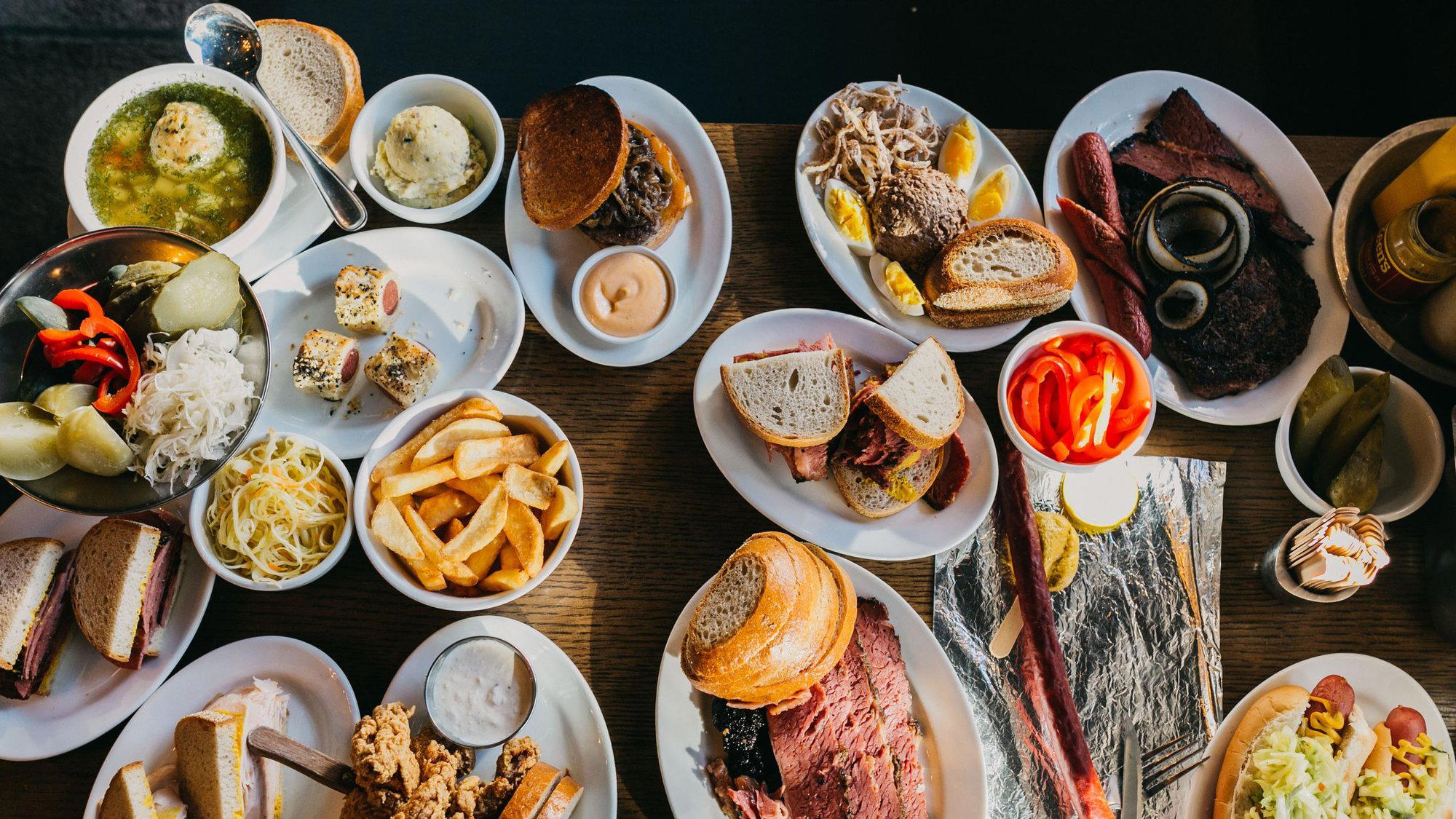
pastrami sandwichhot brisketshmaltz hash

Cuisine Lens

Comparable venues nearby, for context on price, style, and recognition.

At a Glance
Vibe
  • Cozy
  • Rustic
  • Trendy
Best For
  • Brunch
  • Casual Hangout
Experience
  • Standalone
Dress CodeCasual
Noise LevelConversational
CapacitySmall
Service StyleCasual
Meal PacingStandard

Casual, nostalgic diner atmosphere with calorie-rich comfort food.

Signature Dishes
pastrami sandwichhot brisketshmaltz hash