Rosalita's Cantina
On Washington Avenue in St. Louis's midtown corridor, Rosalita's Cantina occupies a stretch of the city where converted warehouse bones meet a dining scene that increasingly rewards specificity over scale. The cantina format places it within a broader Midwestern shift toward ingredient-conscious Mexican cooking, where provenance matters as much as technique.
Pearl is the En Primeur Club membership app — saves, bookings, and concierge access live there. Same editors, same standards.
- Address
- 1235 Washington Ave, St. Louis, MO 63103
- Phone
- +13146212700
- Website
- rosalitascantina.com
- Directions
- Get directions
 Saves & bookings on Pearl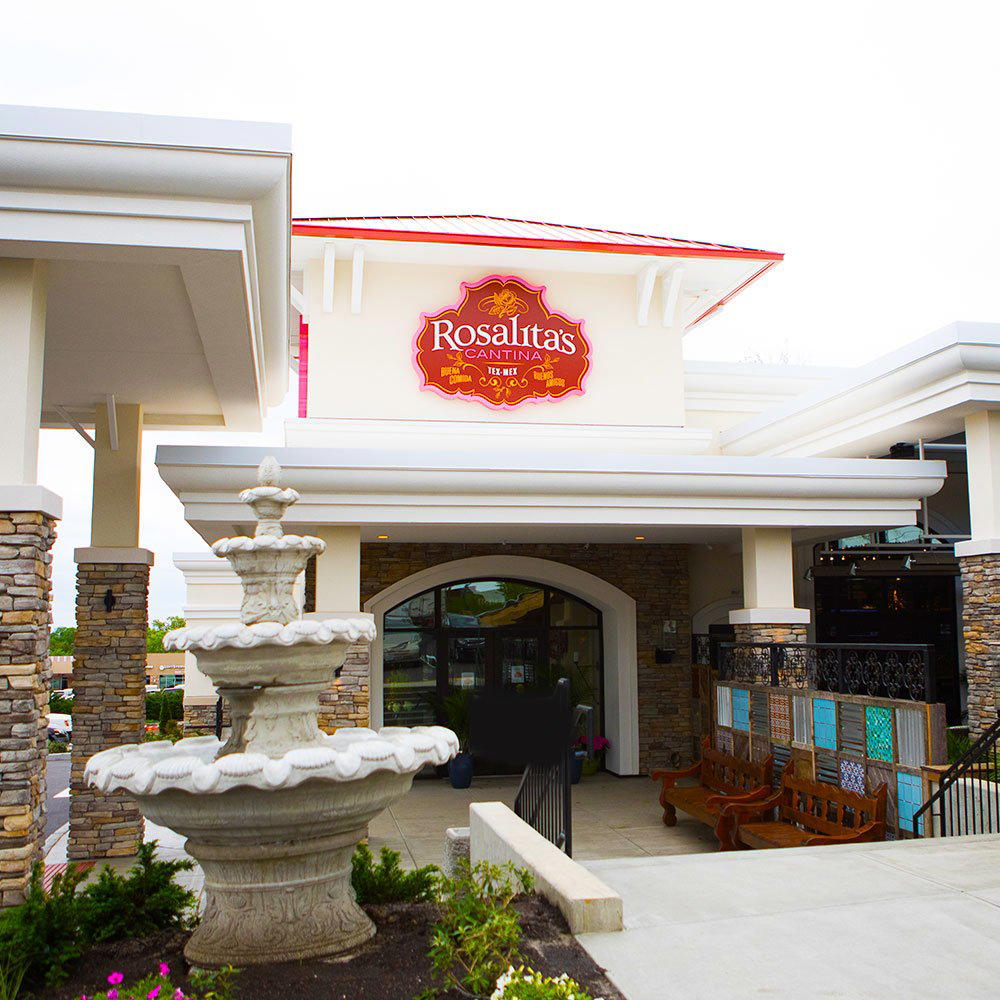
Washington Avenue and the Case for Sourced Mexican Cooking
Washington Avenue has gone through several identities over the past two decades. The loft conversions came first, then the bars, then a dining tier that settled somewhere between accessible and considered. Rosalita's Cantina, at 1235 Washington Ave, occupies a position on that street that reflects where the corridor has landed: not fine dining, not fast-casual, but something in the middle that rewards attention. Walking into a cantina format in this part of St. Louis, the question worth asking is not whether the food is Mexican-inspired, but where the ingredients come from and what that sourcing posture signals about the kitchen's priorities.
Across American cities, Mexican and Mexican-adjacent restaurants have split into two broad camps. One camp runs high-volume, consistent operations built around commodity supply chains. The other, smaller cohort anchors its identity in provenance: chiles sourced from specific regions, corn treated as an ingredient with a point of origin rather than a commodity, proteins tied to named farms or verified supply relationships. The cantina format, historically informal and neighborhood-facing, has become an interesting vehicle for that second approach precisely because it carries lower price expectations and higher tolerance for experimentation than a white-tablecloth room.
Where Ingredient Sourcing Meets the Midwestern Table
St. Louis's food scene has developed a particular relationship with ingredient sourcing that distinguishes it from coastal markets. The city sits within reach of Missouri's agricultural belt, giving kitchens direct access to regional producers without the logistical overhead that complicates farm relationships for restaurants in denser metros. Establishments like Annie Gunn's have built long-running reputations on exactly this kind of regional sourcing discipline, proving that St. Louis diners will support a kitchen that takes provenance seriously. The question for any Mexican-format restaurant operating in this context is how it negotiates between authenticity of tradition and the realities of a Missouri supply chain.
The cantina category in particular benefits from this regional positioning. Chiles, which define much of traditional Mexican cooking, are increasingly available through specialty distributors who trace origin to Oaxacan or Pueblan growing regions. Masa, the foundational element of corn-based Mexican cooking, has seen a parallel shift: tortillerias and restaurant kitchens in mid-sized American cities have started sourcing heirloom corn varieties through import channels that didn't exist a decade ago. A cantina that takes those sourcing decisions seriously operates in a different register than one running commodity flour tortillas alongside frozen protein.
The St. Louis Independent Scene as Context
Rosalita's Cantina sits within a St. Louis independent restaurant scene that has historically rewarded longevity and neighborhood identity over trend-chasing. Al's Restaurant, which has operated for decades in the city, and Anthonino's Taverna, a Hill neighborhood fixture, both demonstrate how St. Louis diners attach loyalty to places that feel rooted rather than imported. On the more casual end, Atomic Cowboy has shown that Washington Avenue itself can sustain a distinctive bar-and-food identity. Rosalita's draws from that same independent tradition, operating on a street where character matters more than category.
The city's barbecue institutions, including Pappy's Smokehouse and Bogart's Smokehouse, have set a baseline expectation for how St. Louis handles ingredient-driven cooking in informal formats: the sourcing is taken seriously, the format stays accessible, and the food makes the argument without requiring a tasting menu. Mexican cooking in the same city operates under a similar expectation. The cantina format, when done with discipline, carries that same logic.
For a broader map of where Rosalita's sits within the city's dining tier, the full St. Louis restaurants guide covers the range from neighborhood staples to destination kitchens. The contrast with nationally recognized rooms is instructive: Blue Hill at Stone Barns in Tarrytown has made ingredient sourcing the explicit thesis of its entire operation, while Single Thread Farm in Healdsburg integrates a working farm into its restaurant model. Rosalita's operates at a different scale and price point, but the underlying logic, that where food comes from shapes what it tastes like and what it means, connects the two registers.
How to Approach a Visit
Washington Avenue's dining corridor is walkable from several of St. Louis's midtown hotels, and the address at 1235 Washington Ave is accessible by car with street parking available in the surrounding blocks, though availability shifts depending on the day and time. For current hours, booking availability, and any seasonal menu changes, reaching out directly via the venue's available contact channels is the most reliable approach given that published hours can shift seasonally. St. Louis's dining scene, like most mid-sized American cities, tends toward shorter waits than coastal metros, but weekend evenings on Washington Avenue draw consistent foot traffic, and arriving with a reservation or at off-peak hours on weekdays reduces friction considerably.
The cantina format generally positions itself in an accessible price tier, making it a lower-commitment entry point than the city's tasting-menu rooms or destination steakhouses. For readers comparing across categories, BaiKu Sushi Lounge occupies a different cuisine register in the city's independent scene, and the contrast illustrates how St. Louis has developed genuine depth across formats rather than concentrating quality in a single category. Nationally, the gap between a cantina-format independent and a flagship destination room is illustrated by the distance between a place like Rosalita's and, say, Alinea in Chicago or The French Laundry in Napa, both of which represent the ceiling of the American fine dining tier. Rosalita's operates in a different tier entirely, one defined by neighborhood function and format accessibility rather than by tasting-menu ambition.
Other points of national reference help frame what sourcing-conscious casual dining looks like at different scales: Lazy Bear in San Francisco and Emeril's in New Orleans both demonstrate how regional ingredient identity can anchor a restaurant's reputation across decades. Providence in Los Angeles, Addison in San Diego, Le Bernardin in New York City, Atomix in New York City, The Inn at Little Washington, and 8 1/2 Otto e Mezzo Bombana in Hong Kong all sit at the top of their respective categories globally. The cantina format in St. Louis is not competing in that bracket, nor should it be evaluated against it.
At a Glance
- Lively
- Energetic
- Casual Hangout
- Group Dining
- Late Night
- Open Kitchen
- Craft Cocktails
Current opening hours
- Monday
- 11 AM–10 PM
- Tuesday
- 11 AM–10 PM
- Wednesday
- 11 AM–10 PM
- Thursday
- 11 AM–11 PM
- Friday
- 11 AM–11 PM
- Saturday
- 11 AM–11 PM
- Sunday
- 11 AM–10 PM
Hours can change for holidays and private events. Last verified .
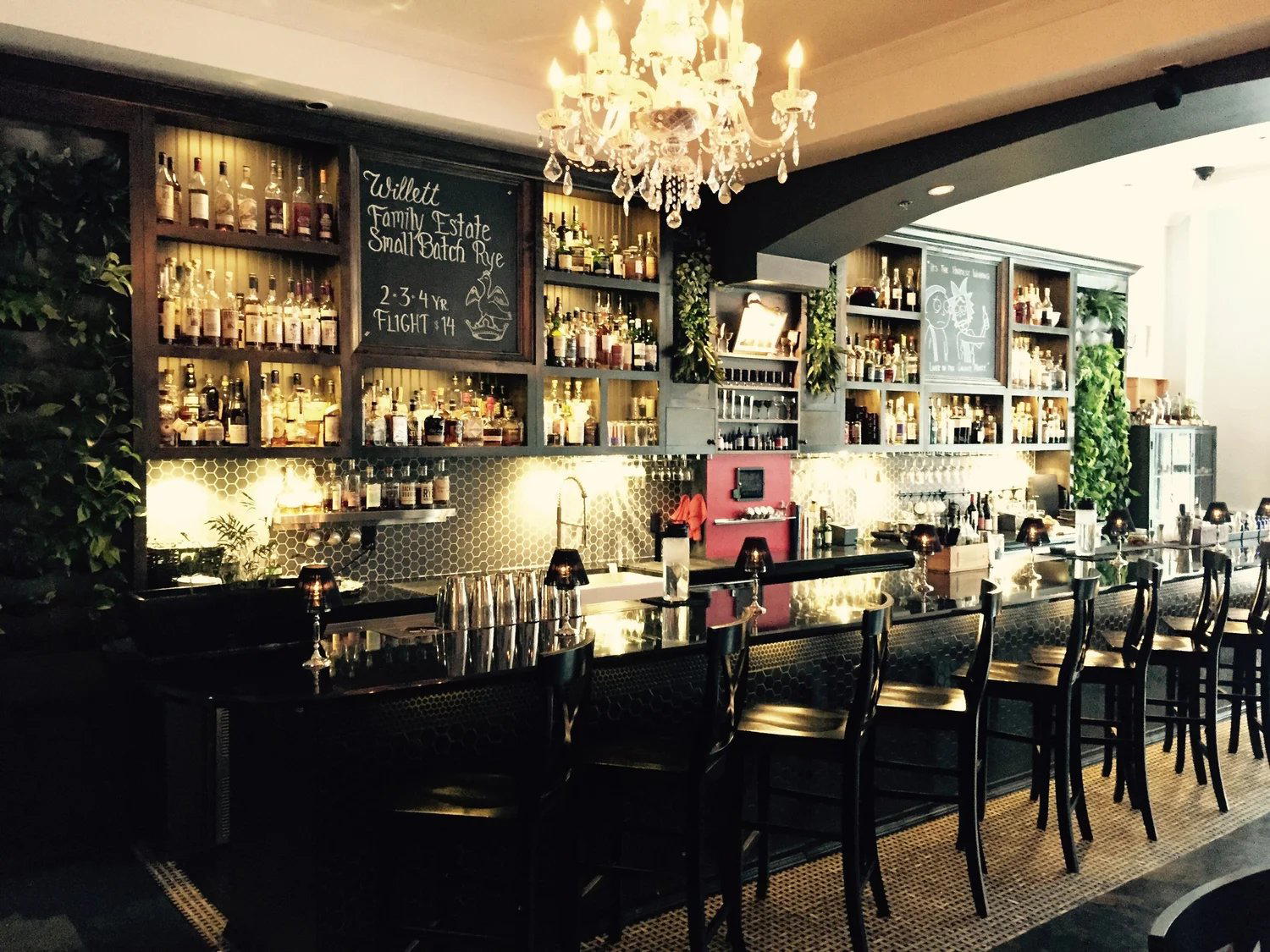
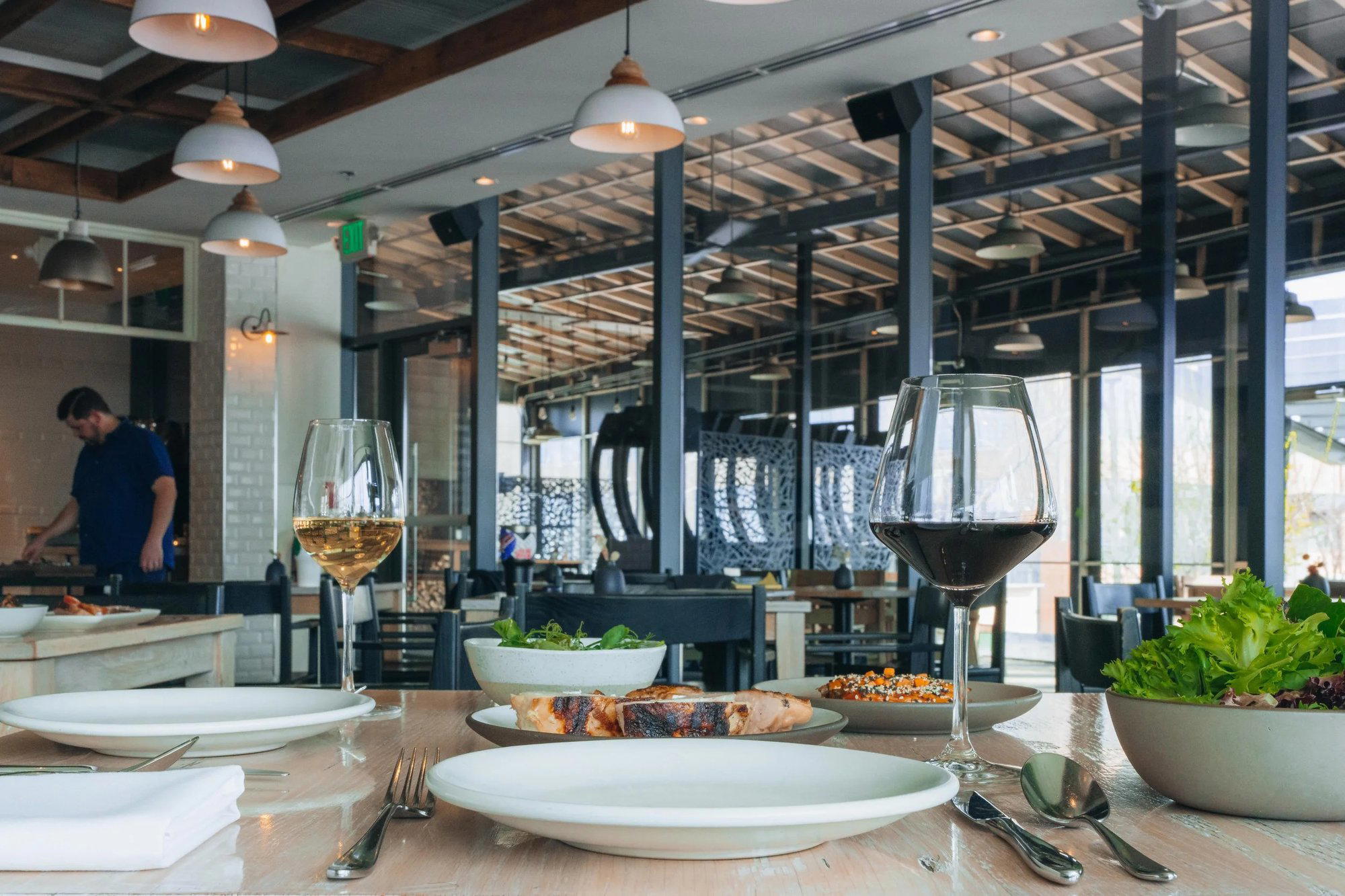
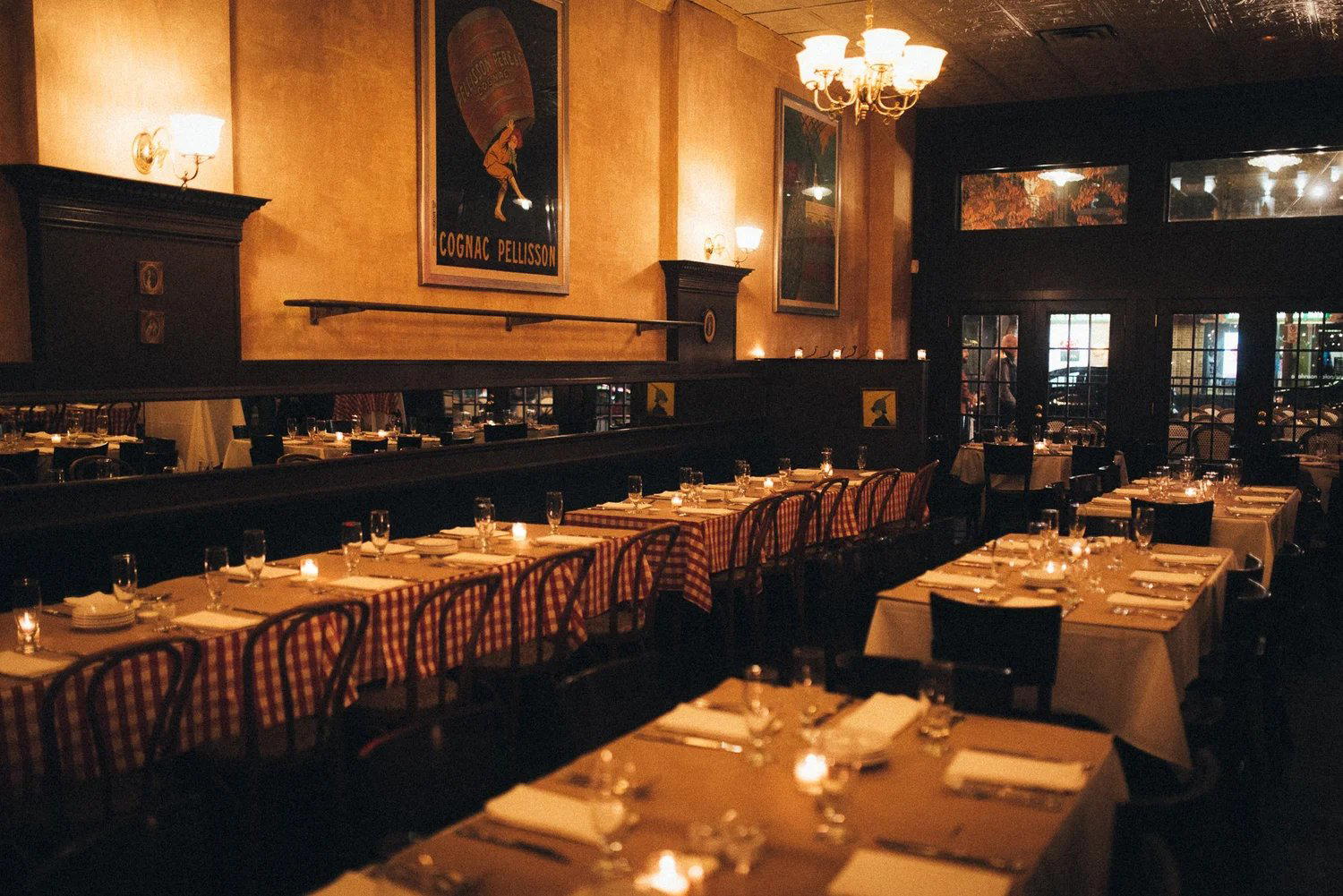
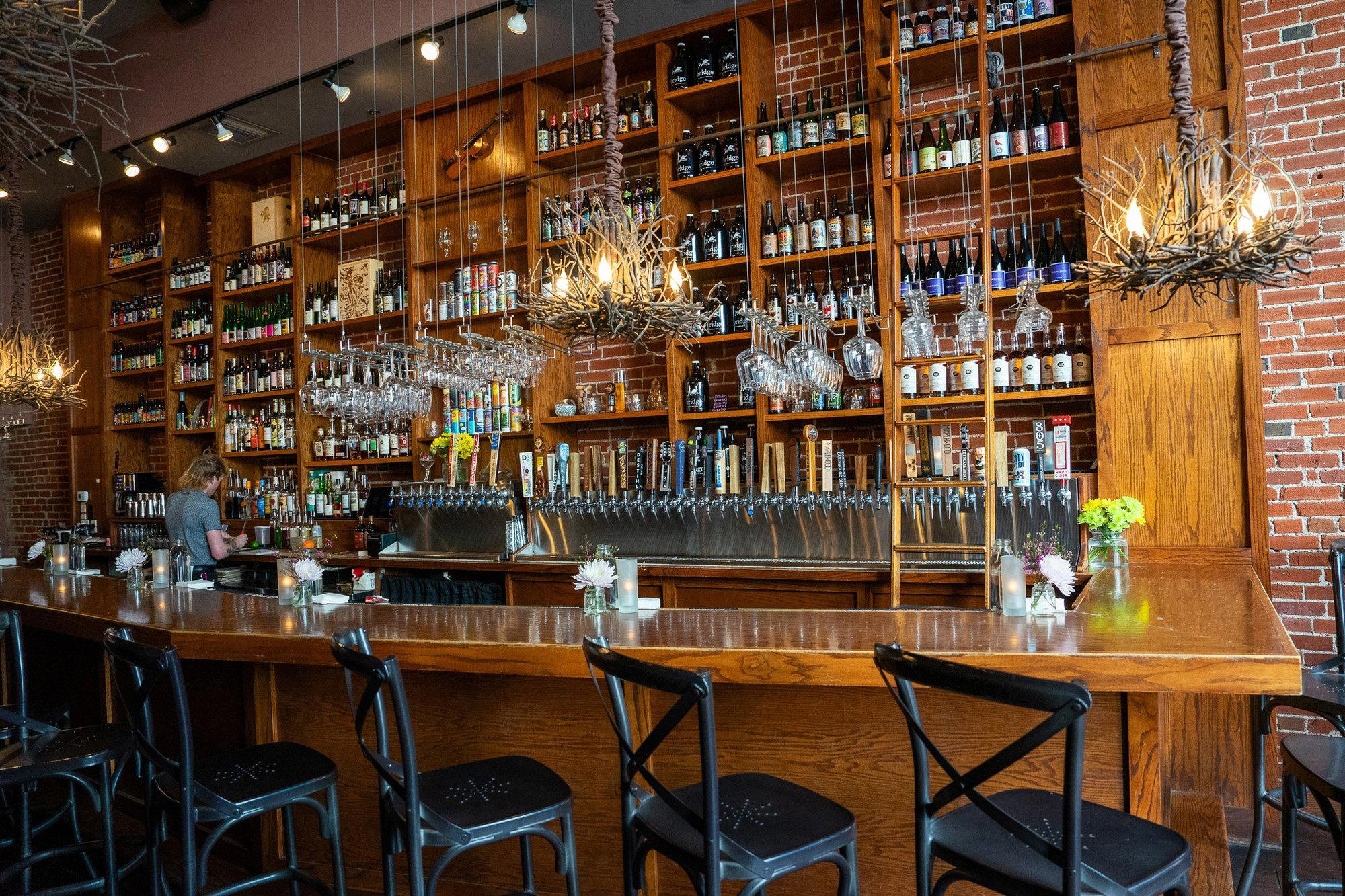
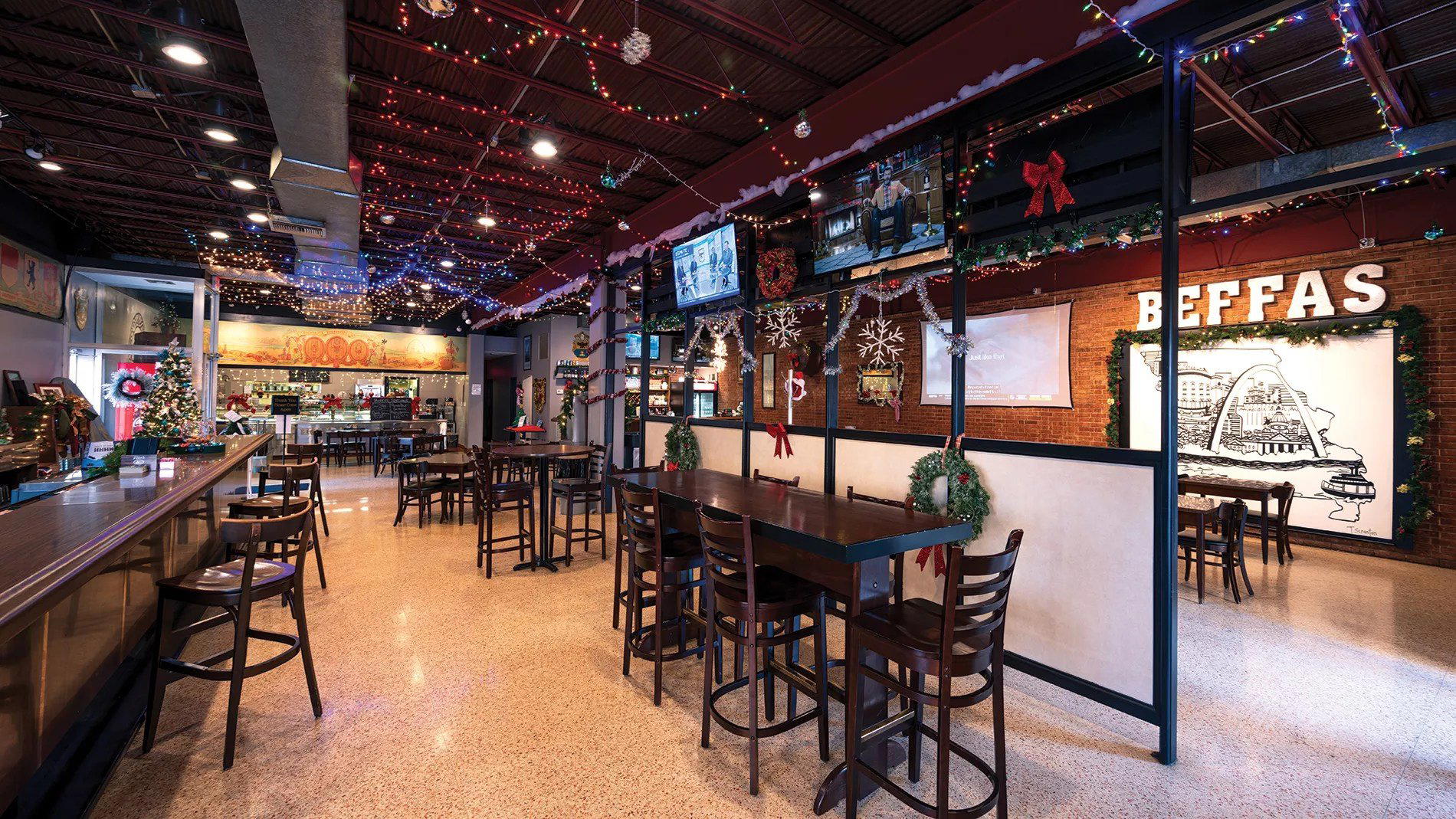
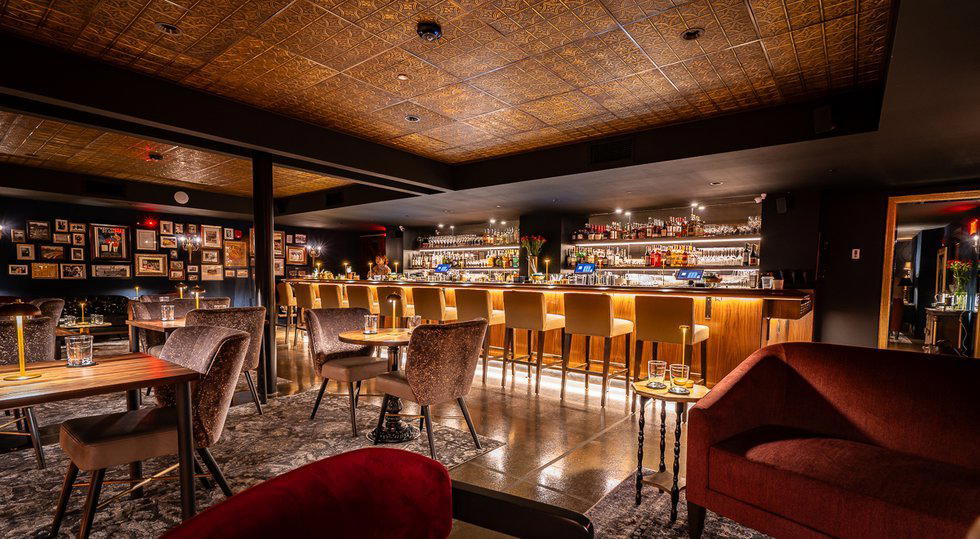
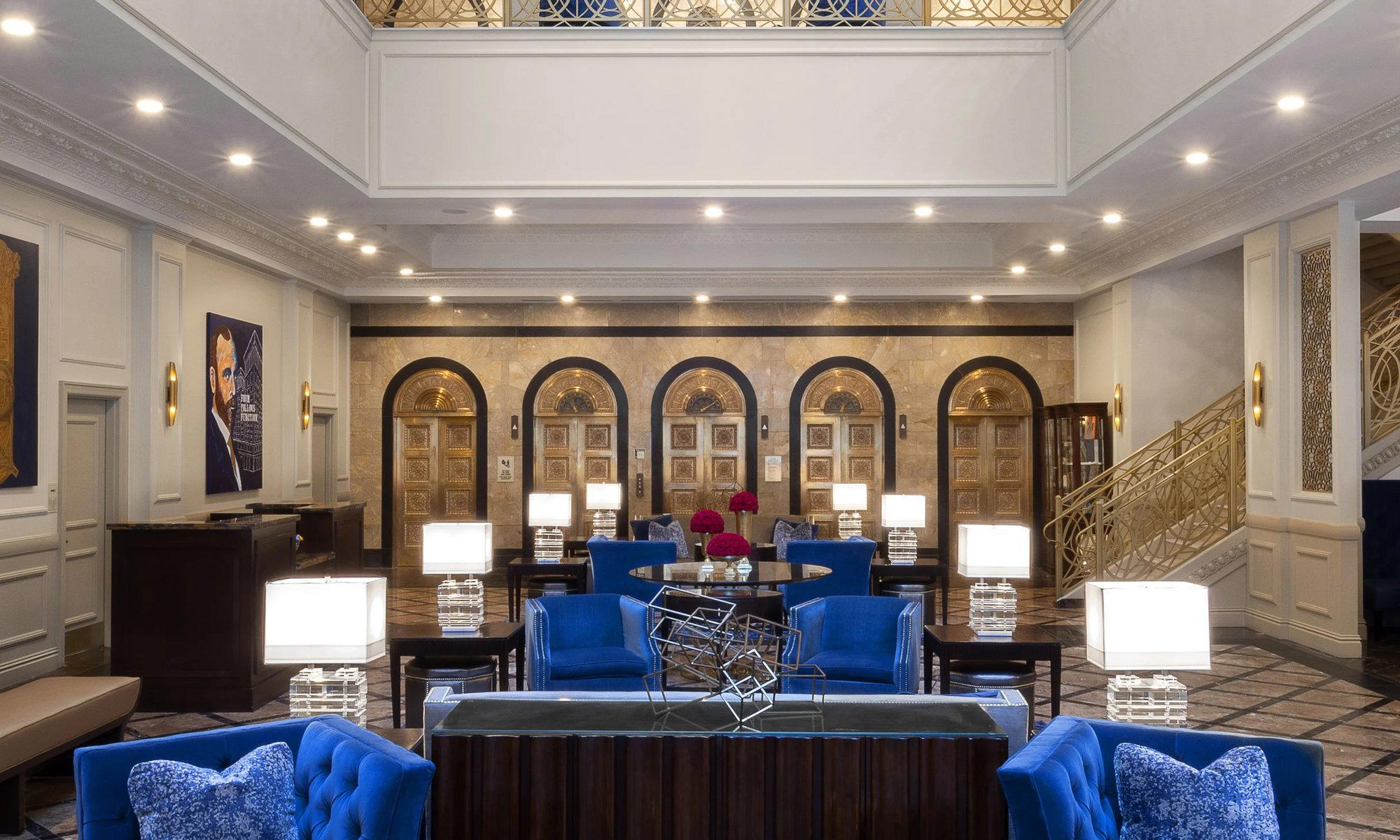
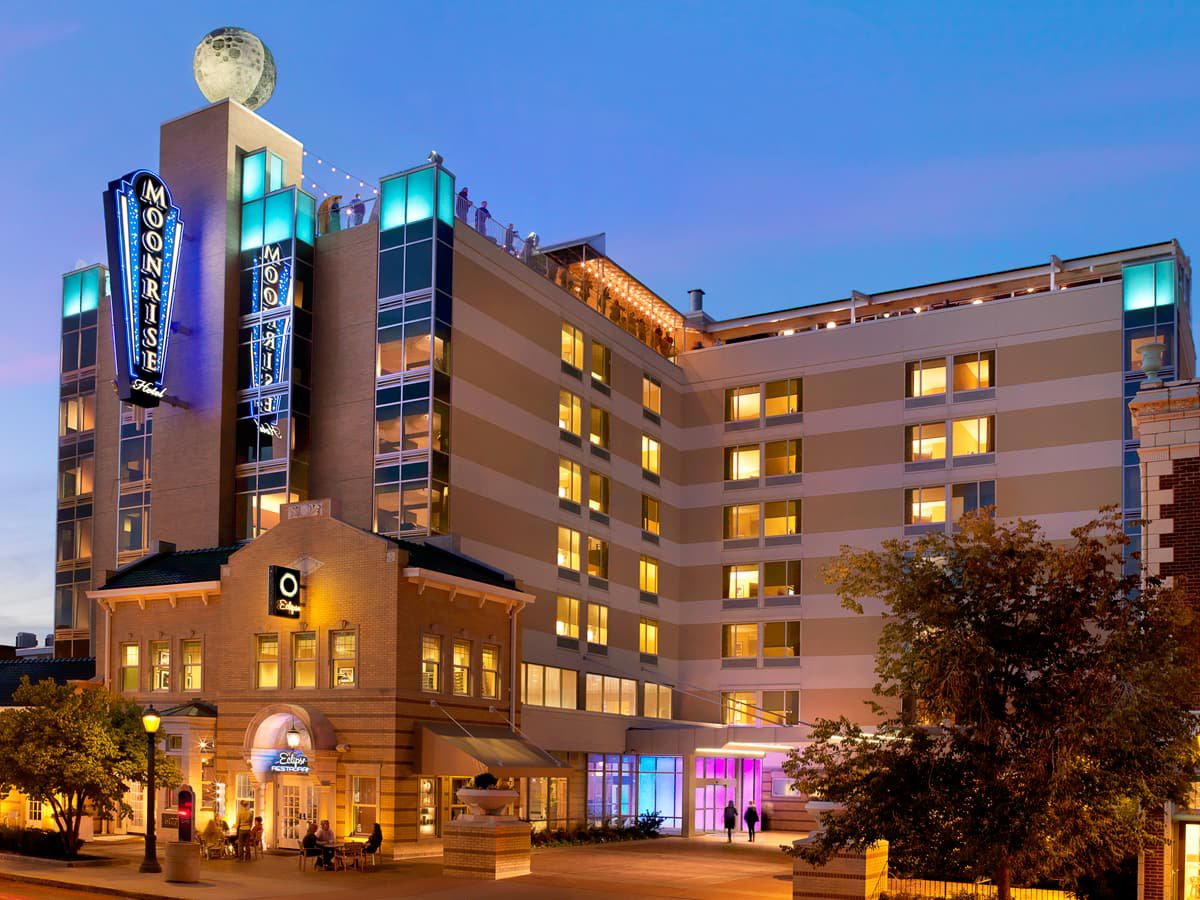
Upscale downtown environment with an upbeat and exciting atmosphere combining lively indoor seating and lively bar energy.
Know Before You Go
- Getting there
- 1235 Washington Ave, St. Louis, MO 63103