BaiKu Sushi Lounge
Our verdict
BaiKu Sushi Lounge on Olive Street sits within St. Louis's broader wave of Japanese-inflected dining, bringing a sushi-lounge format to the Midtown corridor. The address places it at an intersection of neighbourhood renewal and culinary ambition, where casual accessibility and composed Japanese technique share the same room. For the city's sushi-going crowd, it represents a distinct option in a market that skews heavily toward steakhouses and Midwestern comfort food.
Sushi in the American Heartland: What It Takes to Work
The deeper challenge for any Japanese restaurant operating outside the coastal cities is not the fish, refrigerated freight has largely solved that problem, but the cultural frame. In cities like St. Louis, where the dining conversation is shaped by Al's Restaurant and the Italian-American tradition of Anthonino's Taverna, sushi occupies a different position than it does in New York or Los Angeles. It is not the default format for a serious dinner. That positioning creates both a challenge and a space: the restaurant that earns consistent local loyalty in that context has usually done something right in translating the form for a market less saturated with comparison points.
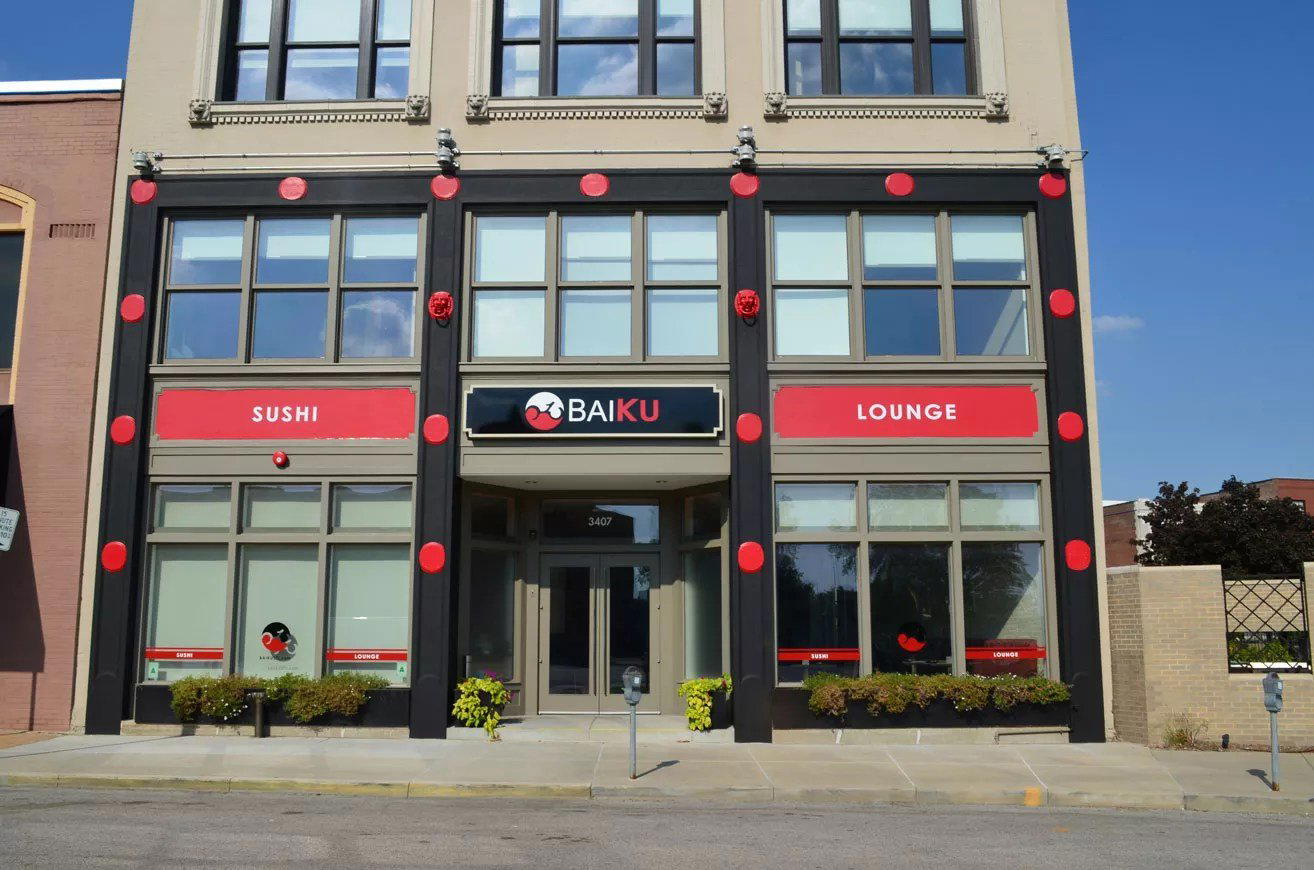
BaiKu Sushi Lounge occupies a specific address in Midtown St. Louis, 3407 Olive Street, at a stretch of corridor that has absorbed waves of neighbourhood change over decades. The lounge format, signalled in the name itself, suggests a deliberate positioning: not the austere counter-only omakase model that cities like Chicago sustain at Smyth, and not the theatrical tasting-menu ambition of, say, The French Laundry in Napa or Le Bernardin in New York City. The lounge register implies a room designed for conversation alongside the food, where the sushi is central but not the only object of attention.
The Cultural Roots of the Lounge Format
The sushi lounge as a concept has its own lineage, distinct from the strict omakase tradition that shapes how most food media covers Japanese dining. In Japan, izakayas and casual sushi-ya have always co-existed alongside the reverent counter experience. The American sushi lounge draws from that casual register while adapting it for local expectations: cocktail service, broader menus, and a room temperature that encourages longer stays. When this format works, it functions as a bridge, introducing Japanese culinary logic to diners who might not yet be ready for the discipline of a pure omakase setting, while still holding a baseline of technique that separates it from the industrialised sushi rolls that dominate suburban strip-mall dining.
That bridge function is particularly relevant in a city like St. Louis, where the broader dining conversation spans Italian-American anchors, the gastropub energy of places like Atomic Cowboy, and the refined bar programming at Blood & Sand. Japanese cuisine, in that context, is not competing with Nobu Manhattan or the omakase counters that Atomix in New York City or Providence in Los Angeles occupy. It is carving out space within a diverse but distinct Midwestern dining culture.
What the Olive Street Address Signals
Location carries meaning in St. Louis dining. The Midtown stretch of Olive Street sits between the Grand Center arts district and the denser commercial activity further east, a zone that has attracted a mix of creative businesses and neighbourhood restaurants over recent years. Dining in this corridor tends to serve a local clientele rather than the destination-dining crowd that makes the longer drive to Annie Gunn's in the western suburbs. That local orientation shapes what a restaurant here needs to be: accessible enough to generate repeat visits, distinct enough to hold a position in a diner's regular rotation.
For sushi specifically, a Midtown address suggests BaiKu is drawing from the arts and medical district populations nearby, as well as from the broader city grid. That is a different customer than the suburban sushi diner who treats the experience as an occasional event. A lounge format is well-matched to a neighbourhood that generates weekday evening traffic alongside weekend visits.
How St. Louis Compares to Peer Sushi Markets
To calibrate expectations usefully, it helps to understand where St. Louis sits in the American sushi hierarchy. The city is not a market like Los Angeles, where Japanese immigration history created dense, technically sophisticated sushi culture decades ago, or New York, where Michelin attention has produced a stratified market with multiple tiers of omakase pricing. St. Louis is closer in profile to other mid-sized Midwestern and Southern cities, markets where a handful of restaurants hold most of the Japanese dining attention, and where the standard of comparison is set by local consensus rather than by Michelin Guide entries.
In that context, the sushi lounge format carries less competitive pressure from above and more opportunity to define the category for its regular clientele. Restaurants operating in this space nationally, from New Orleans, where Emeril's established that a serious dining culture could flourish outside the coastal axis, to San Diego, where Addison operates at a Michelin level, demonstrate that American cities outside the major coastal markets can sustain ambitious food programs when the local appetite is cultivated consistently.
The comparison is instructive not because BaiKu is reaching for that tier, but because the pattern holds at every price level: sustained local relevance in a non-coastal American city requires a restaurant to understand what its specific community needs from the format, and to deliver that consistently over time.
Planning a Visit
BaiKu Sushi Lounge is located at 3407 Olive Street in Midtown St. Louis, positioned within reach of Grand Center and the surrounding neighbourhood. Given the lounge orientation of the space, it fits naturally as an evening option, a format that tends to reward later arrivals over rushed early seatings. Visitors to St. Louis with broader dining ambitions should consult our full St Louis restaurants guide for a wider view of the city's dining character, from the enduring Italian-American institutions to the newer bar-forward openings shaping the current conversation. Those seeking to understand how heartland sushi sits in national context might also reference the farm-driven Japanese sensibility at Single Thread Farm in Healdsburg or the ingredient-first discipline at Blue Hill at Stone Barns in Tarrytown, not as direct comparisons, but as markers of where the broader American conversation around Japanese and produce-led dining is heading.
Frequently asked questions
What's BaiKu Sushi Lounge's location?
BaiKu Sushi Lounge is located at 3407 Olive St, St. Louis, MO 63103, St Louis.
How does BaiKu Sushi Lounge fit into the St. Louis dining scene compared to other Japanese restaurants in the city?
St. Louis supports a smaller but growing Japanese dining scene, and BaiKu's lounge model at 3407 Olive Street occupies a different tier than the city's more formal Japanese options. Its Midtown location, adjacent to Grand Center, places it within a cultural corridor that attracts arts-goers and neighbourhood regulars rather than destination diners. That positioning makes it one of the more accessible sushi addresses in the city, without the reservation lead times associated with omakase-style rooms.
What should I order at BaiKu Sushi Lounge?
BaiKu operates as a sushi lounge rather than a strict omakase counter, which means the menu is built for exploration rather than a single prescribed path. The lounge format typically leans on rolls, nigiri selections, and shareable plates suited to groups and walk-in crowds in Midtown St. Louis. check the venue's official channels for current menu specifics, as offerings in this format tend to rotate.
Can I walk in to BaiKu Sushi Lounge?
The lounge format at 3407 Olive Street is designed for a more relaxed, accessible dining mode than reservation-only omakase rooms. That said, proximity to the Grand Center arts district means pre-show traffic can fill the room quickly on performance nights. Calling ahead or checking current hours before visiting is advisable, particularly on weekends.
What is BaiKu Sushi Lounge known for?
BaiKu is positioned as a sushi lounge in St. Louis's Midtown corridor, occupying a stretch of Olive Street that bridges the Grand Center arts district and surrounding neighbourhoods. The lounge designation signals a casual, social approach to Japanese dining rather than the counter-focused, chef-directed format of traditional sushi bars. In a city that sits outside the major coastal sushi markets, that approachability gives BaiKu a distinct role in the local dining scene.
A Pricing-First Comparison
Comparable options at a glance, pulled from our tracked venues.
| Venue | Cuisine | Price | Awards |
|---|---|---|---|
| BaiKu Sushi LoungeThis venue (the venue you are viewing) | Fusion Sushi Lounge | Not listed | Not listed |
| Truflles | Modern American Steakhouse | $50–100 | Star Wine List · Wine Spectator Best of Award of Excellence |
| Annie Gunn's | Steakhouse & Seafood | $50–100 | Star Wine List · Wine Spectator Best of Award of Excellence |
| Atomic Cowboy | Tex-Mex BBQ Fusion | Not listed | Not listed |
| Broadway Oyster Bar | Cajun & Creole Seafood | $20–30 | Not listed |
| Cafe Mochi | Japanese Sushi with Vietnamese Fusion | $20–30 | Not listed |
Continue exploring
More in St Louis
Restaurants in St Louis
All restaurants in St Louis →
Bars in St Louis
All bars in St Louis →
Details
- Trendy
- Elegant
- Modern
- Date Night
- Special Occasion
- Hotel Restaurant
- Sake Program
- A La Carte
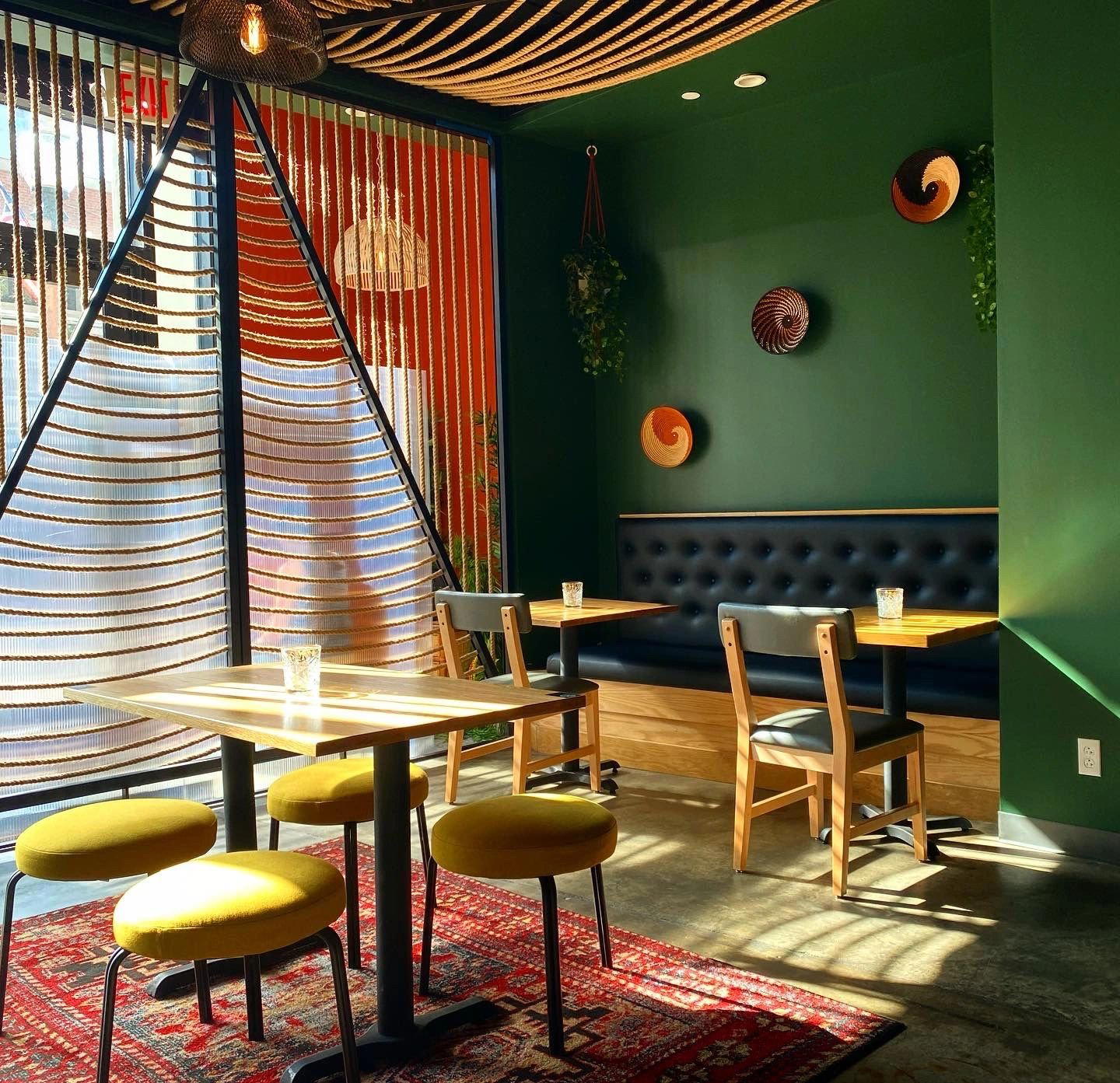
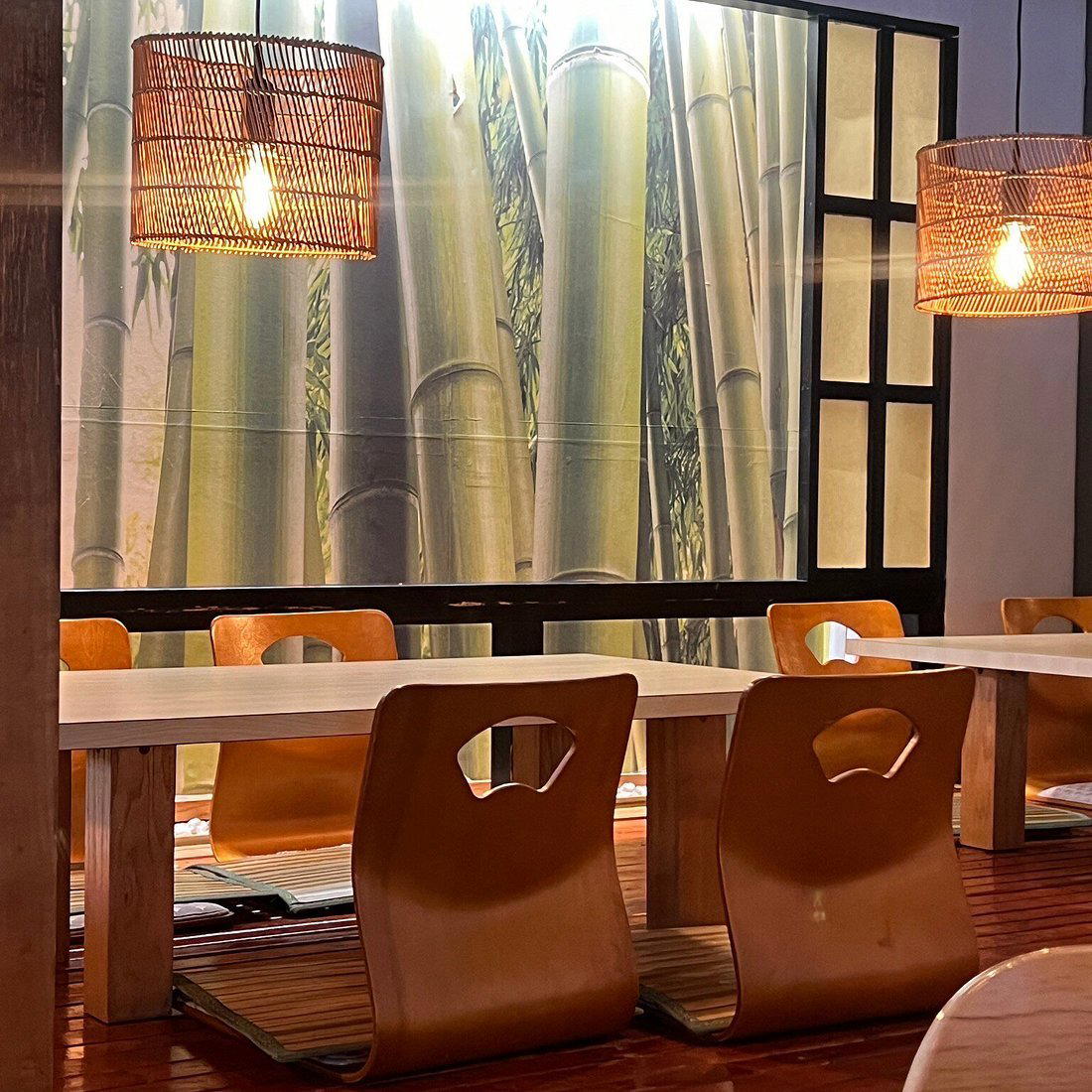
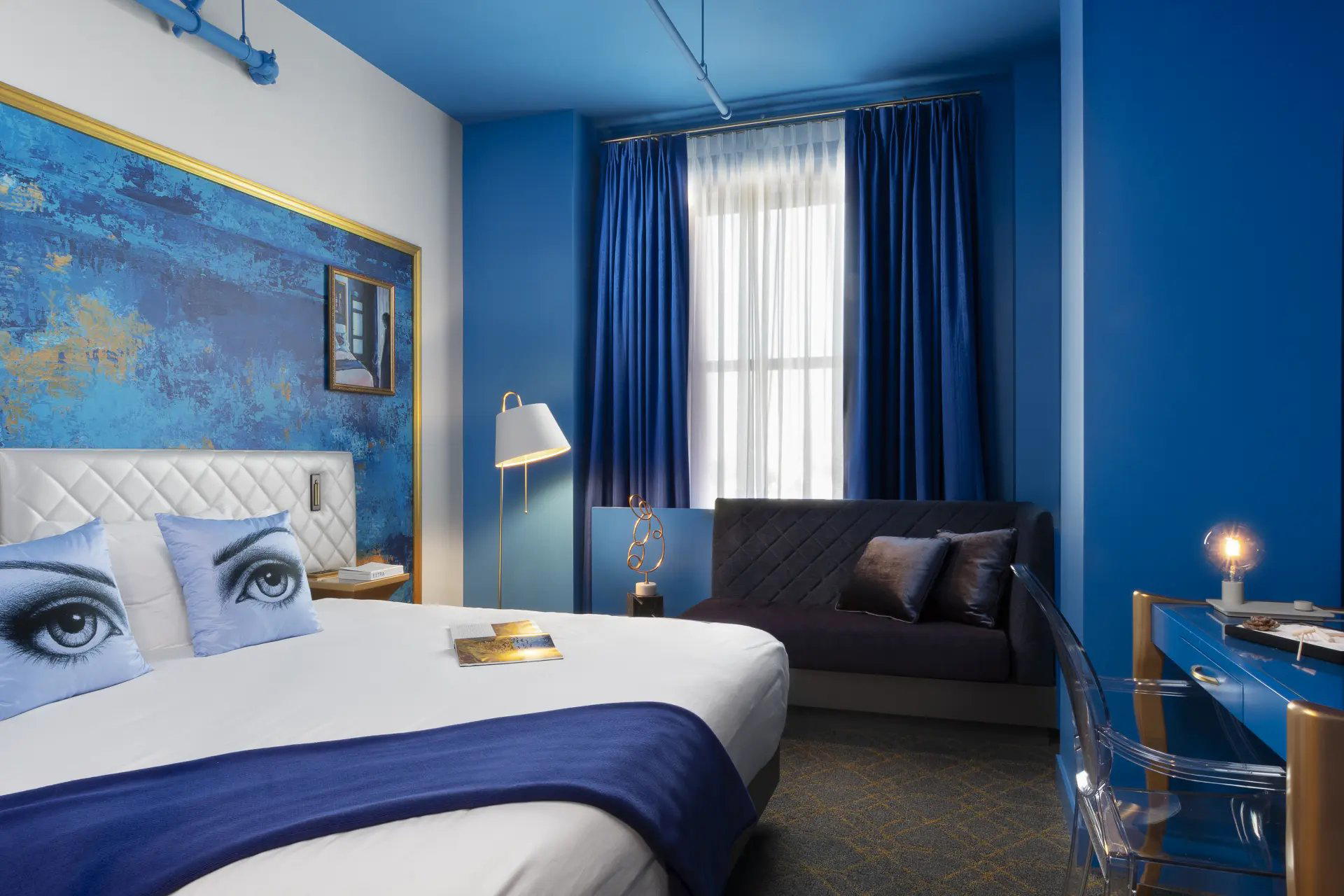
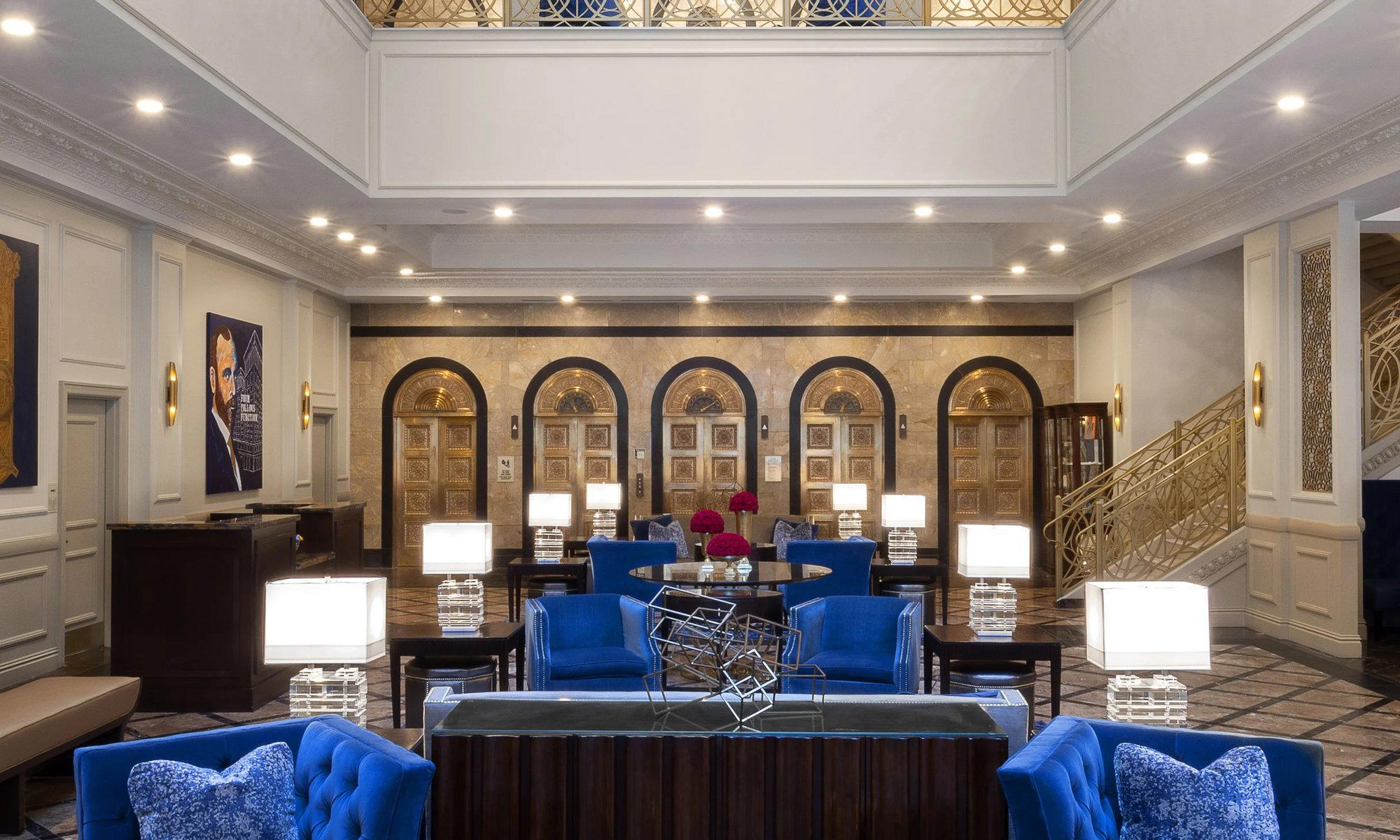
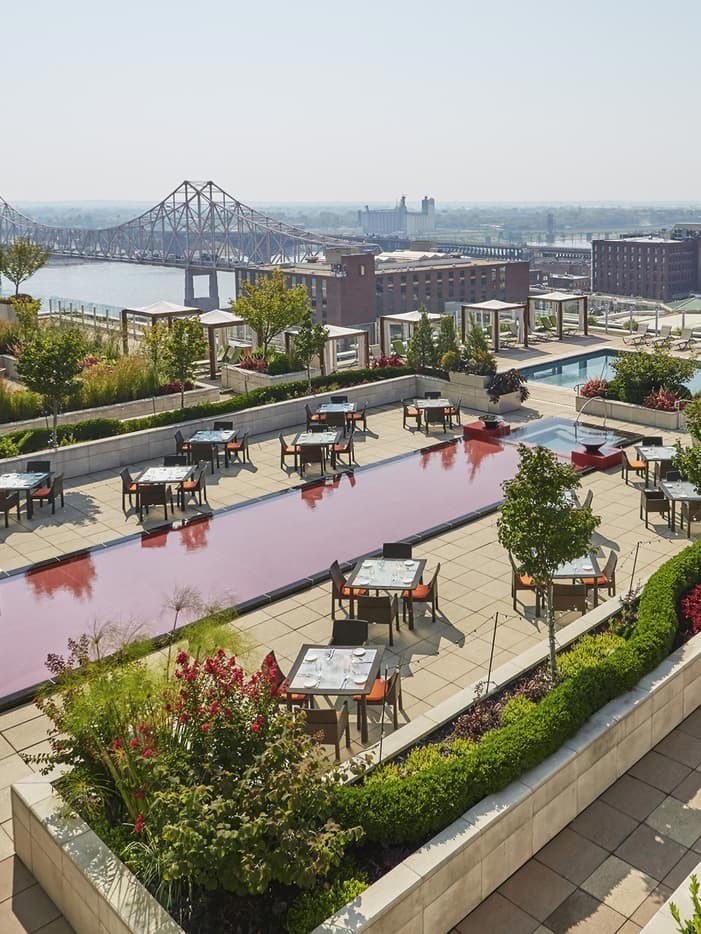
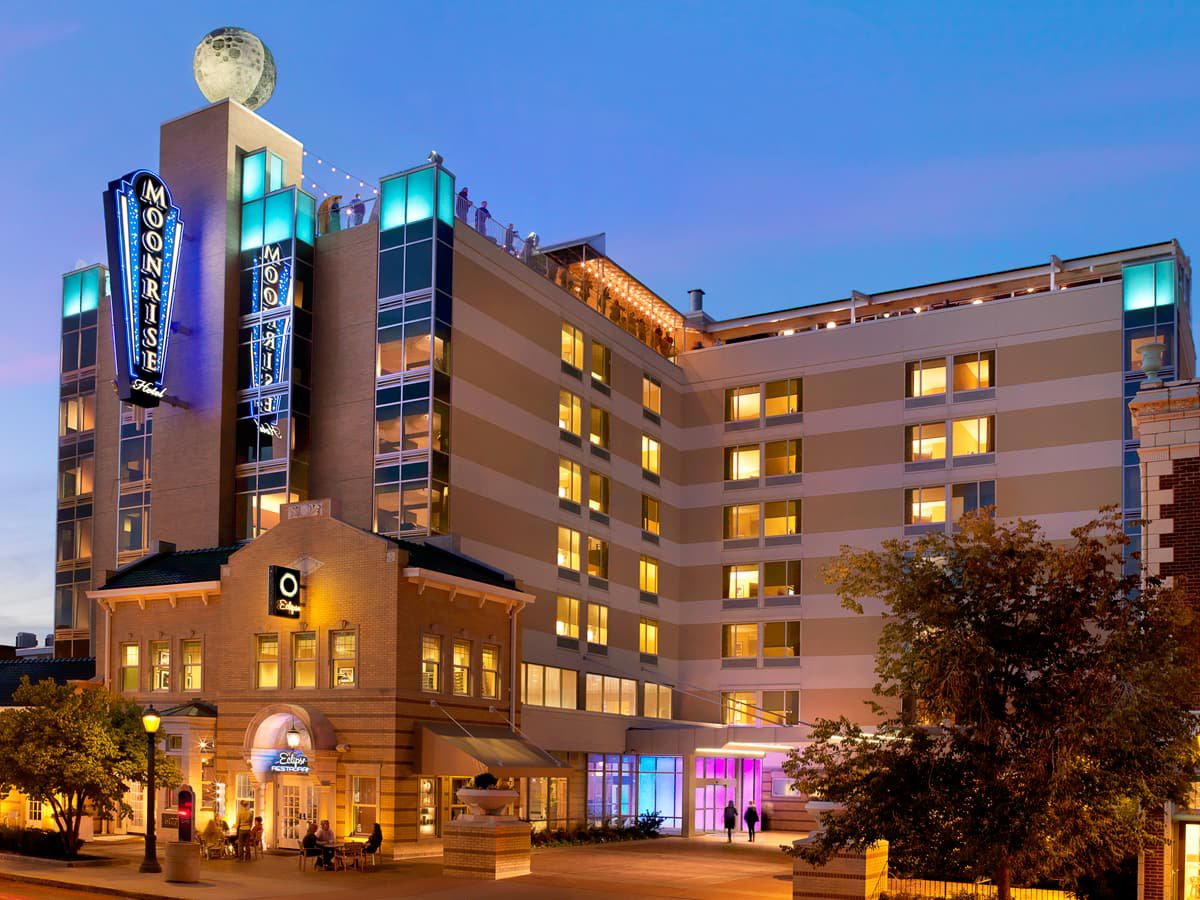
Swanky lounge atmosphere with pastel lights creating a trendy and elegant setting.