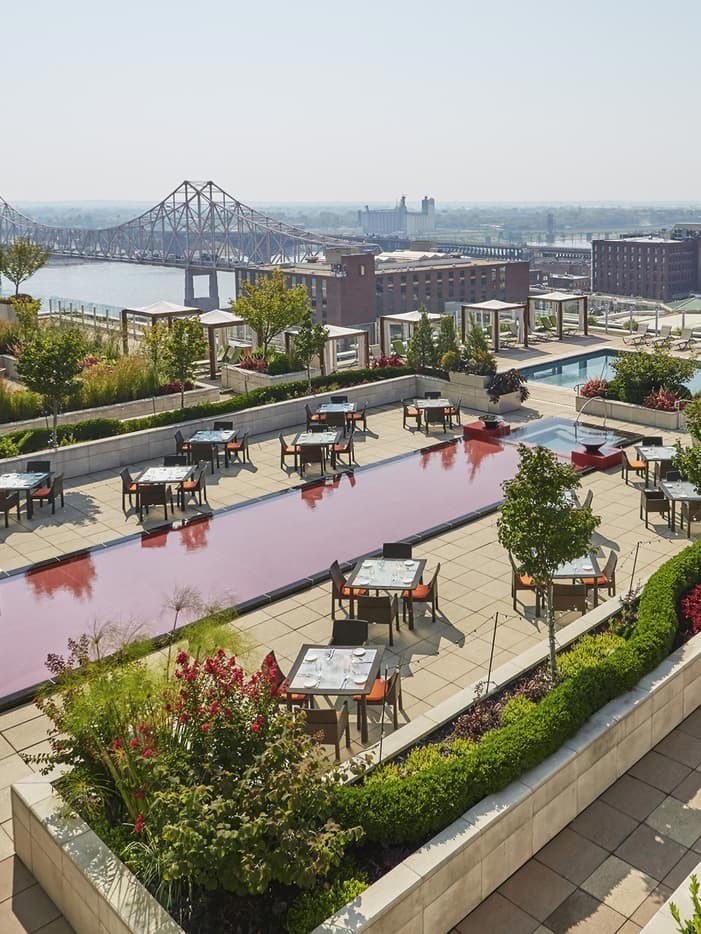
Vicia

James Beard Award Nominee
Our verdict
Vicia occupies a deliberate position in St. Louis's fine-dining conversation: a Forest Park-adjacent address that draws comparison to the country's most ambitious farm-driven programs. Plan ahead, this one rewards preparation.

Pearl is the En Primeur Club membership app, where members save venues, book tables and use the concierge.
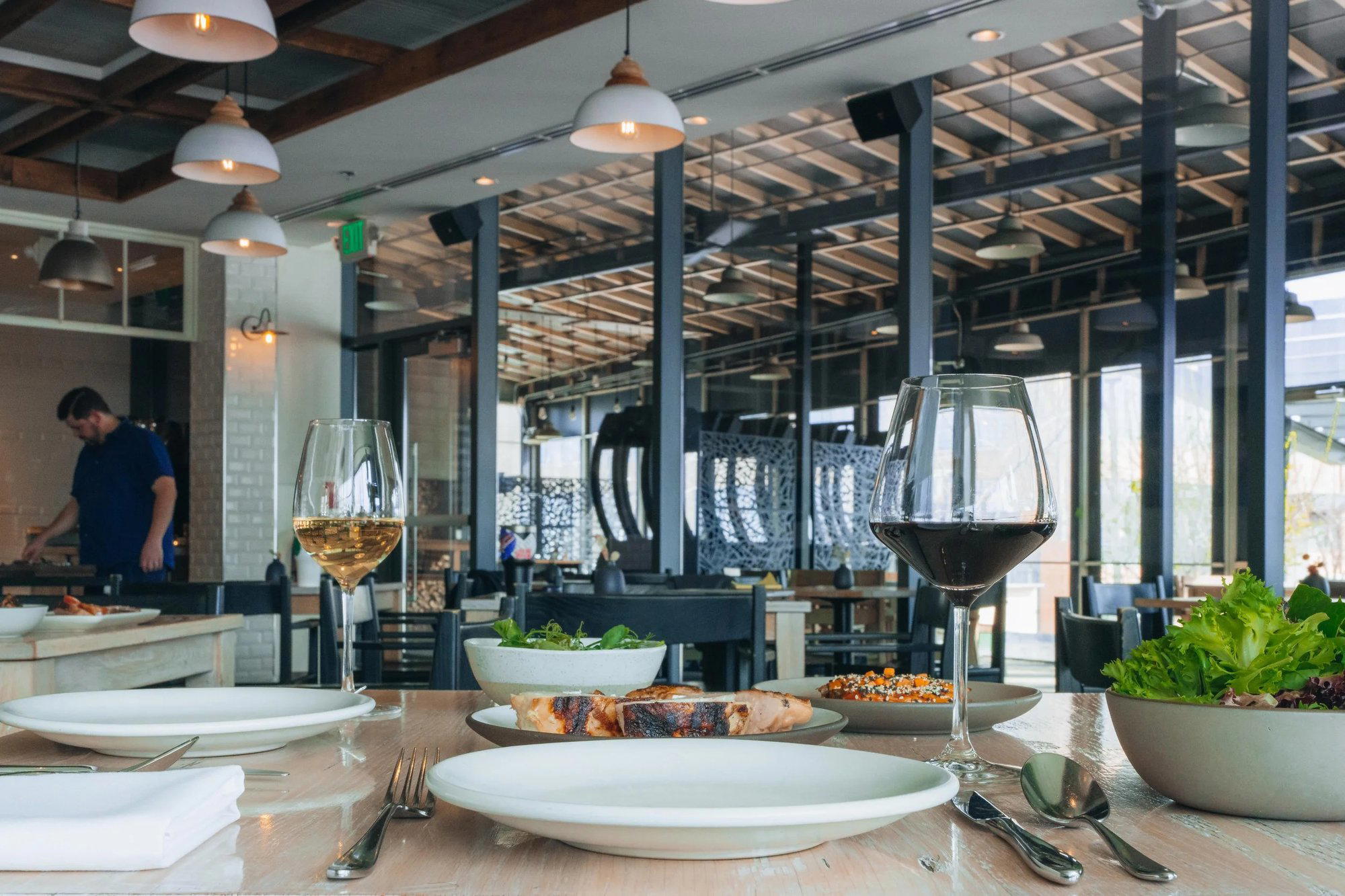
The menu
What to order
- Purple-top turnip tacos
- Rutabaga carbonara
Where Forest Park Meets Fine Dining: The Case for Vicia
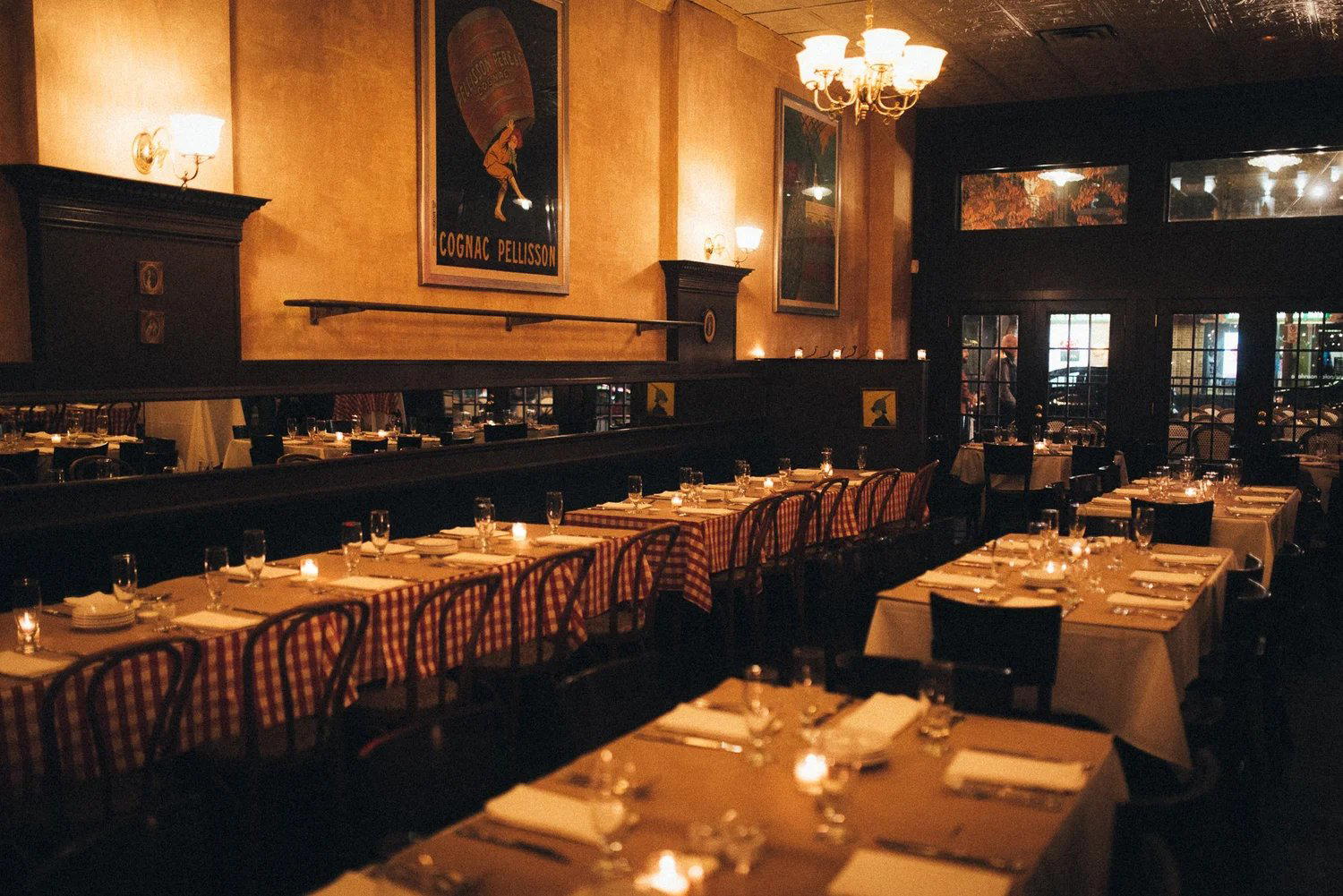
On the western edge of Midtown St. Louis, where Forest Park Avenue meets Boyle and Duncan, there is a restaurant that functions differently from most of what surrounds it. Vicia sits at 4260 Forest Park Avenue, an address that sounds transitional but operates as a destination. The approach from Boyle Avenue gives little away: the building is low-key by design, and that restraint is deliberate. St. Louis has long supported a dining culture defined by neighborhood loyalty and regional comfort food, from the Italian-American grip of The Hill to the oyster bars on Broadway. Vicia enters that city from a different angle entirely, placing itself in a national conversation about what farm-forward, vegetable-led fine dining can look like outside of the coasts.
That positioning matters more now than it did a decade ago. American fine dining has split into broadly two orientations: the urban, technique-heavy tasting menu model seen at places like Atomix in New York City or Smyth in Chicago, and the land-anchored, produce-driven model exemplified by Blue Hill at Stone Barns in Tarrytown or Single Thread Farm in Healdsburg. Vicia belongs to the second camp. The kitchen's emphasis on vegetables, not as a dietary category but as a culinary priority, is the defining editorial fact about this restaurant, and it shapes everything from menu structure to the way dishes are sequenced and priced.
The Booking Reality: What You Need to Know Before You Try
Vicia operates in the tier of St. Louis restaurants where reservation strategy is not optional. The dining room is not large, and demand at this level in a mid-sized American city tends to concentrate around a small number of addresses. In practical terms, that means forward planning is required: checking the restaurant's own channels for reservation windows and acting quickly when they open. The dining room is not the kind of place that holds tables for walk-ins at peak hours on a Friday or Saturday, though off-peak timing on a weeknight may offer slightly more flexibility than the weekend. If you are visiting St. Louis specifically to eat here, confirming a reservation before you book flights is the correct order of operations.
This pattern is not unusual for restaurants operating at this level in second-tier American cities. In markets like St. Louis, where there are fewer addresses competing at the top of the market, the demand for each one is proportionally higher. The equivalent dynamic plays out at Annie Gunn's, which has held a loyal following in the western suburbs for years, and at the white-tablecloth rooms that define the older guard of St. Louis fine dining. Vicia draws a different crowd, younger, more attuned to the national conversation, but the scarcity dynamic is similar.
Farm-Forward Cooking in a City That Understands Seasons
The Midwest is genuinely one of the better regions in the United States to eat produce-driven food, a fact that coastal food culture has been slow to acknowledge. Missouri sits inside a growing belt that produces excellent alliums, root vegetables, and summer stone fruit, and a kitchen that takes local sourcing seriously has real material to work with across all four seasons. What distinguishes Vicia's approach from trend-chasing farm-to-table branding is a structural commitment to vegetables as the primary subject of the cooking, not merely as accompaniment or garnish.
The French Laundry in Napa, Providence in Los Angeles, and Addison in San Diego each represent different orientations within American fine dining, classical French, seafood-driven, and contemporary tasting menu respectively. Vicia's vegetable-first philosophy is closer in spirit to the land-rooted ethos of Atelier Moessmer Norbert Niederkofler in Brunico, where ingredient sourcing is the governing principle rather than technique or cuisine category. That is a meaningful positioning for a restaurant in St. Louis, and it explains why Vicia draws diners who have eaten widely and are looking for something that earns its price point through specificity rather than formality.
Vicia in the St. Louis Context
St. Louis supports a broader dining scene than national food media tends to credit. Al's Restaurant represents the city's durable Italian-American tradition; Anthonino's Taverna anchors the Hill neighborhood's old-school credibility; Atomic Cowboy and BaiKu Sushi Lounge serve the city's more casual, late-night registers. Vicia operates at the other end of the formality and ambition spectrum, and it does so in a way that does not try to replicate what Le Bernardin in New York City or Emeril's in New Orleans represent in their respective cities. It is not a grand-occasion room in the old sense. It is a restaurant where the food itself is expected to carry the evening. For a fuller picture of where Vicia sits within St. Louis dining, the full St. Louis restaurants guide maps the city's range across neighborhoods and price tiers.
The Forest Park corridor is a reasonable address for that kind of restaurant. The park itself draws culturally engaged visitors year-round, and the surrounding neighborhoods, Central West End immediately to the north, Midtown to the east, have the residential density and income profile to support a serious independent restaurant. Seasonally, late spring through early fall is when the Midwest growing season peaks, and that is when a vegetable-driven kitchen is working with the widest and most interesting palette of ingredients. That is also when reservation pressure tends to be highest. For a somewhat easier booking window with still-interesting produce, the shoulder months of late September and October are worth considering.
It is also worth noting that Lazy Bear in San Francisco and The Inn at Little Washington in Washington both built national followings as ambitious independents in markets that the industry sometimes underestimates. The comparison is not forced: Vicia occupies that same structural position in St. Louis, as the room that locals point to when asked what the city's dining can genuinely achieve at its most serious.
Frequently asked questions
Where exactly is Vicia?
Vicia is located at 4260 Forest Park Avenue Entrance On Boyle, At Corner Of, Duncan Ave, St. Louis, MO 63108, St Louis.
How does Vicia fit into the broader St. Louis fine dining scene?
Vicia occupies a specific position in St. Louis dining by focusing on Midwest seasonal produce at a time when the city's reputation nationally has lagged behind what the local scene actually supports. St. Louis has durable institutions across Italian-American, steakhouse, and neighborhood bistro formats, but Vicia represents the farm-driven strand of modern American cooking that has taken hold in cities like Chicago and Minneapolis. Its address at 4260 Forest Park Avenue in Midtown puts it at the intersection of the city's cultural and academic corridors, drawing a crowd that tracks food culture closely.
What dish is Vicia famous for?
Vicia's reputation is built on vegetable-forward cooking that treats Midwest seasonal produce as the primary ingredient rather than a supporting element. St. Louis's proximity to active regional farming country gives the menu a credibility that's harder to replicate in coastal cities dependent on longer supply chains.
Do they take walk-ins at Vicia?
Vicia operates at a reservation tier where walk-in availability is limited and not something to rely on, particularly on weekends. The dining room on Forest Park Avenue at Boyle and Duncan is not large, and the demand at this level of St. Louis dining means tables fill through advance booking. Arriving without a reservation is a gamble, not a strategy.
What's the signature at Vicia?
The defining characteristic at Vicia is a produce-led cooking philosophy rooted in Midwest seasonality, positioning vegetables and grains as the structural core of the menu rather than accessories to a protein. This approach places Vicia in a distinct category within St. Louis dining, where Italian-American traditions and steakhouse culture have historically dominated the fine dining conversation. The restaurant's location at Forest Park Avenue in Midtown reflects its positioning as a counterpoint to those established formats.
Can Vicia handle vegetarian requests?
Vicia's farm-forward cooking philosophy means vegetarian diners are working with, rather than against, the kitchen's instincts. The menu structure prioritizes produce over protein, so vegetarian accommodation is likely to be substantive rather than an afterthought substitution. For specific dietary requirements, confirming directly with the restaurant at the time of booking is the practical step.
Peers You’d Cross-Shop
Comparable venues nearby, for context on price, style, and recognition.
| Venue | Cuisine | Price | Awards | Notes |
|---|---|---|---|---|
| ViciaThis venue (the venue you are viewing) | Vegetable-Forward Farm-to-Table | $100–150 | James Beard Award Nominee | Not listed |
| Farmhaus | Contemporary Farm-to-Table American | $50–100 | Not listed | Ellendale |
| Polite Society | Modern American Gastropub | $50–100 | Not listed | Lafayette Square |
| Crown Hall at Budweiser Brew House | American Brew Pub | $20–30 | Not listed | Downtown |
| Southern | Southern Soul Food | Not listed | Not listed | Midtown |
| Lucas Park Grille | Contemporary American Steakhouse | $30–50 | Not listed | Columbus Square |
Recognition history
Dated appearances from independent guides and award organizations, with the underlying list record or original source where available.
James Beard Award Nominee
James Beard Award
Full recognition history (3 entries)
James Beard Award Semi Finalist
James Beard Award
James Beard Award Semi Finalist
James Beard Award