4 Hands Brewing Company
4 Hands Brewing Company operates from a converted warehouse in St. Louis's Soulard and Lafayette Square corridor, positioning itself within a city that has long treated craft brewing as civic identity rather than trend. The taproom format leans accessible and communal, drawing a cross-section of the city's south side neighborhood regulars alongside visitors working through St. Louis's expanding independent beer scene.

Pearl is the En Primeur Club membership app, where members save venues, book tables and use the concierge.
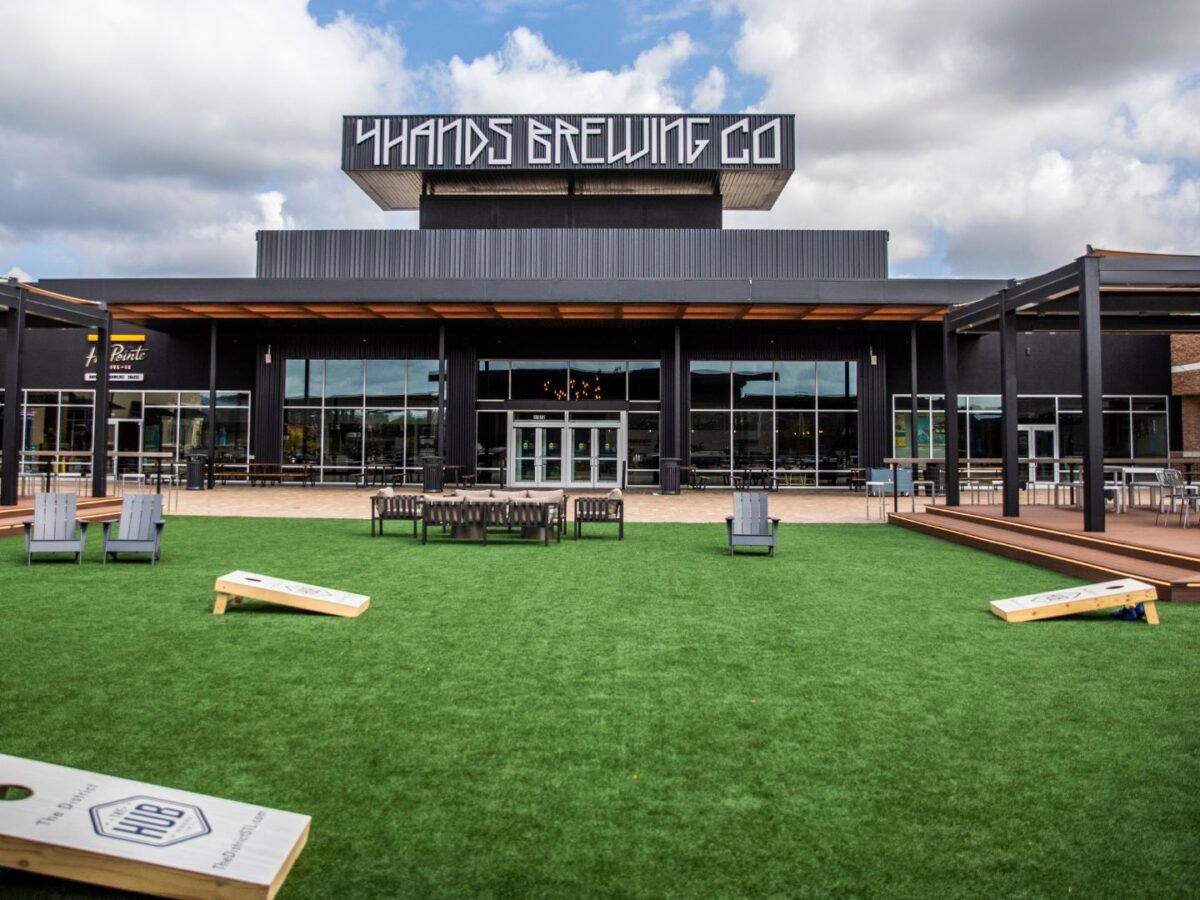
Benton Park and the South Side Brewing Belt
St. Louis has a longer relationship with industrial-scale brewing than almost any American city, and that history shapes how its newer craft operations read to visitors. The Anheuser-Busch shadow looms large enough that independent breweries here tend to define themselves partly in contrast to it, occupying converted manufacturing spaces and emphasizing neighborhood identity over volume. 4 Hands Brewing Company is a bar at 1220 S 8th St, St. Louis, MO 63104. It sits in that tradition: a warehouse-scale taproom in the south city corridor between Soulard and Benton Park, two neighborhoods where the 19th-century German immigrant brewing culture left a legible physical imprint that has never fully disappeared.
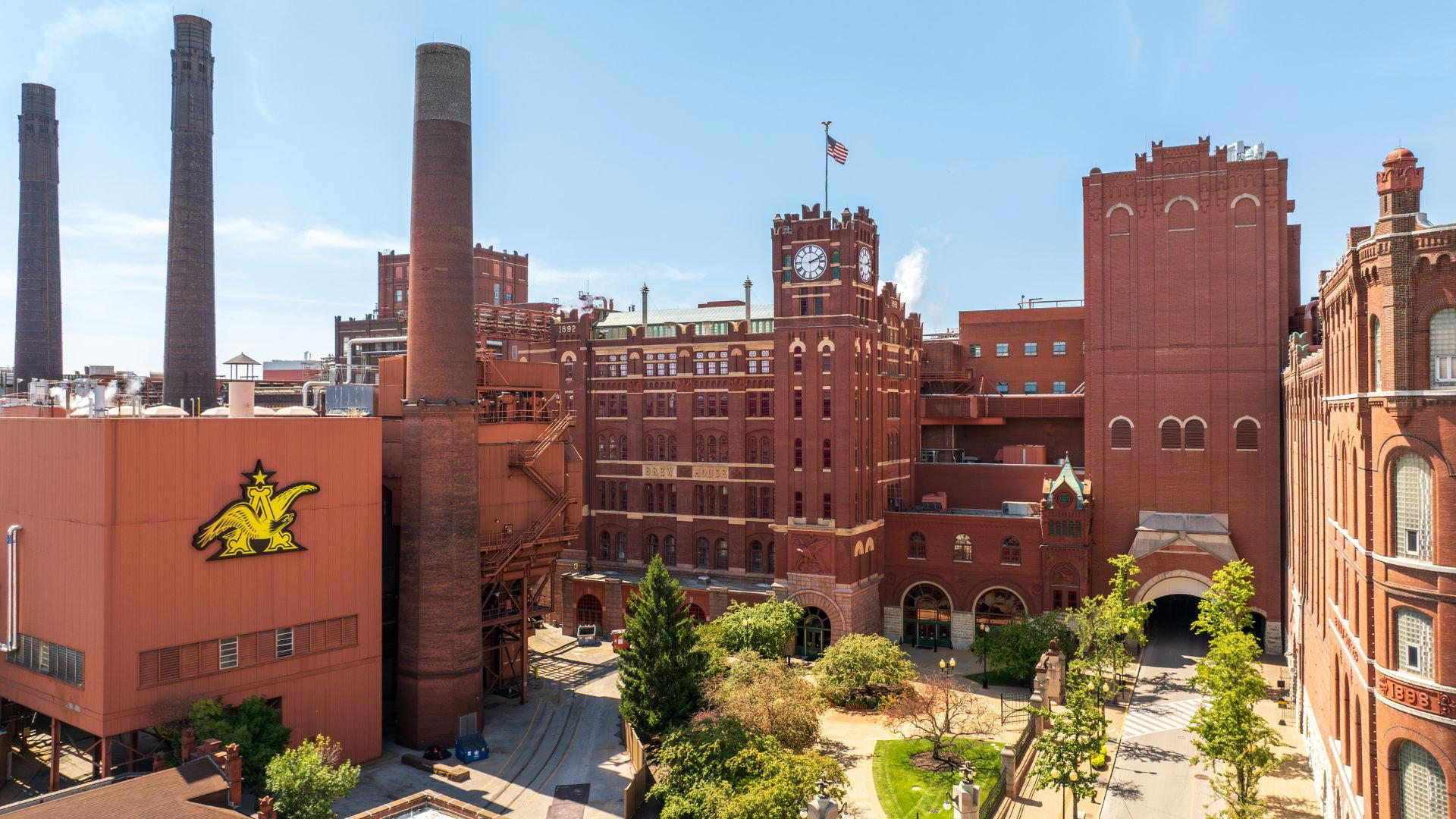
South 8th Street runs through a grid of low brick buildings, corner bars, and residential blocks that have seen cycles of vacancy and recovery without ever losing their structural bones. Walking to 4 Hands from the Soulard Farmers Market or from the Anheuser-Busch St. Louis Brewery visitor complex, both within reasonable distance on foot, the brewing heritage of the area reads as continuous rather than nostalgic. The taproom's industrial shell, high ceilings, and open floor plan are consistent with what the building was before it became a brewery, which is itself a St. Louis south side pattern.
A Taproom Format Built for the Neighborhood
The American craft taproom has bifurcated over the past decade into two fairly distinct models: the destination format, which prioritizes limited-release programming, ticketed events, and brewery tourism; and the neighborhood format, which functions more like a bar that happens to brew on-site, prioritizing accessibility, rotating handles, and regulars. 4 Hands operates closer to the neighborhood end of that spectrum. The physical space accommodates groups and walk-ins at a scale that suits the format.
This format is worth understanding before you visit, particularly if you're comparing it against St. Louis's more curated drinking options. The 360 Rooftop Bar at the City Museum building or the cocktail programming at the Angad Arts Hotel occupy a different tier of intentionality around the drinking experience. 4 Hands positions itself differently: the draw is the beer itself, the communal space, and the fact that you are in a working brewery in one of St. Louis's most historically layered neighborhoods.
For visitors building a broader picture of the city's independent brewing culture, pairing a visit here with a stop at 2nd Shift Brewing gives a useful contrast: two operations with different stylistic commitments and taproom cultures, both operating outside the Anheuser-Busch gravity well, both telling you something distinct about where St. Louis craft brewing has arrived.
What the Beer Program Signals
Craft breweries at 4 Hands' scale in mid-American cities tend to run broad portfolios rather than narrow specialist programs. The economics of taproom traffic in a city like St. Louis reward range: a flagship that works for the casual drinker, a rotating seasonal that gives regulars a reason to return, and enough variety that a group with mixed preferences doesn't have to negotiate.
What can be said is that St. Louis's craft beer scene occupies a specific position in the national conversation: it is taken seriously by the industry without having the coastal profile of, say, Portland or Asheville. That relative anonymity works in the city's favor for visitors, because breweries here are not performing for an Instagram audience in the way that some destination-city operations have started to. The beer tends to be the point.
For readers who track craft beer programming across American cities, the contrast with bars like Kumiko in Chicago or ABV in San Francisco is instructive: those venues have built reputations around precision and curation in different drink categories. 4 Hands occupies the production brewery end of the spectrum, where the credibility comes from what is being made on-site rather than what is being selected from elsewhere.
Planning Your Visit: Logistics in Context
The address at 1220 S 8th Street places 4 Hands within walking distance of Soulard's dense bar and restaurant corridor, making it a natural starting or ending point on a south side drinking itinerary rather than a standalone destination that requires dedicated travel. Rideshare from downtown St. Louis is the most practical approach for visitors not staying in the immediate neighborhood.
Hours: Mon to Thu 11 AM to 10 PM, Fri and Sat 11 AM to 11 PM, Sun 11 AM to 8 PM. Walk-ins are welcome, and the dress code is casual.
For the broader St. Louis picture, our full St. Louis restaurants guide covers the city's dining and drinking scene across neighborhoods and price points. And for readers mapping craft drinking culture across American and international cities, operations with different format commitments, like Jewel of the South in New Orleans, Julep in Houston, Superbueno in New York City, Bar Leather Apron in Honolulu, and The Parlour in Frankfurt on the Main, offer useful points of comparison for understanding how different cities have shaped their independent drinking cultures.
The Essentials
Comparable venues nearby, for context on price, style, and recognition.
| Venue | Price | Notes |
|---|---|---|
| 4 Hands Brewing CompanyThis venue (the venue you are viewing) | $20–30 | Not listed |
| Anheuser-Busch St. Louis Brewery | $20–30 | Soulard, beer_bar |
| Planter's House | $20–30 | Lafayette Square, cocktail_bar |
| Budweiser Brewery Experience | $20–30 | Soulard, beer_bar |
| The Whiskey Ring | $20–30 | Benton Park West, cocktail_bar |
| UpBar STL | $20–30 | Midtown, rooftop_bar |
Continue exploring
More in St Louis
Bars in St Louis
All bars in St Louis →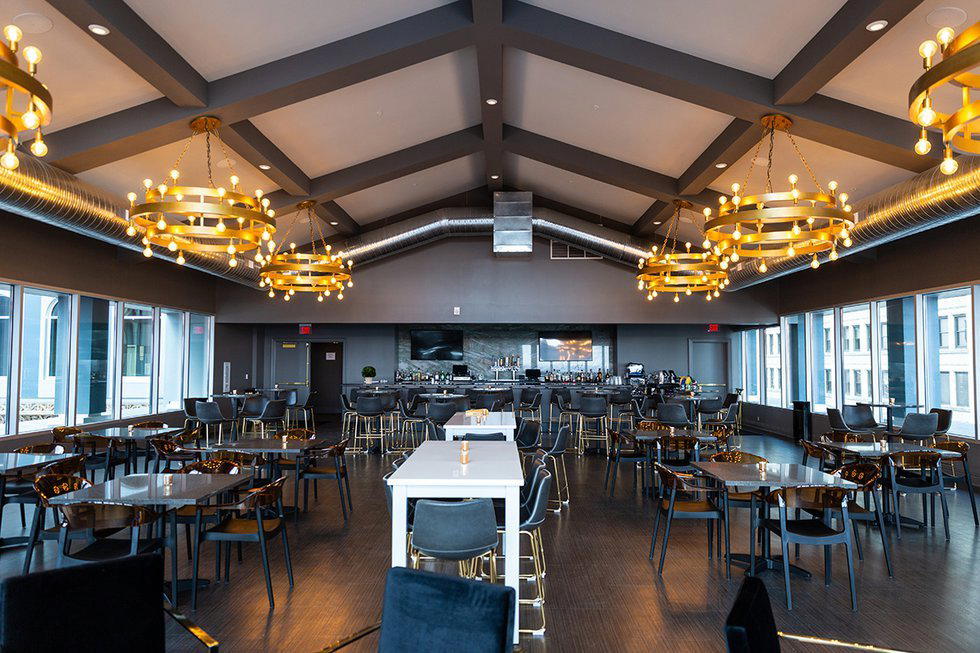
Restaurants in St Louis
All restaurants in St Louis →
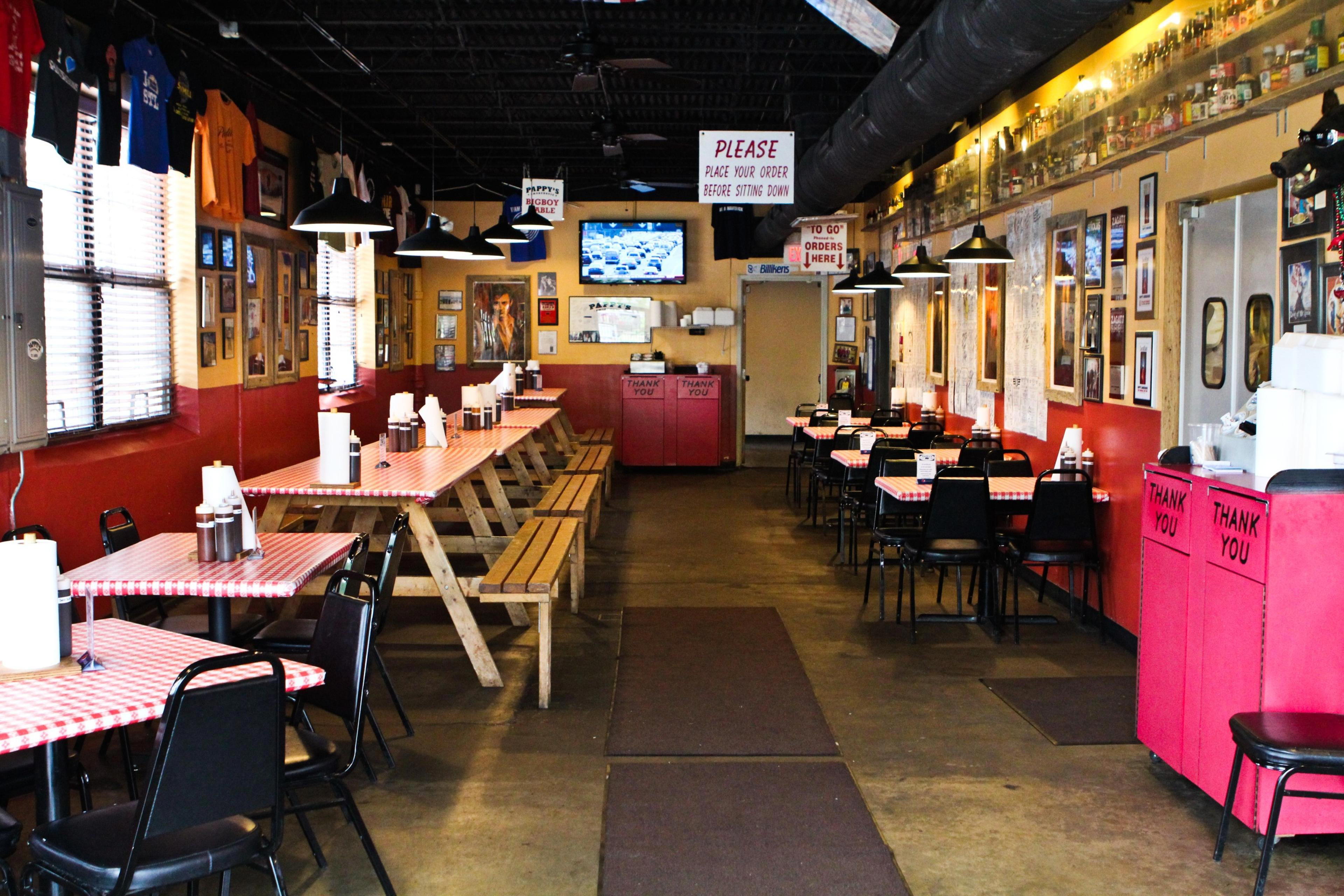
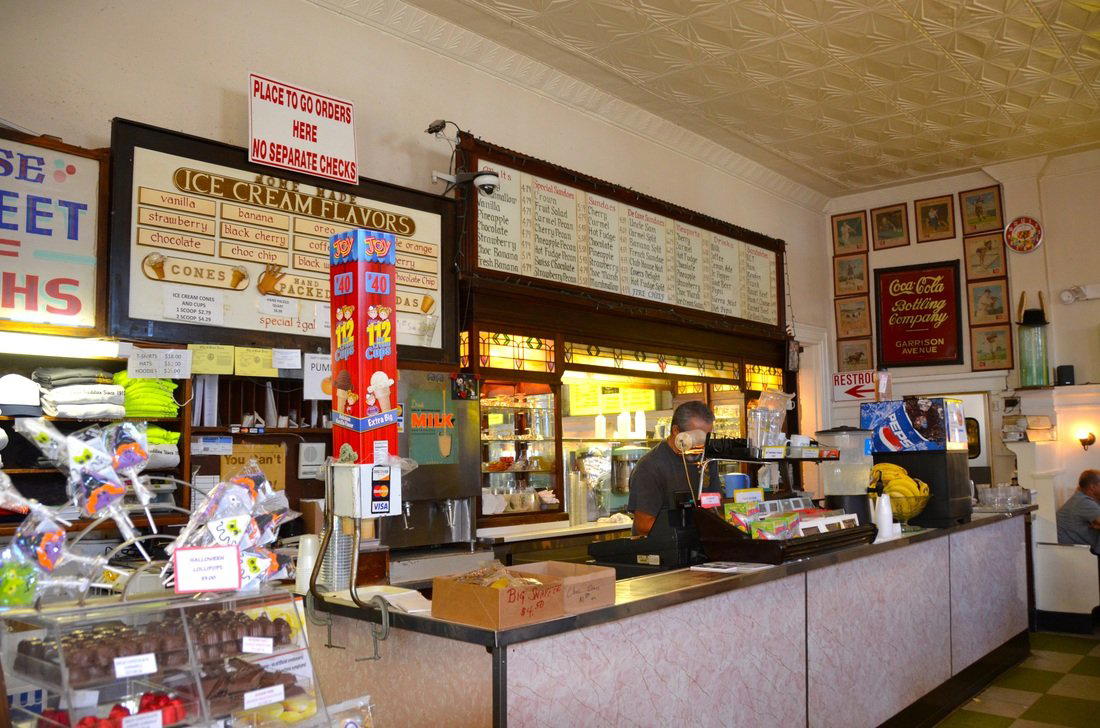
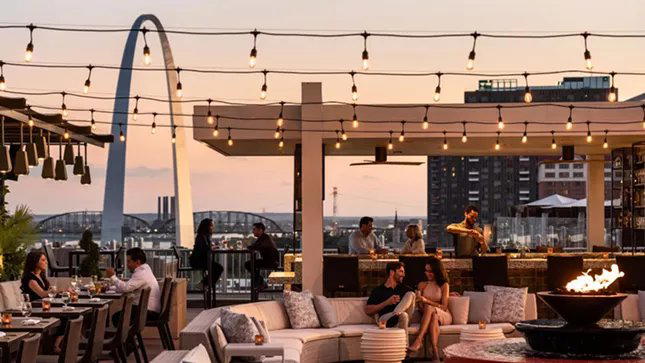
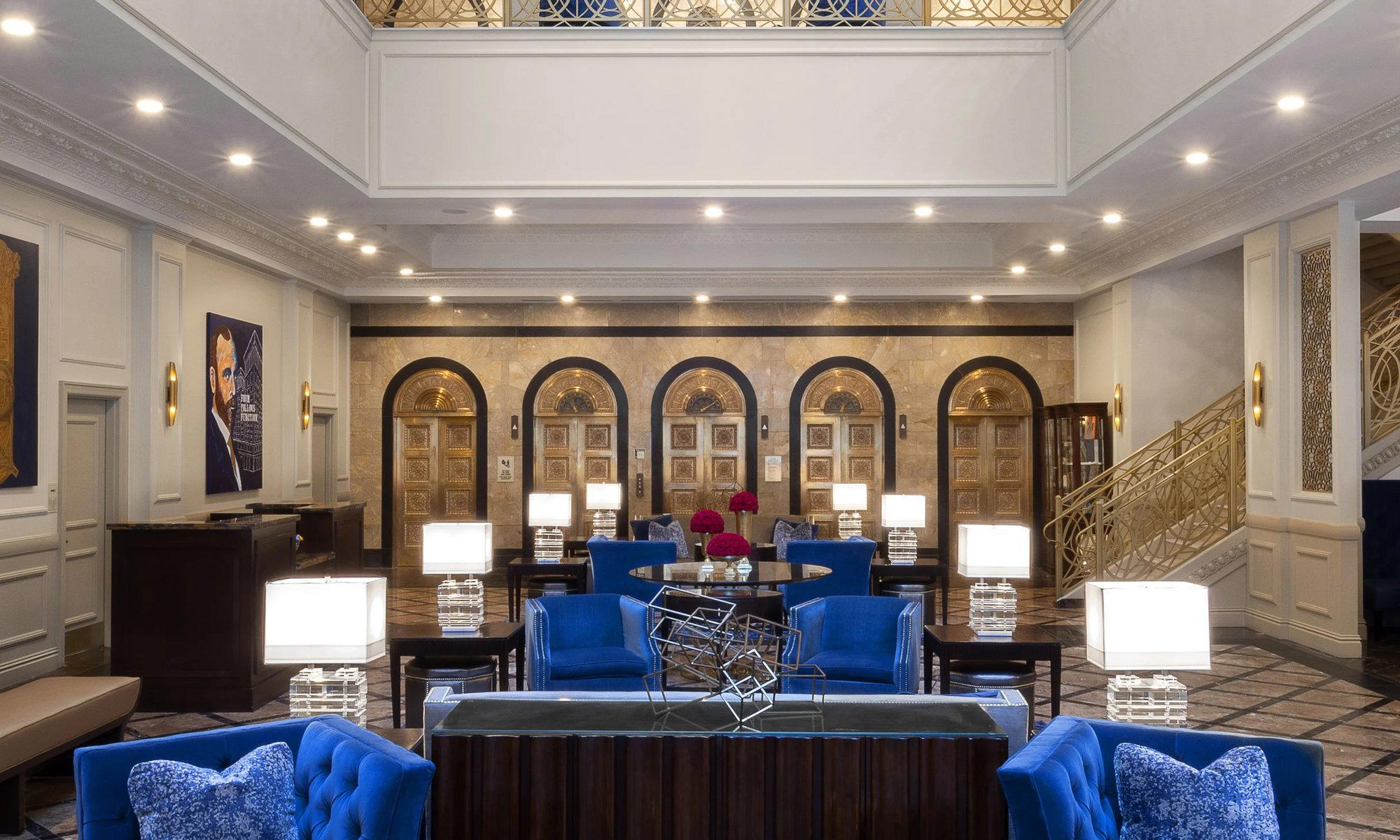
4 Hands Brewing Company
The drinks
- Craft cocktails
- Zero-proof drinks
- Craft beer
Signature drinks: City Wide IPA, Absence of Light, Foam First, Quantum Gravity.
Details
- Lively
- Industrial
- Well Known
- Energetic
- Group Outing
- Casual Hangout
- Celebration
- After Work
- Beer Garden
- Standalone
- Design Destination
- Seated Bar
- Lounge Seating
- Outdoor Terrace
- Booth Seating
- Craft Beer
- Craft Cocktails
- Gin
- Whiskey
- Zero Proof
Current opening hours
- Monday
- 11 AM–10 PM
- Tuesday
- 11 AM–10 PM
- Wednesday
- 11 AM–10 PM
- Thursday
- 11 AM–10 PM
- Friday
- 11 AM–11 PM
- Saturday
- 11 AM–11 PM
- Sunday
- 11 AM–8 PM
Hours can change for holidays and private events. Hours as of .
Industrial chic with exposed brick, classic arcade games, and a welcoming community atmosphere that blends art, music, families and sports fans without pretense.