Anheuser-Busch St. Louis Brewery
The Anheuser-Busch brewery complex in St. Louis's Soulard neighborhood is one of the most visited production brewery sites in the United States, anchoring the city's identity as a historical center of American lager brewing. The site at 1200 Lynch Street spans several city blocks and traces its operational roots to the mid-19th century, placing it inside a tradition that shaped how mass-market beer developed across North America.

Pearl is the En Primeur Club membership app, where members save venues, book tables and use the concierge.
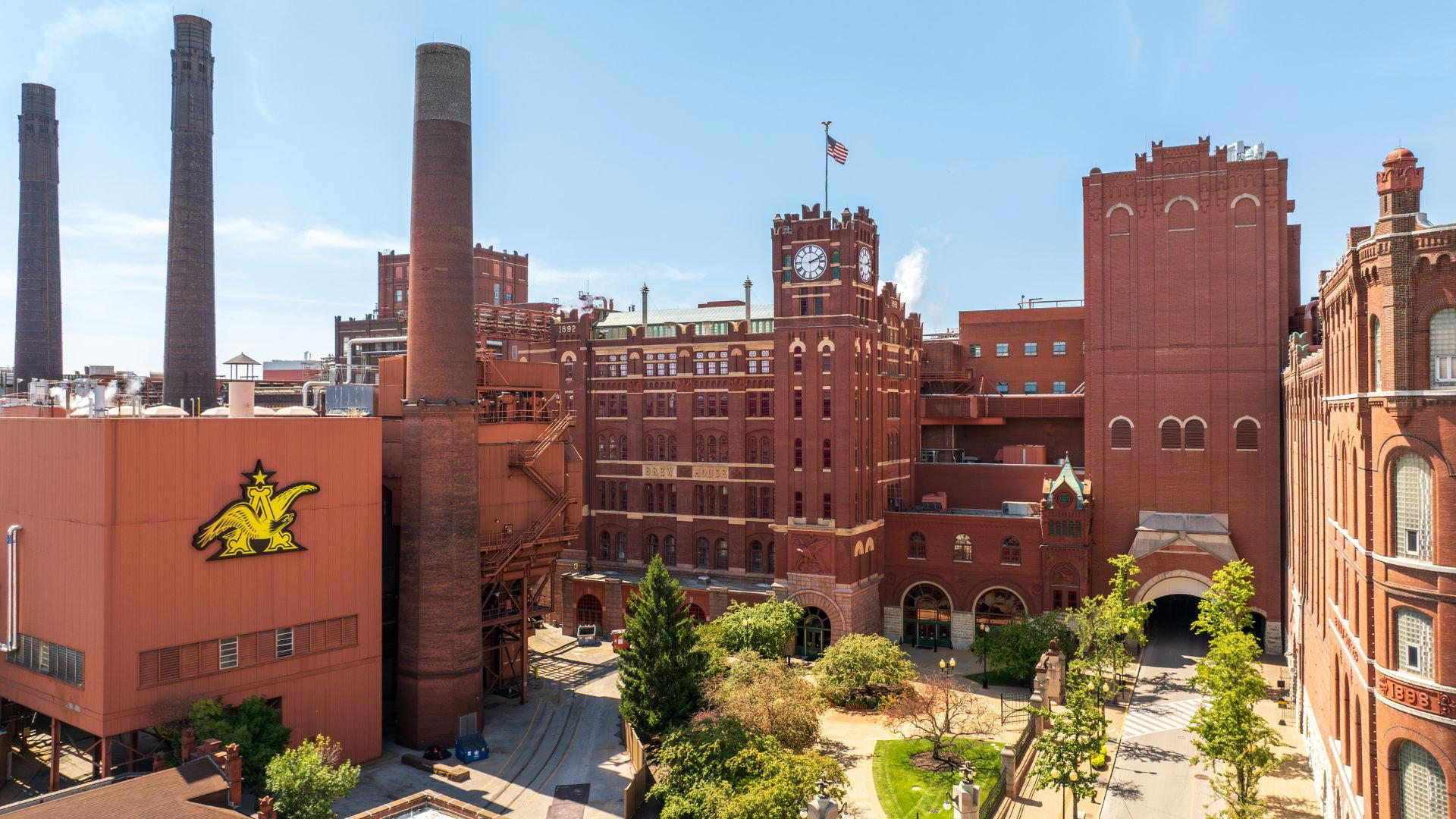
Where American Lager Found Its Address
St. Louis has a particular relationship with beer that most American cities cannot claim. In the decades following the Civil War, the city's large German immigrant population built a brewing industry that would eventually define what most of the country understood lager to mean. The Anheuser-Busch complex in the Soulard neighborhood is the physical record of that history: a sprawling campus of red-brick buildings, some dating to the 1860s and 1870s, that grew alongside the industrial ambitions of a company determined to brew at a scale American brewing had not yet attempted.
Soulard itself rewards attention before or after any visit to the brewery. The neighborhood is one of St. Louis's oldest, developed by French and later German settlers, and its grid of narrow streets, 19th-century rowhouses, and weekend farmers' market operate at a pace that makes the brewery's Victorian architecture feel less like a museum piece and more like a natural extension of where it stands. For anyone spending time on both sides of the visit, nearby options like the 2nd Shift Brewing tap room offer a counterpoint from St. Louis's independent craft scene, which has developed its own identity in parallel with the city's macro-brewing legacy.
The Industrial Scale of 19th-Century Ambition
American brewing in the post-Civil War period was a race toward standardization and distribution, and the St. Louis complex reflects that drive in its physical footprint. The campus spans multiple city blocks and includes a Clydesdale stable, a cooperage, a brew house, and a lagering cellar built before mechanical refrigeration existed. The logic of the campus is the logic of vertical integration: every part of the production chain brought onto a single site to reduce dependency on outside suppliers and to maintain consistency at volume.
That model of scaled, consistent production was relatively novel in mid-19th-century America, where regional variation in beer was the norm rather than the exception. The ambition to produce a lager that tasted the same whether consumed in Missouri or New York required not just engineering but a rethinking of how American beer was made, stored, and shipped. The famous pasteurization adoption and the use of refrigerated rail cars were logistical innovations as much as technical ones, and the St. Louis complex was the operational base from which that distribution logic was developed and tested.
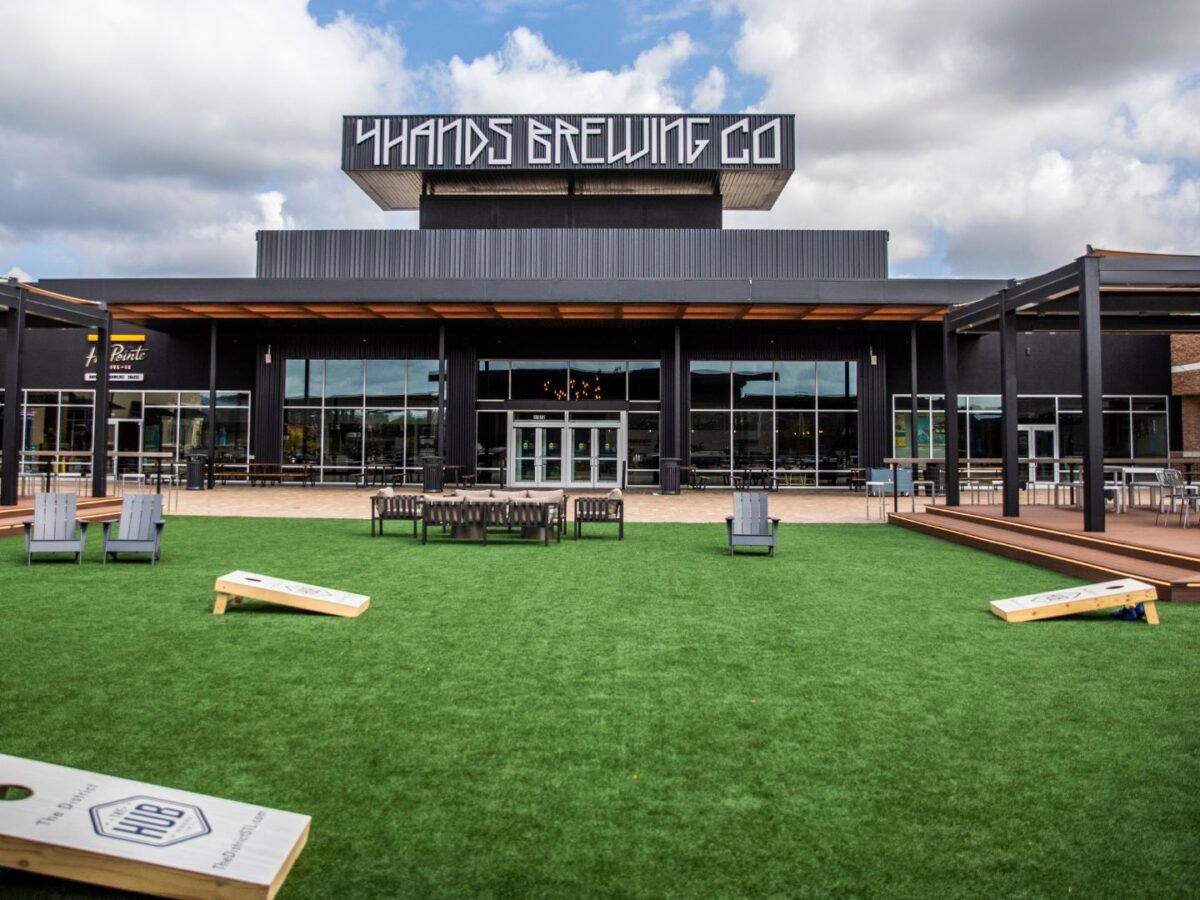
For broader context on how other American cities approach craft and heritage brewing, the 4 Hands Brewing Company represents how St. Louis's next generation of brewers has engaged with that industrial inheritance, working in a craft format that explicitly responds to the scale of what came before it.
Touring the Campus
The brewery complex is one of the most visited production sites of its kind in the country, and the tour format has long been its primary public interface. Tours move through the operational and historical areas of the campus, covering the brew house, the lagering cellars, and the Clydesdale stables, which function as a working facility and one of the site's most photographed features. The beer school and tasting components have expanded over the years, reflecting a wider industry trend toward immersive production visits that treat the visitor as a consumer with genuine curiosity about process, not just brand.
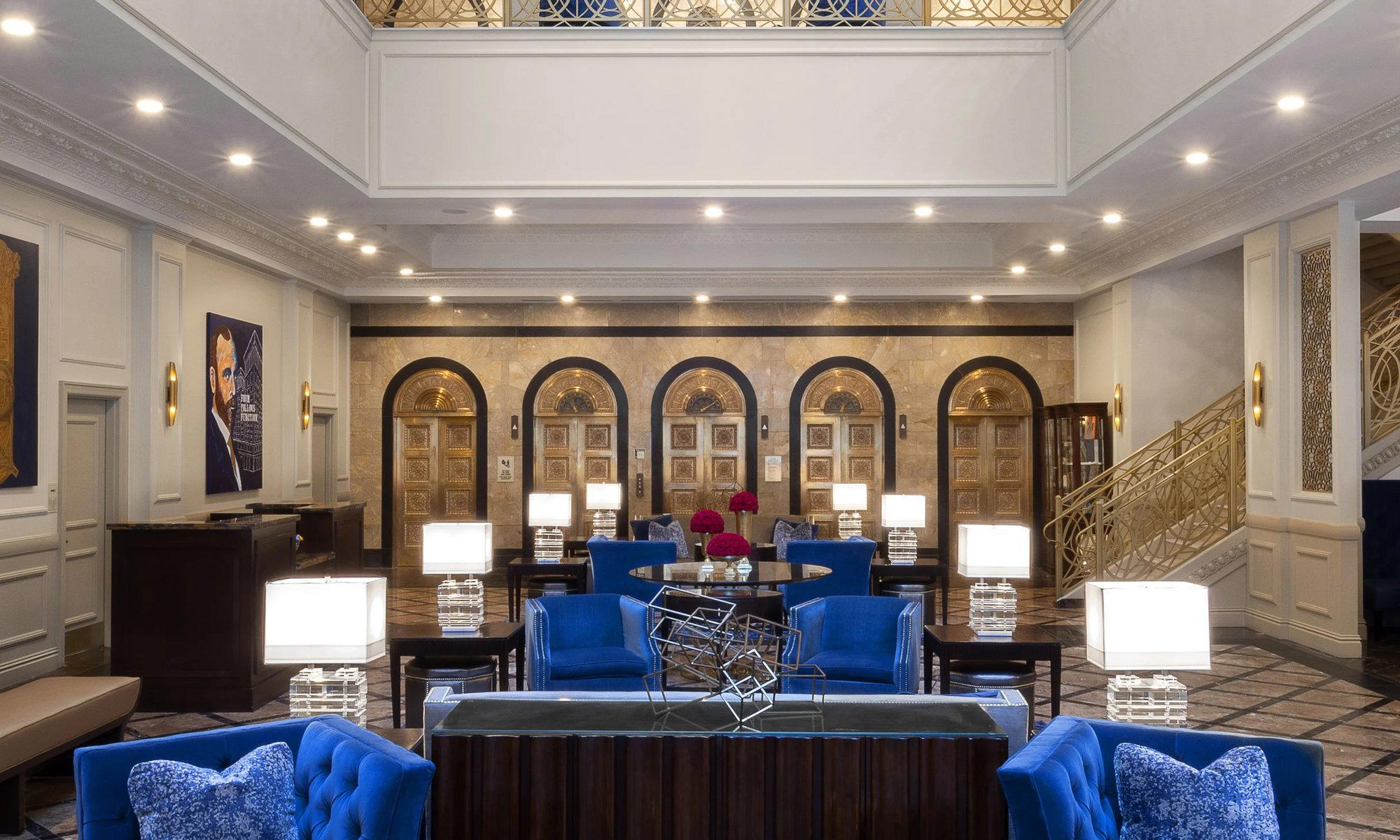
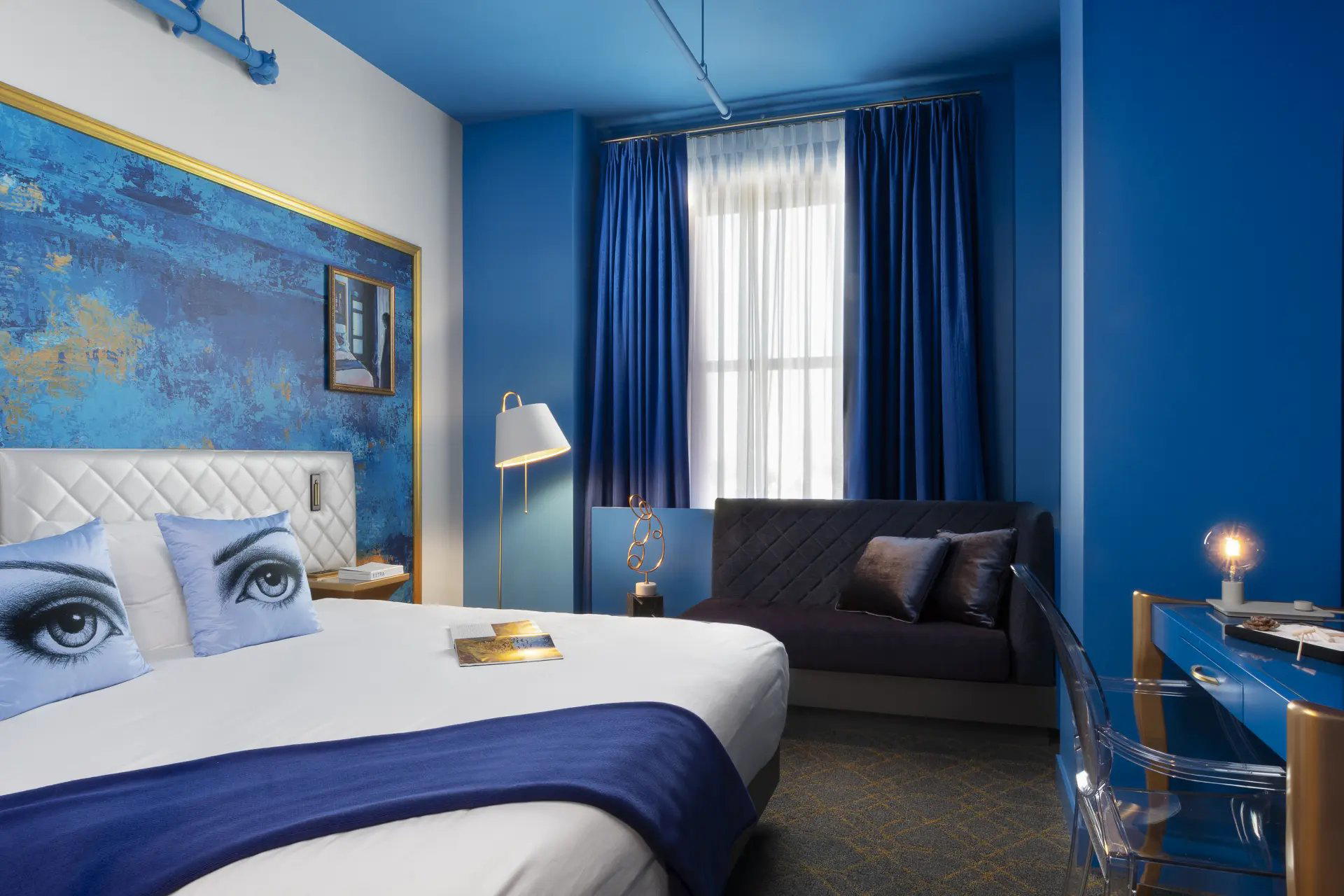
Practically speaking, the campus is accessible from downtown St. Louis and the Soulard neighborhood on foot or by rideshare. Given the size of the complex and the volume of visitors it draws, weekday morning slots tend to move at a more relaxed pace than weekend afternoons. Visitors staying in the city center should factor in time to explore the surrounding Soulard blocks, which add context the brewery alone cannot provide. For hotel options that keep the arts and hospitality character of St. Louis close, the Angad Arts Hotel St. Louis, Collection by Hilton operates in a different register but gives a sense of how the city frames itself beyond its industrial history.
St. Louis in the Wider American Drinking Conversation
The St. Louis brewing tradition sits in an interesting position relative to the broader American bar and brewery scene. Cities like Chicago, New York, San Francisco, and Honolulu have all developed distinct drinking cultures that operate largely outside the lager-and-scale tradition that St. Louis pioneered. Bars such as Kumiko in Chicago, Superbueno in New York City, ABV in San Francisco, and Bar Leather Apron in Honolulu represent a cocktail-forward, craft-oriented direction that has defined premium drinking in the 21st century. What the Anheuser-Busch complex offers is the historical counterweight: the industrial infrastructure that mass-market American drinking was built on, before craft brewing reasserted the case for locality and variation.
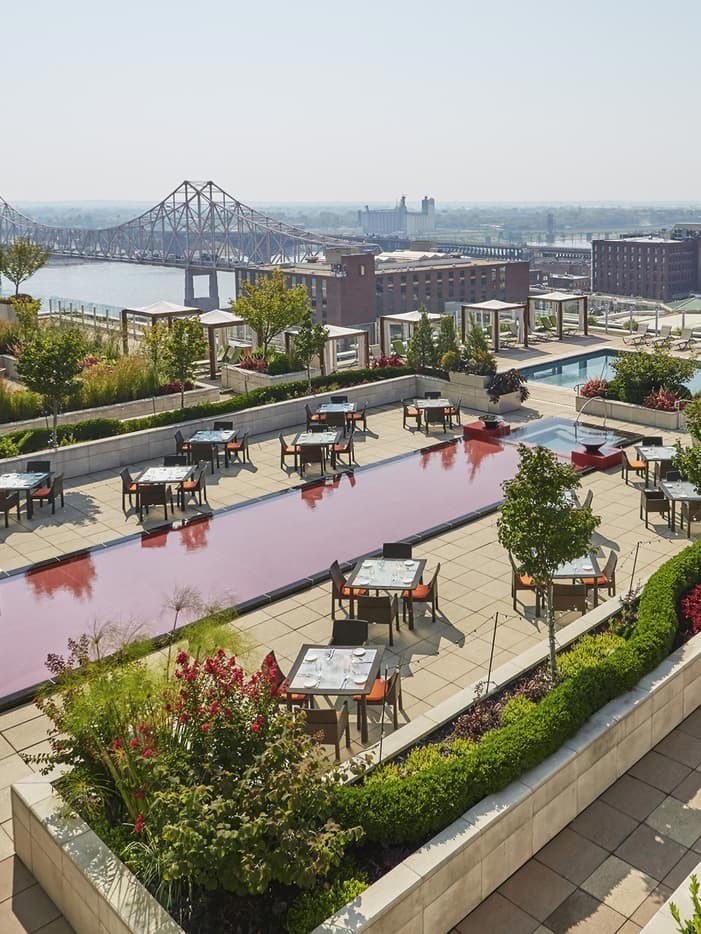
That contrast is not a criticism in either direction. The leading American drinking cities hold both traditions simultaneously, and St. Louis is a clearer example of that tension than most. The 360 Rooftop Bar offers a view of the contemporary city from above, while the Anheuser-Busch campus offers a view of how that city was built, economically and culturally, from the ground up. Together they map a place that has never been just one thing.
For those building a longer itinerary around American drinking culture, comparable points of comparison outside St. Louis include Jewel of the South in New Orleans, where cocktail heritage operates at a similar depth of historical rootedness, and Julep in Houston, where regional tradition is treated as a living creative resource rather than a preserved artifact. The Parlour in Frankfurt on the Main offers a European parallel for how cities with serious brewing histories integrate that heritage into contemporary hospitality. Our full St Louis restaurants guide covers the city's drinking and dining scene with the neighborhood-level detail that a single visit to the brewery complex cannot replace.
Planning Your Visit
The brewery complex is located at 1200 Lynch St. in the Soulard neighborhood. Tour availability and format have shifted over the years as the site has balanced production operations with public access, so checking current tour schedules directly before arriving is advisable. The campus is large enough that comfortable walking shoes matter more than dress code. For visitors combining the brewery with broader Soulard exploration, the neighborhood's farmers' market runs on Saturdays and adds a local-produce dimension entirely separate from the brewing history.
A Pricing-First Comparison
Comparable options at a glance, pulled from our tracked venues.
| Venue | Price |
|---|---|
| Anheuser-Busch St. Louis BreweryThis venue (the venue you are viewing) | $20–30 |
| 2nd Shift Brewing | $20–30 |
Continue exploring
More in St Louis
Bars in St Louis
All bars in St Louis →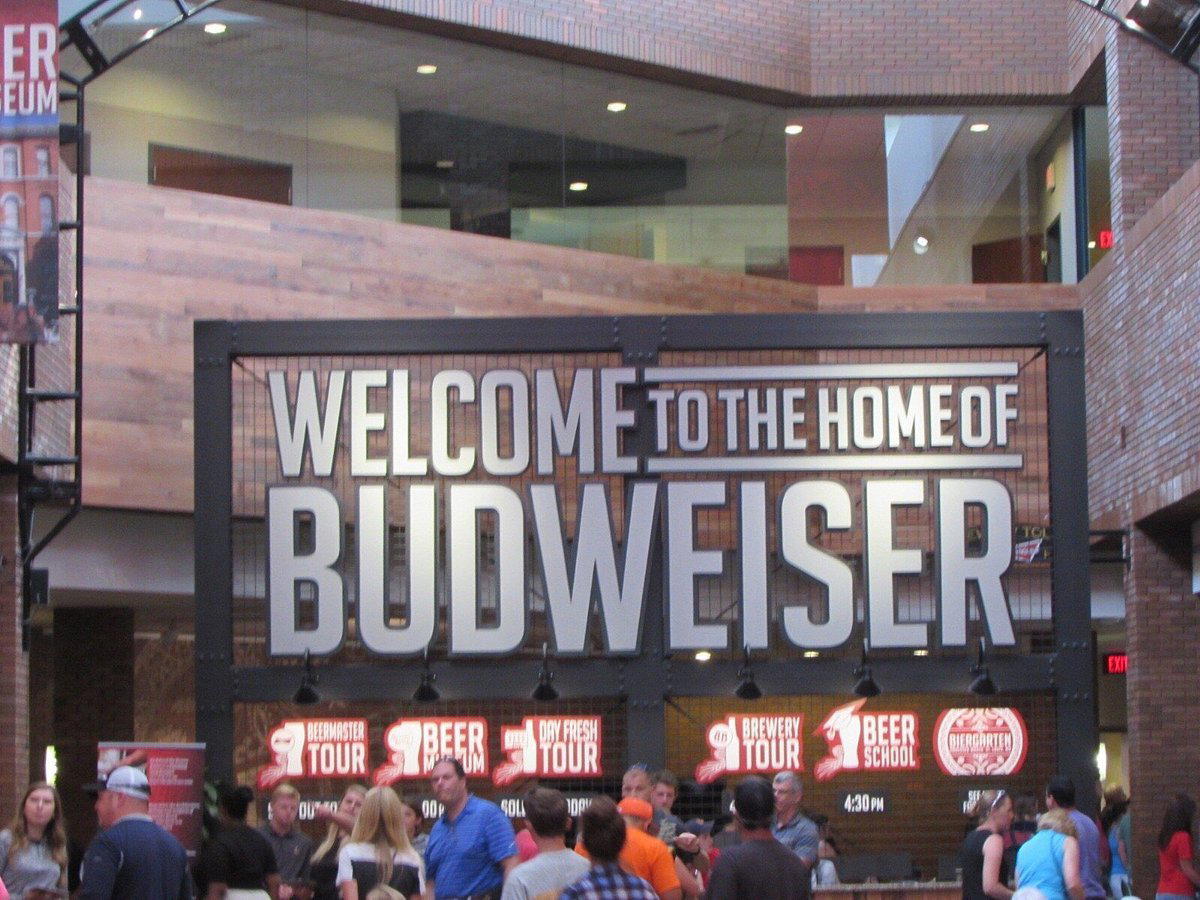
Restaurants in St Louis
All restaurants in St Louis →
Details
- Well Known
- Lively
- Rustic
- Group Outing
- Casual Hangout
- Historic Building
- Beer Garden
- Outdoor Terrace
- Communal Tables
- Craft Beer
Current opening hours
- Monday
- 11 AM–6 PM
- Tuesday
- 11 AM–6 PM
- Wednesday
- 11 AM–6 PM
- Thursday
- 11 AM–6 PM
- Friday
- 11 AM–4 PM
- Saturday
- 11 AM–4 PM
- Sunday
- 11 AM–6 PM
Hours can change for holidays and private events. Hours as of .