Bridge Tap House & Wine Bar
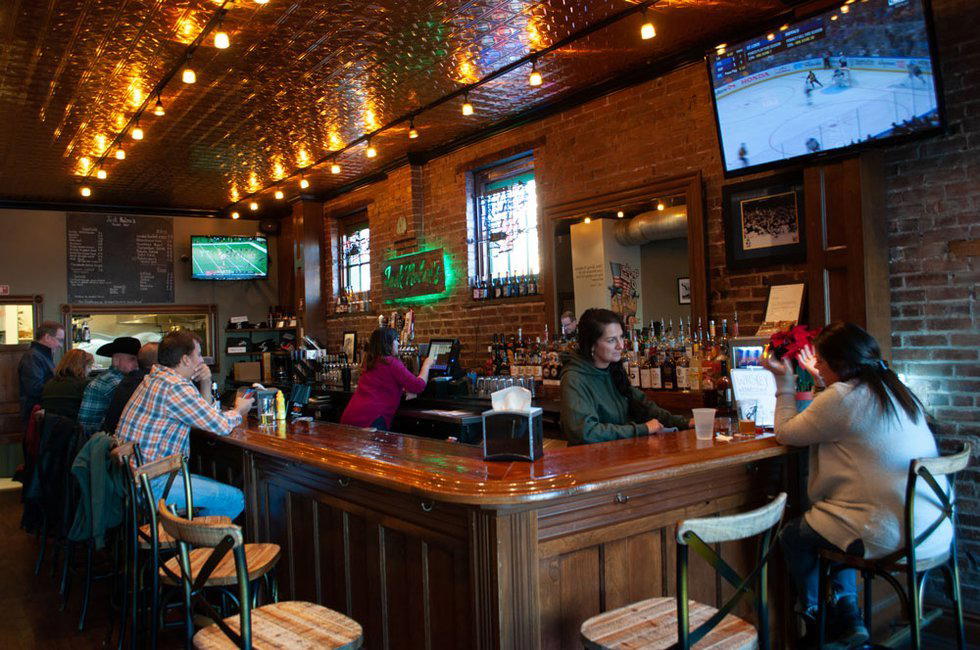
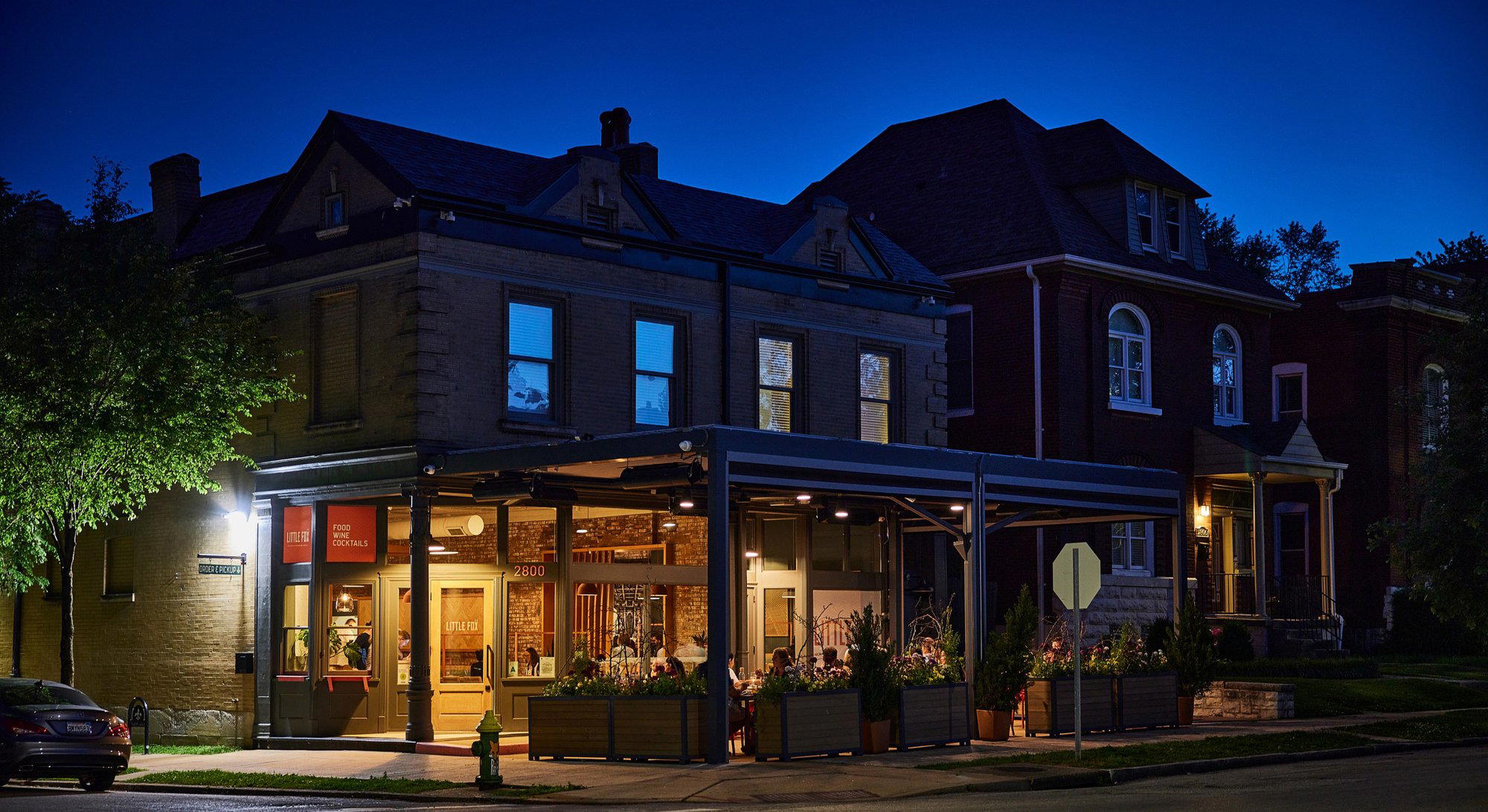
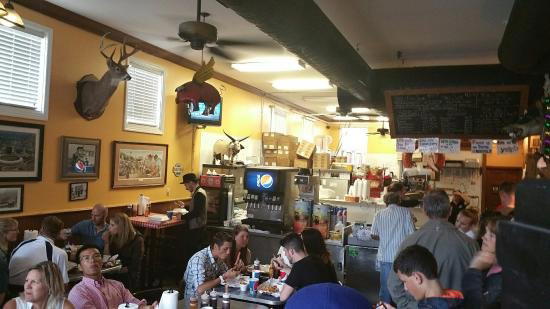
A Locust Street fixture in downtown St. Louis, Bridge Tap House & Wine Bar brings together a serious draft beer program and a wine list that punches above the typical bar-and-grill format. Sitting in the heart of the city's walkable central corridor, it draws a crowd that moves between games, gallery openings, and late-evening work dinners with equal ease.

Pearl is the En Primeur Club membership app, where members save venues, book tables and use the concierge.
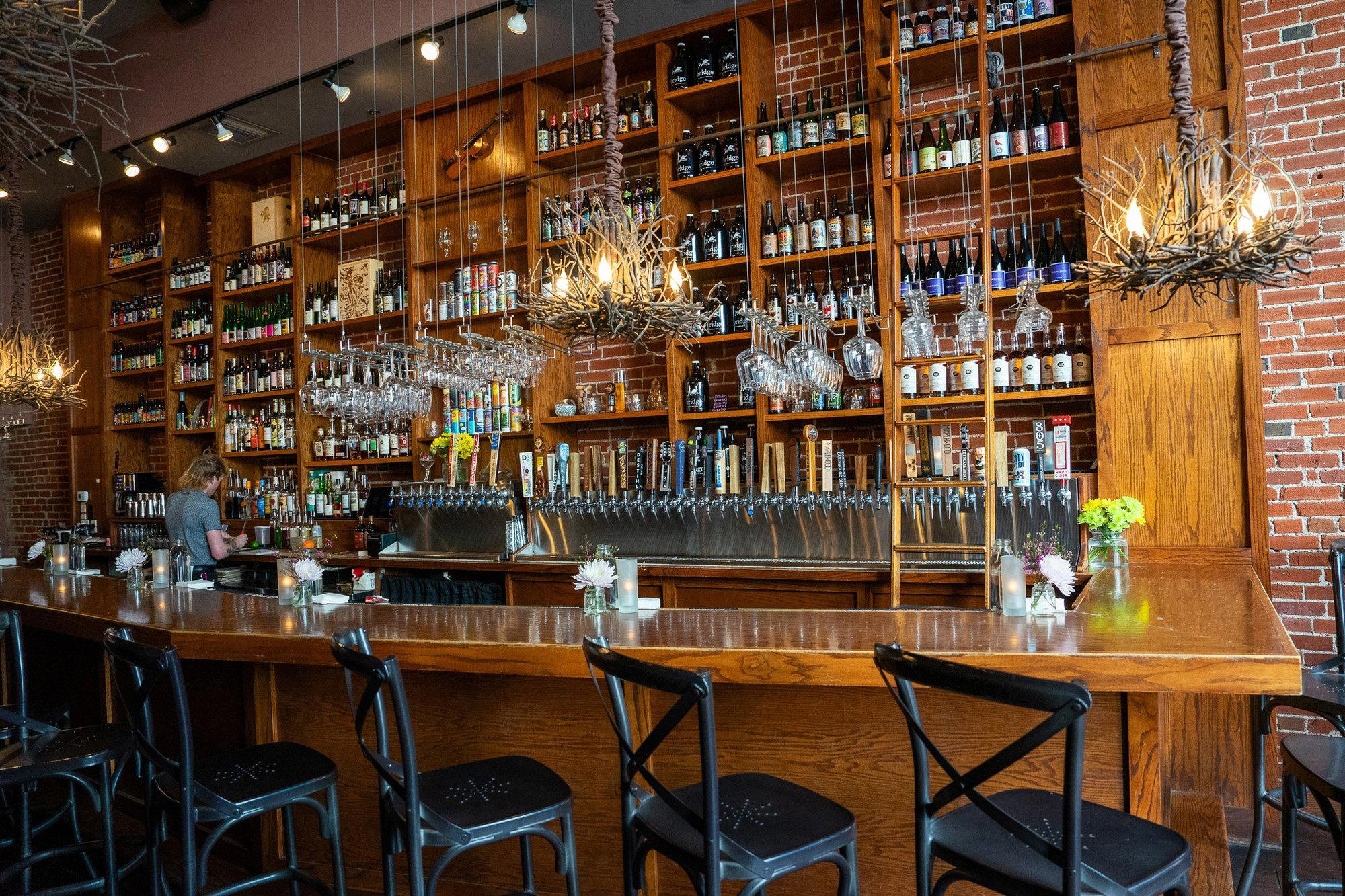
Downtown St. Louis, Draft Lines, and the Case for Drinking Seriously
Locust Street runs through the spine of downtown St. Louis with the kind of no-nonsense commercial density that rewards walking. Office towers give way to restored brick facades; the lunch crowd spills onto sidewalks by midday and reconvenes, in different configurations, by early evening. In that context, a well-run tap house and wine bar occupies a specific civic function: it is the room where the after-work drink and the considered pour coexist without either suffering for the compromise. Bridge Tap House & Wine Bar, at 1004 Locust St, sits inside that function deliberately.
The tap house format has had a complicated decade in American cities. Craft beer's early-2010s explosion produced venues that prioritized volume and novelty over curation, and the subsequent consolidation in the brewing industry left many of those rooms chasing rotating handles without a coherent identity. The better tap houses that survived that shakeout did so by developing a point of view: a beer list that reflects regional production, a wine program serious enough to hold the room on its own, and a physical space that doesn't feel like a holding area between events. Bridge operates in that more considered tier of the format.
The St. Louis Beer Context
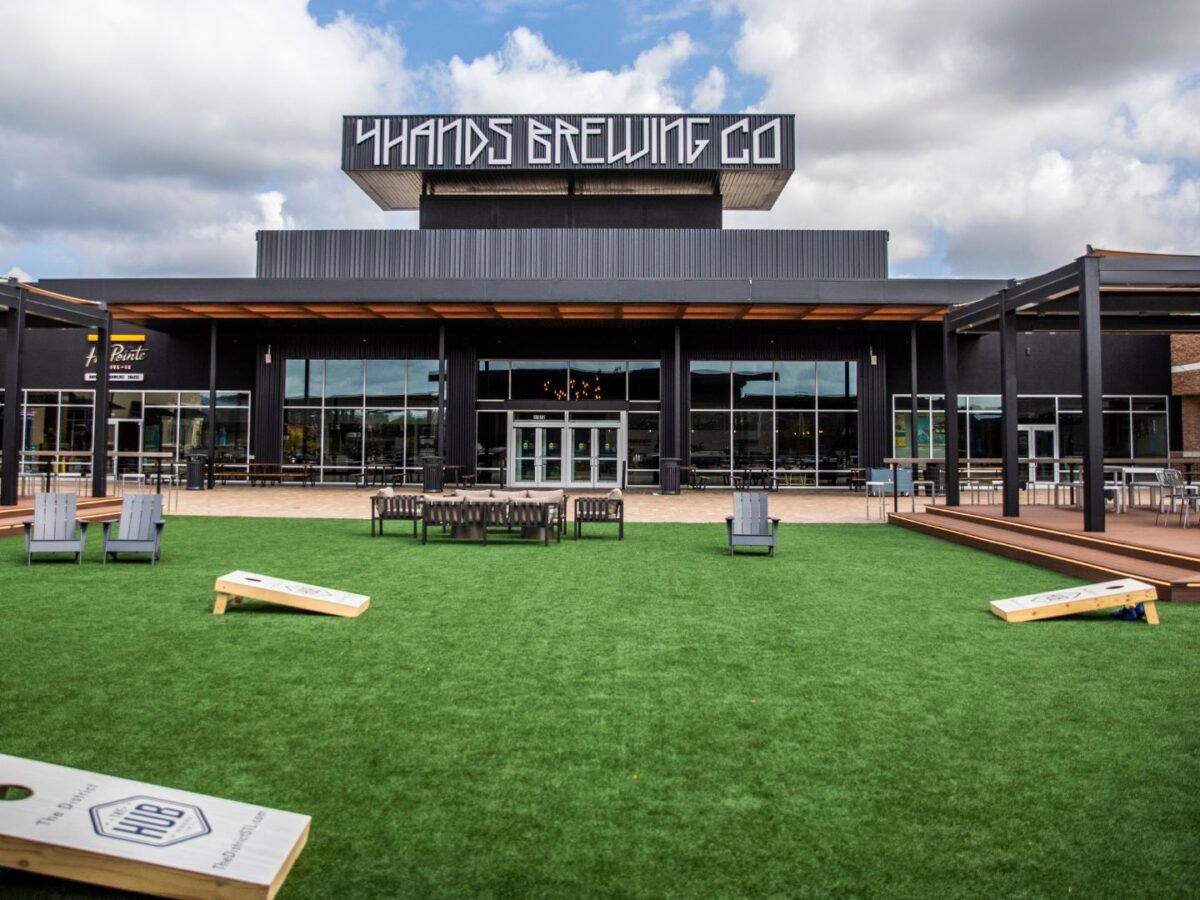
St. Louis has a brewing identity that is simultaneously its strongest asset and its most complicated inheritance. The Anheuser-Busch legacy casts a long shadow, but the city's craft scene has built genuine depth over the past fifteen years. Operations like 2nd Shift Brewing and 4 Hands Brewing Company have established St. Louis as a credible regional production hub rather than simply a city defined by one industrial giant. For a tap house in this environment, the draft selection is an editorial statement. A list weighted toward Missouri and Illinois producers signals local allegiance; a list that reaches into the broader Midwest and beyond signals range. Both are defensible positions. The question is whether the execution matches the intention.
Bridge's address places it within walking distance of the downtown core's main cultural draws, which matters for timing. The crowd composition shifts across the day in ways that affect how the space actually feels: quieter in the early afternoon, fuller and louder as the evening builds, and particularly active around Cardinals or Blues game schedules. For visitors working through our full St Louis restaurants guide, Bridge fits naturally into a downtown evening that doesn't require crossing neighborhood lines.
Wine in a Beer Town
The more interesting editorial question about a venue like Bridge is what it does with wine. In cities with a dominant beer identity, wine programs at bars tend to fall into one of two patterns: the afterthought list of four by-the-glass options selected for margin rather than quality, or the deliberately ambitious program that signals the venue is positioning itself as something more layered. The second approach is harder to execute and harder to staff, but it produces a room where a table of four with divergent preferences can all drink something worth drinking.
Across American cities, the tap house and wine bar hybrid has found firmer footing in places where the dining-out culture supports range. Compare the approach in St. Louis to what programs like Kumiko in Chicago or ABV in San Francisco do with the intersection of beverage seriousness and accessibility: in each case, the program succeeds because the curatorial logic is legible to a customer who is paying attention. The leading tap-and-wine rooms don't ask their guests to choose a lane. They build a list where moving between a well-sourced draft and a decently selected glass of Burgundy feels natural rather than contradictory.
The Broader Downtown Drinking Circuit
Understanding Bridge means understanding where it sits in the downtown St. Louis drinking geography. The 360 Rooftop Bar serves a different moment entirely: the panoramic view, the occasion drink, the visitor experience organized around elevation rather than the glass itself. The Angad Arts Hotel bar operates within a hotel context that gives it a distinct guest mix. Bridge occupies the more egalitarian middle: a room where locals and visitors arrive on roughly equal footing, and where the transaction is a drink rather than an experience packaged around it.
That positioning aligns Bridge with a category of drinking venue that has become more, not less, important in mid-sized American cities. As cocktail programs in places like Jewel of the South in New Orleans or Julep in Houston have raised the technical ceiling of what bar-going can mean, the complementary movement has been toward rooms that do fewer things with greater consistency. A well-kept draft line and a short, considered wine list, executed reliably, serves a different need than a twelve-page cocktail menu. Both are legitimate. They answer different questions.
Local Ingredients, Regional Method
The editorial angle that matters most for Bridge, and for the category it represents, is the intersection of local sourcing and applied technique. In beverage terms, this means reading the tap list as a record of regional production: which Missouri and Illinois breweries are represented, how the handles turn over with the seasons, whether the wine list tracks American producers with the same attentiveness it might give to European appellations. The craft beer calendar in the Midwest moves with harvest and release cycles that reward venues willing to rotate their lists accordingly. A tap house that treats its handles as static inventory is a different animal from one that adjusts with the regional production calendar.
This same logic applies to the wine side. American programs at bars in this tier increasingly show the influence of import-focused buying: natural wine producers, smaller European négociants, domestic Pinot and Chardonnay houses outside the obvious appellations. The approach at venues like Bar Leather Apron in Honolulu or Superbueno in New York City demonstrates how a coherent buying philosophy can define a room's identity as clearly as its design. At The Parlour in Frankfurt, that same principle operates across a different cultural context but produces comparable results: the list tells you something about the person who built it.
Planning Your Visit
Bridge Tap House & Wine Bar sits at 1004 Locust St in downtown St. Louis, placing it within easy walking distance of the major downtown hotels and the central entertainment corridor. The venue is accessible without a car from most central accommodations, which matters in a city where the distances between neighborhoods can make transport planning consequential. For evening visits timed around sporting events at nearby venues, arriving before the main crowd builds gives the room a different character: quieter, more settled, more conducive to actually tasting what's in the glass.
Peers in This Market
Comparable venues nearby, for context on price, style, and recognition.
| Venue | Cuisine | Price | Notes |
|---|---|---|---|
| Bridge Tap House & Wine BarThis venue (the venue you are viewing) | beer_bar | $50–100 | Not listed |
| The Vandy | cocktail_bar | Not listed | Forest Park Southeast |
| Pizzeoli Wood Fired Pizza | cocktail_bar | $30–50 | Soulard |
| SUSHI KOI | sake_bar | $20–30 | Central West End |
| Planter's House | cocktail_bar | $20–30 | Lafayette Square |
Continue exploring
More in St Louis
Bars in St Louis
All bars in St Louis →
Restaurants in St Louis
All restaurants in St Louis →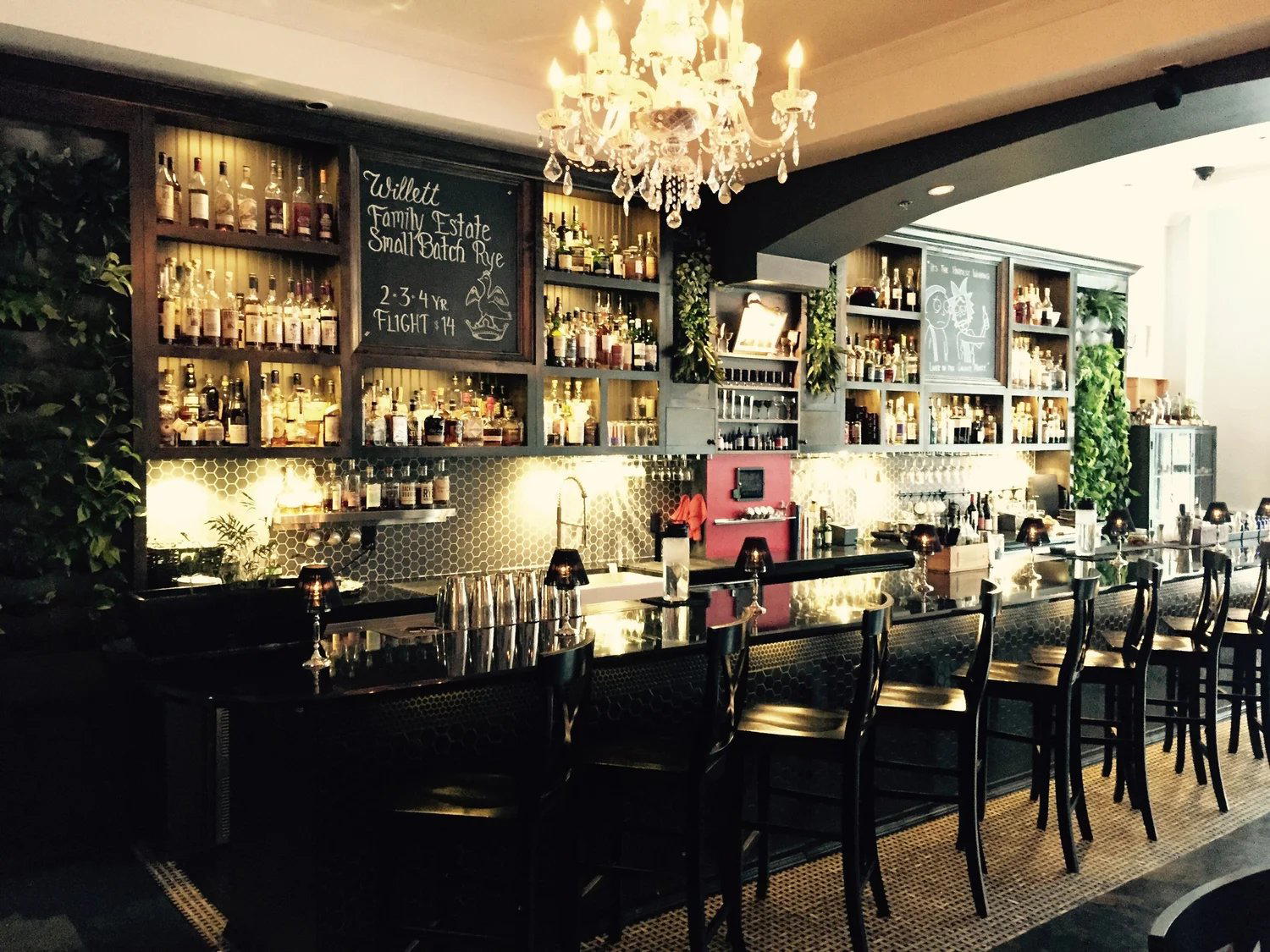
Details
- Cozy
- Romantic
- Trendy
- Lively
- Elegant
- Date Night
- After Work
- Casual Hangout
- Standalone
- Historic Building
- Lounge Seating
- Booth Seating
- Craft Beer
- Conventional Wine
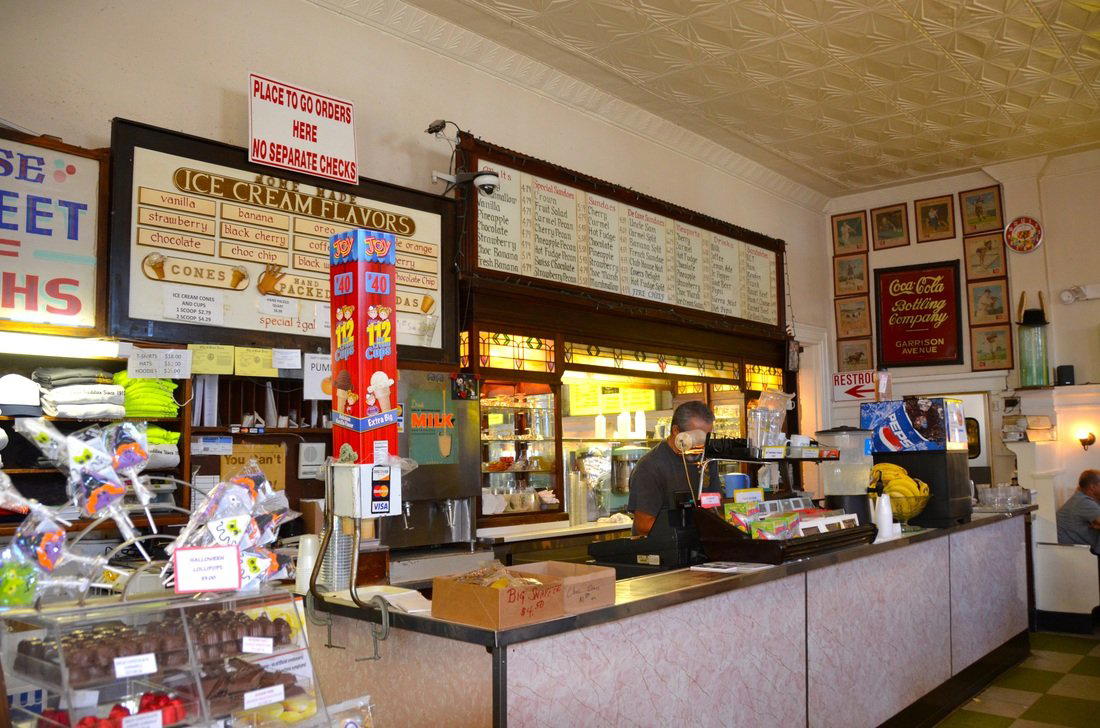
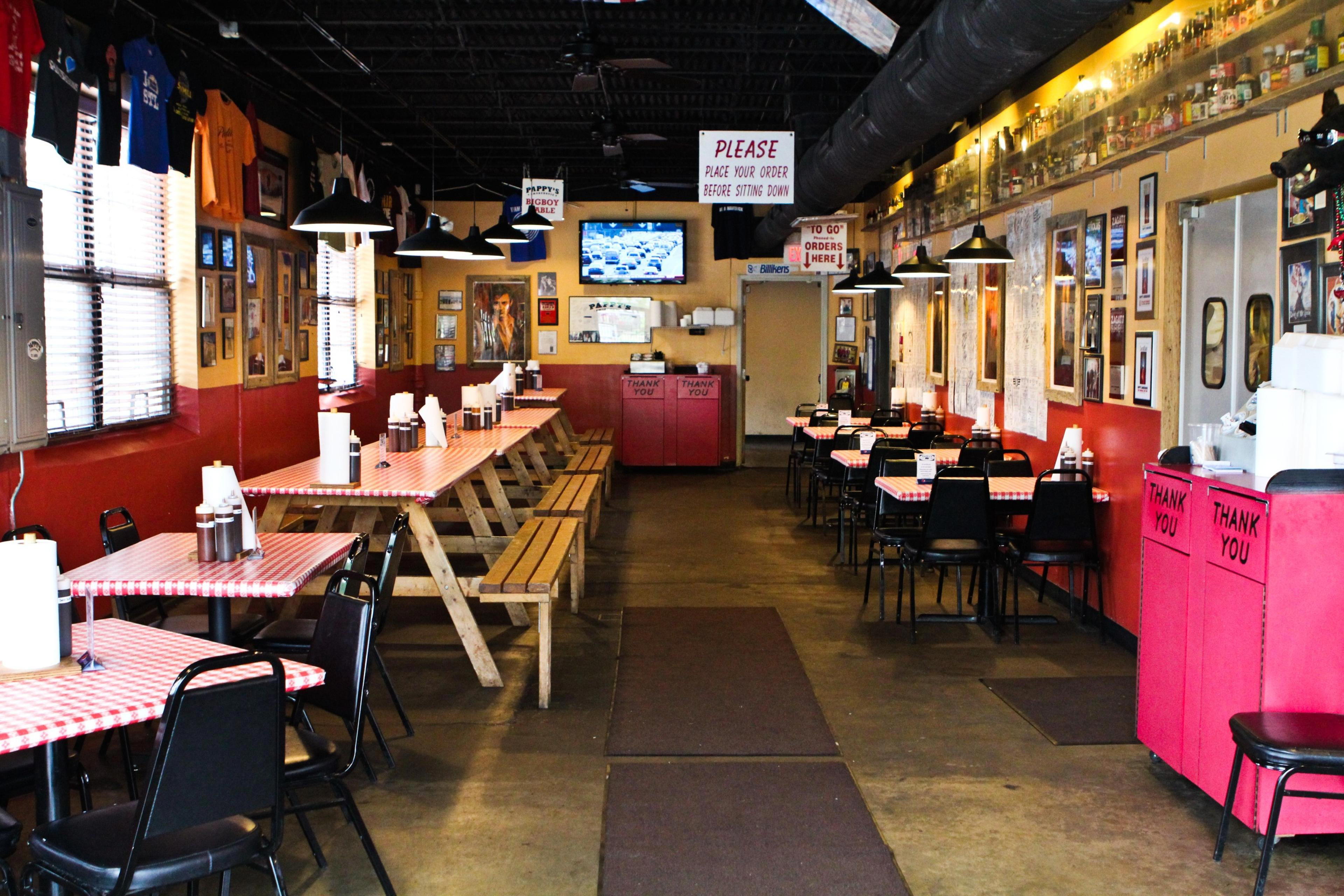
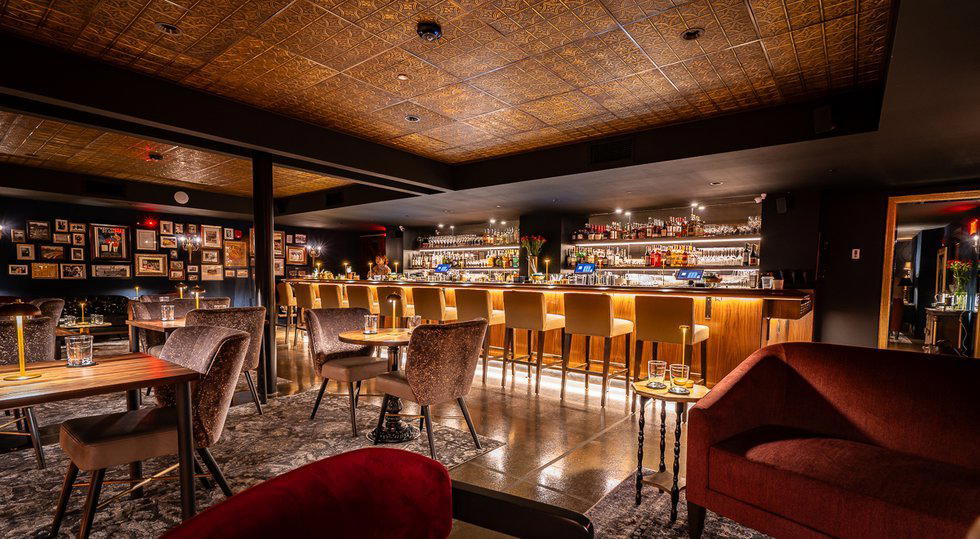
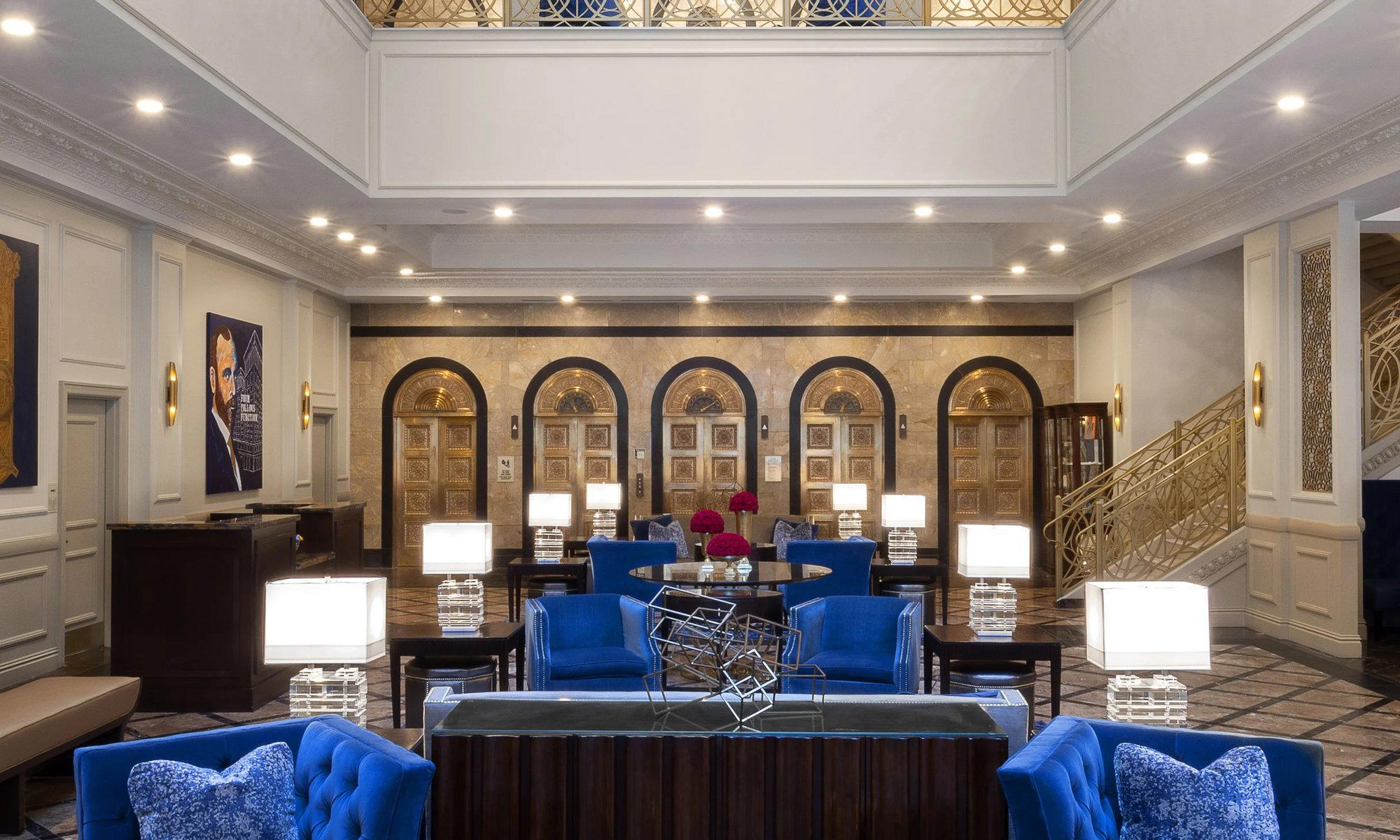
Hip and fun with cool antique lamps, LED-lit chandelier from repurposed branches, vintage couches, cozy mezzanine, and dark romantic lighting.