The Gramophone
Our verdict
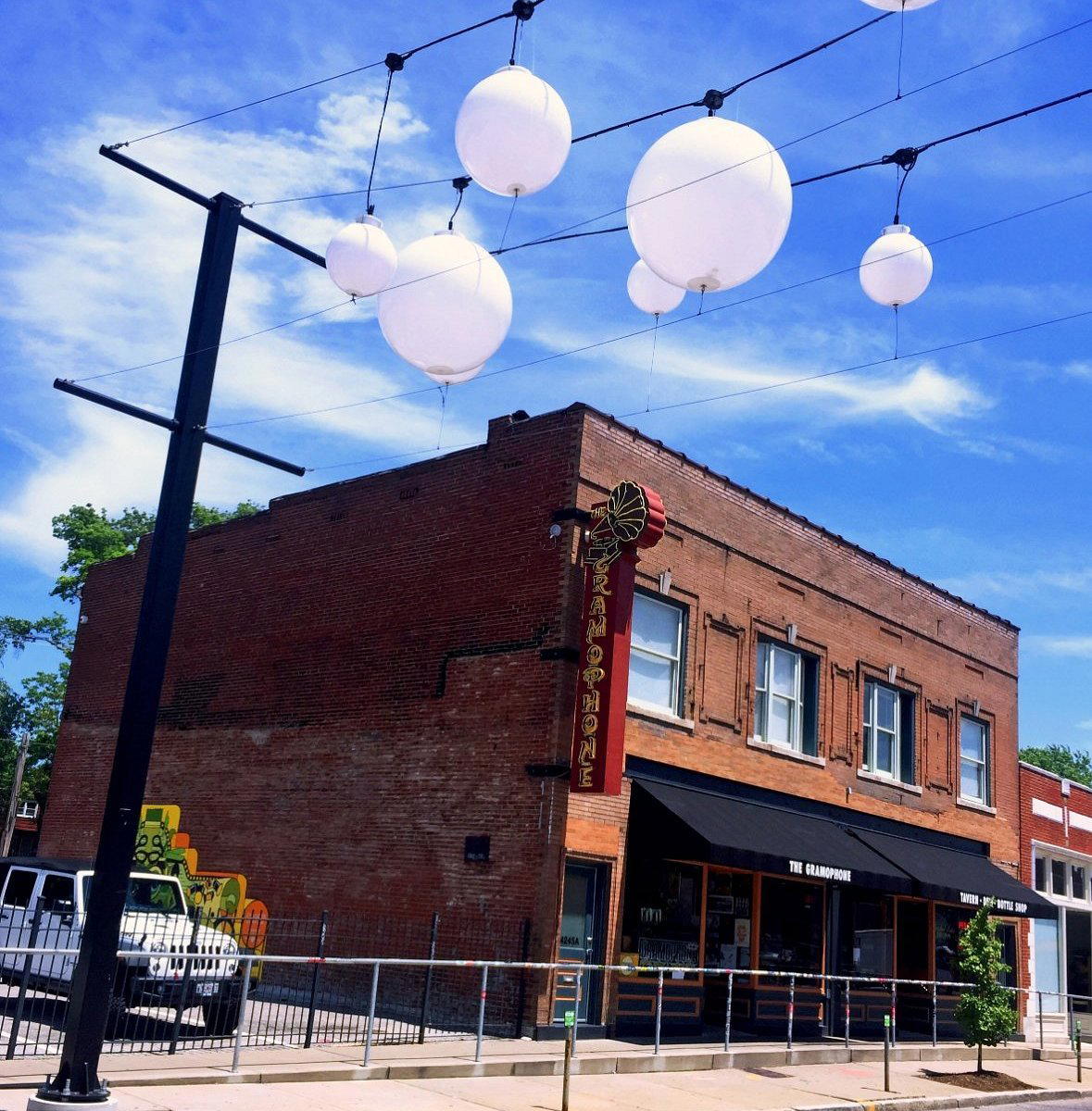
The Gramophone occupies a corner of Manchester Avenue in St. Louis's The Grove neighborhood, where the city's bar and live music culture converges with a serious kitchen. A venue that has tracked the evolution of the surrounding district, it represents how St. Louis's midtown corridors have moved from late-night utility toward something more considered, without losing the neighborhood's essential character.

Pearl is the En Primeur Club membership app — saves, bookings, and concierge access live there. Same editors, same standards.
- Address
- 4243 Manchester Ave, St. Louis, MO 63110
- Phone
- (314) 531-5700
- Hours
- Mon ClosedTue–Sat 11 AM–1:30 AMSun 11 AM–12 AM
- Website
- gramophonestl.com
- Directions
- Get directions
The menu
What to order
- Mississippi Nights Club
- Steak Out
- Chicka Chicka Parm Parm
Manchester Avenue and the Long Arc of The Grove
St. Louis's Grove neighborhood has shifted considerably over the past two decades. Manchester Avenue, once defined almost entirely by late-night bars and music venues serving the post-show crowd, has gradually developed a more layered identity. The corridor now holds venues that operate across multiple registers: serious kitchens alongside draft programs, live music rooms that also function as dining destinations. The Gramophone, at 4243 Manchester Ave, sits inside that evolution rather than predating or resisting it. Understanding what the venue is now requires placing it against what Manchester Avenue used to expect from its establishments.
That shift is not unique to St. Louis. Across American cities with strong neighborhood bar cultures, from the dive-bar corridors of Chicago's Logan Square to the music-forward strips of New Orleans's Bywater, venues that survived the 2010s typically did so by adding programmatic depth without shedding their original character. The ones that overcorrected, pivoting too hard into polished dining or themed concepts, often lost the community footing that made them worth entering in the first place. The ones that held their identity while raising their standards are now the anchors of their respective blocks. For context on how that pattern plays out at the highest level of American dining, venues like Lazy Bear in San Francisco and Smyth in Chicago represent the endpoint of that trajectory, where neighborhood-rooted concepts have reached institutional status. The Gramophone operates well below that tier in terms of formality, but the underlying question of how a venue maintains authenticity while evolving is the same.
A Bar That Takes Food Seriously, or a Restaurant That Takes Drinking Seriously
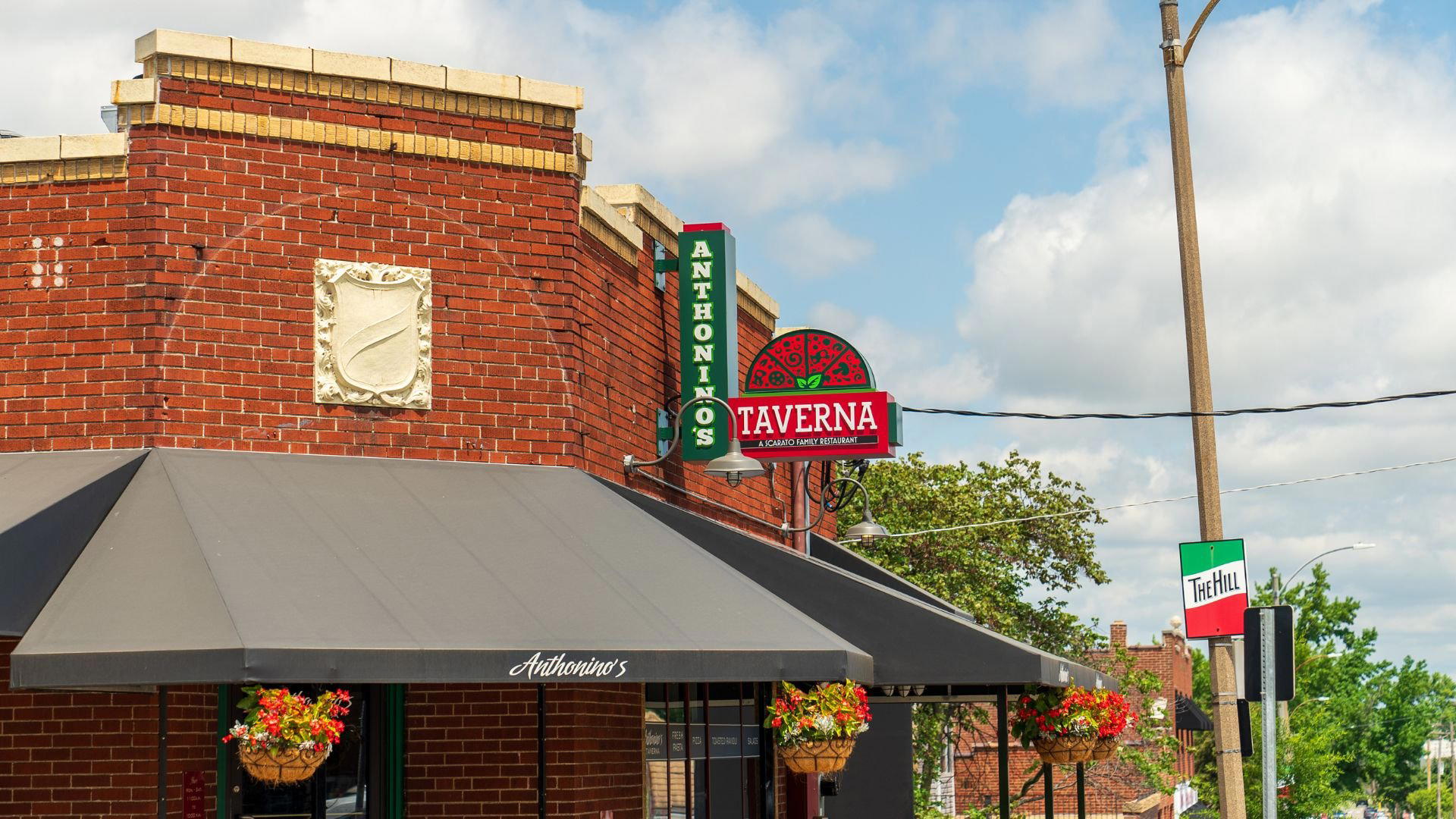
The framing matters. St. Louis has a distinct dining culture that differs from its coastal counterparts in one important respect: the bar is not a secondary space. At venues like Atomic Cowboy, also on Manchester, and at neighborhood institutions such as Anthonino's Taverna in the Hill district, the relationship between drinking and eating is genuinely integrated rather than hierarchical. The kitchen doesn't exist to justify the liquor license; the bar program doesn't exist to fill time while food is prepared. Both operate with equal intent.
The Gramophone fits within that tradition. For a venue on a block that has historically drawn music crowds, the question of how the kitchen has evolved alongside the room is relevant. Midwestern bar-kitchen hybrids that began primarily as live music stops have, in the past decade, generally moved in one of three directions: they've stayed narrow and late-night, they've closed, or they've developed food programs substantial enough to hold a dinner crowd independently of whatever is happening on the stage or behind the decks. The Grove's current character suggests the third path has been the more commercially viable one, and The Gramophone's continued presence on Manchester reflects that calculation.
For comparison within St. Louis's broader dining ecosystem, venues like Annie Gunn's in Chesterfield and BaiKu Sushi Lounge represent different points on the city's dining spectrum. Al's Restaurant, one of the city's longest-running dinner houses, illustrates how St. Louis has historically supported venues that prioritize consistency over reinvention. The Gramophone operates from a different starting point but faces a version of the same question every neighborhood venue eventually confronts: what does staying relevant actually require?
The Grove as Context
The Grove is one of St. Louis's more dynamic neighborhoods in the sense that it has absorbed multiple waves of change without losing a recognizable character. It functions as one of the city's main LGBTQ+ cultural districts and has a density of bars, music venues, and independent restaurants that makes it genuinely walkable in a city not always associated with pedestrian dining culture. Manchester Avenue specifically has benefited from the neighborhood's stability, which has venues to invest in their spaces and programs rather than operate in survival mode.
That stability matters when reading a venue's evolution. A bar-restaurant in a neighborhood under development pressure tends to hedge: keeping the menu accessible, the hours long, the programming broad. A venue in a stable corridor can afford to narrow its focus and deepen its execution.
For those orienting themselves to St. Louis dining more broadly, our full St. Louis restaurants guide maps the city's neighborhoods and dining categories with more granular detail. The national context for what serious American restaurant programs look like at the top of the market can be tracked through venues like The French Laundry in Napa, Le Bernardin in New York City, Providence in Los Angeles, or Addison in San Diego. The Gramophone occupies a different register entirely, but the broader American dining conversation, about how bars develop kitchens, how neighborhoods shape venues, how reinvention happens without erasure, runs through all of it.
Further afield, venues like Blue Hill at Stone Barns in Tarrytown, Single Thread Farm in Healdsburg, The Inn at Little Washington, Atomix in New York City, Emeril's in New Orleans, and Atelier Moessmer Norbert Niederkofler in Brunico each demonstrate how deeply a venue can root itself in a specific place and tradition. That rootedness is, ultimately, what separates the venues that last from those that don't, and it is the most relevant lens for reading any Manchester Avenue establishment with a history on the block.
Planning a Visit
The Gramophone is located at 4243 Manchester Ave in St. Louis's Grove neighborhood, positioned along the central stretch of Manchester that concentrates the area's nightlife and dining. Given the venue's bar-and-music DNA, evenings are the natural window for visiting; arriving earlier in the week tends to yield a quieter room if the priority is the food rather than the crowd.
Frequently asked questions
What's the address for The Gramophone?
The Gramophone is located at 4243 Manchester Ave, St. Louis, MO 63110, St Louis.
What is the connection between The Gramophone and St. Louis's live music scene?
The Gramophone has operated along Manchester Avenue in The Grove, a corridor with deep ties to St. Louis's blues and rock traditions. The venue's name itself nods to recorded sound culture, and the Grove neighborhood has historically served as one of the city's key gathering points for live performance. For current programming details, the venue at 4243 Manchester Ave is the authoritative source.
What's the signature dish at The Gramophone?
The venue sits on Manchester Avenue in St. Louis's Grove neighborhood, where bar-kitchen hybrids typically anchor menus around shareable, drink-friendly plates. check the venue's official channels at 4243 Manchester Ave for current offerings.
How hard is it to get a table at The Gramophone?
Along Manchester Avenue in The Grove, venues in this category generally operate on a walk-in basis during early evening, with competition for seats increasing significantly after 9 p.m. on weekends. Arriving before peak hours is a reasonable approach.
What has The Gramophone built its reputation on?
The Gramophone's standing in St. Louis comes from its position within The Grove's Manchester Avenue corridor, a stretch that has served as one of the city's more durable after-dark destinations. Its identity sits at the intersection of bar culture and food seriousness, a combination that St. Louis's dining scene has historically rewarded over pure restaurant formality.
Do they accommodate allergies at The Gramophone?
Calling or visiting 4243 Manchester Ave ahead of time is the most reliable way to get accurate, current information on dietary accommodations.
Is a meal at The Gramophone worth the investment?
What The Gramophone offers is access to one of St. Louis's more established Grove-corridor rooms, where the draw is as much the Manchester Avenue atmosphere and live music tradition as any individual plate. That context shapes the value proposition more than menu price points alone.
Recognition Snapshot
| Venue | Cuisine | Price | Awards |
|---|---|---|---|
| The GramophoneThis venue — the venue you are viewing | Gourmet Sandwiches | $10–20 | Not listed |
| Truflles | Modern American Steakhouse | $50–100 | Star Wine List · Wine Spectator Best of Award of Excellence |
| Annie Gunn's | Steakhouse & Seafood | $50–100 | Star Wine List · Wine Spectator Best of Award of Excellence |
| Atomic Cowboy | Tex-Mex BBQ Fusion | Not listed | Not listed |
| BaiKu Sushi Lounge | Fusion Sushi Lounge | Not listed | Not listed |
| Broadway Oyster Bar | Cajun & Creole Seafood | $20–30 | Not listed |
Details
- Lively
- Energetic
- Casual Hangout
- Group Dining
- Late Night
- Live Music
- Beer Program
- A La Carte
- Craft Beer
Current opening hours
- Monday
- Closed
- Tuesday
- 11 AM–1:30 AM
- Wednesday
- 11 AM–1:30 AM
- Thursday
- 11 AM–1:30 AM
- Friday
- 11 AM–1:30 AM
- Saturday
- 11 AM–1:30 AM
- Sunday
- 11 AM–12 AM
Hours can change for holidays and private events. Last verified .
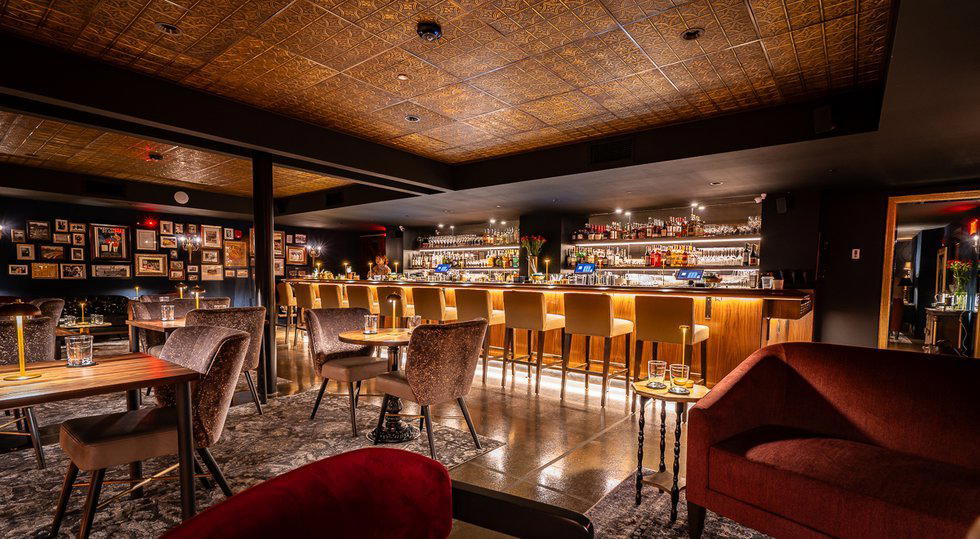
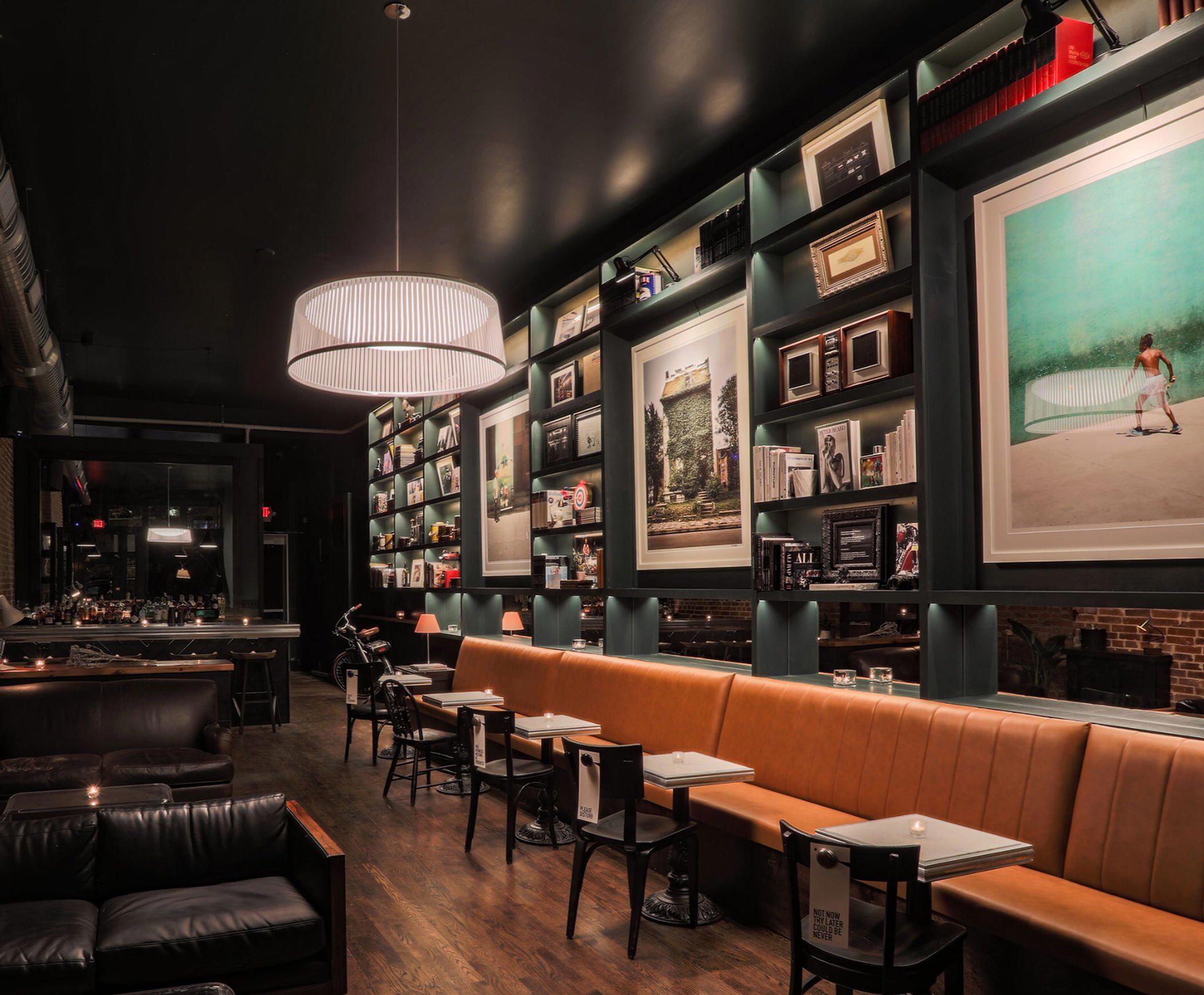
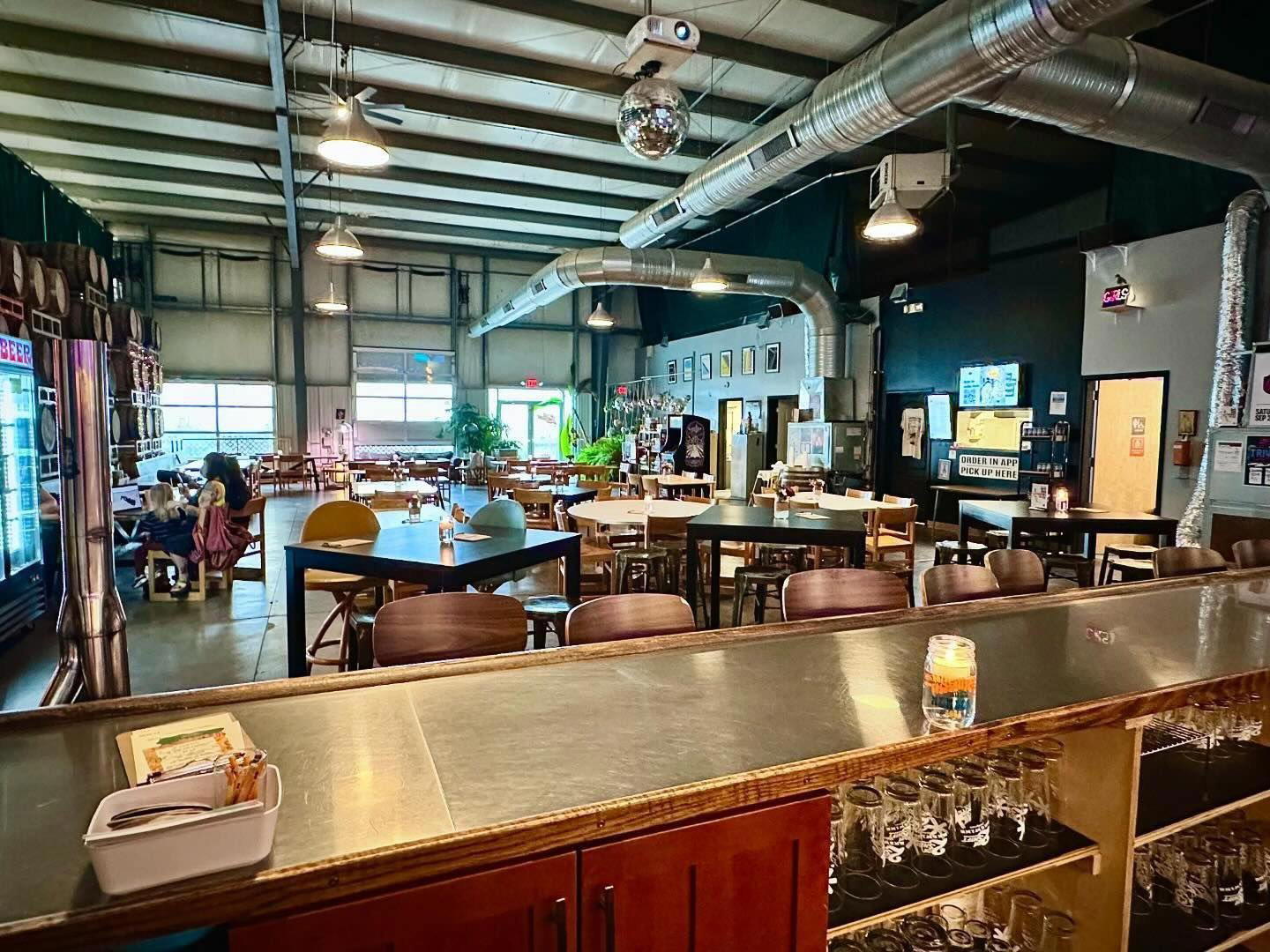
Casual pub atmosphere with live music and DJs, featuring a lively vibe from its music history.