Our verdict
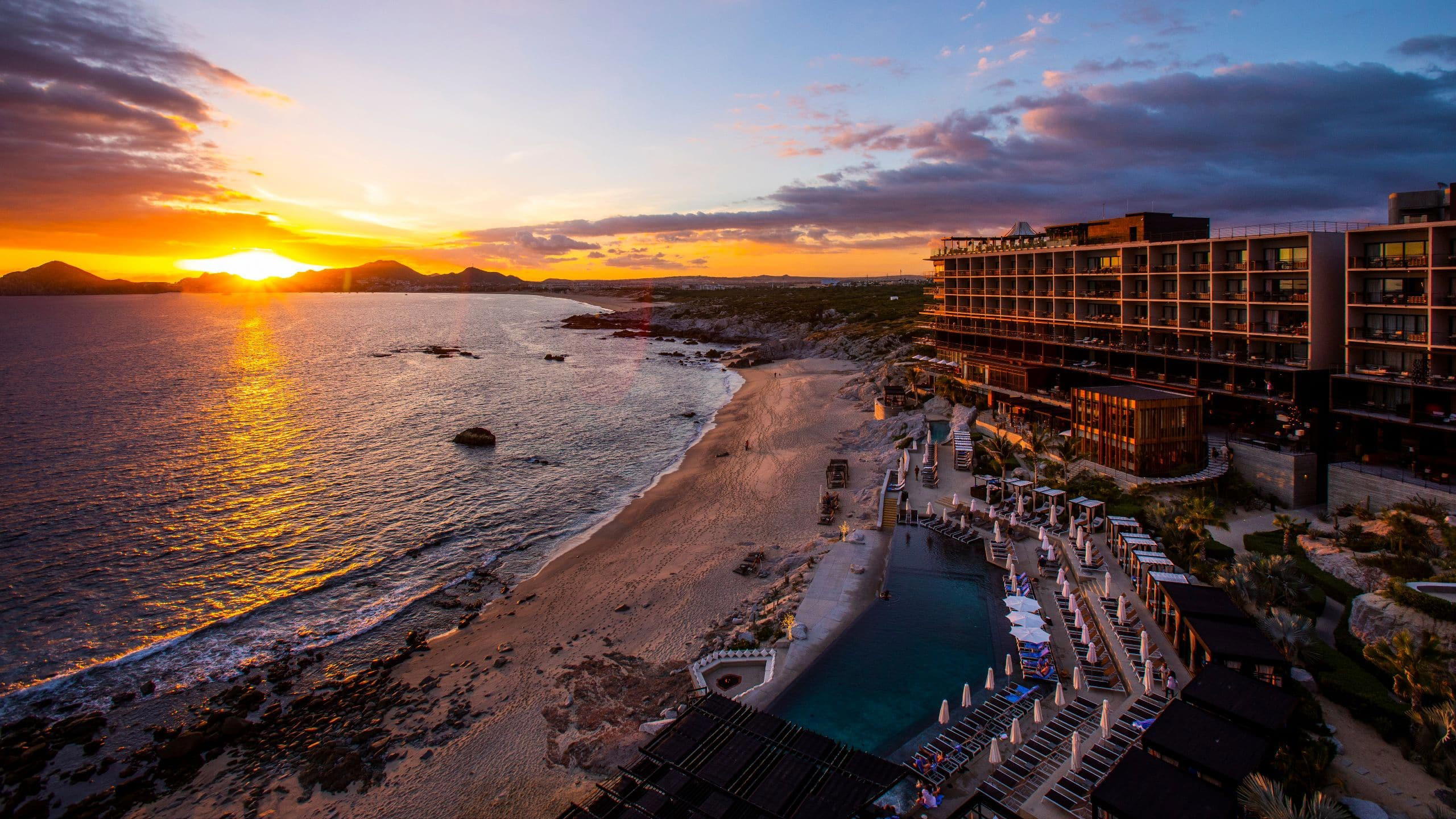
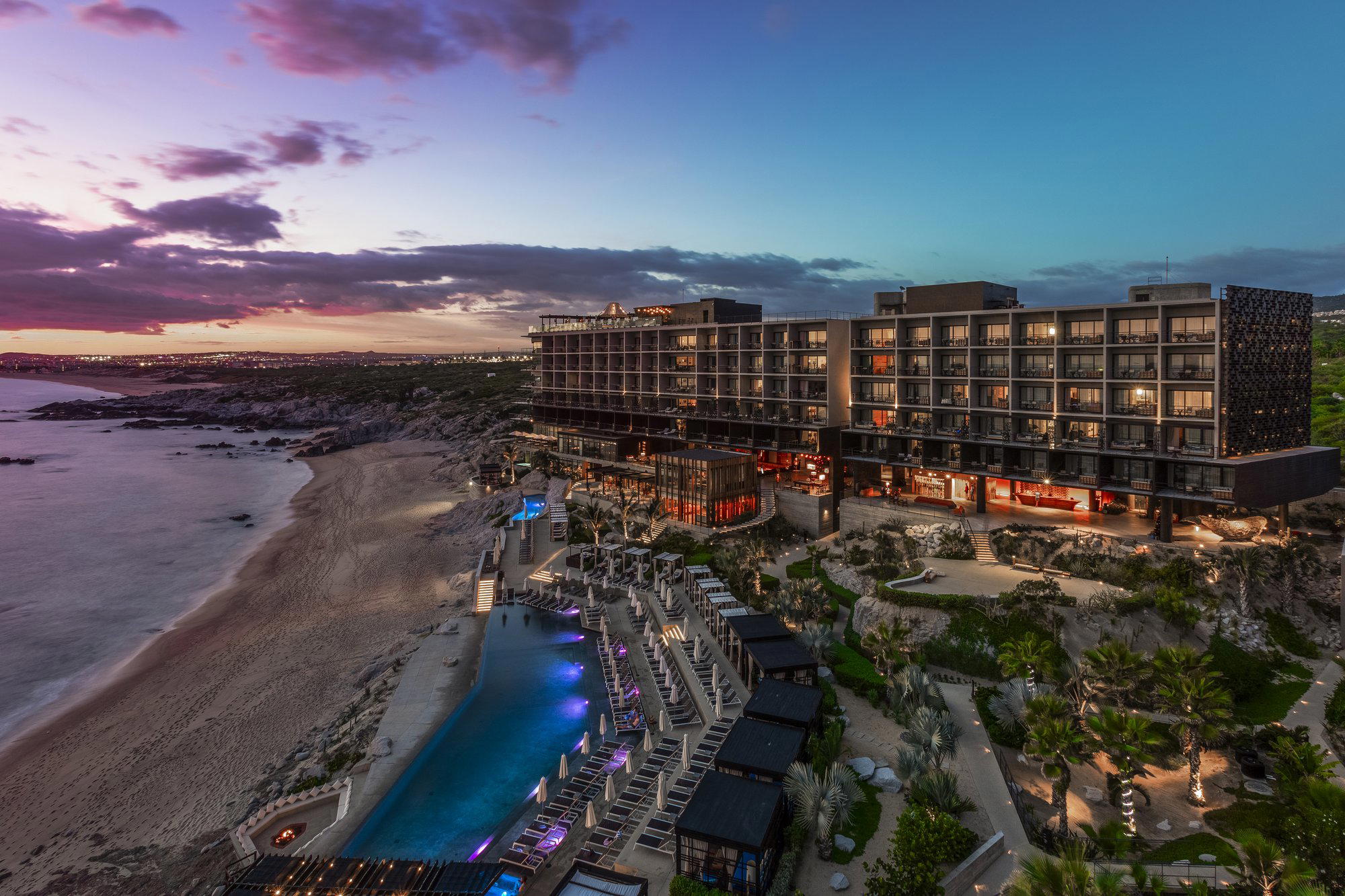
Rosa Negra brings its Latin American dining format to Los Cabos, occupying a stretch of the Transpeninsular corridor at Km 7.3 in Cabo del Sol. The room and menu follow the broader Rosa Negra approach — bold flavors drawn from across the continent, social energy, and a setting calibrated for the resort-adjacent diner who wants substance alongside atmosphere.

Pearl is the En Primeur Club membership app — saves, bookings, and concierge access live there. Same editors, same standards.
- Address
- Carretera Transpeninsular Km 7.3 Cabo del Sol Fracc A-3, 23455 Cabo San Lucas, B.C.S., Mexico
- Phone
- +526241671074
- Hours
- Daily 5 PM–1 AM
- Website
- rosanegra.com.mx
- Directions
- Get directions
- Booking
- Book on the venue's website
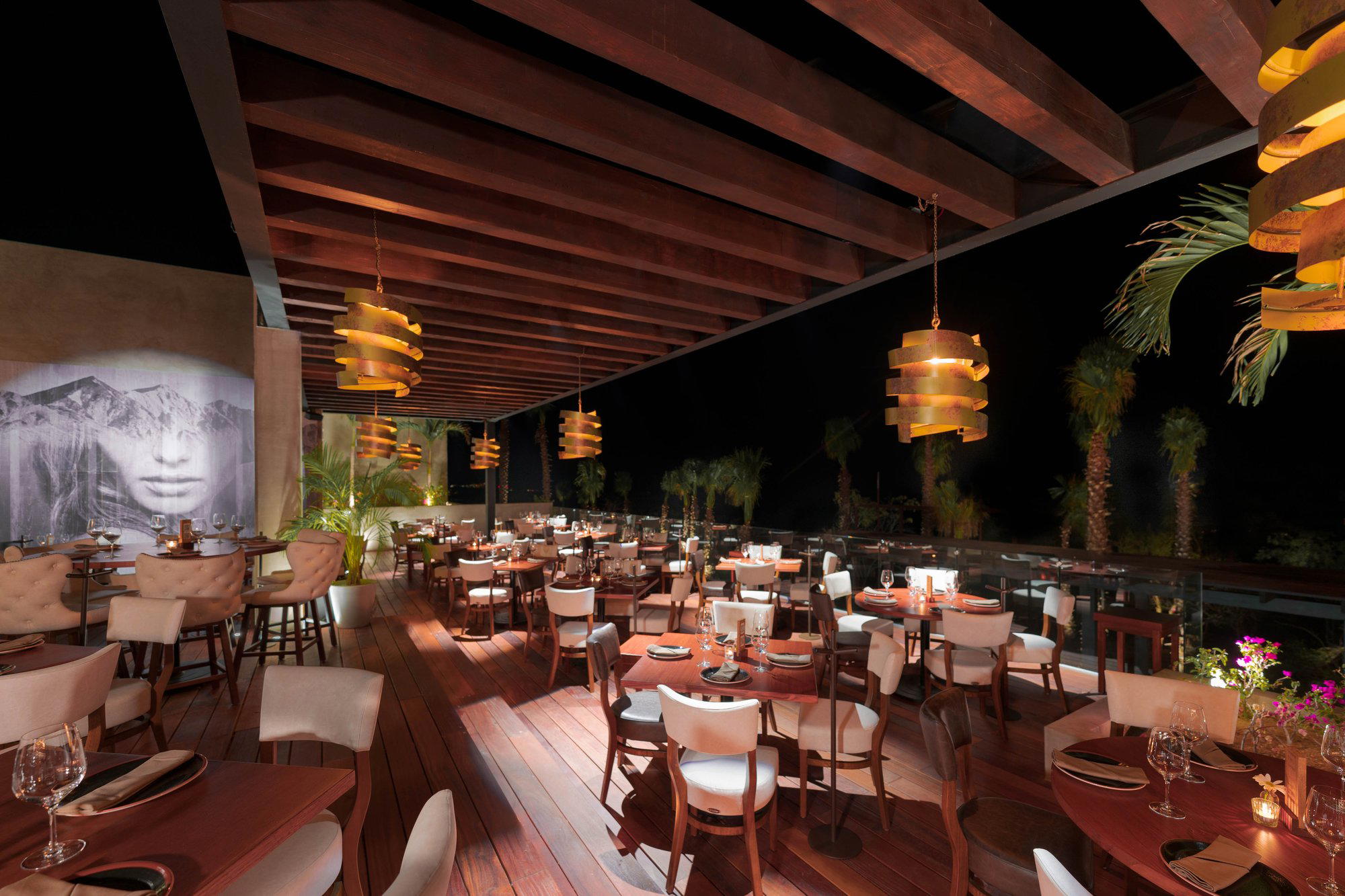
The menu
What to order
- Peruvian ceviche
- Tiraditos
- Grilled octopus
- Lobster tacos
- Short rib empanadas
- Flamed Valrhona chocolate sphere
Where the Corridor Delivers Something Substantial
Driving the Transpeninsular highway between San José del Cabo and Cabo San Lucas, the dining offers thin out quickly once you leave the corridor's hotel clusters. Rosa Negra's Cabo del Sol location, at Km 7.3, sits in that middle stretch — not quite beachfront, not quite downtown — which means it draws a deliberate crowd rather than a walk-in one. That self-selection shapes the room: guests here have usually made a choice, not a convenience stop.
The Rosa Negra brand operates across several Mexican resort markets, and its positioning in each city follows the same logic: Latin American cooking with a social-dining format, directed at an international visitor base that wants recognizable culinary ambition without the formality of a tasting-menu counter. In Los Cabos, that positioning fills a gap. The destination's dining scene divides roughly between casual taco-and-ceviche spots and the kind of hotel restaurant engineered for guests who won't leave the property. Rosa Negra sits between those poles, a standalone destination with a room and menu designed around the full evening, not the quick meal.
The Arc of the Meal
Latin American dining formats that travel well across borders tend to share a structural logic: they sequence through raw preparations, fire-cooked proteins, and shared sides in a way that rewards a table willing to order broadly. Rosa Negra's approach in Los Cabos follows that model. The meal is meant to build, cold before hot, lighter before richer, and the format rewards a group pace more than a single-diner sequence.
The opening stage of that progression typically anchors in the region's raw tradition: ceviches, tiraditos, and preparations that draw on both Mexican coastal technique and the South American influences that define the Rosa Negra identity. Baja California's Pacific waters give Los Cabos kitchens access to fish quality that peers in landlocked markets can't replicate, and a kitchen working at this format's level has reason to lean on that. What arrives in those early courses sets the register for the meal, the acidity, the freshness, the degree to which the kitchen is playing to local ingredients versus replicating a brand template.
The middle of the meal tends to be where Rosa Negra's Latin American scope asserts itself most clearly. Fire and char are central to the brand's identity, the kind of cooking that connects Argentinian asado tradition to Mexican wood-fire technique. For the diner moving through the menu in sequence, this is where the meal shifts register: from brightness and citrus to smoke and depth. The transition, when it lands correctly, is the editorial argument of the meal itself.
Dessert and digestifs at this format tend to function as a landing rather than a punctuation mark, lighter, often fruit-forward in the Mexican coastal mode, and paired with the agave-led spirits that have become the expected close of a serious Mexican dining experience. The Baja peninsula's proximity to the country's main mezcal and tequila production regions makes that pairing feel grounded rather than performative.
Where Rosa Negra Sits in the Los Cabos Scene
Los Cabos has developed a more serious dining ecosystem over the past decade, moving beyond the resort-capture model that defined its earlier restaurant economy. Properties like Agua, ANICA, Ardea Steakhouse, and Alebrije represent different corners of that evolved scene, each with a distinct format and competitive pitch. Bella California anchors the local-produce angle. Rosa Negra's position is the Latin American pan-continental format, which no other venue in the destination occupies with the same scale and social-dining energy.
The comparison that contextualizes Rosa Negra most clearly is not its Los Cabos neighbors but its place in Mexico's broader restaurant moment. Operations like Pujol in Mexico City, Animalón in Valle de Guadalupe, and KOLI Cocina de Origen in Monterrey represent the country's fine-dining ambition at its most rigorous. Rosa Negra operates at a different register, broader, louder, more social, but it belongs to the same generational shift in Mexican restaurant culture that produced those venues: the move toward a self-confident, locally rooted identity that doesn't require European framing to justify itself.
Further along the Mexican coast, HA' in Playa del Carmen and Le Chique in Puerto Morelos show what technically ambitious cooking looks like in Mexico's other resort corridor. On the Pacific side, Olivea Farm to Table in Ensenada and Lunario in El Porvenir are shaping Baja California's food identity further north. Rosa Negra sits in a different tier, resort-market facing, format-driven, but it shares the same broader context: Mexico's dining scene is no longer a supporting act for international visitors; it is the draw.
For the traveler using Los Cabos as an entry point into that larger picture, operations like Levadura de Olla Restaurante in Oaxaca, Alcalde in Guadalajara, and Pangea in San Pedro Garza Garcia represent where Mexican cooking is pushing hardest. Rosa Negra is not that; it is a well-executed Latin American social-dining format calibrated for a resort market. Understanding that distinction makes it easier to place correctly. Compared against international fine dining at the level of Le Bernardin in New York City or Atomix in New York City, Rosa Negra occupies a different category entirely, one defined by atmosphere and accessibility over precision and progression.
Planning the Visit
The Cabo del Sol address at Km 7.3 on the Transpeninsular places Rosa Negra outside the walkable zones of both Cabo San Lucas and San José del Cabo, so arriving by car or hotel transfer is the practical approach for most visitors. The location means the room fills with intent rather than impulse, and peak-season demand in Los Cabos, concentrated in the winter months from November through April, when the climate is at its most hospitable, means securing a reservation in advance is advisable rather than optional. The summer months bring reduced demand alongside higher humidity, which shifts the visiting calculus for some. For the full Los Cabos restaurants guide, EP Club's city coverage maps the broader scene across dining formats and neighborhoods.
Frequently asked questions
Where exactly is Rosa Negra - Cabo?
Rosa Negra - Cabo is located at Carretera Transpeninsular Km 7.3 Cabo del Sol Fracc A-3, 23455 Cabo San Lucas, B.C.S. Mexico, Los Cabos.
How does Rosa Negra - Cabo compare to the brand's other Mexico locations?
Rosa Negra operates across multiple Mexican resort markets, and the Cabo outpost at Km 7.3 on the Transpeninsular adapts the core Latin American format to the Baja ingredient base and a corridor-based visitor profile that differs from, say, a Tulum or Puerto Vallarta crowd. The raw-to-fire sequencing logic stays consistent across locations, but the local seafood supply and the specific resort market shape what the menu emphasizes at each address.
What do regulars order at Rosa Negra - Cabo?
Rosa Negra rewards ordering across the full arc of the menu rather than anchoring on a single section. The raw preparations — ceviches and tiraditos — function as the opening movement, setting acidity and brightness before the kitchen moves into fire-cooked proteins. Regulars who work through both ends of that sequence get the clearest sense of what the format is doing.
Do I need a reservation for Rosa Negra - Cabo?
During Los Cabos' high season, running roughly November through April, Rosa Negra draws a deliberate resort-market crowd and fills accordingly. The Km 7.3 location at Cabo del Sol sits outside both walkable town centers, which means guests are arriving with purpose rather than on impulse — so the room turns with less friction than a walk-in model downtown. Booking ahead is the practical call for weekend evenings during peak months.
What's the defining dish or idea at Rosa Negra - Cabo?
The defining idea is the arc from raw and bright to fire-cooked and deep — a Latin American sequencing logic that structures the meal as a deliberate progression rather than a single focal point. That format travels across Rosa Negra's multiple Mexican resort locations, but the Cabo kitchen applies it to the ingredient base available along the Baja corridor. The sequencing is the concept; individual dishes express it rather than replace it.
A Credentials Check
Comparable venues nearby, for context on price, style, and recognition.
| Venue | Cuisine | Price | Awards | Notes |
|---|---|---|---|---|
| Rosa Negra - CaboThis venue — the venue you are viewing | Latin American Fusion with Peruvian & Nikkei Influences | $50–100 | Not listed | Not listed |
| Vela | Mediterranean with Baja Fusion | Not listed | Not listed | Cabo San Lucas |
| Spinalis Steakhouse | New York Style Steakhouse | Not listed | Not listed | Cabo San Lucas |
| Pícaro Garden Cuisine by Romeo & Julieta | Mediterranean-Mexican Garden Cuisine | $50–100 | Not listed | Cabo San Lucas |
| Café des Artistes Los Cabos | Mexican with French Influences | $100–150 | Wine Spectator Best of Award of Excellence | San José del Cabo |
| Pitahayas Restaurant | Pacific Rim Fusion with Regional Mexican Heritage | $50–100 | Not listed | Cabo San Lucas |
Continue exploring
More in Los Cabos
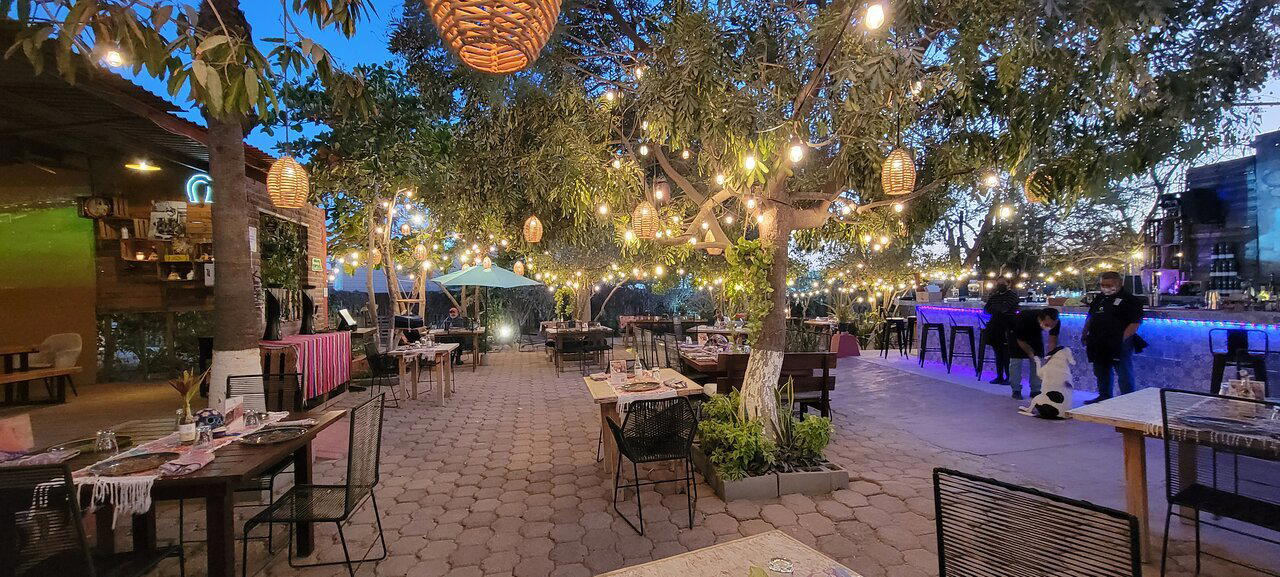
Restaurants in Los Cabos
Browse all →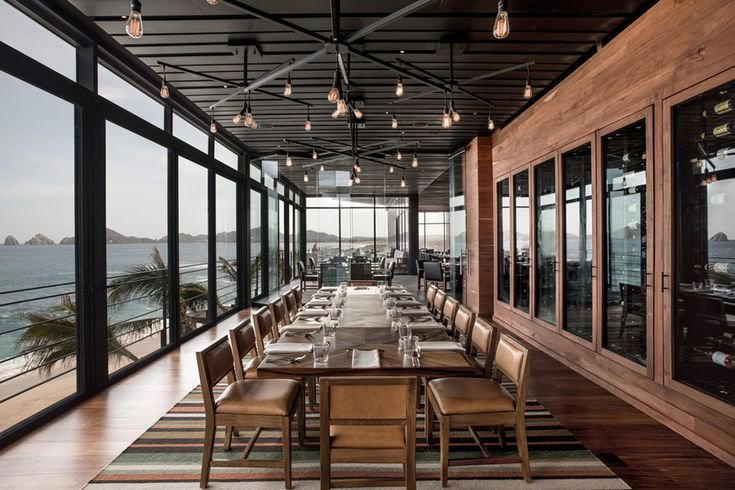
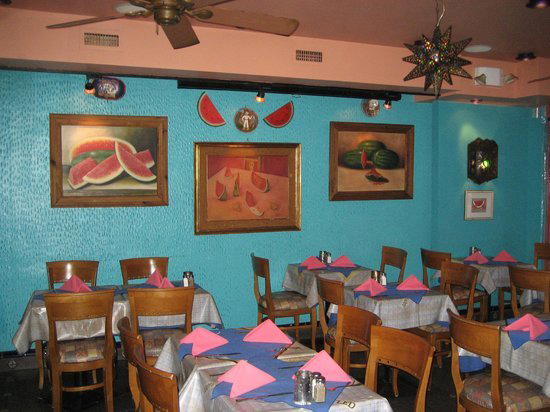
Bars in Los Cabos
Browse all →
Details
- Elegant
- Lively
- Romantic
- Sophisticated
- Energetic
- Date Night
- Celebration
- Special Occasion
- Group Dining
- Private Event
- Waterfront
- Live Music
- Open Kitchen
- Terrace
- Panoramic View
- Private Dining
- Craft Cocktails
- Beer Program
- Extensive Wine List
- Local Sourcing
- Waterfront
- A La Carte
- Small Plates
- Signature Cocktails
- Latin American Spirits
- Craft Mixology
- Vegetarian Friendly
- Vegan Options
- Gluten Free Options
- Allergy Accommodating
Current opening hours
- Monday
- 5 PM–1 AM
- Tuesday
- 5 PM–1 AM
- Wednesday
- 5 PM–1 AM
- Thursday
- 5 PM–1 AM
- Friday
- 5 PM–1 AM
- Saturday
- 5 PM–1 AM
- Sunday
- 5 PM–1 AM
Hours can change for holidays and private events. Last verified .
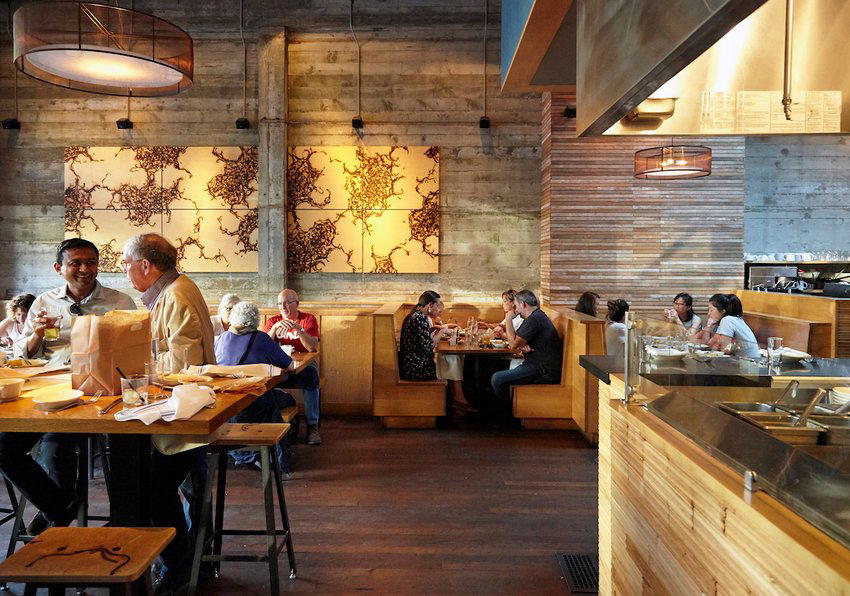
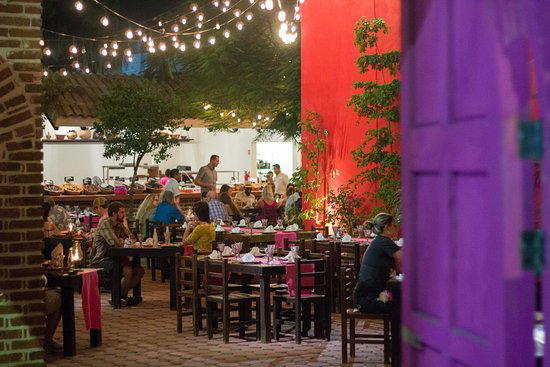
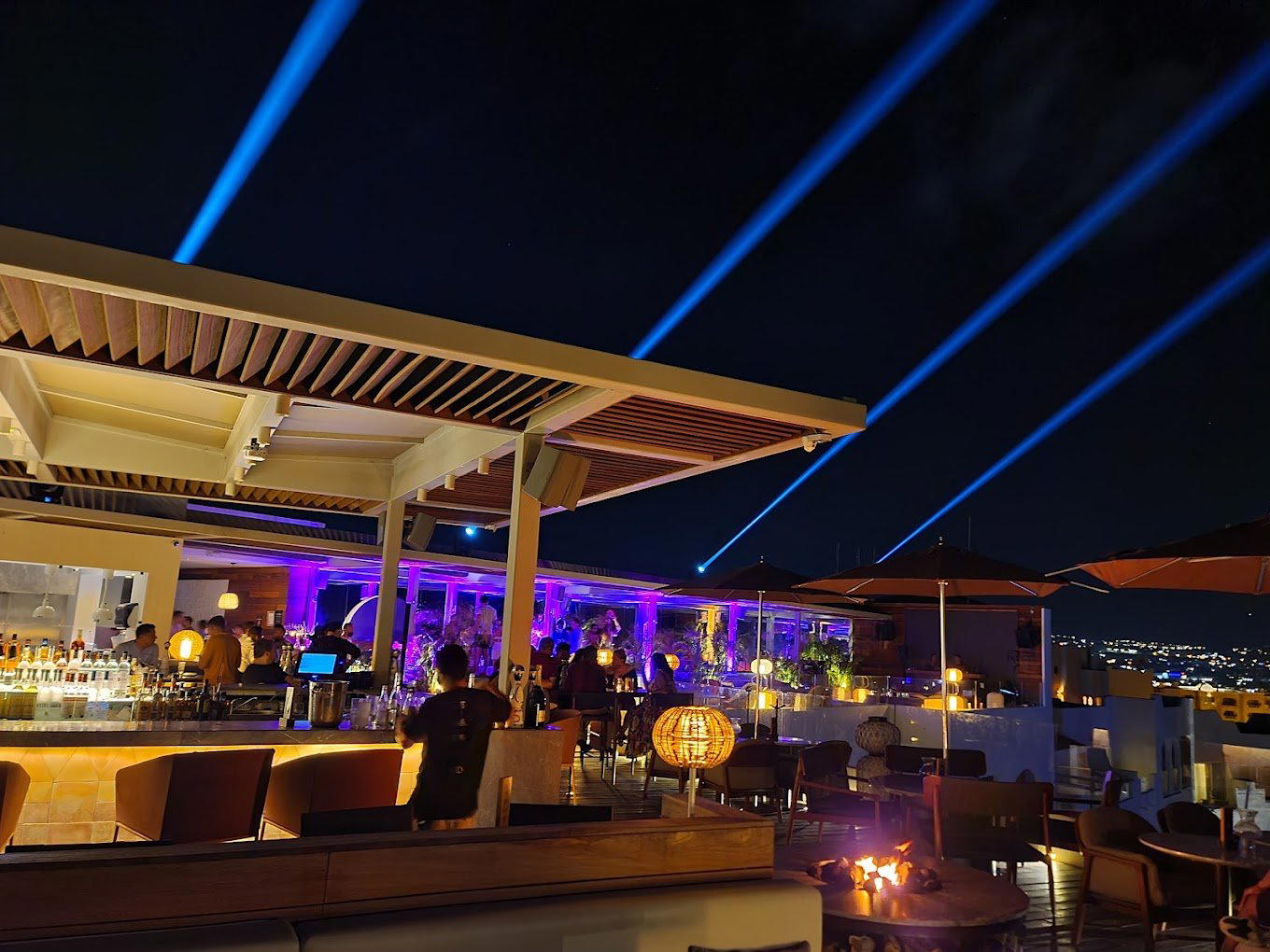
Elegant yet laid-back with Latin American artwork, modern interior design, open kitchen views, and lively evening atmosphere enhanced by live music and entertainment.