Alebrije sits along the Tourist Corridor at Km 19.5, positioned within a dining scene that has grown increasingly serious about Mexican regional cooking. Where many Los Cabos restaurants default to resort-friendly pan-Latin formats, Alebrije operates in a tier that rewards curiosity. It draws comparison with the corridor's more considered dining options and suits visitors who arrive with a specific appetite rather than a vague one.
Pearl is the En Primeur Club membership app — saves, bookings, and concierge access live there. Same editors, same standards.
- Address
- México 1 Km 19.5, Tourist Corridor, 23400 San José del Cabo, B.C.S., Mexico
- Phone
- +526241442800
- Website
- rosewoodhotels.com
- Directions
- Get directions
 Saves & bookings on Pearl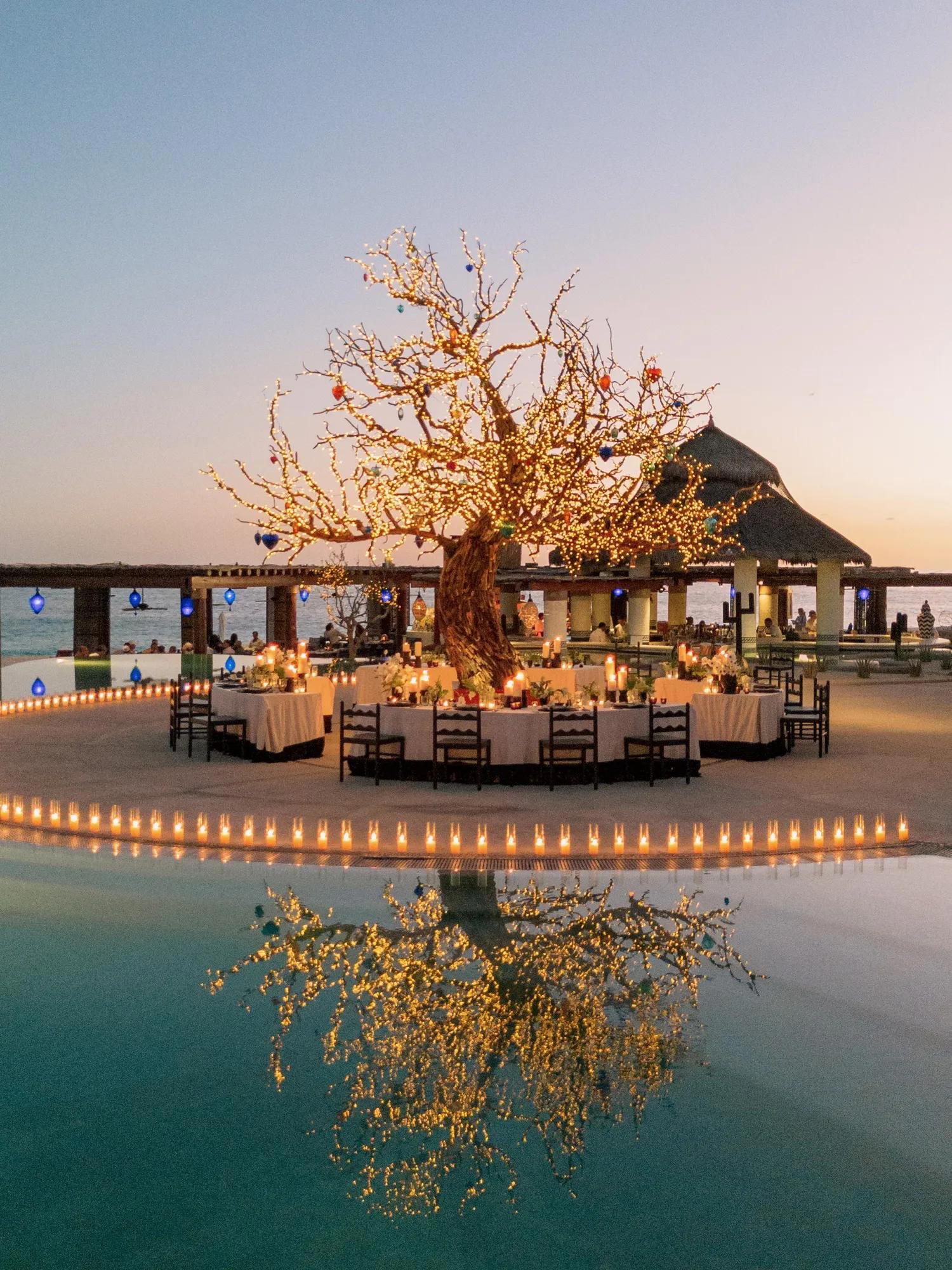
The Physical Setting: What the Space Tells You Before the Food Arrives
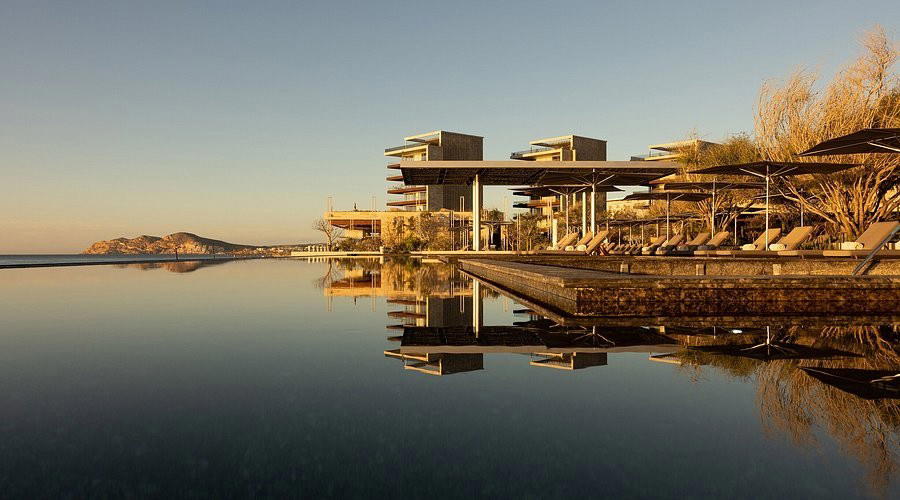
The Tourist Corridor between San José del Cabo and Cabo San Lucas has, over the past decade, accumulated a layer of restaurants that go well beyond poolside grills and hotel buffets. The stretch of México 1 running through Baja California Sur now holds addresses that would draw serious attention in any Mexican city, and the physical environments these restaurants occupy have become part of their editorial argument. Alebrije, at Km 19.5 on that corridor, sits within this broader shift in how the region presents serious dining. In a zone defined by open-air terraces and Pacific light, the design choices a restaurant makes — how it frames a view, how it sequences a dining room, how it manages the transition between the arid landscape outside and the controlled atmosphere within — communicate intent before a single plate arrives.
The name itself is instructive. Alebrijes are the brightly painted fantastical animal figures originating in Oaxacan craft tradition, later associated with Mexico City's artisan culture. Naming a restaurant after them in Los Cabos is a statement of cultural orientation, a signal that the kitchen is thinking about Mexican identity rather than defaulting to the generic luxury-resort grammar that flattens cuisine across the corridor. That kind of specificity in naming tends to correlate with specificity in the dining room, in the menu architecture, and in how space is used to hold a particular kind of experience.
Where Alebrije Sits in the Corridor's Dining Tier
Tourist Corridor has sorted itself into fairly legible tiers. At the high end, you have hotel-anchored dining rooms like Ardea Steakhouse and Agua, which carry the backing of large hospitality groups. At the neighbourhood-character end, San José del Cabo's art district produces places like ANICA and Bella California, which read more as local institutions than destination propositions. Then there is the corridor's independent middle tier, where restaurants compete less on brand affiliation and more on culinary specificity, design cohesion, and the kind of word-of-mouth that travels across Mexico's food-aware circles. Café des Artistes Los Cabos has operated in this space for years; Alebrije positions within the same tier.
That independent middle tier has grown more competitive as the corridor has attracted visitors who arrive having already eaten at Pujol in Mexico City or Le Chique in Puerto Morelos, and who approach Baja dining with calibrated expectations. These are not guests satisfied by a fish taco with a sea view; they are tracking Mexico's regional cooking conversation, following what Animalón in Valle de Guadalupe is doing with Baja wine-country produce, or what Levadura de Olla Restaurante in Oaxaca is doing with indigenous grains. A restaurant at Km 19.5 that names itself after a folk-art tradition is pitching to that conversation.
Design as Culinary Argument: The Space-Menu Relationship
Mexican restaurant design in the 2020s has split between two dominant aesthetics. One is the maximalist hacienda revival, all exposed beams and terracotta, heavy on colonial nostalgia. The other is the spare, materials-led approach increasingly common in Oaxaca and Guadalajara, where concrete, local wood, and natural textiles do the work without historical pastiche. How a restaurant chooses between these orientations signals something about its relationship to Mexican identity. The alebrije as motif suggests colour and craft specificity, which tends to produce interiors with visual density, handmade elements, regional craft references, the kind of design that treats the room as a curated argument rather than a neutral backdrop.
Along the corridor, where resort architecture often imposes a generic tropical-luxury vernacular, a restaurant that asserts a distinct design identity is making a claim about independence. For the visitor, this distinction matters practically: the physical container shapes how long you stay, how the conversation at the table unfolds, and how the meal is paced. Spaces designed with intention tend to produce longer, more considered meals, which is the format that serious Mexican kitchens require to make their point. For reference on what that format looks like at its most refined in Mexico, KOLI Cocina de Origen in Monterrey and Pangea in San Pedro Garza Garcia demonstrate how the northern Mexican dining room has developed its own architectural vocabulary for ambitious cooking. Baja's version of that vocabulary is still crystallising, and restaurants like Alebrije are part of that process.
Planning a Visit: What to Expect Logistically
Alebrije sits at Km 19.5 on México 1, which places it on the main artery connecting San José del Cabo and Cabo San Lucas. Most visitors on the corridor are travelling by car or taxi; the address is accessible from either end, and the drive from central San José del Cabo runs approximately fifteen minutes depending on traffic. The corridor operates on tourist rhythms, meaning high season from November through April brings the most competition for reservations at the addresses that have developed a following. Confirming a table in advance is the practical approach for any restaurant in this tier during peak months. For a broader map of where Alebrije fits within the region's dining options, the full Los Cabos restaurants guide covers the corridor's full range and is the most useful planning reference for structuring a multi-day itinerary.
Visitors who have been tracking the wider Mexican dining circuit will find useful comparison points in the Baja wine country, where Olivea Farm to Table in Ensenada and Lunario in El Porvenir represent the agricultural-driven end of Baja cooking. The corridor operates in a different register, more urban-facing, more dependent on imported produce, but the cultural references are shared, and a trip that covers both the wine country and the corridor offers a fuller picture of what Baja California Sur has been developing as a culinary identity.
For those arriving from further afield with high-end fine-dining as the reference frame, the corridor's independent tier operates differently from the structured formality of, say, Le Bernardin in New York City or Lazy Bear in San Francisco. Mexican fine dining in resort zones tends toward a more relaxed service cadence, where the warmth of the interaction carries as much weight as the precision of the kitchen. HA' in Playa del Carmen and Alcalde in Guadalajara both demonstrate how that balance works at its most fluent. Alebrije, in the same national conversation, is making its case along the corridor.
The Minimal Set
| Venue | Cuisine |
|---|---|
| AlebrijeThis venue — the venue you are viewing | Not listed |
| Don Manuel's | Mexican Cuisine |
Continue exploring
More in Los Cabos
Restaurants in Los Cabos
Browse all →
Bars in Los Cabos
Browse all →
At a Glance
- Elegant
- Romantic
- Sophisticated
- Date Night
- Special Occasion
- Celebration
- Live Music
- Open Kitchen
- Hotel Restaurant
- Craft Cocktails
Current opening hours
- Monday
- 7–11:30 AM, 6–10 PM
- Tuesday
- 7–11:30 AM, 6–10 PM
- Wednesday
- 7–11:30 AM, 6–10 PM
- Thursday
- 7–11:30 AM, 6–10 PM
- Friday
- 7–11:30 AM, 6–10 PM
- Saturday
- 7–11:30 AM, 6–10 PM
- Sunday
- 7–11:30 AM, 6–10 PM
Hours can change for holidays and private events. Last verified .
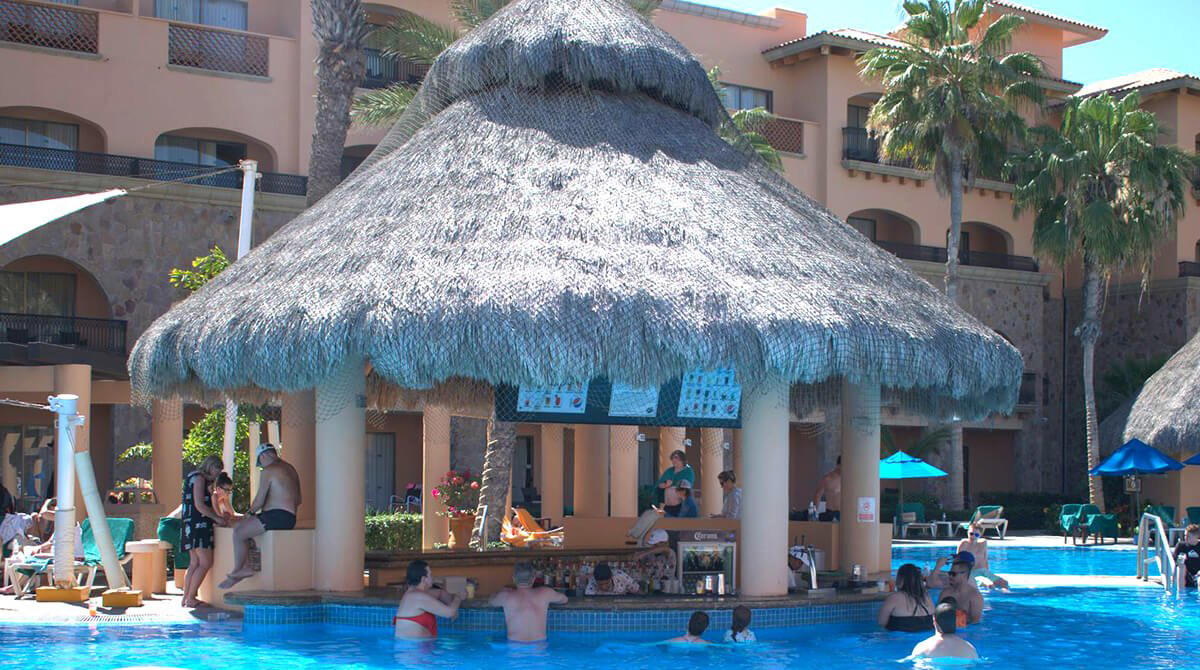
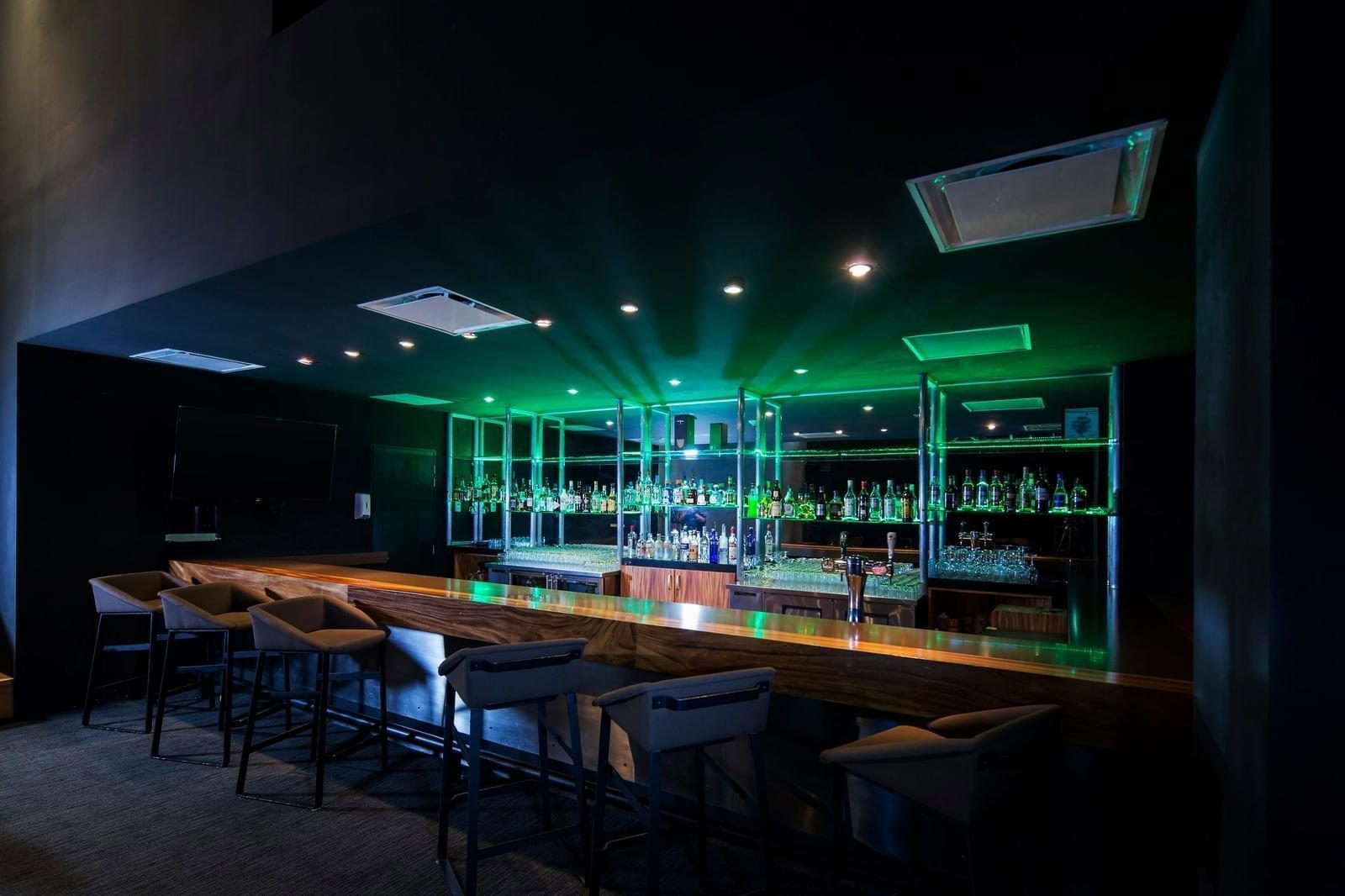
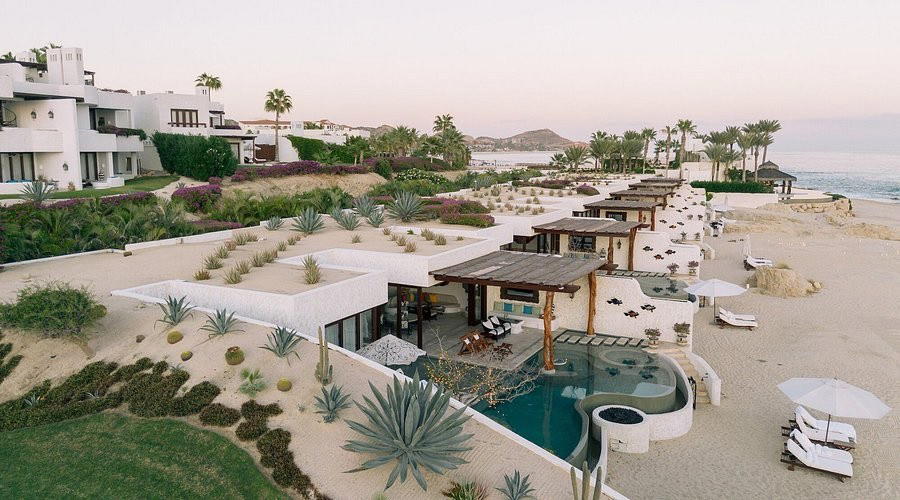
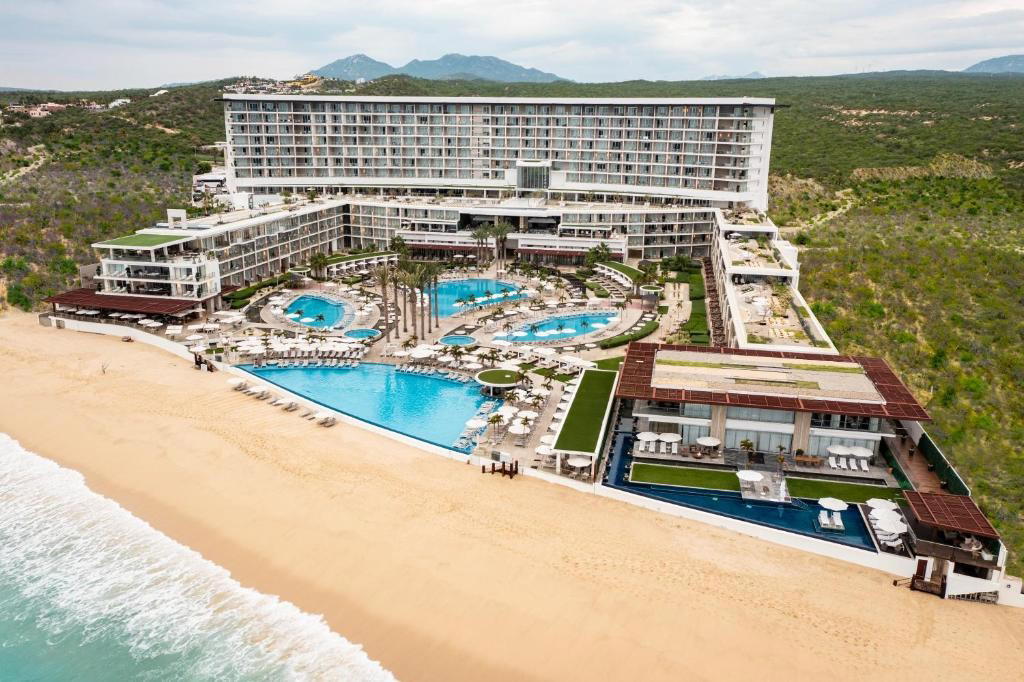
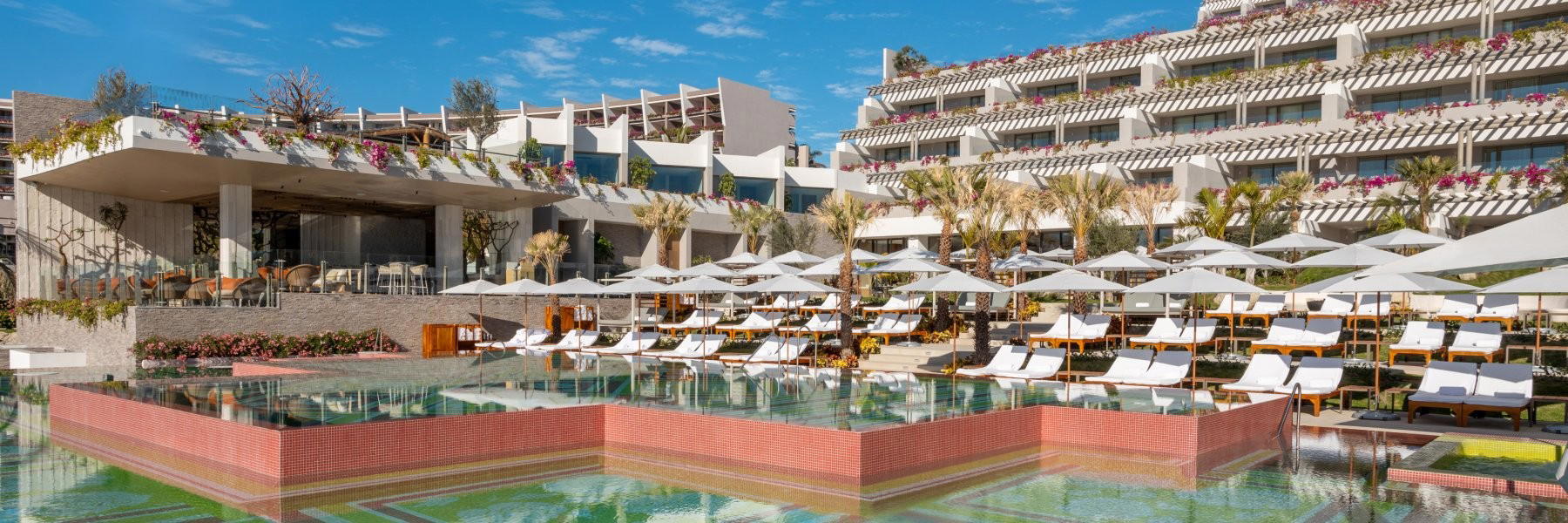
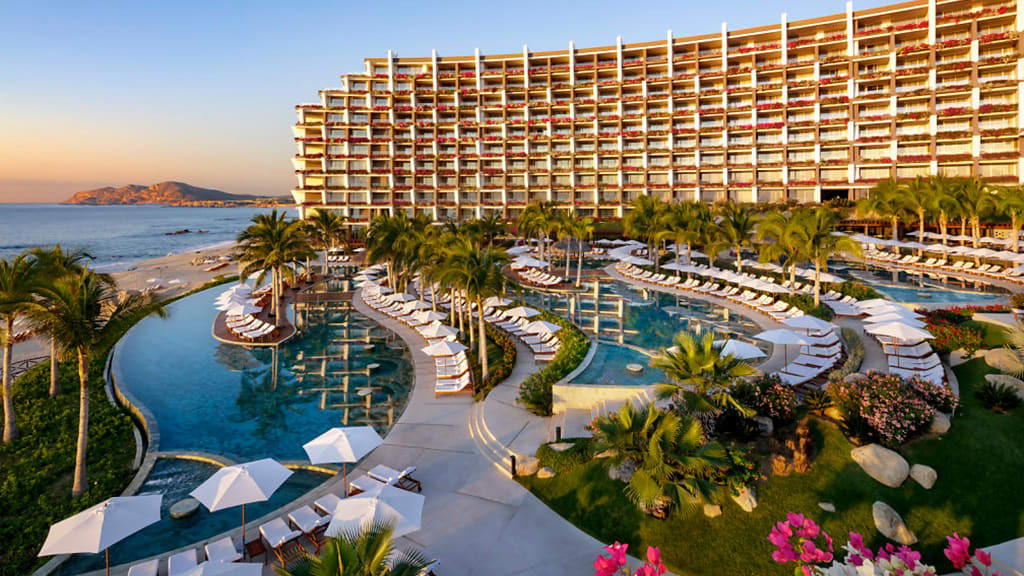
Serene poolside setting with elegant, romantic lighting and a quiet, high-class atmosphere.
Know Before You Go
- Getting there
- México 1 Km 19.5, Tourist Corridor, 23400 San José del Cabo, B.C.S., Mexico