Set along the Todos Santos highway corridor outside Cabo San Lucas, ANICA occupies a stretch of Baja California Sur where rancho landscapes meet serious culinary ambition. The address alone signals a departure from the resort strip, positioning the restaurant within a quieter tier of Los Cabos dining where the drive is part of the premise and the meal is structured accordingly.
Pearl is the En Primeur Club membership app — saves, bookings, and concierge access live there. Same editors, same standards.
- Address
- Camino aTodos Santos Km. 120 Rancho, 23473 Cabo San Lucas, B.C.S., Mexico
- Phone
- +526241430900
- Directions
- Get directions
 Saves & bookings on Pearl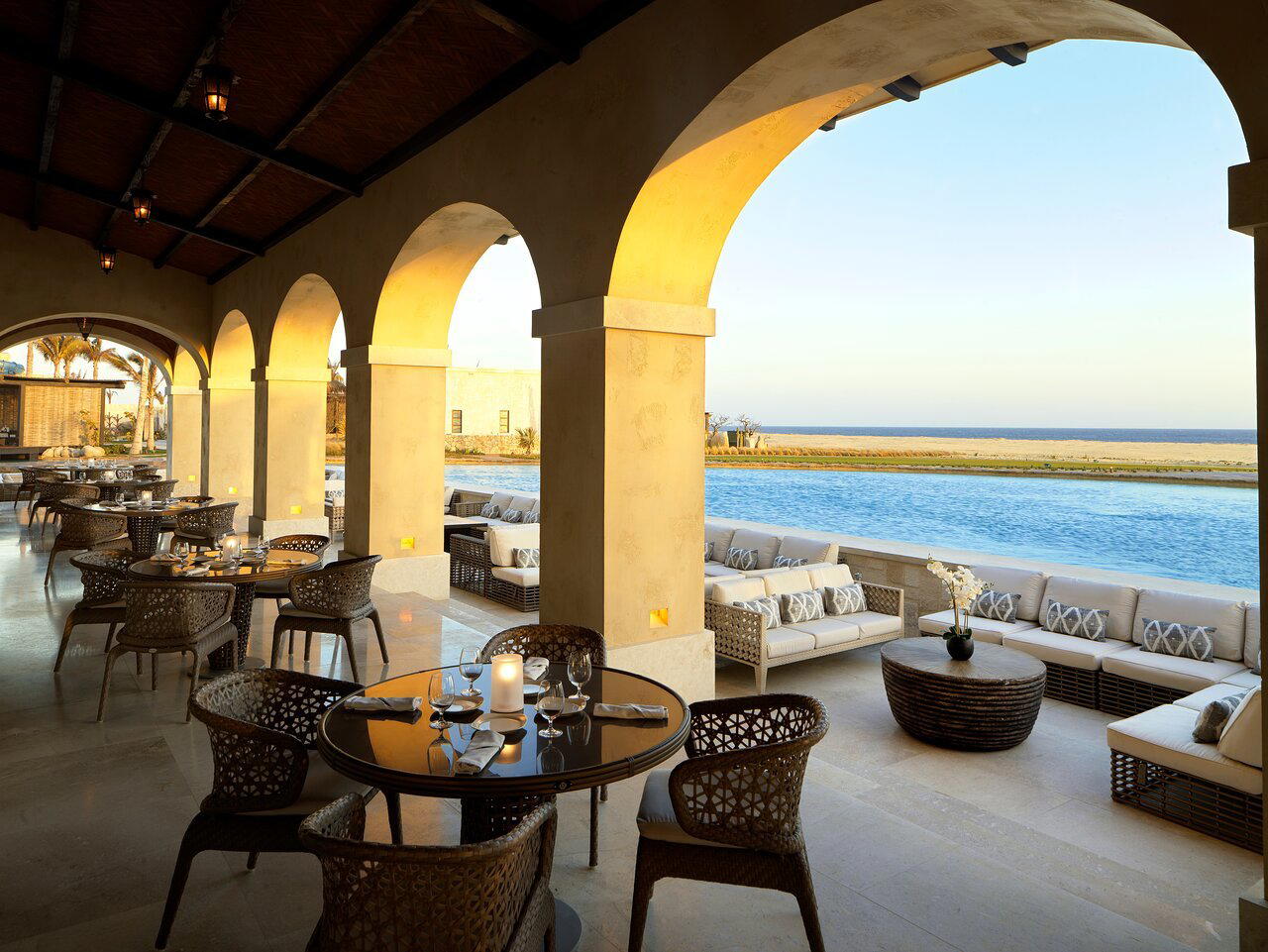
The Road Before the Table
The approach to ANICA establishes the frame before a single course arrives. Camino a Todos Santos, the highway running northwest from Cabo San Lucas toward the Pacific-facing town of Todos Santos, carries a particular character: desert scrub giving way to occasional ranch gates, the air drier than the marina-side corridor, the pace noticeably slower. By the time a diner reaches Km. 120, the resort architecture of the Corridor is well behind them. That distance is not incidental. Restaurants that position themselves along this route do so deliberately, trading foot traffic and walk-in convenience for a setting that shapes how a meal is experienced from the moment a guest leaves their hotel.
In this, ANICA belongs to a recognizable pattern in contemporary Mexican fine dining: the out-of-town destination that asks for commitment before the first course. The model has precedent across Mexico's serious dining circuit. Animalón in Valle de Guadalupe built its identity around a vineyard setting reachable only by car. Lunario in El Porvenir functions similarly in Baja's wine country. The logic in each case is that landscape becomes part of the dining proposition, and the menu gains context from its surroundings rather than competing with an urban street-level scene.
How the Meal Sequences
A destination address carries an implicit promise: that the meal will be structured to justify the journey. In Los Cabos, the bracket of restaurants that hold this position tend to organize their service as a progression rather than a collection of dishes ordered freely. The tasting format, or something close to it, dominates this tier because it gives the kitchen control over pacing, temperature contrast, and the narrative arc that distinguishes a composed meal from a restaurant visit.
This framing matters when placing ANICA against the Los Cabos field. The Corridor and marina dining scene includes well-established addresses, from the seafood-forward Agua to the fire-driven cooking at Alebrije and the steakhouse positioning of Ardea Steakhouse. Those venues operate on a different register: accessible, bookable on shorter notice, suited to spontaneous evenings during a hotel stay. A rancho-address restaurant like ANICA functions in a separate tier, where the assumption is that guests have planned ahead and expect the meal to unfold with intention.
The progression logic also connects ANICA to a broader movement in Mexican cuisine, one in which Baja California Sur's local ingredients, the Pacific catch, the rancho-raised proteins, the desert herbs, form the raw material for courses that build on each other rather than standing alone. Across Mexico, this approach has defined some of the most-discussed tables: Pujol in Mexico City built its reputation on exactly this kind of structured narrative; Le Chique in Puerto Morelos applies a technically demanding multi-course format to Yucatan ingredients; KOLI Cocina de Origen in Monterrey frames northern Mexican ingredients through a similar progressional lens. ANICA's setting suggests it is working from the same playbook, localized to the Baja peninsula.
Baja's Wider Fine Dining Circuit
Understanding where ANICA sits requires a read of the Baja California Sur dining scene as a whole. Los Cabos has developed one of Mexico's more concentrated luxury hospitality corridors, with international hotel brands, significant resort infrastructure, and a dining scene that ranges from beachside casualness to white-tablecloth seriousness. The better-established end of that scene includes Café des Artistes Los Cabos, Bella California, and a handful of others that have built consistent reputations over multiple seasons.
What the highway-corridor address offers is differentiation from that hotel-dining cluster. Comparable moves exist further north in Baja: Olivea Farm to Table in Ensenada operates on an agricultural-setting premise that shifts the context of every dish. The farm-to-table positioning in rural or semi-rural Baja locations functions differently from the same label applied to a Corridor hotel restaurant. When the kitchen is adjacent to, or within reach of, the actual source, the ingredient story has physical credibility rather than menu-copy credibility.
Across Mexico's more serious dining addresses, from Alcalde in Guadalajara to Pangea in San Pedro Garza Garcia to Levadura de Olla in Oaxaca, the pattern holds: the most argued-about tables tend to have a specific ingredient or regional identity that anchors the menu, and that identity becomes clearest when the setting reinforces it. ANICA's rancho location, Km. 120 on the Todos Santos road, carries that kind of reinforcing potential.
For international reference, the destination-format meal with high production discipline is not exclusive to Mexico. Lazy Bear in San Francisco and Le Bernardin in New York City operate in very different registers but share the principle that a meal can be sequenced to tell a coherent story. The geography of ANICA's address puts it in position to do something similar with Baja's specific larder, even if the format and scale differ considerably. HA' in Playa del Carmen demonstrates that a Mexican coastal setting can support this level of structural ambition when the kitchen commits to it.
Planning the Visit
The address at Camino a Todos Santos Km. 120 places ANICA roughly along the western corridor out of Cabo San Lucas, making a private car or arranged transfer the practical requirement for any visit. Given the destination positioning, advance planning is appropriate: rancho-setting restaurants at this level of ambition rarely operate on walk-in availability, and the Baja fine dining circuit in peak season, roughly November through April, fills quickly across the board. Guests staying in the San José del Cabo hotel zone should factor a longer drive time into their evening plans. Those travelling from the Corridor can treat the journey as the opening act of the meal itself, arriving at the rancho setting having already left the resort pace behind. For a fuller orientation to where ANICA sits in the Los Cabos dining scene, our full Los Cabos restaurants guide maps the range of options across cuisine type and neighbourhood.
Credentials Lens
| Venue | Cuisine | Awards |
|---|---|---|
| ANICAThis venue — the venue you are viewing | Not listed | This venue |
| Don Manuel's | Mexican Cuisine | Mexican Cuisine |
Continue exploring
More in Los Cabos
Restaurants in Los Cabos
Browse all →
Bars in Los Cabos
Browse all →
At a Glance
- Elegant
- Modern
- Scenic
- Sophisticated
- Date Night
- Special Occasion
- Family
- Celebration
- Waterfront
- Terrace
- Open Kitchen
- Hotel Restaurant
- Extensive Wine List
- Local Sourcing
- Waterfront
Current opening hours
- Monday
- 7 AM–12 PM, 5–10 PM
- Tuesday
- 7 AM–12 PM, 5–10 PM
- Wednesday
- 7 AM–12 PM, 5–10 PM
- Thursday
- 7 AM–12 PM
- Friday
- 7 AM–12 PM, 5–10 PM
- Saturday
- 7 AM–12 PM, 5–10 PM
- Sunday
- 7 AM–12 PM, 5–10 PM
Hours can change for holidays and private events. Last verified .
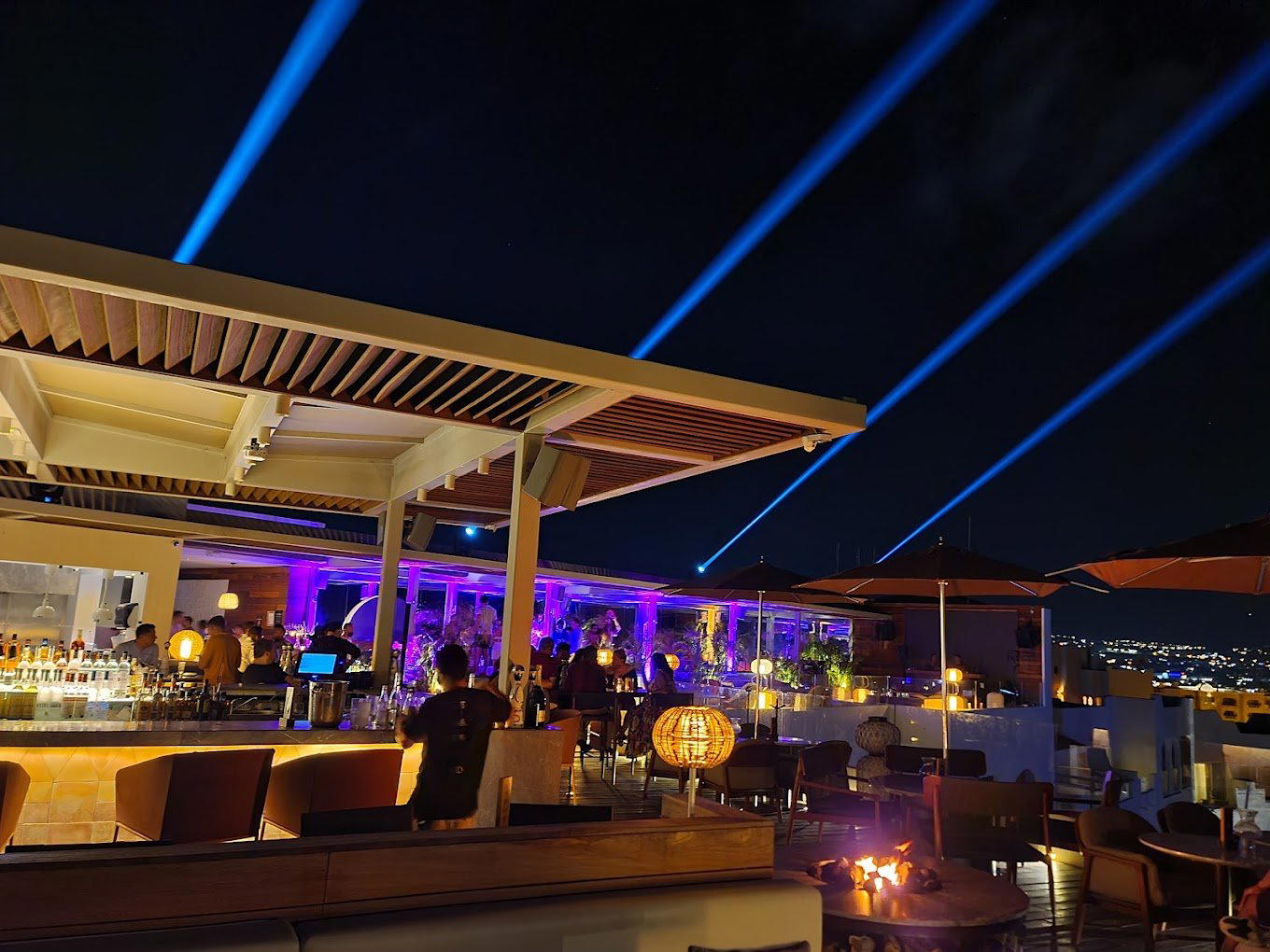
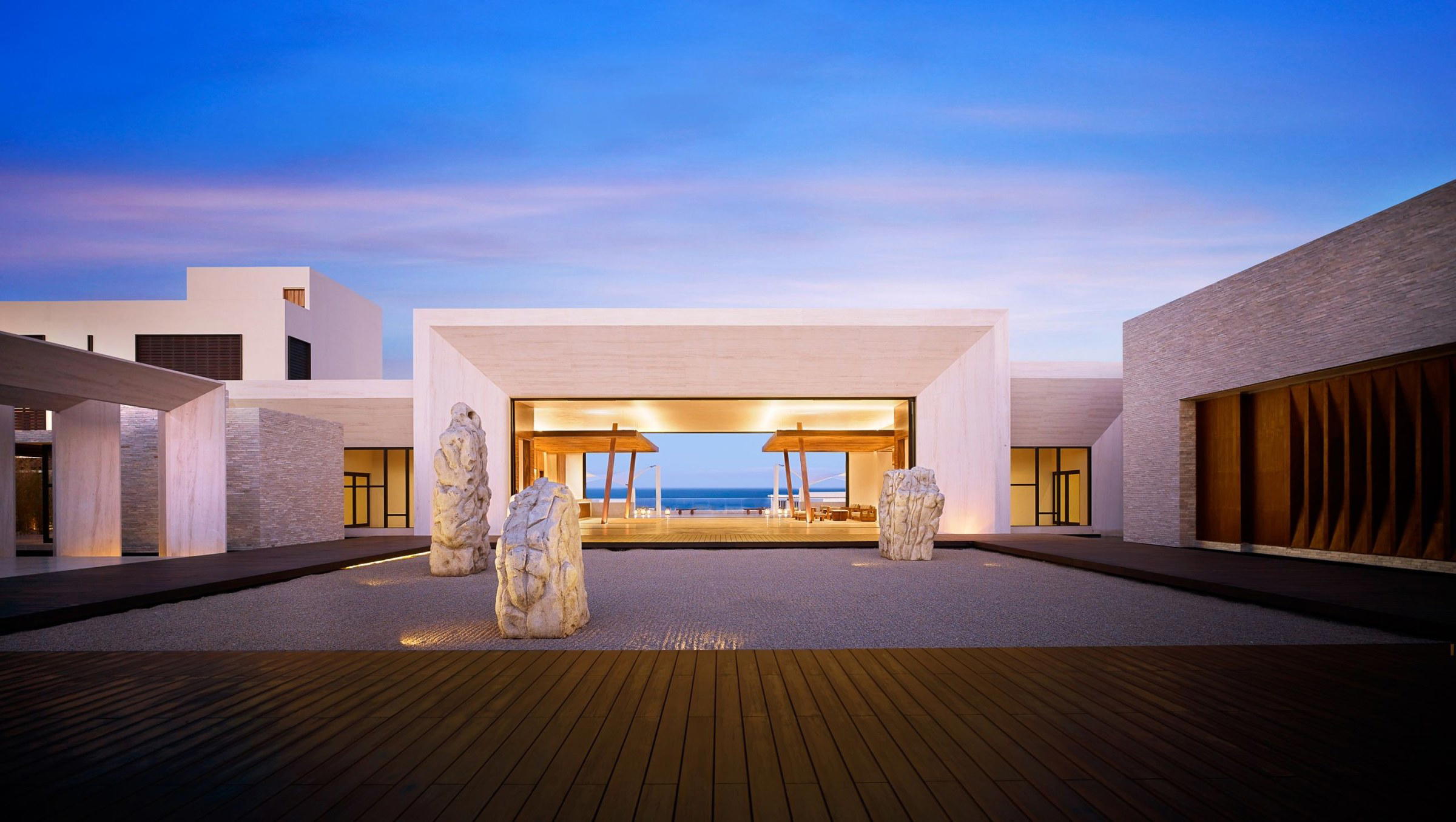
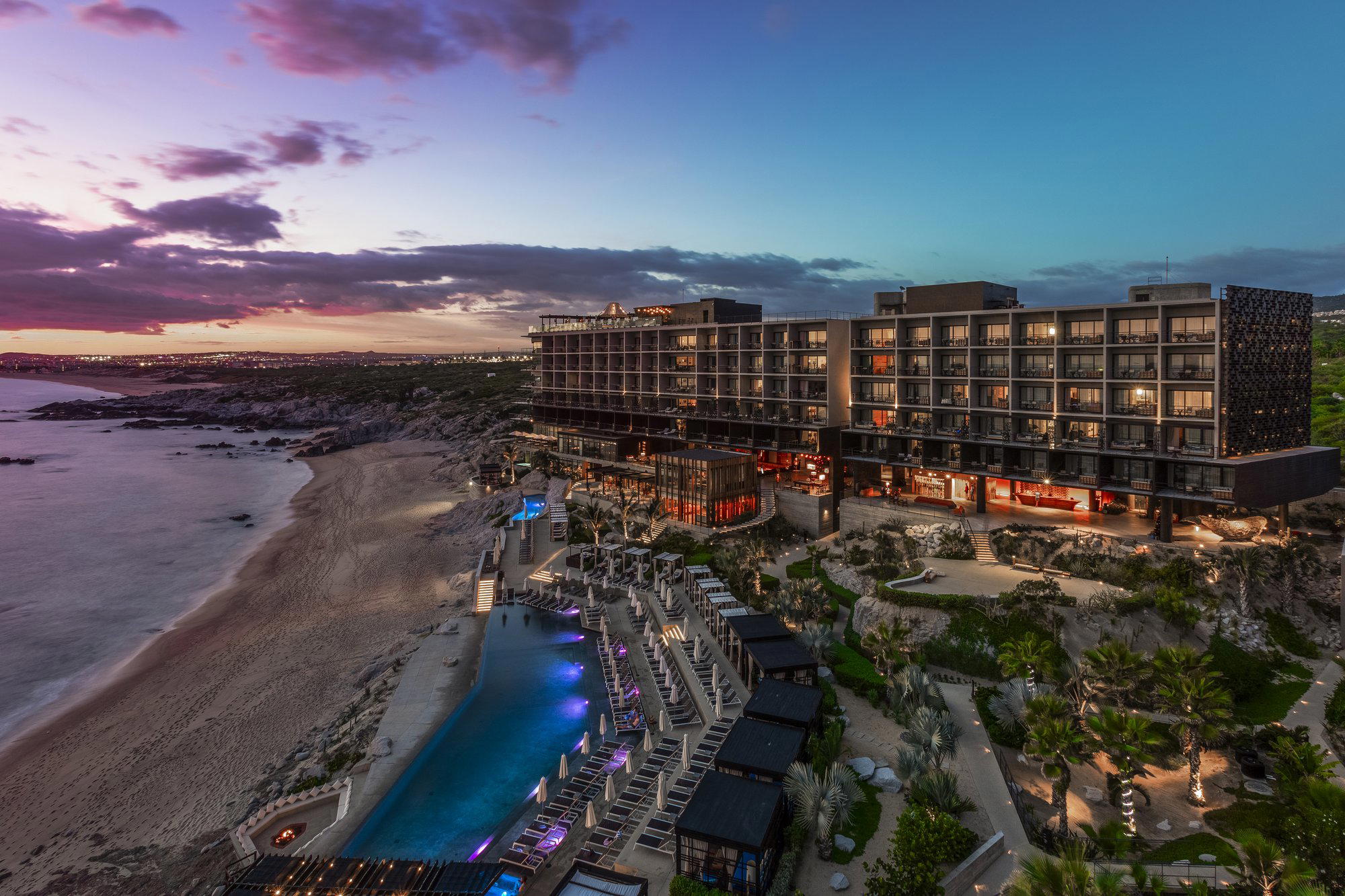
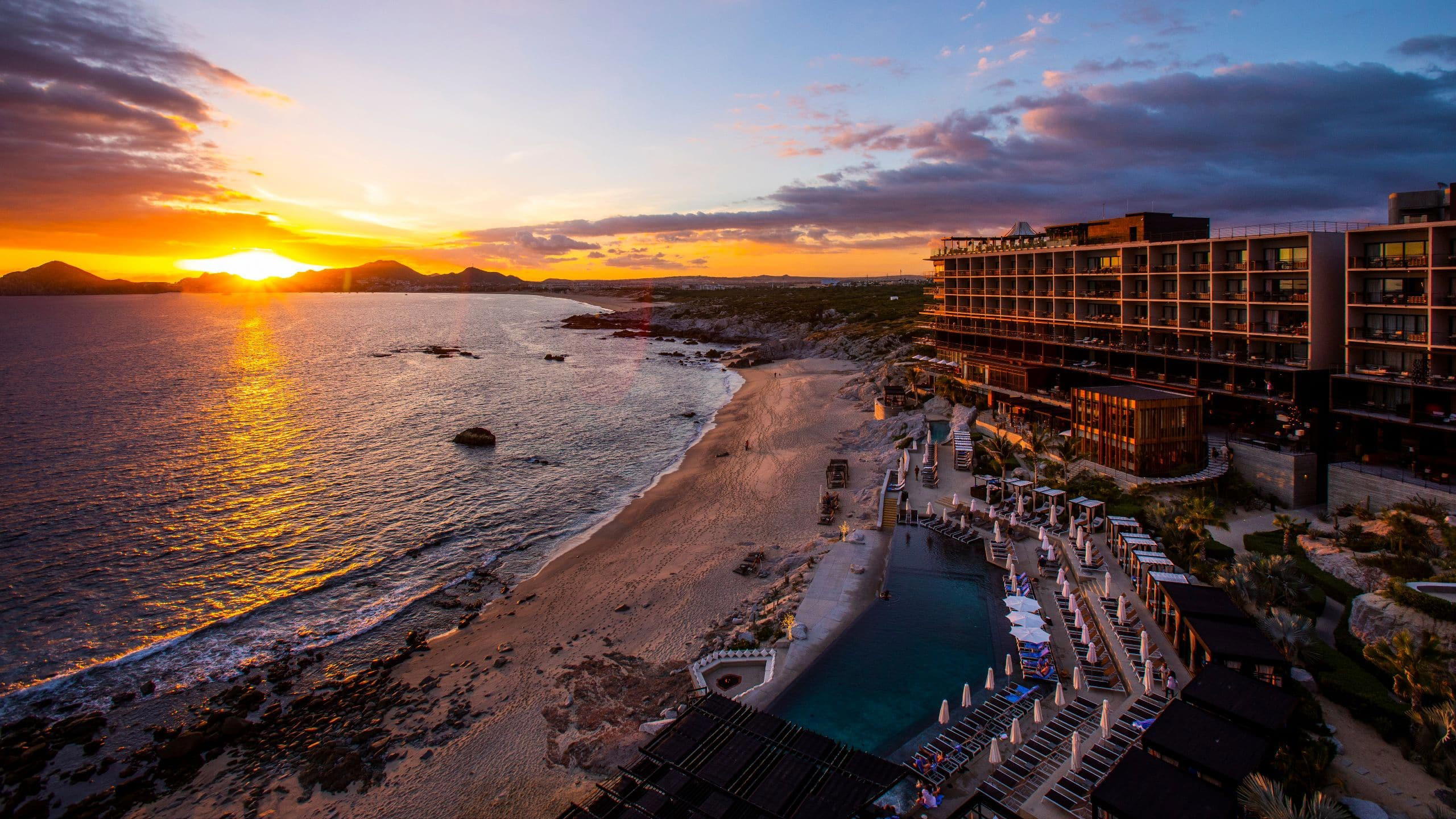
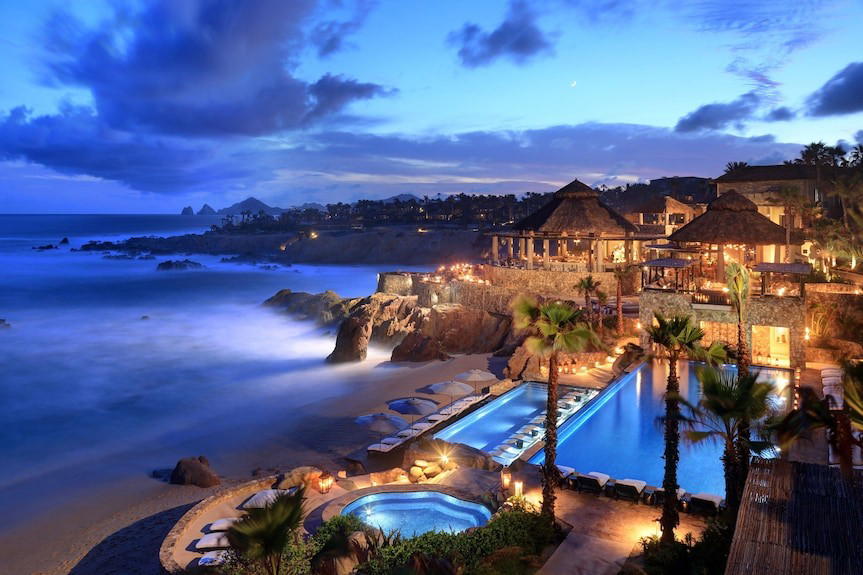
Elegant modern salon with wood, leather, and ironwork accents, warm inviting atmosphere, and al-fresco terrace dining.
Know Before You Go
- Getting there
- Camino aTodos Santos Km. 120 Rancho, 23473 Cabo San Lucas, B.C.S., Mexico