Agua sits along the Transpeninsular corridor in San José del Cabo, drawing a loyal crowd that returns less for novelty than for consistency. The restaurant occupies a well-worn place in Los Cabos dining culture, where the regulars' rhythm — familiar orders, known tables, and the particular reliability of the room — says more about the kitchen than any single visit can.
Pearl is the En Primeur Club membership app — saves, bookings, and concierge access live there. Same editors, same standards.
- Address
- Carr. Transpeninsular Km. 7.5 Palmilla, 23400 San José del Cabo, B.C.S., Mexico
- Phone
- +526241467000
- Website
- oneandonlyresorts.com
- Directions
- Get directions
 Saves & bookings on Pearl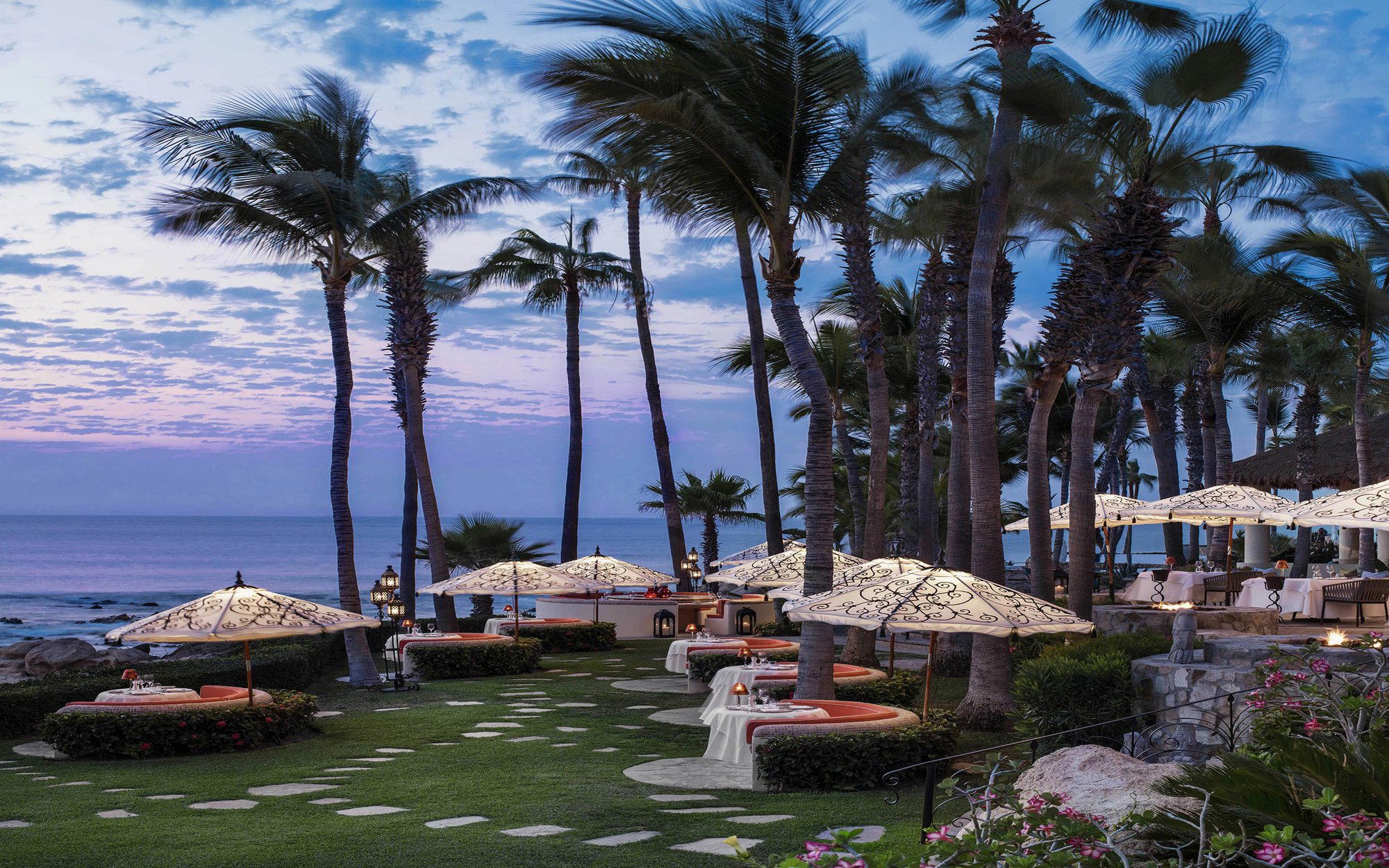
The Room Before the Menu
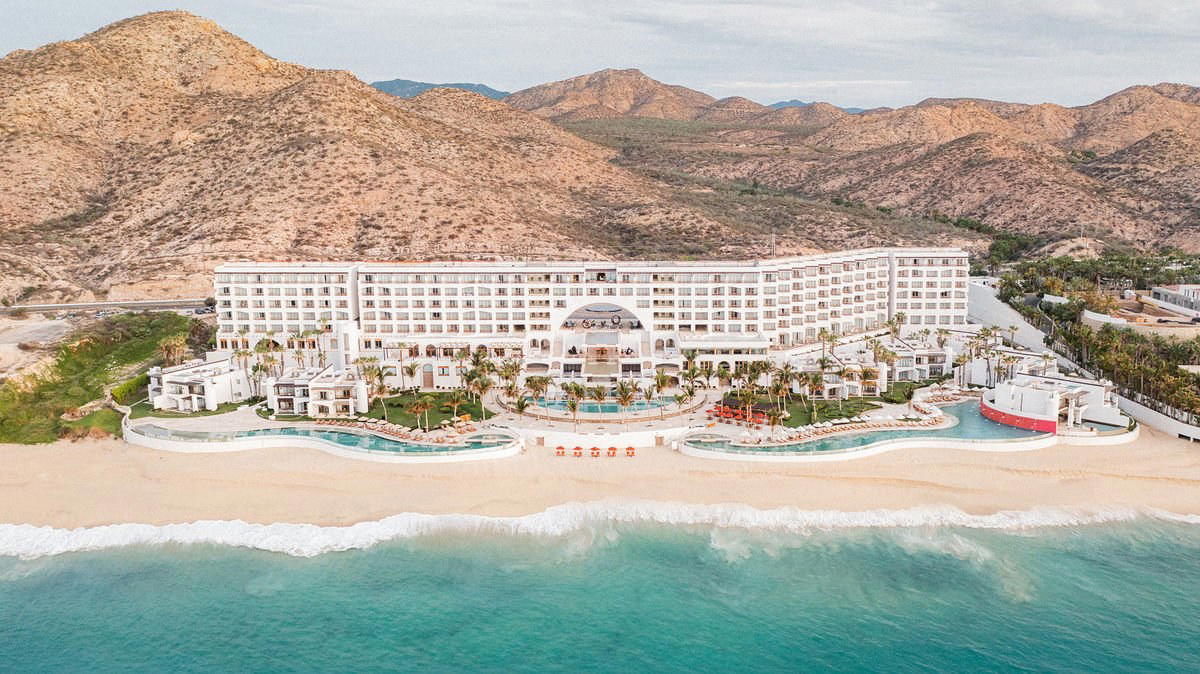
Approaching the Transpeninsular at Kilometer 7.5, the Los Cabos corridor reveals itself in the way it always does: a wide road flanked by resort architecture, desert scrub, and the occasional flash of the Sea of Cortez between buildings. Agua sits within this stretch, close enough to the Palmilla zone that it draws from one of the most established resort concentrations on the peninsula. The physical approach matters here because it sets the category clearly. This is not a destination buried in San José del Cabo's art district, nor a beachfront palapa requiring a sand-path approach. It is corridor dining, which in Los Cabos carries a specific meaning: consistent clientele, high repeat traffic, and a kitchen that learns its regulars quickly.
That dynamic shapes the experience more than any single design decision. The regulars at corridor restaurants in Los Cabos are a particular breed — villa renters who return annually, long-stay resort guests, and the small but durable population of semi-permanent residents who winter along this stretch of Baja California Sur. For this group, the question is never whether a restaurant is fashionable. It is whether the kitchen is reliable, whether the room feels comfortable without effort, and whether the staff remembers enough to make the second visit feel different from the first.
What the Loyal Clientele Has Figured Out
Regulars at any Los Cabos corridor restaurant develop a working knowledge that no menu description captures. The unwritten curriculum typically includes: which proteins the kitchen handles with the most confidence, which tables catch the evening light well, and when to arrive to avoid the resort dinner rush that builds between seven and nine in the high season. Along the Palmilla corridor specifically, that rush compresses around peak season months — roughly December through March, when villa occupancy rates and resort capacity both run high across Los Cabos.
The broader pattern in this corridor is that repeat visitors self-select toward consistency over ambition. A restaurant that executes reliably at a known register will hold its regulars longer than one chasing trend cycles. This is structurally different from the dining calculus at, say, Pujol in Mexico City, where the draw is a specific creative program that rewards first-time engagement and critical attention alike. Corridor dining in Los Cabos rewards trust built over multiple visits, and Agua's location within this established zone places it inside that logic.
Across Mexico's premium dining circuit, the contrast is instructive. Animalón in Valle de Guadalupe earns loyalty through terroir-anchored drama; Le Chique in Puerto Morelos through technical ambition; KOLI Cocina de Origen in Monterrey through a regional sourcing argument. Corridor restaurants in Los Cabos operate on a different axis entirely, one where proximity, comfort, and repetition form the core value proposition.
Agua in the Los Cabos Dining Ecosystem
The Los Cabos dining scene has stratified considerably over the past decade. At one end sit destination-format restaurants that draw visitors specifically for the meal, venues like Alebrije and ANICA, which position themselves with enough editorial weight to function as a reason to visit rather than simply a place to eat while visiting. At another end sit the resort-embedded dining rooms that exist primarily to service in-house guests. Between these poles is a third category: independently operated corridor restaurants that draw from the resort population without being captive to it. Agua occupies this middle territory.
Within that middle tier, the competitive set includes restaurants like Ardea Steakhouse, Bella California, and Café des Artistes Los Cabos, each drawing from the corridor's mix of resort guests and returning visitors. What distinguishes restaurants in this tier from each other is rarely a single dramatic differentiator but rather the accumulated texture of many visits: how the room handles a full Saturday, how the kitchen manages the gap between appetizer and main, and whether the staff develops any memory across the season.
For context across Mexico's broader coastal dining geography, HA' in Playa del Carmen and Olivea Farm to Table in Ensenada both operate in resort-adjacent coastal contexts but with distinct program identities, a farm-sourcing argument in Olivea's case, an aquatic concept in HA's. Agua's identity within its corridor is worth assessing on its own terms, independent of those creative frameworks.
At the international reference level, the gap between a tight technical operation like Le Bernardin in New York City or a format-driven destination like Lazy Bear in San Francisco and a Baja corridor restaurant is not a judgment, it reflects entirely different purposes. The corridor restaurant exists to serve a returning community, and its excellence, when present, is measured in a different register.
Baja California Sur's Dining Context
San José del Cabo and the corridor that connects it to Cabo San Lucas have undergone a significant dining evolution since the early 2000s. The arrival of international resort groups and the expansion of villa culture along the Palmilla zone brought a more sophisticated dining clientele, one that expected more than resort-standard Mexican food but wasn't necessarily seeking the tasting-menu format that defines Mexico City's current critical conversation. This gap created space for mid-range corridor restaurants with a genuine identity. Alcalde in Guadalajara and Pangea in San Pedro Garza Garcia show what that identity can look like when it matures in other Mexican cities; in Los Cabos, the corridor format creates its own version of that arc.
Baja California Sur's produce and seafood resources are genuine assets for any kitchen operating here. The Sea of Cortez supplies some of Mexico's most prized fish, and the agricultural zones inland from the cape region provide produce that distinguishes Baja cooking from the imported-ingredient dependency of many resort corridors elsewhere. Levadura de Olla in Oaxaca and Lunario in El Porvenir each demonstrate how Mexican regional kitchens can anchor identity in local sourcing; the question for any Los Cabos corridor kitchen is how much of that regional argument it chooses to make.
Planning a Visit
Agua sits at Kilometer 7.5 on the Transpeninsular, direct to reach by taxi or rideshare from either San José del Cabo or the main Cabo San Lucas hotel zone. The Palmilla corridor location means it draws from one of the denser resort concentrations on the peninsula, and the December-to-March high season brings consistent demand across the area. Checking reservation availability in advance during those months is advisable across all corridor restaurants in this zone, not only Agua. For a fuller picture of where Agua sits among the Los Cabos dining options worth considering, the EP Club Los Cabos restaurants guide maps the scene across formats and price points.
Continue exploring
More in Los Cabos
Restaurants in Los Cabos
Browse all →
Bars in Los Cabos
Browse all →

At a Glance
- Romantic
- Scenic
- Elegant
- Sophisticated
- Date Night
- Special Occasion
- Celebration
- Group Dining
- Waterfront
- Terrace
- Panoramic View
- Live Music
- Hotel Restaurant
- Open Kitchen
- Craft Cocktails
- Sommelier Led
- Local Sourcing
- Sustainable Seafood
- Farm To Table
- Waterfront
Current opening hours
- Monday
- 7–11 AM, 12–4 PM, 6–10 PM
- Tuesday
- 7–11 AM, 12–4 PM, 6–10 PM
- Wednesday
- 7–11 AM, 12–4 PM, 6–10 PM
- Thursday
- 7–11 AM, 12–4 PM, 6–10 PM
- Friday
- 7–11 AM, 12–4 PM, 6–10 PM
- Saturday
- 7–11 AM, 12–4 PM, 6–10 PM
- Sunday
- 7–11 AM, 12–4 PM
Hours can change for holidays and private events. Last verified .
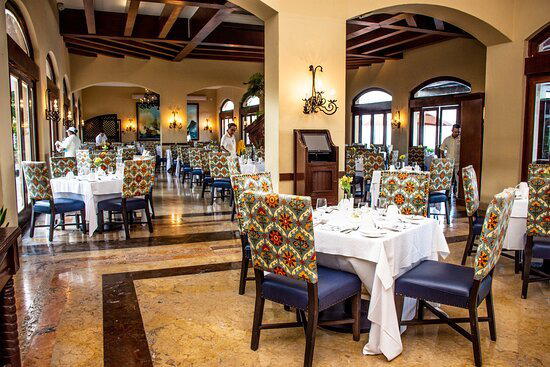
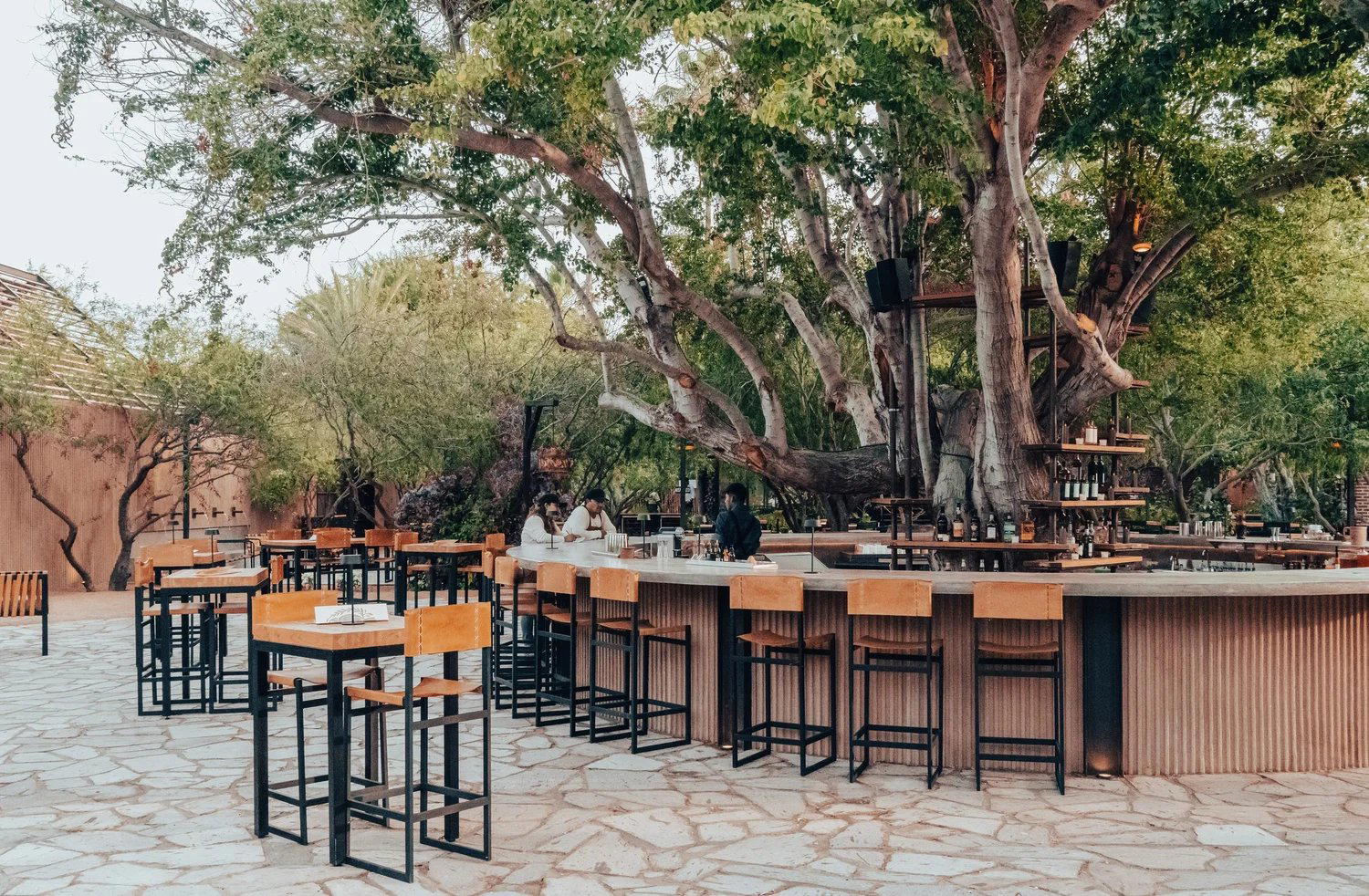
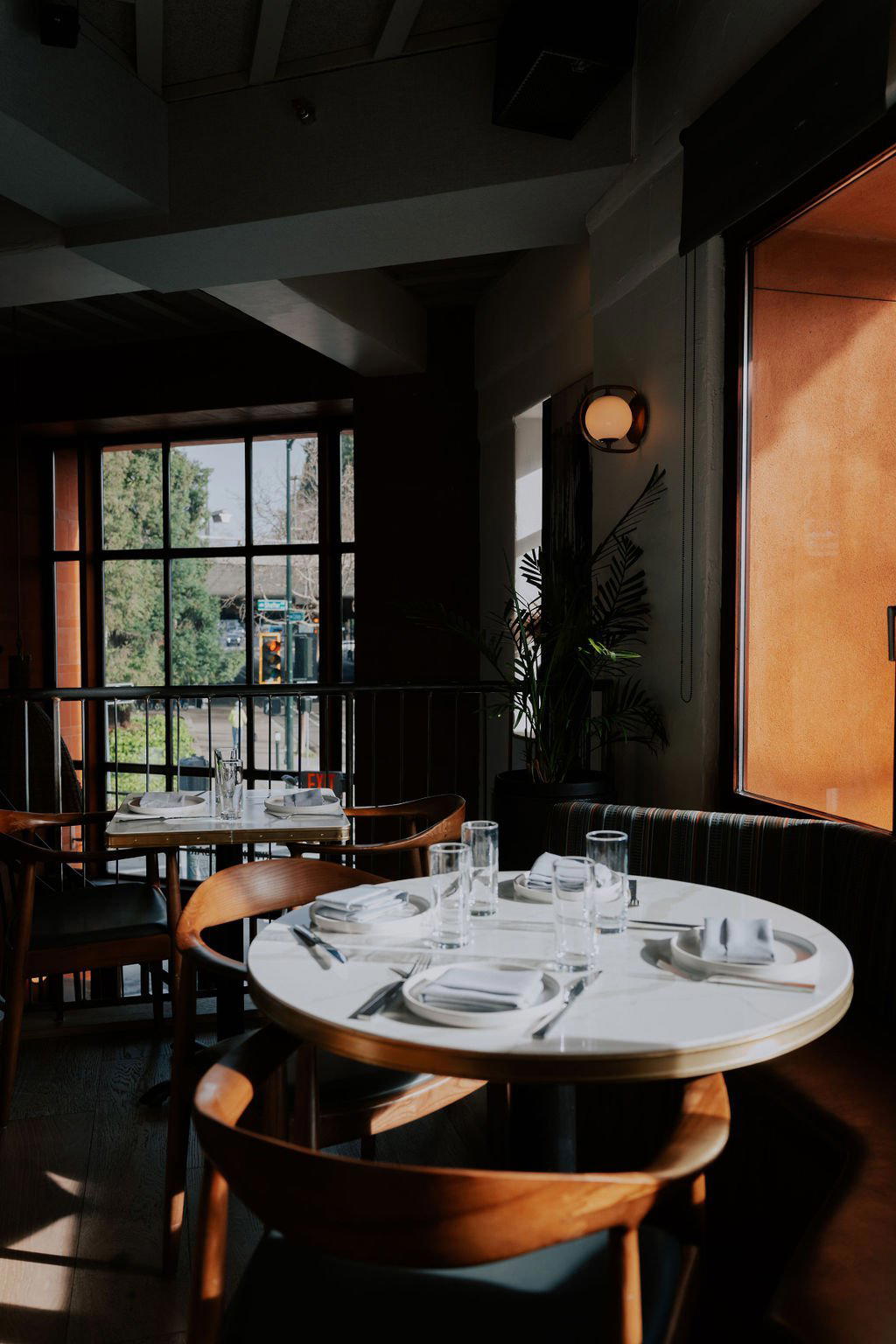
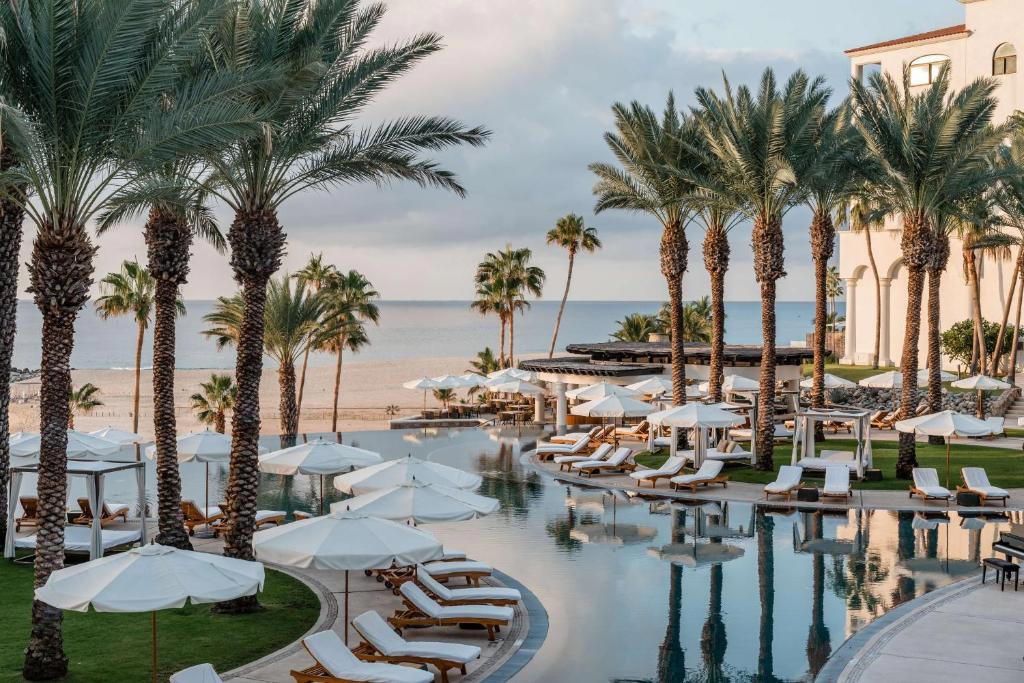
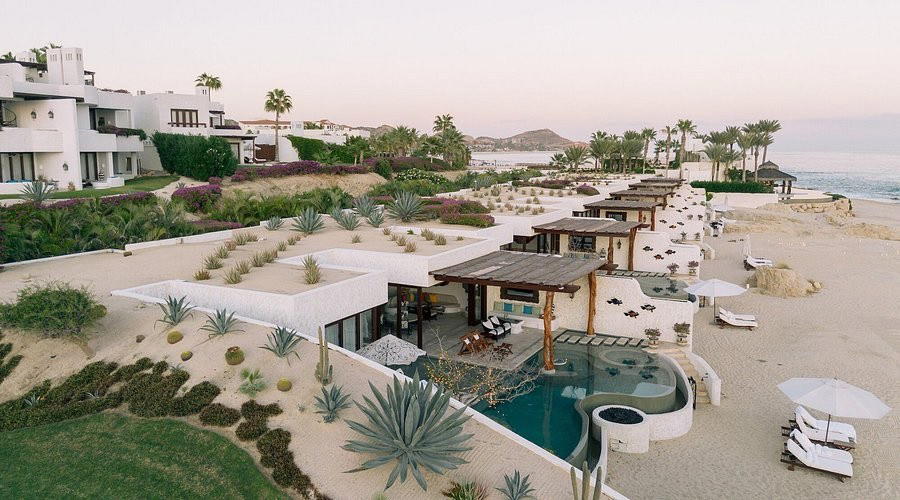
Dramatic open-air dining with refined, sophisticated atmosphere enhanced by far-reaching ocean views and warm, welcoming aesthetic with glass and marble accents.
Know Before You Go
- Getting there
- Carr. Transpeninsular Km. 7.5 Palmilla, 23400 San José del Cabo, B.C.S., Mexico