
Star Wine List
Our verdict
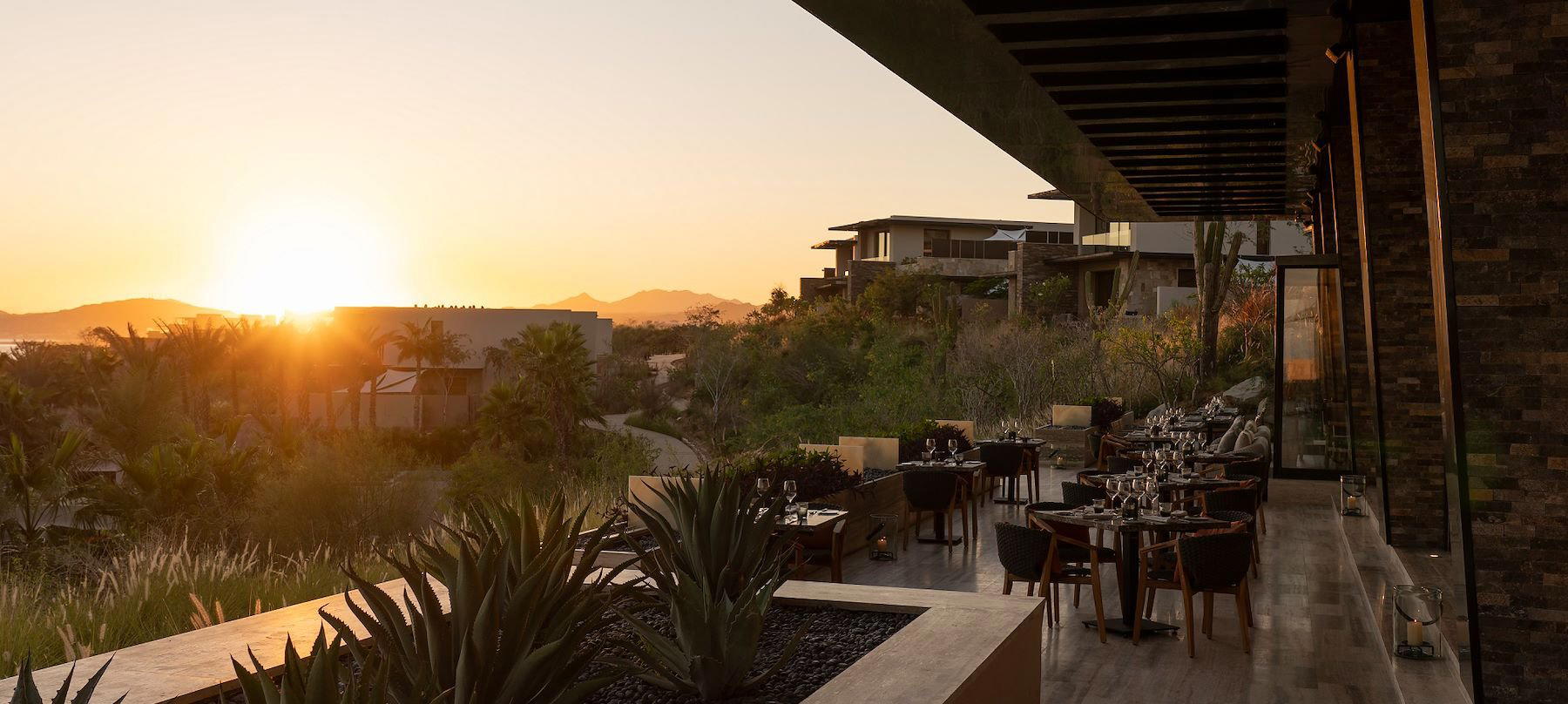
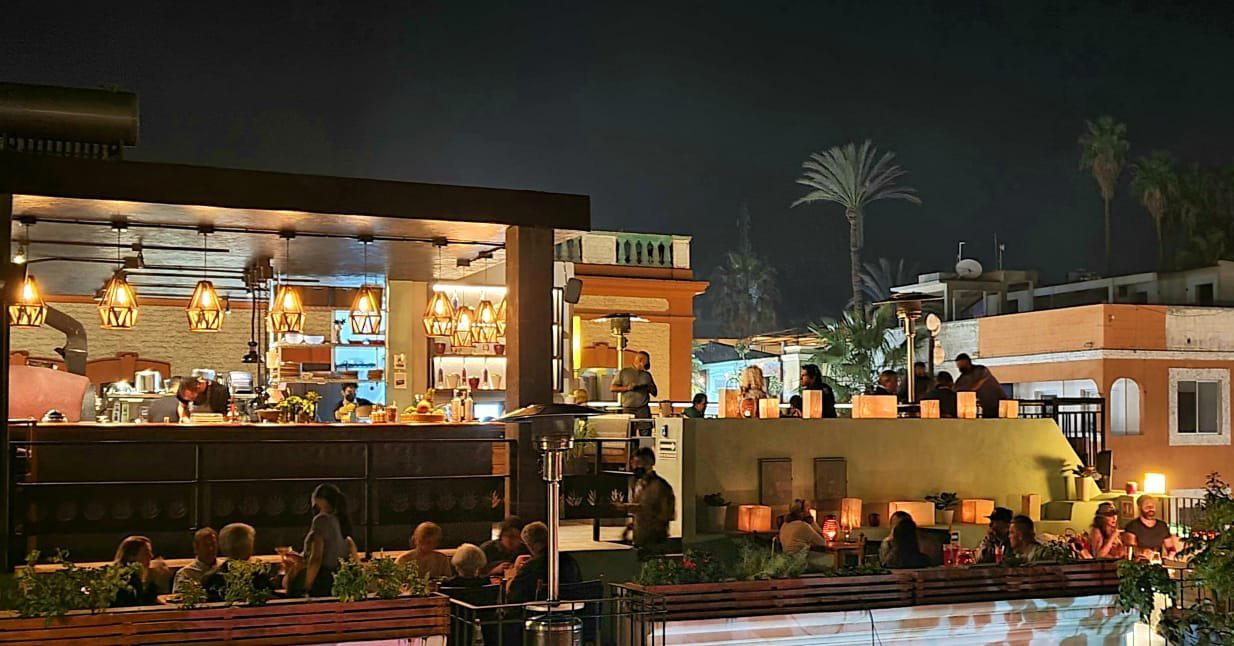
Humo is the signature restaurant at Zadún, a Ritz-Carlton Reserve in San José del Cabo, built around an open-fire Latin American grill that draws on Baja California Sur's regional ingredients. Four distinct dining zones include a terrace positioned toward the Sea of Cortez. The format places it firmly in the premium resort-dining tier of Los Cabos, where sourcing specificity and setting do most of the talking.

Pearl is the En Primeur Club membership app, where members save venues, book tables and use the concierge.
The menu
What to order
- Totoaba Banana Leaf
- Bone Marrow Sautéed Potatoes
- Grilled Watermelon Steak
- Seafood Brasa Rice
Fire, Region, and the Baja Pantry
Along the coastal corridor of San José del Cabo, resort dining has divided into two categories: properties that import a global format and drop it into a beachfront setting, and those that genuinely interrogate what the Baja California Sur peninsula produces. Humo, the signature restaurant at Zadún, a Ritz-Carlton Reserve, belongs to the second camp. The premise is a Latin American grill anchored to open-fire cooking, but the more telling detail is the word the kitchen uses most: regional. The Baja peninsula, running roughly 1,200 kilometres from Tijuana to the cape, generates a specific pantry, Pacific and Sea of Cortez seafood, desert herbs, ranching traditions, and proximity to the Valle de Guadalupe wine corridor, and Humo's format is oriented around making that geography visible on the plate.
This sourcing logic isn't peculiar to Humo. Across Mexico, the most discussed restaurants of the past decade have built their identities around territorial ingredients rather than technique alone. Pujol in Mexico City made the case for Mexican corn varieties and forgotten chili lineages; Animalón in Valle de Guadalupe positioned itself around the ranching culture and produce of Baja's wine country; Levadura de Olla in Oaxaca catalogues Oaxacan ingredients with near-anthropological seriousness. Humo operates within that broader shift, translating it into the premium resort context of Los Cabos, where the audience skews international but the appetite for place-specific cooking has grown considerably.
The Physical Setting as Argument
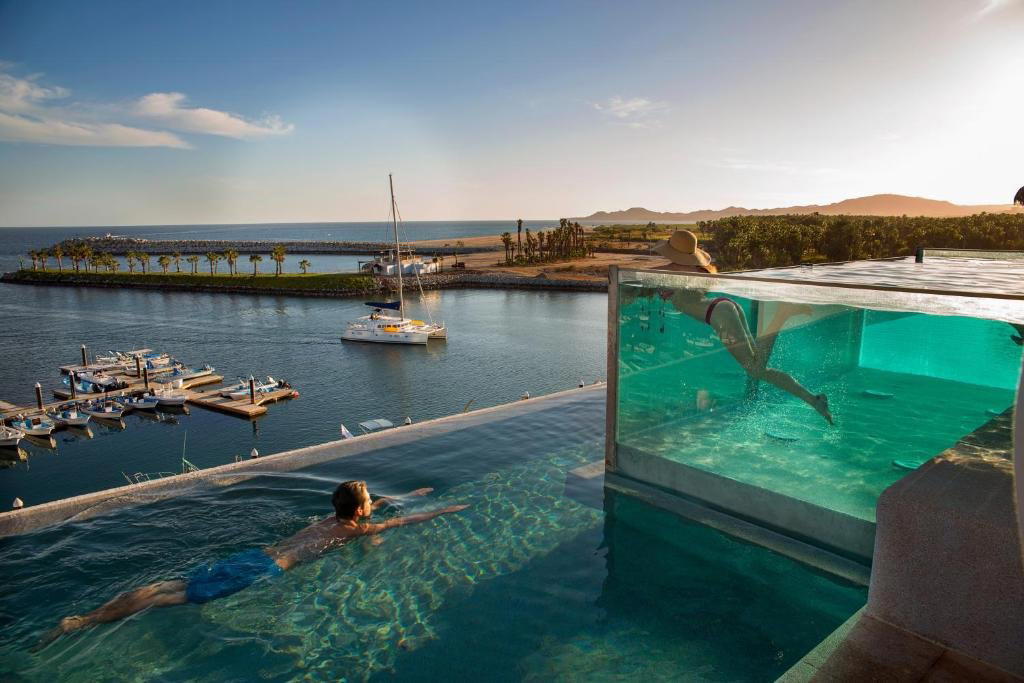
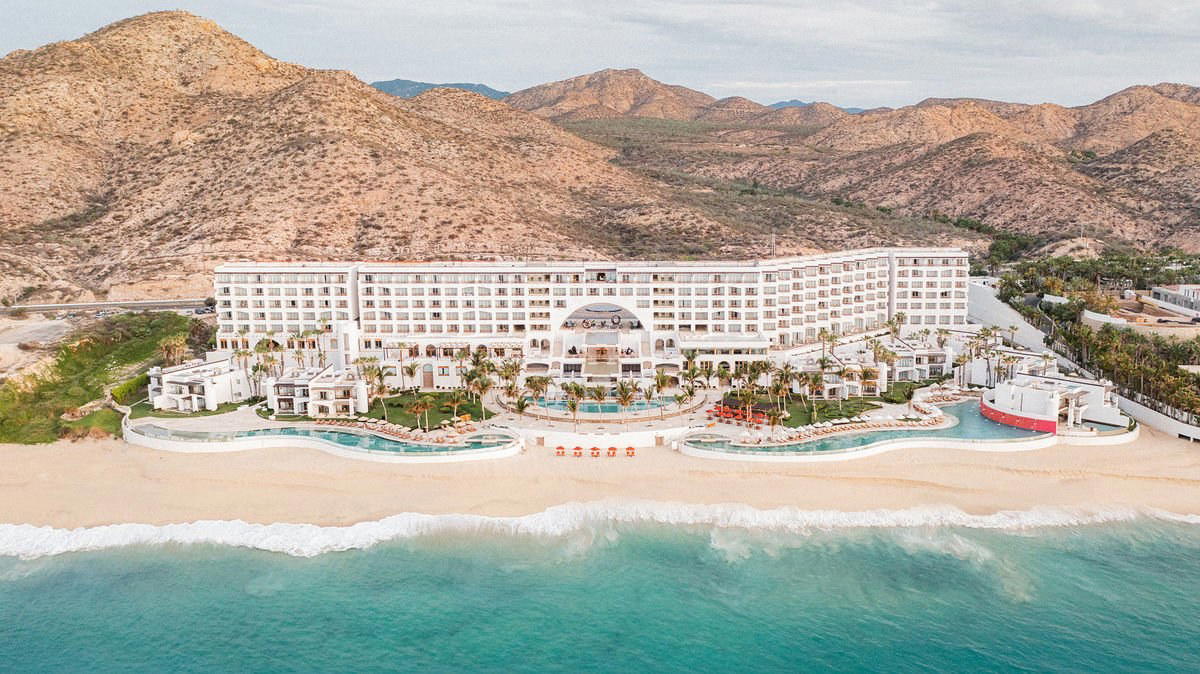
The structure of Humo reinforces the sourcing argument architecturally. The restaurant divides into four distinct areas: a terrace oriented toward the sea, and three interior or transitional spaces. That terrace, facing the Sea of Cortez, isn't decorative framing, it situates the diner geographically within the same body of water that supplies a meaningful portion of what arrives on the table. The Cortez is one of the most biodiverse seas on the planet, and the seafood it yields, from yellowtail and red snapper to various mollusks, is among the most identifiable raw material in the Baja kitchen.
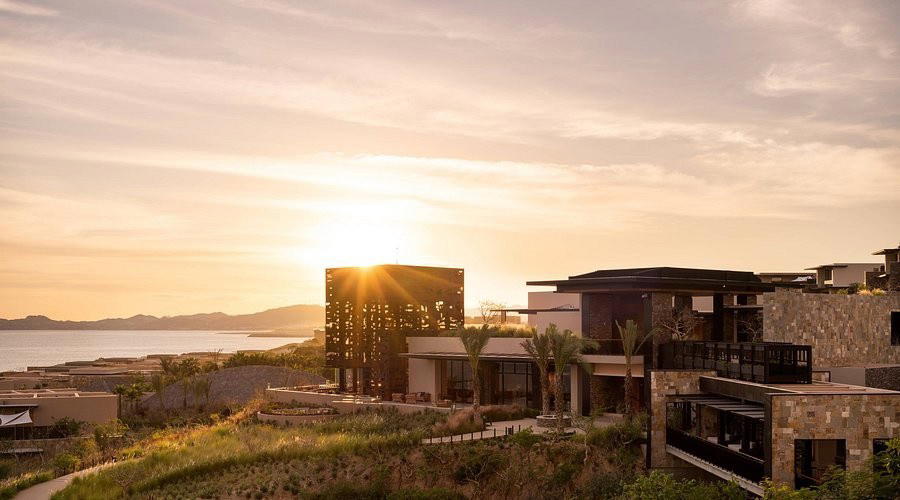
The Zadún property itself is positioned in the Ritz-Carlton Reserve tier, a collection that operates at lower key counts and higher design specificity than the mainline brand. This places Humo in a smaller category of hotel restaurants in Mexico where the surrounding property is part of the editorial statement, rather than just an address. Guests who book through Los Cabos hotels at this level expect the restaurant to carry some of the property's weight, and the open-fire format is the right vehicle for that, fire cooking reads as serious without requiring the orchestration of a multi-course tasting menu.
Latin American Grill as a Format, Not a Style
It helps to place the Latin American grill format in its current context. Over the past fifteen years, fire-forward cooking has moved from a subcategory into one of the dominant idioms in serious dining across the Americas. The format traces different lineages depending on where you are: Argentine asado, Brazilian churrasco, the wood-fire tradition in Basque country that influenced Mexican chefs trained in Spain, and the pre-Hispanic open-fire traditions of Mexico's indigenous communities. What distinguishes the more considered operations in this space is not simply that they cook over flame, but that the fire is a tool for expressing specific ingredients, not a performance layer added to generic product.
In the Baja context, that distinction matters. The peninsula's fishing communities have historically used simple, high-heat preparation, wood fire, coals, mesquite, precisely because the raw material is strong enough to carry it. A grilled Cortez yellowtail requires less intervention than a farmed Atlantic salmon, and that simplicity is a form of confidence in sourcing. Humo's framing as a regional ingredient-led grill positions it within that tradition, rather than importing a generic steakhouse template and calling it Latin.
For a broader view of how this sourcing-first approach plays out across Mexico's premium restaurant tier, the comparison set is instructive. KOLI Cocina de Origen in Monterrey builds its menu around northern Mexico's ranching and agricultural supply chains; Alcalde in Guadalajara works closely with local producers across Jalisco; Olivea Farm to Table in Ensenada makes the Baja farm corridor explicit in its format. These aren't outliers, they represent a consistent editorial position across Mexican fine dining that Humo joins from its Los Cabos address.
Where Humo Sits in Los Cabos Dining
Los Cabos has a more concentrated premium dining scene than its resort-town reputation might suggest. The municipality spans San José del Cabo and Cabo San Lucas, and the corridor between them has accumulated a cluster of hotel restaurants operating at a serious level. Within that context, Humo occupies the signature-restaurant position at one of the area's highest-specification resort properties, which means it competes less with mid-range local spots and more with the dining rooms at comparable Reserve or ultra-luxury properties.
That positioning also means the restaurant draws a specific kind of diner: guests who are already committed to a significant accommodation spend and are looking for a grill experience that justifies staying on property rather than going out. The four-zone layout, including the sea-facing terrace, supports that logic, the physical experience of the space is part of what the dinner costs. Visitors looking for a broader picture of the local dining scene can consult our full Los Cabos restaurants guide, which maps how Humo relates to other options across the corridor, including Don Manuel's, which operates at a different price point and register.
For those building a wider Baja itinerary, the regional restaurant conversation extends north into wine country: Lunario in El Porvenir sits within the Valle de Guadalupe wine region, which has become one of the more compelling food-and-wine destinations in Mexico. The Los Cabos wineries guide and experiences guide are useful reference points for extending beyond the dining room.
Planning a Visit
Humo is located at Boulevard Mar de Cortez S/N in San José del Cabo, within the Zadún property. Given its position as the signature restaurant of a Ritz-Carlton Reserve, advance reservations are advisable, particularly during the high season that runs roughly from November through April when Los Cabos sees its heaviest visitor traffic. The sea-facing terrace is likely the most in-demand seating, so specifying a preference at booking makes sense. Dress tends toward the smart-casual end at this level of resort property. For guests not staying at Zadún, the restaurant is accessible to outside diners, though confirming current reservation availability directly with the property is the practical approach given that hotel guests typically receive booking priority. The Los Cabos bars guide covers pre- or post-dinner options in the area for those making an evening of it.
Frequently asked questions
Is Humo good for families?
Humo operates as the signature restaurant of Zadún, a Ritz-Carlton Reserve property, which places it at the upper end of the Los Cabos resort dining tier in both atmosphere and price positioning. The open-fire format and sea-view terrace read as adult-oriented. Families with older children who are comfortable in a premium resort-restaurant setting will likely find it accessible, but it is not configured as a casual family destination.
Is Humo better for a quiet night or a lively one?
The restaurant divides into four distinct areas, including an open sea-facing terrace, which gives it meaningful flexibility. Guests seeking a quieter setting can position accordingly, while the terrace tends toward a more social atmosphere as the evening progresses. The Ritz-Carlton Reserve context keeps the overall register composed rather than high-energy.
What's Humo known for in terms of accolades?
Humo has received recognition including: Understated elegance and authentic flavors reign supreme at Humo, the signature restaurant at Zadún, a Ritz-Carlton Reserve.; Humo in San José del Cabo is a Latin American grill in which regional ingredients are used to highlight the local ….
What do people recommend at Humo?
The kitchen's stated focus is regional Baja ingredients cooked over fire, with the Sea of Cortez as a primary source for seafood. Given that positioning, the fire-cooked seafood and regional grilled proteins are the directions most consistent with the restaurant's own editorial identity. Specific dish recommendations are best confirmed with the property directly at time of reservation.
What part of town is Humo in?
Humo is located at Boulevard Mar de Cortez S/N, San José del Cabo, Los Cabos.
Is Humo reservation-only?
At a Ritz-Carlton Reserve property, reservations are the standard operating mode for the signature restaurant. Walk-in availability at Humo on Boulevard Mar de Cortez S/N in San José del Cabo is not something to count on, particularly during peak Los Cabos season from November through April. Contact Zadún directly to book.
What's the standout thing about Humo?
The clearest editorial case for Humo is the combination of a sea-facing terrace setting within a Ritz-Carlton Reserve property and a kitchen built around regional Baja sourcing and open-fire technique. Most resort-format restaurants in Los Cabos import a global concept; Humo's premise is explicitly tied to the local pantry and the Latin American grill tradition, which gives it a more specific identity than its neighbours on the corridor.
Comparable Spots, Quickly
| Venue | Cuisine | Price | Awards | Notes |
|---|---|---|---|---|
| HumoThis venue (the venue you are viewing) | Modern South American Grill | $100–150 | Star Wine List | Not listed |
| Pujol | Modern Mexican Fine Dining | $200–300 | 2 Michelin Stars · World's 50 Best #60 | Mexican |
| Quintonil | Modern Mexican Fine Dining | $300–500 | 2 Michelin Stars · World's 50 Best #7 | Modern Mexican, Contemporary |
| Rosetta | Mexican-Italian Fusion Fine Dining | $30–50 | 1 Michelin Star · World's 50 Best #96 | Italian, Creative |
| Em | Modern Japanese-Mexican Fusion | $200–300 | 1 Michelin Star · World's 50 Best #71 | Mexican |
| Le Chique | Avant-Garde Mexican Tasting Menu | $200–300 | 1 Michelin Star · World's 50 Best #58 | Mexican, Contemporary |
Recognition history
Dated appearances from independent guides and award organizations, with the underlying list record or original source where available.
Star Wine List
Star Wine List
Continue exploring
More in Los Cabos
Restaurants in Los Cabos
All restaurants in Los Cabos →
Bars in Los Cabos
All bars in Los Cabos →
Humo
The wine
- Wine program
- Deep wine list
- Extensive wine list
- Craft cocktails
Details
- Elegant
- Sophisticated
- Rustic
- Intimate
- Scenic
- Date Night
- Special Occasion
- Celebration
- Open Kitchen
- Terrace
- Waterfront
- Hotel Restaurant
- Extensive Wine List
- Craft Cocktails
- Local Sourcing
- Waterfront
- A La Carte
- Family Style
- Small Plates
- Craft Cocktails
- Wine
- Vegetarian Friendly
- Vegan Options
Current opening hours
- Monday
- 6–10:30 PM
- Tuesday
- 6–10:30 PM
- Wednesday
- 6–10:30 PM
- Thursday
- 6–10:30 PM
- Friday
- 6–10:30 PM
- Saturday
- 6–10:30 PM
- Sunday
- 6–10:30 PM
Hours can change for holidays and private events. Hours as of .
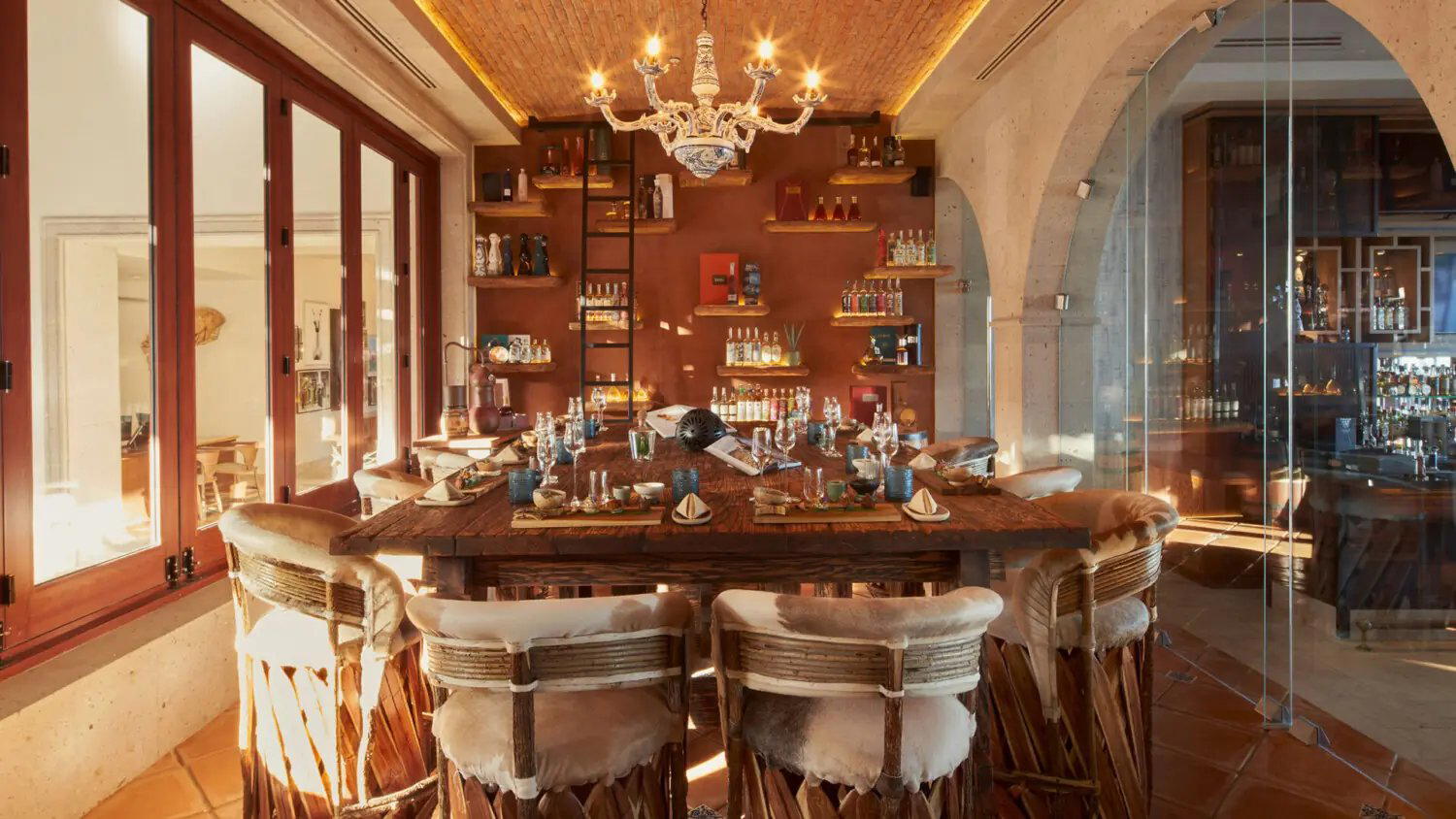
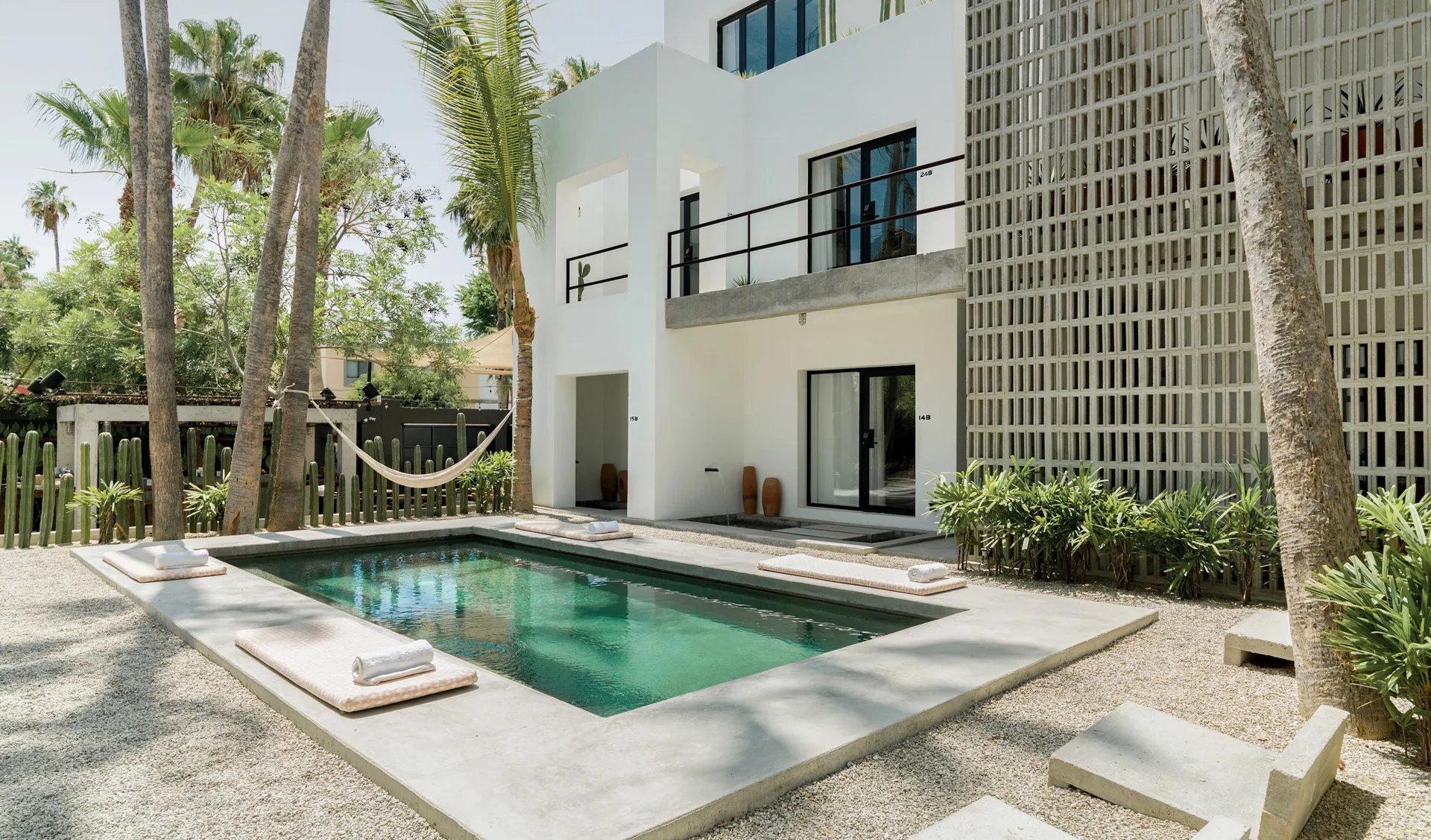
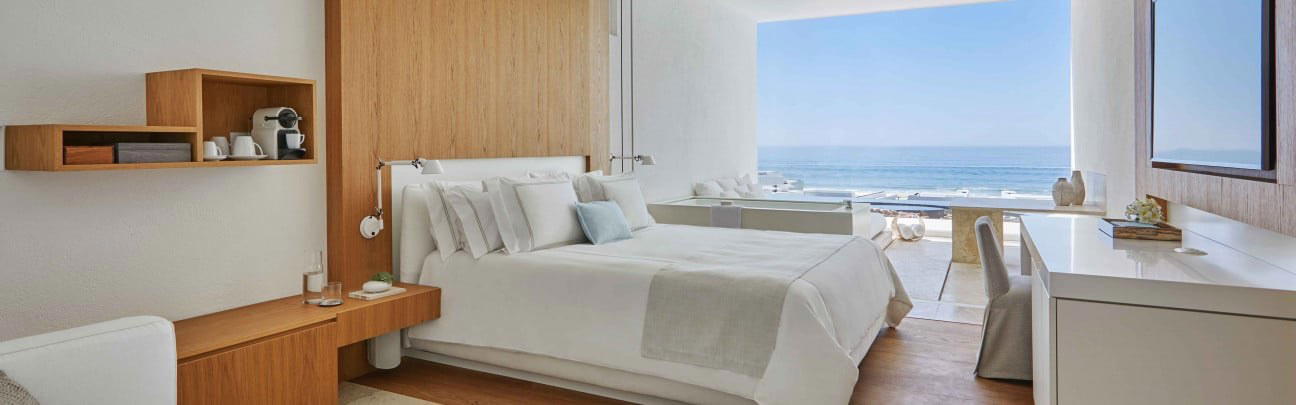
Rustic-chic with open flames, roaring fireplaces, fire pits, and far-reaching ocean views creating an elegant and romantic atmosphere.