Our verdict
Rosa & Espigas sits on Calle de Narváez in the Retiro district, occupying a quieter register than Madrid's more theatrical fine-dining rooms. The address places it among a neighbourhood that has steadily drawn serious restaurants away from the centro, and the name itself, roses and ears of grain, suggests a kitchen interested in both land and cycle. A considered option for those tracking how Madrid's mid-to-upper dining tier is reshaping itself beyond the headline addresses.

Pearl is the En Primeur Club membership app, where members save venues, book tables and use the concierge.

The menu
What to order
- Croquetas cremosas de jamón
- Alcachofas confitadas
- Arroz cremoso de ibéricos
Retiro's Quieter Frequency
Madrid's fine-dining expansion over the past decade has followed two distinct vectors. The first runs through the city's trophy rooms, the three-Michelin-star theatrics of DiverXO, the grand tasting architecture of Coque, the hotel-anchored ambition of Deessa. The second is less visible: neighbourhood restaurants in residential Madrid that have built serious reputations without the apparatus of international awards campaigns. Rosa & Espigas on Calle de Narváez belongs to this second current. The address, in the Retiro district at number 34, is deliberately domestic in character, a street of apartment buildings and local commerce rather than a dining destination in any promotional sense. That positioning is itself a statement about how a certain tier of Madrid restaurant has chosen to evolve.
Retiro's dining identity has shifted meaningfully since the early 2010s. The district's proximity to Salamanca, Madrid's wealthiest residential quartier, means that a local clientele with serious spending capacity lives within walking distance, and restaurants here can sustain quality without depending on tourist flow. That structural advantage has attracted kitchens that want regular, repeat custom rather than the one-visit international traffic that clusters around the city's more publicised addresses. Rosa & Espigas sits inside that logic.
A Name That Signals Intent
The venue's name, rosa (rose) and espigas (ears of grain or wheat), is worth reading carefully as an editorial signal before reading anything else. In Spanish culinary culture, this pairing draws on the traditional imagery of cycles: flowering and harvest, refinement and rawness. It is not a name chosen for international legibility or brand minimalism. It is local, slightly literary, and pitched at a diner who notices these things. That register, attentive to Spanish culinary reference without performing it, characterises a specific tier of Madrid restaurant that has emerged as the city's gastronomic conversation has matured beyond its initial burst of avant-garde ambition.
Compare that positioning to the more conceptually declared addresses in the same city. DSTAgE and Paco Roncero both operate in spaces where the concept precedes the plate in the diner's experience. Rosa & Espigas, by name and address, inverts that order. The room comes first; the concept follows from what you find there.
How the Address Has Evolved
The evolution of serious restaurants in Madrid's residential districts tracks a broader Spanish pattern visible from the Basque Country through Barcelona. As destination addresses at the apex, Arzak in San Sebastián, El Celler de Can Roca in Girona, Martin Berasategui in Lasarte-Oria, absorbed international attention and the associated booking pressure, a second generation of serious kitchens found space to develop in less scrutinised locations. This is a pattern repeated across Spanish cities: Ricard Camarena in València, Cocina Hermanos Torres in Barcelona, and in different geographical terms, Azurmendi in Larrabetzu, all built reputations with a local anchoring before international recognition followed.
In Madrid specifically, the post-2015 period saw quality migrate away from the centro histórico and into residential zones where rents and expectations aligned differently. Retiro has absorbed a portion of that migration. Rosa & Espigas on Narváez is part of a cohort of addresses in this district that have developed without the scaffolding of hotel backing, international group affiliation, or Michelin star campaigns as their primary growth strategy. Whether that represents a deliberate pivot or an original positioning is the kind of question the space itself would need to answer, but the trajectory of comparable addresses in this district suggests that neighbourhood anchoring has become a sustainable model rather than a fallback.
Placing It in Madrid's Current Hierarchy
Madrid's restaurant tier above €60 per head now divides into at least three readable categories. At the apex sit the Michelin-starred rooms with multi-month waiting lists and international press coverage. Below that, a cohort of technically serious but less institutionally visible restaurants serves the city's professional class with shorter booking windows and less performative formats. A third tier, harder to map from outside, comprises neighbourhood addresses whose quality is known to locals and to visiting diners who have done the research, but which operate without the public infrastructure of awards or English-language editorial coverage.
Rosa & Espigas on Calle de Narváez occupies the boundary between the second and third of these categories. Its address in Retiro, its name's cultural register, and its distance from Madrid's more publicised dining corridors all position it as a restaurant whose reputation travels primarily through the city's own networks. For the visiting diner, that is exactly the kind of signal worth following. Spain's most formally recognised restaurants, from Aponiente in El Puerto de Santa María to Quique Dacosta in Dénia to Mugaritz in Errenteria, all have detailed profiles and managed access. The more interesting discovery, for a diner who already knows that tier, is the address that operates without those supports and has persisted regardless.
For international comparison, the dynamic parallels what has happened in New York, where rooms like Atomix built significant reputations through a combination of technical seriousness and deliberate distance from the city's more theatrical dining circuits, and where a room like Le Bernardin represents what sustained institutional commitment over decades actually looks like. Rosa & Espigas is not in either of those categories, but the logic of its positioning, residential, local-first, name-first, rhymes with the former more than the latter.
For a fuller picture of where this address sits within the city's current offering, the EP Club Madrid guide maps the full range of serious restaurant options across the capital's districts, including Retiro, Salamanca, and the centro.
Planning Your Visit
Rosa & Espigas is located at C. de Narváez, 34, in the Retiro district of Madrid (28009). The neighbourhood is accessible by metro from Retiro and Ibiza stations, both on Line 9. Reservations: Dress: No dress code is documented, but the Retiro residential context and the restaurant's positioning within Madrid's serious dining tier suggest smart casual is appropriate. Budget: Timing: Madrid's dinner service typically begins later than northern European equivalents, 9pm to 10pm is standard for serious restaurant bookings in this city, and midweek tables are generally more available than Friday or Saturday across this neighbourhood tier.
Frequently asked questions
What dish is Rosa & Espigas famous for?
Do I need a reservation for Rosa & Espigas?
What has Rosa & Espigas built its reputation on?
How does Rosa & Espigas handle allergies?
Is eating at Rosa & Espigas worth the cost?
What kind of diner is Rosa & Espigas most suited to on a return visit to Madrid?
Peers You’d Cross-Shop
Comparable venues nearby, for context on price, style, and recognition.
| Venue | Cuisine | Price | Awards | Notes |
|---|---|---|---|---|
| ROSA & ESPIGASThis venue (the venue you are viewing) | Modern Spanish Vanguardista | $20–30 | Not listed | Not listed |
| La Vanduca | Modern Spanish Mediterranean with Andalusian Touches | $30–50 | Macarfi 6.1 Food Rating | Recoletos |
| Il Tavolo Verde | Organic Spanish Cafe | Not listed | Not listed | Recoletos |
| Abacería Macarena | Modern Traditional Spanish | Not listed | Not listed | El Viso |
| Casa Varona | Traditional Spanish Tapas & Wine Bar | $50–100 | Falstaff Restaurant - 92 Falstaff Points | Barrio de las Letras |
| Casa Alberto | Traditional Madrilenian | $20–30 | Macarfi 7.2 Food Rating | Barrio de las Letras |
Continue exploring
More in Madrid
Restaurants in Madrid
All restaurants in Madrid →
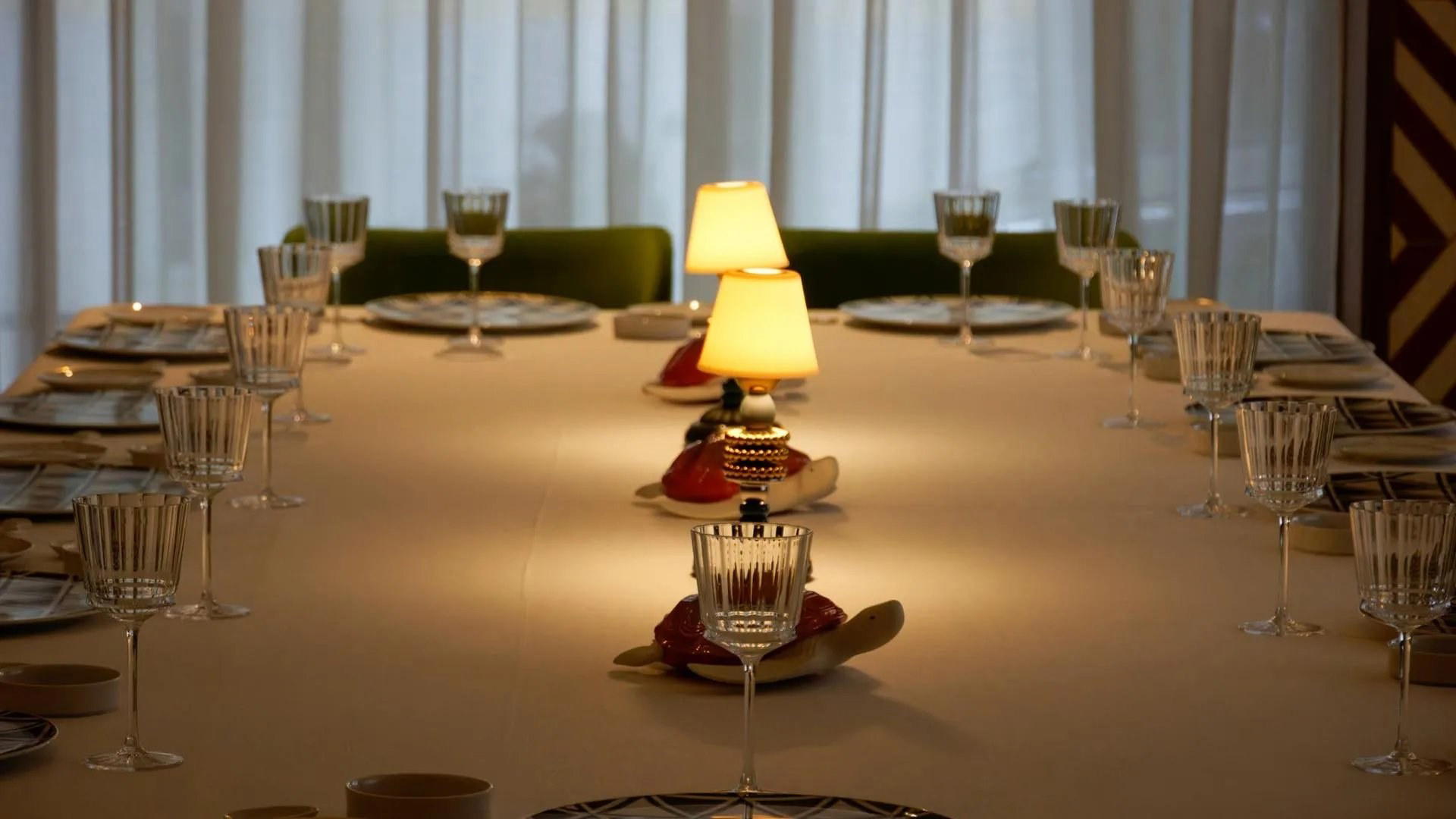
Bars in Madrid
All bars in Madrid →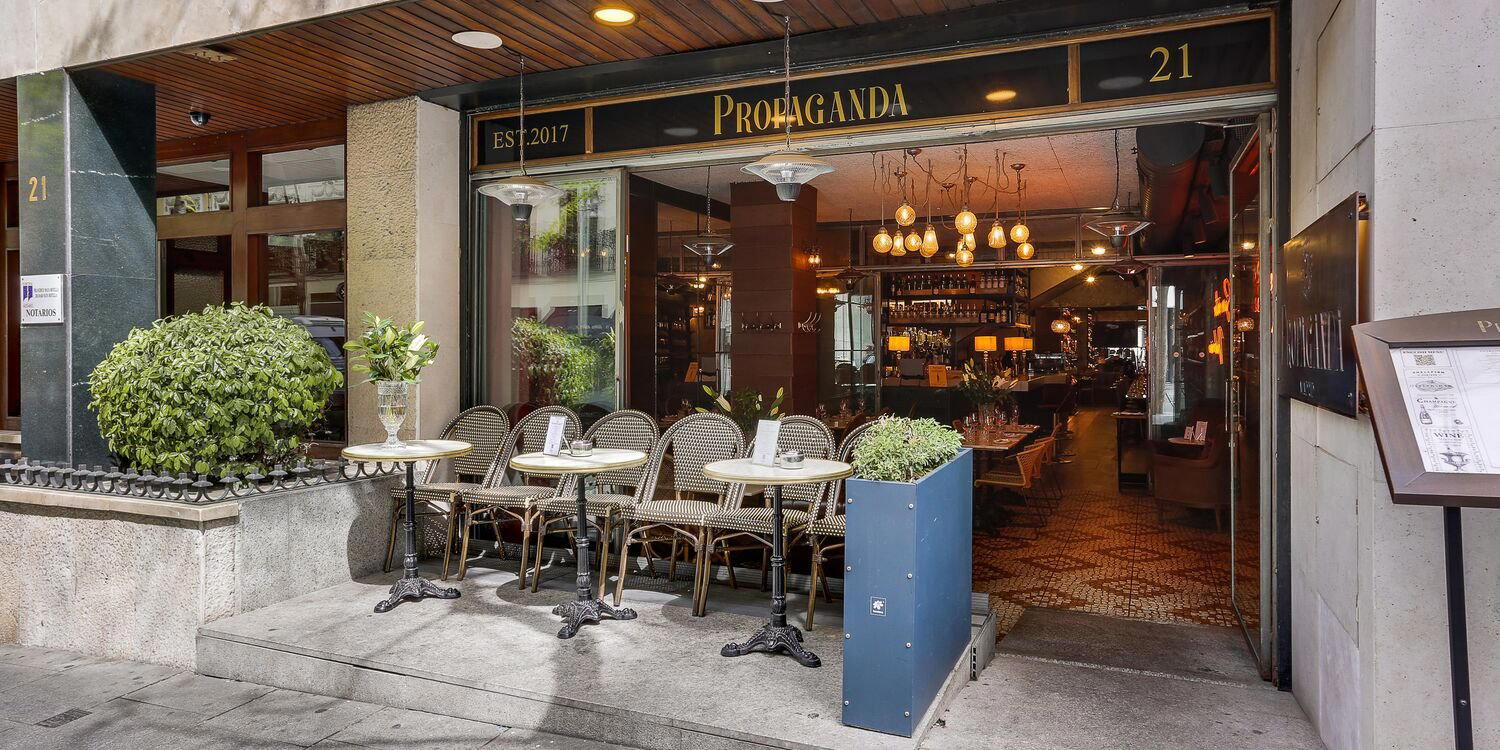
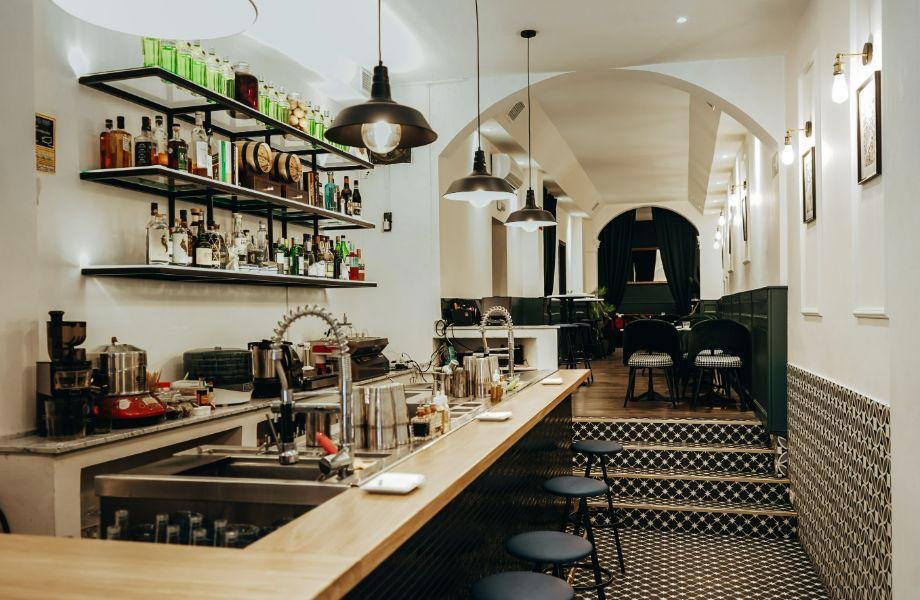
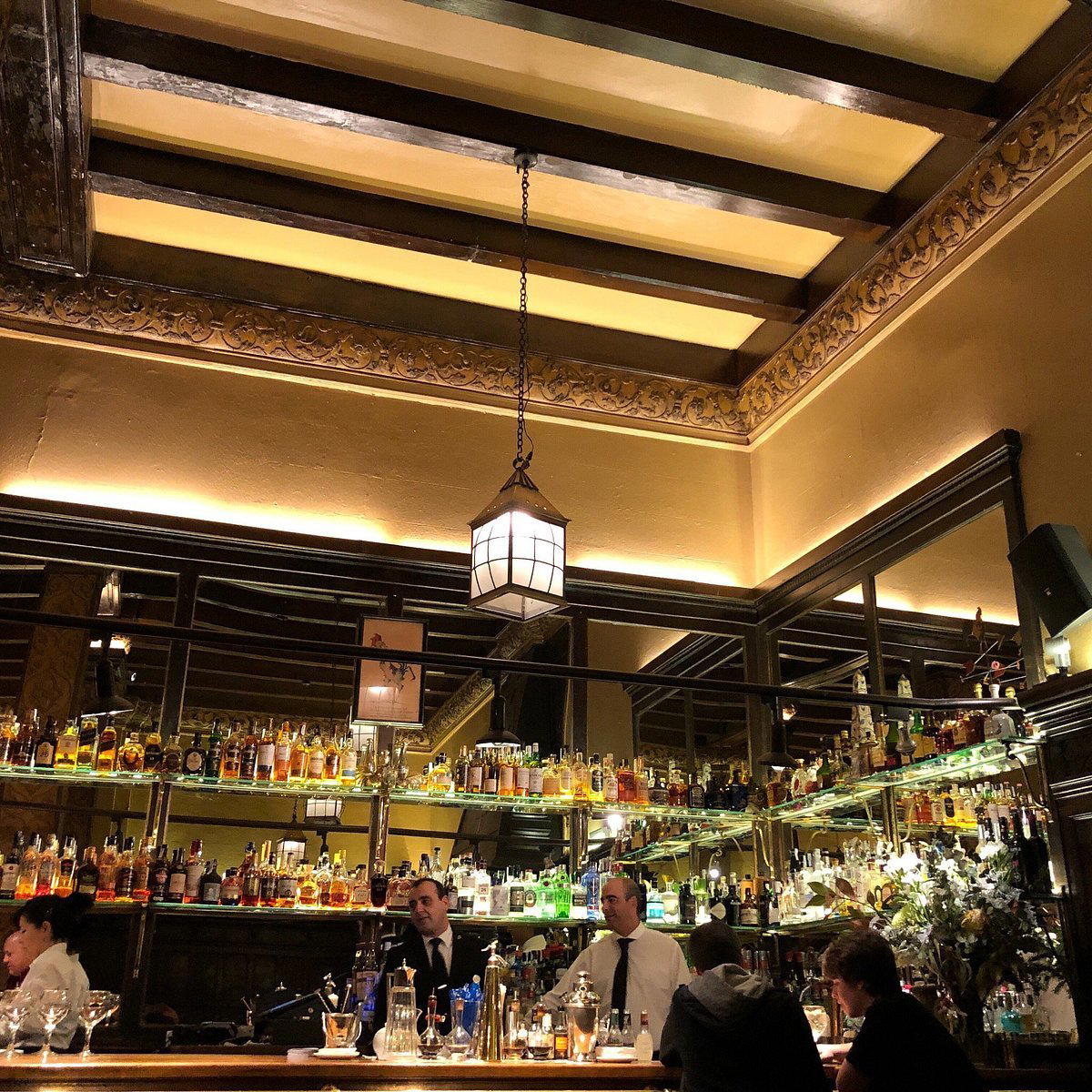



Details
- Modern
- Sophisticated
- Quiet
- Cozy
- Date Night
- Business Dinner
- Casual Hangout
- Special Occasion
- Standalone
- A La Carte
- Vegetarian Friendly
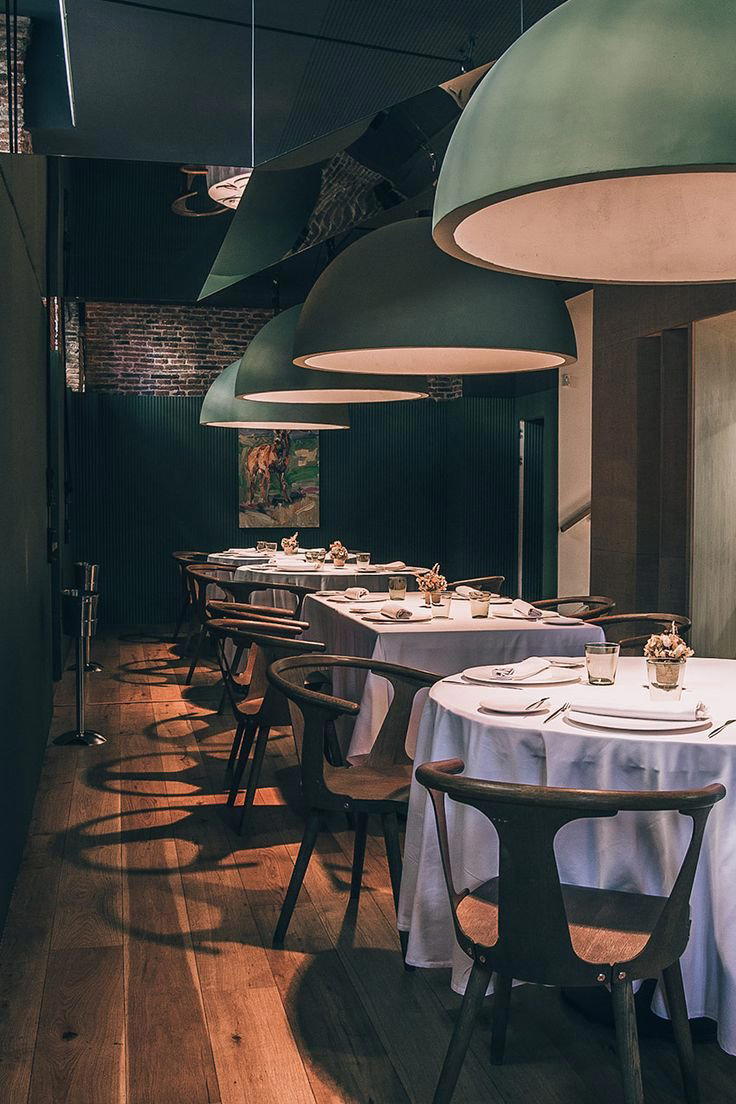
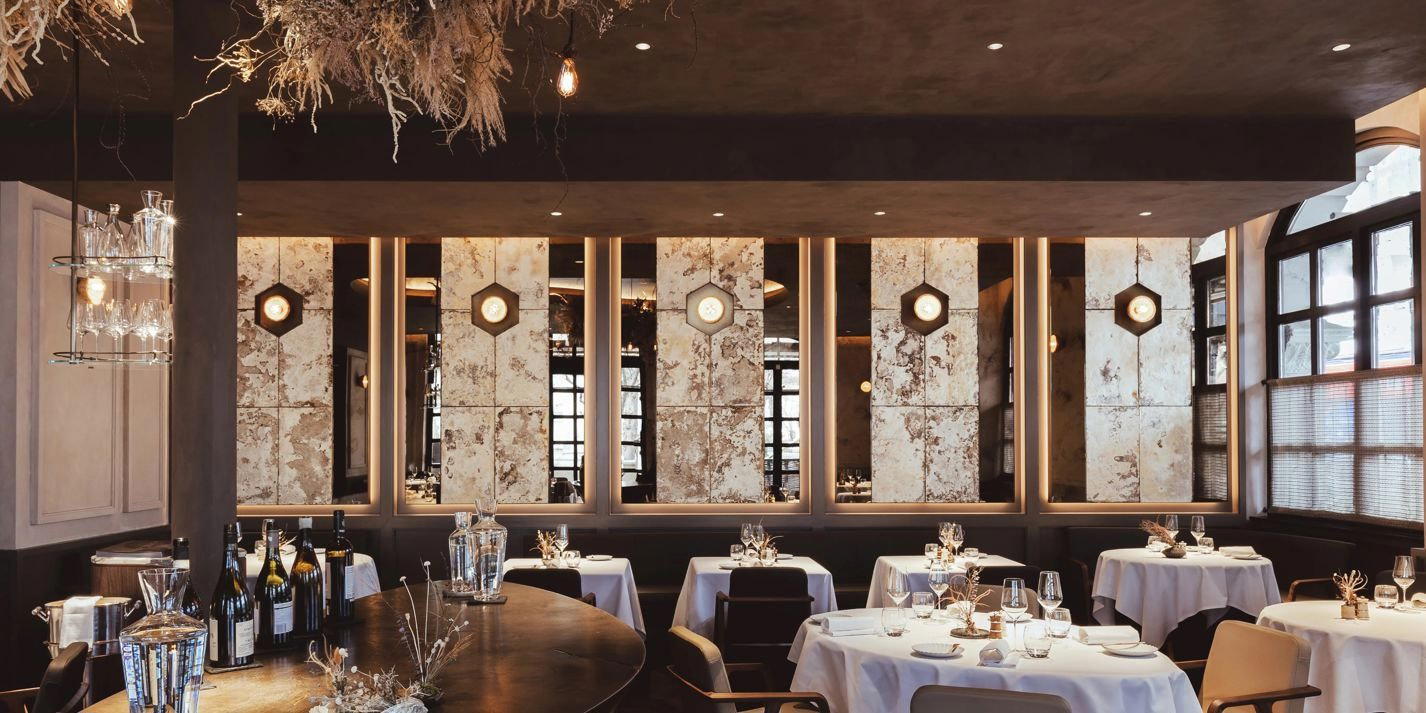
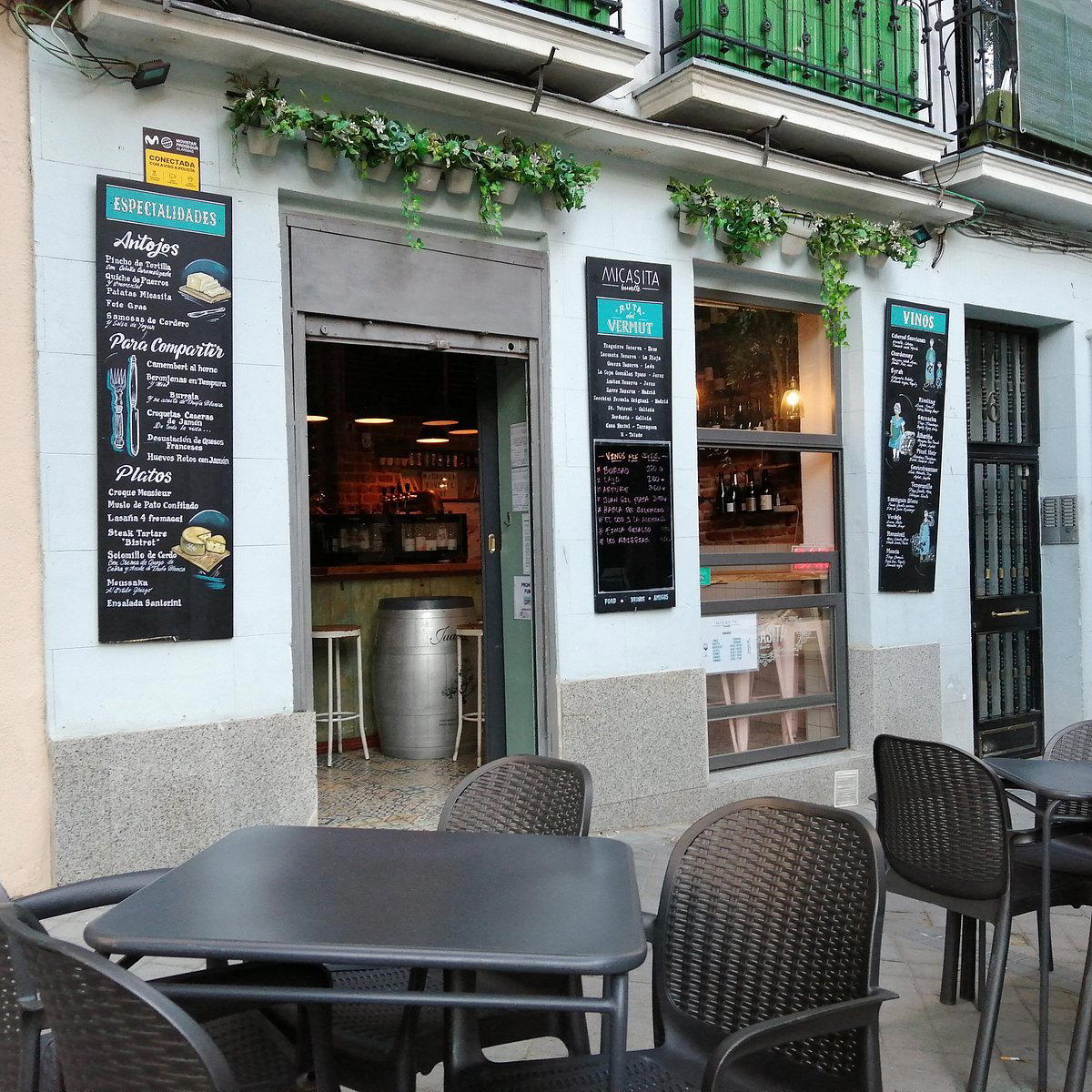
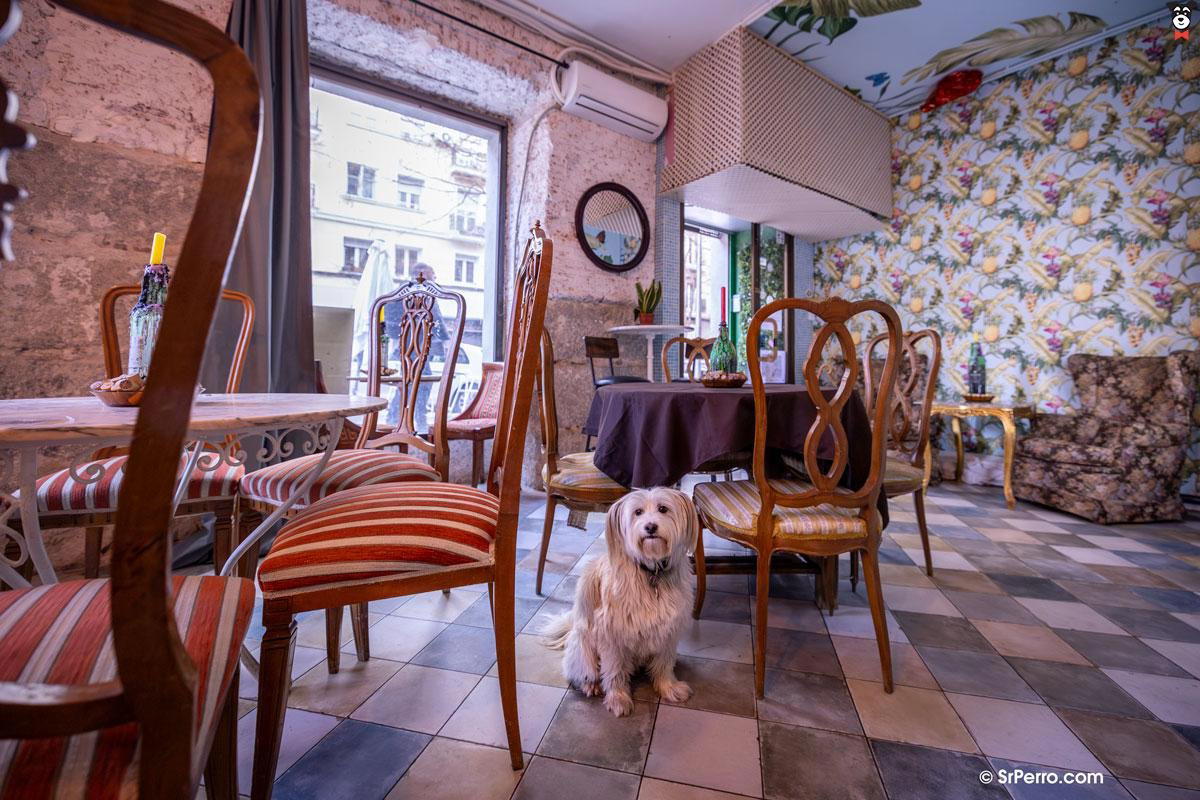
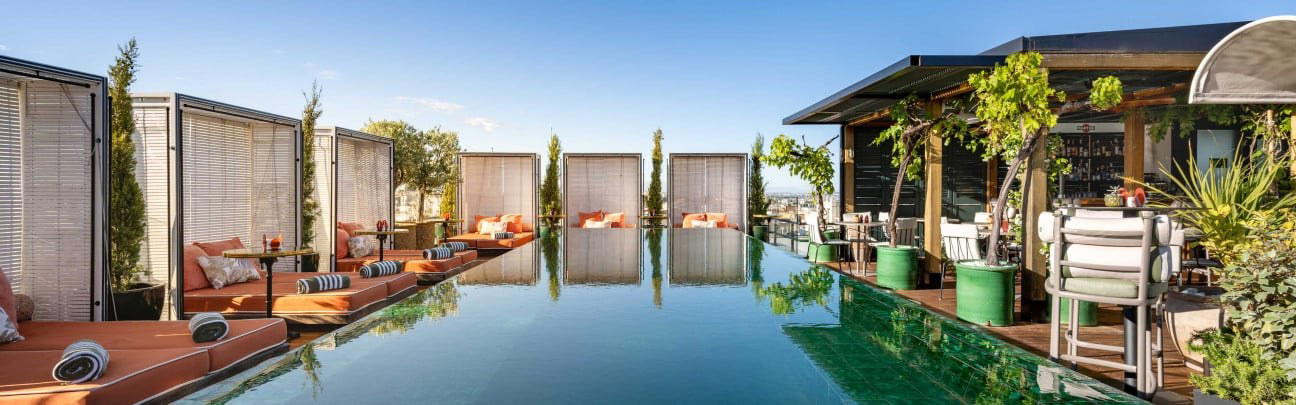
Quiet and conversational, with a welcoming atmosphere that feels more restrained than Madrid's theatrical fine-dining rooms.