Root Wells


Michelin Bib Gourmand
Our verdict
Root Wells holds a Michelin Bib Gourmand (2024 and 2025) and sits at the accessible end of Wells dining, with a vegetable-led sharing plates format drawing on seasonal produce and global technique. Part of the Pony Restaurant Group, it occupies a position on Sadler Street with direct views of Wells Cathedral. The wine list runs mostly under £50 and leans toward organic and low-intervention bottles.

Pearl is the En Primeur Club membership app, where members save venues, book tables and use the concierge.
A Vegetable-Led Destination on Sadler Street
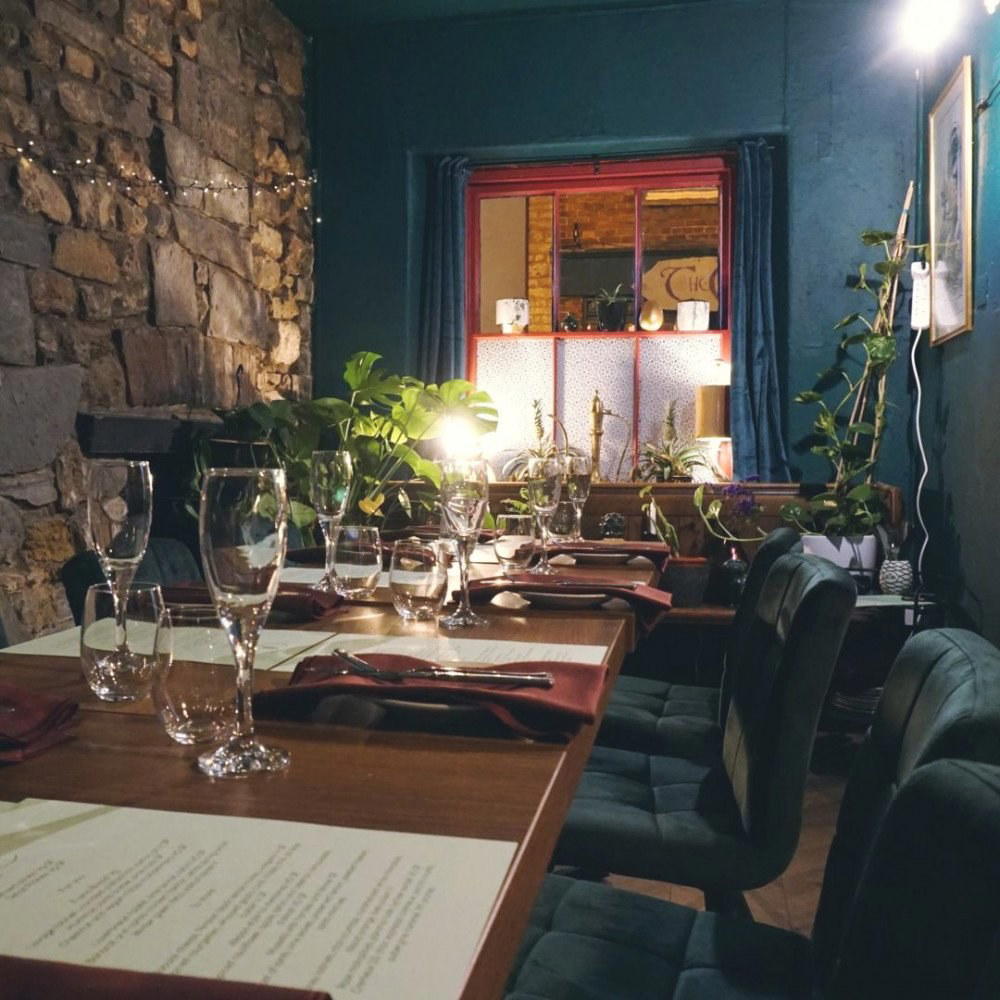
Sadler Street in Wells is short enough that you can read the Cathedral's west front while waiting for a table. That proximity is not incidental: Root Wells is positioned at 12 Sadler St precisely where the medieval city and a contemporary small-plates format collide. The dining room is open and comfortable, the kitchen visible from the floor, and the Cathedral looms close enough that the view functions as a constant frame for the meal. For a city of Wells' scale, a Michelin Bib Gourmand-recognised restaurant with this kind of technical ambition and price discipline is a meaningful presence on the local scene.
Root Wells is part of the Pony Restaurant Group, founded by Josh and Holly Eggleton, and carries the DNA of the original Root in Bristol's Wapping Wharf. Chef Rob Howell, who opened that Bristol site, operates a menu that is vegetable-led in philosophy rather than restrictively plant-based in marketing. The distinction matters: the format is built around what ingredients can do at their seasonal peak, not around dietary category signalling.
What the Calendar Drives
Vegetable-forward restaurants at the serious end of the spectrum live or die by the agricultural calendar, and Root Wells structures its menu accordingly. The menu changes regularly to reflect what is at its most concentrated and flavourful, which means the experience in April is substantially different from a visit in October. The Somerset and wider West Country agricultural hinterland gives the kitchen direct access to produce cycles that a city-centre restaurant in London or Manchester would have to work harder to source.
Spring brings Wye Valley asparagus, a variety with a narrow window, typically late April through June, that the kitchen has used paired with an aerated, citrus-forward Alicante sauce and a crispy-coated runny egg. That combination illustrates the menu's governing logic: a primary vegetable at peak availability, a sauce or condiment that provides acidity or contrast, and a textural element that adds structural interest. The same principle applies across the seasons. Wild garlic, which grows widely across the Somerset Levels and surrounding woodland, appears in concentrated broths during its brief spring availability. Butter beans, a vehicle for absorbing surrounding flavours, have been served in a broth of wild garlic and cavolo nero, finished with ewe's curd for sharpness.
Autumn pushes the menu toward root vegetables, denser alliums, and preservation techniques that extend the life of summer produce. The regularity of menu changes is not cosmetic, it reflects a kitchen that is tracking the source rather than the description. For anyone planning a visit, the practical implication is that a specific dish seen in a review may not be available on the night. The menu changes are frequent enough that a return visit offers a genuinely different set of plates.
Global Influence, Local Material
One of the more interesting structural features of the Root format is the range of culinary references it draws on within a single menu. India, Southeast Asia, South America, Italy, France and Spain all appear as points of reference, not simultaneously or chaotically, but as distinct technique applications to local produce. A cauliflower bhaji with tamarind sauce is a clear South Asian reference point applied to a British allotment staple. An Alicante-style sauce on asparagus signals Spanish technique applied to English produce. This approach places Root in a wider conversation about how British cooking has matured: the debate is no longer about whether to import influence but about how cleanly that influence translates to local ingredients.
This model is different from the tasting menu format practiced by restaurants like L'Enclume in Cartmel or Moor Hall in Aughton, where the kitchen's own garden or dedicated farm supply chain becomes the editorial statement. Root is working with regional West Country produce and bringing it into a more pluralist flavour frame. The vegetable-led tasting menu model practiced by restaurants like Fu He Hui in Shanghai or Lamdre in Beijing represents the premium end of the global spectrum; Root operates at a substantially more accessible price tier with a different format proposition.
Snacks, Signatures, and the Small Plates Format
The sharing plates format at Root functions as a way of distributing both risk and discovery across a meal. In practice, it means snack-sized items carry as much kitchen intention as the larger plates, and the cheese choux puffs have become identified as the kitchen's signature: ethereal in texture, smooth, and cited across multiple reviews as the dish to order while the table is still deciding. Cauliflower bhajis with tamarind arrive in the same snack register but with a sharper, more acidic flavour profile.
The dessert section follows the same seasonal-ingredient logic as the savoury plates. Basque cheesecake, a format that has become widespread in British restaurants over the past five years, has appeared paired with milk jam, while rum baba has been served with apricot and fennel cream. Both combinations use the primary preparation as a backdrop for a more seasonal or produce-specific element, rather than leading with the dessert format itself.
Price, Wine, and the Bib Gourmand Signal
Michelin Bib Gourmand, awarded to Root Wells in both 2024 and 2025, is a category distinction that carries specific meaning: it identifies restaurants offering good cooking at moderate prices rather than rewarding luxury or complexity for its own sake. For context, the same guide's star tier covers restaurants at the level of The Fat Duck in Bray, The Ledbury in London, or Gidleigh Park in Chagford. The Bib Gourmand category is deliberately separate, and Root's placement there signals accessible pricing as part of the critical assessment, not a concession to it.
Wine list reinforces that positioning. Most bottles are priced under £50, with an editorial lean toward organic, biodynamic, and low-intervention producers, a list that reflects the kitchen's interest in where ingredients come from, extended into what is in the glass. The selection is described as short and mostly European, which at this price tier typically means focused sourcing rather than breadth for its own sake.
Planning a Visit
Root Wells sits at 12 Sadler Street, within a few minutes' walk of Wells Cathedral and the Bishop's Palace. The price range sits at ££, placing it firmly in the accessible bracket for a Michelin-recognised restaurant. For anyone spending time in the city, the combination of Cathedral views, the sharing plates format, and the seasonal menu makes it a useful reference point in our full Wells restaurants guide. Those extending their visit can find accommodation options in our Wells hotels guide, and evening options beyond dinner are covered in our Wells bars guide. For those exploring the wider Somerset food and drink scene, our Wells wineries guide and our Wells experiences guide cover the surrounding area.
For reference at a different price point in Wells itself, Maine Diner represents a more casual daytime option. Those looking at vegetable-led fine dining elsewhere in the UK can use Midsummer House in Cambridge, hide and fox in Saltwood, Hand and Flowers in Marlow, Le Manoir aux Quat' Saisons in Great Milton, and Restaurant Andrew Fairlie in Auchterarder as broader points of comparison across price tiers and formats.
Frequently asked questions
What is the signature dish at Root Wells?
The cheese choux puffs are the most consistently cited item across reviews and are effectively the kitchen's calling card. They appear as a snack course and are recommended while the table is still making decisions on the main plates. The Michelin Bib Gourmand recognition (2024 and 2025) covers the menu in its entirety, but the choux puffs are the one item that appears by name in critical assessments of the restaurant.
Is Root Wells formal or casual?
The format is casual in structure, sharing plates, open kitchen, enthusiastic rather than stiff service, but the cooking operates at a level that earned a Michelin Bib Gourmand for two consecutive years. Wells as a city sits outside the metropolitan fine dining circuit, and Root reflects that: the room is comfortable and the atmosphere is welcoming without the formality that attaches to starred restaurants in London or the Home Counties. At the ££ price range, there is no dress code expectation that would be out of place in a well-run neighbourhood restaurant.
Would Root Wells be comfortable with kids?
Sharing plates format and the ££ price range make Root Wells a more family-compatible environment than a tasting menu restaurant at a higher price tier would be. Wells is a city with a high visitor footfall, particularly around the Cathedral, and the restaurant's positioning reflects that mixed audience. The snack courses, choux puffs, cauliflower bhajis, offer accessible entry points alongside the more technically composed plates, which gives tables with mixed preferences more flexibility than a fixed-menu format would allow.
Price and Recognition
| Venue | Cuisine | Price | Awards | Notes |
|---|---|---|---|---|
| Root WellsThis venue (the venue you are viewing) | Modern Vegetable-Led British | $30–50 | Michelin Bib Gourmand | Not listed |
| The Ledbury | Modern British Fine Dining | $300–500 | 3 Michelin Stars · World's 50 Best #42 | Modern European, Modern Cuisine |
| Sketch, The Lecture Room and Library | Modern French Fine Dining | $200–300 | 3 Michelin Stars · World's 50 Best #18 | Modern French |
| CORE by Clare Smyth | Modern British Fine Dining | $150–200 | 3 Michelin Stars · World's 50 Best #97 | Modern British |
| Restaurant Gordon Ramsay | French Fine Dining | $200–300 | 3 Michelin Stars · World's 50 Best #13 | Contemporary European, French |
| Dinner by Heston Blumenthal | Modern British, Traditional British | Not listed | Michelin 2 Star | Not listed |
Recognition history
Dated appearances from independent guides and award organizations, with the underlying list record or original source where available.
Michelin Bib Gourmand
Michelin
The Good Food Guide Good Food Guide Best Local Restaurant
The Good Food Guide
Full recognition history (5 entries)
Michelin Bib Gourmand
Michelin
The Good Food Guide GFG Very Good
The Good Food Guide
Michelin Bib Gourmand
Michelin
Continue exploring
More in Wells
Restaurants in Wells
All restaurants in Wells →
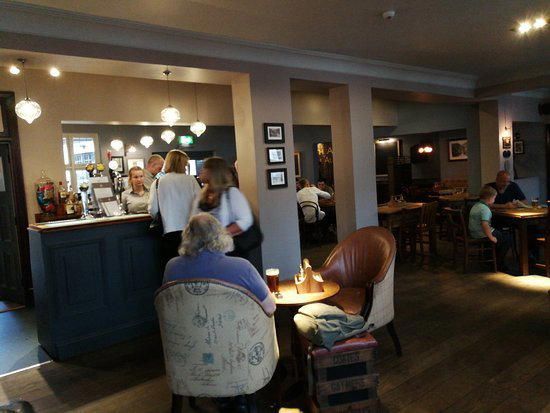
Bars in Wells
Browse all →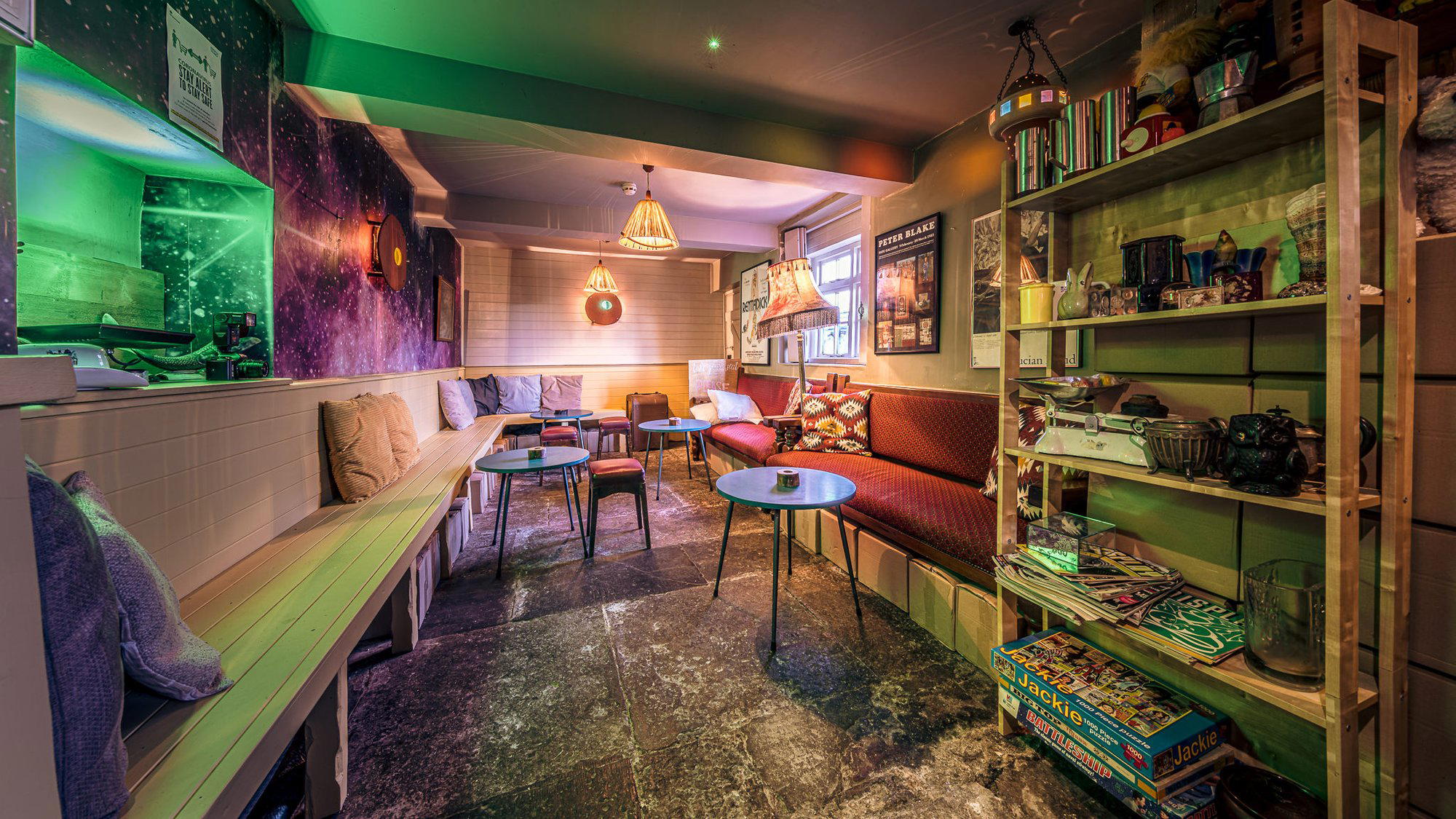


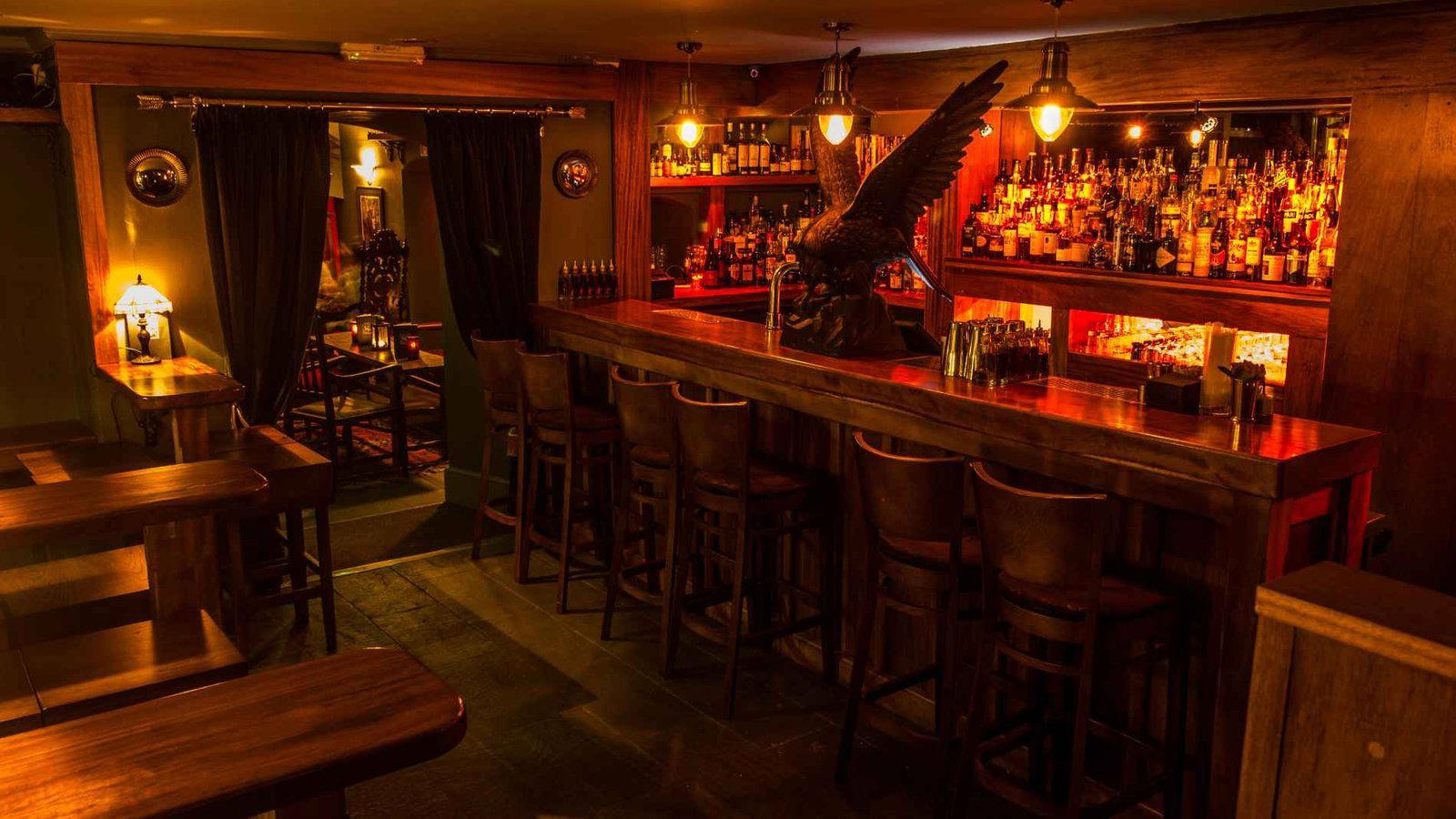







Details
- Modern
- Cozy
- Intimate
- Date Night
- Casual Hangout
- Open Kitchen
- Natural Wine
- Local Sourcing
- Street Scene
- Small Plates
- Vegetarian Friendly
- Vegan Options
- Gluten Free Options
Current opening hours
- Monday
- 5:30–9:30 p.m.
- Tuesday
- 5:30–9:30 p.m.
- Wednesday
- 12–2:30 p.m., 5:30–9:30 p.m.
- Thursday
- 12–2:30 p.m., 5:30–9:30 p.m.
- Friday
- 12–2:30 p.m., 5:30–9:30 p.m.
- Saturday
- 12–2:30 p.m., 5:30–9:30 p.m.
- Sunday
- Closed
Hours can change for holidays and private events. Hours as of .
Inviting and relaxed atmosphere with clean, modern decor in earthy tones and an open kitchen.