At the Chapel
At the Chapel occupies a converted 16th-century chapel on Bruton's High Street, operating as a hotel, restaurant, and bakery within one of Somerset's most talked-about small towns. The dining programme draws on local producers and the broader South West food culture that has made Bruton a reference point for rural hospitality in Britain. A practical base for exploring the Newt, Hauser and Wirth, and the wider Somerset countryside.
Pearl is the En Primeur Club membership app — saves, bookings, and concierge access live there. Same editors, same standards.
- Address
- 28 High St, Bruton BA10 0AE, United Kingdom
- Phone
- +44 1749 814070
- Website
- atthechapel.co.uk
- Directions
- Get directions
 Saves & bookings on Pearl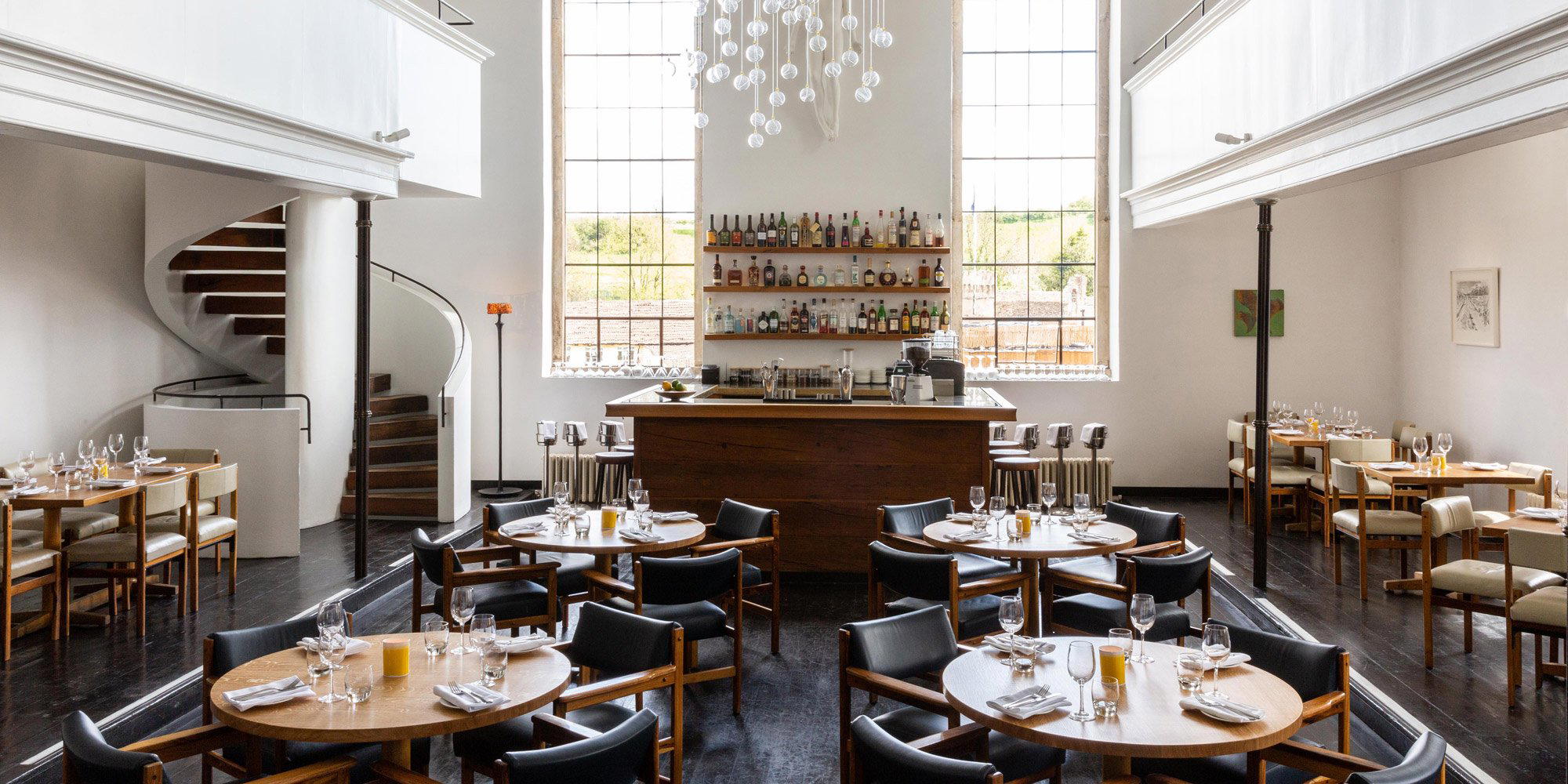
Bruton's Quiet Rise as a Rural Dining Destination
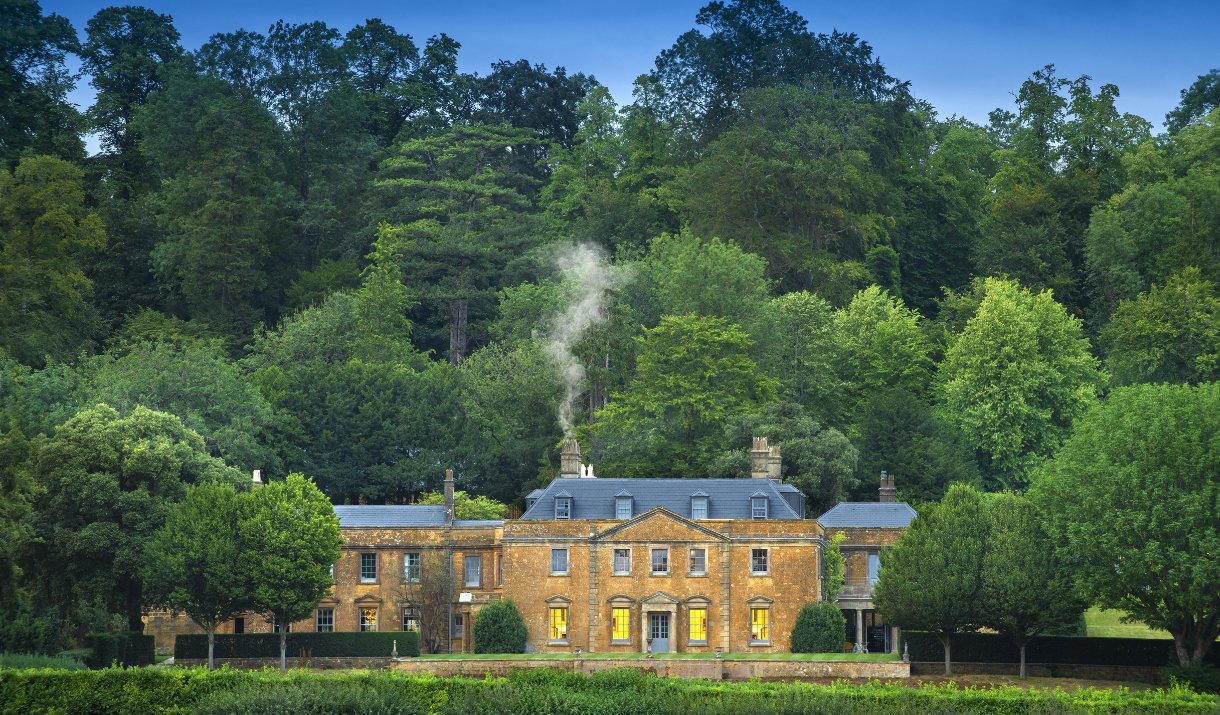
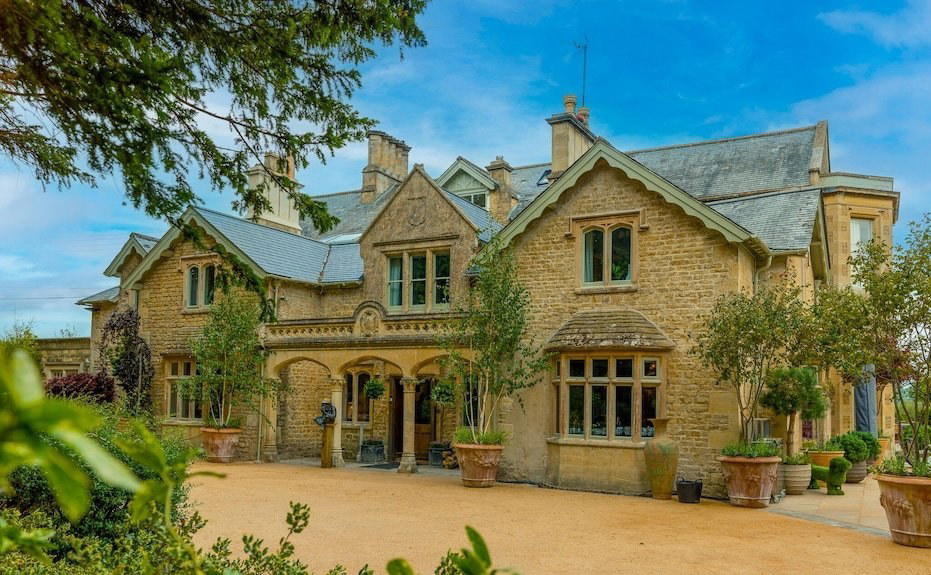
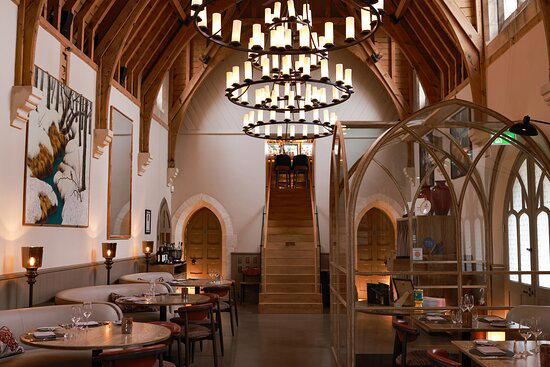
At the Chapel is a hotel in Bruton, Somerset, with 9 rooms and a nightly rate from about $250. That shift created demand for hospitality that matched the cultural ambition of the place, and At the Chapel, on the High Street at number 28, sits at the centre of that story. The building itself is a converted 16th-century chapel, and the architectural weight of that heritage is impossible to ignore when you approach along the High Street: the arched stone facade and the scale of the interior give the site a presence that most converted buildings in the South West can only approximate.
Bruton now operates in a similar register to other small English towns that have punched beyond their size in food and hospitality terms. Villages and market towns across Somerset and Dorset have benefited from London money, second-home culture, and a sustained post-pandemic appetite for slower, more considered rural stays. At the Chapel is often mentioned alongside The Newt in Somerset and Babington House as part of a broader Somerset hospitality cluster, though it operates at a different scale and with a different character: more embedded in the town itself, less resort-oriented.
The Dining Programme: Bakery, Restaurant, and the Somerset Produce Network
The food operation at the hotel runs across a bakery and a restaurant, and that dual format is significant. The bakery is not decorative: it functions as a working production kitchen and a point of daily contact with the local community, operating in the tradition of destination bakeries that have become an important sub-genre of rural British hospitality. In counties like Somerset and Dorset, where artisan producers, small-scale dairy farms, and cider orchards provide an unusually dense supply network, restaurant programmes that commit to local sourcing have a genuine infrastructure to draw on rather than making aspirational claims about provenance.
The restaurant occupies the main chapel space, and the volume and the original architectural details give the dining room a drama that purpose-built restaurants rarely achieve without considerable effort. High ceilings, stone walls, and arched windows create a setting where the atmosphere does not depend on elaborate interior design. This is a format that has worked well for converted ecclesiastical buildings across Britain, from urban wine bars in city-centre churches to rural restaurants in former chapels, but the combination of setting, town context, and food programme gives the hotel a coherence that holds the concept together.
For comparison, properties like Lime Wood in Lyndhurst have built their food identities around a single high-profile restaurant anchored by a named chef, with the kitchen functioning as a draw in its own right. The hotel takes a different position: the dining programme is integrated into the life of the building and the town rather than standing apart from it. Neither approach is inherently superior, but they appeal to different travellers.
The Hotel: Small-Scale Stays in a Town-Centre Setting
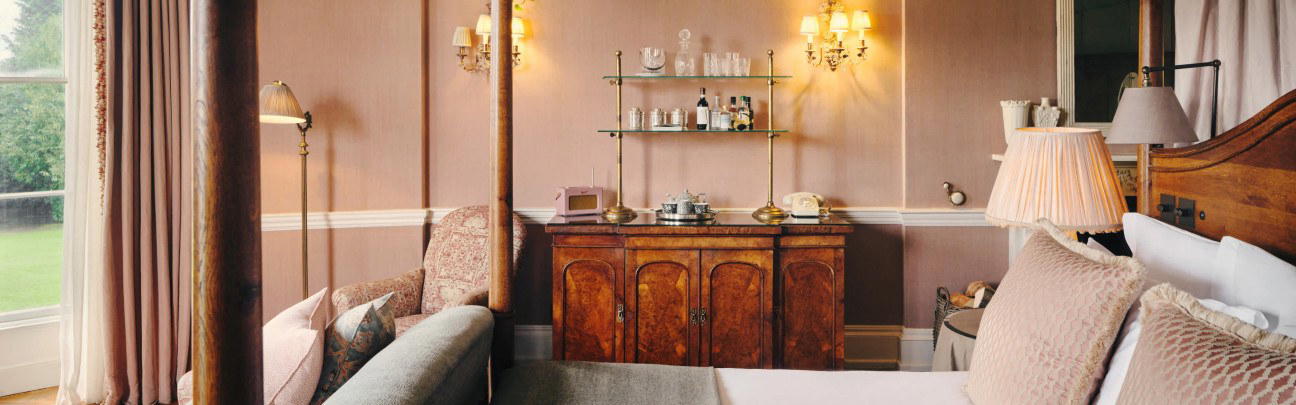
The accommodation at the hotel is small in number, which places it firmly in the category of properties where the hotel function is secondary to the food and hospitality experience. This is a pattern common to the better converted-building hotels in rural Britain: the room count is low, the atmosphere is domestic rather than corporate, and the value proposition depends on the quality of the overall experience rather than the range of facilities. Guests at properties of this type tend to be self-selecting: they know what they are coming for, and they are not expecting a spa complex or a destination pool.
The contrast with larger-footprint Somerset properties is instructive. The Newt in Somerset offers a full estate experience with gardens, cider production, and multiple dining options across a significant acreage. The hotel offers proximity to the town, the bakery at breakfast, and a dining room that functions as the social heart of the building. Both are credible choices; they are solving different problems for different travellers.
Bruton itself is well-positioned: approximately two hours from London by car, accessible from Castle Cary station which has direct services from London Paddington, and within easy reach of the Glastonbury area and the Mendip Hills.
Where At the Chapel Sits in the Broader British Hotel Scene
The small converted-building hotel category in Britain has expanded significantly over the past fifteen years. Properties from Estelle Manor in North Leigh to Burts Hotel in Melrose to Hope Street Hotel in Liverpool reflect a broader shift in British hospitality away from chain uniformity and toward properties with a specific architectural and culinary identity. The hotel fits this pattern and is often cited alongside similar properties in the South West, including Number One Bruton, which operates in the same town and offers a point of direct local comparison.
At the larger end of the British luxury hotel market, reference points like Claridge's in London or Gleneagles in Auchterarder represent a different tier entirely, with formal dining programmes, large room counts, and the infrastructure of a full luxury resort. The hotel is not competing in that space. Its comparable set is the cluster of independently run, design-conscious, food-forward small hotels that have emerged in desirable rural and coastal locations across Britain over the past decade.
Planning Your Stay
Castle Cary is the nearest rail station, with direct services from London Paddington making the journey from the capital around two hours. By car, Bruton sits just off the A359, easily combined with visits to Hauser and Wirth Somerset, which is a short walk from the High Street. Given the small room count and the profile of the property, booking well in advance is advisable, particularly for weekend stays and the summer months when Somerset's visitor traffic peaks. The bakery and restaurant are accessible to non-residents, which means the dining operation draws a broader local audience than the hotel alone would generate.
Price and Positioning
Comparable venues nearby, for context on price, style, and recognition.
| Venue | Price | Awards | Notes |
|---|---|---|---|
| At the ChapelThis venue — the venue you are viewing | $$$ | Not listed | Not listed |
| Number One Bruton | $$$$ | Not listed | Bruton high street, Georgian townhouse with medieval forge and cottages around a private courtyard |
| The Newt in Somerset | $$$$ | 5-Star | Bruton, Reimagined country estate with working farm and expansive gardens |
| Retreat East | $$$$ | Not listed | Hemingstone, Deconstructed luxury country house hotel with restored barns, shepherds huts, and farmhouse on 35-acre estate. |
| The Wheatsheaf Inn | $$ | Not listed | Northleach, Revamped historic coaching inn |
| Southampton Town Quay Hotel | Not listed | Not listed | Town Quay, Large mixed-use waterfront lifestyle hotel integrated with marina, restaurants, and event facilities. |
At a Glance
- Quiet
- Elegant
- Minimalist
- Cozy
- Scenic
- Romantic Getaway
- Weekend Escape
- Historic Building
- Terrace
- Garden
- Wi Fi
- Garden
- Street Scene
- Wi Fi
- Garden
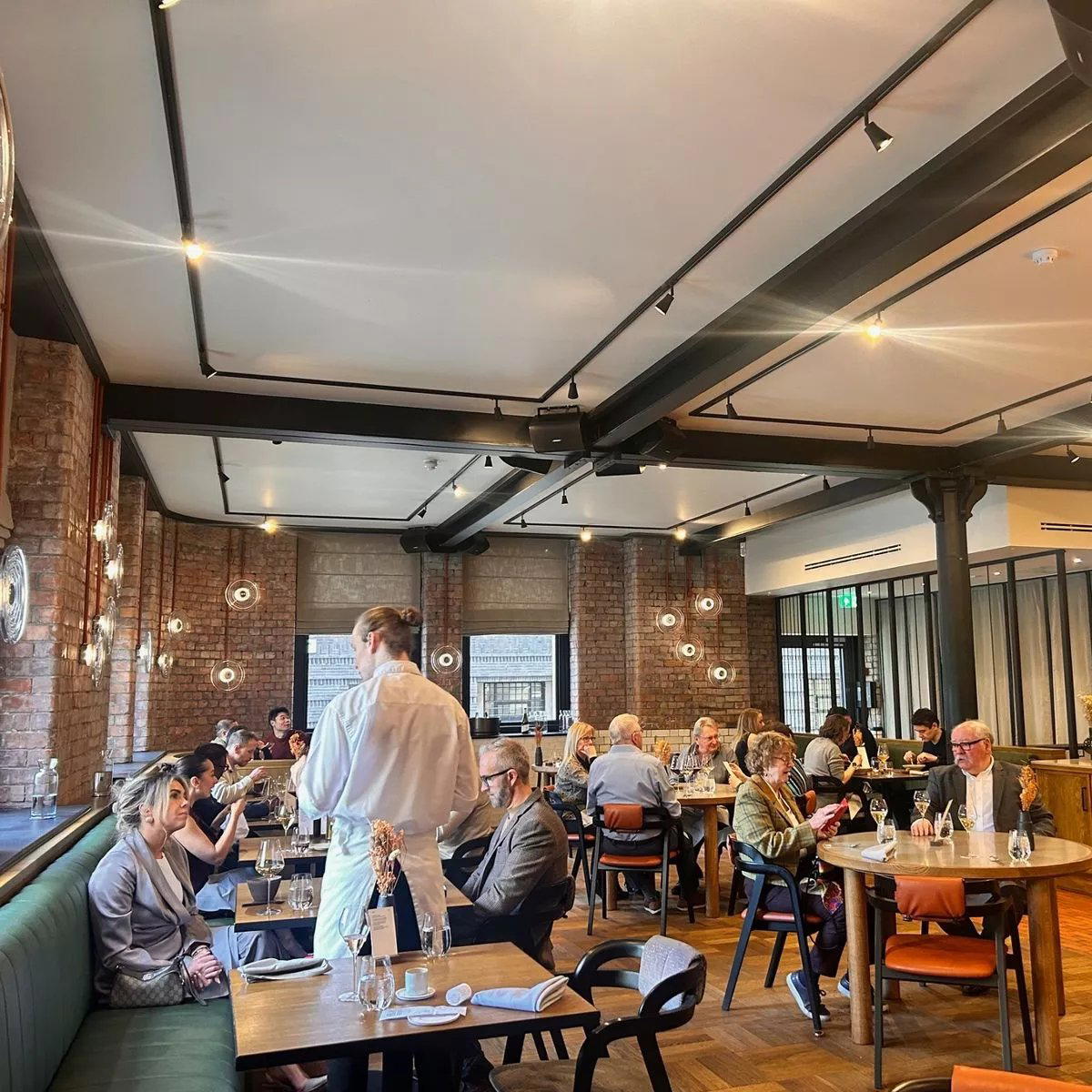
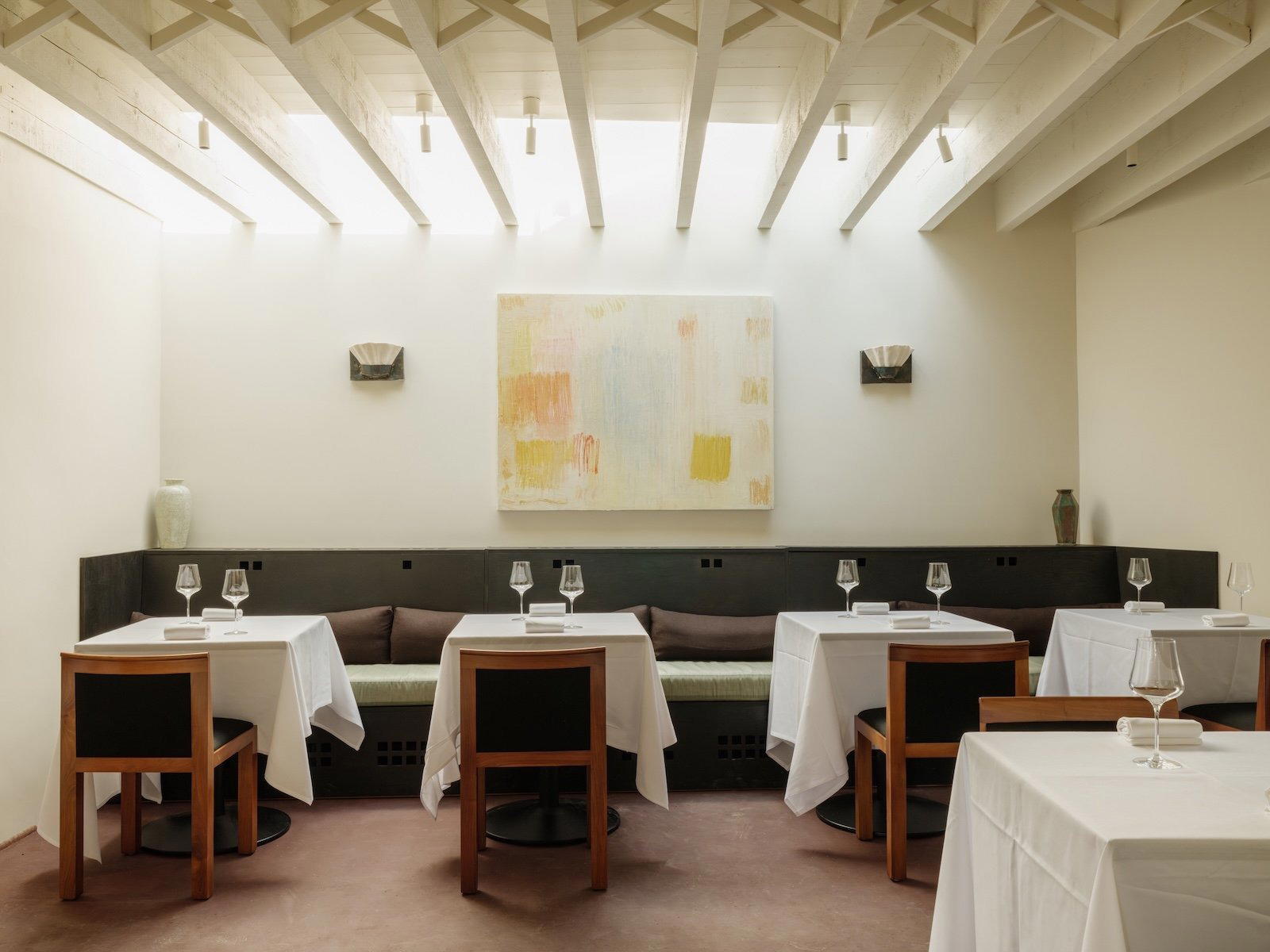
Light-filled with soaring arched windows and natural light washing over pared-back minimalist interiors accented by contemporary art and sculptural elements, creating a serene and tranquil atmosphere.