Roth Bar
Set on Durslade Farm in the Somerset countryside, Roth Bar occupies a converted agricultural building that doubles as a contemporary art space, placing it in a niche that few rural British bars share. The programme leans on craft drinks and seasonal produce, drawing visitors from beyond Somerset who treat the journey as part of the proposition. It operates within the broader Hauser and Wirth gallery complex, giving it a context that shapes everything from the clientele to the menu's ambitions.

Pearl is the En Primeur Club membership app — saves, bookings, and concierge access live there. Same editors, same standards.
- Address
- Durslade Farm, Dropping Lane, Bruton BA10 0NL, United Kingdom
- Phone
- +44 1749 814700
- Hours
- Mon–Tue ClosedWed–Thu 9 AM–6 PMFri–Sat 9 AM–11 PMSun 9 AM–6 PM
- Website
- rothbar.co.uk
- Directions
- Get directions
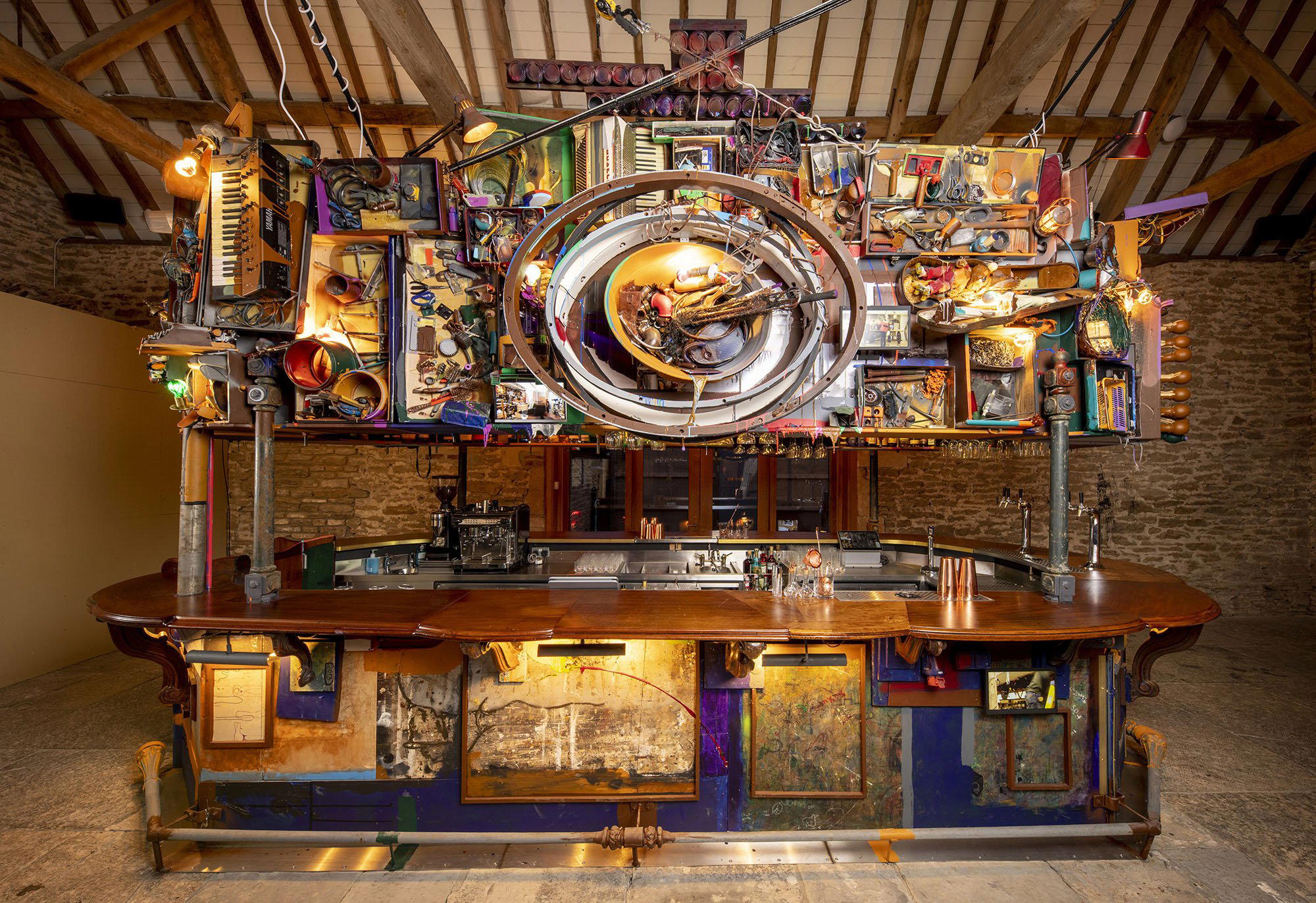
A Farm, a Gallery, and a Bar That Defies Easy Category
Rural British bars rarely attract the kind of attention usually reserved for city-centre cocktail rooms. The geography works against them: no walk-in foot traffic, no late-night crowd, no cluster of neighbouring venues to generate a scene. Yet a small number of countryside spaces have managed to build destination reputations precisely because their context does the work that a postcode never could. Roth Bar, set within the Hauser and Wirth gallery complex at Durslade Farm on Dropping Lane in Bruton, Somerset, belongs to that category. The approach across the site is broadly the same: art, food, drink, and landscape as a single experience, not a menu of optional add-ons.
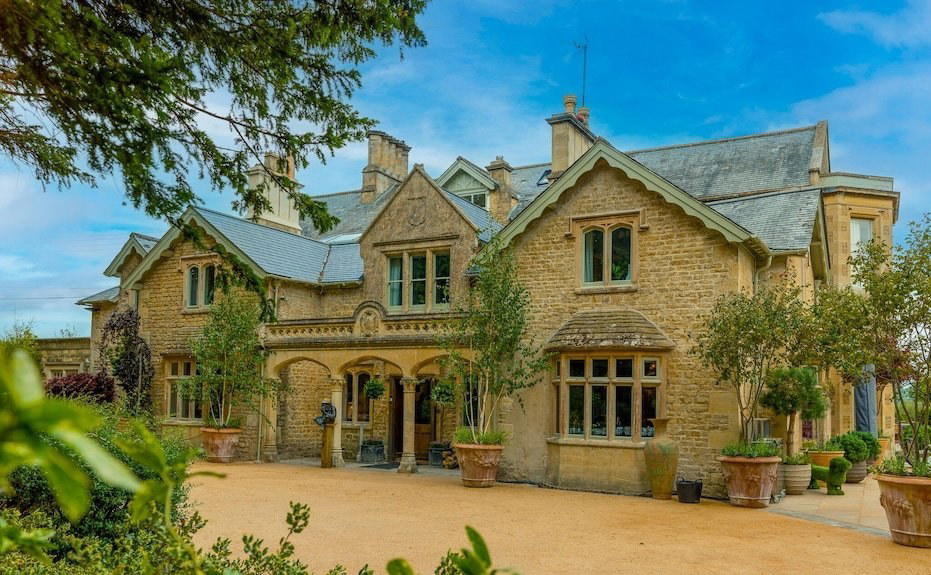
Arriving at Durslade Farm, the visitor moves through working agricultural land that has been adapted rather than erased. The converted stone buildings retain the honest materiality of a working Somerset farm while housing one of the UK's most respected contemporary art galleries alongside a restaurant and bar. Roth Bar sits inside this compound, its physical environment shaped by that tension between rural utility and cultural ambition. The bar itself is the work of Bjorn Roth, son of the late Swiss artist Dieter Roth, which explains both the name and the fact that it functions as a designed object in its own right, not simply a service point appended to a gallery.
The Cocktail Programme in Context
The UK's serious cocktail bars have spent the past fifteen years concentrating in a handful of postcode clusters: Islington and Shoreditch in London, where venues like 69 Colebrooke Row and Callooh Callay built reputations on technique and restraint; the basement bars of Edinburgh's New Town, including Bramble; the grand hotel rooms of Belfast, typified by the Merchant Hotel; and the neighbourhood-anchored programmes of Manchester's Schofield's or Leeds' Mojo. What is less common, outside of a handful of hotel bars and pub conversions, is a drinks programme that operates from deep countryside and commands a genuine destination pull.
Roth Bar's position within the Hauser and Wirth ecosystem shapes its drinks offer in ways that a standalone rural pub cannot replicate. The gallery attracts an international, culturally literate clientele already primed to treat the Somerset visit as a considered trip rather than a convenient local. That shifts expectations on both sides of the bar. The drinks programme at a space like this does not compete with Glasgow's Horseshoe Bar on heritage volume or with L'Atelier du Vin in Brighton on wine-led breadth. Instead, it operates in a specialist register, where the drinks function as one layer of a broader cultural afternoon rather than the main event in isolation.
Somerset's agricultural produce has become increasingly central to the county's food and drink identity over the past decade, and bars operating in this context tend to draw on local cider apples, hedgerow botanicals, and dairy in ways that urban venues cannot credibly replicate. Roth Bar's setting makes those references feel grounded rather than decorative. A botanical or a cider-based build that would read as affectation in a London basement reads differently when the orchard is visible from the car park.
Who Goes, and Why
The clientele at Roth Bar skews toward gallery visitors, which means a disproportionate share of London weekenders, international art tourists, and local creatives who treat the Hauser and Wirth complex as a cultural fixture rather than a novelty. This is a different audience from the post-work crowd that sustains urban cocktail bars, and it produces a different rhythm: daytime and early-evening concentration, with the bar functioning as a natural stop before or after engaging with the gallery programme.
For anyone travelling from further afield, the Bruton area has built enough overnight infrastructure to support a full weekend. The town itself is small, but the density of interesting places to eat, drink, and stay relative to its size has made it a reliable Somerset weekend destination. Our full Bruton restaurants guide maps the broader scene across town and the surrounding area. Within the Durslade Farm complex, the Roth Bar and the adjacent restaurant operate as complementary stops rather than alternatives, so arriving with time for both makes sense.
The bar's rural isolation, which could be a deterrent, functions instead as part of the proposition. The drive down Dropping Lane, past farmland and into the Hauser and Wirth estate, is a form of decompression. Venues with this kind of physical remove, from Digby Chick in the Outer Hebrides to Fraggle Rock Bar on Bryher, have a structural advantage over city bars in one specific respect: the effort of arrival filters the clientele. You don't stumble into Roth Bar. You plan it.
Planning the Visit
Bruton is accessible by rail from London Paddington via Castle Cary, with the journey taking under two hours on faster services. Castle Cary station sits a short drive from the town, making it a workable approach for visitors not travelling by car. For those arriving from Bristol, the A359 runs through the Somerset levels and into Bruton in under an hour under normal conditions. The bar's hours follow the Hauser and Wirth gallery schedule, which means it operates on gallery days rather than conventional pub hours; checking the gallery's programme calendar before visiting avoids wasted journeys, particularly in winter when hours contract. Walk-in is generally possible during gallery opening hours, though the restaurant next door benefits from advance booking, especially at weekends when the complex draws its largest crowds.
Internationally, Roth Bar sits in the same specialist tier as destination drinking rooms built inside cultural institutions: the kind of bar where the surrounding context adds to the experience in ways that no urban venue can manufacture. For those accustomed to programmes like Bar Leather Apron in Honolulu, which operates with similar specialist focus and institutional seriousness, the reference point is different but the register is recognisable: a bar that takes what it does seriously, in a setting that does the same.
Quick Comparison
Comparable venues nearby, for context on price, style, and recognition.
| Venue | Cuisine | Price |
|---|---|---|
| Roth BarThis venue — the venue you are viewing | cocktail_bar | $30–50 |
Continue exploring
More in Bruton
Bars in Bruton
Browse all →
Restaurants in Bruton
Browse all →
Hotels in Bruton
Browse all →

Details
- Lively
- Sophisticated
- Bohemian
- Group Outing
- Casual Hangout
- Celebration
- After Work
- Live Music
- Garden
- Terrace
- Design Destination
- Historic Building
- Seated Bar
- Lounge Seating
- Outdoor Terrace
- Communal Tables
- Craft Cocktails
- Conventional Wine
- Craft Beer
- Zero Proof
Current opening hours
- Monday
- Closed
- Tuesday
- Closed
- Wednesday
- 9 AM–6 PM
- Thursday
- 9 AM–6 PM
- Friday
- 9 AM–11 PM
- Saturday
- 9 AM–11 PM
- Sunday
- 9 AM–6 PM
Hours can change for holidays and private events. Last verified .
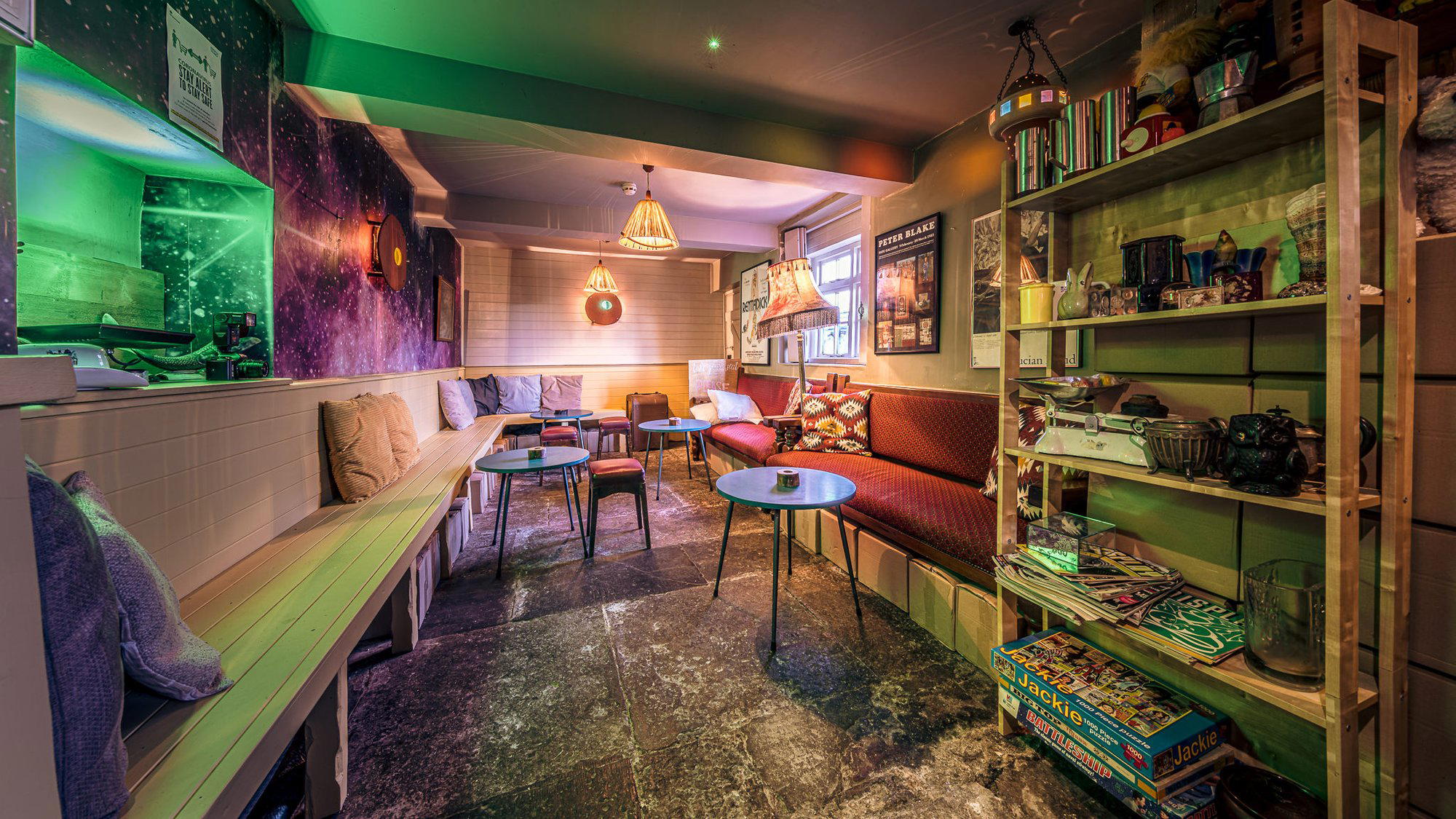
Wildly decorated with salvaged materials and reclaimed objects, featuring vaulted wooden beams, covered terraces packed with interesting people, and an energetic creative atmosphere blending art gallery and social hub.