The Pony Chew Valley




Michelin Plate · SquareMeal UK Top 100 Restaurants #44 · We're Smart World 1 Radish
Our verdict
A Michelin Plate-recognised former pub in the Chew Valley, The Pony has been substantially transformed into a multi-room restaurant with a kitchen garden, orangery dining room, and cookery school. The menu follows the seasons closely, drawing on home-grown produce and carefully sourced British ingredients. The midweek set menu offers accessible pricing at the ££ level, with views across the valley from the glass-fronted garden room.

Pearl is the En Primeur Club membership app — saves, bookings, and concierge access live there. Same editors, same standards.
- Address
- Moorledge Road, Newtown, Chew Magna, Bristol BS40 8TQ, United Kingdom
- Phone
- +44 1275 332627
- Hours
- Mon–Tue ClosedWed–Thu 12–8 PMFri–Sat 12–8:30 PMSun 12–4 PM
- Website
- theponychewvalley.co.uk
- Directions
- Get directions
- Booking
- Book on ResDiary
The menu
What to order
- Roasted Heritage Carrots with Marmite Butter
- Pony Garden Salad
Where the Kitchen Garden Sets the Agenda
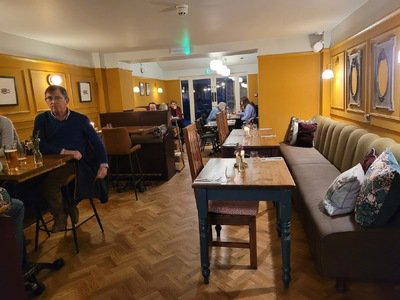
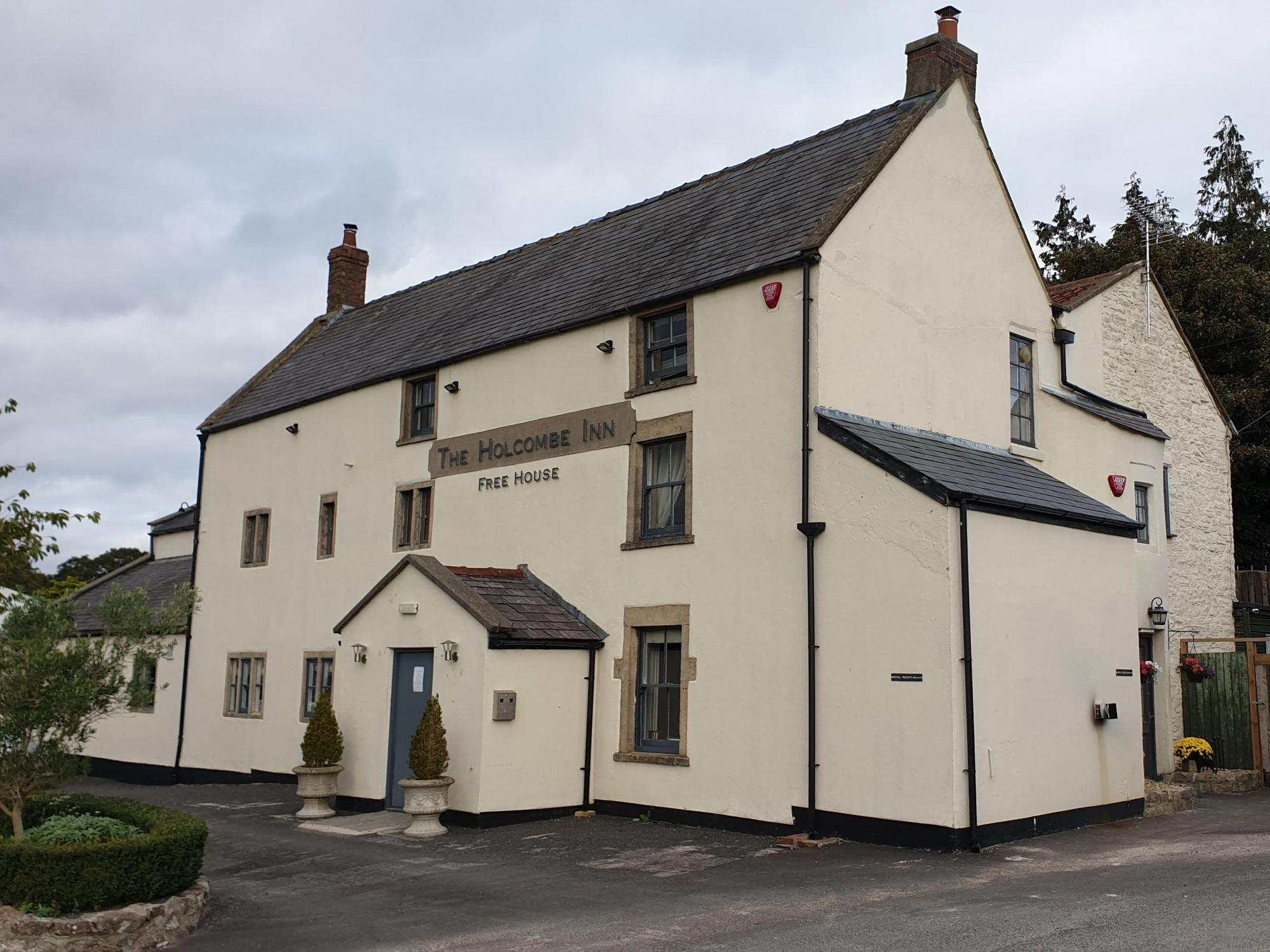
The road into Chew Magna from Bristol drops through farmland before the Chew Valley opens into the kind of low, wide countryside that makes you recalibrate your pace before you've even parked. The Pony, on Moorledge Road in Newtown, arrives in that context as a significantly transformed former pub, its original footprint now extended to include a high-ceilinged, glass-fronted garden room, an outdoor terrace, and a working kitchen garden whose output shapes the menu in a direct, non-decorative way. On a clear afternoon, the views over the valley from the orangery dining room function as an argument in themselves for securing a table outside the weekend rush.
The conversion from local pub to serious restaurant is a pattern that has played out across rural England over the past decade, producing a spectrum that runs from perfunctory gastro-pub to genuinely committed kitchen operation. The Pony sits at the committed end of that spectrum. The extended refurbishment added event space and a cookery school, which signals an investment in food culture beyond the dining room itself, but the core proposition remains what happens on the plate.
The Source Before the Dish
Across British regional cooking, the shift toward on-site growing has moved from marketing gesture to genuine kitchen discipline. At The Pony, the kitchen garden functions as the first point of reference rather than a garnish operation: home-grown herbs and vegetables appear across the menu, and the produce calendar sets the rhythm of what gets cooked. The 'Pony Garden Salad' is offered as a supplementary course at dinner, a deliberate signal that the garden is treated as a source of ideas rather than a side note.
Head chef Jim Day, who trained at Casamia in Bristol before taking over here, operates within a cooking tradition that prizes precision and restraint. Casamia occupied a distinctive position in British dining as a restaurant that combined technical rigour with a strong sense of regional identity, and that influence is legible in how The Pony approaches the combination of estate-grown produce and sourced British ingredients. Early summer brings asparagus alongside wild garlic emulsion and crispy egg yolk; whole wild sea bass arrives as a sharing option paired with sauce vierge and Jersey Royals. These are dishes built around the logic of what is ready rather than what is fashionable.
The wider sourcing philosophy extends to the drinks list, where real ales, ciders, and artisan soft drinks are drawn predominantly from local producers, and the wine selection focuses on European bottles at pricing that doesn't punish the mid-week visitor. Westcombe charcuterie and Cantabrian anchovies appear among the bar snacks, which positions the bar menu as something worth arriving early for rather than an afterthought.
A Michelin Plate in a Somerset Valley
The Pony has held a Michelin Plate in both 2024 and 2025, a recognition that sits below a star but above mere listing, indicating cooking that Michelin's inspectors consider worthy of note. In the context of the broader South West, that places it in a different tier from the destination restaurants that draw visitors from London on reputation alone. Properties like Gidleigh Park in Chagford or the multi-starred rooms such as L'Enclume in Cartmel and Moor Hall in Aughton operate at a price point and expectation level that requires a different kind of commitment from the diner. The Pony's Michelin Plate, at the ££ price range, positions it as the kind of place where technically considered food remains accessible without the ceremonial weight that surrounds the higher-starred rooms in the UK. For comparison, the ££££-tier addresses in British fine dining, from The Ledbury in London to Le Manoir aux Quat' Saisons in Great Milton, demand a different kind of planning and budget entirely.
Hide and Fox in Saltwood and The Hand and Flowers in Marlow represent a broader category of regional British restaurants where the cooking punches beyond the price point, and where the setting is part of the value proposition in a way that urban rooms cannot replicate.
How to Plan Your Visit
The Pony's ££ pricing makes the midweek set menu a sound entry point for first-time visitors, offering the kitchen's full seasonal range without the spend that the à la carte weekend service implies. The Sunday roast is a separate consideration, drawing from the same philosophy of British sourcing but in a more traditional format that suits the rural Somerset setting.
For those combining a visit to The Pony with a broader exploration of the area, Chew Magna sits close enough to Bristol to function as a half-day trip, but the setting makes a case for arriving earlier and spending time around the valley before sitting down. The cookery school on-site is bookable separately from the restaurant and represents an extension of the same ingredient-led approach into a more participatory format.
The glass-fronted garden room and the outdoor terrace are the seats to request when booking, particularly in spring and summer when the kitchen garden and the valley views are both operating at their most legible. In the bar area, the selection of local ales, ciders, and the short charcuterie menu make for a complete early evening before moving to the dining room.
For a fuller picture of what the area offers beyond a single meal, see our full Chew Magna restaurants guide, our Chew Magna hotels guide, our Chew Magna bars guide, our Chew Magna experiences guide, and our Chew Magna wineries guide. For those planning a wider circuit of British regional cooking that holds Michelin recognition at the ££ to £££ tier, Midsummer House in Cambridge and Opheem in Birmingham represent comparable investments at different points on the map. For international context on what garden-led, produce-first modern cuisine looks like at its most technically ambitious, Frantzén in Stockholm and FZN by Björn Frantzén in Dubai illustrate the ceiling of the category.
Frequently asked questions
Is The Pony Chew Valley good for families?
The venue's layout supports varied group sizes, with a large glass-fronted garden room, outdoor terrace, and bar area serving pub classics and snacks alongside the main menu. The ££ price range keeps it accessible, and the midweek set menu reduces the outlay further. The kitchen garden grounds and cookery school add a practical draw for visitors with older children or those combining a meal with an activity.
What's the overall feel of The Pony Chew Valley?
The Pony operates as a restaurant-led destination that still carries the social ease of its pub origins. The high-ceilinged orangery and terrace face across the Chew Valley, while the interior retains enough informality for a bar snack or a real ale alongside the Michelin Plate cooking. It is a multi-room site with a cookery school and event space on the same grounds, so the scale reads more country dining destination than neighbourhood local.
What distinctions does The Pony Chew Valley have?
The Pony Chew Valley has received recognition including: Featuring stunning views over the eponymous valley, this aptly named former pub now operates more as a restaurant, with a lengthy refurbishment expanding its scope to include an orangery dining room and a cookery school. The menu uses the s….
What should I order at The Pony Chew Valley?
The kitchen's home-grown herbs and vegetables are central to the menu, so dishes that draw directly from the kitchen garden are where the cooking is most coherent. The 'Pony Garden Salad' is listed as an extra course at dinner and worth requesting. For casual visits, the bar snacks — Westcombe charcuterie and Cantabrian anchovies among them — reflect the same sourcing discipline at a lower spend. The midweek set menu is the structured way to see what the season is producing.
In Context: Similar Options
| Venue | Cuisine | Price | Awards |
|---|---|---|---|
| The Pony Chew ValleyThis venue — the venue you are viewing | Modern British Gastropub | $50–100 | Michelin Plate · SquareMeal UK Top 100 Restaurants #44 |
| The Ledbury | Modern European, Modern Cuisine | Not listed | Michelin 3 Star |
| Sketch, The Lecture Room and Library | Modern French | Not listed | Michelin 3 Star |
| CORE by Clare Smyth | Modern British | Not listed | Michelin 3 Star |
| Restaurant Gordon Ramsay | Contemporary European, French | Not listed | Michelin 3 Star |
| Dinner by Heston Blumenthal | Modern British, Traditional British | Not listed | Michelin 2 Star |
Recognition history
Dated appearances from independent guides and award organizations, with the underlying list record or original source where available.
Michelin Plate
Michelin
SquareMeal UK Top 100 Restaurants #44
SquareMeal
The Good Food Guide GFG Good
The Good Food Guide
We're Smart World 1 Radish
We're Smart World
Full recognition history (6 entries)
Michelin Plate
Michelin
Michelin Plate
Michelin
Continue exploring
More in Chew Magna
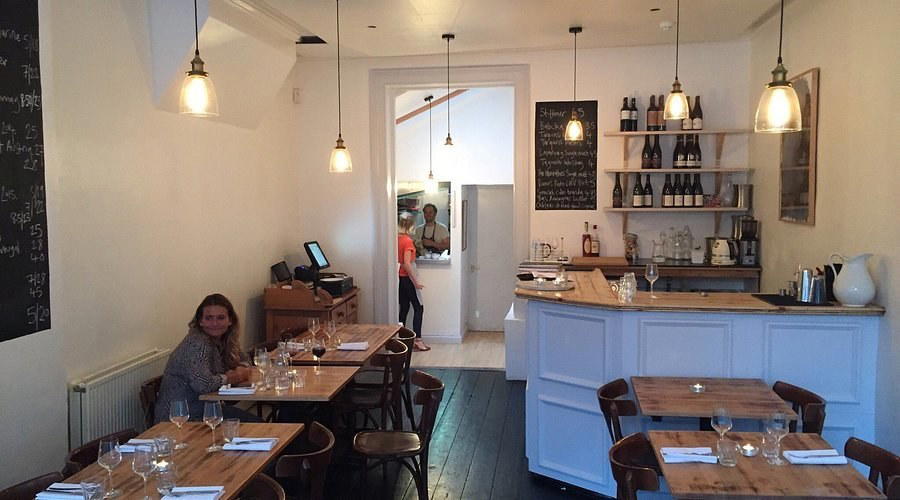
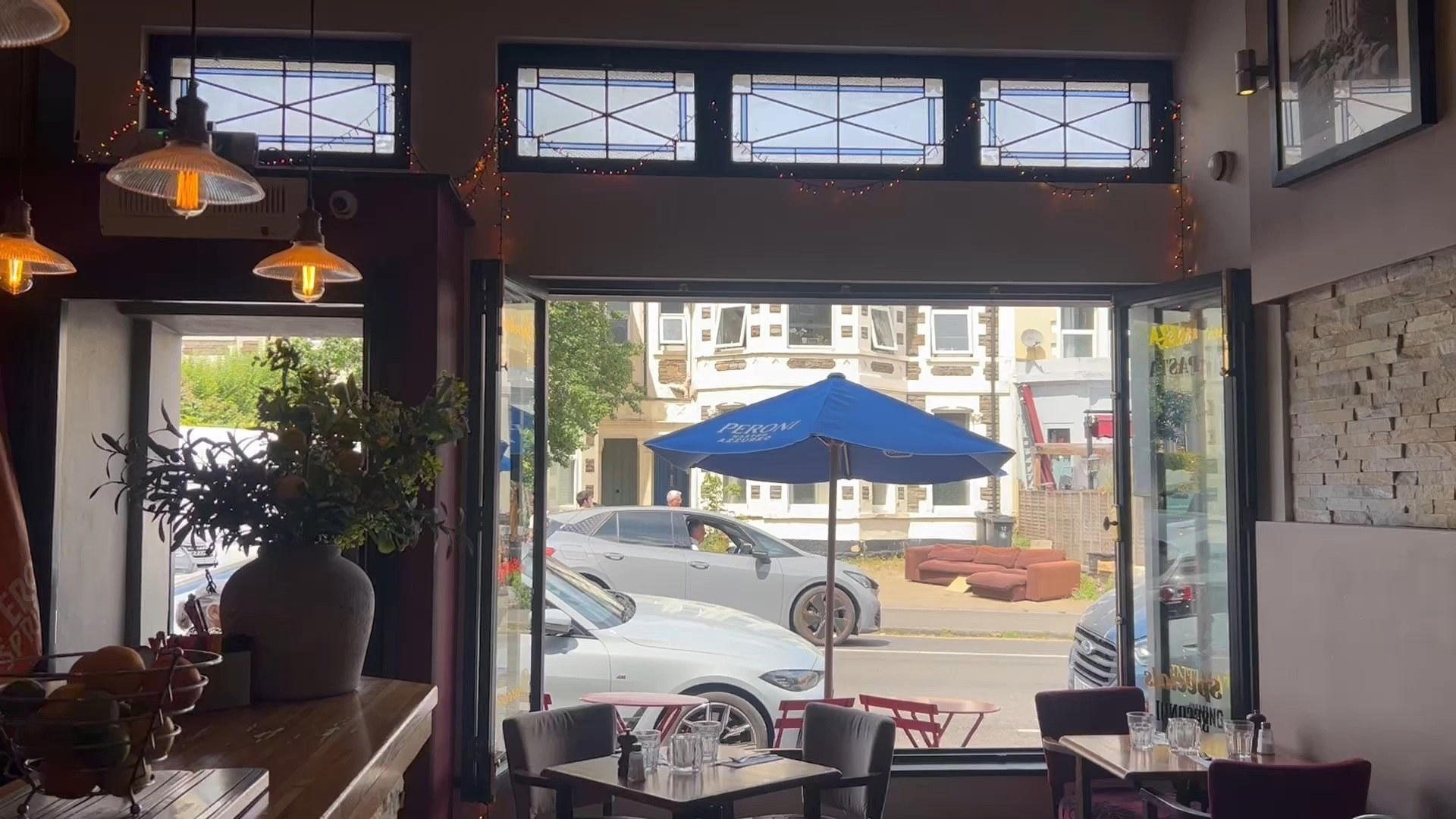
Restaurants in Chew Magna
Browse all →
Bars in Chew Magna
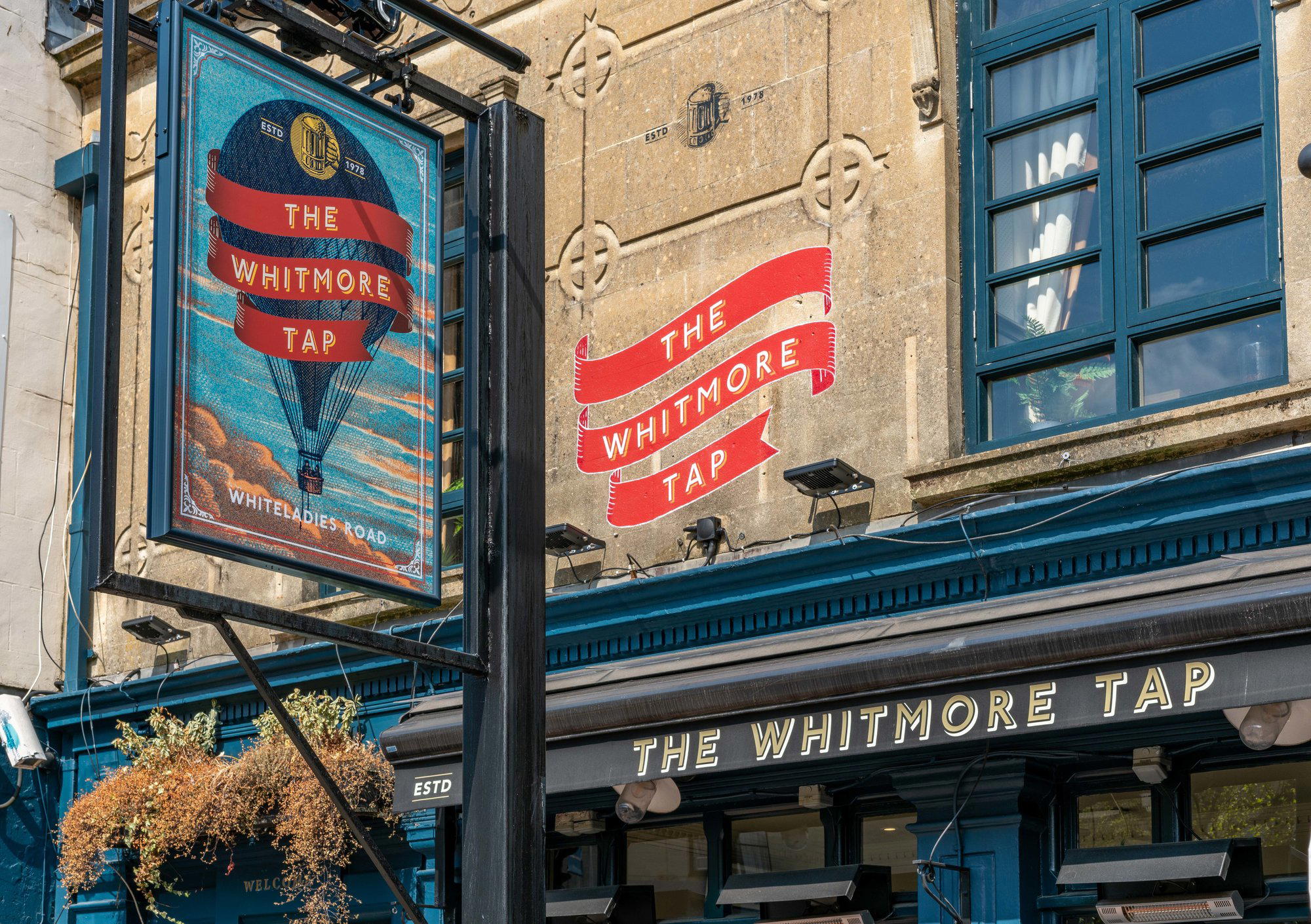
Browse all →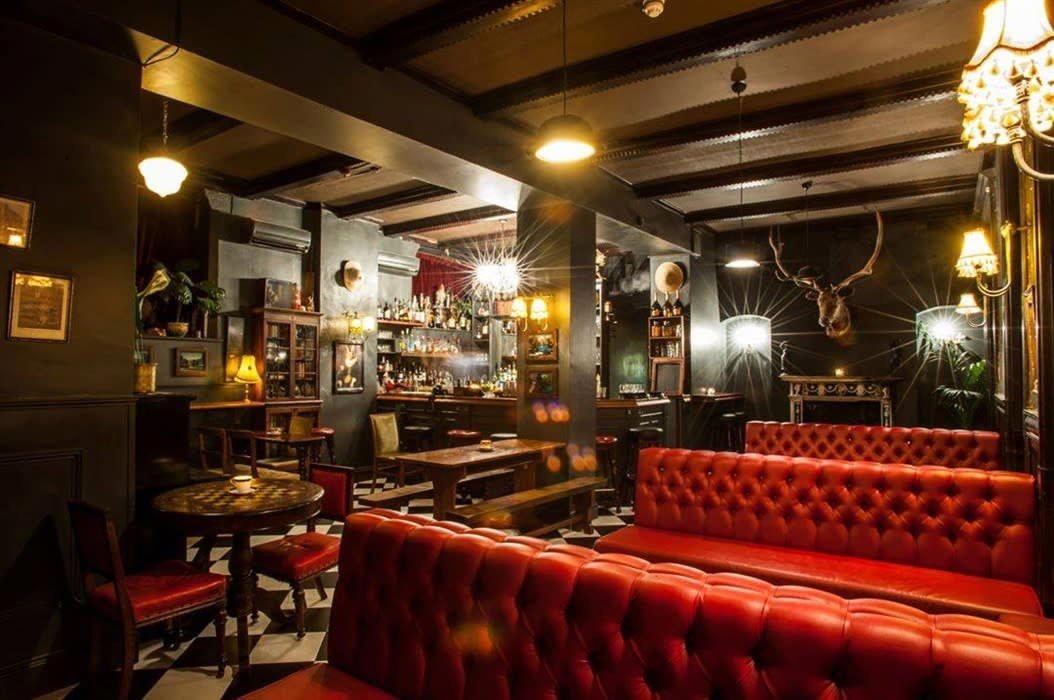
Details
- Rustic
- Cozy
- Scenic
- Elegant
- Special Occasion
- Date Night
- Group Dining
- Celebration
- Garden
- Open Kitchen
- Historic Building
- Craft Cocktails
- Farm To Table
- Local Sourcing
- Garden
- Mountain
- A La Carte
- Set Menu
Current opening hours
- Monday
- Closed
- Tuesday
- Closed
- Wednesday
- 12–8 PM
- Thursday
- 12–8 PM
- Friday
- 12–8:30 PM
- Saturday
- 12–8:30 PM
- Sunday
- 12–4 PM
Hours can change for holidays and private events. Last verified .
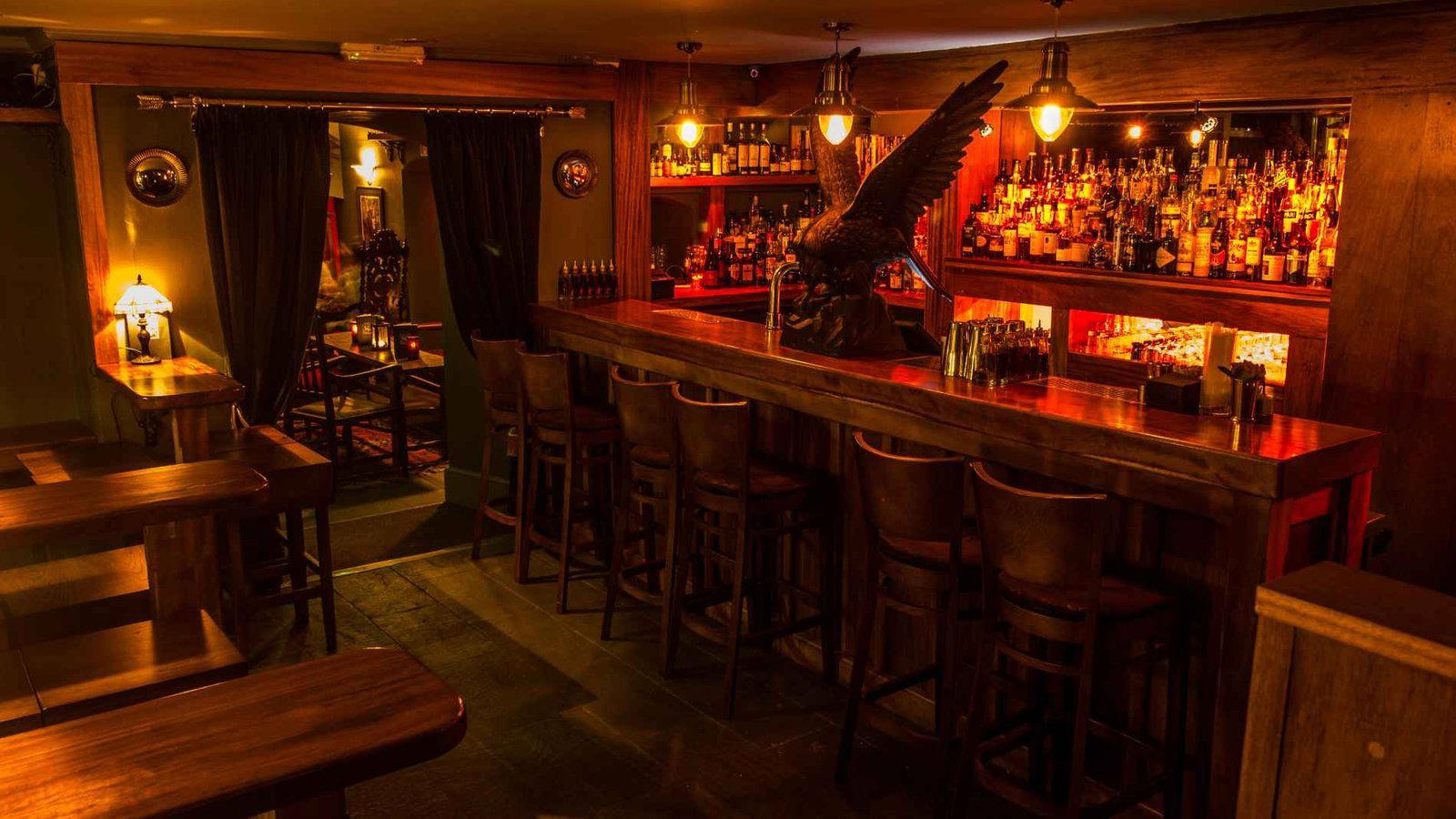
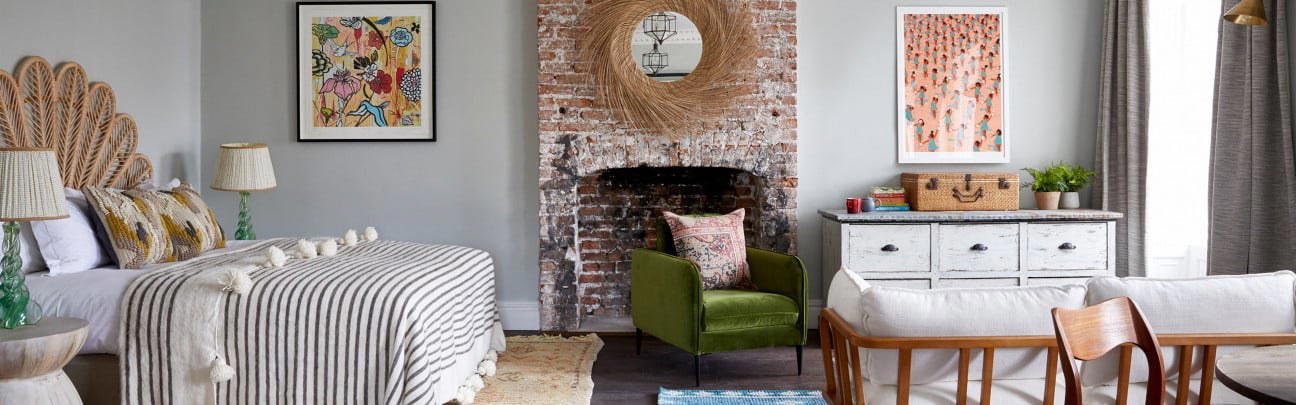
Relaxed rustic country charm with exposed brick, sage-green panelling, contemporary lighting, Persian rugs, and glass-fronted orangery overlooking gardens and hills.