At 14 Rue de Thann in Paris's 17th arrondissement, Romi de Luca occupies a corner of the city where neighbourhood dining still operates outside the Michelin-driven circuit. The address sits among the quieter residential streets north of Monceau, positioning it as a local alternative to the grand-dining institutions that define Paris's international reputation. Practical details remain limited in public records, making direct contact with the restaurant advisable before visiting.
- Address
- 14 Rue de Thann, 75017 Paris, France
- Phone
- +33142272543
- Website
- delucaparis.com
- Directions
- Get directions
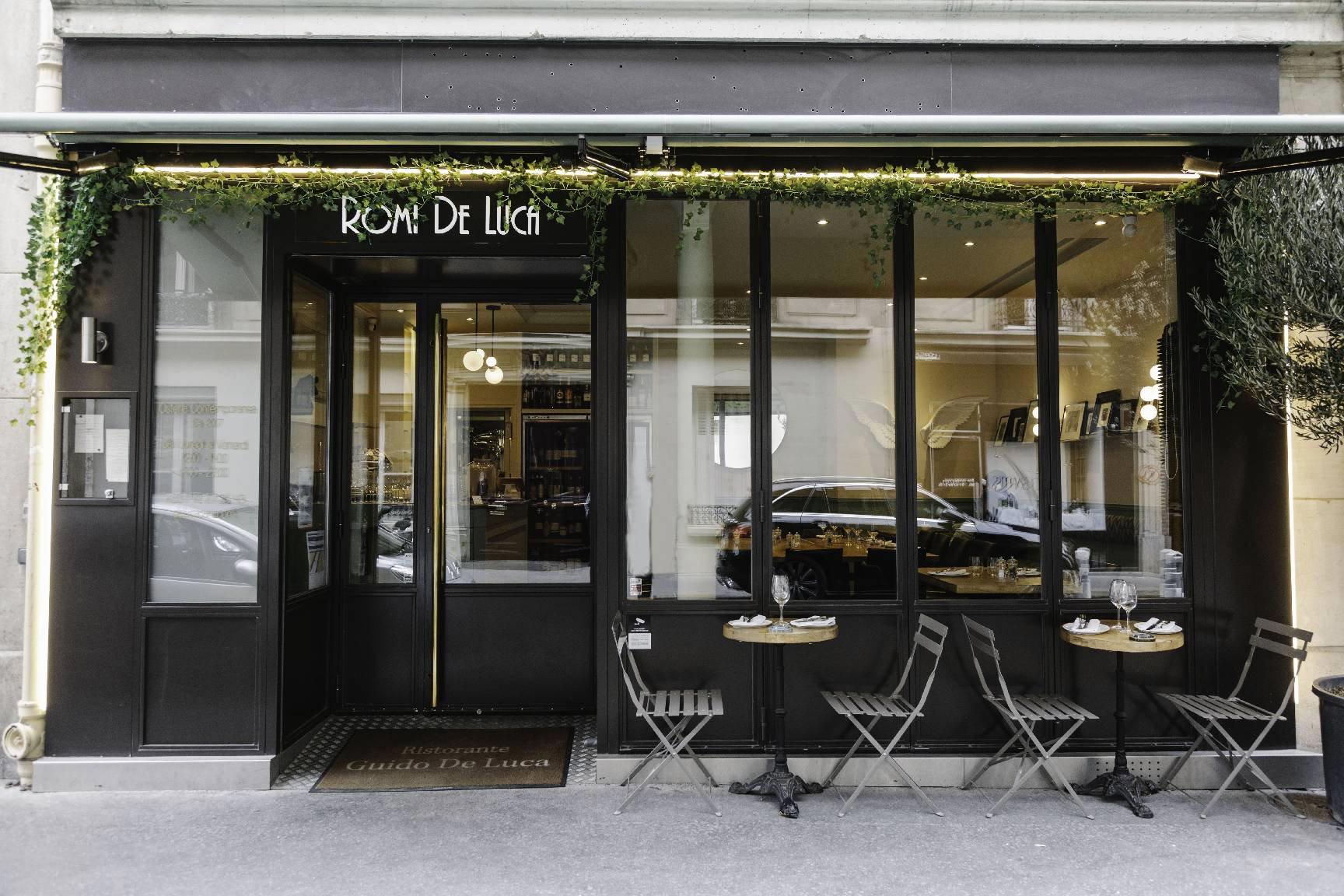
The 17th Arrondissement and the Parallel Universe of Neighbourhood Dining
Paris has two distinct restaurant economies running simultaneously. One is the internationally legible circuit: the multi-starred rooms on the Left Bank and around the 8th, the tasting-menu formats that attract travelling diners from Tokyo to New York, the addresses that appear on the same shortlists as Alléno Paris au Pavillon Ledoyen and Arpège. The other economy is quieter, more address-specific, and largely invisible to visitors who spend fewer than two weeks in the city. The 17th arrondissement — particularly its northern residential pocket around Rue de Thann — belongs firmly to the second category.
Romi de Luca, at 14 Rue de Thann, operates in that second economy. The street sits between the Parc Monceau basin and the working-class density of the Batignolles quarter, a zone that has historically supported a particular type of Paris restaurant: one with a loyal catchment of local regulars, a menu that does not require footnotes, and a format that does not depend on destination-dining tourism. Understanding what Romi de Luca is requires understanding what that neighbourhood asks of its restaurants.
What the Address Says About the Format
French neighbourhood dining in the upper-residential arrondissements follows a grammar that differs substantially from the grand-cuisine tradition documented at institutions like L'Ambroisie in the Marais or Le Cinq at the Four Seasons George V. Those rooms are built around ceremony, extended service, and a kitchen apparatus scaled for complexity. A restaurant on Rue de Thann, by contrast, earns its position through consistency, value relative to its immediate neighbours, and the ability to absorb the rhythms of a local clientele across lunch and dinner services week after week.
This is not a lesser ambition. Particularly technically demanding cooking in France happens in restaurants with no stars and no press following, restaurants whose reputation lives entirely within a postal code. The regional French tradition has always maintained this parallel track: for every Flocons de Sel in Megève or Mirazur in Menton, there are dozens of rooms cooking at a serious level for audiences who will never appear in a guide.
The Cultural Roots of the Bistrot Format
The bistrot and neighbourhood restaurant tradition in Paris carries a specific cultural weight that the grand-dining narrative tends to obscure. It is, in many respects, the older and more continuous form. The lineage that runs through Troisgros, Auberge de l'Ill, and Paul Bocuse represents one branch of French culinary identity, the branch that travels internationally and generates awards. But the branch represented by the neighbourhood address, the handwritten daily menu, the proprietor who knows a significant portion of the room by name, is equally constitutive of what French dining culture actually is in practice.
Restaurants like Bras in Laguiole and AM par Alexandre Mazzia in Marseille have found ways to operate at the intersection of these two traditions, serious ambition, local rootedness. The neighbourhood restaurant in the 17th has less visibility but no less cultural legitimacy.
Its relevant comparators are other neighbourhood restaurants in the 17th, not the €€€€ tasting-menu circuit that includes Kei or Assiette Champenoise in Reims, and not the regional French flagships like Au Crocodile in Strasbourg or Auberge du Vieux Puits in Fontjoncouse.
The name itself, Romi de Luca, suggests a possible Italian or Mediterranean inflection, though this cannot be confirmed from available records. If that reading is correct, the restaurant would sit within a Paris sub-category of Italian-influenced neighbourhood tables that has grown steadily over the past decade, as Roman and Neapolitan cooking traditions have taken hold in the city's residential arrondissements with increasing seriousness. That trajectory has parallels internationally: Le Bernardin in New York shaped a generation of French-influenced seafood cooking far from France, while Atomix in New York demonstrates how cuisine can carry deep cultural specificity in a context far from its origin.
Logistics and Planning Notes
| Factor | Romi de Luca | Starred Paris Peers | Neighbourhood Bistrot Tier |
|---|---|---|---|
| Booking lead time | Typically 4–12 weeks | Often 1–7 days or walk-in | |
| Price range | Not publicly confirmed | €€€€ | €–€€€ |
| Format | Not publicly confirmed | Tasting menus, multi-course | À la carte, daily specials |
| Location character | Residential 17th, Rue de Thann | 8th, 7th, central tourist zones | Distributed across arrondissements |
The nearest Metro access to Rue de Thann is via Malesherbes (Line 3) or Wagram (Line 3), both within a short walk. The 17th is not a neighbourhood that generates significant foot-traffic dining tourism, which means that restaurants here are typically found through local recommendation or direct search rather than through international guides. For broader context on dining in the city, see our full Paris restaurants guide.
What to Know Before You Go
Public records for the restaurant do not currently include confirmed hours, a booking method, website, or phone number. Before making a trip specifically for this address, direct on-the-ground verification is advisable, either by visiting the restaurant in person or through local concierge services with confirmed current information. The address at 14 Rue de Thann is confirmed; operational details beyond the address should be treated as unverified until confirmed directly.
Category Peers
| Venue | Cuisine | Price | Awards |
|---|---|---|---|
| ROMI DE LUCAThis venue — the venue you are viewing | This venue | Not listed | Not listed |
| Alléno Paris au Pavillon Ledoyen | Creative | €€€€ | Michelin 3 Star |
| Kei | Contemporary French, Modern Cuisine | €€€€ | Michelin 3 Star |
| L'Ambroisie | French, Classic Cuisine | €€€€ | Michelin 3 Star |
| Le Cinq - Four Seasons Hôtel George V | French, Modern Cuisine | €€€€ | Michelin 3 Star |
| Pierre Gagnaire | French, Creative | €€€€ | Michelin 3 Star |
Continue exploring
More in Paris
Restaurants in Paris
Browse all →
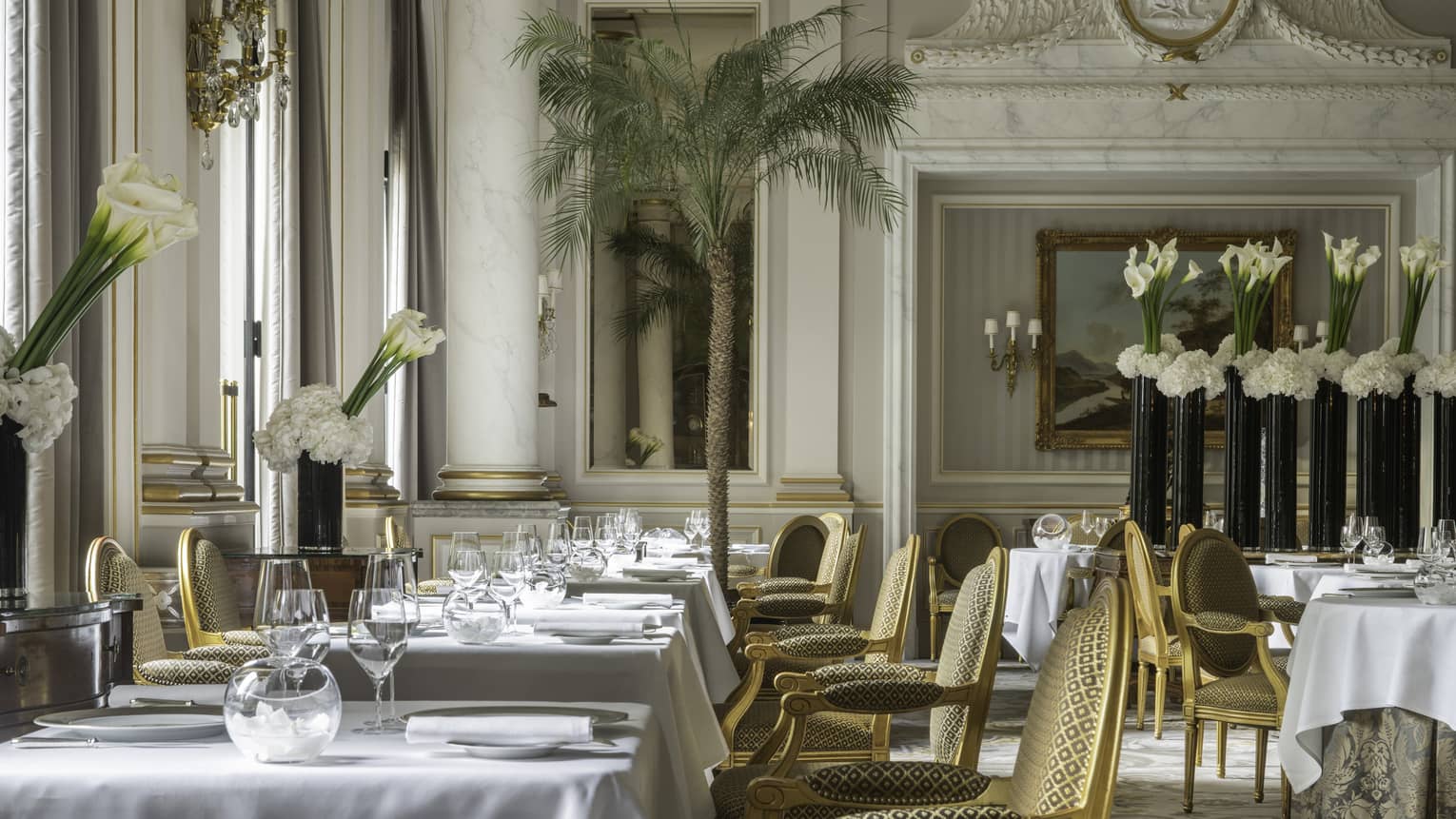
Bars in Paris
Browse all →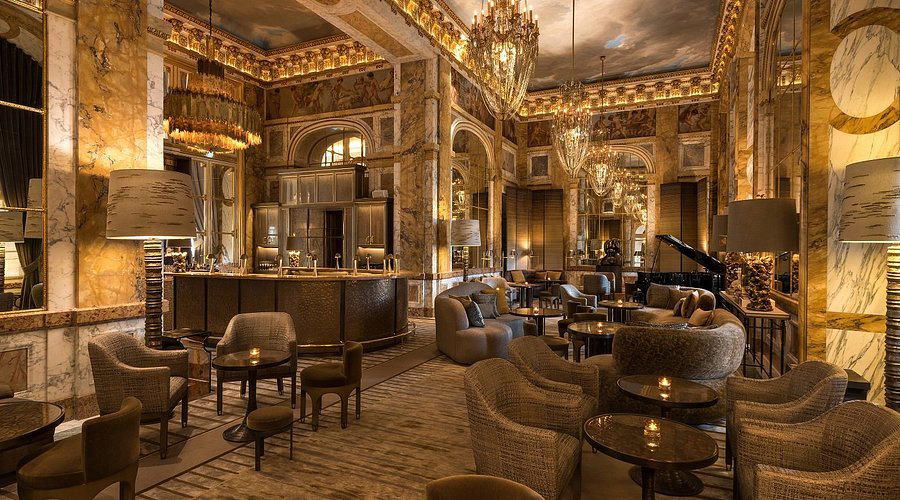
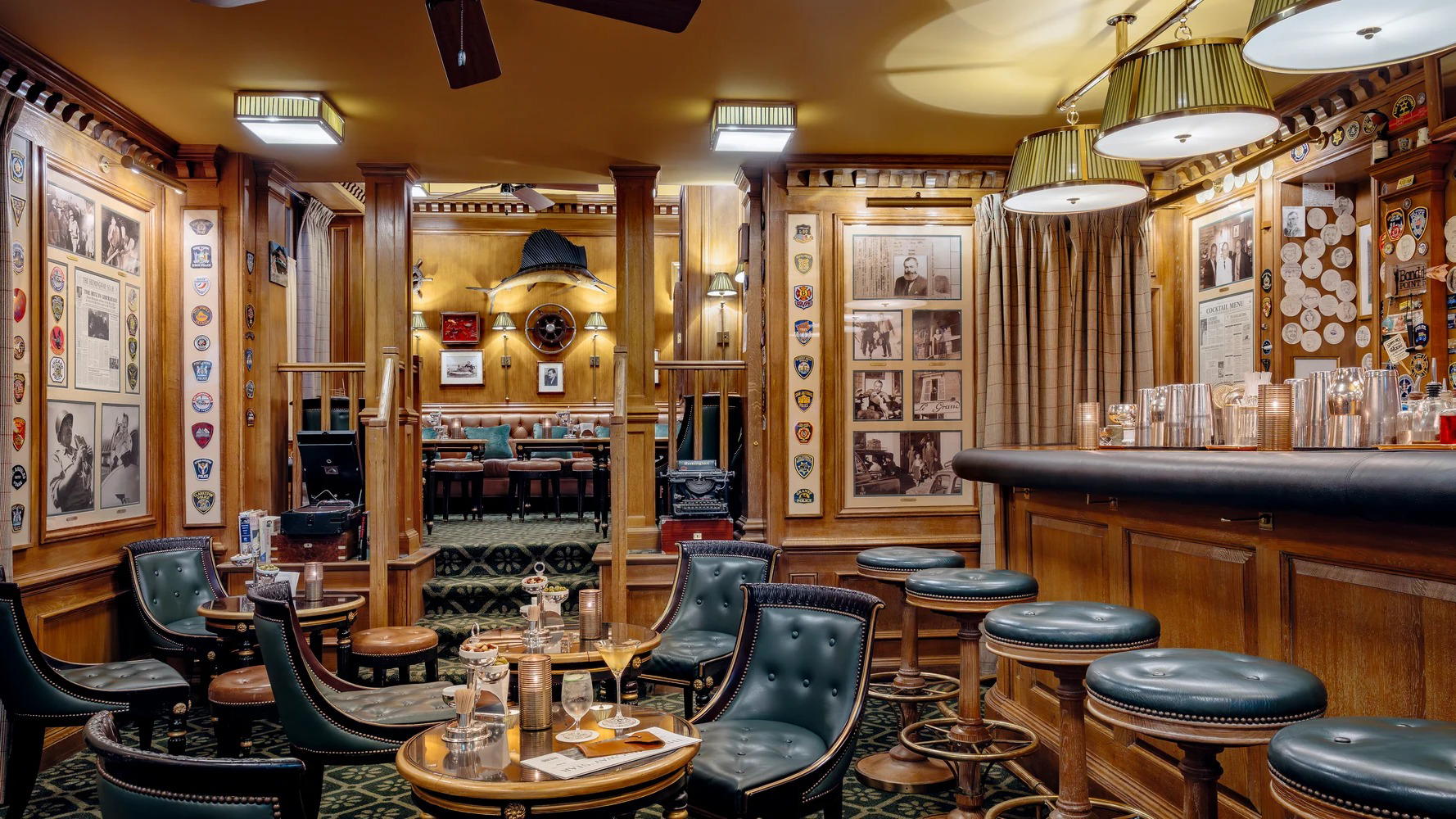
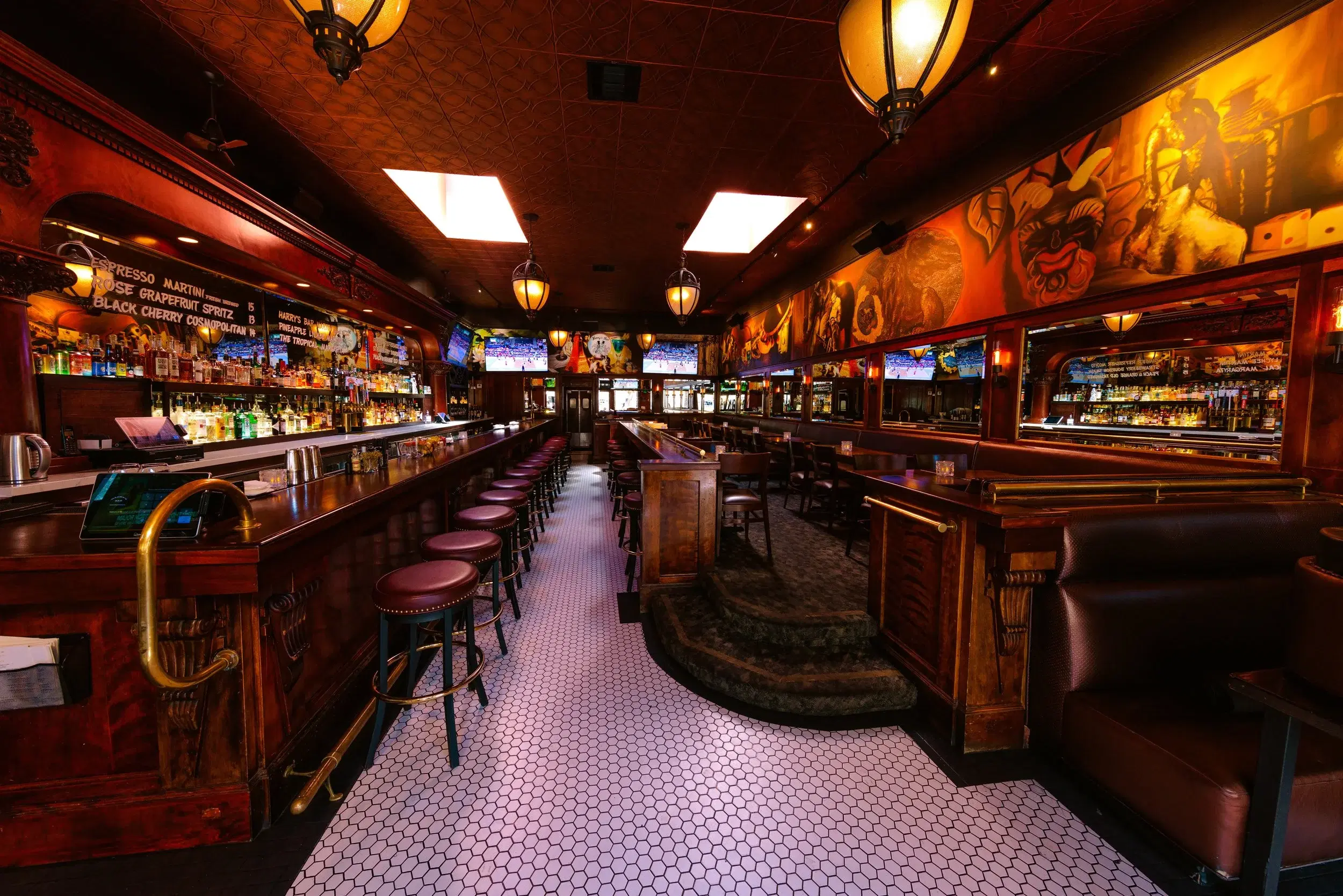
Hotels in Paris
Browse all →
At a Glance
- Classic
- Elegant
- Intimate
- Date Night
- Business Dinner
- Group Dining
- Casual Hangout
- Standalone
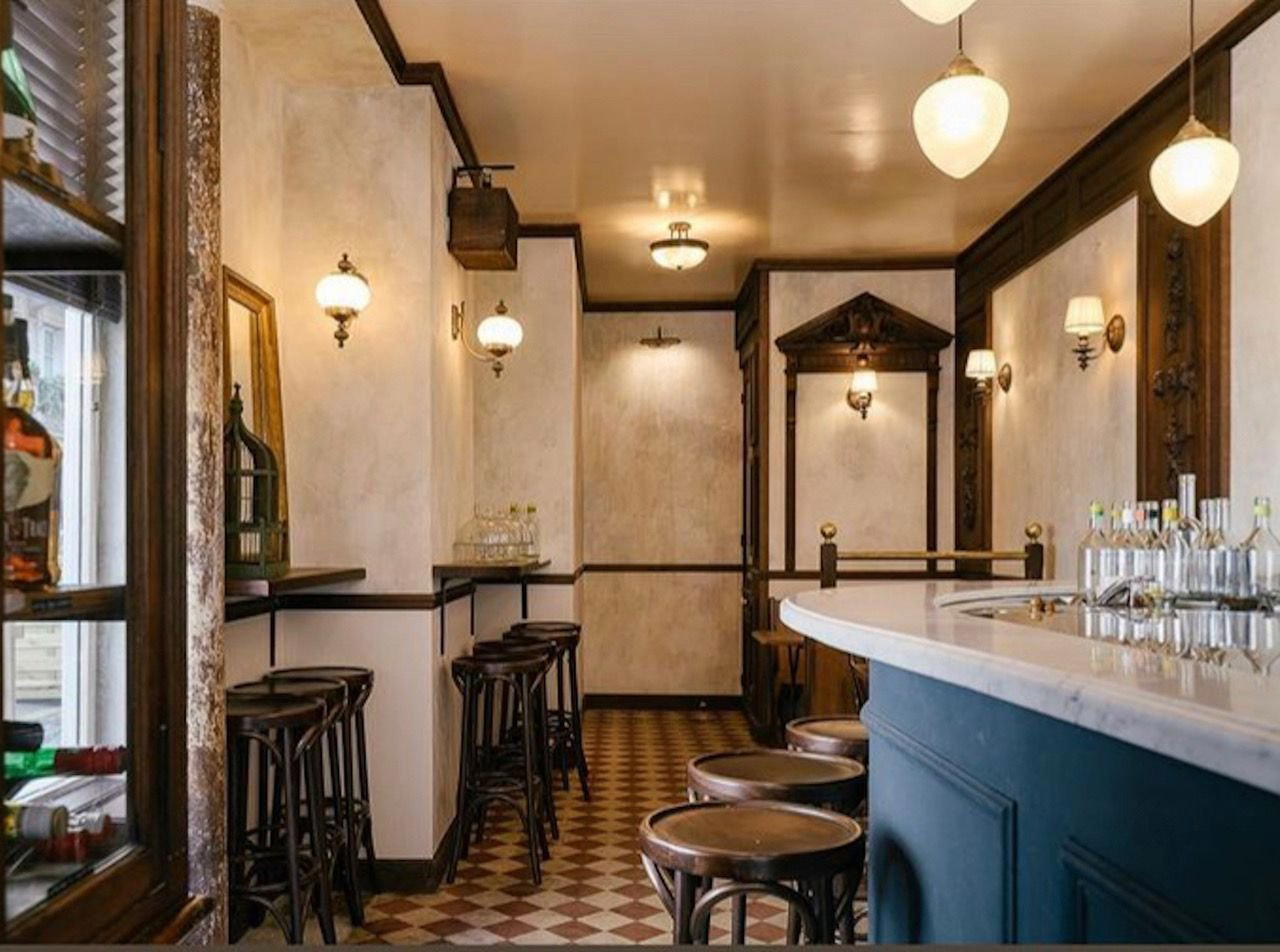
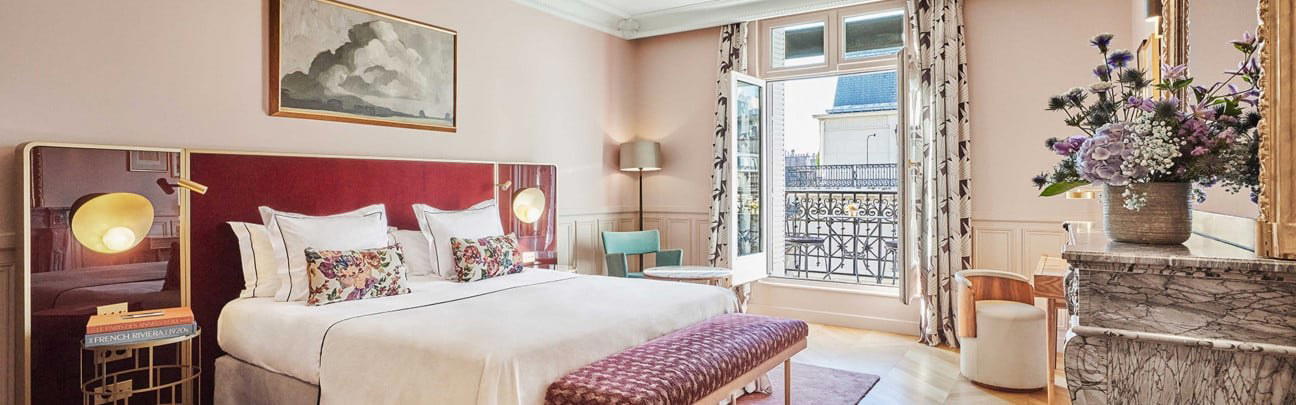
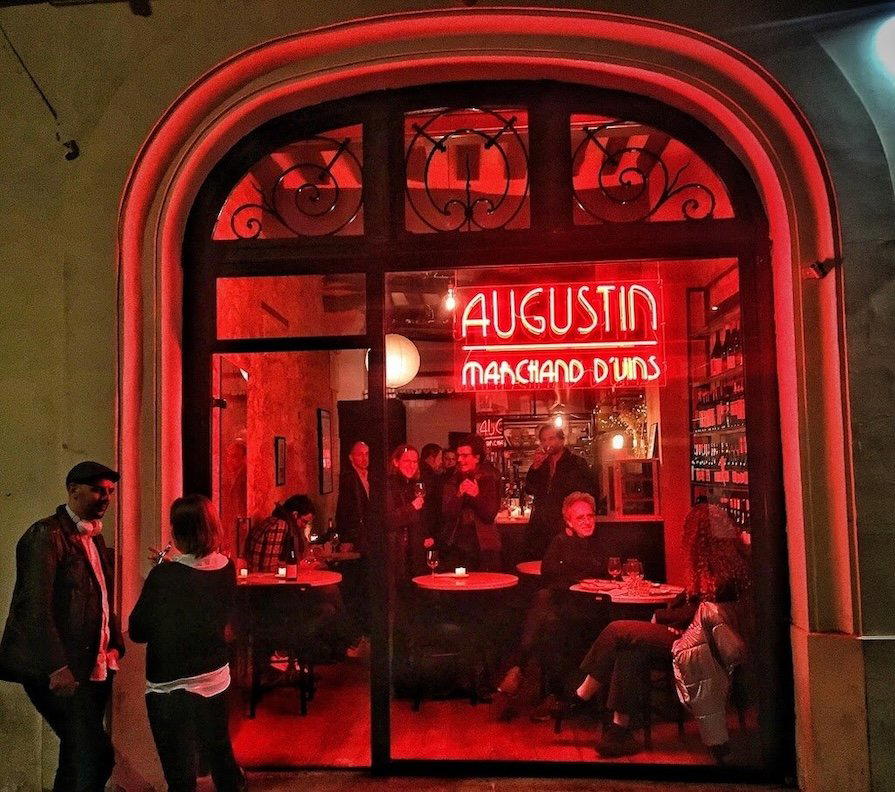
Charming and sophisticated Italian trattoria atmosphere with warm lighting and classic European décor.