
Macarfi 8 Food Rating
Our verdict
Rokuseki sits on Rúa do Canceleiro in Vigo's Santiago neighbourhood, bringing Japanese dining sensibility to a city whose food identity is built around Atlantic seafood. Vigo's position as one of Europe's largest fishing ports gives any Japan-inflected kitchen here access to raw material that few Japanese restaurants elsewhere can match. For visitors working through Galicia's dining scene, Rokuseki represents a point of cultural intersection worth understanding on its own terms.

Pearl is the En Primeur Club membership app — saves, bookings, and concierge access live there. Same editors, same standards.
- Address
- Rúa do Canceleiro, 24, bajo, Santiago de Vigo, 36201 Vigo, Pontevedra, Spain
- Hours
- Mon–Wed ClosedThu–Sun 1–3:15 PM, 8–10:15 PM
- Website
- rokuseki.es
- Directions
- Get directions
- Booking
- Book on the venue's website
Where the Atlantic Meets Japanese Precision
Vigo is not a city that needs to borrow culinary credibility from elsewhere. As the largest fishing port in the European Union by volume, it sits at the source of the Atlantic seafood supply chain that feeds restaurants across the continent, from the tasting menus at Aponiente in El Puerto de Santa María to the fish courses at El Celler de Can Roca in Girona. The city's restaurant culture reflects that abundance: Galician octopus, barnacles, turbot, and razor clams move through kitchens with the confidence of a region that has never needed to import its identity.
Against that backdrop, a Japanese-inflected address on Rúa do Canceleiro carries a particular logic. Japanese cuisine, especially in its raw-fish and precision-cutting traditions, is among the few global cooking cultures that approaches Atlantic seafood with comparable reverence. The intersection is not fusion for its own sake; it is two serious fishing traditions finding common ground. Rokuseki sits at that address, at number 24, bajo, in the Santiago de Vigo neighbourhood, occupying a ground-floor space in a part of the city that sits between the old town's tourist pulse and the more residential streets further inland.
The Cultural Argument for Japanese Dining in Galicia
Spain's relationship with Japanese cuisine has matured considerably over the past two decades. Madrid's Japanese restaurant count expanded through the 2010s, and Barcelona's Eixample now holds a cluster of credible Japanese addresses. But the more interesting development is what has happened at the port-city level, where proximity to genuinely exceptional raw fish changes the terms of what a Japanese kitchen can do.
In that sense, Vigo is structurally better positioned than either capital for a restaurant built around the Japanese principle of letting ingredient quality carry the work. The fish arriving at Vigo's Mercado da Pedra and the central market is not transported product; it is local-catch material from the Rías Baixas and the open Atlantic, often arriving within hours of landing. Japanese cuisine's core tenet, that the cook's primary responsibility is to the ingredient rather than to the technique applied to it, finds unusual support in a city where that ingredient is this good.
This is the context that makes a restaurant like Rokuseki worth examining not merely as a standalone curiosity but as a marker of how Vigo's dining scene is broadening its register. The city already has strong representation in contemporary Spanish cooking through addresses like Silabario and Enxebre, both working in the contemporary Galician mode, and in traditional cuisine through Casa Marco. The addition of a Japanese address completes a different register, one that international visitors to the region will recognise as a sign of a maturing city dining scene rather than a novelty.
Rúa do Canceleiro and the Santiago de Vigo Setting
The Santiago de Vigo neighbourhood is one of the city's older quarters, sitting below the castle hill and adjacent to the old town. Its streets are a mix of narrow residential blocks and small commercial premises, and it attracts a local rather than tourist-driven clientele for most of the week. A ground-floor restaurant space here, at street level on Canceleiro, would typically be a compact room, consistent with the Spanish convention of small dining rooms in older city-centre buildings.
That physical setting matters because it shapes expectations. This is not a large-format Japanese restaurant in the mould of the Spanish capital's bigger operations; it is more likely a focused, counter-or-table room of limited capacity. In Japanese dining culture globally, smaller rooms with limited covers are associated with higher attention to each plate and more direct communication between kitchen and table, a model that has driven the most talked-about Japanese addresses in New York (see Atomix) and in the starred kitchens of Spain's Basque Country, where precision-led formats have long commanded the highest critical attention.
Where Rokuseki Sits in Vigo's Price Tier
Vigo's restaurant market spans a clear range. Traditional Galician cooking at houses like Casa Marco operates in the €€ bracket, accessible and generous in portion logic. Contemporary and grill-focused addresses such as Alberte and Silabario move into the €€€ tier. Japanese cuisine in Spain's port cities has historically priced in the mid-range, closer to the €€ bracket when the format is casual, rising toward €€€ when the kitchen is working in a more composed, coursed direction.
Visitors planning a full Vigo dining itinerary should position Rokuseki alongside Detapaencepa as a contemporary-register option distinct from the traditional Galician anchors, and should check current pricing and format directly before visiting.
Spain's Fine Dining Context and What It Implies
Spain's leading dining tier is one of the most competitive in the world. The concentration of Michelin-starred restaurants in the Basque Country alone, including Arzak, Azurmendi, and Martin Berasategui, has created a national culture in which technical ambition is taken seriously even in mid-sized cities. Galicia has its own version of this: the region's ingredient quality has long attracted serious kitchen talent, and Vigo's dining scene reflects a city that has more culinary ambition than its international profile might suggest.
The Japanese cooking tradition, as it has developed in Spain, sits adjacent to that ambition. Kitchens like DiverXO in Madrid, Mugaritz, and Ricard Camarena have each drawn on Japanese technique or philosophy at various points, though none is purely Japanese in format. The more direct Japanese tradition, working through sushi, kaiseki-adjacent menus, or precision small-plate formats, occupies a smaller niche in Spain but a growing one. A restaurant operating in that niche in Vigo, with access to Galician Atlantic product, is positioned at an intersection that the country's broader dining culture is only beginning to articulate.
For visitors building a deeper picture of Spain's restaurant geography, the full Vigo restaurants guide maps the city's dining range in detail. Those interested in the Atlantic seafood angle at the highest technical level should also consider Cocina Hermanos Torres in Barcelona for a contemporary Spanish counterpoint, or Le Bernardin in New York City for an international benchmark in how serious kitchen culture treats the same raw material.
Planning a Visit
Rokuseki is located at Rúa do Canceleiro, 24, bajo, in the Santiago de Vigo quarter, a neighbourhood most easily reached on foot from Vigo's old town or by taxi from the Vigo-Guixar rail station, which serves direct connections from Porto and Madrid. Given the likely small room size, booking ahead is the prudent approach rather than arriving without a reservation, particularly on weekend evenings when the city's restaurant demand is concentrated.
Frequently asked questions
Can I bring kids to Rokuseki?
Rokuseki is located at Rúa do Canceleiro 24 in Santiago de Vigo, a neighbourhood setting that tends to draw adult diners focused on the cooking.
What is the atmosphere like at Rokuseki?
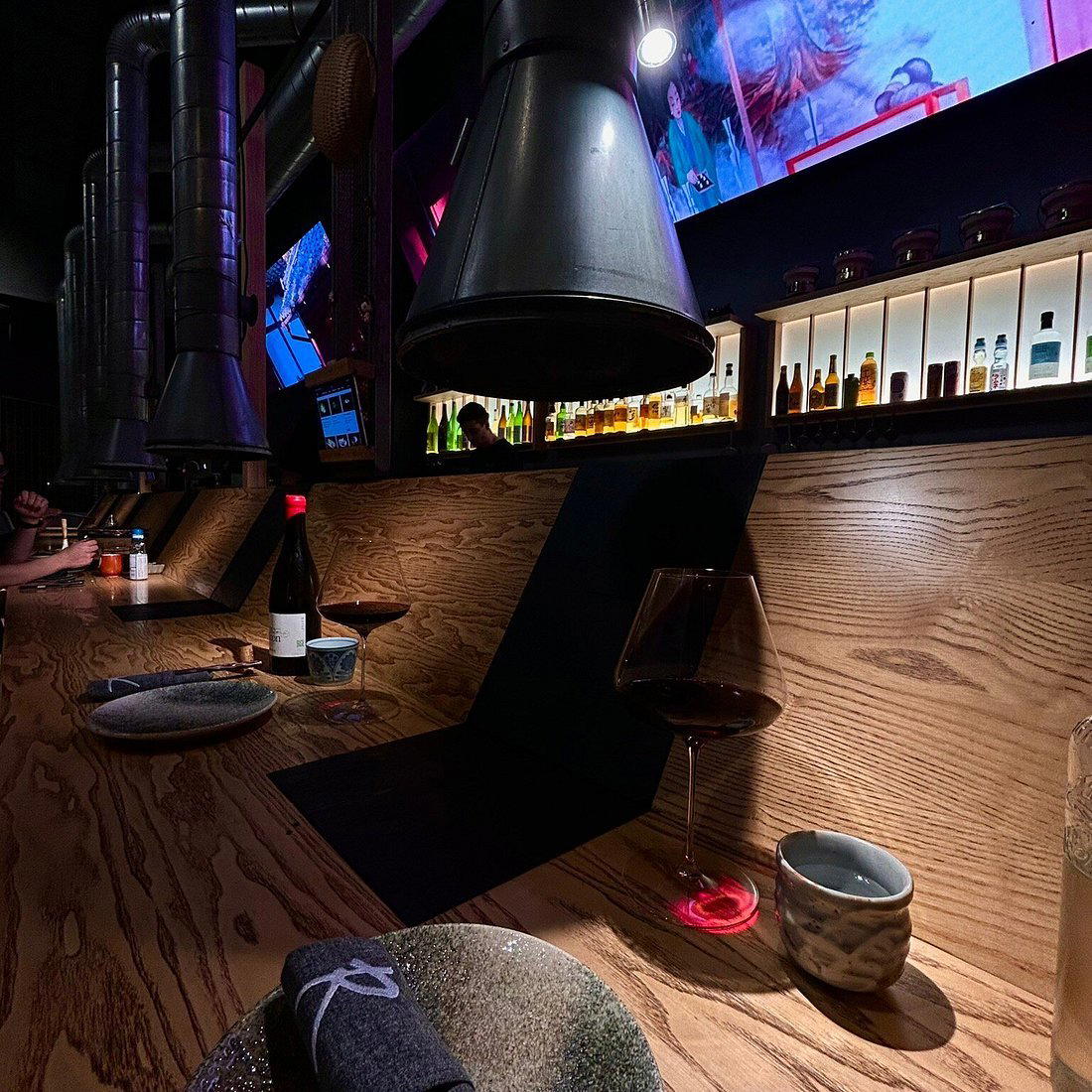
Rokuseki sits in Santiago de Vigo, one of the city's older quarters below the castle hill, which sets a low-key, neighbourhood tone rather than a formal hotel-dining register. The address — a ground-floor space on Rúa do Canceleiro — points toward an intimate format, common among Japanese restaurants in Spain that prioritise counter or small-room service over large dining rooms.
Why does a Japanese restaurant in Vigo make geographical sense?
Vigo operates the largest fishing port in the European Union by landed volume, giving any seafood-focused kitchen direct access to Atlantic catch that most Japanese restaurants in inland Spain cannot match logistically. Galicia's tradition of octopus, percebes, and turbot aligns naturally with Japanese techniques centred on fish texture and umami. Rokuseki's address in the Santiago de Vigo quarter places it within the city's established dining corridor, not on its periphery.
What should I order at Rokuseki?
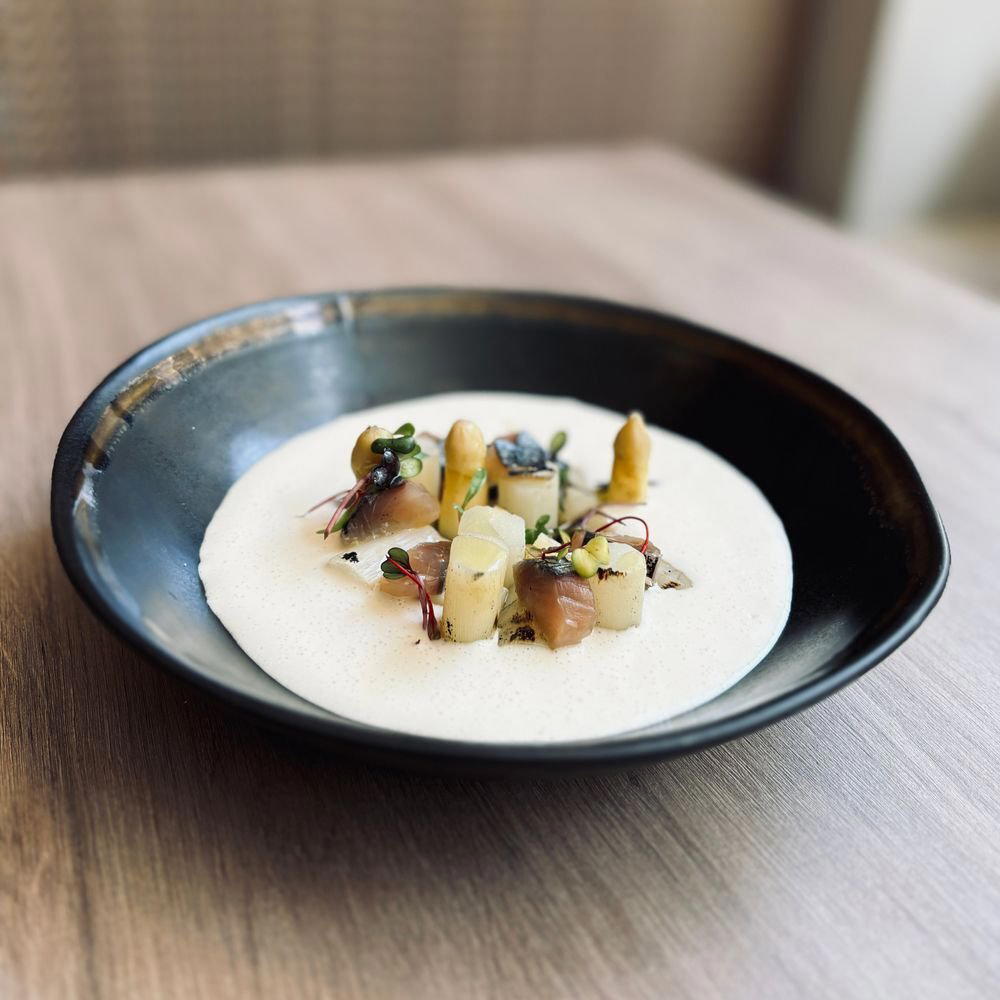
A Japanese kitchen operating in that context would be expected to lean into that proximity, making fish-forward preparations the logical focus of any visit.
Where exactly is Rokuseki?
Rokuseki is located at Rúa do Canceleiro, 24, bajo, Santiago de Vigo, 36201 Vigo, Pontevedra, Spain, Vigo.
Do they take walk-ins at Rokuseki?
No booking policy is publicly listed for Rokuseki. Japanese restaurants at the more focused end of the market in Spain typically require reservations, particularly on weekends. Given the Santiago de Vigo address and the small-footprint format suggested by the ground-floor location, arriving without a reservation carries real risk of turned-away visits.
What do critics highlight about Rokuseki?
No formal critical reviews or award citations for Rokuseki appear in the current public record. What contextualises its position is Vigo's broader standing: a city with serious culinary infrastructure built on Atlantic fishing volume, where a Japanese kitchen has genuine raw-material credibility rather than relying on imported produce.
Budget and Context
Comparable venues nearby, for context on price, style, and recognition.
| Venue | Cuisine | Price | Awards | Notes |
|---|---|---|---|---|
| RokusekiThis venue — the venue you are viewing | Japanese Yakiniku | Not listed | Macarfi 8 Food Rating | Not listed |
| Silabario | Contemporary Galician Fine Dining | Not listed | 1 Michelin Star · Guía Repsol 1 Sol | / Príncipe – A Sede RC Celta, Contemporary Galician fine dining |
| Niño Corvo | Galician Fusion with Japanese and Peruvian Influences | $50–100 | Macarfi 8 Food Rating | Casco Vello, Galician Fusion with Japanese and Peruvian Influences |
| Kero | Peruvian-Galician Fusion | $30–50 | Michelin Plate · Macarfi 7.7 Food Rating | downtown, Peruvian-Galician Fusion |
| Alberte | Modern Galician Seafood Grill | $30–50 | Michelin Plate · Macarfi 7.6 Food Rating | Vigo, Modern Galician Seafood Grill |
| Kita | Modern Japanese Omakase with Galician Influences | $150–200 | Michelin Plate · Macarfi 8 Food Rating | residential district (Freixeiro), Modern Japanese Omakase with Galician Influences |
Recognition history
Dated appearances from independent guides and award organizations, with the underlying list record or original source where available.
Macarfi 8 Food Rating
Macarfi

Details
- Sophisticated
- Elegant
- Modern
- Intimate
- Date Night
- Special Occasion
- Open Kitchen
- Tasting Menu
- A La Carte
Current opening hours
- Monday
- Closed
- Tuesday
- Closed
- Wednesday
- Closed
- Thursday
- 1–3:15 PM, 8–10:15 PM
- Friday
- 1–3:15 PM, 8–10:15 PM
- Saturday
- 1–3:15 PM, 8–10:15 PM
- Sunday
- 1–3:15 PM, 8–10:15 PM
Hours can change for holidays and private events. Last verified .
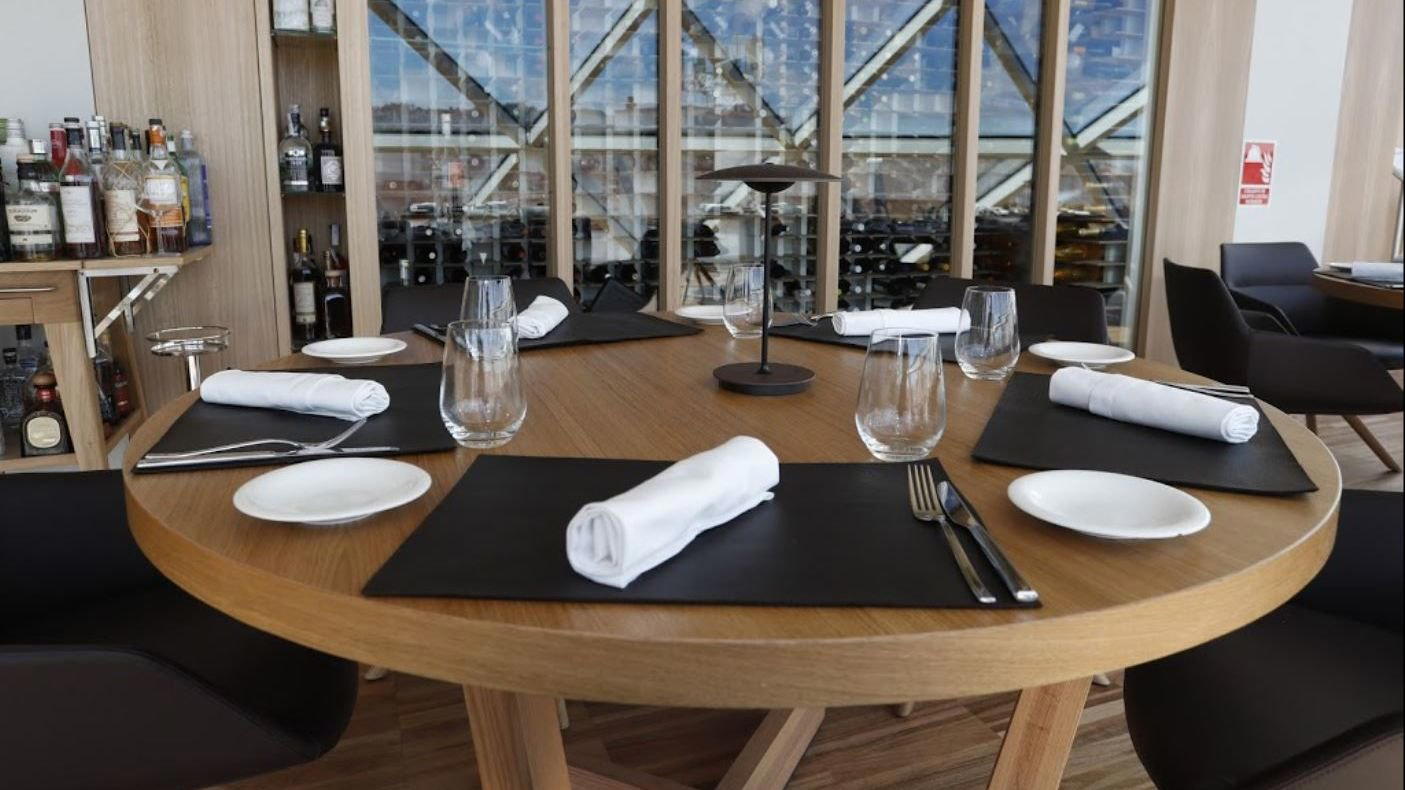
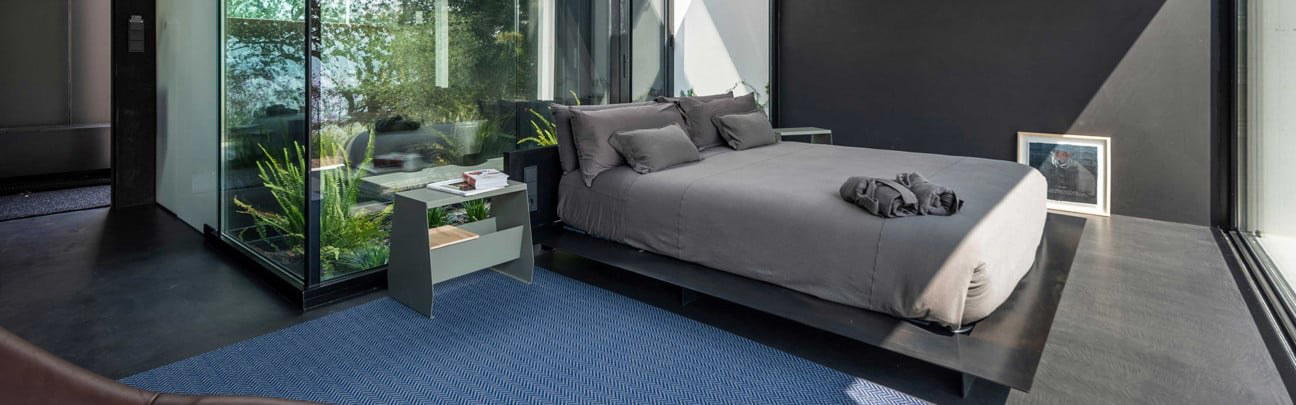
Calm and tranquil Japanese-inspired atmosphere with wood and black stone furniture, clean and sophisticated lighting creating an immersive dining experience.