

Casa Marco holds consecutive Michelin Bib Gourmand recognition (2024 and 2025) for traditional cuisine that deliberately steps away from Vigo's dominant fish-and-seafood template. The à la carte draws on IGP-certified Castilla y León lamb, market-fresh fish, and Galician dairy, served in a contemporary dining room with a kitchen-view window on García Barbón. At the €€ price point, it occupies a distinct position in a port city where most mid-range dining defaults to the Atlantic.
Pearl is the En Primeur Club membership app — saves, bookings, and concierge access live there. Same editors, same standards.
- Address
- R. de García Barbón, 123, Santiago de Vigo, 36201 Vigo, Pontevedra, Spain
- Phone
- +34 986 22 51 10
- Website
- restaurantecasamarco.es
- Directions
- Get directions
 Saves & bookings on Pearl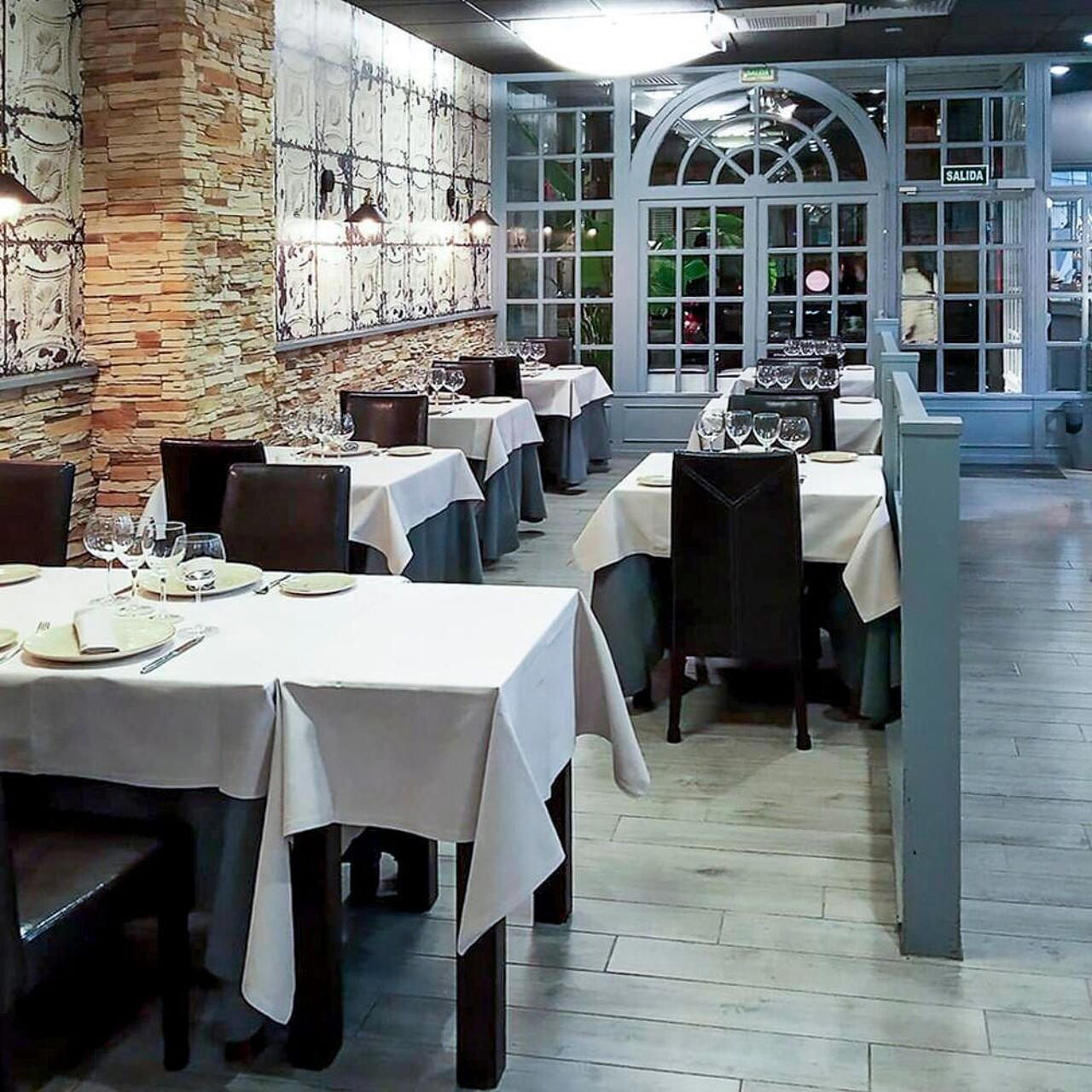
A Different Argument on García Barbón
Vigo's dining identity is built around the sea. The port, the Rías Baixas, the fish markets on Pescadería, almost every mid-range restaurant on the city's main commercial corridor defaults to the same logic: whatever came in this morning, simply prepared. That template works, and it works well. But it also means that traditional land-based Spanish cooking, the kind anchored in certified regional produce and slow technique, rarely gets serious representation at accessible prices. Casa Marco occupies that gap.
The Room and What It Signals
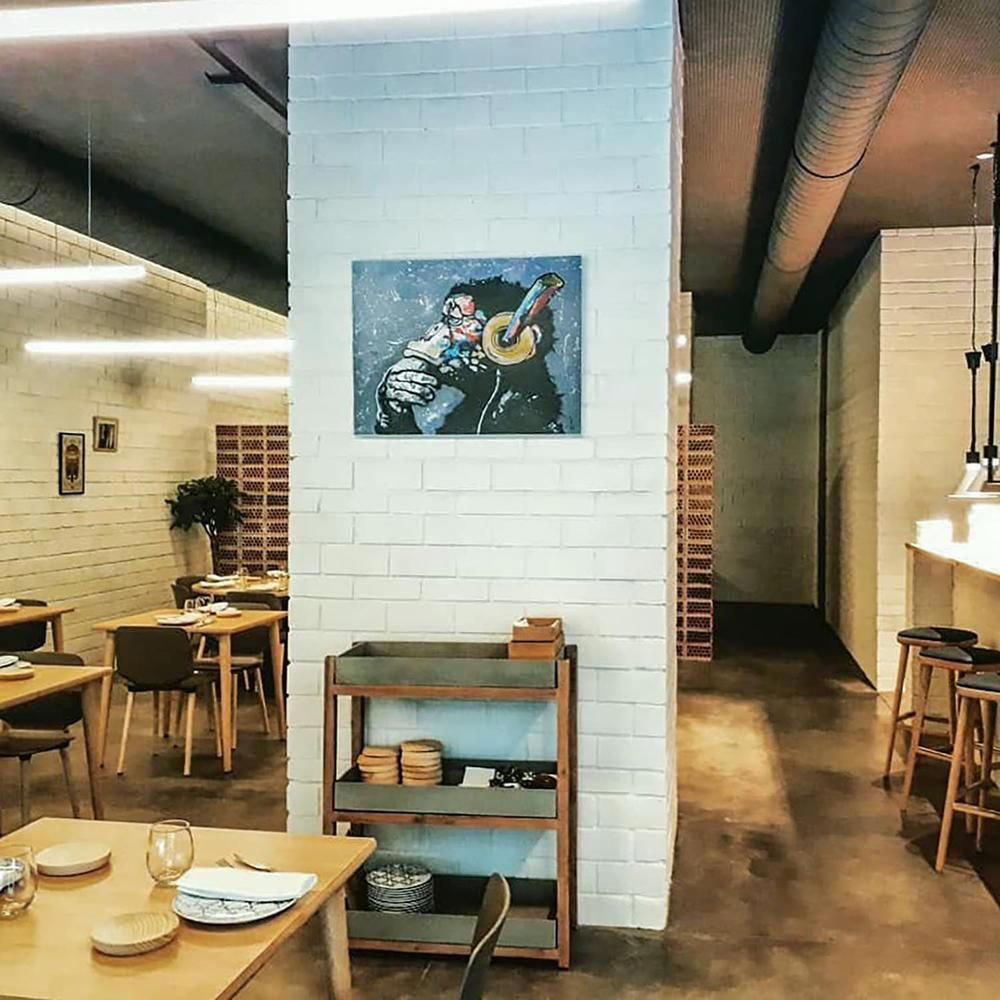
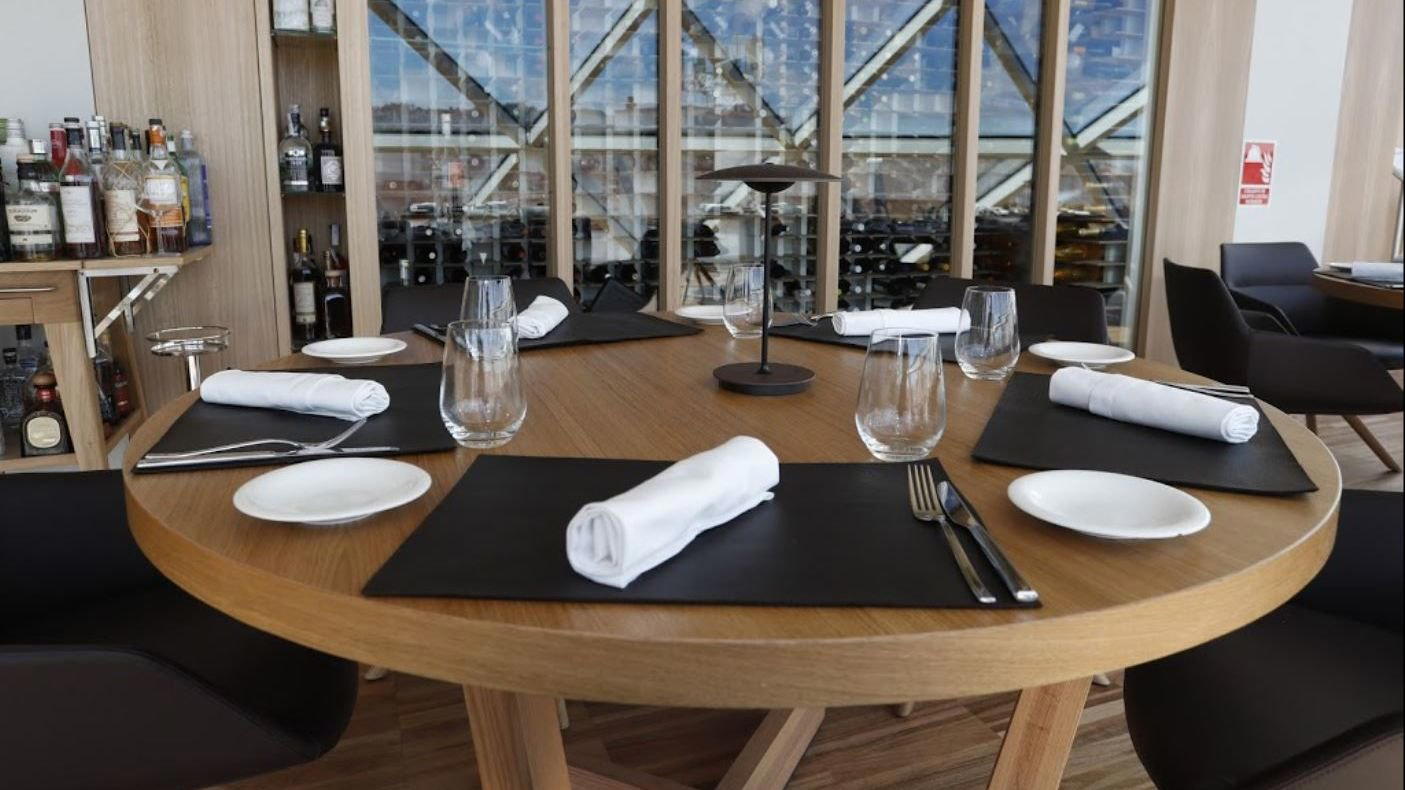
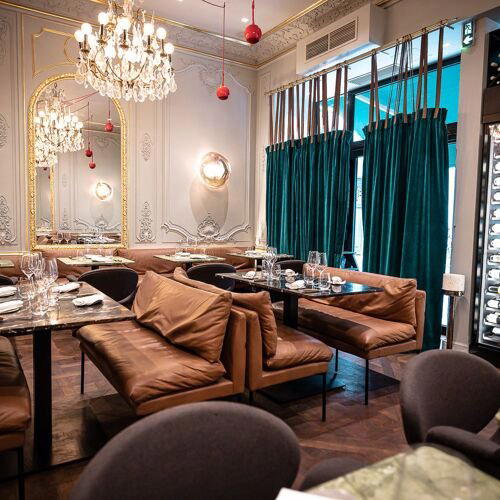
The address on R. de García Barbón places Casa Marco in Vigo. The dining room layout follows a now-familiar premium-casual logic: a contemporary finish that reads as composed rather than cold, with a key architectural feature at the rear, a large window that frames the kitchen and the chef at work. That format, common in restaurants aiming to communicate transparency and craft simultaneously, carries editorial weight here. It sets an expectation that the cooking is worth watching, and the Bib Gourmand designation suggests the kitchen meets that expectation at a price point that does not require a special occasion to justify.
For practical planning: Casa Marco sits at the €€ tier, which in Vigo's current market places it comfortably below the three-star territory of Silabario or the grill-focused premium of Alberte, and broadly in line with contemporaries like Detapaencepa, Enxebre, and Kero.
Where the Food Comes From, and Why That Matters
Ingredient sourcing is the editorial core of what the restaurant is doing, and it deserves more than a passing mention. The à la carte features IGP Castilla y León lamb, a protected geographical indication that covers specific breeds raised under defined conditions in the Castilian meseta. That certification is not decorative. In a city where the default sourcing story is the Atlantic, committing to certified inland produce from central Spain represents a deliberate positioning choice, one that also demands supply-chain discipline. You cannot swap in generic lamb and still meet the IGP specification.
The fish element of the menu operates on a different sourcing logic: market-fresh, which in Vigo means proximity to one of Galicia's primary fish distribution points. The combination, inland certification for meat, local-market immediacy for fish, gives the kitchen a wider material range than most comparable restaurants in the city. It also means the menu has a built-in seasonal variability on the fish side that the meat side counterbalances with consistency. For a diner who has already exhausted the port-district seafood circuit, this dual sourcing structure provides a substantively different experience, not just a different address.
Galician dairy appears in the dessert section, anchored by a baked local cheesecake made with biscuits. That detail matters because Galician cheese and dairy production has a documented regional identity, the area's humid Atlantic climate supports pasture quality that distinguishes its dairy from the drier interior. Using local dairy in a dessert that could easily default to generic European ingredients is a small but legible signal about kitchen philosophy, and one consistent with the broader sourcing logic described above.
The Menu in Practice
The à la carte structure balances meats, rice dishes, and fish. The meat section leads with the IGP Castilla y León lamb, which represents the clearest expression of the restaurant's land-sourcing argument. Rice dishes occupy a middle ground, a format with deep Iberian roots that rarely appears with this kind of care at the €€ tier. Fish, drawn from the market rather than a fixed supplier list, provides the daily variation.
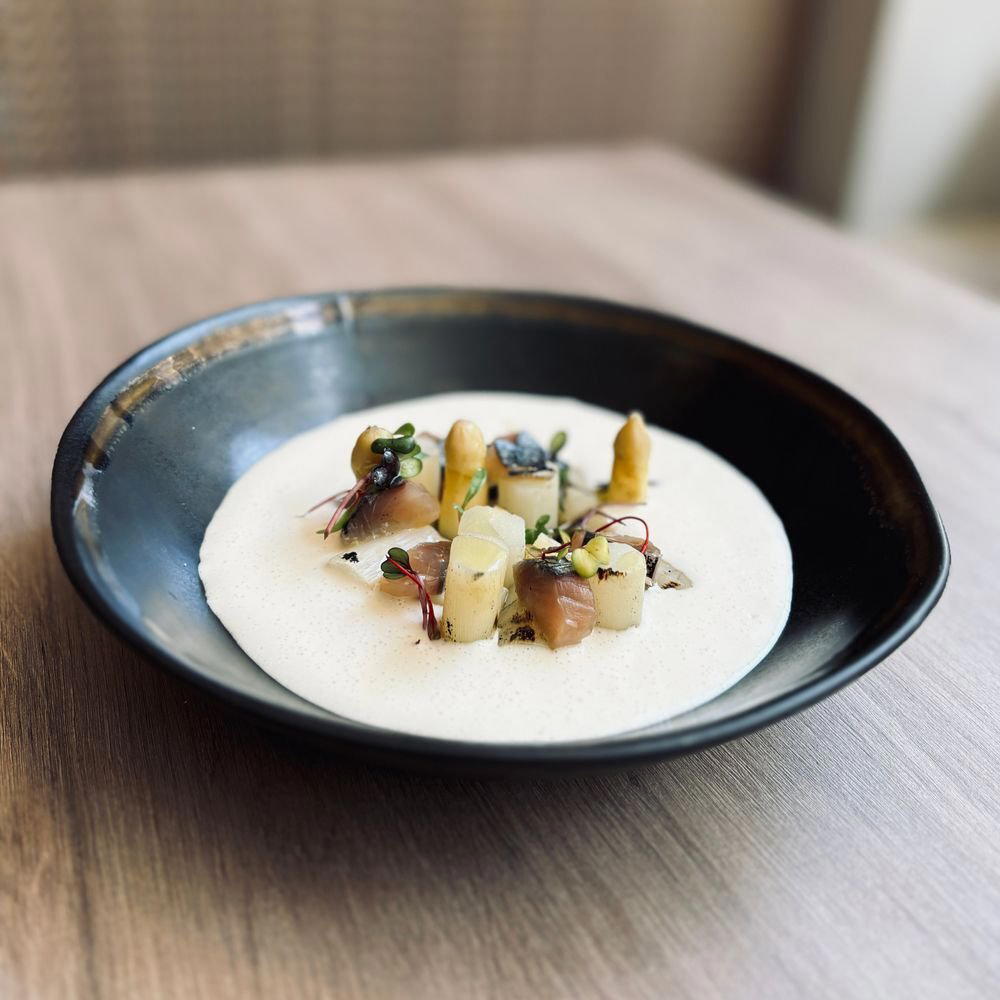
Among the documented preparations: baked loin of cod with onions and panadera potatoes, a classically structured Spanish preparation where the potato acts as both base and flavour absorber rather than a side dish. On the dessert side, fried milk dados with orange on a light Amaretto-flavoured natillas custard represents a technically specific take on leche frita, a traditional Spanish sweet that requires a controlled cold-set and a confident fry. The baked local cheesecake with galleta biscuits completes a dessert section that reads as genuinely constructed rather than sourced from a standard supply catalogue.
These dishes position the restaurant in a broader Spanish traditional-cuisine category. Comparable Bib Gourmand-level traditional cooking appears at Auberge Grand'Maison in Mûr-de-Bretagne and Auga in Gijón. The restaurant operates in the Bib Gourmand tier, where the discipline required is different: sustained quality at a price the local market can support regularly, not occasionally.
Where This Fits in Vigo's Dining Map
Vigo's restaurant scene has genuine range at the €€ tier. Contemporary formats with Galician ingredients, grill-centred approaches, and international cuisines including Peruvian have all found footholds. What the city's mid-range has not reliably produced is an accessible version of serious traditional Spanish cooking that goes beyond the immediate coastline. The restaurant's Bib Gourmand status, awarded across two consecutive years as of 2025, which indicates consistency rather than a single strong inspection cycle, places it as the clearest answer to that gap in the current market.
Chef Cesarina Mezzoni leads the kitchen. In the context of the Bib Gourmand tier, chef credentials function as evidence for the broader point about the restaurant's position in Vigo's scene: the kitchen is producing at a level that Michelin's inspectors have chosen to recognise twice, at a price accessible enough to make repeat visits a realistic option for a local audience, not just a visiting one.
- Grilled Scallops
- Angus Steak
- Black Rice
- Pulpo a la Brasa
- Tuna Carpaccio
- Kokotxa
Cost Snapshot
Comparable venues nearby, for context on price, style, and recognition.
| Venue | Cuisine | Price | Awards | Notes |
|---|---|---|---|---|
| Casa MarcoThis venue — the venue you are viewing | Traditional Cuisine | $$$ | Bib Gourmand | Not listed |
| Enxebre | Modern Galician | $$ | Bib Gourmand | Not listed |
| Morrofino | Modern Spanish Tapas | $$$ | Bib Gourmand | Not listed |
| Kita | Not listed | $$$ | Michelin Plate | residential district (Freixeiro), Modern Japanese Omakase with Galician Influences |
| Niño Corvo | Not listed | $$$ | Not listed | Casco Vello, Galician Fusion with Japanese and Peruvian Influences |
| Alberte | Vigo, Modern Galician Seafood Grill | $$ | Michelin Plate | Not listed |
Recognition history
Dated appearances from independent guides and award organizations, with the underlying list record or original source where available.
Macarfi 7.7 Food Rating
Macarfi
Michelin Bib Gourmand
Michelin
Michelin Bib Gourmand
Michelin
Michelin Bib Gourmand
Michelin





At a Glance
- Elegant
- Classic
- Sophisticated
- Cozy
- Date Night
- Business Dinner
- Group Dining
- Celebration
- Special Occasion
- Open Kitchen
- Extensive Wine List
- Sommelier Led
- Local Sourcing
Current opening hours
- Monday
- 1:15–5:30 PM, 8 PM–12 AM
- Tuesday
- 1:15–5:30 PM, 8 PM–12 AM
- Wednesday
- 1:15–5:30 PM, 8 PM–12 AM
- Thursday
- 1:15–5:30 PM, 8 PM–12 AM
- Friday
- 1:15–5:30 PM, 8 PM–12 AM
- Saturday
- 1:15–5:30 PM, 8 PM–12 AM
- Sunday
- Closed
Hours can change for holidays and private events. Last verified .
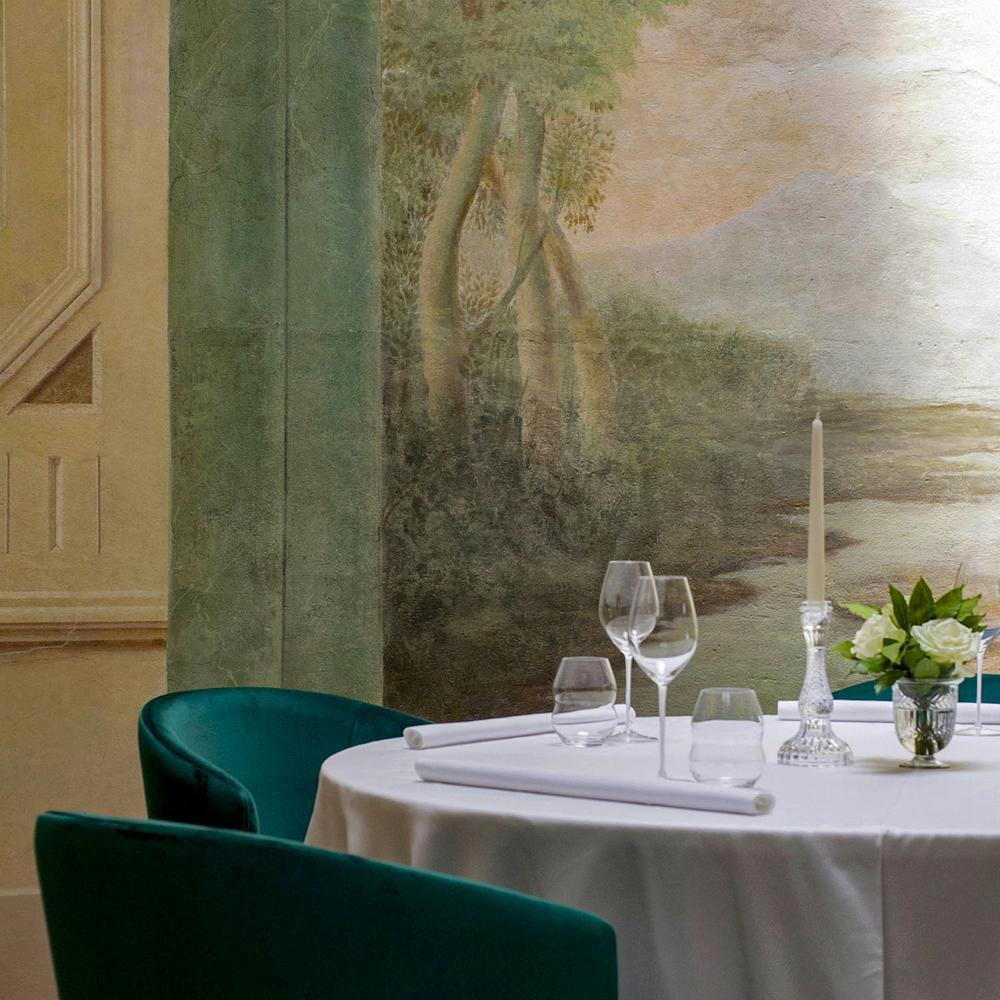
Warm and inviting with contemporary-style elegance; beautifully decorated interior with a striking dining room featuring a large window overlooking the open kitchen, creating an engaging and refined atmosphere.