.png)
A tasting-menu counter in Vigo's Freixeiro district, Kita applies Japanese technique to Galician ingredients with unusual precision. Dishes such as Rubia Gallega beef gyoza with kimchi and Galician-style usuzukuri make the case that these two culinary traditions share more than geography separates them. A Michelin Plate holder in both 2024 and 2025, it sits at the mid-range price tier for a format that elsewhere commands considerably more.
Pearl is the En Primeur Club membership app — saves, bookings, and concierge access live there. Same editors, same standards.
- Address
- Avenida da Hispanidade, 89, Freixeiro, 36203 Vigo, Pontevedra, Spain
- Phone
- +34 986 91 36 75
- Website
- restaurantekita.com
 Saves & bookings on Pearl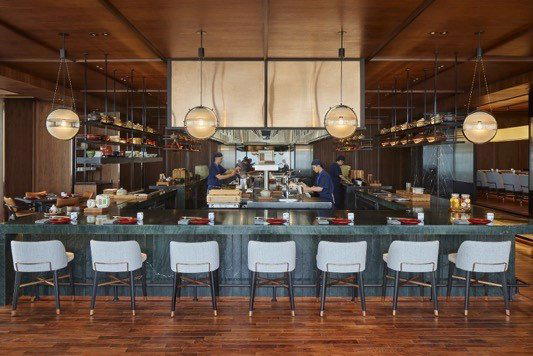
A Residential Address, a Counter-Side Theatre
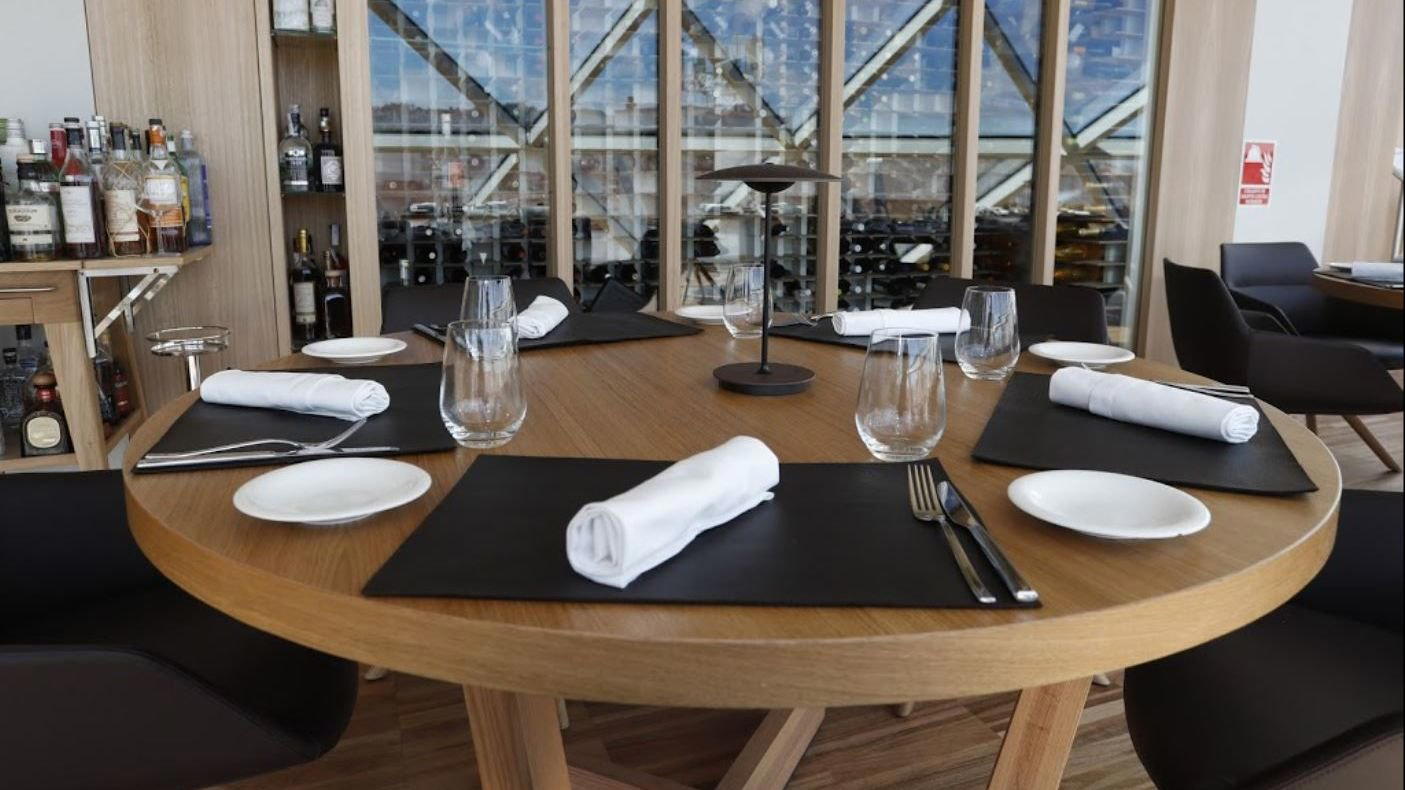
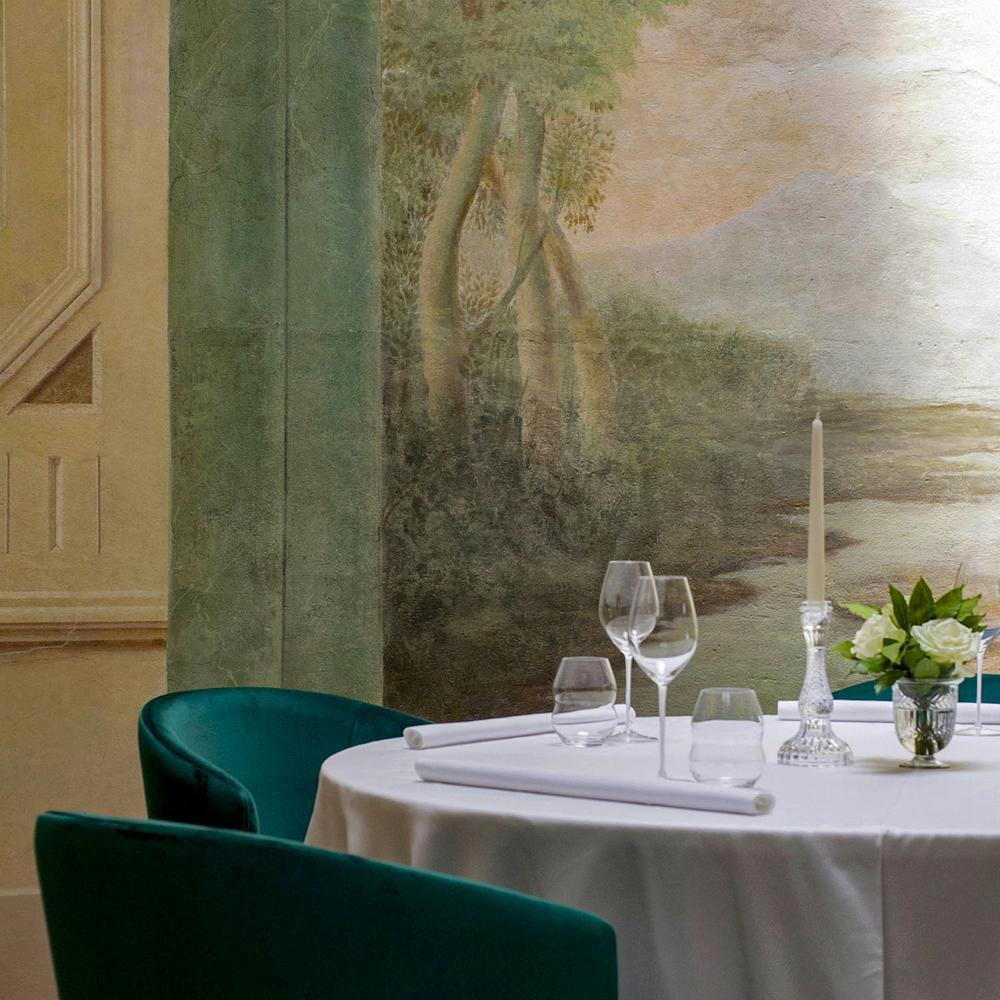
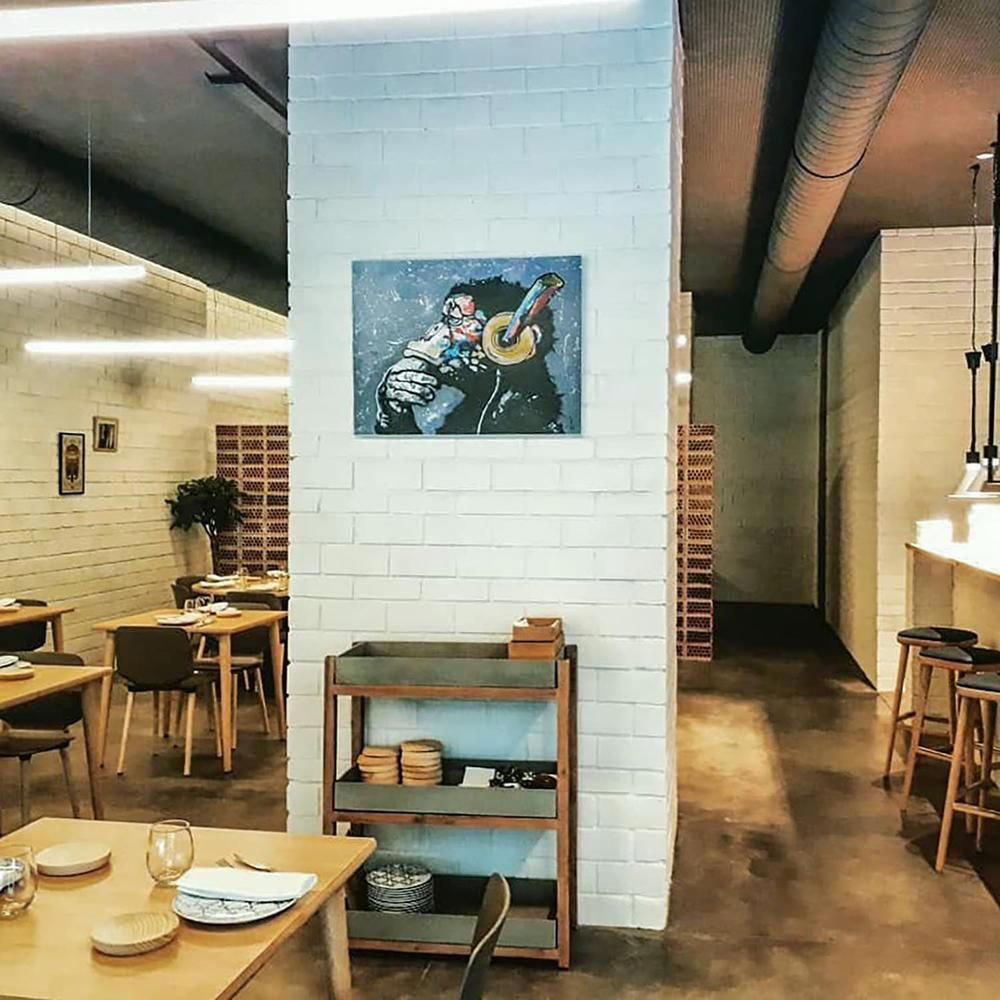
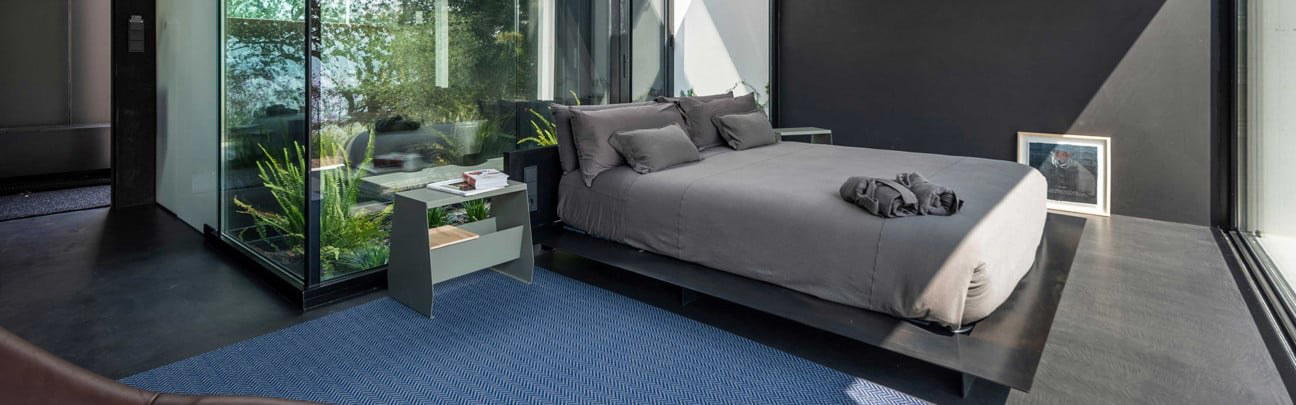
Vigo's dining scene concentrates heavily along the waterfront and the older city centre, where the fish market sets the tone for most of what ends up on local plates. That makes the address of Kita, Avenida da Hispanidade, 89, in the residential Freixeiro district, genuinely telling. Restaurants that locate themselves away from tourist foot traffic and still build a following of 372 Google reviewers averaging 4.6 stars are, almost by definition, cooking for a loyal, returning clientele rather than for passing visitors. The room reflects that orientation: minimalist decor, stripped of decorative noise, with the cooking and its preparation given the full weight of attention.
That preparation is the point. In the broader tradition of Japanese counter dining, the theatre of the meal is inseparable from the food itself. Whether at a sushi bar in Tokyo's Ginza or a kaiseki counter in Kyoto, the discipline of watching a cook work, the measured knife strokes, the quiet sequencing of courses, the absence of rushed plating, changes the diner's relationship to what arrives in front of them. Kita brings that same formal quality to Galicia, where the raw material on the counter is not bluefin from Tsukiji but Rubia Gallega beef, local shellfish, and Atlantic fish drawn from one of Europe's most productive coastlines.
The Logic of Two Traditions Sharing a Kitchen
Galicia and Japan have been linked by fishing culture for longer than most diners realise. Japanese buyers have purchased Galician percebes and centolla for decades; the region's commitment to pristine, simply handled seafood aligns closely with the Japanese principle that technique should serve the ingredient rather than transform it. Kita's name makes the editorial position explicit: translated, it reads as "Fusion of the North," a framing that positions the menu as a meeting point rather than a collision.
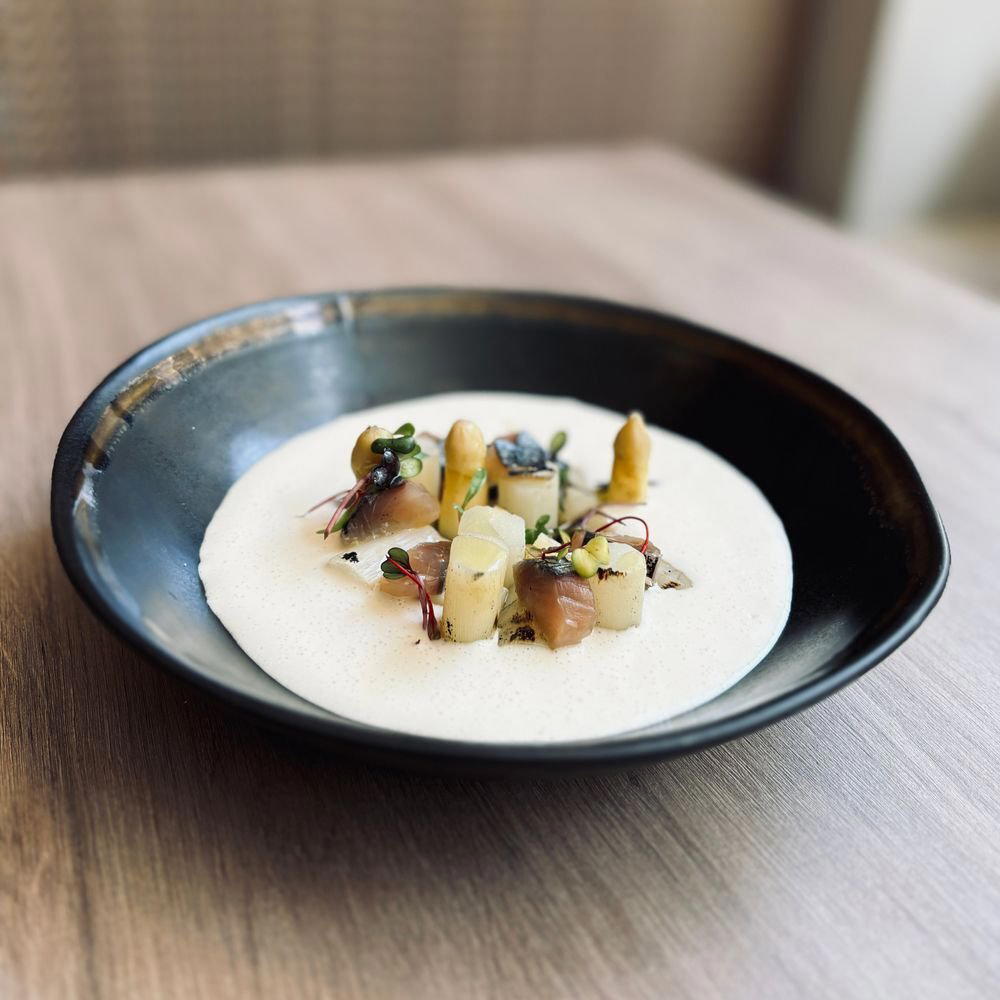
That distinction matters when assessing how the kitchen handles the tasting menu format. Spain's most ambitious fusion addresses, DiverXO in Madrid and El Celler de Can Roca in Girona, pursue conceptual complexity as the primary goal. Kita operates differently: Japanese technique functions here as a precision tool applied to Galician produce, not as a stylistic statement in its own right. The Rubia Gallega beef gyoza with kimchi positions a Galician cattle breed inside a Japanese wrapper and introduces a Korean ferment, the kind of triangulation that only works when the central ingredient is strong enough to carry the weight of context around it. Rubia Gallega, increasingly sought by high-end Spanish restaurants including grill-focused addresses like Alberte in Vigo, is. Galician-style usuzukuri, the paper-thin slicing technique applied to local fish rather than Japanese species, speaks to the same approach: the knife work is Japanese, the fish is Atlantic.
Where Kita Sits in Vigo's Current Hierarchy
Vigo's mid-market restaurant tier is more competitive than its profile outside Galicia might suggest. Casa Marco anchors the traditional end of the €€ bracket; Detapaencepa and Enxebre represent the contemporary direction within similar pricing. Kita occupies the same price band while using a format, a single tasting menu, counter-oriented presentation, Japanese technique, that would typically command a premium tier elsewhere. Silabario, Vigo's Michelin-starred contemporary address, sits at €€€. The value equation at Kita is, by Galician standards, notable.
Michelin Plate recognition in both 2024 and 2025 places Kita below star level but inside the Guide's formal acknowledgment of quality cooking. In the context of Spanish Michelin geography, where Arzak, Azurmendi, Aponiente, and Cocina Hermanos Torres represent the country's upper tier, a Plate in a residential Vigo postcode signals a kitchen that has cleared the Guide's basic quality threshold and operates with consistency. Two consecutive years of recognition is more meaningful than a single appearance, as it rules out a one-season anomaly.
The Tasting Menu as Performance Format
Single tasting menus are a curatorial decision as much as a culinary one. Removing à la carte choice concentrates both the kitchen's attention and the diner's. In Japan, this principle underpins omakase, the chef decides, the guest trusts, and the counter setting reinforces it by removing the spatial distance between cook and table. You watch technique in real time: the handling of thin-sliced fish, the construction of each gyoza, and the sequencing of temperatures and textures. At counters devoted to this format in Tokyo, such as those reviewed at Myojaku and Azabu Kadowaki, that transparency is considered part of the meal's value. Kita applies the same logic to a Galician context, where the source ingredients, rather than the chef's knife lineage, carry the primary credibility.
For diners accustomed to the conventional Spanish restaurant format of shared plates and long tables, the single-menu counter can require a recalibration of expectations. You are not choosing; you are being guided. The pacing is set by the kitchen. The dishes arrive in an order determined by the cook. This is not a criticism, it is a description of what the format offers and what it asks in return.
Planning a Visit
Kita sits in the Freixeiro district at Avenida da Hispanidade, 89, a short drive from central Vigo but outside the walkable restaurant cluster most visitors default to. Given the tasting-menu format and the counter-oriented room, booking ahead is advisable. The €€ pricing places this within reach of most dining budgets for a special occasion meal.
Nearby-ish Comparables
Comparable venues nearby, for context on price, style, and recognition.
| Venue | Cuisine | Price | Notes |
|---|---|---|---|
| KitaThis venue — the venue you are viewing | Modern Japanese Omakase with Galician Influences | $$$ | |
| La Mesa de Conus | Modern Spanish Tasting Menu | $$$ | Sárdoma |
| Kero | Peruvian-Galician Fusion | $$$ | downtown |
| Rokuseki | Japanese Yakiniku | $$$ | Santiago de Vigo |
| Casa Marco | Traditional Galician Cuisine with Modern Twist | $$$ | García Barbón |
| Alberte | Modern Galician Seafood Grill | $$ | Vigo |
At a Glance
- Minimalist
- Elegant
- Intimate
- Sophisticated
- Date Night
- Special Occasion
- Celebration
- Open Kitchen
- Chefs Counter
- Local Sourcing
- Sustainable Seafood
Simple minimalist-style decor with a relaxing, modern environment; quiet 1970s soundtrack creates an intimate, sophisticated atmosphere.